The best gravel rides around Reguengo Do Fetal
3.7
(4)
22
riders
5
rides
Gravel biking around Reguengo Do Fetal offers a variety of routes through central Portugal's landscape. The region features mixed terrain, including paths that pass by historical sites like Porto de Mós Castle and natural features such as river valleys and agricultural areas. Riders can expect varied elevation changes across the routes, providing both challenging climbs and more level sections.
Best gravel bike trails around Reguengo Do Fetal
- The most popular gravel bike trail is Porto de Mós Castle – Porto…
Last updated: August 27, 2026
4.3
(3)
9
riders
23.2km
01:28
370m
370m
Moderate gravel ride. Good fitness required. Mostly paved surfaces. Suitable for all skill levels.
3.0
(1)
9
riders
41.4km
02:31
180m
180m
Moderate gravel ride. Good fitness required. Mostly paved surfaces. Suitable for all skill levels.

Sign up for free
1
riders
18.8km
01:23
230m
230m
Moderate gravel ride. Good fitness required. Mostly paved surfaces. Suitable for all skill levels.
2
riders
23.7km
01:47
340m
340m
Hard gravel ride. Good fitness required. You may need to push your bike for some segments of this route.
1
riders
22.0km
01:33
350m
350m
Moderate gravel ride. Good fitness required. Mostly paved surfaces. Suitable for all skill levels.
Our route recommendations are based on thousands of hikes, rides, and runs completed by other people on komoot.
Start today with a free account
Your next adventure awaits.
Login or Signup

Tips from the Community


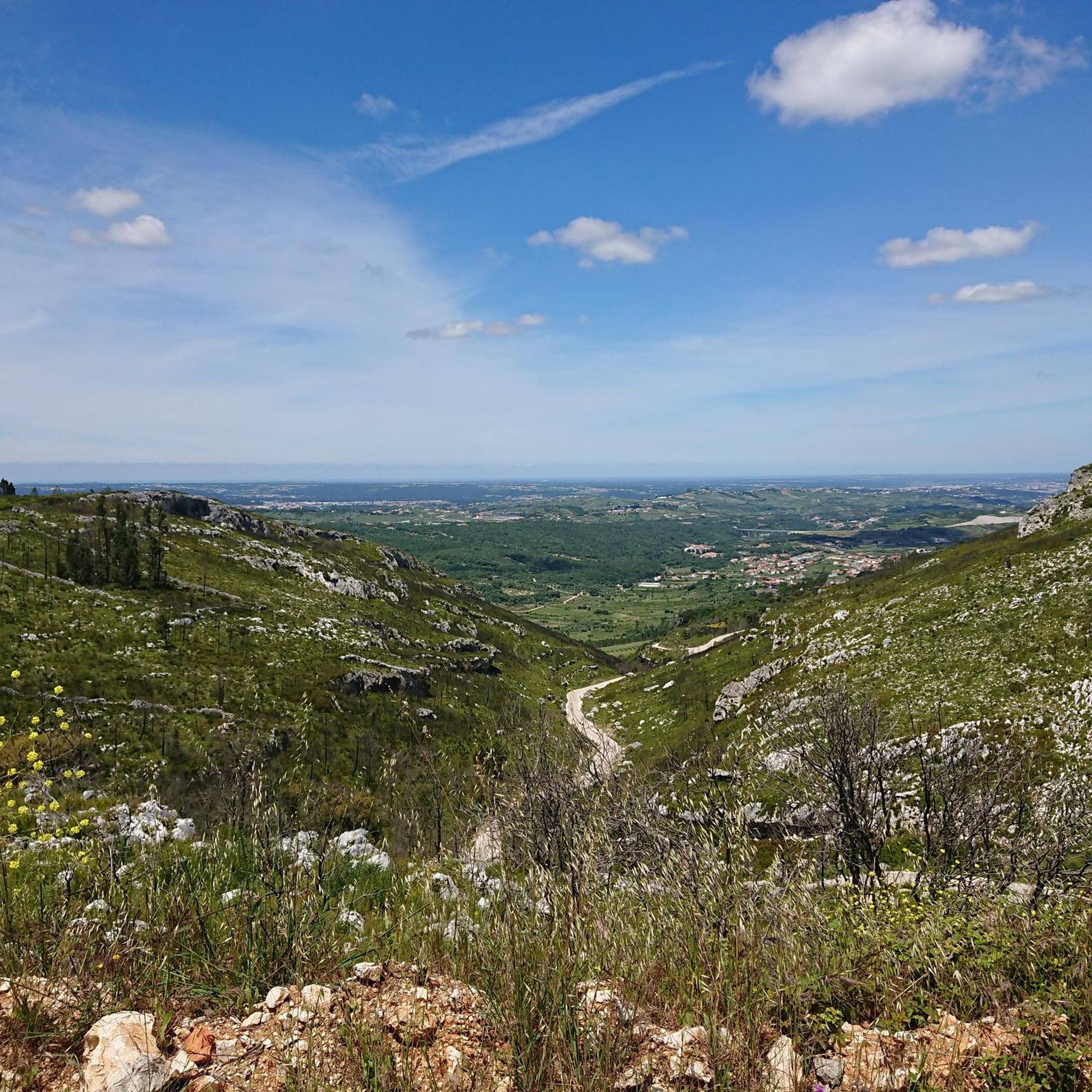
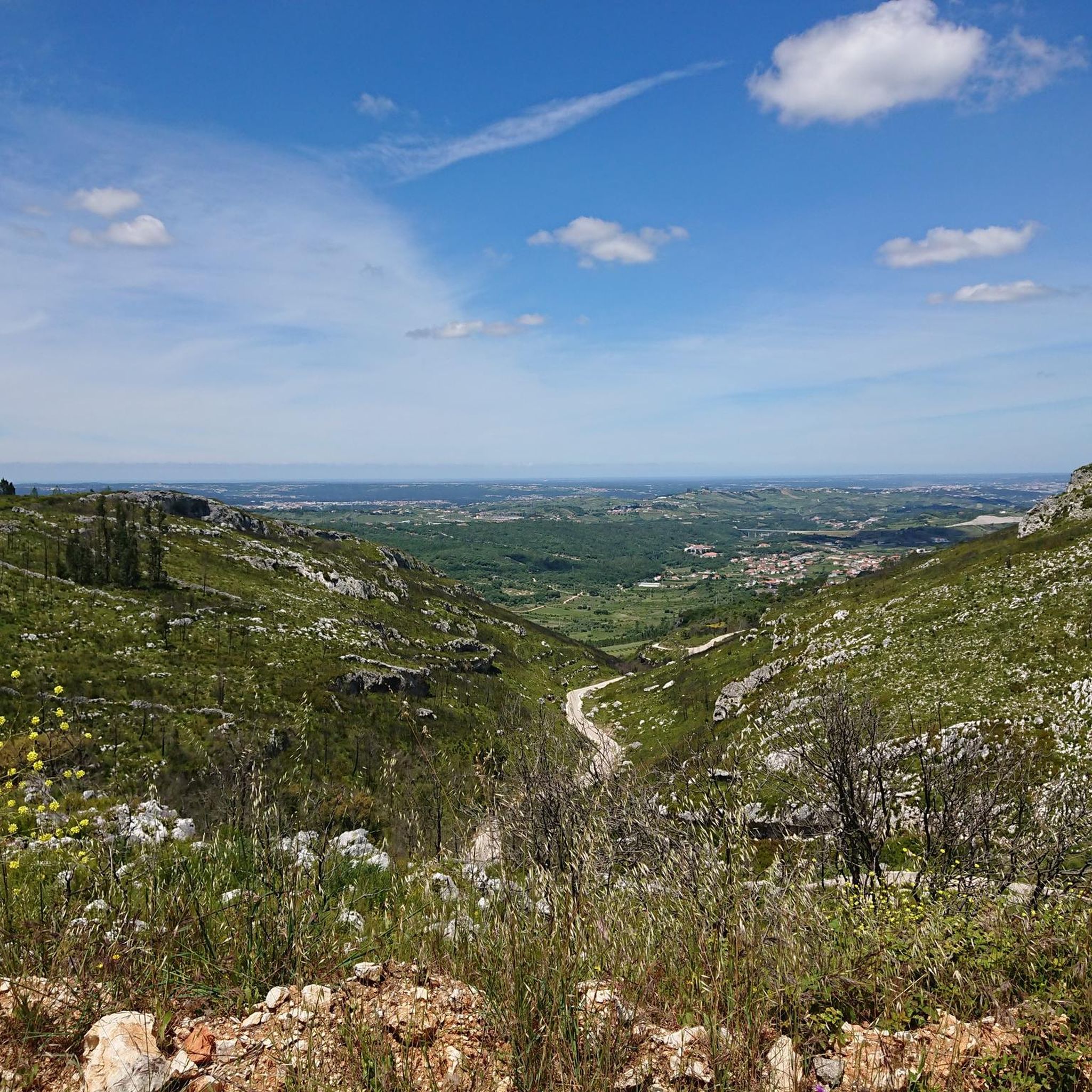
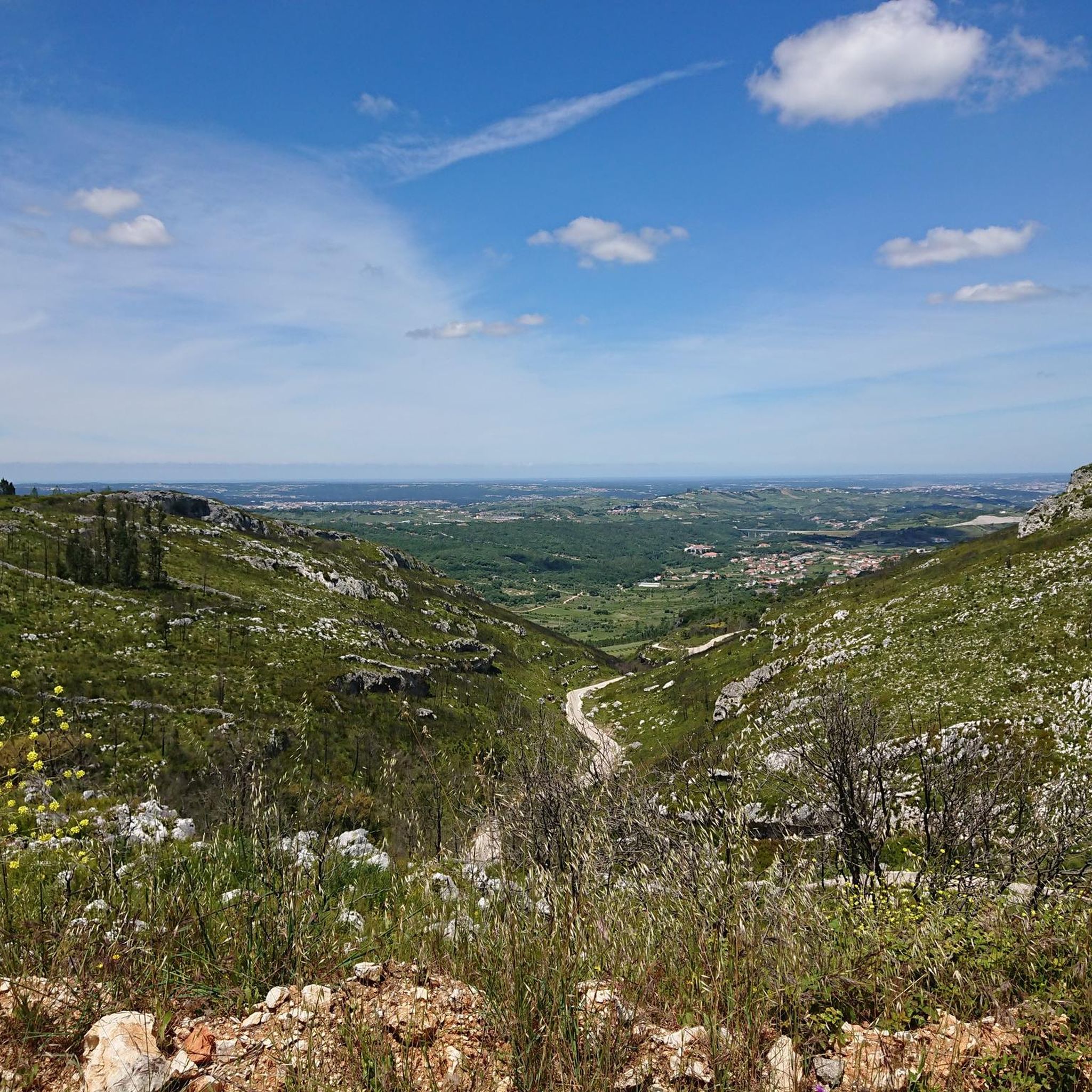
Gorgeous views! The climb to Alqueidão da Serra is tough for beginners.
1
0


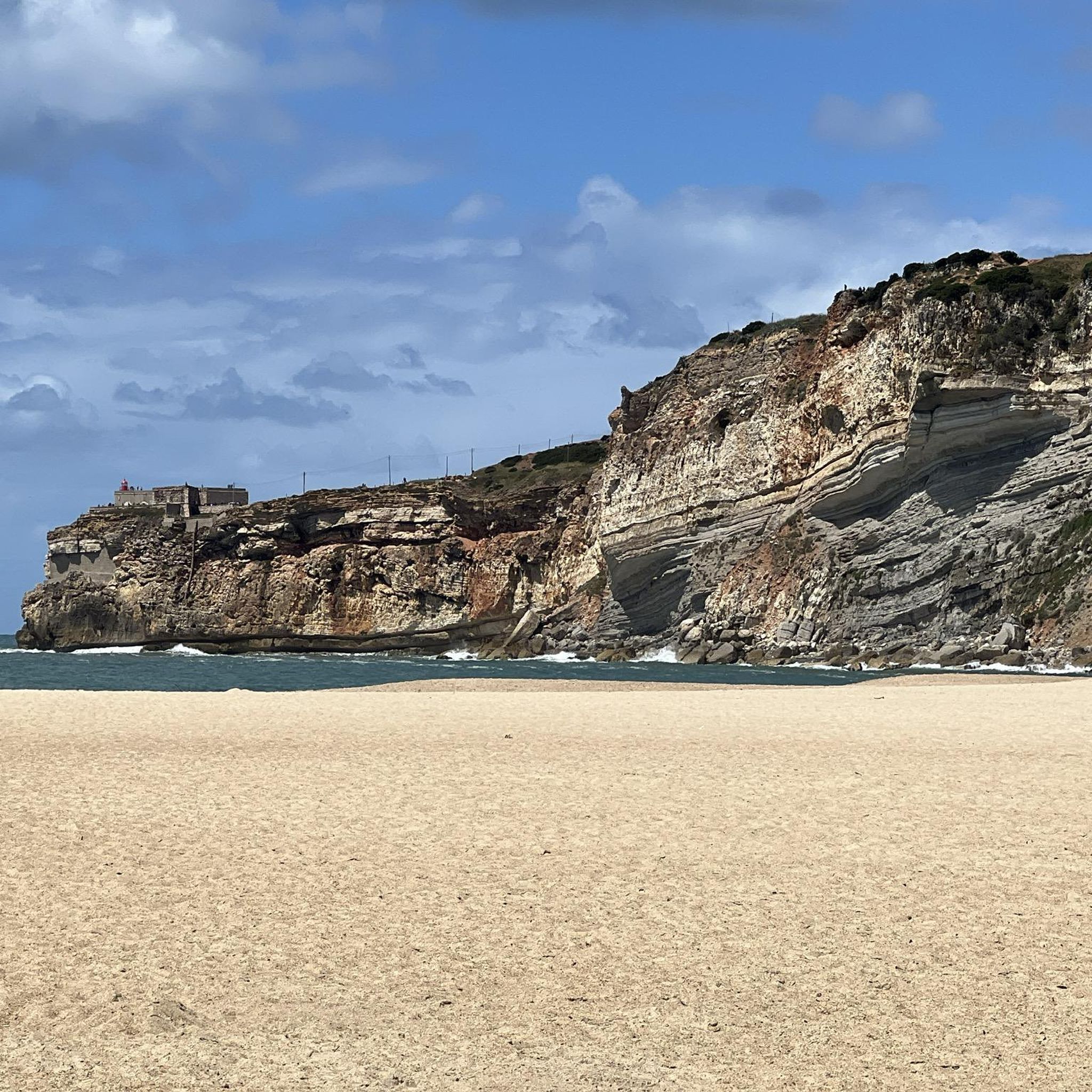
These letters are often a popular landmark for visitors and residents.
7
0

What was once a railway line that transported coal from Minas da Bezerra to Porto de Mós is now a fascinating hiking trail. Along its route, the tunnels dug into the rock to allow the train to pass have become real attractions.
5
0

Enjoy the landscape with or without binoculars.
0
0

Good quality drinking water. It is common to see people fetching water from this source in large bottles.
1
0

Porto de Mós Castle is very original, thanks to its large green and pointed turrets, you can see it from afar! It is an architectural work with unique characteristics which stands on a small hill. Conquered from the Moors in 1148 by the first king of Portugal, Dom Afonso Henriques, the castle of Porto de Mós had an important role in the Christian reconquest and a few years later (1385) in the battle of Aljubarrota, a battle which gave definitive independence in Portugal. In the 15th century, the castle was transformed into a residential palace by D. Afonso. After his death in 1459, the palace was abandoned and partially destroyed by the great earthquake of 1755. From 1936 until 1999, the castle underwent several restorations, which allowed it to regain its former glory. It has been classified as a National Monument since 1910.
1
0
Frequently Asked Questions
What kind of gravel biking experience can I expect in Reguengo Do Fetal?
Gravel biking around Reguengo Do Fetal offers diverse routes through central Portugal's landscape. You'll encounter mixed terrain, including paths that pass by historical sites like Porto de Mós Castle, river valleys, and agricultural areas. The routes feature varied elevation changes, providing both challenging climbs and more level sections.
Are there any easy gravel bike trails for beginners in Reguengo Do Fetal?
While there are no routes explicitly classified as 'easy' in the immediate area, several 'moderate' routes are suitable for those with some gravel biking experience. For instance, the Curvachia Bridge – Curvachia Oak loop from Leiria is a moderate 18.8 km trail that can be completed in about 1 hour 24 minutes, offering a good introduction to the region's varied landscapes.
What are some of the longer gravel bike routes available?
For a longer ride, consider the Via Polis Leiria – Luminous Fountain loop from Leiria, Pousos, Barreira e Cortes. This challenging route spans 55.4 km with significant elevation gain, taking approximately 4 hours 22 minutes to complete.
Are there any circular gravel bike routes in the area?
Yes, many of the gravel routes in Reguengo Do Fetal are designed as loops. A popular option is the Porto de Mós Castle – Porto de Mós Castle loop from Porto de Mós, a moderate 23.2 km trail that takes around 2 hours 1 minute and features an elevation gain of over 370 meters.
What kind of historical sites or landmarks can I see along the gravel bike trails?
The region's gravel routes often pass by historical structures. A notable landmark is the Porto de Mós Castle. While not directly on a gravel route, the Main Portal of the Igreja de Santa Maria da Vitória is another significant historical attraction in the broader area. The trails themselves weave through areas with a rich history.
What do other gravel bikers enjoy most about the trails in Reguengo Do Fetal?
The komoot community rates the gravel biking experience in Reguengo Do Fetal highly, with an average score of 3.5 stars. Riders often praise the varied terrain, the mix of agricultural lands, river sections, and the opportunity to explore historical structures.
Are there any challenging gravel bike routes for experienced riders?
Yes, there are challenging options for experienced gravel bikers. The Via Polis Leiria – Luminous Fountain loop from Leiria, Pousos, Barreira e Cortes, at 55.4 km with nearly 500 meters of elevation gain, is classified as difficult and provides a demanding ride.
Can I find routes that offer viewpoints or scenic overlooks?
The varied terrain and elevation changes across Reguengo Do Fetal's routes mean you'll often encounter scenic sections. While specific viewpoints aren't detailed for every route, the trails passing through river valleys and elevated agricultural areas naturally offer expansive views of the central Portuguese landscape.
What is the best season for gravel biking in Reguengo Do Fetal?
Central Portugal generally offers pleasant conditions for gravel biking during spring and autumn, with milder temperatures and less rainfall. Summer can be warm, especially in open agricultural areas, while winter might bring cooler, wetter weather. Always check local forecasts before heading out.
Are there any less crowded gravel trails in Reguengo Do Fetal?
Many of the gravel routes in Reguengo Do Fetal traverse agricultural lands and less populated river sections, offering a chance for a quieter ride away from major crowds. The Gravel loop from Quinta do Seixo, for example, provides a moderate 22 km journey through varied landscapes, often offering a more serene experience.
Most popular attractions around Reguengo Do Fetal

Get inspired with the komoot mobile app


Explore more
Browse the best Gravel rides in other regions.
