The best gravel rides around Querença
4.1
(6)
35
riders
8
rides
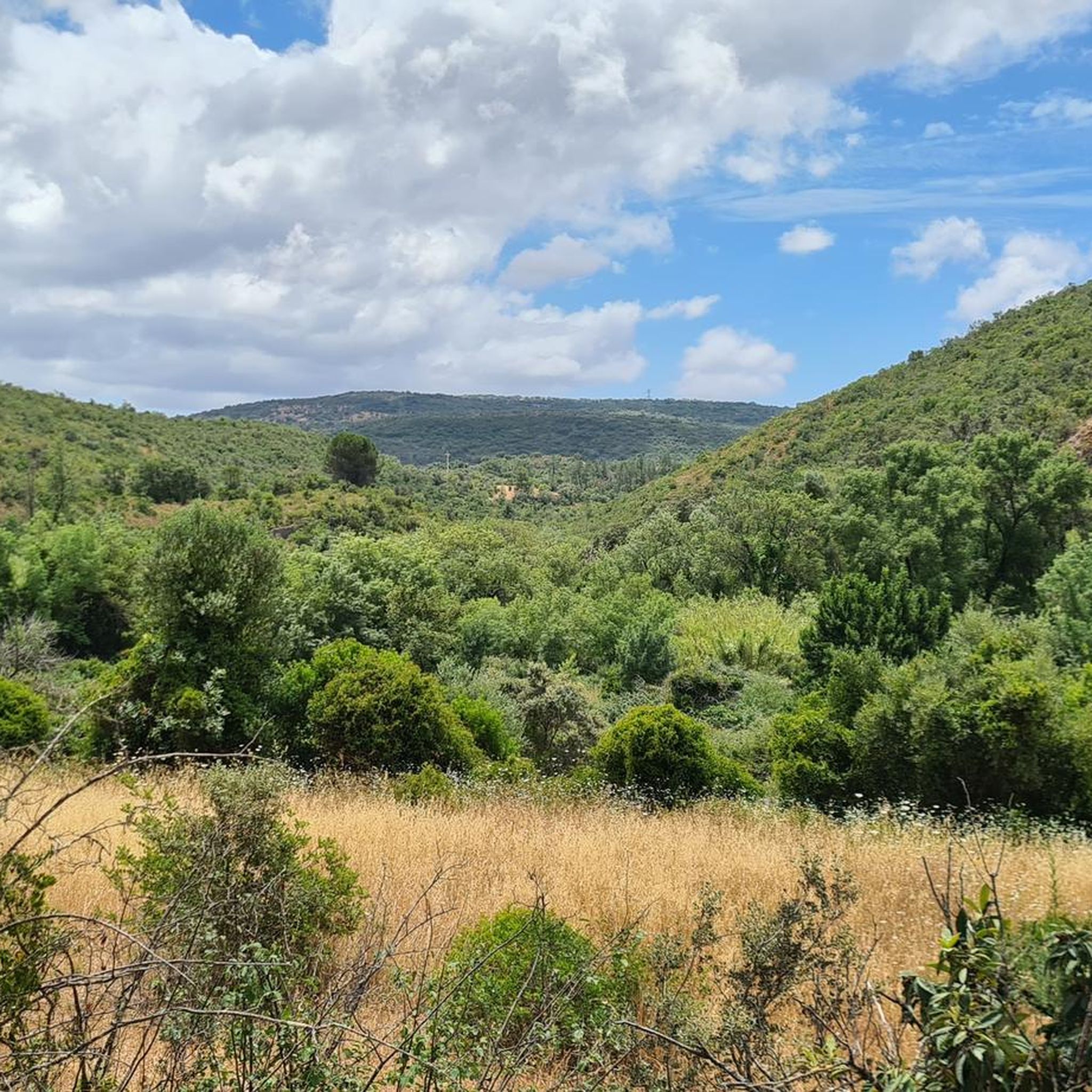
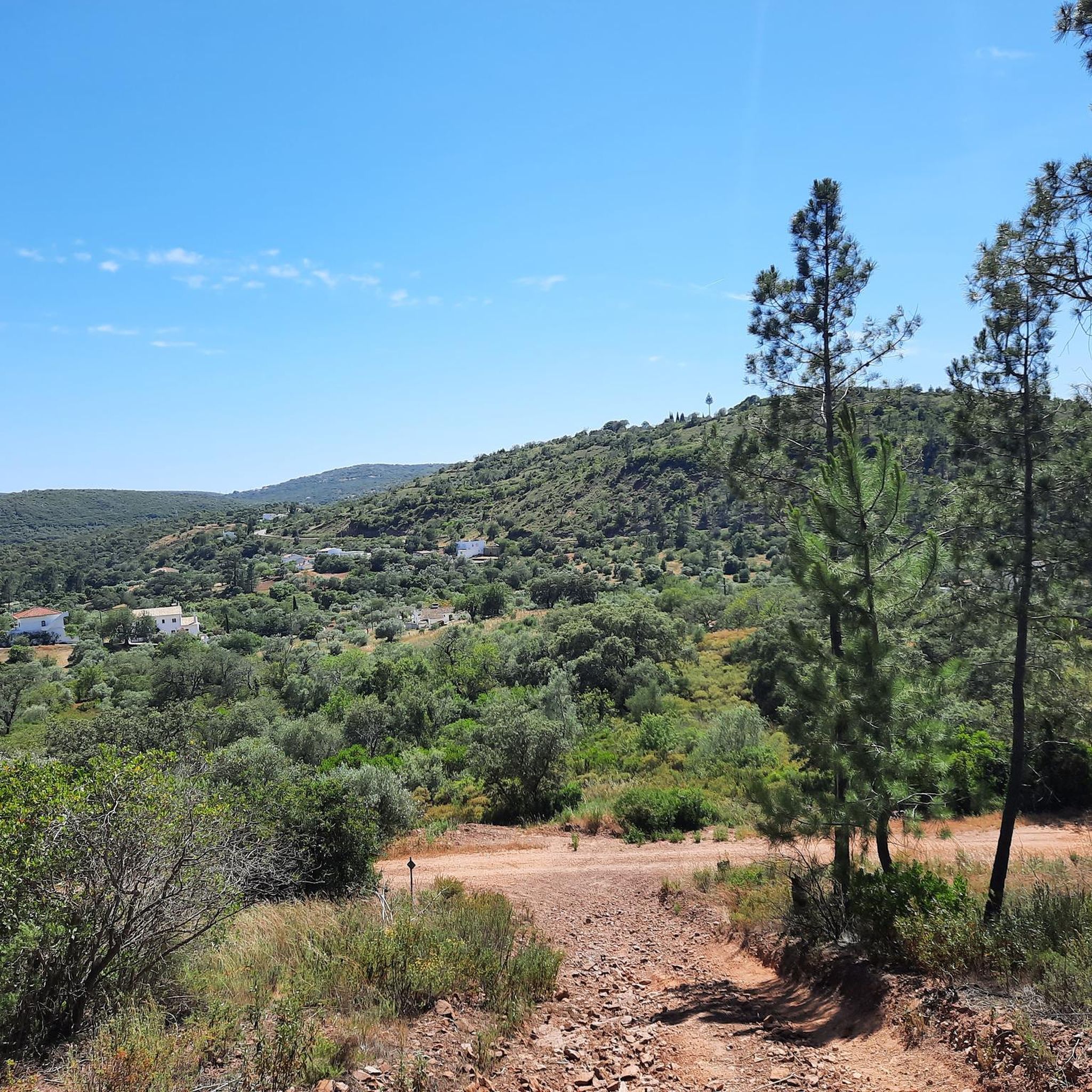
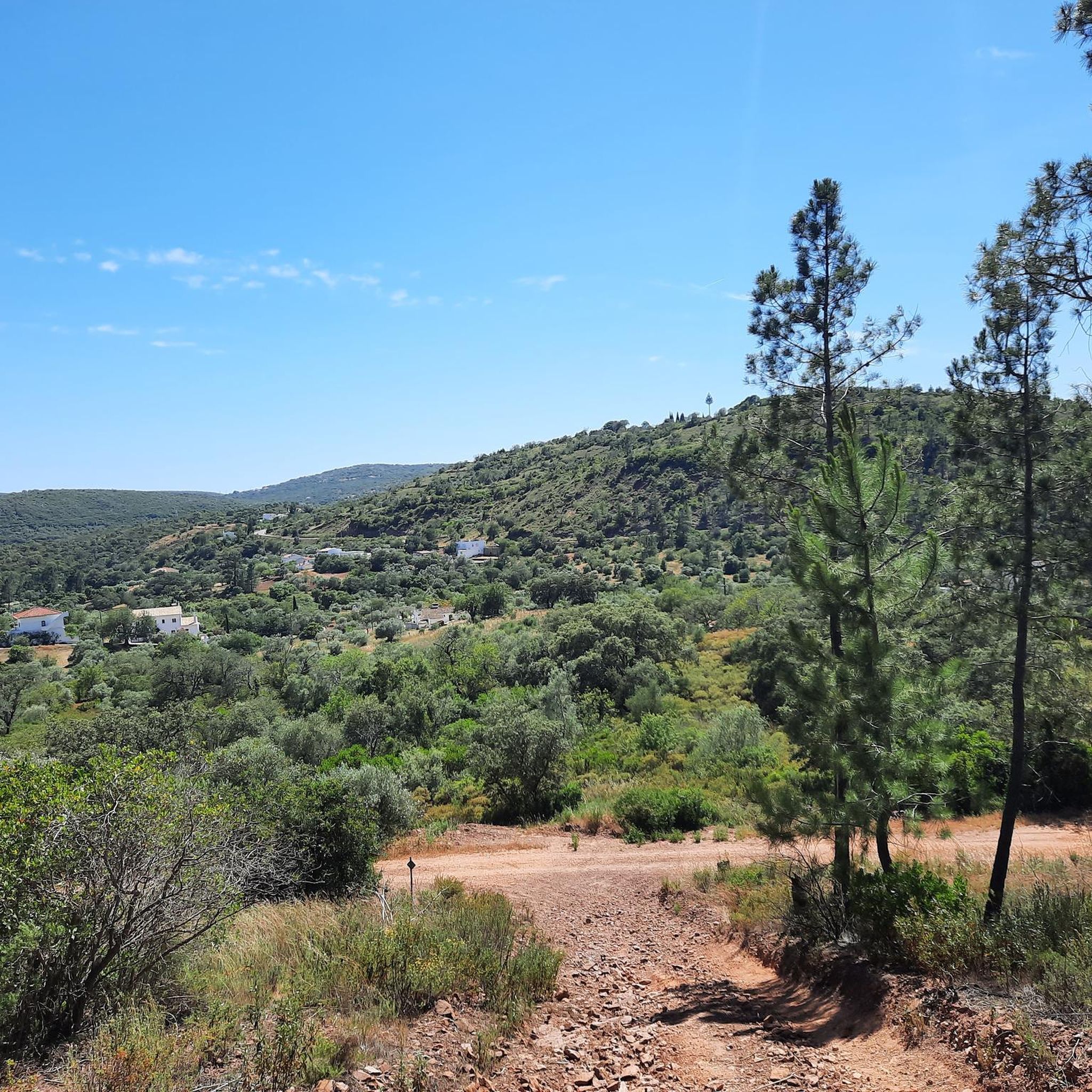
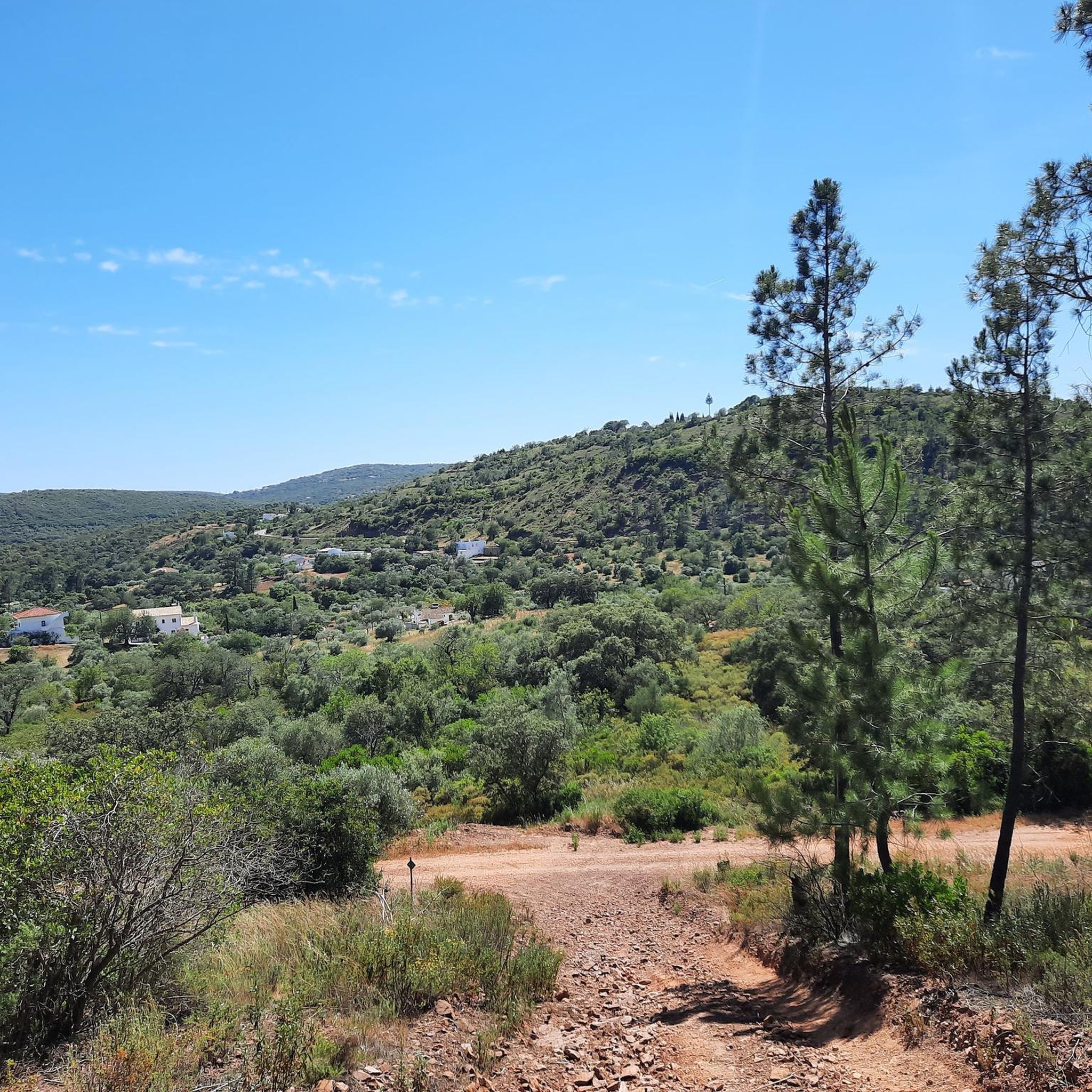
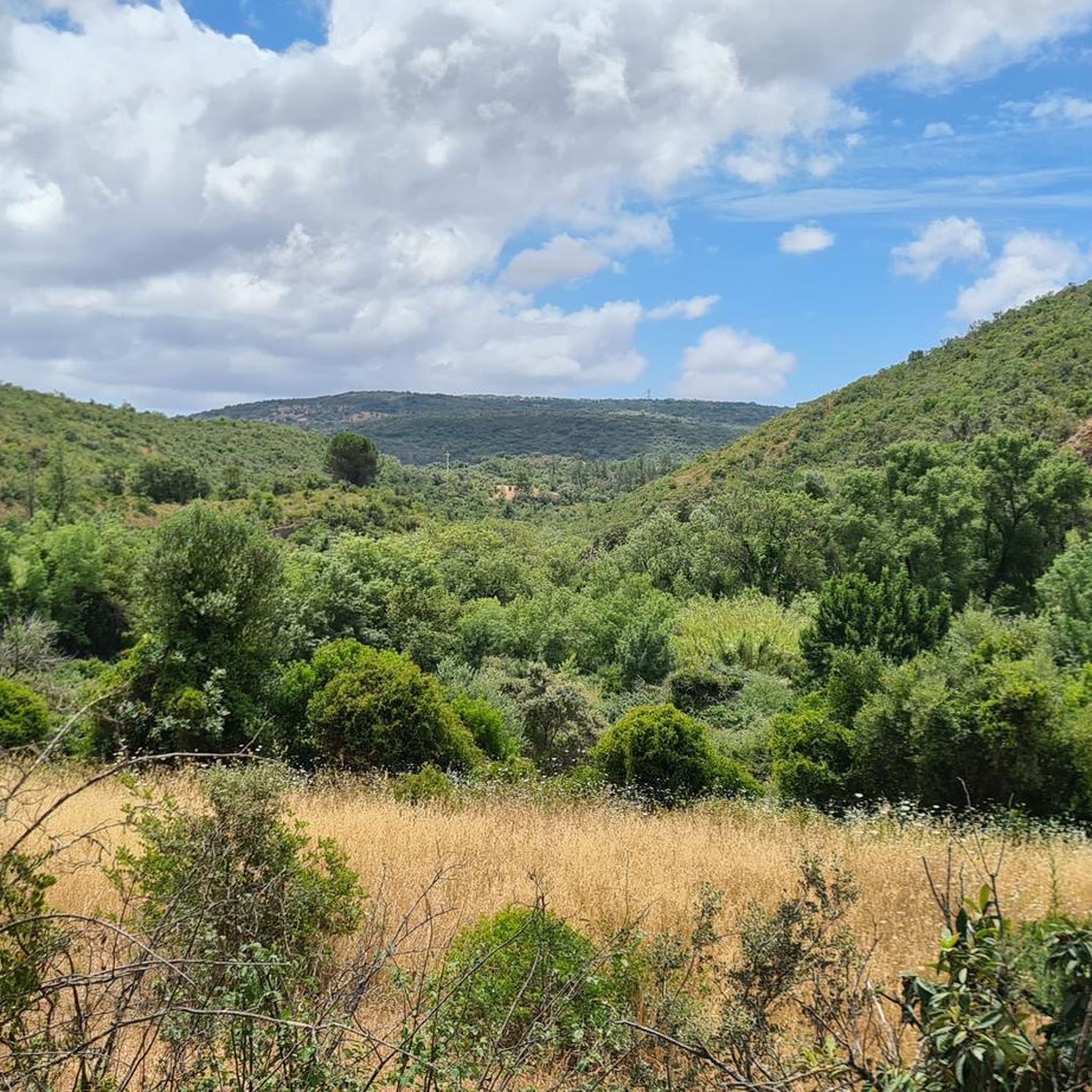
Gravel biking around Querença offers routes through the rolling hills and rural landscapes of the Algarve interior. The region features varied terrain, including unpaved roads, tracks, and some paved sections, suitable for gravel bikes. Elevations can be significant, with routes often including climbs and descents across the landscape. This area provides a mix of open countryside and more secluded paths, characteristic of the Mediterranean environment.
Best gravel bike trails around Querença
- The most popular gravel bike trail is Paderne's Medieval…
Last updated: July 3, 2026
4.3
(3)
9
riders
Hard gravel ride. Very good fitness required. Mostly paved surfaces. Suitable for all skill levels.
4.0
(1)
4
riders
30.9km
02:25
610m
610m
Hard gravel ride. Very good fitness required. Mostly paved surfaces. Suitable for all skill levels.

Sign up for free
4
riders
Hard gravel ride. Very good fitness required. Mostly paved surfaces. Suitable for all skill levels.
5.0
(1)
9
riders
49.5km
03:41
970m
970m
Hard gravel ride. Very good fitness required. Mostly paved surfaces. Suitable for all skill levels.
3
riders
20.3km
01:24
260m
260m
Moderate gravel ride. Good fitness required. Mostly paved surfaces. Suitable for all skill levels.
Get access to more routes and recommendations from other explorers.
Sign up for free
Already have an account?
Our route recommendations are based on thousands of hikes, rides, and runs completed by other people on komoot.
Start today with a free account
Your next adventure awaits.
Login or Signup
Tips from the Community

Fonte Grande is one of the main tourist attractions in the village of Alte, in the Algarve interior. Known for its clear and refreshing waters that originate from the Querença-Silves aquifer, it is an ideal place to spend a day with the family, have picnics and take a dip. Fonte Grande is also considered a river beach. Characteristics of the location Crystal clear waters: The water of Fonte Grande springs from the rocks, coming from the interior of the earth, and feeds the Alte stream, making it a very pleasant leisure area. Natural pool: There is a natural pool at Fonte Grande, with calm and shallow waters, which is perfect for swimming, especially in summer. Infrastructure: The area has picnic tables, shade and a support café, providing comfort to visitors. Accessibility: It has accessible entrance and parking for wheelchairs. What to do in the region Fonte Pequena: Another nearby leisure space, Fonte Pequena, was in the past the place where the village washerwomen met. Currently, it has a small monument in honor of the poet Cândido Guerreiro. Vigário Waterfall: The water of the Alte stream continues its course and forms the Vigário Waterfall, a 24-meter-high cascade that is a beautiful point of interest about 1.2 km away. Hiking: The area offers several hiking trails for nature lovers, such as those that can be found on the AllTrails website. Crafts and culture: The village of Alte is known as the most typical in the Algarve and it is worth exploring its streets, the Parish Church and the local wood and ceramic crafts.
3
0

The main attraction in Alte is Fonte Grande, a beautiful natural pool transformed into a bathing area, where the spring gushes forth in cold, crystal-clear water. A stone channel carries the current, crossed by small bridges and staircases that invite you to take a dip. On hot days, it's the perfect refuge, a haven of coolness and conviviality, with picnic tables, a small restaurant, and the simple charm of the Algarve countryside.
4
0

The original Convent of Santo António was founded in the first half of the 16th century by Capuchin friars from the Province of Piedade, belonging to the religious order of Saint Francis. However, it was in the late 17th century that the building we see today was constructed, located near the first. Today, the structure of the chancel, the nave, and the cloister remain. The latter has two floors: the ground floor flanked by round arches resting on stone pillars, and the upper floor by depressed arches, also resting on stone pillars. (www.visitloule.pt)
9
0
Roundabout with statues of cyclists and the engraved names of great Portuguese professional cyclists.
10
0

The Loulé Municipal Market (Mercado Municipal de Loulé) is a historic covered market building in the centre of Loulé, opened in 1908.
4
0
Loulé Castle is a medieval fortress with Moorish origins, rebuilt after the Christian Reconquest in the 13th century. Part of the city walls and three towers remain. The castle now houses the municipal museum, which displays archaeological finds from the region.
5
0

The market hall in Loulé opened in 1908. It offers all kinds of fresh produce, including fruit and vegetables, local sweets, delicious snacks, and, above all, everything seafood-related! The fish and seafood section takes up half of the hall. Those who arrive early (from 7 a.m. onwards) still have the opportunity to browse and enjoy breakfast. In the mornings, especially on Saturdays, the market is flooded with tourists. On Saturdays, all kinds of fresh and delicious goods can be found outside the market halls as well. A visit is worthwhile!
1
0

The whitewashed houses with colorful doors, the Algarve chimneys are finely decorated, and the narrow streets are made of cobblestones. Walking through this town undoubtedly gives you the feeling of being inside a living painting.
0
0
Frequently Asked Questions
What kind of terrain can I expect on gravel bike trails around Querença?
The gravel bike trails around Querença feature varied terrain, including unpaved roads, tracks, and some paved sections. You'll encounter rolling hills and significant elevations, with routes often including climbs and descents across the landscape. The area offers a mix of open countryside and more secluded paths, characteristic of the Mediterranean environment.
Are there any easy gravel bike trails suitable for beginners in Querença?
While many routes in Querença present a significant challenge, the region is generally known for its more demanding gravel biking. There are currently no routes specifically categorized as 'easy' in the komoot guide for this area, with most being moderate to difficult. However, less experienced riders can still enjoy shorter sections of the longer routes or explore the flatter, paved sections of the rural roads.
What are some challenging gravel bike routes for experienced riders?
Experienced gravel bikers will find plenty of challenging options. Consider the View from Sítio da Picota – Bike Café - Germano loop from Paisagem Protegida Local da Rocha da Pena, a difficult 53.7 km route with substantial elevation gain. Another demanding option is the Ria Formosa Marshlands – Boardwalk to Praia do Garrão loop from Loulé, which covers 63.5 km and offers a mix of landscapes.
Are there any circular gravel routes in the Querença area?
Yes, many of the gravel bike routes around Querença are designed as loops, allowing you to start and finish at the same point. For example, the Paderne's Medieval Bridge – Paderne Castle loop from Paisagem Protegida Local da Rocha da Pena is a popular circular trail, as is the Alto da Ameixeira Viewpoint – Parises loop from Céu.
What is the best season for gravel biking in Querença?
The Algarve region, including Querença, generally offers pleasant gravel biking conditions from autumn through spring (October to May). Summers can be very hot, making early morning or late afternoon rides preferable if visiting during July and August. Winter months are typically mild with occasional rain, but still very suitable for riding.
What kind of attractions or landmarks can I see along the gravel bike trails?
The trails often pass by interesting natural and historical sites. You might encounter the Source of the Benémola Stream or the protected landscape of Fonte Benémola. For panoramic views, routes often lead to summits like Trig Point and Panoramic View at Rocha da Pena or Cerro do Guilhim Summit and Viewpoint.
Are there places to stop for refreshments or cafes near the gravel routes?
Yes, some routes are designed to pass by or near local establishments. For instance, the Fonte Grande de Alte – Bike Café - Germano loop from Nave do Barão explicitly mentions a 'Bike Café' in its name, indicating a convenient stop for cyclists. Querença itself has local cafes where you can refuel.
What do other gravel bikers enjoy most about gravel biking in Querença?
The area is highly rated by the komoot community, with an average score of 3.5 stars. Reviewers often praise the varied terrain, the challenge of the climbs, and the scenic beauty of the rural Algarve landscape. The opportunity to combine historical landmarks with natural paths is also frequently highlighted.
How many gravel bike routes are available in the Querença area?
There are 8 gravel bike routes documented in the komoot guide for the Querença area. These routes range in difficulty from moderate to difficult, offering diverse options for exploring the region's unique landscape.
What should I wear for gravel biking in Querença during winter?
During winter, Querença generally experiences mild temperatures, but it can be cooler, especially in the mornings and evenings, and there's a chance of rain. Layering is key: wear a moisture-wicking base layer, a long-sleeved jersey, and a windproof/water-resistant jacket. Gloves and shoe covers can also be beneficial on colder days. Always check the local forecast before heading out.
Are there any wild swimming spots near the gravel trails in Querença?
While not directly on every gravel trail, the region is known for its natural water sources. The Source of the Benémola Stream and the Fonte Benémola Local Protected Landscape are areas where you might find natural pools or streams, offering a refreshing stop, especially during warmer months. Always be mindful of local regulations and environmental protection when considering wild swimming.
Most popular attractions around Querença

Get inspired with the komoot mobile app


Explore more
Browse the best Gravel rides in other regions.
