The best gravel rides around Mrągowo
4.4
(22)
476
riders
87
rides
Gravel biking around Mrągowo offers diverse landscapes within Poland's Masurian Lake District. The region is characterized by numerous clear lakes, expansive forests, and a varied topography shaped by postglacial activity. This creates a mix of flat sections, gentle inclines, and winding paths through wooded areas and open countryside, ideal for gravel bike trails. The terrain includes unpaved roads and paths suitable for exploring the natural beauty of Masuria.
Best gravel bike trails around Mrągowo
- The most popular gravel bike trail…
Last updated: May 22, 2026
4.0
(2)
17
riders
35.2km
02:21
240m
240m
Hard gravel ride. Good fitness required. You may need to push your bike for some segments of this route.
14
riders
38.5km
02:32
220m
220m
Moderate gravel ride. Good fitness required. Mostly paved surfaces. Suitable for all skill levels.

Sign up for free
4.8
(4)
25
riders
16.8km
01:06
160m
160m
Moderate gravel ride. Good fitness required. Mostly paved surfaces. Suitable for all skill levels.
4.0
(1)
13
riders
28.2km
01:50
210m
200m
Moderate gravel ride. Good fitness required. Mostly paved surfaces. Suitable for all skill levels.
4.0
(3)
14
riders
37.1km
02:21
210m
210m
Moderate gravel ride. Good fitness required. Mostly paved surfaces. Suitable for all skill levels.
Get access to more routes and recommendations from other explorers.
Sign up for free
Already have an account?
Our route recommendations are based on thousands of hikes, rides, and runs completed by other people on komoot.
Start today with a free account
Your next adventure awaits.
Login or Signup
Tips from the Community

The palace was designed to resemble a medieval fortress – it has numerous turrets, pointed arch niches and characteristic teeth
1
0

In the mid-1980s, thanks to the efforts of the then-pastor of the Blessed Honorat Koźmiński Parish in Mrągowo, Father Henryk Darasewicz, a small wooden church was built in the village. The chapel was built by the villagers as a community effort on land donated for this purpose by one of their number, Mr. Popielarz.
1
0
The first mention of the church in Sorkwity dates back to 1470. Initially, it was a half-timbered building with a thatched roof.[1] The church was patronized by the owners of the existing knightly estates, which included the von Schlieben family.[2] The church was demolished at the turn of the 16th and 17th centuries, and a new church was built in its place in the Baroque style, while partially retaining the Gothic architectural character. The initiative for the construction of the current church building is associated with Dietrich von Schlieben, and work was carried out in four stages. The eastern part of the nave, along with the sacristy, was built between 1593 and 1607. The expansion was completed in 1698-1699 at the initiative of Sigismund von Egloffstein, the next owner of the Sorkwity estate. The tower was added between 1701 and 1712, and the final construction phase spanned 1750–1777, when the appearance of the windows in the nave was standardized. This Evangelical church is located on Lake Gielądzkie in the village of Sorkwity, in the Warmian-Masurian Voivodeship.
1
0
a village in Poland located in the Warmian-Masurian Voivodeship, in the Mrągowo County, in the Sorkwity commune.
1
0
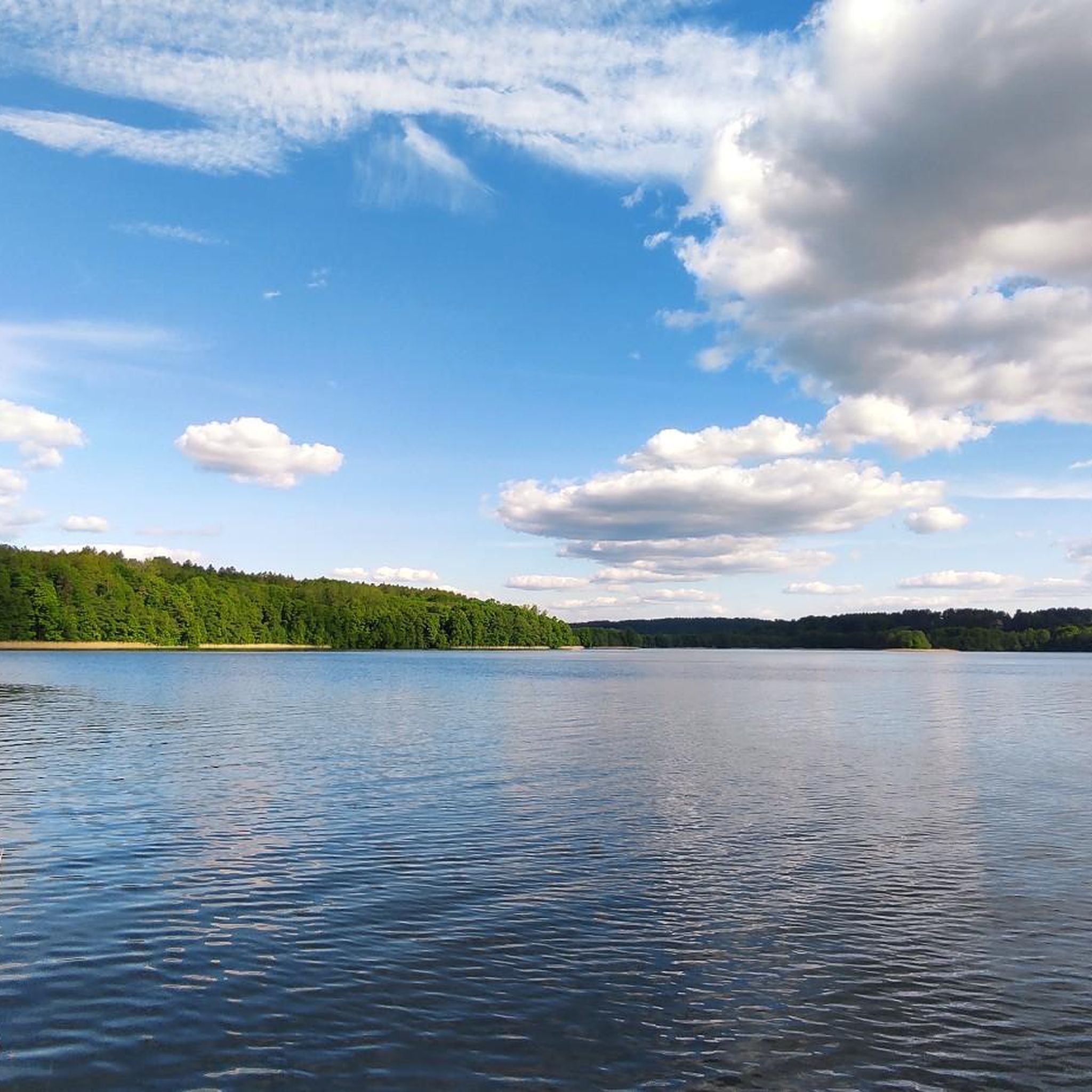
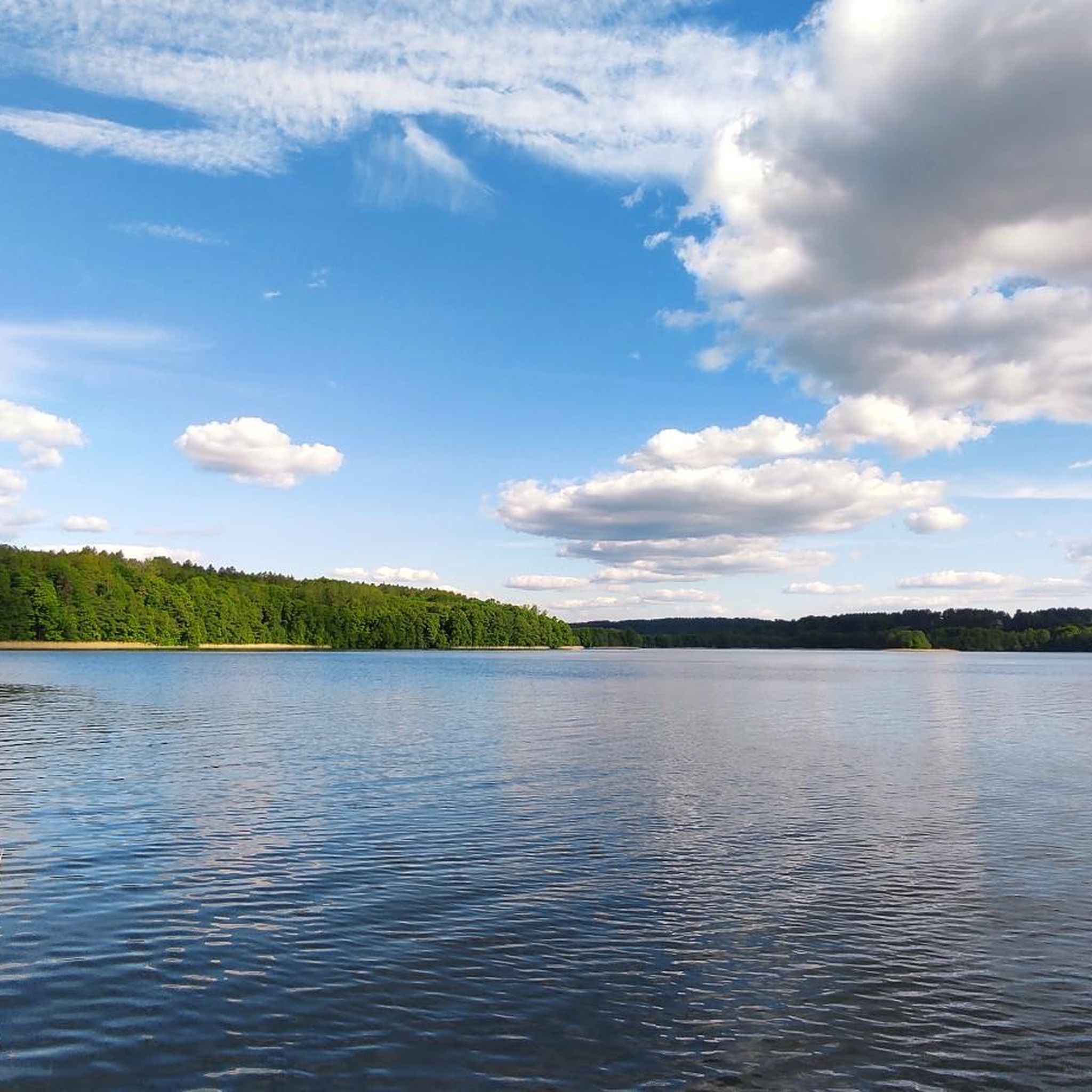
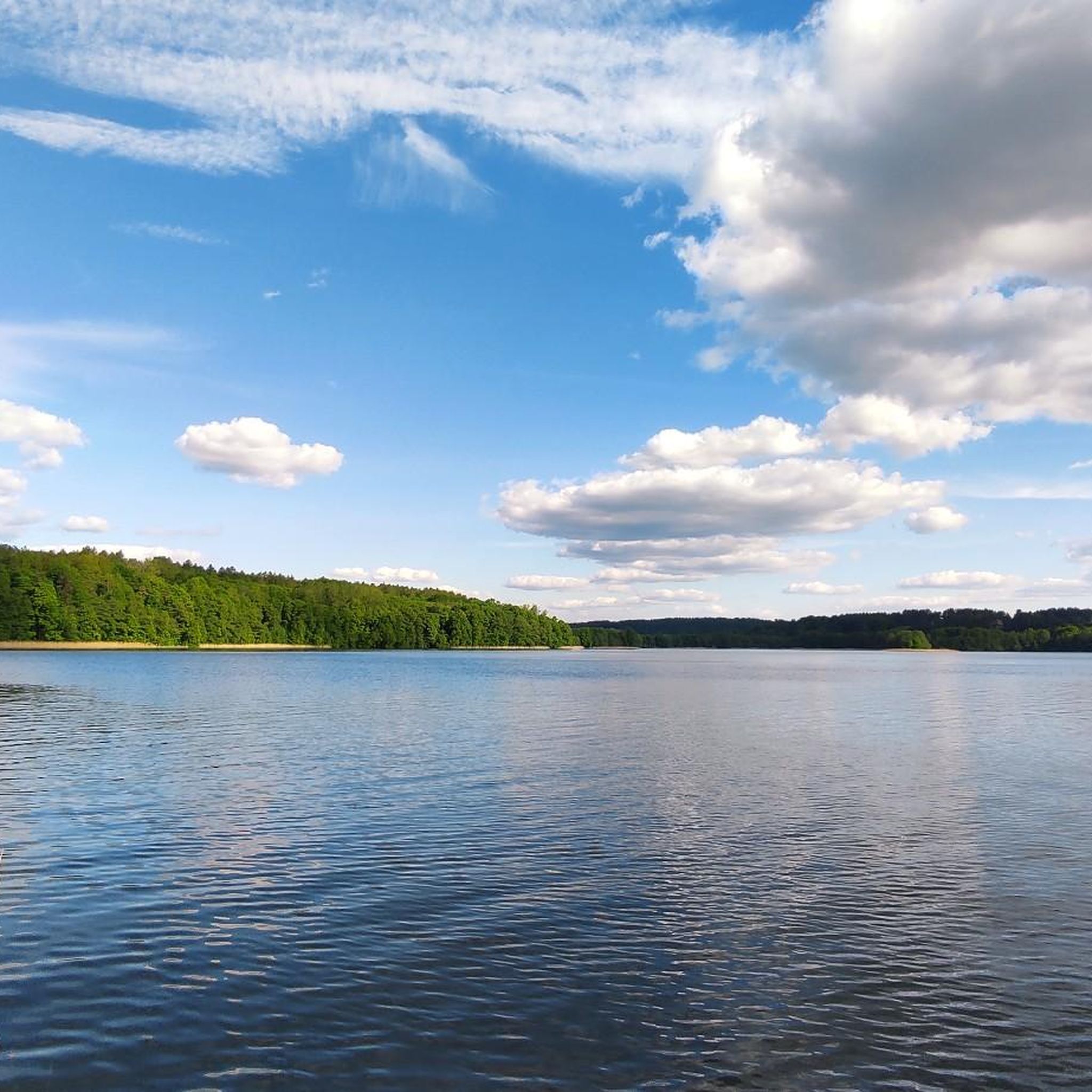
Beach with a view of the lake
1
0
Juliusz Ulrich von Mirbach, who was 75 years old at the time, left his entire estate to his wife's nephew, Baron Bernard von Paleske, an aide-de-camp to Emperor Wilhelm II.[4] After Count Julius's death in 1921, Baron von Paleske began the reconstruction of the palace.[4] Under the supervision of Berlin architect Otto Rüger, the palace was rebuilt in 1922-1923, following the exact model of the original.[4] The estate and village remained under the management of the von Paleske family until 1945. During this time, the palace became the venue for numerous meetings of Prussian and German politicians.[3] During the war, the architecture of the complex was not destroyed and remained almost intact, while all movable property and interior furnishings were looted.[4] After the war, the estate was taken over by the local State Agricultural Farm (PGR), which converted the palace complex into a kindergarten and kindergarten warehouses, as well as offices and apartments for farm workers.[4] In 1957, the palace and part of the park were transferred to the Ursus Agricultural Machinery Plant in Warsaw, which turned it into a recreation center.[4] Since 1998, both the palace and the park have been in private hands.
1
0
A palace and park complex located in the village of Sorkwity. Built between 1850 and 1856 in the neo-Gothic style as the residence of the Prussian noble family von Mirbach, and later the related von Paleske family. The history of the village dates back to the early Middle Ages and is directly linked to its strategic location. Originally, a Prussian watchtower stood on the site of the current palace. The village's first name, Sarkewite, also derives from the Prussians, with "sargas" meaning sentinel and "wieta" meaning place.[2] Later, its defensive qualities were appreciated by the Teutonic Knights, and in 1379, the Grand Master of the Order, Winrich von Kniprode, granted the present-day site as knightly estates to the brothers Christian and Otto von Oelsen.[2] Later, a monk named Hans von Oelsen erected a wooden watchtower in Sorkwity to protect the village from Lithuanian raids.[2] In the mid-15th century, the estate was purchased by the von Schliebens, who built a brick church there, and the village remained in their possession until the 18th century.[2] After them, for a short time, between 1750 and 1804, the estate belonged to the Polish Bronikowski family, and the family's representative, Hussar Major Jan Oppeln-Bronikowski, built the first manor house in Sorkwity in 1788.[3] In 1804, the estate was purchased from the Bronikowski family by the von Mirbachs, who ushered in the estate's heyday.[2] Between 1850 and 1856, at the behest of Juliusz Ulrich von Mirbach, who was awarded the title of count in 1888,[2] a palace was built in the then-fashionable English Neo-Gothic style in Prussia.[3] The palace, built on the site of the Bronikowski manor house, was a large, two-story, castle-like red brick structure. At the same time, a fortified tower-like coach house and a landscape park were also constructed.[2] Numerous garden paths, a vineyard for the von Mirbachs' own wine production, and a family cemetery were established on the peninsula of Lampackie Lake.[4] During World War I, Russian troops under General Alexander Samsonov were stationed in the palace building. On the night of August 26-27, 1914, before the Battle and defeat at Tannenberg, the residence was burned down. Only the main walls survived the fire, while the entire interior and its decorations, as well as numerous works of art, were destroyed.
1
0
Wooden bridge under the railway tracks, view of the river.
1
0
Frequently Asked Questions
How many gravel bike trails are available around Mrągowo?
There are nearly 100 gravel bike trails around Mrągowo, offering a wide range of options for different skill levels. You'll find everything from easy lakeside paths to more challenging routes through varied terrain.
What kind of terrain can I expect on gravel bike trails in Mrągowo?
Mrągowo's gravel bike trails feature diverse terrain shaped by its postglacial landscape. Expect a mix of flat sections, gentle inclines, and winding paths through dense forests and open countryside. The region is rich with unpaved roads and paths suitable for gravel biking, often alongside its numerous lakes.
Are there any family-friendly gravel bike routes in Mrągowo?
Yes, Mrągowo offers several family-friendly options. Routes like the Mrągowo City Beach – Promenade Along Lake Czos loop from Mrągowo are shorter and lead through lakeside paths and urban green spaces, making them suitable for families. There are 3 easy routes and 61 moderate routes, many of which can be enjoyed by families looking for a less strenuous ride.
What are the difficulty levels of gravel bike trails in Mrągowo?
The gravel bike trails around Mrągowo cater to various skill levels. You'll find 3 easy routes, 61 moderate routes, and 31 more difficult trails. This variety ensures that both beginners and experienced gravel bikers can find suitable challenges.
What natural features can I see while gravel biking in Masuria near Mrągowo?
The Masurian Lake District around Mrągowo is renowned for its stunning natural beauty. You'll encounter numerous clear lakes, lush forests, and a landscape shaped by the last glacial period. Many routes offer scenic views of lakes like Czos and Magistrackie, and pass through parts of the Masurian Landscape Park, providing opportunities for wildlife spotting.
Are there any scenic viewpoints along the gravel bike routes in Mrągowo?
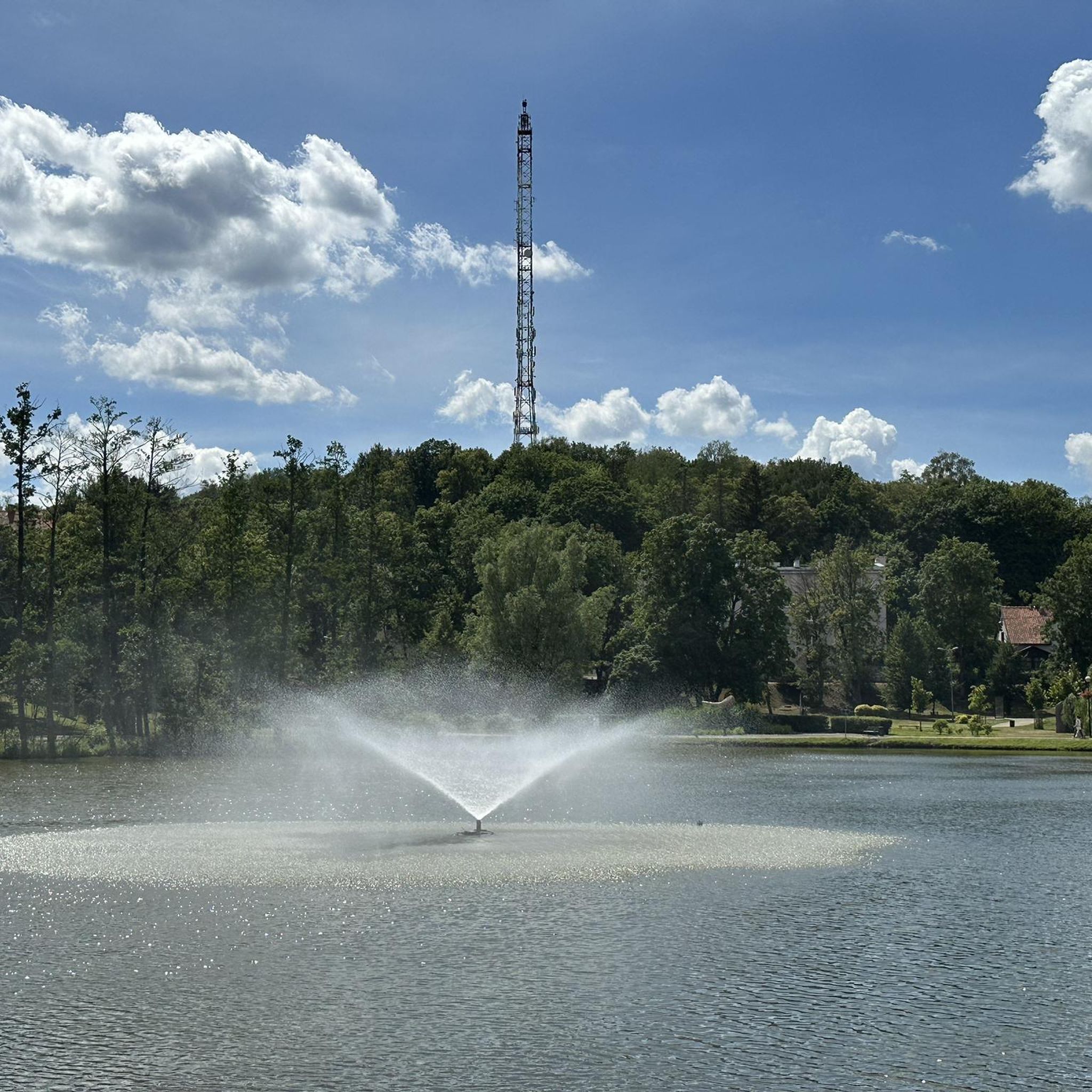
Absolutely. The region is full of picturesque spots. The View of the Lake – Lake Czos in Mrągowo loop from Mrągowo is specifically named for its vistas. Additionally, an observation tower near the City Beach on Lake Czos offers spectacular panoramic views of the lake district, which can be incorporated into your ride.
What landmarks or attractions can I explore near the gravel bike trails?
Beyond the natural beauty, you can explore several interesting landmarks. Consider visiting the historic Sorkwity Palace, or the Mrągowo Amphitheatre. For natural highlights, the Magistrate's Lake and Park or the Source of Love (Liebesquelle) are worth a stop.
What do other gravel bikers enjoy most about Mrągowo?
The komoot community highly rates gravel biking in Mrągowo, with an average score of 4.4 stars from over 20 reviews. Riders frequently praise the diverse landscapes, the abundance of clear lakes, and the varied terrain that makes for engaging rides. The network of trails offers options for all abilities, from easy lakeside paths to more challenging routes.
Are there circular loop gravel bike trails available in Mrągowo?
Yes, many of the gravel bike trails around Mrągowo are designed as circular loops, allowing you to start and end your ride in the same location. Examples include the popular Northern End of Lake Czos – Lake Czos in Mrągowo loop from Mrągowo and the Czos Lake Promenade – Lake Czos in Mrągowo loop from Mrągowo.
What is the best time of year for gravel biking in Mrągowo?
While specific weather data isn't provided, the Masurian Lake District is generally enjoyed from spring through autumn. These seasons offer pleasant temperatures and lush scenery, ideal for exploring the forests and lakes. Always check local weather forecasts before heading out.
Is there parking available near the gravel bike trails in Mrągowo?
Mrągowo is well-equipped for outdoor activities. Given its focus on tourism and recreation, you can expect to find parking options in and around the town, especially near popular starting points like the city beach or parks, which serve as access points for many trails.
Can I bring my dog on the gravel bike trails in Mrągowo?
While specific regulations for dogs on trails are not detailed, the region's extensive forests and natural areas generally welcome responsible dog owners. It's always advisable to keep your dog on a leash, especially in protected areas like the Masurian Landscape Park, and to be mindful of other trail users and wildlife.
Most popular routes around Mrągowo
Most popular attractions around Mrągowo

Get inspired with the komoot mobile app


Explore more
Browse the best Gravel rides in other regions.
