The best gravel rides around gmina Jasieniec
4.5
(3)
15
riders
10
rides
Gravel biking around gmina Jasieniec offers routes through a landscape characterized by wetlands, rivers, and rural areas. The region features numerous water bodies, including the Kraska River, and agricultural lands known for orchards. With generally flat to gently rolling terrain and minimal elevation changes, the area is suitable for riders seeking less strenuous routes. Forests and nature reserves also provide shaded paths and varied surfaces for exploration.
Best gravel bike trails around gmina Jasieniec
- The most popular gravel bike trail…
Last updated: July 3, 2026
3
riders
Moderate gravel ride. Good fitness required. Mostly paved surfaces. Suitable for all skill levels.
4.0
(2)
2
riders
52.6km
03:20
240m
240m
Moderate gravel ride. Good fitness required. Mostly paved surfaces. Suitable for all skill levels.

Sign up for free
1
riders
35.7km
02:04
170m
170m
Moderate gravel ride. Good fitness required. Mostly paved surfaces. Suitable for all skill levels.
1
riders
Easy gravel ride. Great for any fitness level. Mostly paved surfaces. Suitable for all skill levels.
1
riders
53.8km
03:01
150m
150m
Moderate gravel ride. Good fitness required. Mostly paved surfaces. Suitable for all skill levels.
Get access to more routes and recommendations from other explorers.
Sign up for free
Already have an account?
Our route recommendations are based on thousands of hikes, rides, and runs completed by other people on komoot.
Start today with a free account
Your next adventure awaits.
Login or Signup

Tips from the Community


great place, highly recommend
0
0

The shelter is quite large, covered with an information board.
0
0

Unfortunately, dirt, filth, syphilis, grave
0
0

Unique climate, Cosmic number of trees uprooted by storms/from old age on both sides of the path. Beautiful smell of the forest.
1
0

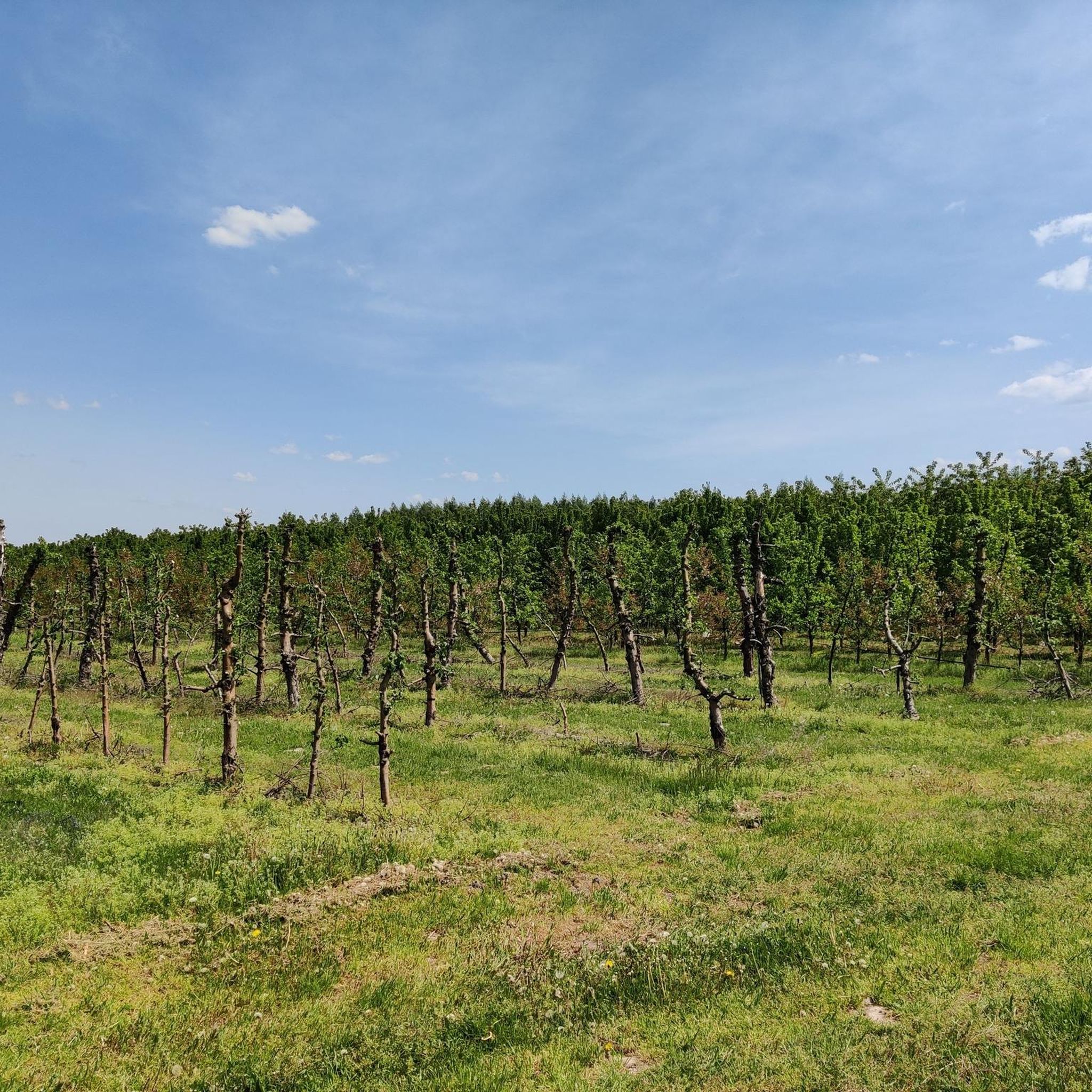
The beginnings of the creation of the "largest orchard in Europe" date back to the reign of Queen Bona, who was famous for her passion for gardening, including fruit growing. In 1545, she received large tracts of land in the Grójec district, which she later took care of, establishing numerous privileges for the owners of gardens. Then, fruit growing found legal support in the royal act of 1578, issued by Queen Bona's son. This gave rise to the development of fruit orchards, mainly apple orchards. Many historical works contain numerous mentions of the development of manor and peasant orchards in the Grójec region. A significant role in the history of "Grójecki apples" was also played by clergymen (Roch Wójcicki from Belsk, Niedźwiedzki from Łęczeszyce, Stefan Roguski from Goszczyn and Edward Kawiński from Konary), who in the 19th century were the main promoters of fruit growing in this region. At the beginning of the 20th century, commercial orchards were already established, the symbol of which was Jan Cieślak from Podgórzyce. He introduced high culture in the cultivation and storage of apples (in 1918 he built the first fruit storage facility in Poland). At the beginning of the 20th century, the first advisors also appeared, and one of the most famous from this region was Witalis Urbanowicz, who in 1909 became famous for developing the 10 gardening commandments. The very dynamic development of Grójec fruit growing, synonymous with Prof. Szczepan Pieniążek, began at the end of World War II. Thanks to him, the Institute of Pomology and Floriculture was established, which passed on the latest knowledge and experience in apple cultivation to local fruit growers. On the professor's recommendation, his student, Eligiusz Gajewski, founded the Experimental Plant of the Institute of Pomology and Floriculture in Nowa Wieś. This plant became a model farm from which Grójec fruit growers drew practical knowledge.
0
0
A chapel dedicated to the victims of the German occupation of 1939-45.
0
0
Frequently Asked Questions
What kind of terrain and scenery can I expect on gravel bike trails in gmina Jasieniec?
Gmina Jasieniec offers a landscape characterized by wetlands, rivers, and rural areas. You'll find generally flat to gently rolling terrain, with numerous water bodies like the Kraska River and various mills and ponds defining many routes. Expect open rural scenery and river crossings.
Are there easy gravel bike trails suitable for beginners in gmina Jasieniec?
Yes, the region is well-suited for beginners due to its minimal elevation changes. There are 3 easy routes available, and many of the 12 moderate routes are also accessible for those new to gravel biking. The generally flat terrain makes for a less strenuous experience.
What is the typical length of gravel bike routes in gmina Jasieniec?
The routes in gmina Jasieniec vary in length. For example, the Gravel loop from Grabów Zaleśny is about 21.4 miles (34.4 km), while the Scenic Wetlands by the Road – Osieczek Mill loop from gmina Grójec extends to 32.7 miles (52.6 km). You'll find options ranging from around 18 to over 30 miles.
Are there any challenging gravel bike trails in gmina Jasieniec?
While the region is largely flat, there are 2 routes classified as difficult, offering a more demanding experience through varied rural landscapes. These routes typically involve longer distances and potentially more varied surfaces to provide a challenge.
Are the gravel bike trails in gmina Jasieniec suitable for families?
Yes, many of the trails are suitable for families, especially those seeking less strenuous rides. The flat to gently rolling terrain and scenic rural environment make for enjoyable outings. Always check the specific route details for distance and difficulty to ensure it matches your family's capabilities.
When is the best time of year to go gravel biking in gmina Jasieniec?
Spring, summer, and early autumn are generally the best seasons for gravel biking in gmina Jasieniec, offering pleasant weather and vibrant scenery. Given the presence of wetlands, it's advisable to check local conditions after heavy rainfall, as some paths might be muddy. Winter riding is possible but requires appropriate gear for colder temperatures and potentially icy or snowy conditions.
What interesting places can I see or visit near the gravel bike trails in gmina Jasieniec?
Along and near the trails, you can explore several points of interest. Consider visiting the Jeziorka Valley Orchards, the Kazimierz Pułaski Museum in Warka, or the Trail Through Modrzewina Nature Reserve. The Wooden boardwalks over the Pilica River also offer a unique sight.
Are there any circular gravel bike routes in gmina Jasieniec?
Yes, many of the gravel bike routes in gmina Jasieniec are designed as loops, allowing you to start and end at the same point. Examples include the Scenic Wetlands by the Road – Bridge Over the Kraska River loop from gmina Grójec and the Młyn Restaurant Osieczek – Osieczek Mill loop from Wola Worowska.
What do other gravel bikers enjoy most about gravel biking in gmina Jasieniec?
The area is highly rated by the komoot community, with an average score of 4.0 stars. Reviewers often praise the tranquil rural scenery, the presence of wetlands and river crossings, and the generally accessible terrain that makes for enjoyable rides.
Are there any specific landmarks or natural features to look out for on the trails?
Yes, the region is known for its water features. Keep an eye out for the Kraska River, which many routes cross, and the historic Osieczek Mill, which is a prominent feature on routes like the Pond Dam – Osieczek Mill loop from Grójec. The numerous ponds and wetland areas also contribute to the unique character of the landscape.
What should I bring for a gravel biking trip in gmina Jasieniec?
Given the rural and wetland nature of the area, it's advisable to bring essentials such as a repair kit, plenty of water, snacks, and appropriate clothing for varying weather conditions. Due to potential muddy sections, especially after rain, mudguards and sturdy tires are recommended. A navigation device or a printed map is also useful as some areas might be less populated.
Most popular attractions around gmina Jasieniec

Get inspired with the komoot mobile app


Explore more
Browse the best Gravel rides in other regions.
