The best gravel rides around Sandy Hook
4.9
(18)
81
riders
6
rides
Gravel biking around Sandy Hook offers a unique experience on a barrier beach peninsula characterized by diverse ecosystems. The landscape includes maritime forests, salt and freshwater marshes, and vegetated dune systems. While primarily known for its paved multi-use path, the area presents opportunities for gravel riding on less-formal unpaved sections that branch off the main routes. The terrain is generally flat, with minimal elevation changes across the peninsula.
Best gravel bike trails around Sandy Hook
- The most popular gravel bike…
Last updated: June 28, 2026
5.0
(1)
17
riders
95.9km
07:49
290m
290m
Hard gravel ride. Very good fitness required. Mostly paved surfaces. Suitable for all skill levels.
4.8
(9)
18
riders
26.3km
01:49
40m
40m
Easy gravel ride. Great for any fitness level. Mostly paved surfaces. Suitable for all skill levels.

Sign up for free
19
riders
85.6km
04:46
890m
900m
Hard gravel ride. Very good fitness required. Mostly paved surfaces. Suitable for all skill levels.
4.7
(7)
10
riders
27.9km
02:21
100m
100m
Moderate gravel ride. Good fitness required. Mostly paved surfaces. Suitable for all skill levels.
7
riders
172km
11:12
580m
580m
Hard gravel ride. Very good fitness required. Mostly paved surfaces. Suitable for all skill levels.
Our route recommendations are based on thousands of hikes, rides, and runs completed by other people on komoot.
Start today with a free account
Your next adventure awaits.
Login or Signup

Tips from the Community

One of my favorite rides! The trail is well maintained and smooth. So many spots to rest and take breathtaking pics
1
0

28 Sept 2025: staircase closed as they rebuild it
0
0

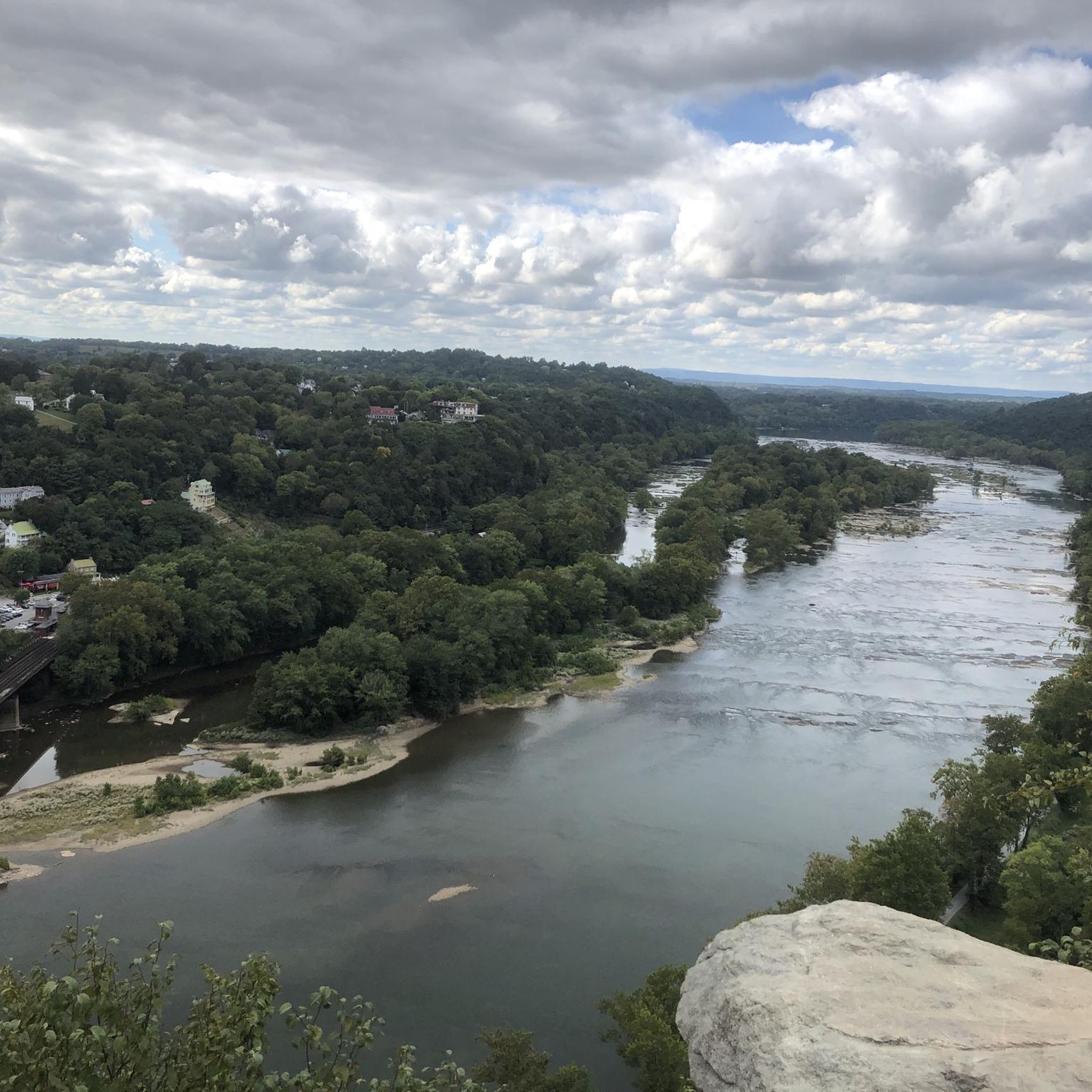
A paved elevated boardwalk stretches out along the water, giving you a fantastic view of the Potomac River. This spot can get pretty popular on summer weekends.
0
0

Dam No. 4 is located around mile 84 of the C&O Canal Towpath. Built in 1856, this dam was crucial for maintaining water levels for canal operations and remains an impressive structure along the river. The area around the dam is known for its scenic views and wildlife.
0
0
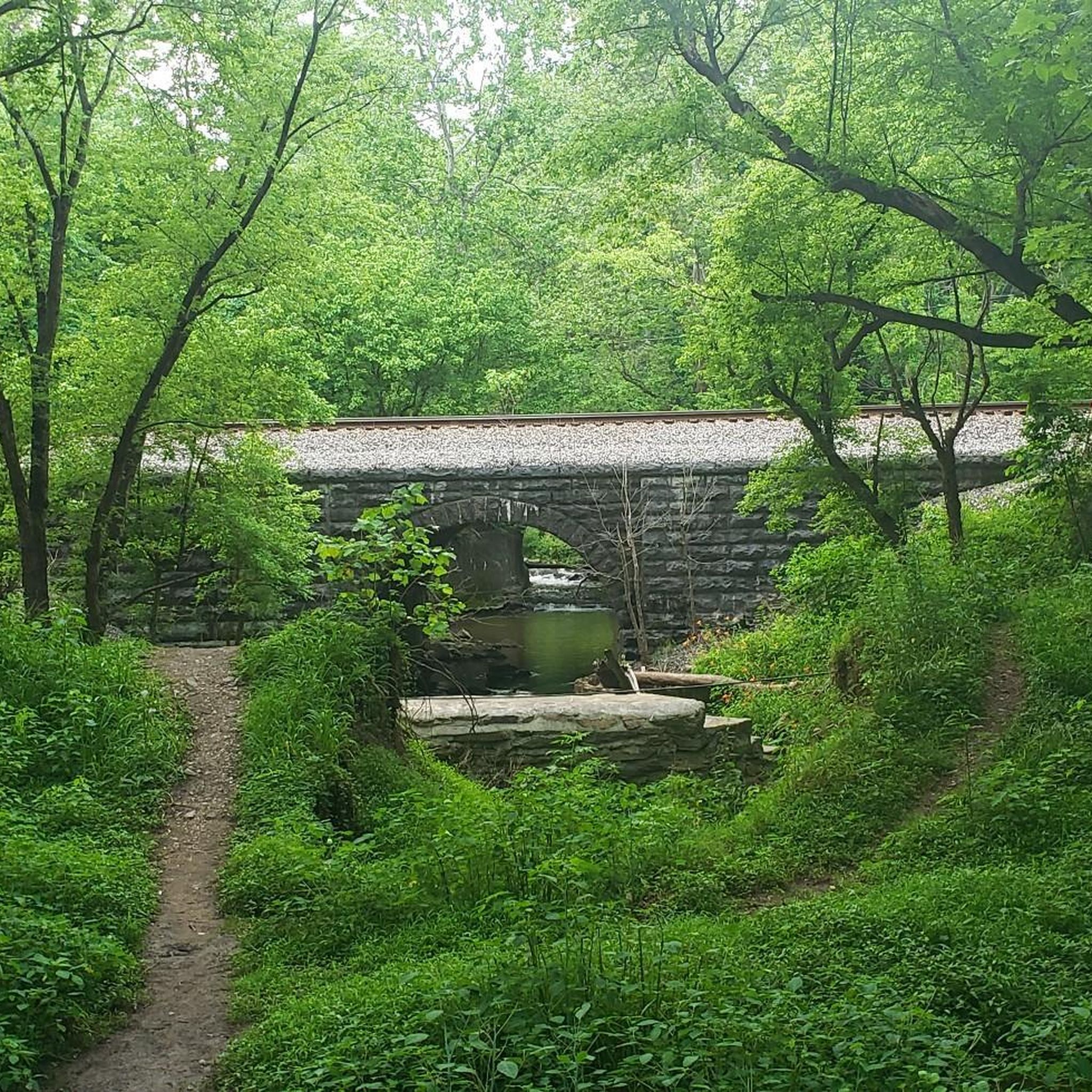
The Antietam Aqueduct was built in 1834 to carry canal boats over Antietam Creek. It is over 140 feet long and is one of many such aqueducts along the C&O Canal.
0
0
The Antietam Aqueduct, located at mile 69.4 of the C&O Canal Towpath, is a three-arch stone aqueduct that once carried the canal over Antietam Creek. Built in 1834, it is constructed from limestone quarried nearby and remains one of the best-preserved aqueducts along the canal. During the Civil War, it was near the site of Confederate troop movements before and after the Battle of Antietam in 1862. Though it suffered some damage over the years, it has been fully restored and now serves as a scenic and historic stop along the towpath, offering great river views and picnic spots.
0
0
Dam No. 4 is located around mile 84 of the C&O Canal Towpath. Built in 1856, this dam was crucial for maintaining water levels for canal operations and remains an impressive structure along the river. The area around the dam is known for its scenic views and wildlife, making it a nice spot to pause before continuing on your ride.
0
0

Purcellville, at the end of the rail line, has great places to stop. Monk's BBQ is fantastic and easy, and if you want to simply spend more time you can take the distillery tour at the Catoctin Creek Distilling Company (makers of great rye and other spirits). They town has also kept the old downtown shopping area straight out of the 1940s, which is great to see.
1
0
Frequently Asked Questions
What is the general difficulty level for gravel biking in Sandy Hook?
Gravel biking in Sandy Hook offers a range of experiences, with routes generally categorized from moderate to difficult. While the terrain is largely flat, the challenge comes from varied surfaces, including potential unpaved sections, marsh trails, and wooded areas. For example, routes like Shepherdstown – Antietam Aqueduct loop from Dargan are considered difficult, while Ferry Hill – Antietam Aqueduct loop from Harpers Ferry is a moderate option.
Are there any beginner-friendly gravel bike trails in Sandy Hook?
While the dedicated gravel routes in our guide are rated moderate to difficult, Sandy Hook is also home to the paved Multi-Use Path (MUP), which is excellent for leisurely rides and families. For those new to gravel biking, exploring the less-defined unpaved paths that branch off the main MUP could offer a gentler introduction, keeping in mind that some areas might have soft sand.
What kind of natural features and scenic viewpoints can I expect to see while gravel biking in Sandy Hook?
Sandy Hook offers diverse natural beauty, including maritime forests, salt and freshwater marshes, and vegetated dune systems. You'll find breathtaking views of the Atlantic Ocean, Sandy Hook Bay, and even the New York City skyline. Keep an eye out for over 300 species of birds, especially in areas like Plum Island or the Spermaceti Cove boardwalk. The peninsula itself is a unique sand spit, providing a constantly changing coastal landscape.
Are there any historical landmarks or attractions along the gravel biking routes?
Yes, Sandy Hook is rich in history. You can explore the former U.S. Army post of Fort Hancock, with its abandoned military batteries and Officers Row. The iconic Maryland Heights Stone Fort and the historic Philip Frankel & Co. (NPS Lower Town Information Center) are also notable points of interest. The Goodloe E. Byron Memorial Pedestrian Walkway offers a unique perspective.
What do other gravel bikers enjoy most about riding in Sandy Hook?
The komoot community rates gravel biking in Sandy Hook highly, with an average score of 4.6 stars from over 18 reviews. Riders often praise the unique blend of coastal paths, marsh trails, and wooded sections, as well as the opportunity to explore a diverse natural environment. The varied terrain, from moderate to difficult, also appeals to those seeking a challenge.
Are there any circular gravel biking routes in Sandy Hook?
Yes, many of the gravel biking routes in Sandy Hook are designed as loops, allowing you to start and end at the same point. For example, the Morven Park – Morven Park loop from Brunswick is a 53.1-mile trail, and the Big Slackwater – Big Slackwater View loop from Dargan offers a 70.8-kilometer circular ride.
Is Sandy Hook suitable for family-friendly gravel biking?
While some of the dedicated gravel routes are more challenging, the general area of Sandy Hook is very family-friendly. The paved Multi-Use Path (MUP) is ideal for families and leisurely rides. For gravel, families with older children or those comfortable with varied surfaces might enjoy exploring shorter, less-defined unpaved sections, but be aware that some areas can have soft sand.
What are the parking options for gravel biking in Sandy Hook?
Sandy Hook, as part of the Gateway National Recreation Area, offers various parking lots throughout the peninsula. These are generally well-marked and provide access to different sections of the park and its trails. During peak seasons, parking lots can fill up quickly, so arriving early is advisable.
Can I reach Sandy Hook by public transport for gravel biking?
While direct public transport options to the heart of Sandy Hook for cyclists might be limited, there are seasonal ferry services to Sandy Hook from New York City, which can accommodate bicycles. Additionally, local bus services might connect to areas near the peninsula, though you would need to check specific routes and bike policies. Planning ahead is recommended.
Are dogs allowed on the gravel bike trails in Sandy Hook?
Sandy Hook is generally pet-friendly, with specific regulations. Dogs are typically allowed on bayside beaches and certain trails during specific seasons, but usually not on ocean-side beaches or in sensitive wildlife areas. It's best to check the current regulations from the National Park Service before bringing your dog, especially regarding specific trails and seasons. Always keep dogs on a leash.
What is the best time of year to go gravel biking in Sandy Hook?
The spring and fall seasons generally offer the most pleasant conditions for gravel biking in Sandy Hook, with milder temperatures and fewer crowds. Summer can be hot and humid, and the area can get very busy. Winter riding is possible, but be prepared for colder temperatures and potentially windy conditions, especially on exposed coastal sections.
Are there any permits or fees required for cycling in Sandy Hook?
As part of the Gateway National Recreation Area, there is typically an entrance fee for vehicles during peak season (Memorial Day to Labor Day). However, there are no specific permits required for cycling on the designated paths and trails within Sandy Hook. For detailed information on fees and any seasonal changes, you can visit the official National Park Service website: nps.gov.
Most popular attractions around Sandy Hook

Get inspired with the komoot mobile app


Explore more
Browse the best Gravel rides in other regions.
