The best gravel rides around Marinha Grande
3.0
(1)
17
riders
6
rides
Gravel biking around Marinha Grande offers a diverse landscape for exploration. The region features a mix of pine forests, agricultural lands, and rolling terrain, providing varied surfaces for gravel cyclists. Routes often connect historical sites and natural areas, characteristic of central Portugal. The area's topography includes gentle ascents and descents, suitable for different levels of gravel biking experience.
Best gravel bike trails around Marinha Grande
- The most popular gravel bike trail is Via Polis Leiria – Luminous Fountain loop from…
Last updated: July 3, 2026
3.0
(1)
7
riders
41.4km
02:31
180m
180m
Moderate gravel ride. Good fitness required. Mostly paved surfaces. Suitable for all skill levels.
1
riders
18.8km
01:24
230m
230m
Moderate gravel ride. Good fitness required. Mostly paved surfaces. Suitable for all skill levels.

Sign up for free
2
riders
28.2km
01:58
250m
250m
Moderate gravel ride. Good fitness required. Mostly paved surfaces. Suitable for all skill levels.
3
riders
54.8km
03:28
590m
590m
Hard gravel ride. Very good fitness required. Mostly paved surfaces. Suitable for all skill levels.
1
riders
27.5km
01:53
410m
410m
Moderate gravel ride. Good fitness required. Mostly paved surfaces. Suitable for all skill levels.
Our route recommendations are based on thousands of hikes, rides, and runs completed by other people on komoot.
Start today with a free account
Your next adventure awaits.
Login or Signup
Popular around Marinha Grande
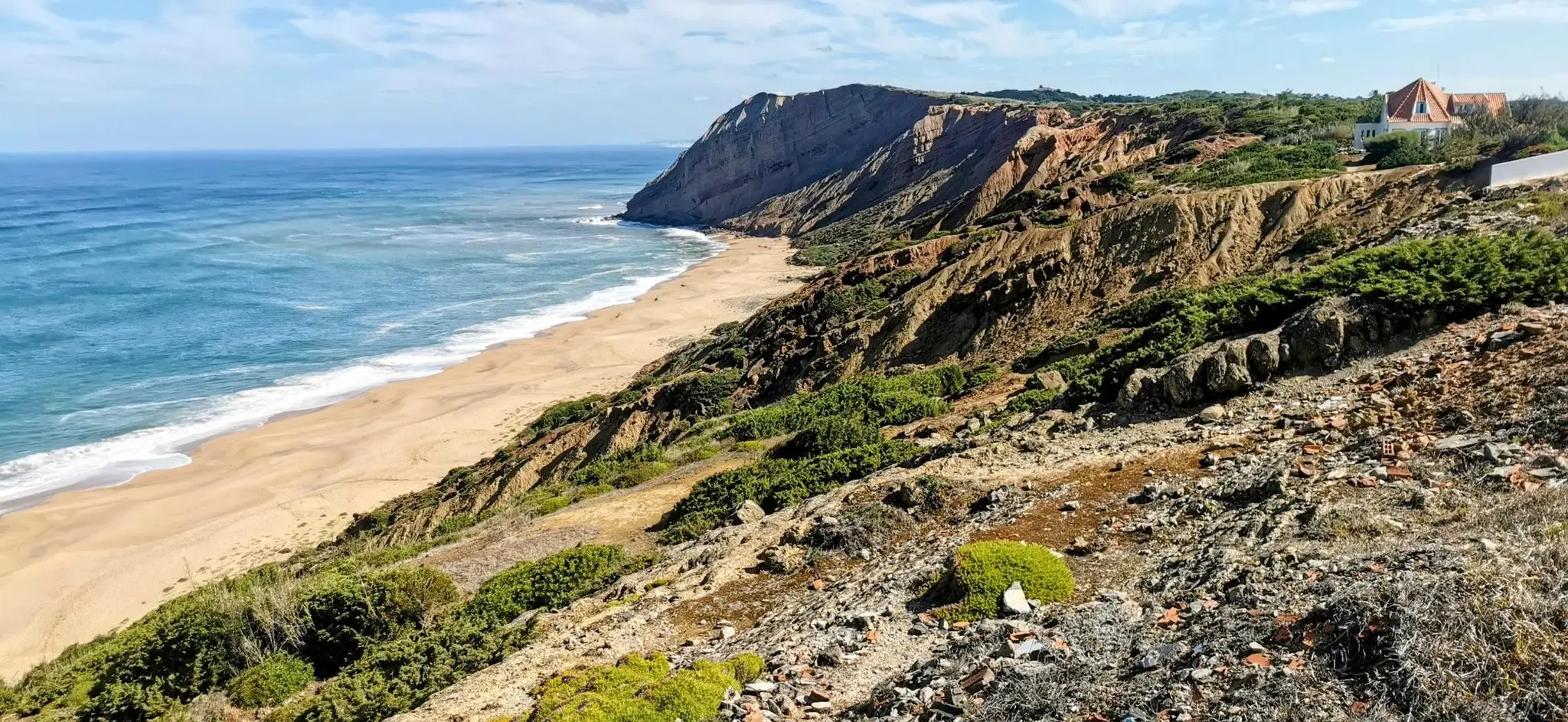
EuroVelo 1 Portugal – Cycle the Atlantic Coast
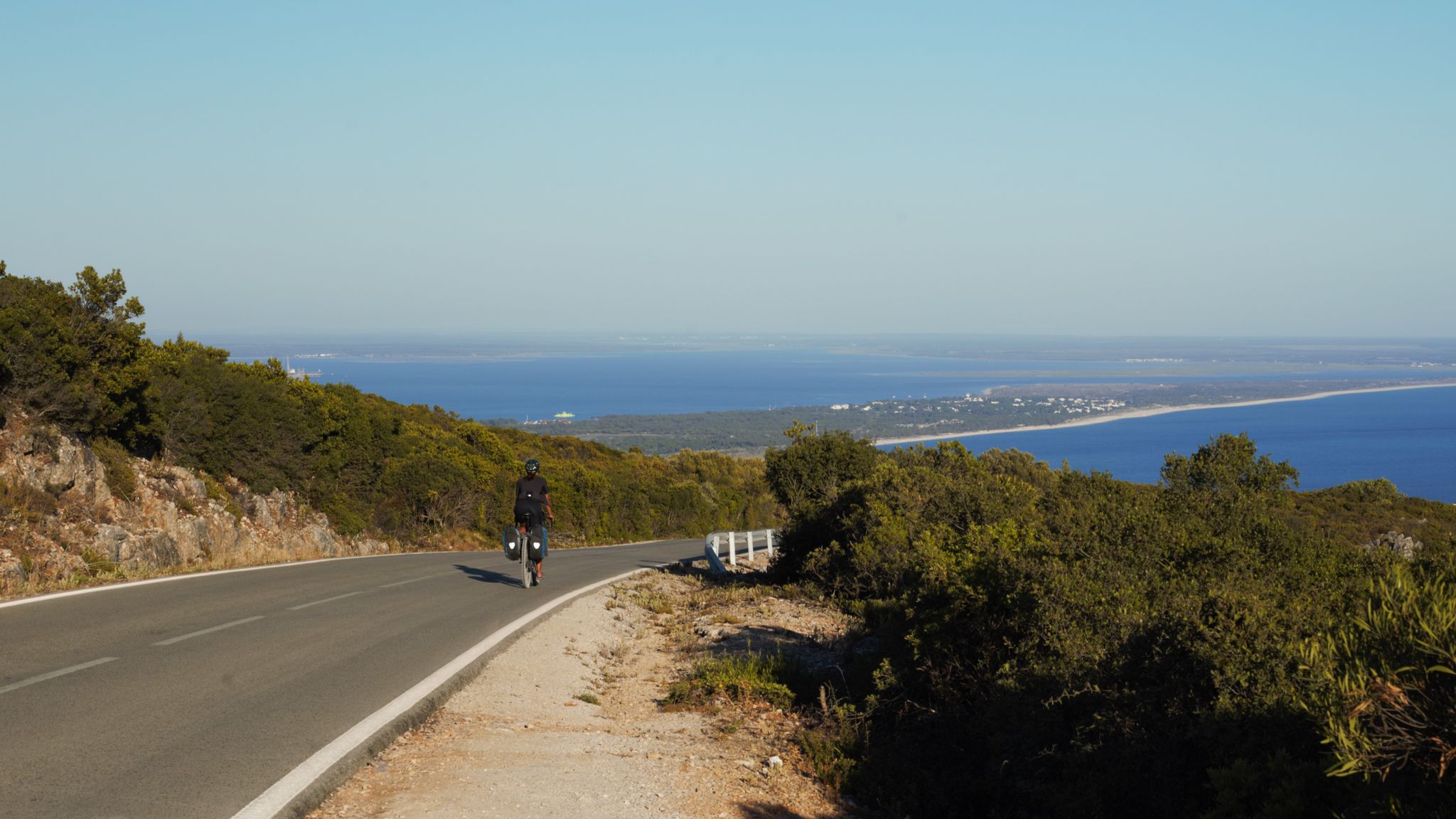
The breaking waves – cycle along the Atlantic coast of Portugal
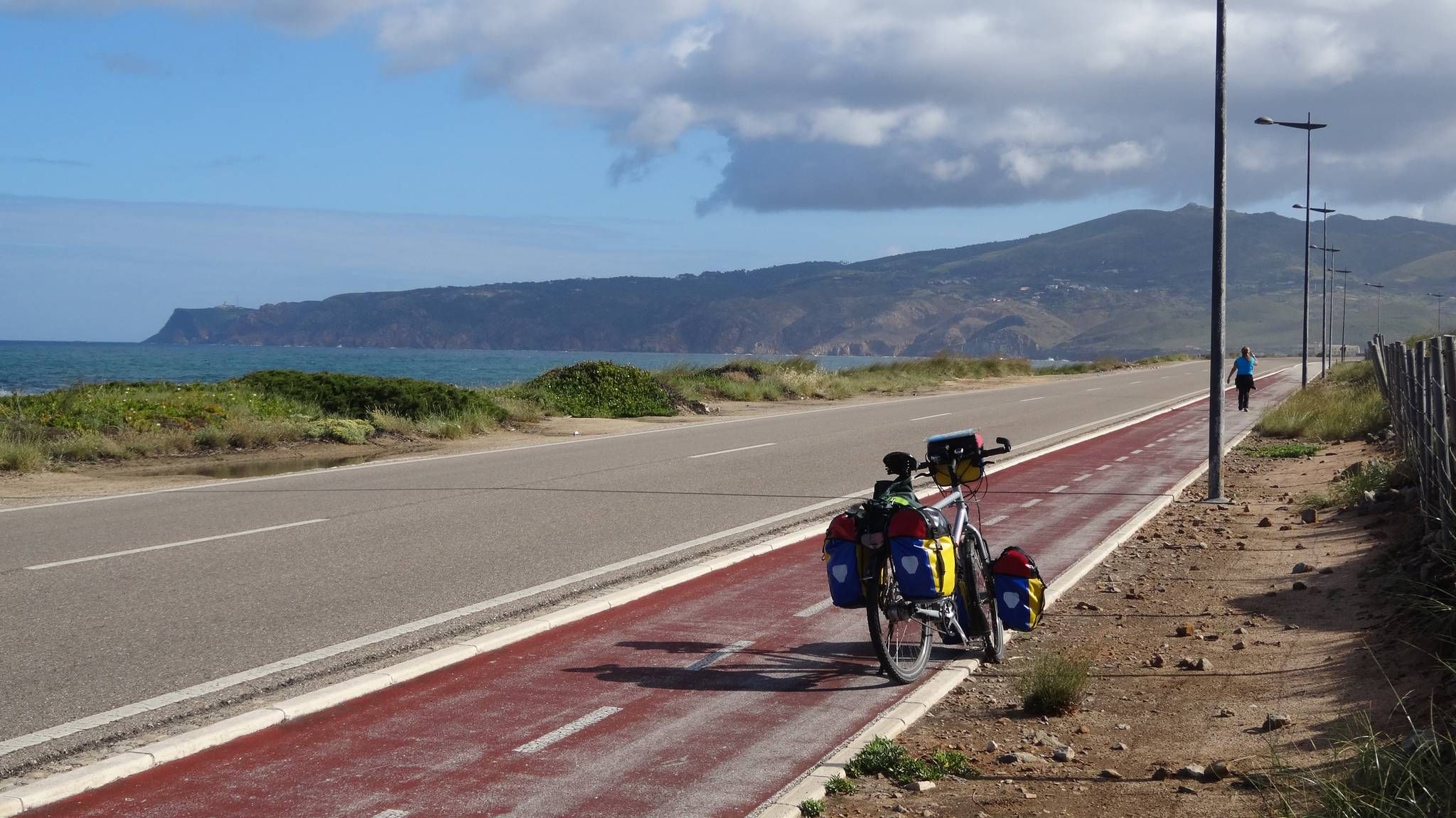
Bike Touring along Portugal's Atlantic Coast from Lisbon to Porto
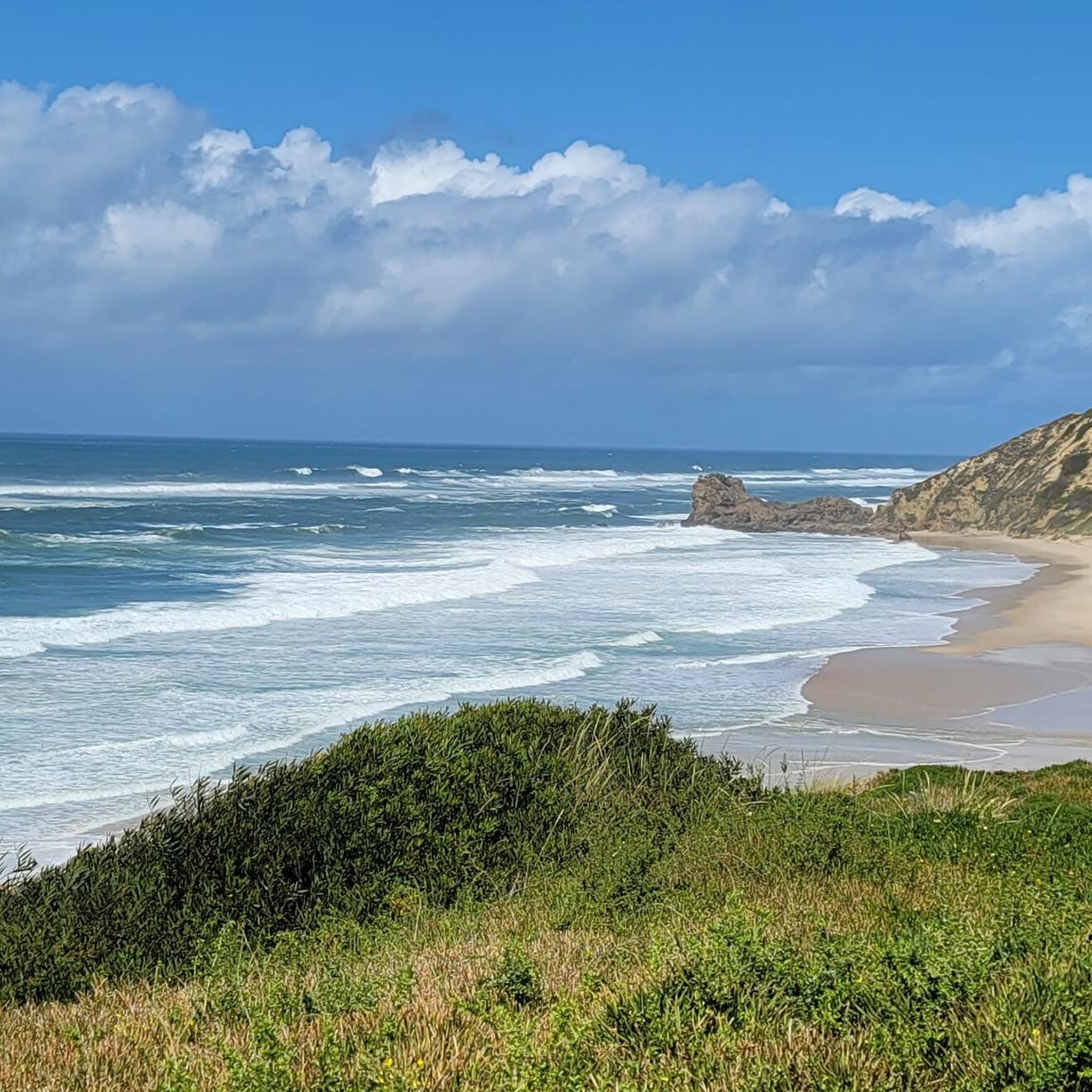
Road Cycling Routes around Marinha Grande
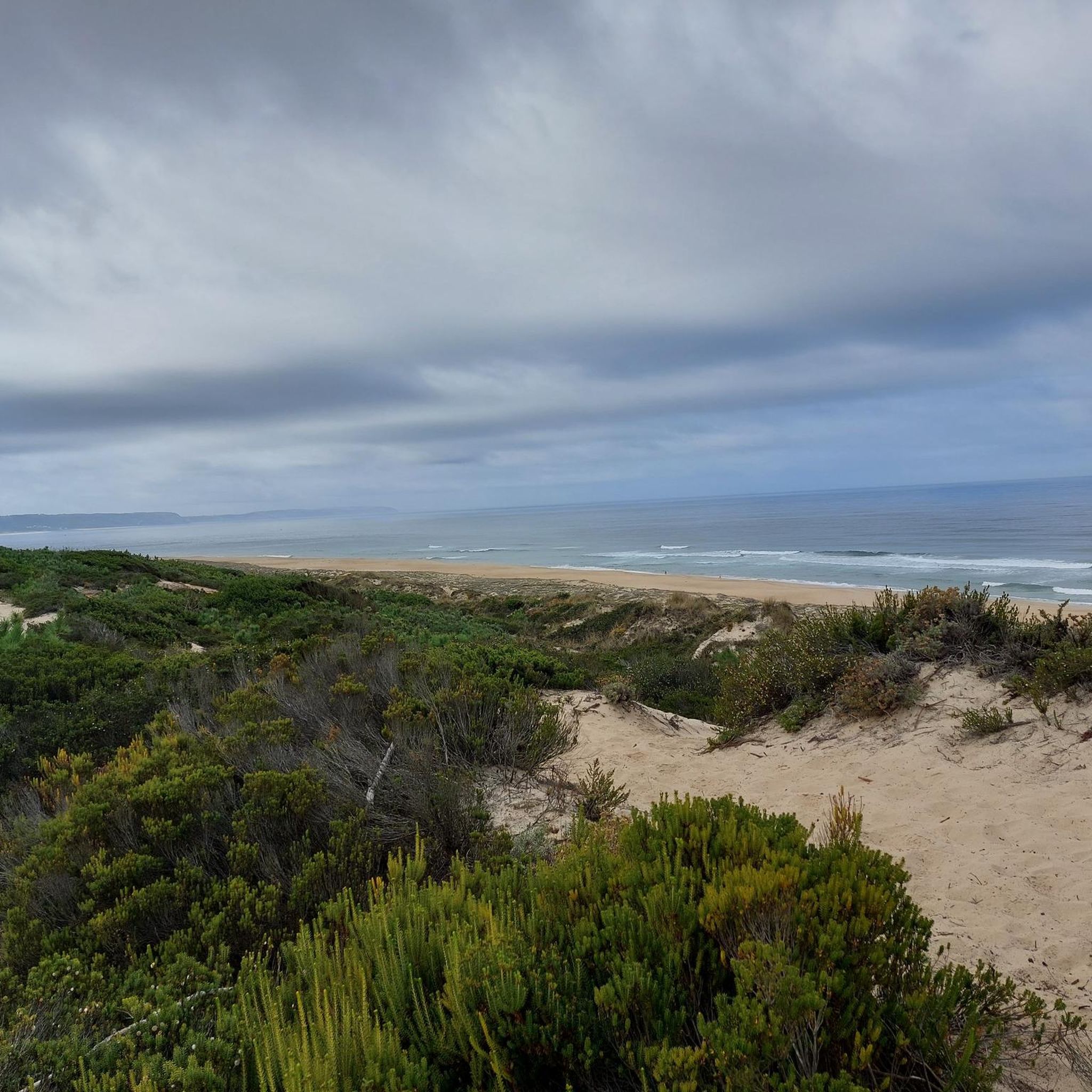
Running Trails around Marinha Grande
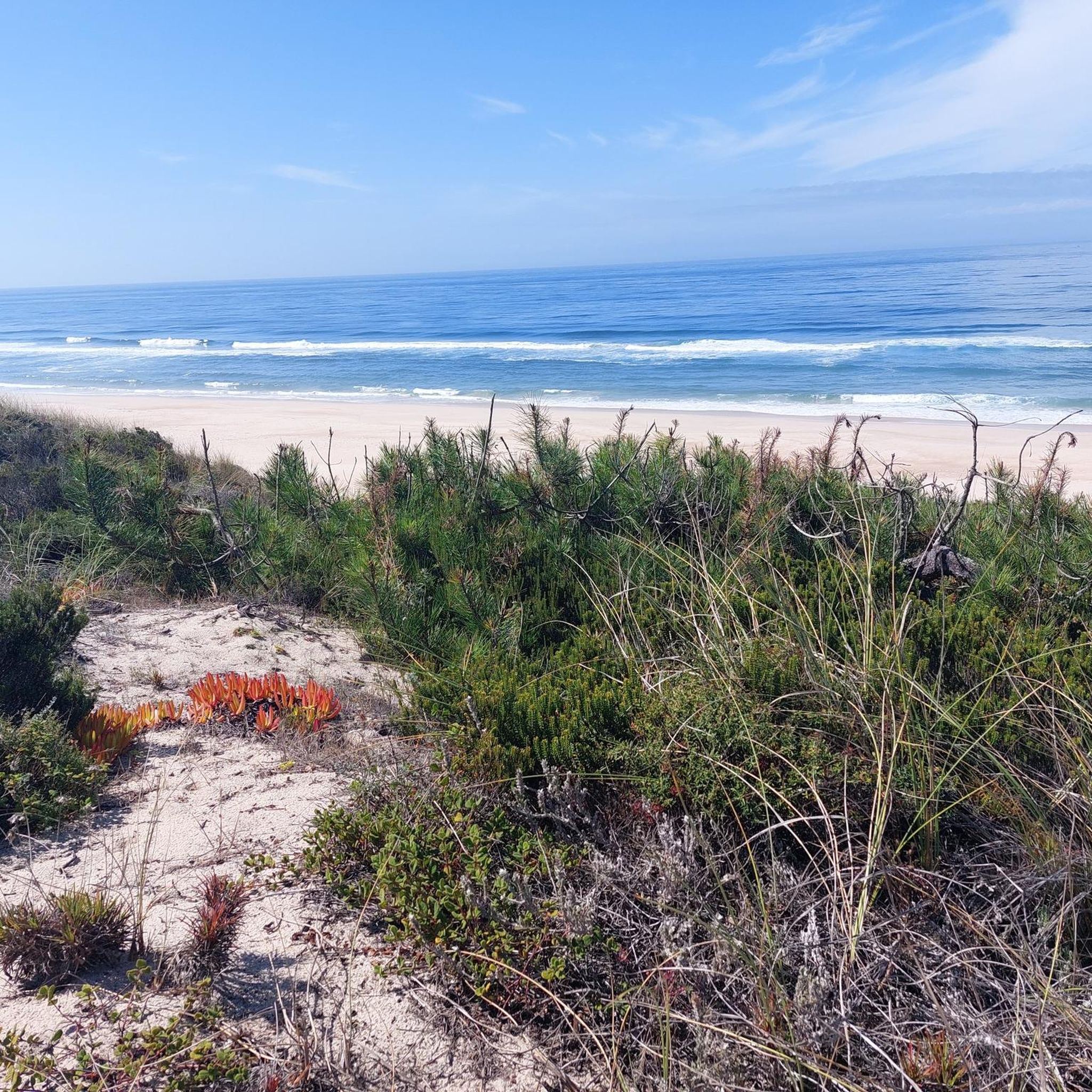
Cycling around Marinha Grande
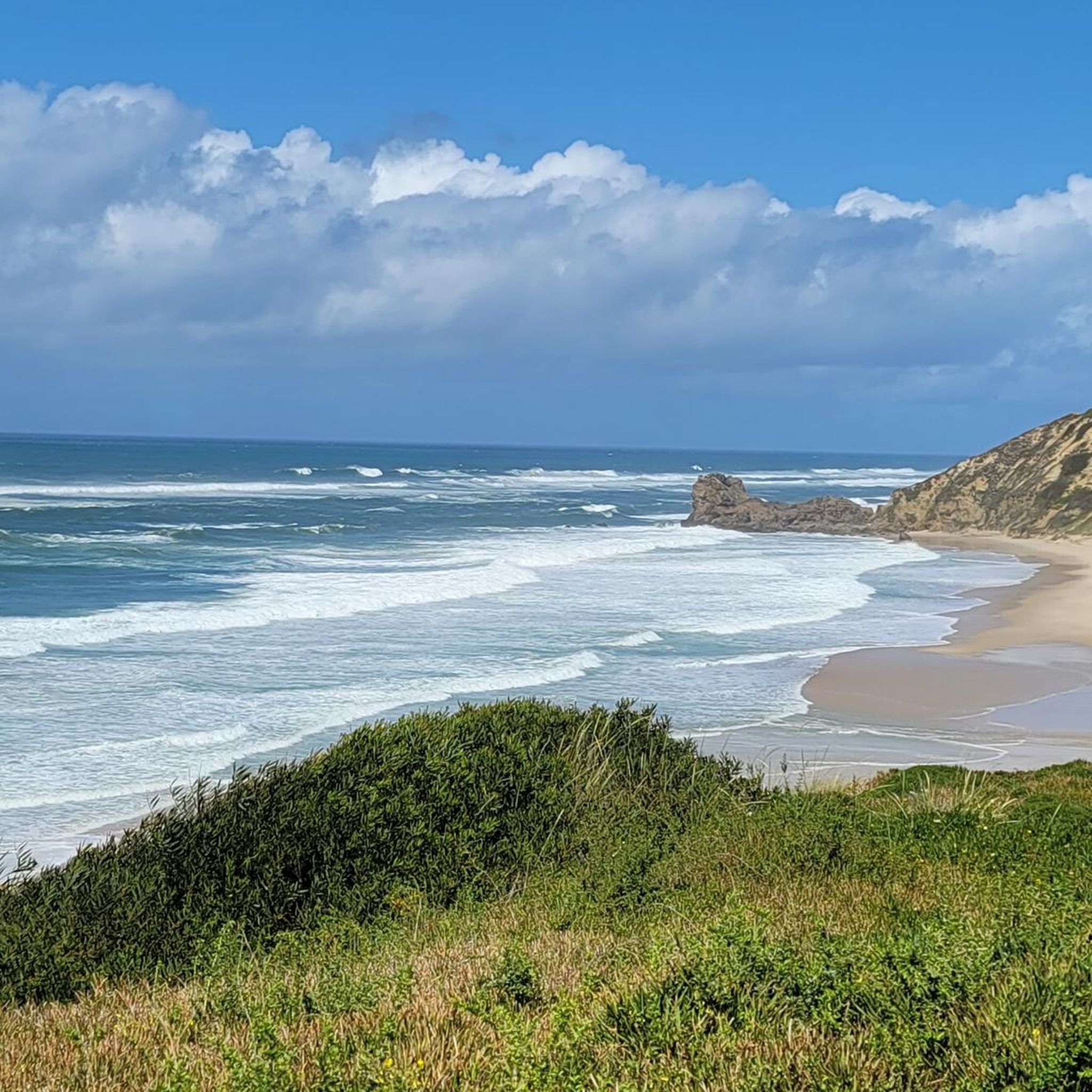
MTB Trails around Marinha Grande
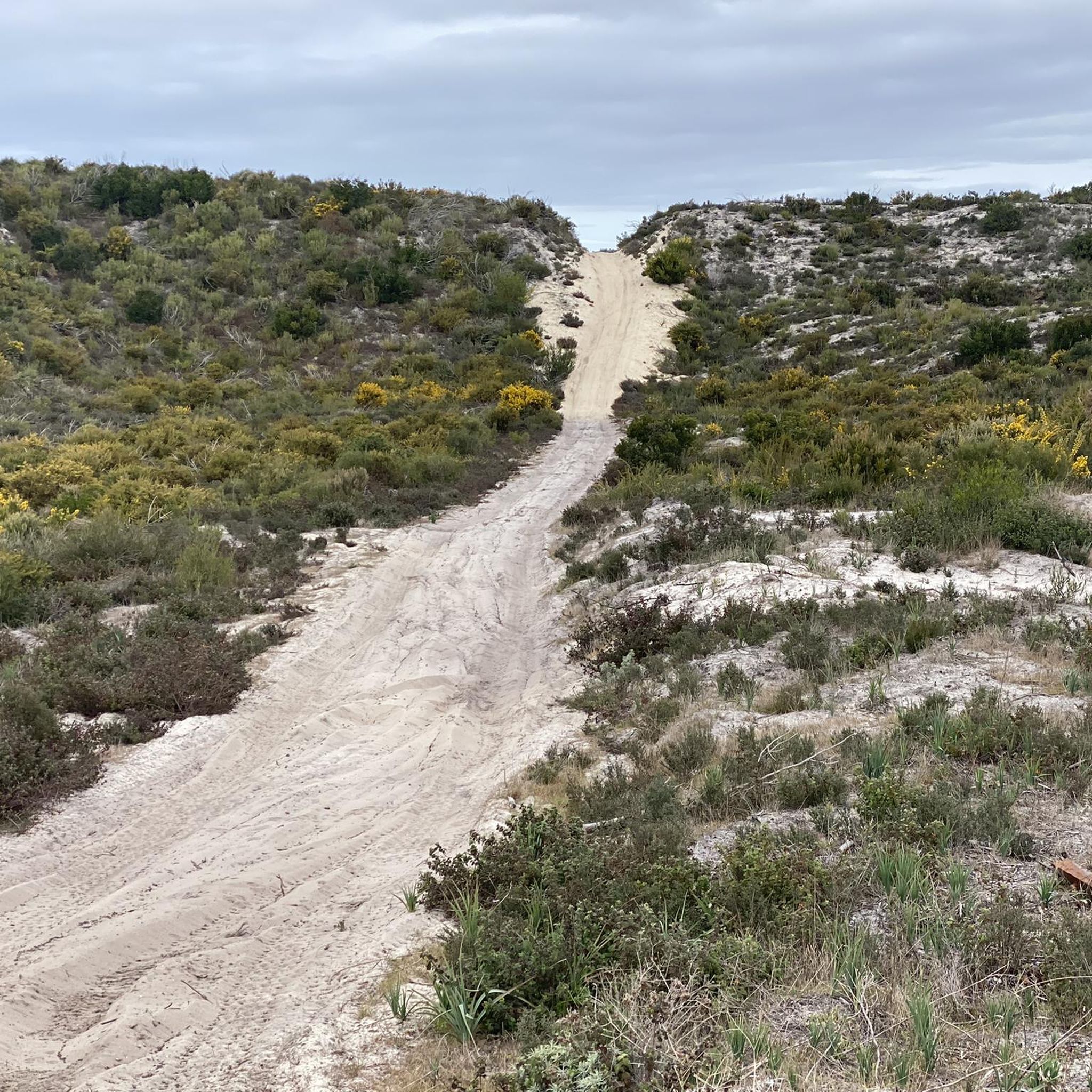
Hiking around Marinha Grande
Other adventures around Marinha Grande


Tips from the Community

Gorgeous views! The climb to Alqueidão da Serra is tough for beginners.
1
0


The magnificent entrance portico of the Igreja de Santa Maria da Vitória is unique in the history of Portuguese art, a work by the Master Huguet (1402–1438). It features an elaborate iconographic ensemble comparable only to the great porticoes of European cathedrals: six apostles on each side, virgins, martyrs, popes, monks, angel figures, God, and the four evangelists...
1
0
After the revolution of 1383, Portugal found itself in a difficult conflict with the neighboring Kingdom of Castile. The battle was decided in 1385 when the Castilian and Portuguese armies clashed at the Battle of Aljubarrota. The Castilians outnumbered and were better armed. As a military leader, Nuno Álvares Pereira loyally stood by his patron, John of Avis. The Portuguese achieved a resounding victory, which is attributed in particular to the strategic genius of Nuno Álvares Pereira. With this victory, the Castilian claims to Portugal were permanently repelled. John of Avis was proclaimed king by the Cortes, as John I of Portugal, thus establishing the second Portuguese dynasty, the House of Avis. Nuno Álvares Pereira became a national hero, and the grateful king showered him with honors and material possessions.
2
0

The Boitaca Bridge began to be built in 1862, during the reign of King Luís I, as attested by the inscription on a tombstone placed there. Its name derives from the former owner of the land, the French master Diogo Boitaca or Boytac. Crossing a branch of the River Lena, which runs through the parish of Batalhão, it was part of an old royal route that connected Lisbon to Porto. The bridge, in revivalist and neo-Gothic style and tinged with yellow, is defined by a flat deck over six pointed arches, surrounded by buttresses, on which rise pinnacles. Between these elements, and contributing even more to the Gothic air of the monument, is the stone fence with quatrefoils.
2
0

Good place for a coffee stop ☕
0
1

Batalha is a fascinating place to visit! Batalha Monastery: This stunning Gothic monastery, also known as the Mosteiro de Santa Maria da Vitória, is a UNESCO World Heritage Site and one of the Seven Wonders of Portugal. Igreja Matriz da Batalha: Also known as the Igreja da Exaltação de Santa Cruz, this 16th-century church is a beautiful example of Manueline architecture. Batalha Square: The heart of the city, ideal for strolling and soaking up the local atmosphere. Serras de Aire e Candeeiros Natural Park: If you love nature, this nearby park offers hiking trails and spectacular scenery. Additionally, there are many activities and tours available, such as day trips to Fátima, Nazaré, and Óbidos.
6
1
These letters are often a popular landmark for visitors and residents.
7
0
Frequently Asked Questions
What is the best time of year for gravel biking in Marinha Grande?
The spring and autumn months are generally ideal for gravel biking in Marinha Grande. The weather is milder, offering comfortable temperatures for longer rides. While summers can be warm, the pine forests provide some shade. Winters are typically mild but can bring more rainfall.
Are there gravel bike routes suitable for beginners or families in Marinha Grande?
Yes, Marinha Grande offers routes suitable for various skill levels. For beginners or families, consider routes with moderate difficulty and less elevation gain. The region's rolling terrain means many paths are accessible without extreme technical challenges. For example, the Curvachia Bridge – Curvachia Oak loop from Leiria is a moderate 11.7-mile (18.8 km) path that traverses wooded areas.
Where can I find longer or more challenging gravel bike routes near Marinha Grande?
For those seeking a longer and more challenging experience, routes like the Batalha Monastery – Porto de Mós Castle loop from Pataias offer a significant distance of 34.2 miles (55.1 km) and more substantial elevation changes, making them ideal for advanced gravel bikers. Another option is the Via Polis Leiria – Luminous Fountain loop from Leiria, Pousos, Barreira e Cortes, which is also rated as difficult.
Are the gravel bike routes around Marinha Grande typically circular?
Yes, many of the gravel bike routes in the Marinha Grande area are designed as loops, allowing you to start and finish at the same point. This is convenient for parking and planning your ride. For instance, the popular Via Polis Leiria – Luminous Fountain loop from Junta Freguesia Pousos is a circular route.
What kind of scenery or natural features can I expect on these gravel trails?
The gravel trails around Marinha Grande showcase a diverse landscape. You'll often ride through extensive pine forests, agricultural lands, and rolling terrain characteristic of central Portugal. Many routes also connect natural areas and offer glimpses of local flora and fauna. The Fonte de Fanhais loop from Pataias, for example, leads through varied rural landscapes.
Are there any historical sites or landmarks visible from the gravel bike routes?
Yes, the region's gravel routes often pass by or near historical sites and points of interest. While specific routes might vary, you can find attractions like the Main Portal of the Igreja de Santa Maria da Vitória or the Penedo da Saudade Lighthouse in the broader area. Some longer routes, like the Batalha Monastery loop, are named after significant landmarks.
What do other gravel bikers say about the trails in Marinha Grande?
The komoot community generally rates the gravel biking experience in Marinha Grande positively, with an average score of 3.0 stars. Riders often appreciate the varied terrain, the peaceful pine forests, and the opportunity to explore both natural and historical areas. The routes are well-regarded for offering options for different skill levels.
Are there any specific viewpoints or scenic spots along the gravel routes?
While specific viewpoints are not always explicitly marked on every route, the rolling terrain and forested areas naturally offer many scenic spots, especially at higher elevations or clearings. Keep an eye out for vistas over the agricultural lands and the Atlantic coast as you ride. The region's natural beauty is a constant companion on these trails.
Is it easy to find parking at the trailheads for gravel biking in Marinha Grande?
Parking availability can vary depending on the specific starting point of each route. Many routes begin near towns or villages where public parking is generally accessible. For routes starting from more rural areas, look for designated parking spots or safe roadside areas. It's always advisable to check the route details on komoot for specific trailhead information.
Can I access gravel bike trails in Marinha Grande using public transport?
Accessing trailheads directly by public transport can be challenging for some rural gravel routes. However, Marinha Grande and nearby towns like Leiria and Pataias are served by regional bus networks. You might be able to reach a starting point in a town and begin your ride from there, connecting to the gravel trails. Planning your route in advance with local transport schedules is recommended.
Are there any cafes or places to stop for refreshments along the gravel trails?
While many gravel routes venture into natural and rural areas, they often pass through or near small villages and towns where you can find local cafes, bakeries, or small shops for refreshments. It's a good idea to carry sufficient water and snacks, especially on longer sections, but you'll likely encounter opportunities to refuel in the communities along the way.
What should I bring for a gravel biking trip in Marinha Grande?
For gravel biking in Marinha Grande, essential items include a well-maintained gravel bike, a helmet, appropriate cycling attire, and sufficient water and snacks. Depending on the season, layers of clothing are advisable. A basic repair kit (spare tube, pump, multi-tool) is also recommended, as some sections can be remote. Don't forget your phone for navigation and emergencies.
Most popular attractions around Marinha Grande

Get inspired with the komoot mobile app


Explore more
Browse the best Gravel rides in other regions.
