Attractions and Places To See around Günthersleben-Wechmar - Top 20
Best attractions and places to see around Günthersleben-Wechmar include a blend of historical landmarks, cultural sites, and natural features within the Gotha district of Thuringia, Germany. The area is notable as the ancestral home of the Bach musician family. Visitors can explore the famous Drei Gleichen castles, which include Mühlburg, Gleichen Castle, and Wachsenburg Fortress. The region also features significant religious monuments, historic houses, and natural areas like the Wechmarer Talsperre.
Best attractions and places to see around Günthersleben-Wechmar
- The…
Last updated: September 26, 2026
Mühlburg (Thuringia Stamp Station 425)
Highlight • Castle
Translated by Google •
Tip by

Gleichen Castle
Highlight • Castle
Translated by Google •
Tip by

Sign up now to discover places like this
Get recommendations on the best single tracks, peaks, & plenty of other exciting outdoor places.
Molsdorf Castle
Highlight • Castle
Translated by Google •
Tip by

Wachsenburg Fortress
Highlight • Castle
Translated by Google •
Tip by

Gotha Waterworks
Highlight • Monument
Translated by Google •
Tip by

Sign up for free to discover even more attractions around Günthersleben-Wechmar.
Already have an account?
Start today with a free account
Your next adventure awaits.
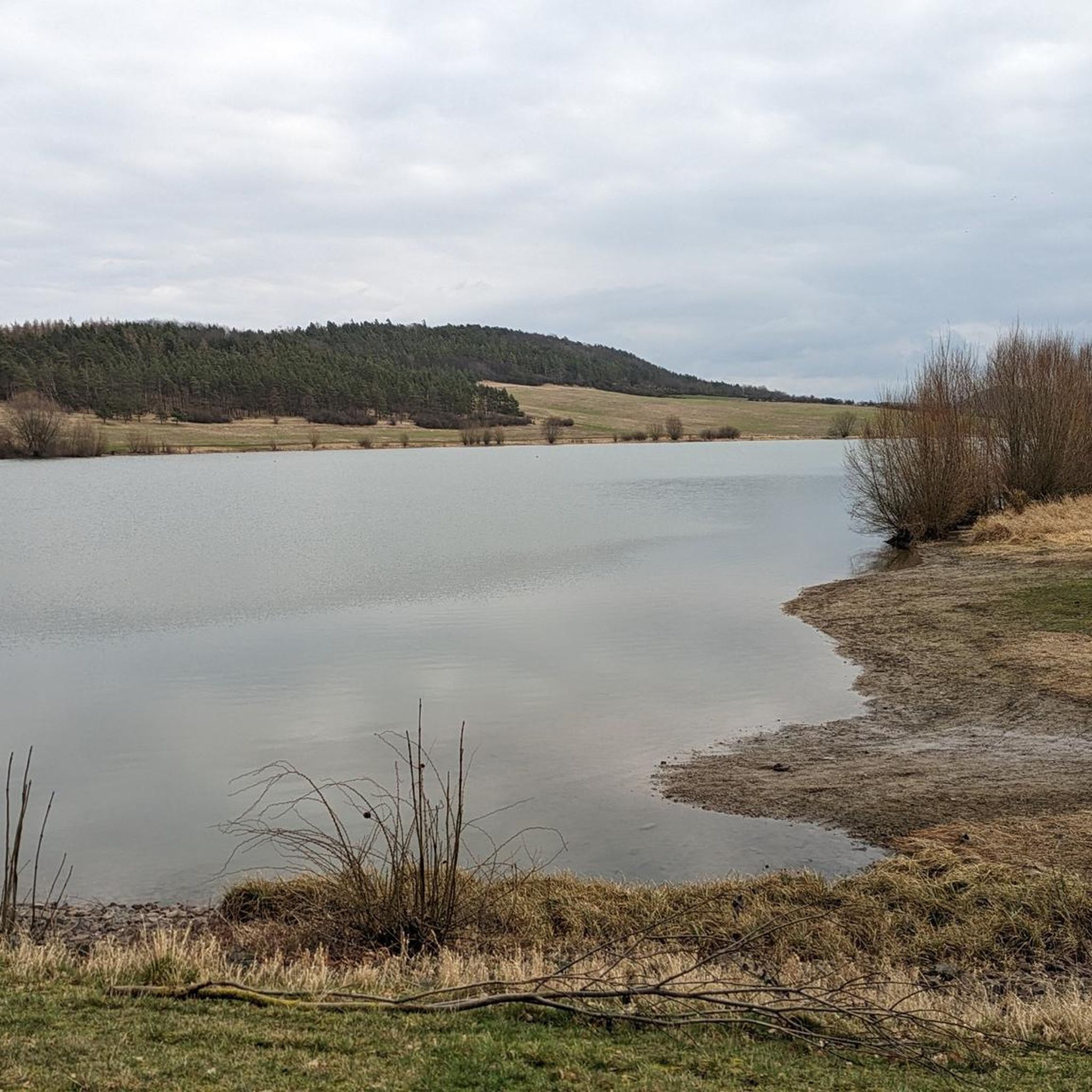
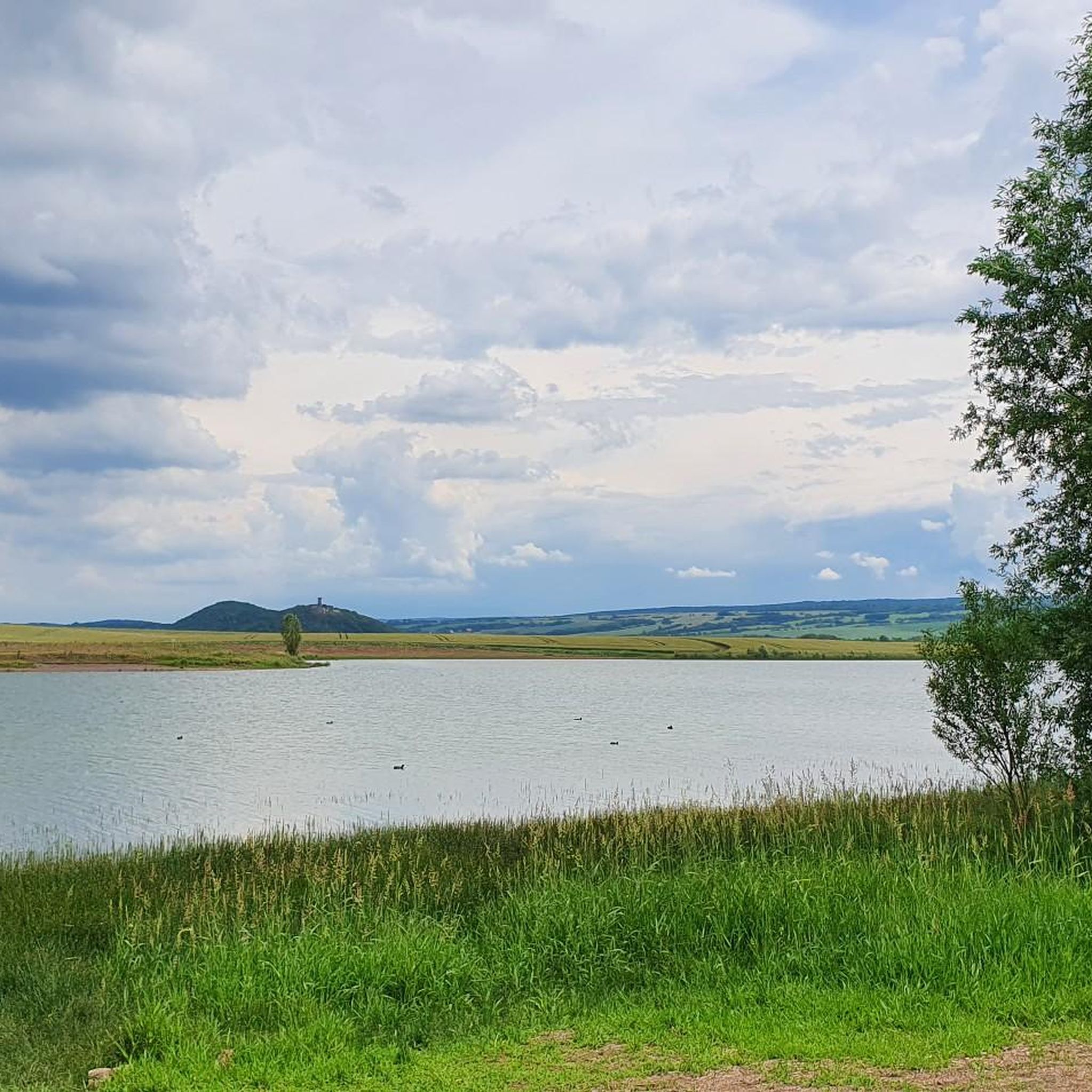
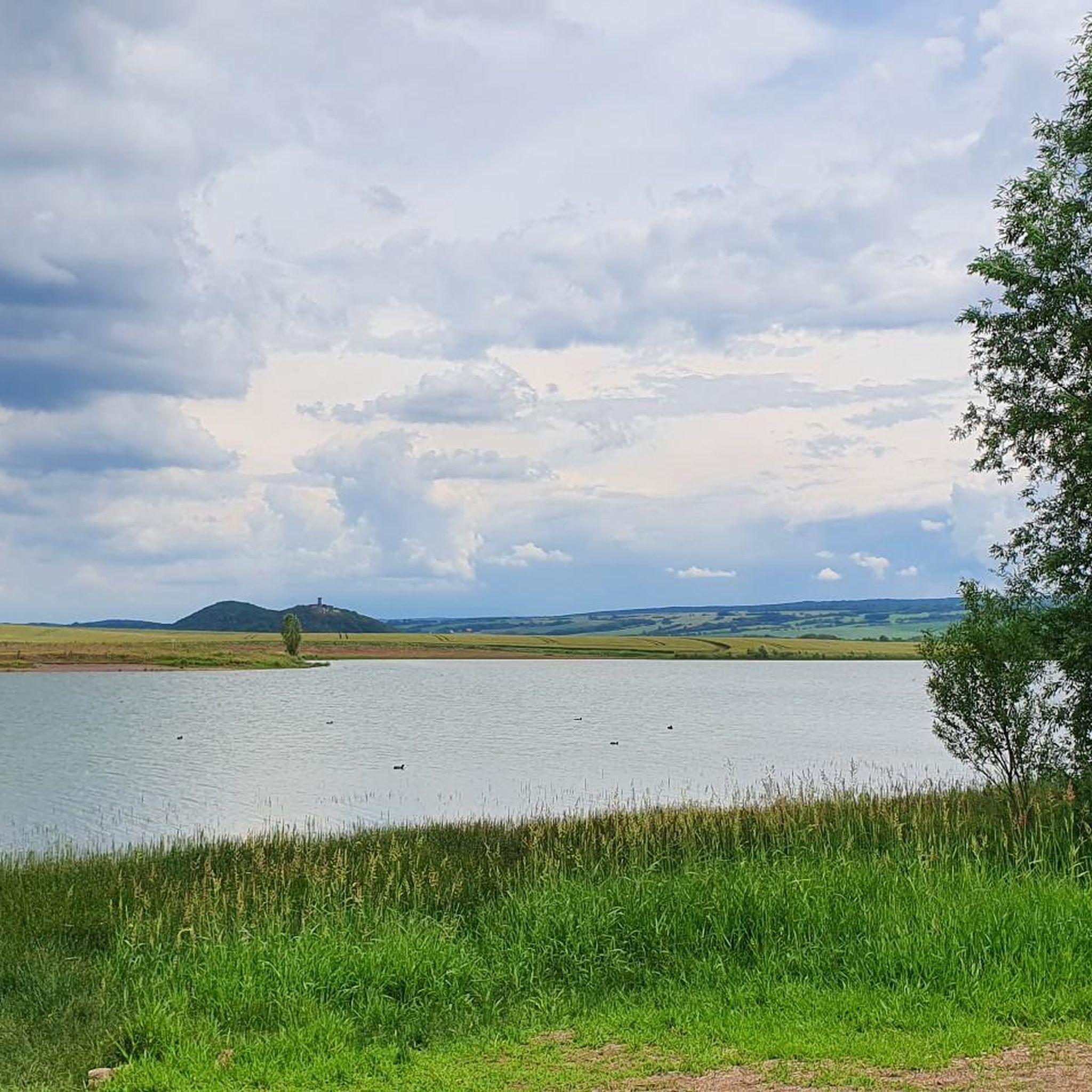
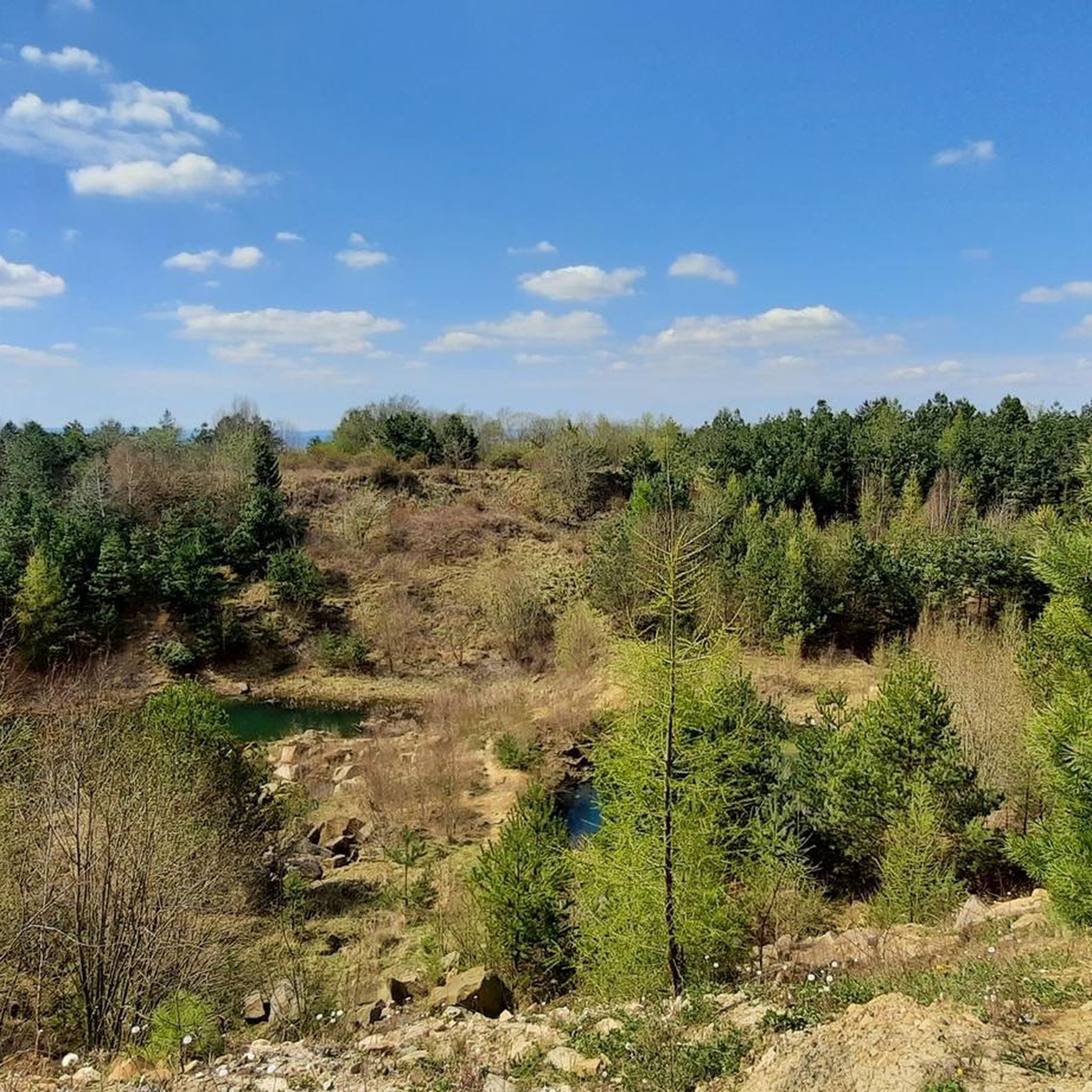
Tips from the Community

Beautiful water features beautifully planted from spring to autumn.
17
0
A beautiful viewpoint over the market towards the town hall.
15
0
A very beautiful complex with great plants, from above you have a wonderful view over the main market and the historic town hall.
19
0

Molsdorf Palace Park, home to one of the most beautiful Baroque palaces in central Germany, is located south of Erfurt and houses an extensive art collection as well as numerous authentic furnishings from the 18th century. The palace and park are under the care of the Thuringian Palaces and Gardens Foundation. The palace museum is one of the art museums of the city of Erfurt. The palace museum can be visited as part of a guided tour. Guided tours are offered every hour on the hour and by appointment: Telephone +49 36202 90505 Museum Opening Hours Tuesday to Sunday from 10:00 a.m. to 6:00 p.m. Park and gardens are open to the public. Special opening: December 25 and January 1 from 1:00 p.m. Closed: Mondays, December 24, and December 31
13
1

In spring and summer, when the water flows along the river, it is beautiful and impressive to look at.
19
0

The mountain mill stood on the upper main market until 1895, first mentioned in a document in 1378 and probably built immediately after the construction of the Leina Canal. Following the Kassel-Wilhelmshöhe model, after the mountain mill was demolished as part of the redesign of the main market on Schlossberg, an artificial cascade-like drain for the Leina Canal was built in just six months of construction, the water art (inauguration celebrations on October 15th and 31st, 1895). Under the leadership of the Gotha civil engineer Hugo Mairich (1863–1904), an urban landmark was created that has not lost its appeal to this day and is probably one of the decisive factors for the continued operation of the Leina Canal. A bronze bust of engineer Hugo Mairich was placed in a niche in the cellar by the Leinakanal Friends' Circle. Mairich was also the designer of Gotha's road paving and water supply. (SOURCE: https://leinakanal.de/wasserkunst-b62d916aedadacf0)
10
0

The Veste Wachsenburg, often simply called Wachsenburg, is a medieval hilltop castle belonging to the Drei Gleichen in the area of Holzhausen, a district of the Amt Wachsenburg municipality in the Ilm district in Thuringia. In the course of its history, the castle has changed hands frequently, been destroyed and frequently rebuilt and expanded: especially from 1900 to 1913 to house the extensive Wachsenburg collections on local and military history. The latter was lost in 1946 and the local museum had to close in 1962. Today, the Wachsenburg serves as a tourist restaurant, as it has long done, and has been a hotel since 1966, and it houses a small, privately run museum. Admission now costs €5 per person.
18
2
Gleichen Castle is a medieval castle ruin in Thuringia near Gotha. It is part of the Drei Gleichen castle ensemble and today belongs to the Thuringian Castles and Gardens Foundation.
16
0
Frequently Asked Questions
What historical landmarks can I explore in Günthersleben-Wechmar?
The region is rich in history, notably featuring the famous Drei Gleichen castles: Mühlburg, Gleichen Castle, and Wachsenburg Fortress. Other significant sites include the St. Petri Church in Günthersleben, the St. Viti Church in Wechmar, and the historic Studnitzhaus with its magnificent Rococo hall.
What is the significance of the Bach family in Wechmar?
Wechmar is recognized as the ancestral home of the renowned Bach musician family. The Bach-Stammhaus (Bach Ancestral Home) is located in the village center, tracing the family's roots back to Johann Sebastian Bach's great-great-grandfather, Veit Bach.
Can I visit the Drei Gleichen castles, and what are their highlights?
Yes, you can visit all three. Mühlburg is one of Thuringia's oldest castles, featuring a medieval fortified church and offering views over Mühlberg. Gleichen Castle consists of impressive ruins open seasonally from April 1st to October 31st. Wachsenburg Fortress is a well-restored site operating as a hotel and restaurant, also housing a small museum.
Where can I find natural attractions or scenic viewpoints around Günthersleben-Wechmar?
The Mühlburg and Gleichen Castle offer excellent viewpoints over the Thuringian Basin. For natural beauty, visit the Wechmarer Talsperre (Wechmar Dam), a significant reservoir popular for hiking and birdwatching. The Röhnberg-Schlucht (Röhnberg Gorge) and the Apfelstädt River also provide scenic routes and natural features.
Are there hiking opportunities near Günthersleben-Wechmar?
Yes, the area offers various hiking trails. You can find easy hikes such as the 'Wechmar Reservoir – Wooden Bridge at Erfurter Wehr loop' or the 'Gravel Lakes near Schwabhausen – Günthersleben Water Castle loop'. For more options, explore the easy hikes around Günthersleben-Wechmar guide.
What cycling routes are available in the Günthersleben-Wechmar region?
Günthersleben-Wechmar is integrated into the 'Thüringer Städtekette' cycling path and Route 5 of the Gotha district cycling path. You can find road cycling routes like the 'Schwabhausener Ponds – View of Wachsenburg Castle loop' from Wechmar, or explore MTB trails such as the 'Mühlburg – View of the Drei Gleichen Castles loop'. More routes are available in the Road Cycling Routes around Günthersleben-Wechmar guide and MTB Trails around Günthersleben-Wechmar guide.
Are there family-friendly attractions or activities in Günthersleben-Wechmar?
Many attractions are suitable for families. Mühlburg offers an engaging historical experience with an affordable admission fee. Wachsenburg Fortress has a restaurant and museum. The Gotha Waterworks is a beautiful complex with water features and plants that families can enjoy. Additionally, easy hiking trails around the Wechmarer Talsperre are great for family outings.
What unique cultural sites can I visit besides castles and churches?
Beyond the prominent castles and churches, you can visit the Bach-Stammhaus, the ancestral home of the Bach family. The Studnitzhaus in Wechmar, dating back to 1750, boasts a magnificent Rococo hall. The Dorfbrunnen (Village Well) in Wechmar, an old 15th-century well, is also a unique historical point of interest. The Geopark-Infozentrum at Wasserburg Günthersleben provides insights into regional geology and history.
What do visitors particularly enjoy about the attractions in Günthersleben-Wechmar?
Visitors appreciate the blend of historical significance and natural beauty. The Drei Gleichen castles, especially Mühlburg and Gleichen Castle, are highly rated for their historical context and scenic views. The Gotha Waterworks is admired for its beautiful complex and views. The region's highlights have received over 1400 upvotes and feature more than 1900 photos from the komoot community, indicating a strong positive reception.
Is there a good time of year to visit Günthersleben-Wechmar for outdoor activities?
The period from April to October is ideal for visiting many attractions, as Gleichen Castle, for example, is open during these months. Spring and summer are particularly pleasant for enjoying the natural features like the Wechmarer Talsperre and for engaging in hiking and cycling, when the water features at places like Gotha Waterworks are in full flow.
Are there any other castles or historical sites nearby that are worth visiting?
Beyond the Drei Gleichen, Molsdorf Castle, located south of Erfurt, is another beautiful Baroque palace with an extensive art collection and historical rooms. It's often used for weddings and offers a picturesque park, making it a worthwhile excursion.
Most popular routes around Günthersleben-Wechmar
Most popular attractions around Günthersleben-Wechmar

Get inspired with the komoot mobile app


Explore more
Still not found the Highlight you’re looking for? See guides of the top attractions in other regions:
