The best gravel rides around Chatel-Chéhéry
12
riders
10
rides
Gravel biking around Chatel-Chéhéry offers a network of routes through the varied landscape of the French Ardennes. The region is characterized by rolling terrain, extensive woodlands, and river valleys, providing a mix of surfaces suitable for gravel bikes. Elevations are generally moderate, with some routes featuring sustained climbs. The area's rural character means trails often pass through agricultural lands and small villages.
Best gravel bike trails around Chatel-Chéhéry
- The most popular gravel bike trail is Autry Campsite – Continue from…
Last updated: July 3, 2026
2
riders
40.3km
02:44
450m
450m
Moderate gravel ride. Good fitness required. Mostly paved surfaces. Suitable for all skill levels.
1
riders
46.2km
03:02
540m
530m
Hard gravel ride. Very good fitness required. Mostly paved surfaces. Suitable for all skill levels.

Sign up for free
2
riders
68.6km
04:49
770m
760m
Hard gravel ride. Very good fitness required. Mostly paved surfaces. Suitable for all skill levels.
1
riders
67.9km
04:33
770m
760m
Hard gravel ride. Very good fitness required. Mostly paved surfaces. Suitable for all skill levels.
1
riders
67.4km
04:20
830m
820m
Hard gravel ride. Very good fitness required. Mostly paved surfaces. Suitable for all skill levels.
Get access to more routes and recommendations from other explorers.
Sign up for free
Already have an account?
Our route recommendations are based on thousands of hikes, rides, and runs completed by other people on komoot.
Start today with a free account
Your next adventure awaits.
Login or Signup

Tips from the Community

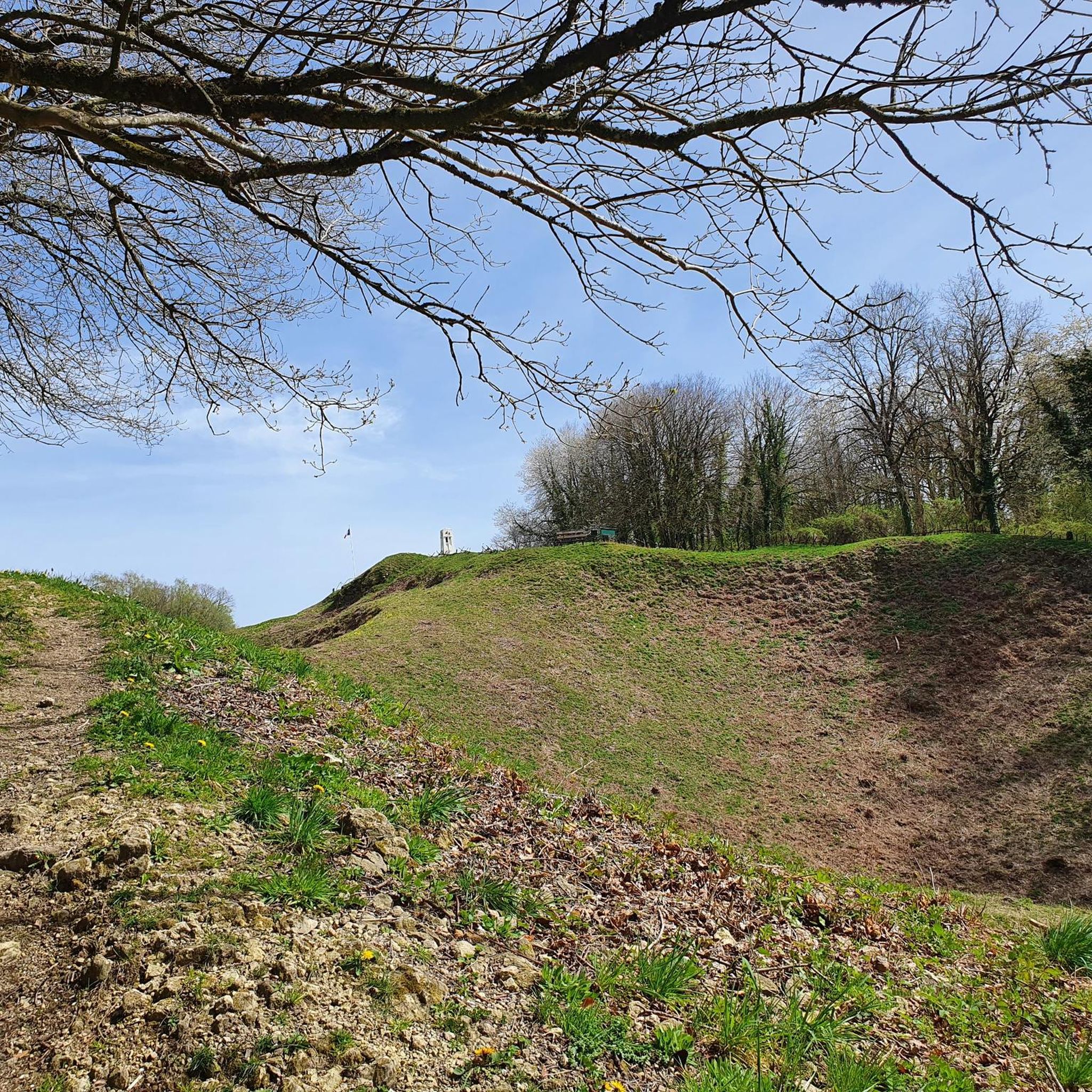
At this location, deep in the Argonne Forest, a unit of the American 77th Division was surrounded by German troops on October 2, 1918. For five days, the so-called Lost Battalion held out under difficult conditions, cut off from supplies and communications. Only a third of the soldiers survived.
7
0
The Lost Battalion Memorial is located in the Charlevaux Ravine near Binarville, on the D66, and commemorates the heroic struggle of some 554 American soldiers of the 77th Infantry Division who were surrounded by German troops during the Meuse-Argonne Offensive in October 1918. Led by Major Charles Whittlesey, these men held out for six days, cut off from supplies and communications, with only carrier pigeons as a means of contact. The most famous of these, Cher Ami, saved the battalion by delivering a crucial message despite being wounded, which stopped friendly fire.
8
0
Just outside Binarville, at the crossroads of the D21 and D66, the Monument "Aux Morts du 9e Régiment de Cuirassiers" commemorates the courage of the French cavalrymen who fell in 1918 during the fierce fighting in the Argonne. Once proudly mounted on horseback, these cuirassiers fought on foot in the dense forests surrounding the village, leaving a lasting legacy of bravery and sacrifice. This silent, powerful memorial is an unexpected stopover full of history in the heart of the countryside. 🪖🌲
7
0
Super quiet campsite with everything you need, but no extras. Shouldn't be for that price.
9
0
Cunel is a commune in the Meuse department of France, in the Grand Est region. It has about 50 inhabitants and an area of 9.64 km². It is located on the River Aire and is part of the canton of Clermont-en-Argonne. Cunel has a tragic history, linked to the First World War. The village was completely destroyed during the Battle of Verdun in 1916, when it was one of the targets of the German attack. The village was later rebuilt at a different location, approximately 500 meters from the original site. One of the monuments that recall this period is the Monument aux Morts, a memorial to the fallen soldiers, designed by the sculptor Paul Moreau-Vauthier.
5
0
Romagne-sous-Montfaucon was heavily fought over in the First World War. The small museum is definitely worth it. Owner and driving force is the Dutchman Jean-Paul de Vries
7
0
This small German cemetery is in stark contrast to the American one a little further on. The German Military Cemetery in Romagne-sous-Montfaucon, also known as Deutscher Soldatenfriedhof Romagne-sous-Montfaucon and Romagne-sous-Montfaucon Cimetière Militaire Allemand, was established in 1914 at the start of the First World War, but saw its heaviest use during the Battle of Verdun in 1916. The cemetery is located 220 meters north of the village center along the road to Bantheville. It contains 1,407 German and eight French soldiers who fell during the First World War in northwestern France.
6
0
The Château de Marcq, also known as Château Mercier, is located in the municipality of Marcq, in the Ardennes department of France. The castle was built by the master blacksmith Nicolas Deruë. The gate of the castle bears the date 1760, which probably corresponds to the year in which the building was built1. The oldest plan is a facade view of the courtyard, made at the end of the 18th century for the addition of two side pavilions
5
0
Frequently Asked Questions
How many gravel bike trails are available around Chatel-Chéhéry?
There are 11 gravel bike trails documented on komoot for the Chatel-Chéhéry area. These routes offer a variety of experiences through the French Ardennes.
Are there gravel bike trails suitable for beginners in Chatel-Chéhéry?
While most routes in the area are rated as difficult, there are 3 moderate gravel bike trails available. One good option for those looking for a less strenuous ride is the Autry Campsite – Continue from Condé to Servon loop from Chatel-Chéhéry, which covers 40.3 km with moderate elevation.
What about more challenging gravel bike routes for experienced riders?
For experienced gravel bikers seeking a challenge, there are 8 difficult routes around Chatel-Chéhéry. A notable option is the La Samaritaine Campsite – Mercier Castle loop from Cornay, a 68.6 km trail with significant elevation gain through dense woodlands and open fields.
Can I find circular gravel bike routes in the Chatel-Chéhéry area?
Yes, many of the gravel bike routes around Chatel-Chéhéry are designed as loops. For example, the challenging Château de Grandpré – Grandpré loop from Cornay offers a 46.2 km circular path, and the La Samaritaine Campsite – Château de Grandpré loop from Cornay is another long loop at 67.9 km.
What kind of scenery can I expect on gravel bike trails around Chatel-Chéhéry?
The region offers diverse scenery, characterized by extensive woodlands, rolling hills, and river valleys. You'll ride through quiet country roads, forest tracks, and agricultural lands, experiencing the rural charm of the French Ardennes.
Are there any historical sites or attractions to see along the gravel bike trails?
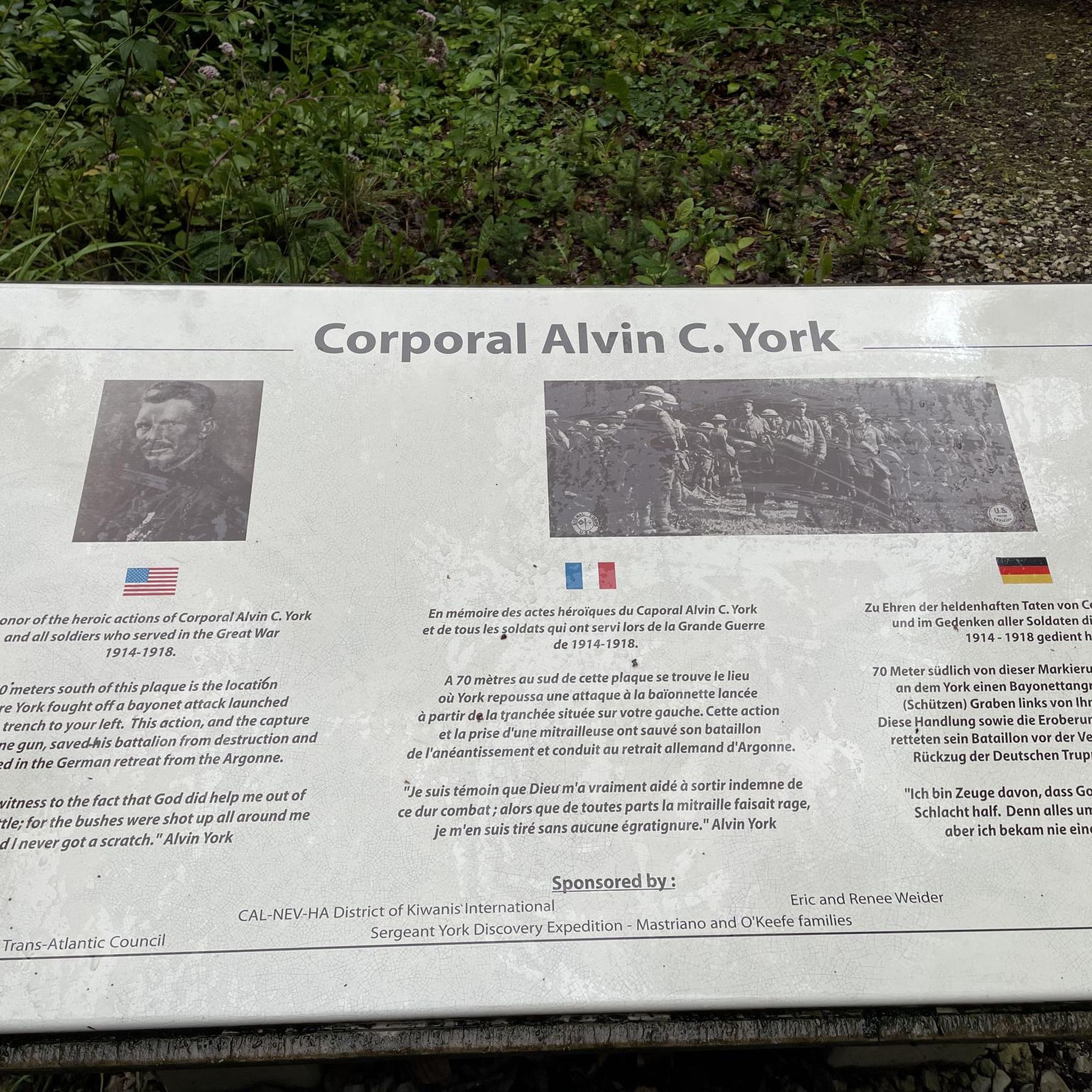
Yes, the area is rich in history, particularly related to World War I. You can find several points of interest, such as the Meuse-Argonne American Cemetery, the World War I memorial, and the Sergeant York trail. The village of Grandpré is also a notable highlight.
When is the best time of year for gravel biking in Chatel-Chéhéry?
Spring and autumn generally offer the most pleasant conditions for gravel biking in Chatel-Chéhéry, with milder temperatures and beautiful foliage. Summer can also be good, but be prepared for potentially warmer weather. Always check the local forecast before heading out.
Is it possible to go gravel biking in Chatel-Chéhéry during winter?
Gravel biking in winter is possible, but conditions can be challenging. Trails may be muddy, icy, or covered in snow, especially in forested areas. It's advisable to use appropriate tires, wear warm clothing, and check local weather and trail conditions before planning a winter ride.
Are there places to stop for refreshments or cafes along the routes?
Given the rural character of the Chatel-Chéhéry area, dedicated cafes directly on the trails might be sparse. However, routes often pass through small villages like Cornay or near towns such as Grandpré, where you may find local establishments for refreshments. It's always a good idea to carry sufficient water and snacks.
Where can I park when gravel biking in Chatel-Chéhéry?
Parking options typically include village centers or designated parking areas near trailheads. For routes starting from specific locations, such as those mentioned near Cornay, you can often find parking within or on the outskirts of these villages. Always ensure you park responsibly and legally.
What do other gravel bikers say about the trails in Chatel-Chéhéry?
The komoot community frequently praises the extensive forest tracks and quiet country roads that define gravel biking in Chatel-Chéhéry. Riders appreciate the varied terrain and the opportunity to explore the natural beauty and historical sites of the French Ardennes.
Are there any less-known or 'hidden gem' gravel routes in the area?
While specific 'hidden gems' are often discovered through local exploration, routes like the Romagne-sous-Montfaucon – Grandpré loop from Cornay offer a substantial 67.4 km journey through varied landscapes, providing a deeper dive into the region away from the most popular spots.
Most popular routes around Chatel-Chéhéry
Most popular attractions around Chatel-Chéhéry

Get inspired with the komoot mobile app


Explore more
Browse the best Gravel rides in other regions.
