The best gravel rides around Sanry-Lès-Vigy
4.0
(5)
44
riders
20
rides
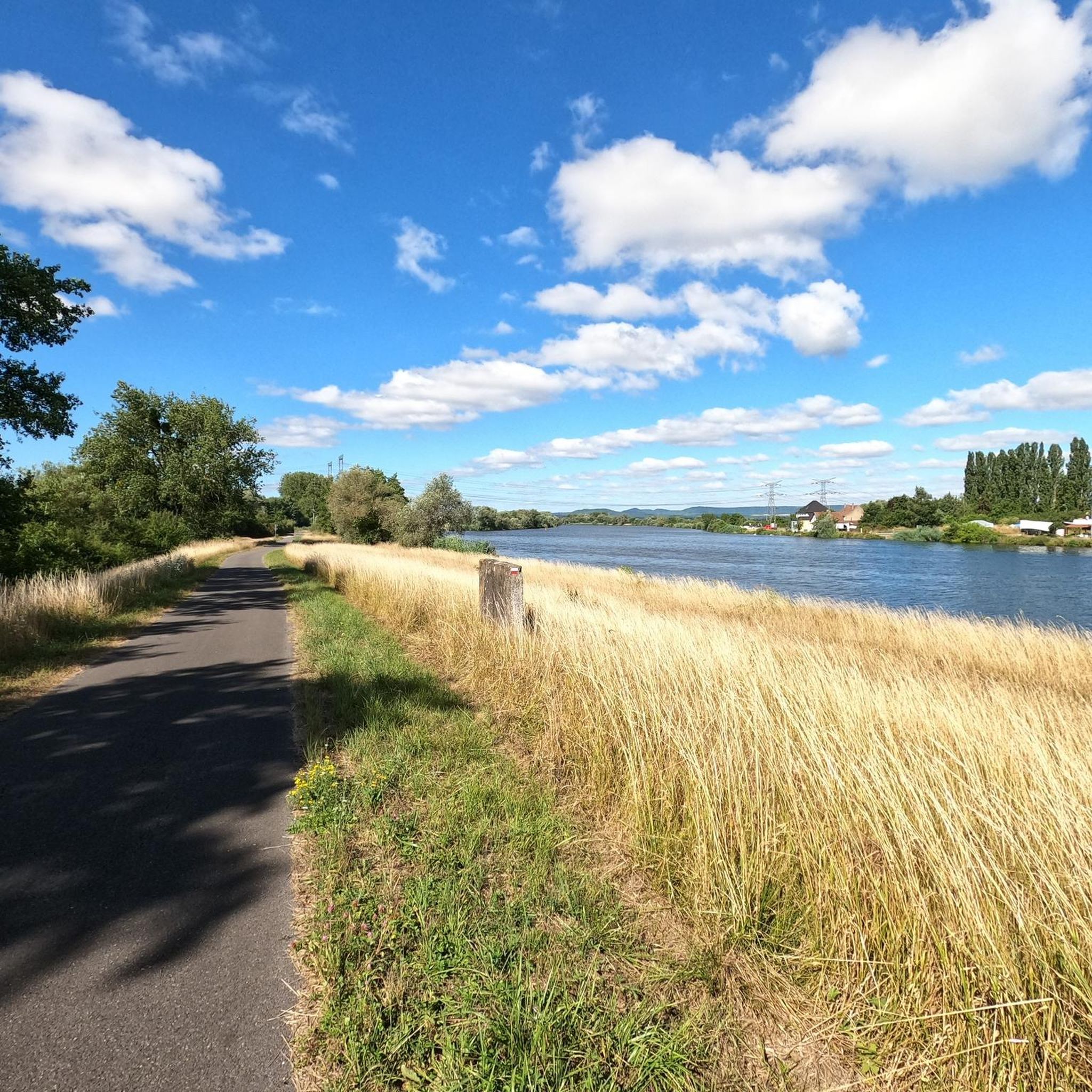
Gravel biking around Sanry-Lès-Vigy traverses a landscape characterized by the Moselle river valley, offering routes along its banks and through surrounding hills. The region features varied terrain, including riverside paths, agricultural areas, and forested sections. Elevation changes are present, with some routes incorporating climbs to viewpoints. The area is part of the broader Lorraine Regional Natural Park, known for its diverse landscapes.
Best gravel bike trails around Sanry-Lès-Vigy
- The most popular gravel bike trail is View of the Moselle –…
Last updated: October 6, 2026
9
riders
36.1km
02:27
390m
390m
Moderate gravel ride. Good fitness required. Mostly paved surfaces. Suitable for all skill levels.
9
riders
37.9km
02:37
550m
550m
Hard gravel ride. Very good fitness required. Mostly paved surfaces. Suitable for all skill levels.

4.0
(3)
11
riders
38.0km
02:24
270m
270m
Moderate gravel ride. Good fitness required. Mostly paved surfaces. Suitable for all skill levels.
4.0
(2)
5
riders
39.1km
02:32
220m
220m
Moderate gravel ride. Good fitness required. Mostly paved surfaces. Suitable for all skill levels.
6
riders
Easy gravel ride. Great for any fitness level. Mostly paved surfaces. Suitable for all skill levels.
Get access to more routes and recommendations from other explorers.
Already have an account?
Our route recommendations are based on thousands of hikes, rides, and runs completed by other people on komoot.
Start today with a free account
Your next adventure awaits.
Tips from the Community

very impressive Roman architecture
0
0

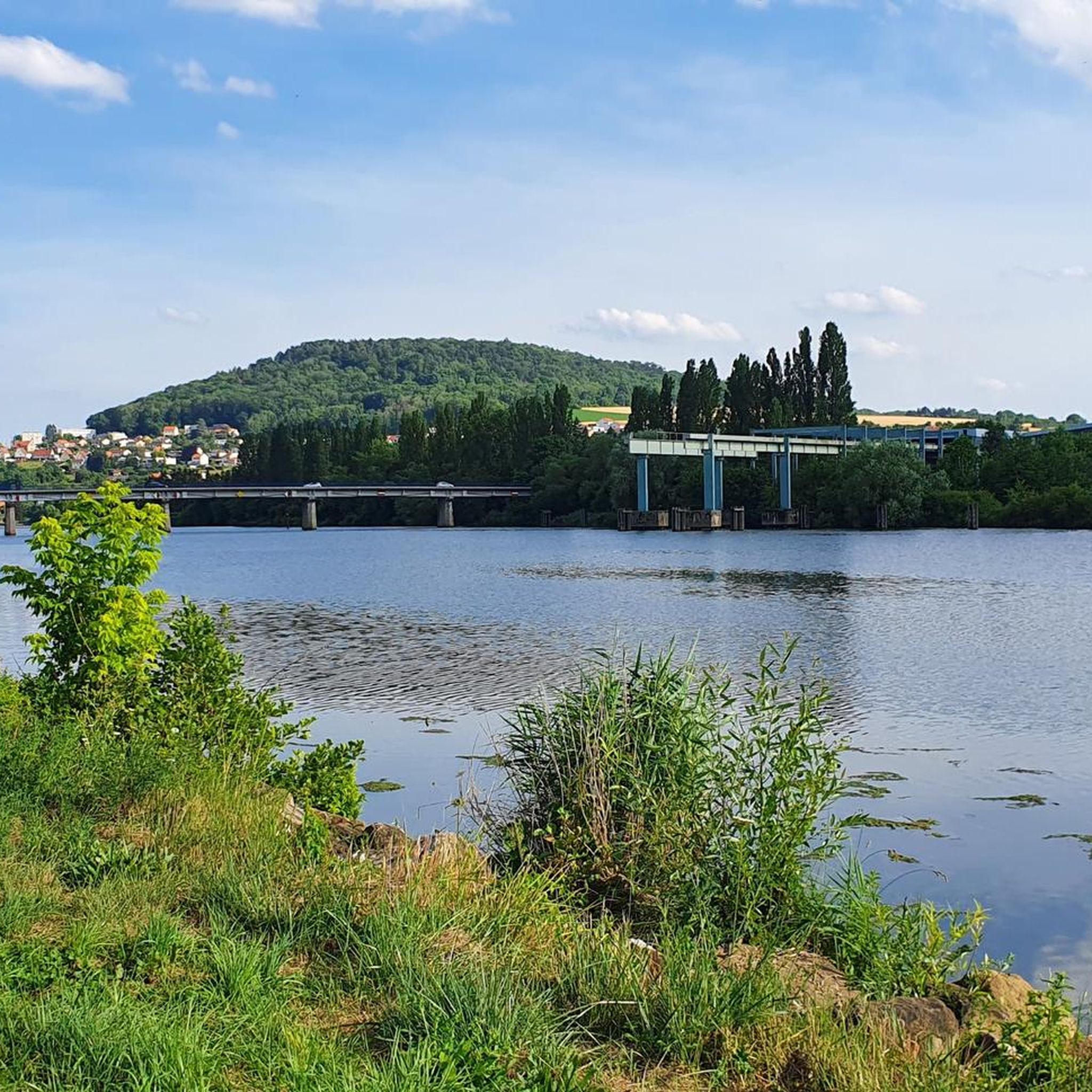
the moselle does not always have little water
0
0
beautiful aqueduct from Roman times
0
0
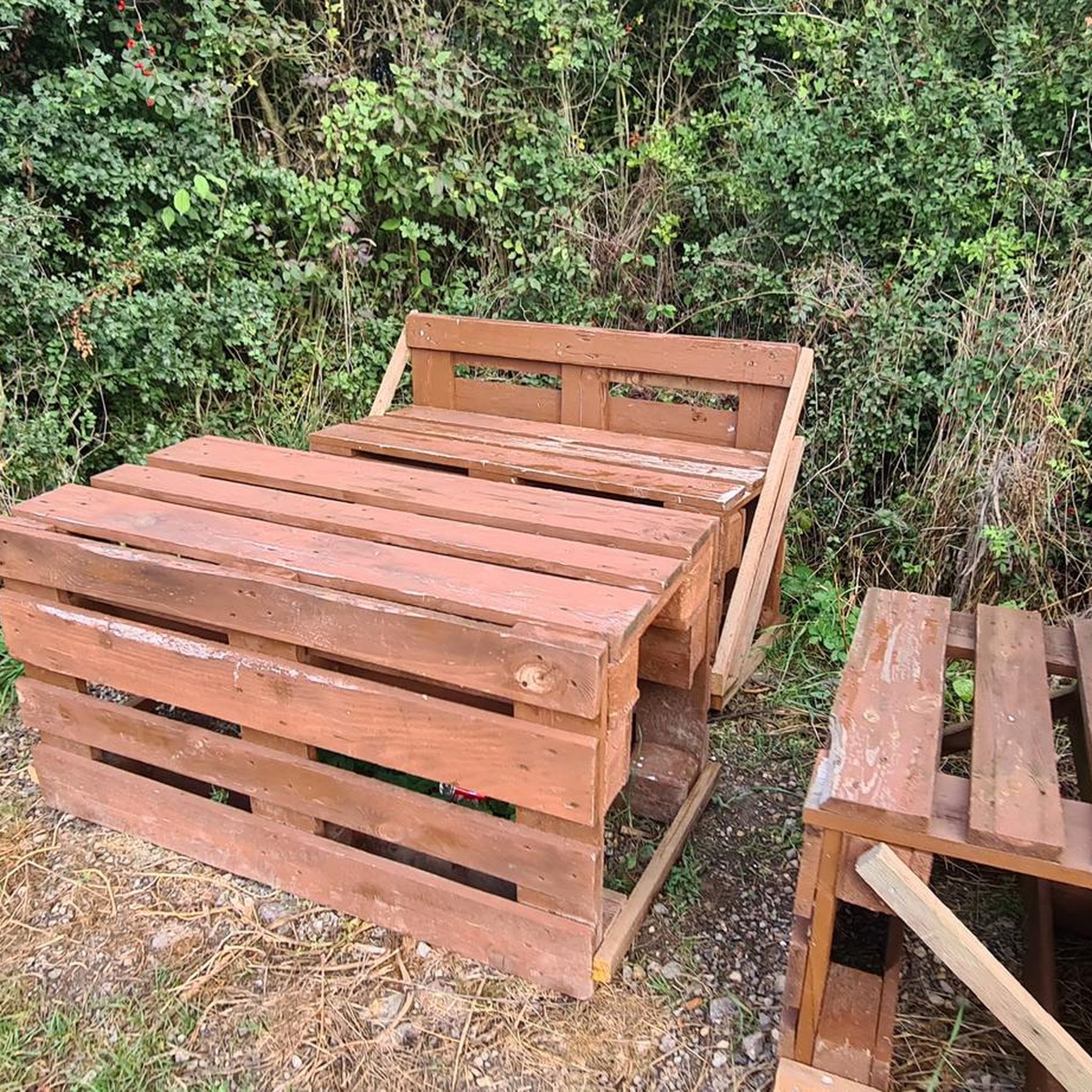
in between, the bike path is also bumpy
0
0


Fort Plappeville, renamed Fort Alvensleben in 1872, is a military installation northwest of Metz. It is part of the first fortified belt of Metz, built during the Second Empire by Napoleon III. The first fortified belt of Metz consists of the forts Saint-Privat (1870), Queleu (1867), Bordes (1870), Saint-Julien (1867), Gambetta, Déroulède, Decaen, Plappeville (1867), and Saint-Quentin (1867). Most of them were still unfinished in 1870, when the Franco-Prussian War broke out.
0
0

Be careful of the rail in wet weather.
1
0

As you climb the challenging Col de Lessy, you will be rewarded with breathtaking panoramic views of the surrounding countryside. When you reach the summit, you will be greeted by views of the picturesque Moselle Valley, with its rolling hills, vineyards and charming villages.
1
0
Frequently Asked Questions
How many gravel bike trails are available around Sanry-Lès-Vigy?
There are over 20 gravel bike trails in the Sanry-Lès-Vigy area, offering a variety of options for different skill levels. The region features 4 easy, 11 moderate, and 9 difficult routes.
Are there gravel bike trails suitable for beginners in Sanry-Lès-Vigy?
Yes, the region offers several easier routes. There are 4 easy trails available, which often follow riverside paths, providing a gentler introduction to gravel biking. These routes typically have less elevation gain and smoother surfaces.
What kind of challenges can advanced gravel bikers expect around Sanry-Lès-Vigy?
Advanced riders can find challenging routes with significant elevation gain. There are 9 difficult trails, such as the Plan d'Eau de Metz – Mount Saint-Quentin loop from Saint-Julien-lès-Metz, which includes climbs to viewpoints like Mount Saint-Quentin and covers over 31 km with nearly 500 meters of ascent.
Are there family-friendly gravel biking options near Sanry-Lès-Vigy?
While specific 'family' routes aren't explicitly tagged, the easier riverside paths are generally suitable for families. These routes offer flatter terrain and scenic views, making them enjoyable for various ages and skill levels.
Are there circular gravel bike routes available in the Sanry-Lès-Vigy area?
Yes, many of the gravel bike routes around Sanry-Lès-Vigy are designed as loops. For example, the Blocaus plappeville – Le Petit Canada loop from Vantoux is a popular circular route covering 37.1 km through varied terrain.
What is the best time of year for gravel biking in Sanry-Lès-Vigy?
The best time for gravel biking in Sanry-Lès-Vigy is generally during spring, summer, and early autumn. During these seasons, the weather is typically mild, and trail conditions are optimal. Winter riding is possible but may involve colder temperatures and potentially muddy or icy sections, especially in forested areas.
What kind of terrain can I expect on gravel bike trails around Sanry-Lès-Vigy?
The terrain around Sanry-Lès-Vigy is varied, characterized by the Moselle river valley. You can expect riverside paths, agricultural areas, and forested sections. Some routes incorporate significant elevation changes through rolling hills, while others offer flatter stretches along the riverbanks.
What are some notable viewpoints or landmarks along the gravel routes?
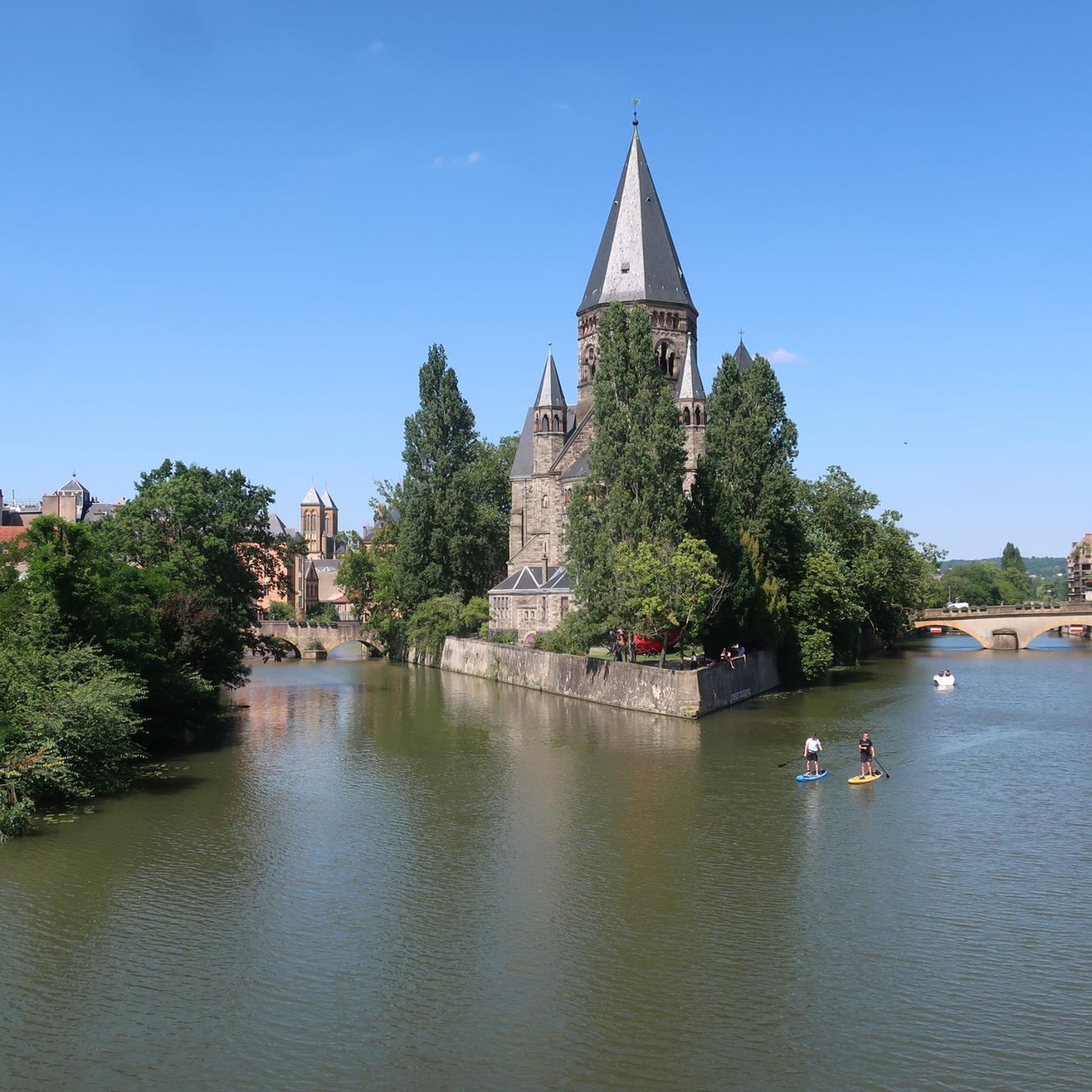
Many routes offer views of the Moselle river. Some trails, like the Plan d'Eau de Metz – Mount Saint-Quentin loop, include climbs to viewpoints such as Mount Saint-Quentin. Additionally, you might pass historical sites like the Porte des Allemands or the Saint-Étienne Cathedral in nearby Metz.
Are there any historical sites or attractions to explore near the gravel bike trails?
Yes, the region is rich in history. You can explore highlights such as the Porte des Allemands, a medieval bridge and gatehouse, or the impressive Saint-Étienne Cathedral in Metz. Some routes might also pass by castles or other historical landmarks.
What do other gravel bikers enjoy most about the trails in Sanry-Lès-Vigy?
The gravel biking routes in Sanry-Lès-Vigy are highly rated by the komoot community, with an average score of 4.25 stars from 7 reviews. Riders often praise the varied terrain, from scenic riverside paths to challenging climbs, and the opportunity to explore both natural landscapes and historical sites.
Are there any routes that pass by locks or other interesting river features?
Yes, some routes follow the Moselle river closely and pass by its features. For example, the View of the Moselle – Richemont lock loop from Luttange includes sections along the Moselle and passes by the Richemont lock, offering unique views of the waterway infrastructure.
Are there any routes that explore specific natural areas or forests?
Yes, the region includes forested sections. The Blocaus plappeville – Le Petit Canada loop from Vantoux, for instance, leads through varied terrain including the Blocaus Plappeville area, which often features wooded paths and natural landscapes.
Most popular routes around Sanry-Lès-Vigy
Most popular attractions around Sanry-Lès-Vigy

Get inspired with the komoot mobile app


Explore more
Browse the best Gravel rides in other regions.
