The best gravel rides around La Vineuse
3.3
(4)
25
riders
5
rides
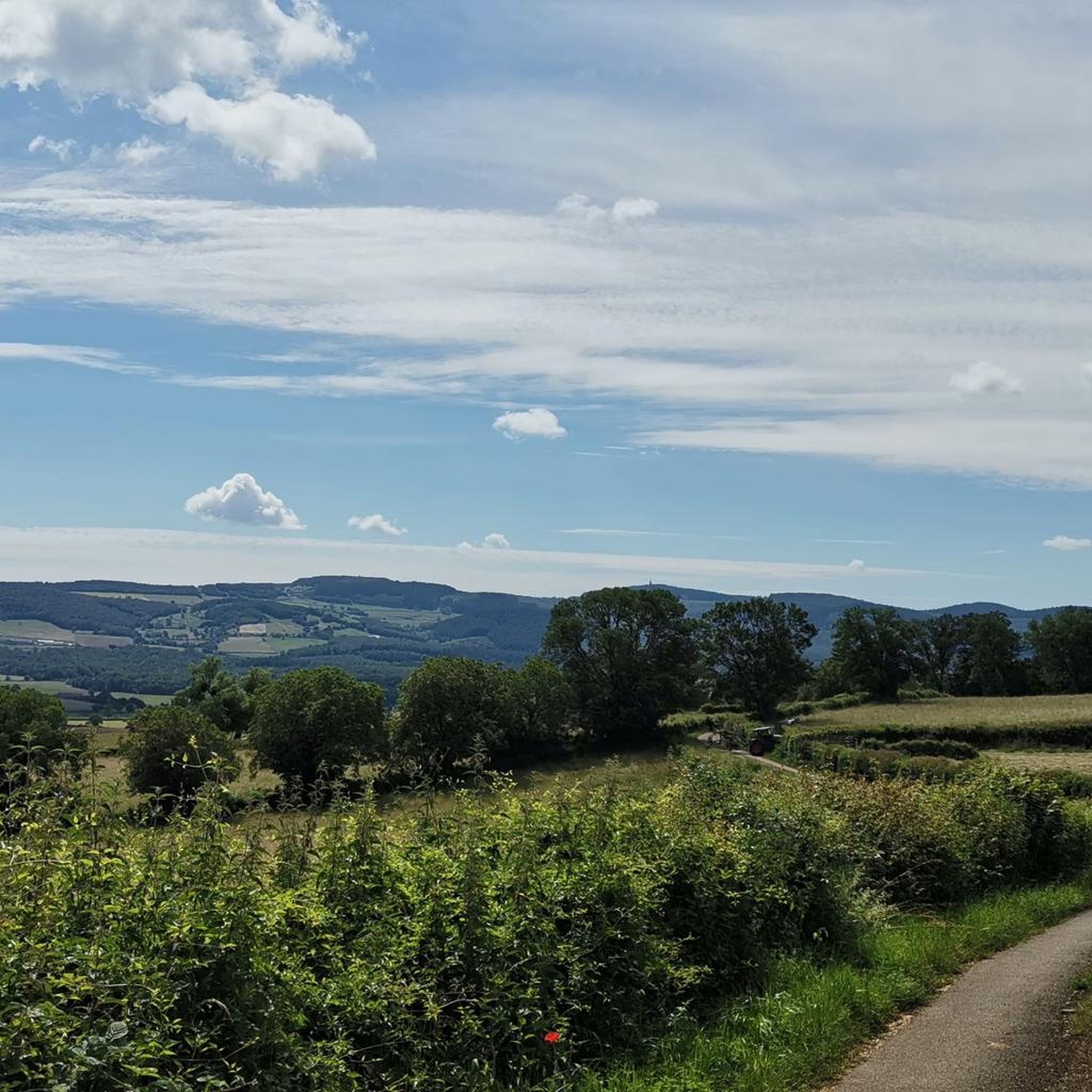
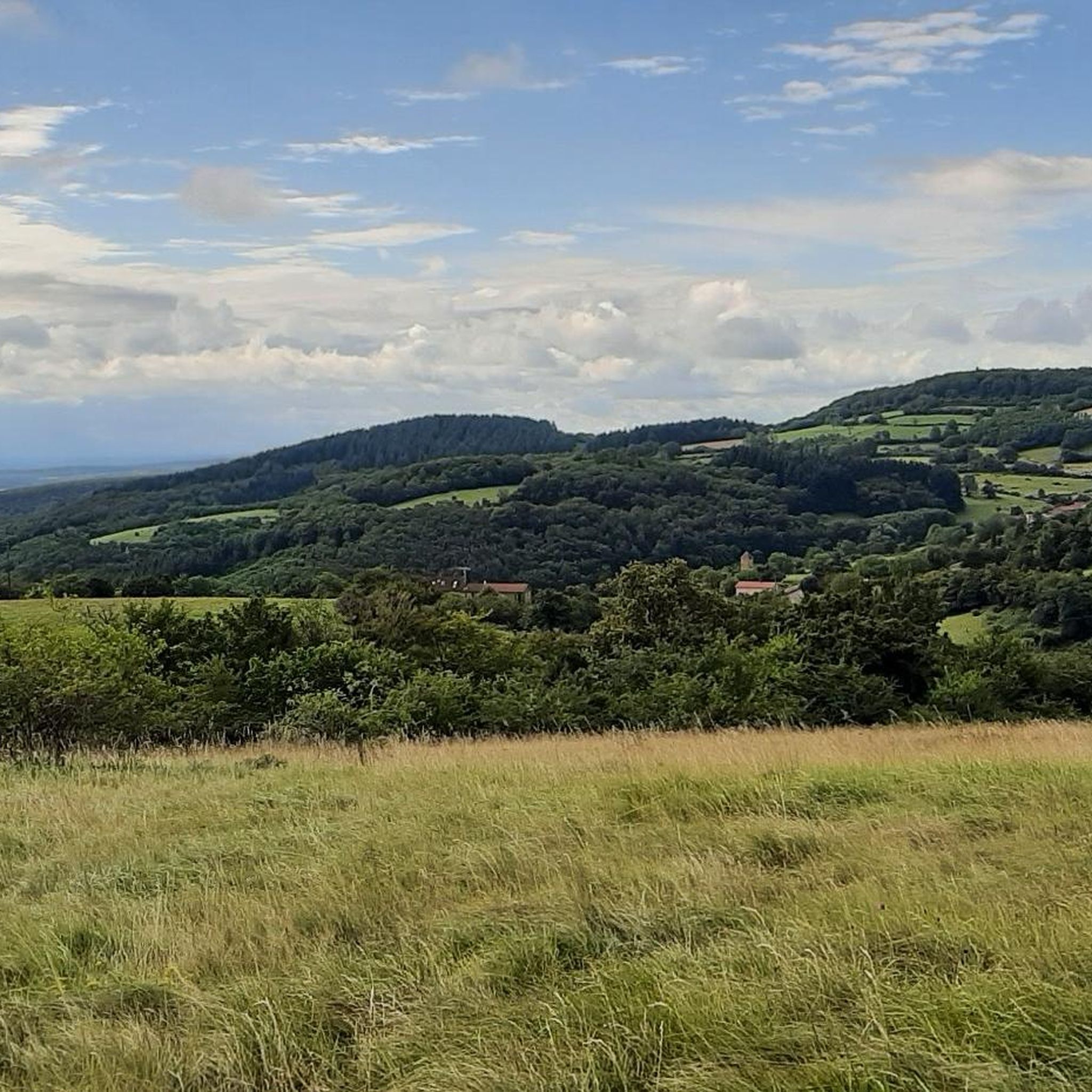
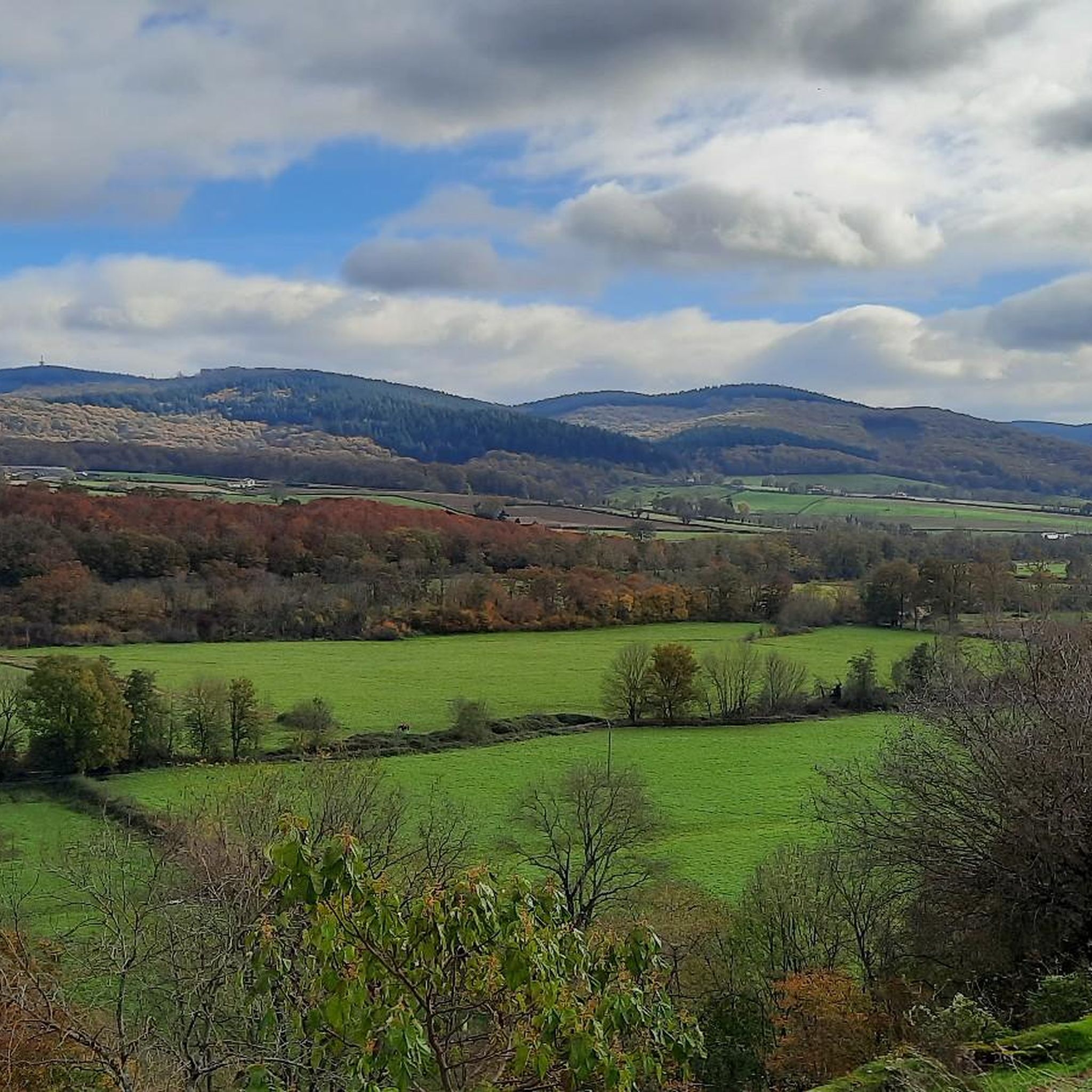
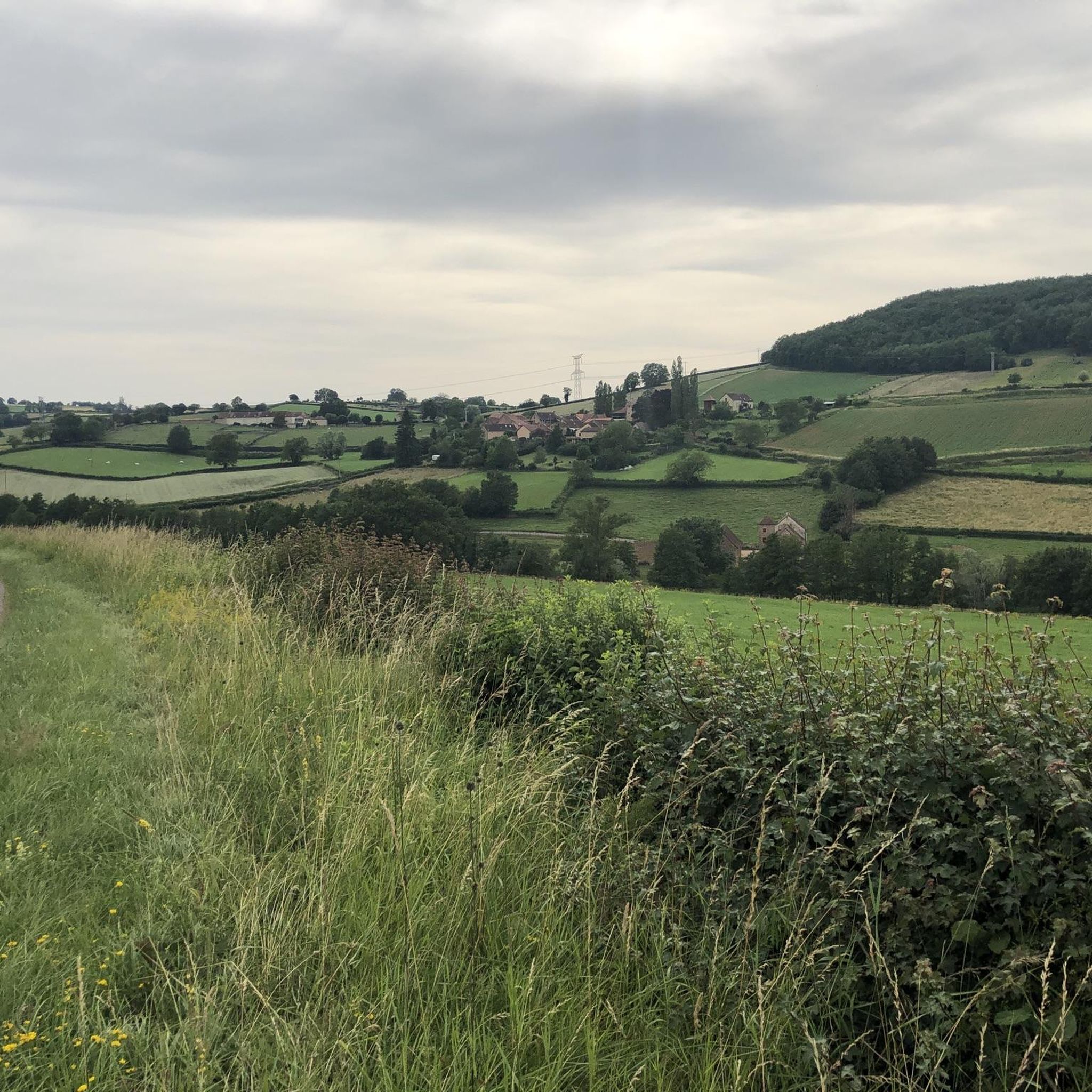
Gravel biking around La Vineuse routes traverse a hilly landscape within France's Saône-et-Loire department, featuring elevations between 200 and 550 meters. This varied topography provides undulating terrain with a mix of ascents and descents. Riders can expect to explore picturesque agricultural landscapes, vineyards, and forest tracks. The region also benefits from established cycling infrastructure, including Greenways, which can be incorporated into gravel routes.
Best gravel bike trails around La Vineuse
- The most popular gravel bike trail is Cluny – Voie…
Last updated: May 22, 2026
1.0
(1)
37
riders
98.4km
08:12
2,040m
2,040m
Hard gravel ride. Very good fitness required. Mostly paved surfaces. Suitable for all skill levels.
12
riders
70.7km
06:07
1,500m
1,500m
Hard gravel ride. Very good fitness required. Mostly paved surfaces. Suitable for all skill levels.

Sign up for free
3
riders
15.9km
01:21
360m
360m
Moderate gravel ride. Good fitness required. Mostly paved surfaces. Suitable for all skill levels.
5.0
(2)
4
riders
31.3km
02:05
290m
290m
Moderate gravel ride. Good fitness required. Mostly paved surfaces. Suitable for all skill levels.
4.0
(1)
3
riders
31.4km
02:22
670m
660m
Hard gravel ride. Very good fitness required. Mostly paved surfaces. Suitable for all skill levels.
Our route recommendations are based on thousands of hikes, rides, and runs completed by other people on komoot.
Start today with a free account
Your next adventure awaits.
Login or Signup
Tips from the Community

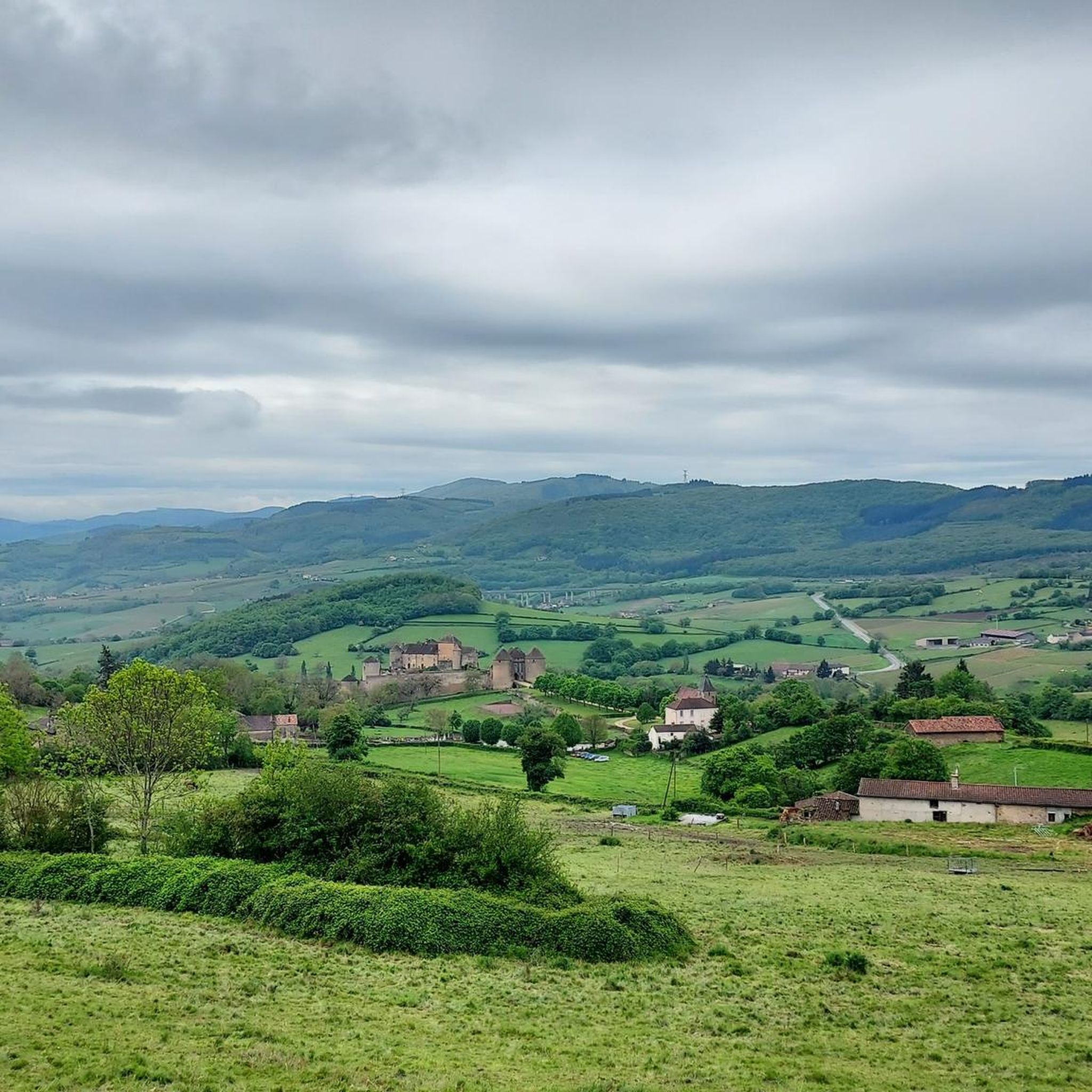
The Château de Berzé-le-Châtel (also known as Forteresse de Berzé) is the largest and best-preserved medieval castle in southern Burgundy. The site dates back to a 10th-century castrum and was strategically built on a rocky outcrop to protect the nearby powerful Abbey of Cluny. The fortress consists of three concentric walls and features 13 towers (including two keeps/donjons) as well as an imposing gatehouse. The heart inside is a remarkable Carolingian chapel.
0
0
The Château de Berzé-le-Châtel (also Forteresse de Berzé) is the largest and best-preserved medieval castle in Southern Burgundy. The complex dates back to a 10th-century castrum and was strategically built on a rocky outcrop to protect the nearby powerful Abbey of Cluny. The fortress consists of three ring walls and has 13 towers (including two keeps/donjons) as well as an imposing gatehouse. The centerpiece inside is a remarkable Carolingian chapel.
0
0
The farm offers direct sales of wine and cheese. Offerings: French cheese, regional wine, and other homemade organic products directly from the farm. The farm is idyllically located in the countryside around the well-known monastery town of Taizé. The farm shop is open every day of the week: Monday to Saturday: 10:00 – 12:30 and 14:00-19:00 Sunday: 10:00 - 12:00
0
0

Very beautiful castle. Feel free to visit the monks' chapel of Berzé la ville, with very beautiful paintings from the abbey of Cluny
0
0
The ruins of the church of Saint-Hippolyte are located in the commune of Bonnay-Saint-Ythaire. The Romanesque church was built in the 11th century by the monks of the Abbey of Cluny. Fortification: In the 13th century (around 1214), the building was converted into a fortified church at the request of the monks to offer better protection. In the process, the church was partially transformed into a keep (Donjon). The building was severely damaged in the 15th and 16th centuries, and the nave of the church finally collapsed in the 18th century. Since 1913, the site has been a listed Monument historique.
0
0
In the Middle Ages, the abbey was one of the most influential spiritual and cultural centers in Europe. Cluny was the mother house of the Cluniac Reform and headed a federation of over 1,200 monasteries. The third abbey church (Cluny was the largest church in the Christian world until the construction of St. Peter's Basilica in Rome). Of the once-mighty complex, only parts of the southern transept remain today, as the abbey was largely used as a quarry and demolished after the French Revolution.
0
0

Found the garden more interesting than the interior of the castle.
0
0

The town of Cluny was based on the Benedictine monastery (Cluniac Abbey), founded in 910. The abbey was the starting point and center of the Cluniac reform at the beginning of the 10th century. Cluny reached its peak membership at the beginning of the 12th century with approximately 400 monks. The last abbey church (Cluniac 3) was the world's largest Romanesque basilica and, until the construction of today's St. Peter's Basilica in Rome, the largest church in Christendom. The church had seven towers. Although large parts of the building were destroyed, the remaining relics are absolutely remarkable and make a visit to Cluny an unforgettable experience!
1
0
Frequently Asked Questions
What kind of terrain can I expect on gravel bike trails around La Vineuse?
The La Vineuse region features a hilly landscape with elevations ranging from 200 to 550 meters, offering varied topography with a mix of ascents and descents. You'll primarily ride through picturesque agricultural landscapes, vineyards, and forest tracks. The area also integrates with established cycling infrastructure like Greenways, providing diverse riding surfaces.
Are there any easy gravel bike routes for beginners in La Vineuse?
Yes, there is an easy route available. Consider the Cormatin Castle – La Grange Cergy Wine & Cheese loop from Cormatin. This 13.5 km trail is suitable for those looking for a less challenging ride.
What historical or cultural sites can I visit while gravel biking in the area?
The region is rich in history. You can explore sites like the historic settlement of Cluny, home to the remnants of a great medieval abbey. Other notable stops include Cormatin Castle, the Sainte-Marie-Madeleine Church, and the Church of the Assumption of Ameugny. Many routes pass by or near these points of interest.
Are there any circular gravel bike routes around La Vineuse?
Yes, several routes are designed as loops. For example, the Cluny – Cluny Abbey loop from Cluny is a moderate 15.9 km circular path that explores the historic Cluny region. Another option is the Chapaize Church – Château de Cormatin loop from Bonnay, a 31.3 km route through rural landscapes.
What is the best time of year for gravel biking in La Vineuse?
The region is part of Burgundy-Franche-Comté, which generally offers pleasant cycling conditions from spring through autumn. Riding through vineyard-dotted landscapes is particularly scenic during these seasons. Winter conditions might include colder temperatures and potentially wet or muddy trails, so spring and early autumn are often ideal for gravel biking.
What do other gravel bikers say about the trails in La Vineuse?
The routes in La Vineuse are rated by the komoot community with an average score of 2.8 stars from 5 reviews. Over 30 gravel bikers have explored the varied terrain, often praising the mix of agricultural landscapes, vineyards, and forest tracks, as well as the historical points of interest along the way.
Are there any longer, more challenging gravel routes in the La Vineuse area?
For experienced riders seeking a challenge, the Cluny – Voie verte of Southern Burgundy loop from Mâcon is a difficult 99.1 km trail that takes approximately 8 hours and 15 minutes to complete. Another difficult option is the Cluny – Greenway of Southern Burgundy loop from Donzy-le-Pertuis, covering 29 km with significant elevation.
Can I combine gravel biking with wine tourism in La Vineuse?
Absolutely. The region is celebrated for its vineyards, and many routes traverse these picturesque landscapes. Cycling through the vineyards provides a unique scenic experience and opportunities to explore charming wine villages. You might even find local producers to visit along your ride.
Are there any specific viewpoints or natural features to look out for on the gravel trails?
While specific named viewpoints aren't detailed, the hilly topography ensures numerous scenic vistas over the surrounding countryside, agricultural fields, and vineyards. The proximity to the Saône River also suggests routes along waterways, offering different natural perspectives. Keep an eye out for the Tunnel du bois clair, a unique feature on some routes.
How many gravel bike routes are available around La Vineuse?
There are several gravel bike routes available around La Vineuse, with a total of 5 tours listed on komoot. These range in difficulty from easy to difficult, offering options for various skill levels.
What are the starting points for gravel bike trails in La Vineuse?
Starting points vary depending on the route. Many trails begin in or near towns like Cluny, Mâcon, Bonnay, or Cormatin, which are well-known hubs in the broader region. These locations often provide convenient access to the trail network.
Is public transport available to reach the gravel biking areas around La Vineuse?
The broader Saône-et-Loire department, where La Vineuse is located, has an established cycling infrastructure, including Greenways that connect various tourist sites. While direct public transport to very specific trailheads in La Vineuse might be limited, major towns like Mâcon or Cluny, which serve as starting points for some routes, are generally accessible by regional public transport. For detailed information on regional transport, you might consult local tourism resources.
Most popular routes around La Vineuse
Most popular attractions around La Vineuse

Get inspired with the komoot mobile app


Explore more
Browse the best Gravel rides in other regions.
