The best gravel rides around Ergué-Gabéric
4.3
(60)
338
riders
34
rides
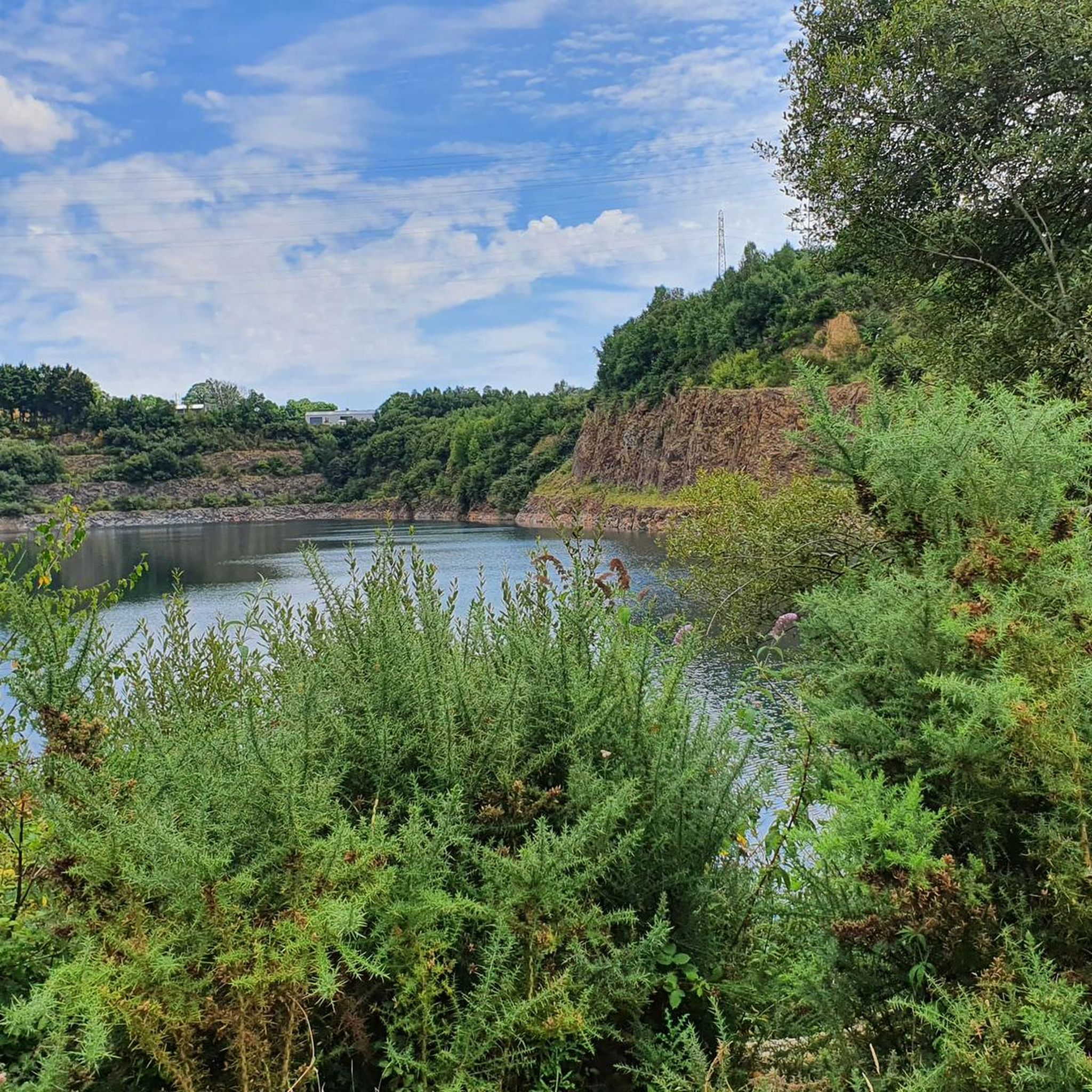
Gravel biking around Ergué-Gabéric offers a diverse landscape characterized by wooded areas, hilly bocage, and river valleys, including the Odet and Jet rivers. The region features extensive trail networks, greenways, and riverside paths, providing varied terrain for cyclists. Riders can expect routes that traverse rural areas and offer views towards the coast, with options ranging from gentle inclines to more challenging ascents. This blend of natural features makes Ergué-Gabéric well-suited for gravel biking.
Best gravel bike trails around Ergué-Gabéric
- The…
Last updated: August 26, 2026
4.6
(11)
52
riders
Moderate gravel ride. Good fitness required. Mostly paved surfaces. Suitable for all skill levels.
5.0
(3)
13
riders
92.8km
05:23
440m
440m
Hard gravel ride. Very good fitness required. Mostly paved surfaces. Suitable for all skill levels.

Sign up for free
4.3
(3)
20
riders
24.6km
01:36
240m
240m
Moderate gravel ride. Good fitness required. Mostly paved surfaces. Suitable for all skill levels.
4.0
(1)
9
riders
54.4km
03:38
550m
550m
Hard gravel ride. Very good fitness required. Mostly paved surfaces. Suitable for all skill levels.
3.0
(1)
11
riders
39.7km
02:44
410m
410m
Moderate gravel ride. Good fitness required. Mostly paved surfaces. Suitable for all skill levels.
Get access to more routes and recommendations from other explorers.
Sign up for free
Already have an account?
Our route recommendations are based on thousands of hikes, rides, and runs completed by other people on komoot.
Start today with a free account
Your next adventure awaits.
Login or Signup
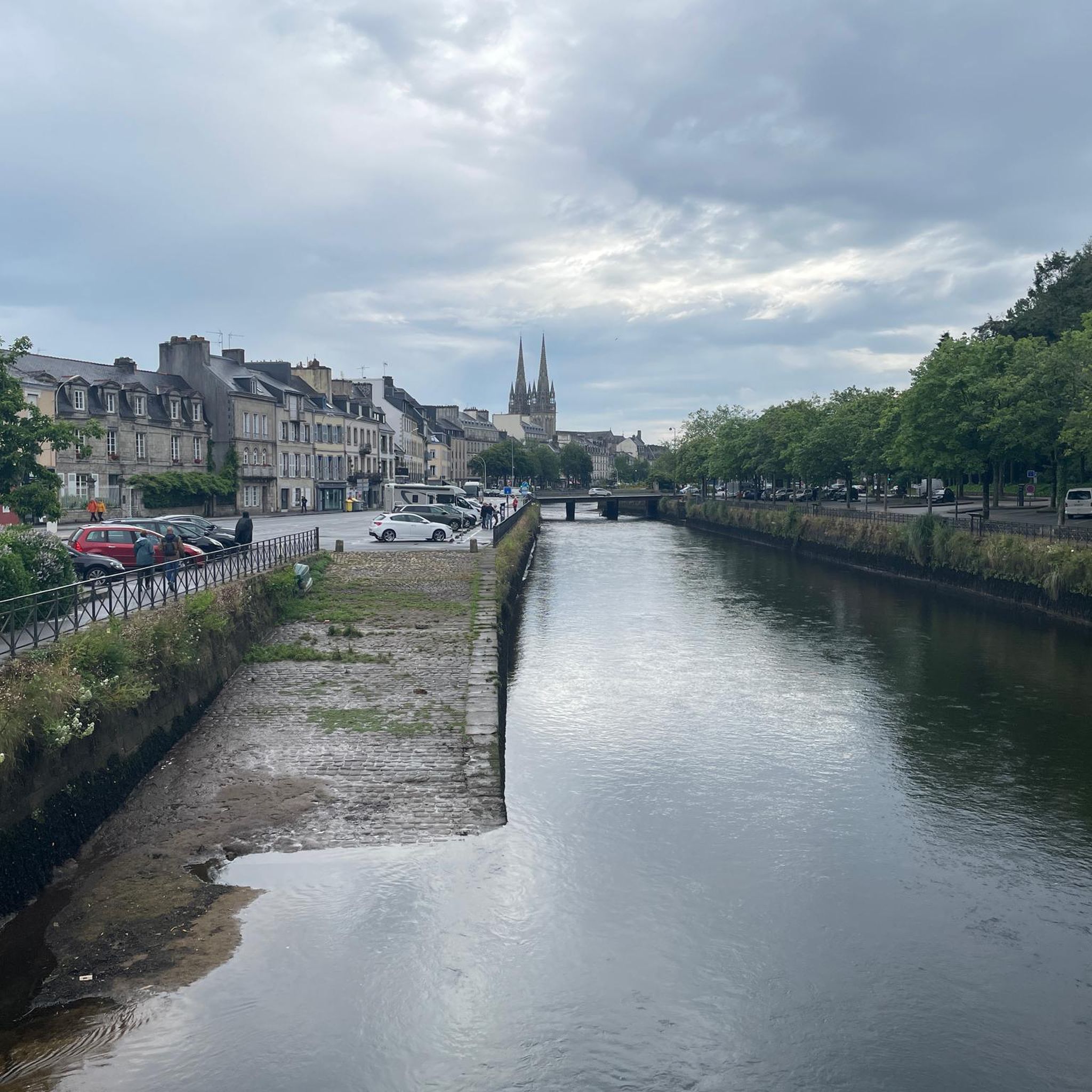
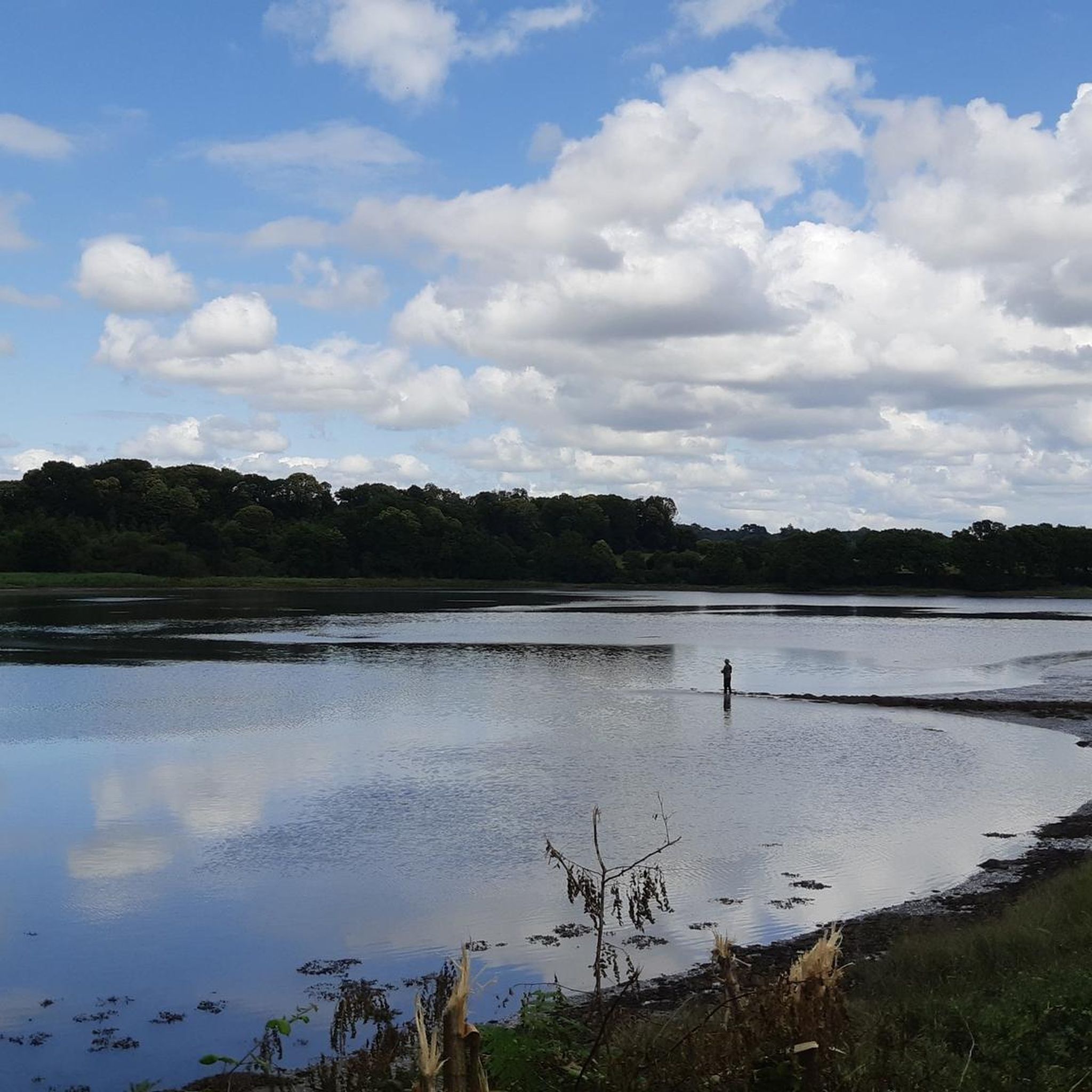
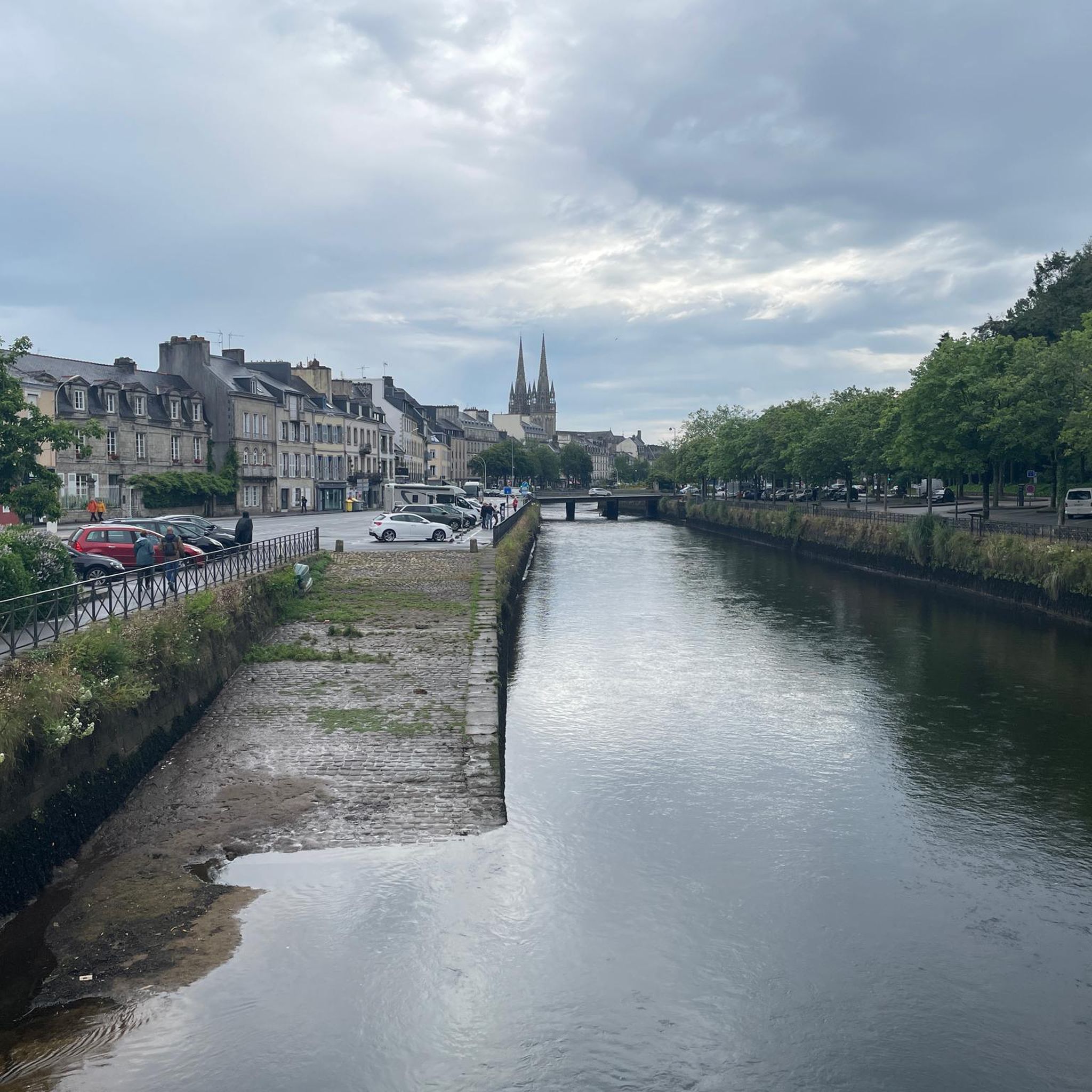
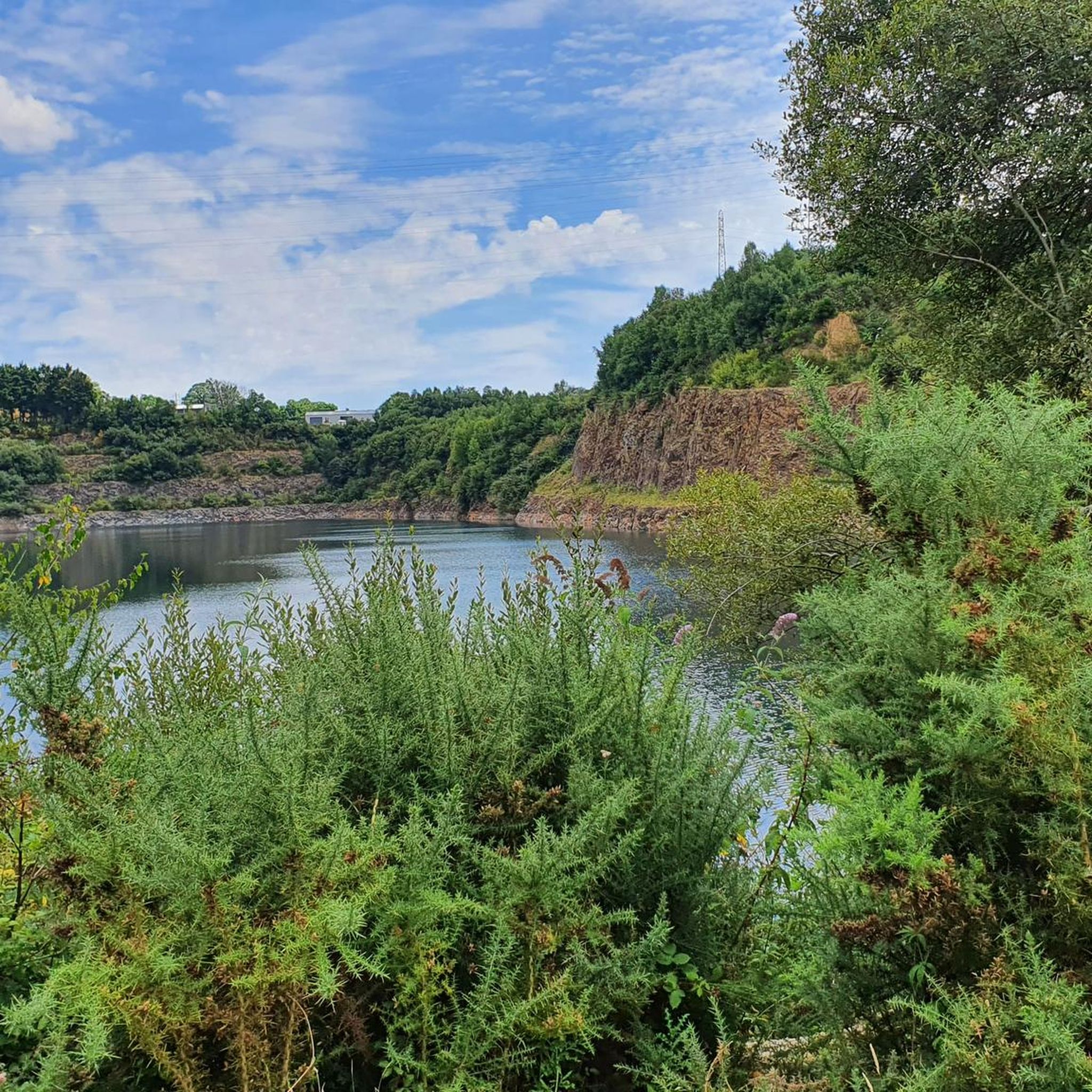
Tips from the Community

A little bit disappointing. Come for the market then the bridge is worth a short stroll.
0
0

Nice shady path.
1
0

The colorful boats are moored so picturesquely that I stopped more than once to look at the harbor. Truly beautiful.
0
0

The theater garden is also worth seeing. It was created immediately after the theater was built and is shielded to the south by a historic gymnasium facing Rue Jean Jauré. You can also learn more about the theater here: https://fr.wikipedia.org/wiki/Th%C3%A9%C3%A2tre_Max-Jacob
3
1

In addition to Florence CT's information, the Pluguffan-Quimper segment should be completed by the end of 2025... to be continued.
0
0

Bikes are repaired and rented here, with top-notch service. Nice man.
0
0
Frequently Asked Questions
How many gravel bike trails are available around Ergué-Gabéric?
There are over 40 gravel bike routes in the Ergué-Gabéric area, offering a wide range of options for different skill levels.
Are there any easy gravel bike trails suitable for beginners or families?
Yes, Ergué-Gabéric offers a few easier routes. While many trails are moderate to difficult, you can find options that are less challenging. For example, the region's greenways often provide smoother, flatter surfaces suitable for a more relaxed ride.
What kind of terrain can I expect on gravel bike trails in Ergué-Gabéric?
The terrain around Ergué-Gabéric is diverse, featuring a mix of greenways, riverside paths, and coastal sections. You'll encounter both rural landscapes and routes with sea views, with gentle inclines and some more challenging ascents.
Are there any circular gravel bike routes in the area?
Many of the gravel bike routes around Ergué-Gabéric are designed as loops. For instance, the Quimper – Saint-Corentin Cathedral loop from Quimper is a moderate 23.6 km circular path that explores urban and riverside scenery.
What are some notable landmarks or attractions I can see along the gravel routes?
Several routes pass by interesting points. You might encounter the historic city of Quimper, including the impressive Saint-Corentin Cathedral. Other highlights include the Retreat Garden and the Saint-Mathieu Church.
Are there any longer, more challenging gravel bike routes for experienced riders?
Absolutely. For experienced riders seeking a challenge, routes like the Pont-l'Abbé–Quimper greenway – Eckmühl lighthouse loop from Quimper offer a difficult 91.8 km ride. Another demanding option is the Scenic Path Along the River – Sea view loop from Quimper, which covers 85.1 km with significant elevation.
What do other gravel bikers say about the trails in Ergué-Gabéric?
The gravel biking routes in Ergué-Gabéric are highly regarded by the komoot community, with an average score of 4.5 stars from over 70 reviews. Riders often praise the varied terrain, from greenways to coastal views, and the well-maintained paths.
Are there any routes that offer both riverside and sea views?
Yes, the region is known for its combination of riverside and coastal scenery. The Scenic Path Along the River – Sea view loop from Quimper is a prime example, leading through riverside areas and offering expansive sea views.
What is the typical duration for gravel bike rides in Ergué-Gabéric?
Ride durations vary significantly based on the route's distance and difficulty. Shorter, moderate loops like the Quimper – Saint-Corentin Cathedral loop from Quimper can be completed in under two hours, while longer, difficult routes such as the Pont-l'Abbé–Quimper greenway – Eckmühl lighthouse loop from Quimper can take over six hours.
Are there any routes that connect to other greenways or cycling paths?
Yes, some routes integrate with established greenways. For instance, the Saint-Corentin Cathedral – Pont-l'Abbé–Quimper greenway loop from Quimper utilizes sections of the Pont-l'Abbé–Quimper greenway, providing a smooth and scenic riding experience.
Can I find routes that explore historical sites or ancient ruins?
While not explicitly ancient ruins, some routes pass by historically significant locations. The Moulin de Rossulien – Pérennou Roman Baths loop from Quimper is a moderate route that includes the Pérennou Roman Baths, offering a glimpse into the region's past.
Most popular routes around Ergué-Gabéric
Most popular attractions around Ergué-Gabéric

Get inspired with the komoot mobile app


Explore more
Browse the best Gravel rides in other regions.
