The best gravel rides around Fontaine-Lès-Dijon
4.3
(122)
646
riders
99
rides
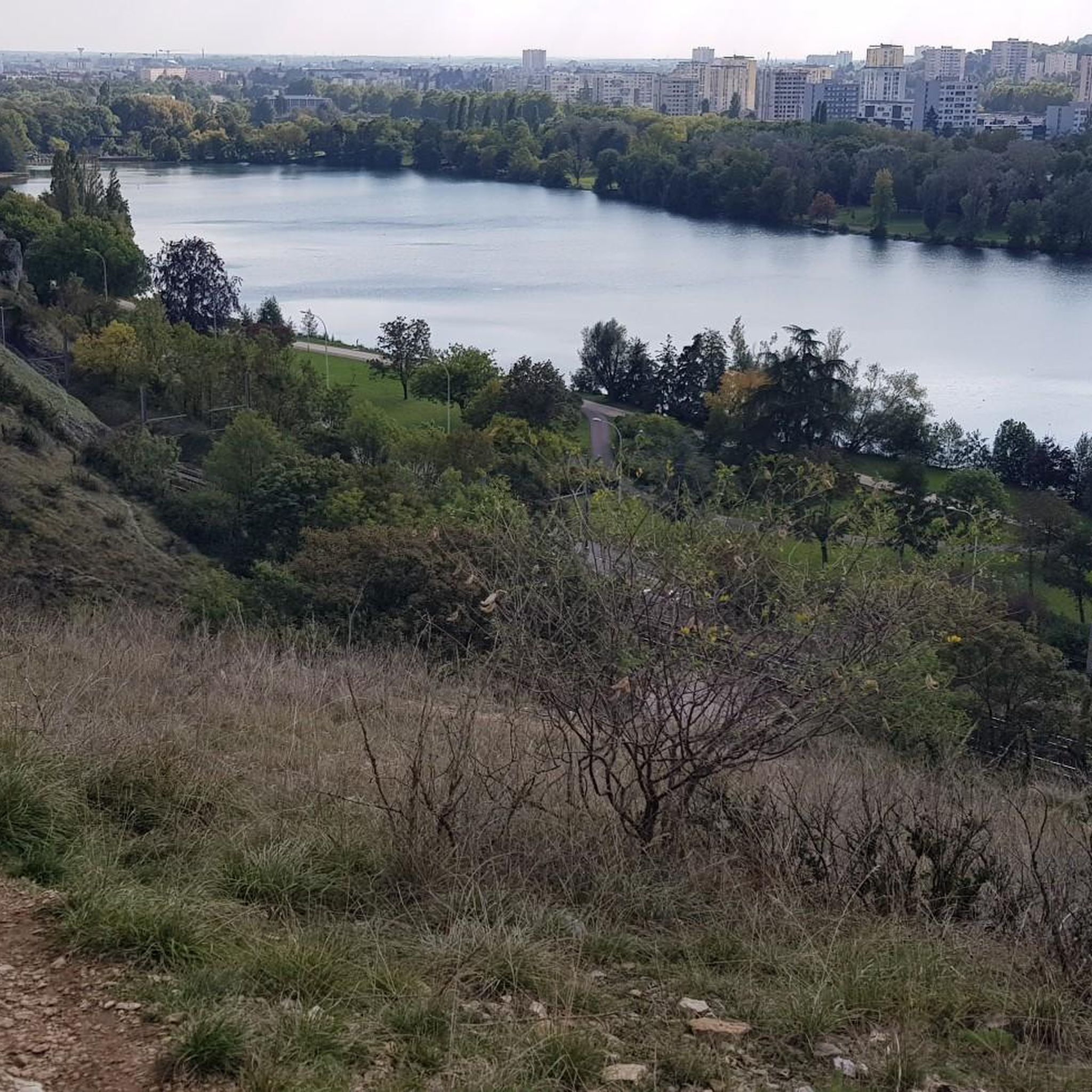
Gravel biking around Fontaine-Lès-Dijon offers diverse landscapes, combining historical charm with natural beauty. The region is characterized by rolling hills, extensive vineyards, and the scenic Ouche valley, providing a dynamic backdrop for rides. Routes incorporate a mix of asphalt roads, dirt tracks, forest paths, and unpaved trails, often traversing limestone cliffs, dry grasslands, and dense woodlands. The Burgundy Canal towpaths also offer flatter, more relaxed riding options alongside historic waterways.
Best gravel bike trails around Fontaine-Lès-Dijon
- The most popular gravel…
Last updated: July 3, 2026
4.2
(13)
63
riders
48.3km
03:50
410m
410m
Moderate gravel ride. Good fitness required. Some segments of this route may be unpaved and difficult to ride.
5.0
(4)
36
riders
41.1km
02:47
470m
470m
Hard gravel ride. Very good fitness required. Mostly paved surfaces. Suitable for all skill levels.

Sign up for free
4.5
(2)
27
riders
89.2km
05:24
650m
650m
Hard gravel ride. Very good fitness required. You may need to push your bike for some segments of this route.
4.5
(6)
31
riders
48.8km
03:06
510m
510m
Hard gravel ride. Very good fitness required. Mostly paved surfaces. Suitable for all skill levels.
15
riders
25.0km
01:44
300m
300m
Moderate gravel ride. Good fitness required. Mostly paved surfaces. Suitable for all skill levels.
Get access to more routes and recommendations from other explorers.
Sign up for free
Already have an account?
Our route recommendations are based on thousands of hikes, rides, and runs completed by other people on komoot.
Start today with a free account
Your next adventure awaits.
Login or Signup
Tips from the Community

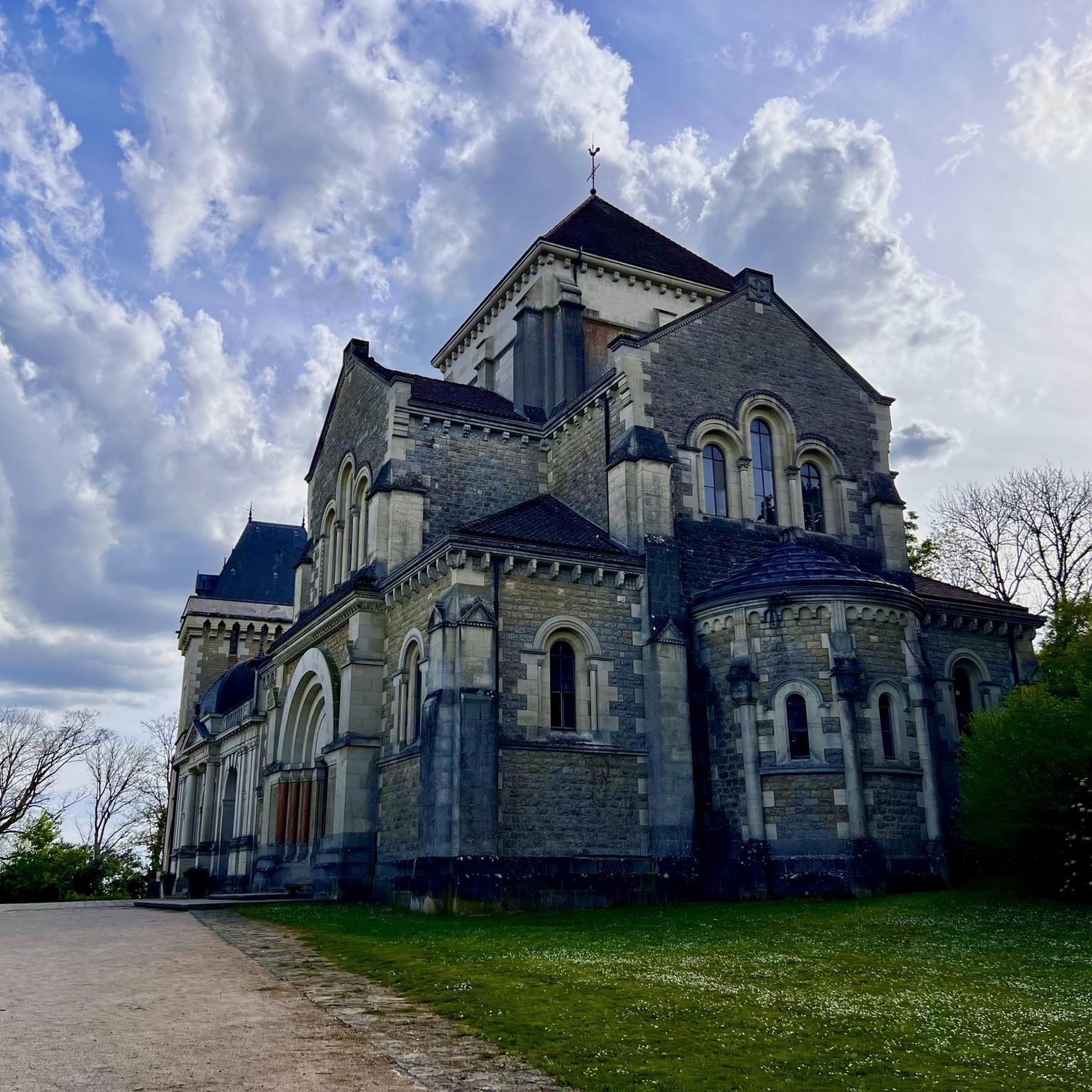
An old church that is now used as a theatre.
2
0
The Cité internationale de la gastronomie et du vin (CIGV) (International Centre for Gastronomy and Wine) is a training and presentation center dedicated to culinary arts and wine. Located on the grounds of a former hospital, which dates back to a medieval hospice and was listed as a Monument historique in 2007, it is situated near Dijon's main train station.
1
0

Gentle slope which then descends towards Chamboeuf where you can find a water point
0
0

A pleasant view of the Saône plain. Legend has it that you can see Mont Blanc from there when the view is clear ⛰️
0
0
A gentle climb to reach the plateau and access to the most interesting forest paths in the surrounding valleys. Take care when going downhill 🚀
0
1

The Dijon Owl (La Chouette de Dijon) is a small medieval sculpture on the north buttress of the Église Notre-Dame in Dijon, and has been considered a lucky charm for centuries. According to tradition, you should touch the owl with your left hand while making a wish, without looking, to bring good luck. Its exact origin is unknown, but it is suspected that the owl symbolized wisdom or served as the signature of a medieval stonemason's guild. Due to frequent touching, the owl has been restored several times, including after vandalism in 2001. The owl also marks the starting point of the "Parcours de la Chouette," a walking route that takes in 22 Dijon landmarks, recognizable by small bronze owls set into the pavement. The owl has become an iconic and beloved symbol of the city.
1
0
The Palais des Ducs et des États de Bourgogne is one of Dijon's most striking buildings and reflects the rich history of the Burgundian Dukes. The complex originated in the Middle Ages and was expanded in later centuries with elements of classical style, including the stately façade with columns and wrought-iron balconies. Strategically located on the Place de la Libération, the palace forms the historical and administrative heart of the city. Inside, you'll find the Musée des Beaux-Arts, with one of the oldest and most important art collections in France. The combination of architecture, culture, and historical significance makes this palace an essential visit when exploring Dijon.
1
0
Frequently Asked Questions
What kind of terrain can I expect on gravel bike trails around Fontaine-Lès-Dijon?
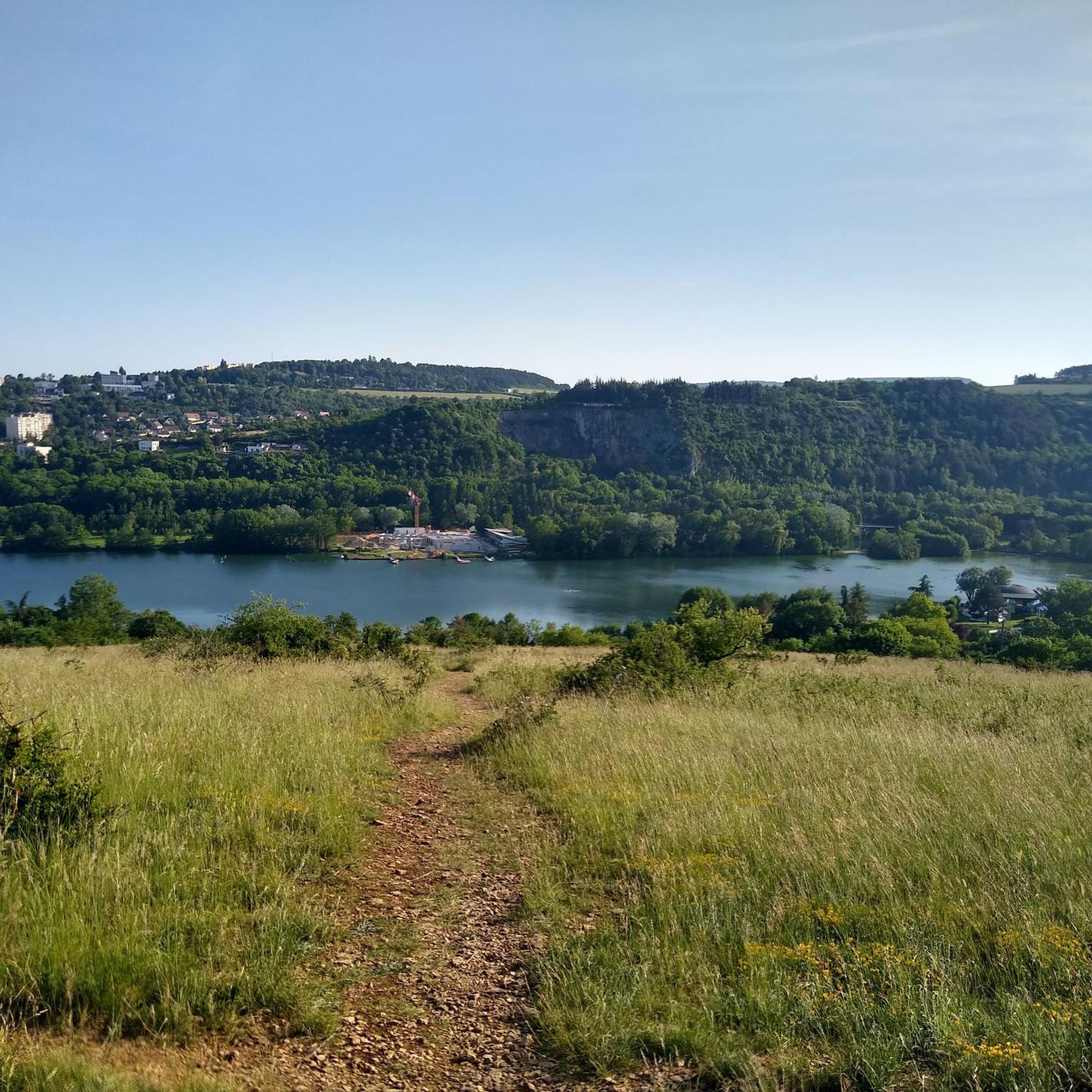
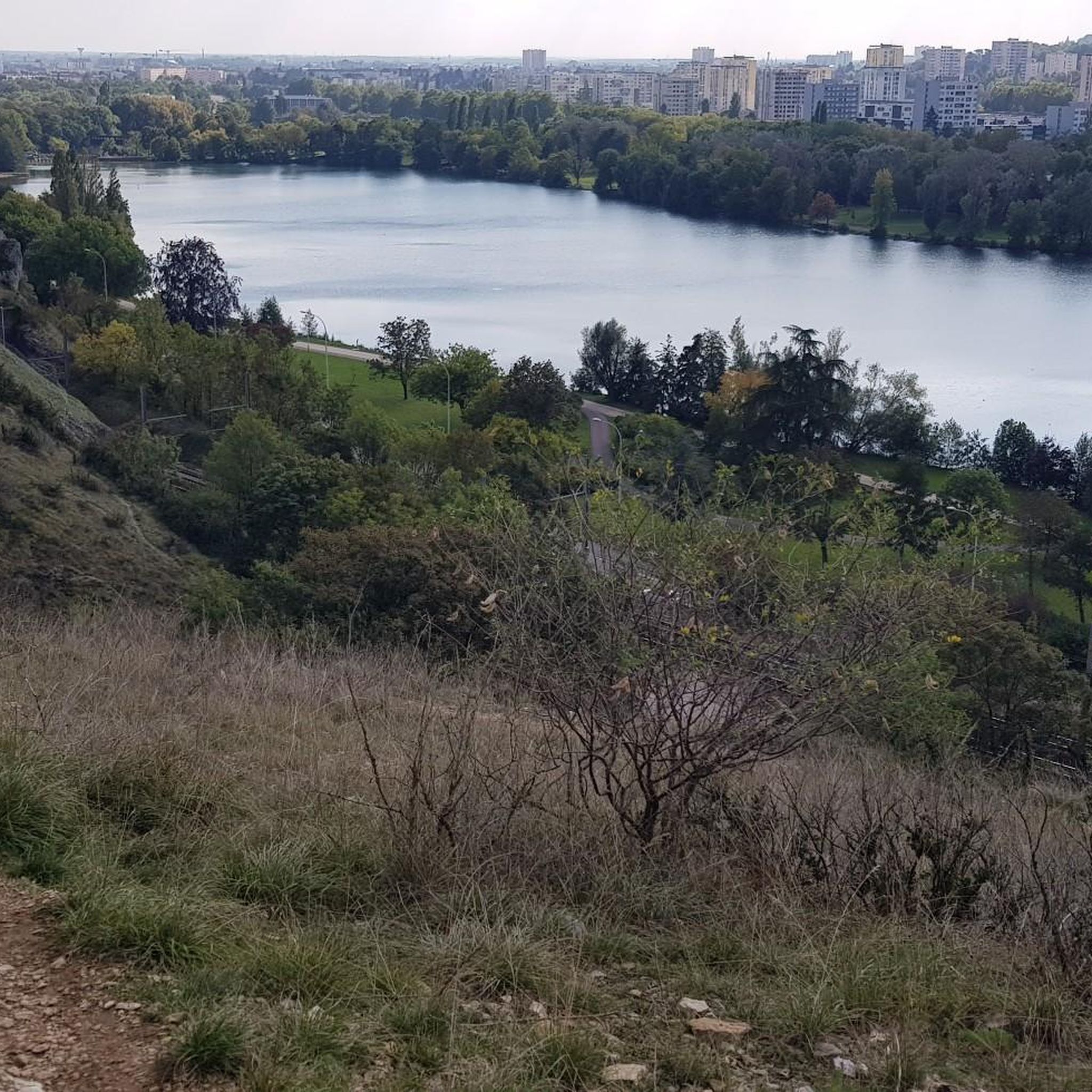
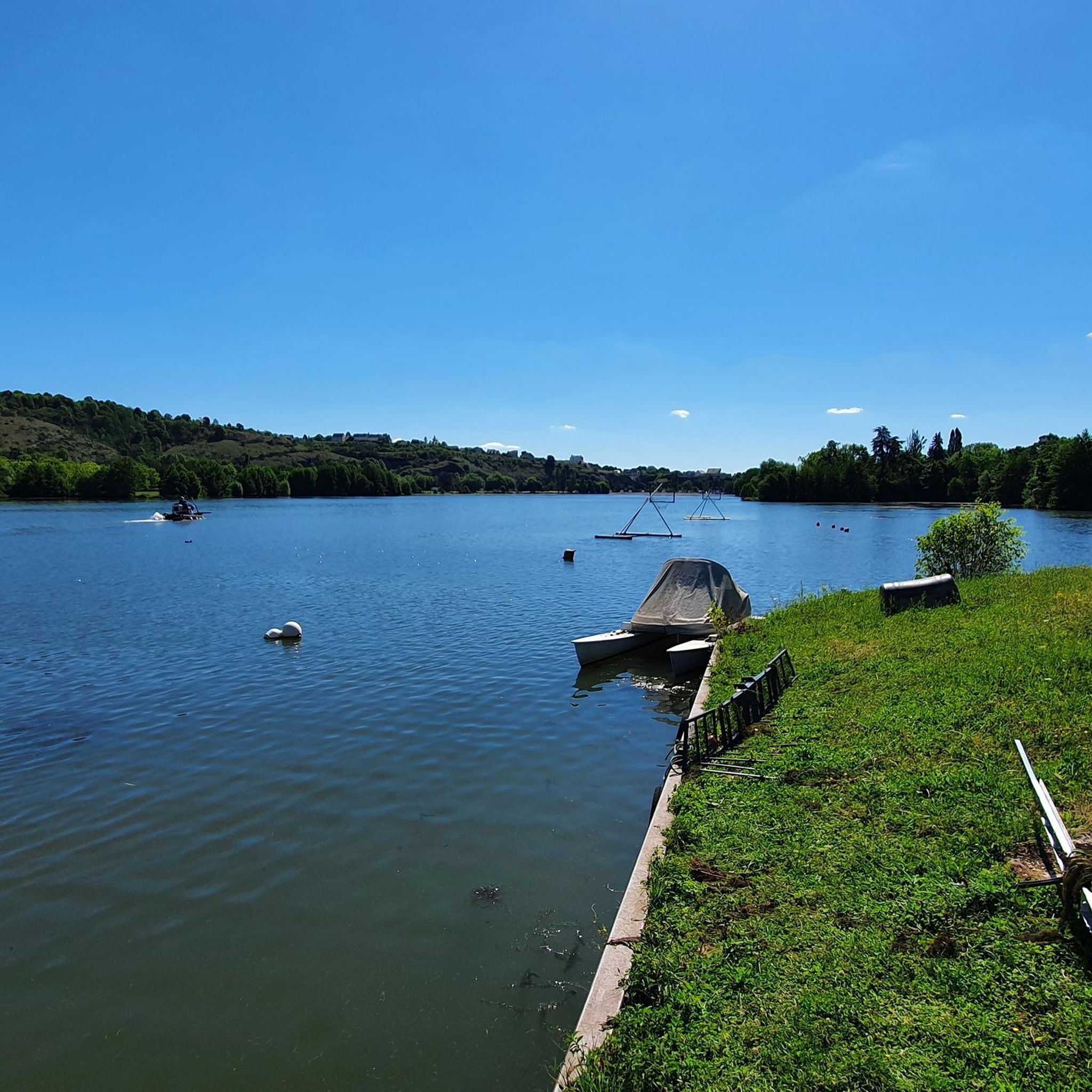
The region offers a diverse mix of surfaces ideal for gravel biking. You'll encounter asphalt roads, dirt tracks, forest paths, and unpaved trails. Riders can expect to traverse rolling hills, extensive vineyards, and the scenic Ouche valley, often featuring limestone cliffs, dry grasslands, and dense woodlands. The Lake Kir – Lac Kir Beach loop from Dijon, for example, leads through varied landscapes including the artificial Lake Kir.
Are there any easy or beginner-friendly gravel routes in the area?
Yes, the area caters to various skill levels. While many routes offer significant elevation gain, the Burgundy Canal towpaths provide flatter, more relaxed riding options alongside historic waterways, which are suitable for gravel cycling and connect to broader itineraries. For a moderate option, consider the Guillaume Gate – Saint-Michel de Dijon church loop from Dijon-Ville.
What are some notable natural features or viewpoints along the gravel trails?
You'll find picturesque rolling hills, extensive vineyards, and the scenic Ouche valley offering panoramic views. The Combes de la Côte Dijonnaise, a Natura 2000 site, features limestone valleys and gorges with rich biodiversity. For specific viewpoints, areas like the Fort de la Motte-Giron (though the fort itself is closed) offer stunning views of Dijon and the Saône plain. The Chemin du Tacot – Viewpoint loop from Gare Dijon Porte Neuve is another route known for its views.
Can I find routes that pass by historical sites or landmarks?
Absolutely. Many routes blend natural beauty with cultural exploration. For instance, the Guillaume Gate – Saint-Michel de Dijon church loop from Dijon-Ville offers views of historical sites and the urban outskirts of Dijon. You can also explore highlights like the Place de Libération and the charming half-timbered houses in Dijon's Old Town, which are easily accessible from many routes.
Are there any circular gravel bike routes available?
Yes, many of the gravel routes around Fontaine-Lès-Dijon are designed as loops, allowing you to start and end at the same point. Examples include the Guillaume Gate – Saint-Michel de Dijon church loop from Dijon-Ville and the Lake Kir – Lac Kir Beach loop from Dijon. These circular routes make planning your ride more convenient.
What is the best time of year for gravel biking in Fontaine-Lès-Dijon?
The region is enjoyable for gravel biking throughout much of the year. Spring and autumn offer pleasant temperatures and beautiful scenery, especially with the changing colors of the vineyards. Summer can be warm, but routes through woodlands provide shade. Winter rides are possible, though some paths might be muddy or slippery depending on recent weather conditions.
How many gravel bike trails are there in Fontaine-Lès-Dijon?
There are over 100 gravel bike trails around Fontaine-Lès-Dijon documented on komoot, offering a wide variety of options for different skill levels and preferences. This includes 8 easy, 60 moderate, and 50 difficult routes.
What do other gravel bikers enjoy most about the trails in Fontaine-Lès-Dijon?
The area is highly rated by the komoot community, with an average score of 4.4 stars from over 100 reviews. Riders often praise the diverse terrain, combining historical charm with natural beauty, and the variety of routes that cater to different abilities, from gentle canal paths to challenging vineyard traverses.
Are there any specific attractions like lakes or gardens accessible from the trails?
Yes, several routes pass by or are close to popular attractions. Lake Kir is a prominent feature, with routes like the Lake Kir – Lac Kir Beach loop from Dijon incorporating it. You can also find tranquil green spaces nearby, such as the Darcy Garden in Dijon, which can be a pleasant stop after a ride.
Are there any routes that go through the famous Burgundy vineyards?
Yes, the region is known for its extensive vineyards, and several gravel routes traverse these iconic landscapes. The Clos de Vougeot Castle – Vineyards of Chambertin loop from Gare Dijon Porte Neuve is a prime example, offering riders the chance to cycle through the renowned vineyards of Chambertin and past historical landmarks like the Clos de Vougeot Castle.
What are the typical elevation gains on gravel routes in this area?
Elevation gains vary significantly across the routes. While some paths along the Burgundy Canal are relatively flat, many routes in the rolling hills and plateaus can feature considerable climbing. For example, the Lake Kir – Lac Kir Beach loop from Dijon has an elevation gain of over 650 meters, offering a good challenge for experienced riders.
Most popular routes around Fontaine-Lès-Dijon
Most popular attractions around Fontaine-Lès-Dijon

Get inspired with the komoot mobile app


Explore more
Browse the best Gravel rides in other regions.
