The best gravel rides around Montautour
4.5
(42)
143
riders
11
rides
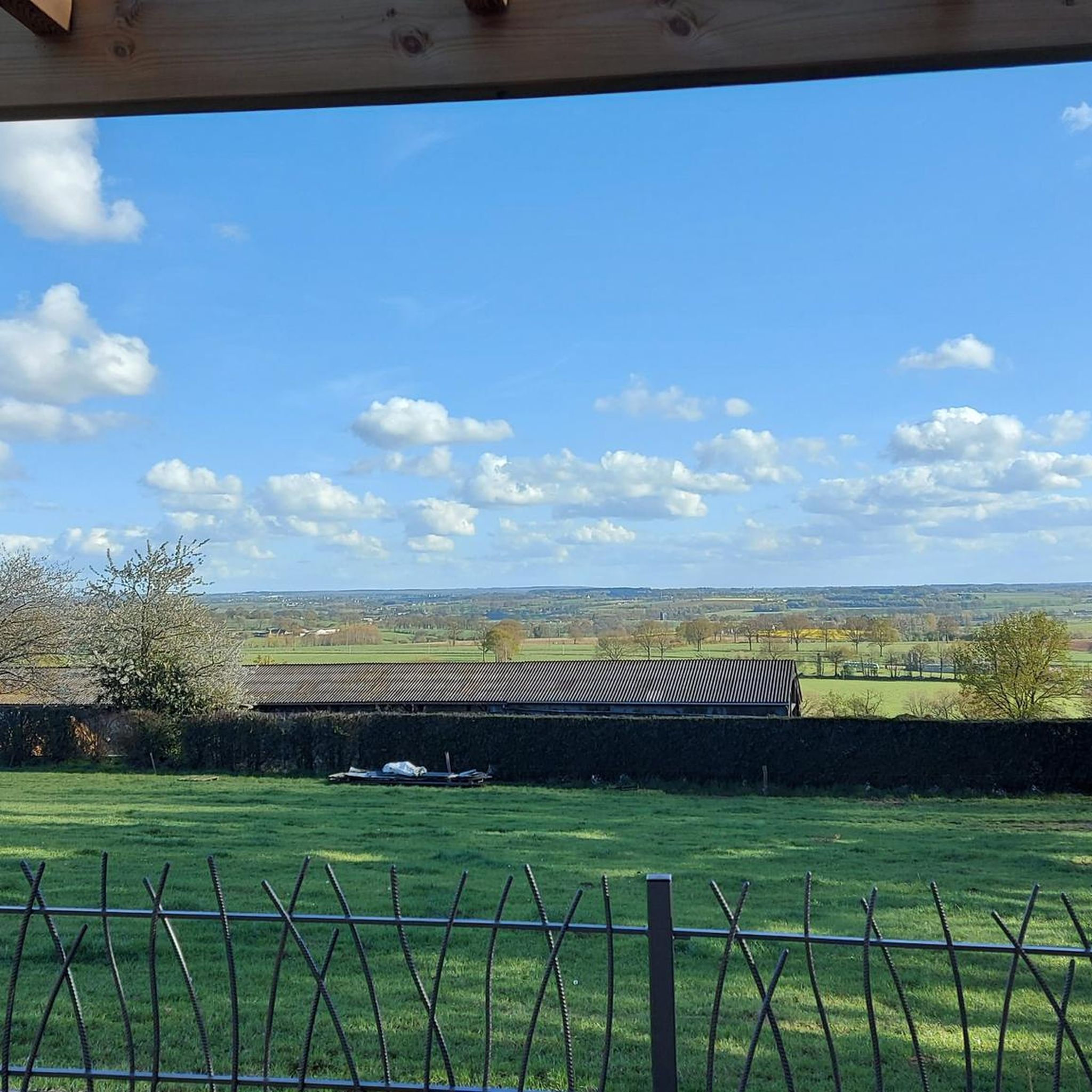
Gravel biking around Montautour is characterized by a varied landscape, including elevated positions offering panoramic views, dense bocage, and a network of rural paths. The region's relief ranges from 105 to 194 meters, with streams contributing to an undulating terrain. Extensive forests like Forêt du Pertre and numerous ponds such as Étang de la Cantache provide diverse natural settings for gravel cycling. The Fougères–Vitré Greenway, an old railway line, offers a dedicated, smooth gravel path for extended rides.
Best gravel bike trails around Montautour
- The most popular gravel bike trail is Fougères–Vitré Greenway – Fougères Castle loop from Vitré, a 44.3 miles (71.3 km) trail that takes 3 hours 43 minutes to complete. This moderate route features sections of the Fougères–Vitré Greenway, an old railway line with a smooth gravel surface, connecting historical castle towns.
- Another top favourite among local gravel bikers is Vitré Castle – Inn at Vitré Castle loop from Vitré, a difficult 28.3 miles (45.6 km) path. This route offers views of Vitré Castle and incorporates both greenway sections and rural roads.
- Local gravel bikers also love the Cantache Pond – Cantache dam loop from Taillis, a 17.0 miles (27.3 km) trail leading through the area around Cantache Pond, often completed in about 1 hour 26 minutes.
- Gravel biking around Montautour is defined by undulating terrain, "chemins creux" (sunken lanes), and sections of greenway, offering options for different ability levels.
- The routes in Montautour are highly rated by the komoot community with an average score of 4.3 stars from over 30 reviews. More than 90 gravel bikers have used komoot to explore Montautour's varied terrain.
Last updated: July 2, 2026
4.6
(20)
36
riders
71.4km
03:43
380m
380m
Moderate gravel ride. Good fitness required. Mostly paved surfaces. Suitable for all skill levels.
5.0
(7)
23
riders
53.1km
02:44
260m
260m
Moderate gravel ride. Good fitness required. Mostly paved surfaces. Suitable for all skill levels.

Sign up for free
5.0
(2)
12
riders
Easy gravel ride. Great for any fitness level. Mostly paved surfaces. Suitable for all skill levels.
5.0
(2)
19
riders
41.3km
02:14
220m
220m
Moderate gravel ride. Good fitness required. Mostly paved surfaces. Suitable for all skill levels.
4.6
(5)
13
riders
56.8km
03:02
320m
320m
Moderate gravel ride. Good fitness required. Mostly paved surfaces. Suitable for all skill levels.
Get access to more routes and recommendations from other explorers.
Sign up for free
Already have an account?
Our route recommendations are based on thousands of hikes, rides, and runs completed by other people on komoot.
Start today with a free account
Your next adventure awaits.
Login or Signup


Tips from the Community

A small town of character, La Guerche-de-bretagne is full of charm, its cobbled streets inviting you to stroll among the half-timbered houses. Source: https://www.petitescitesdecaractere.com/cites/la-guerche-de-bretagne
0
0

The Église Saint-Léonard was built in the 12th century and acquired its present form in the flamboyant Gothic style in the 15th and 16th centuries. During the French Revolution, the church was deprived of its sacred function, but in the 19th century, under architects such as Aristide Tourneux, it underwent extensive renovations, including a new main façade with a large rose window. Inside, 19th-century stained-glass windows depicting episodes from the life of Saint Léonard can be seen.
1
0
The cadastral records of the Château Fort de Fougères mention two towers—the Tour Raoul and the Tour Surienne (also called "tour de Surienne")—dated between 1480 and 1485. The tower was part of the fortifications that were reinforced or rebuilt in the 15th century.
1
0

A prosperous trading town since the Middle Ages, Vitré has preserved its well-preserved heritage. With its fortified castle, cobbled streets, and half-timbered houses, the town offers plenty to see and do, making it perfect for a stroll. It's the perfect place to soak up the Breton atmosphere.
0
0

The renowned landscape painter and avant-garde colorist Emmanuel de la Villéon, who associated with the greatest independent painters of his time, experimented with different styles and brushstrokes. This collection of oil, pastel, gouache, charcoal, and ink paintings traces his career through selected works. The museum is usually open during school holidays in Zone B. The museum is currently closed due to leaks!
1
0

Bird watching possible!
0
0

Château de Vitré is a castle worth seeing in this small, beautiful town.
0
0
The Tour Surienne was named after Françoise de Surienne. In March 1449, in the midst of a truce between France and England, François de Surienne, a Spanish mercenary in the pay of the English, attacked in the dead of night with his 600 men. The inhabitants were slaughtered and the city plundered. In 1450, Surienne settled there and entrenched himself. Only after a two-month siege by Francis I, Duke of Brittany, who was aided by a plague epidemic, did Surienne surrender.
0
0
Frequently Asked Questions
How many gravel bike trails are available around Montautour?
Montautour offers a selection of 7 gravel bike trails, catering to various skill levels. These routes are highly rated by the komoot community, with an average score of 4.3 stars from over 30 reviews.
What kind of terrain can I expect on gravel bike trails near Montautour?
The terrain around Montautour is quite varied, featuring an undulating landscape with altitudes ranging from 105 to 194 meters. You'll encounter a mix of dedicated greenway sections, such as parts of the Fougères–Vitré Greenway, and traditional 'chemins creux' (sunken lanes) that are characteristic of the Breton countryside. These paths often lead through dense bocage, forests, and past scenic ponds.
Are there any family-friendly gravel biking options in the Montautour area?
Yes, the region offers routes suitable for families. The Fougères–Vitré Greenway, for instance, is an old railway line converted into a bike path, known for its smooth gravel and lack of traffic, making it an excellent choice for beginners and families. It also features numerous picnic tables for breaks.
What are some notable landmarks or viewpoints I can see while gravel biking near Montautour?
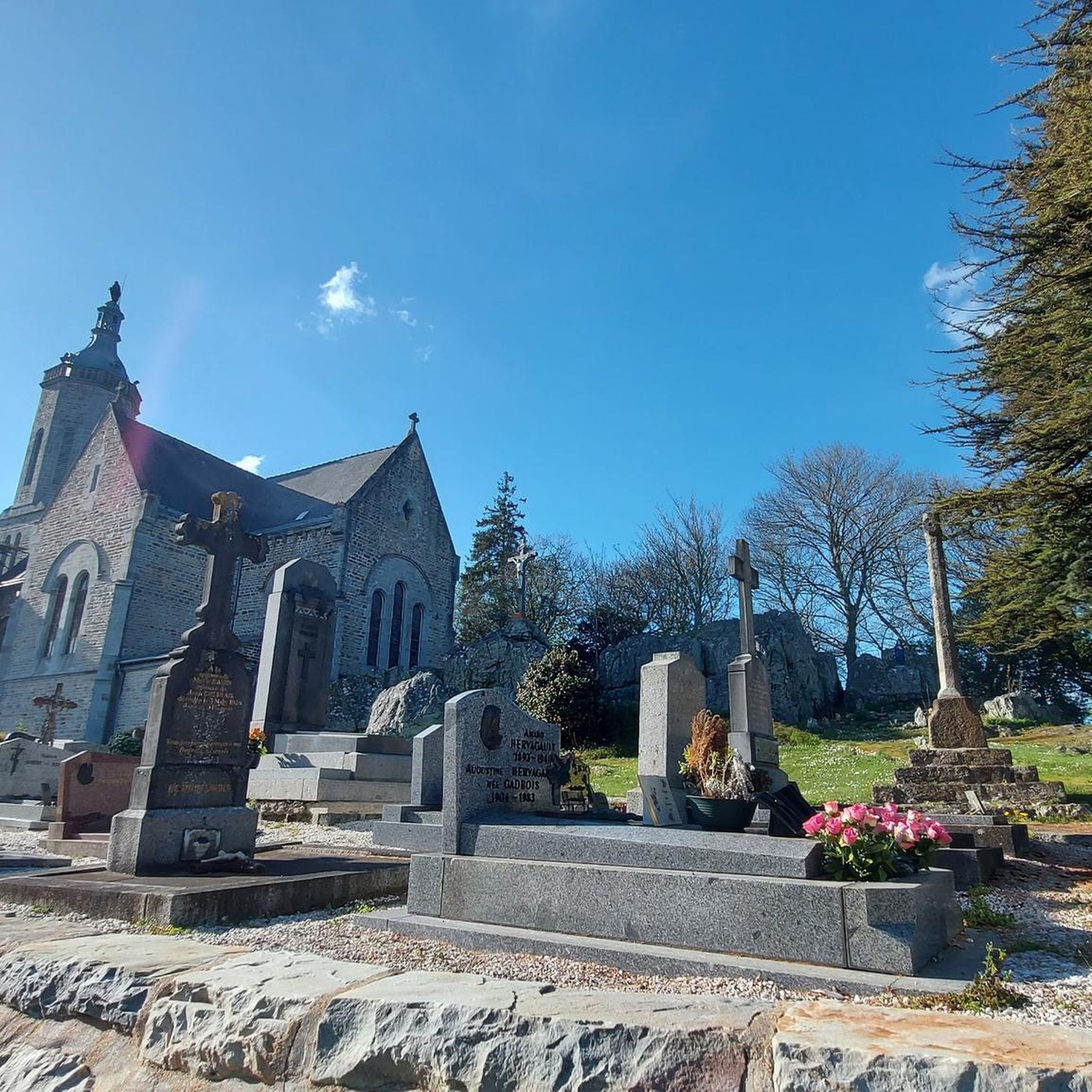
You can enjoy several points of interest. The Notre-Dame Church in Montautour, situated at one of the highest points, offers exceptional panoramic views. Many routes also pass by the scenic Cantache Pond. Additionally, routes like Vitré Castle – Greenway Moutiers Vitré loop from Vitré provide views of Vitré Castle.
Are there any circular gravel bike routes around Montautour?
Yes, several routes are designed as loops. For example, the Fougères–Vitré Greenway – Fougères Castle loop from Vitré is a popular 71 km circular route. Another option is the Cantache Pond – Cantache dam loop from Taillis, which is a shorter 26.5 km trail.
What is the best time of year to go gravel biking in Montautour?
The region's green and undulating landscape is enjoyable throughout much of the year. Spring and autumn generally offer pleasant temperatures and vibrant scenery, ideal for exploring the forests and 'chemins creux'. Summer can also be great, especially around the lakes and ponds, though it's wise to plan rides for cooler parts of the day.
Where can I find refreshments or places to eat along the gravel bike routes?
While specific cafes directly on every trail might be limited, you'll find options in nearby towns. For instance, the Inn at Vitré Castle offers a place to stop, and the Guinguette de Villanfray is a relaxing spot for a drink or snack with a view of Château de Villanfray.
Are there any challenging gravel bike routes for experienced riders?
Yes, while there are moderate options, Montautour also offers more challenging routes. Four of the seven available trails are rated as 'difficult', featuring more significant elevation gains and potentially more technical sections. These routes will provide a good test for experienced gravel bikers.
Can I bring my dog on the gravel bike trails around Montautour?
Many rural paths and greenways in France are generally dog-friendly, especially if your dog is well-behaved and kept on a leash. However, it's always recommended to check local signage or specific regulations for protected natural areas or private lands you might encounter along the routes to ensure compliance.
What are the options for parking when accessing gravel bike trails in Montautour?
Parking is typically available in the towns and villages that serve as starting points for these routes, such as Vitré or Taillis. For routes utilizing the Fougères–Vitré Greenway, you can often find parking near access points in Fougères or Vitré, or other towns along the greenway.
What makes the Fougères–Vitré Greenway a good option for gravel biking?
The Fougères–Vitré Greenway is an excellent choice because it's a dedicated path, converted from an old railway line. This means it's largely flat, has a smooth gravel surface, and is free from vehicle traffic, providing a safe and enjoyable experience for all skill levels. It connects the historic towns of Fougères and Vitré, offering both natural beauty and cultural interest.
Are there any routes that explore the forests near Montautour?
While specific routes directly within the largest forests aren't detailed in the guide, the region's 'bocage' landscape means many trails will take you through wooded areas and 'chemins creux'. The nearby Forêt du Pertre, Forêt de Chevré, and Forêt de Fougères offer extensive wooded areas that are likely to contain additional trails suitable for gravel biking, expanding your exploration opportunities.
Most popular routes around Montautour
Most popular attractions around Montautour

Get inspired with the komoot mobile app


Explore more
Browse the best Gravel rides in other regions.
