The best gravel rides around Limogne-En-Quercy
4.4
(7)
68
riders
14
rides
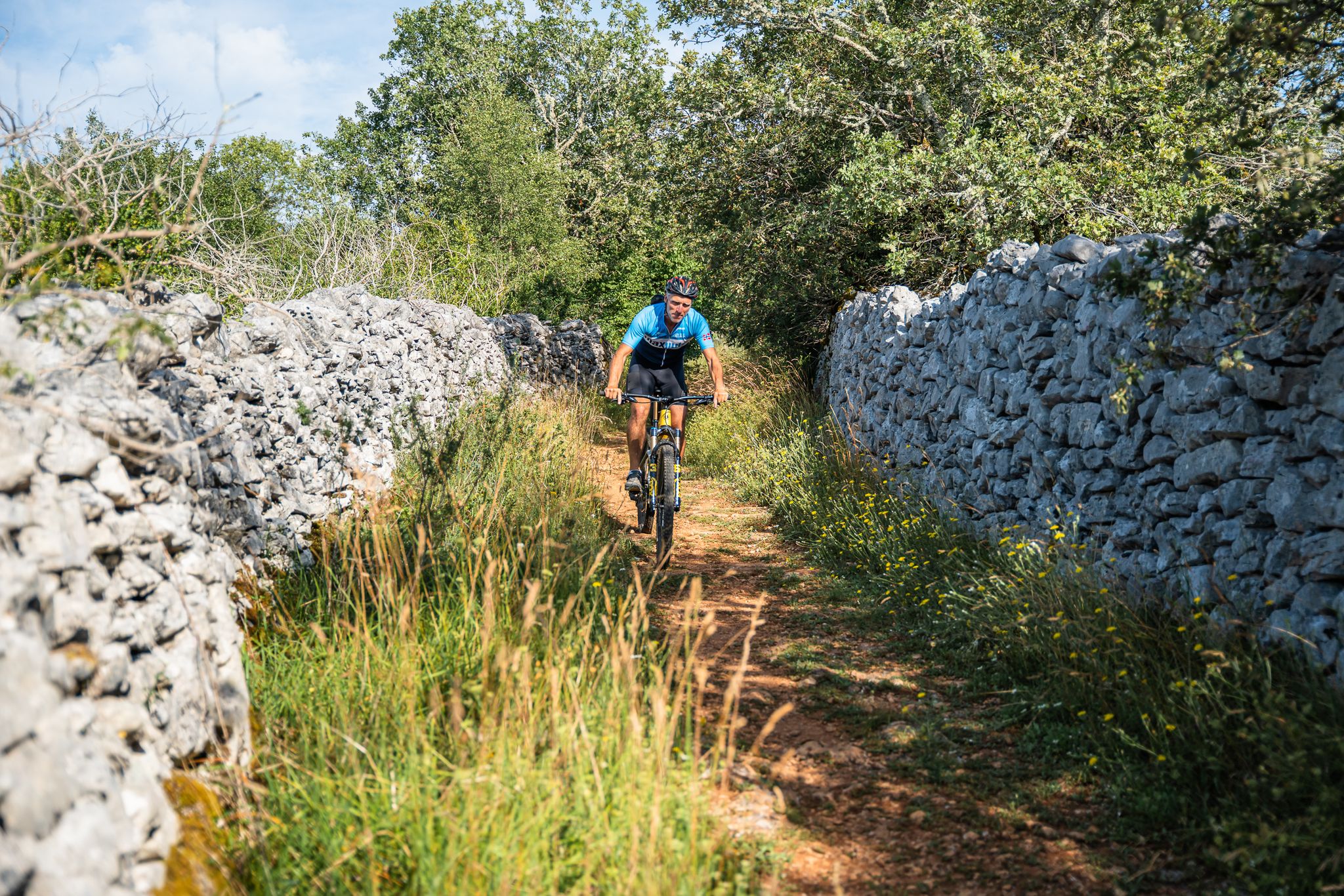
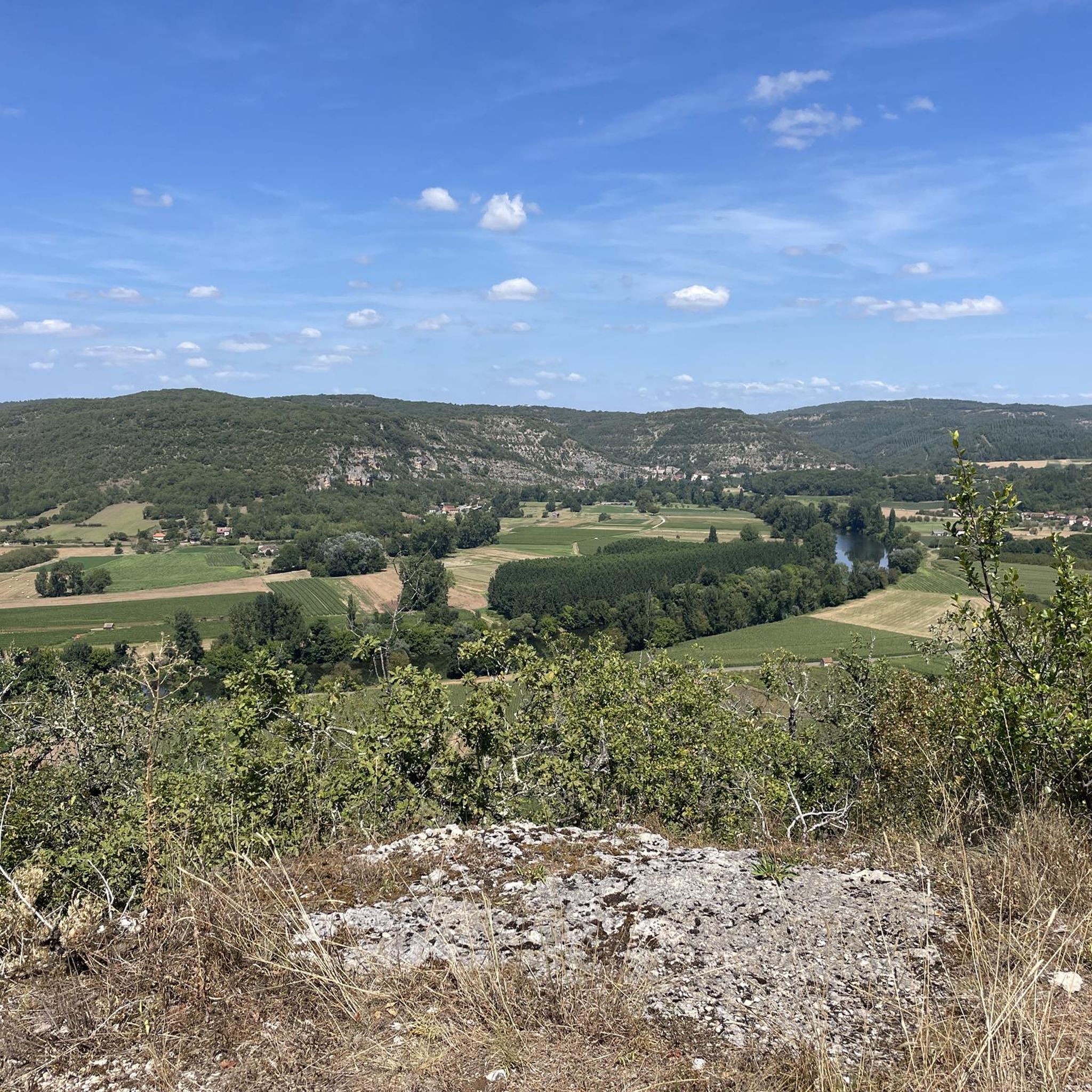
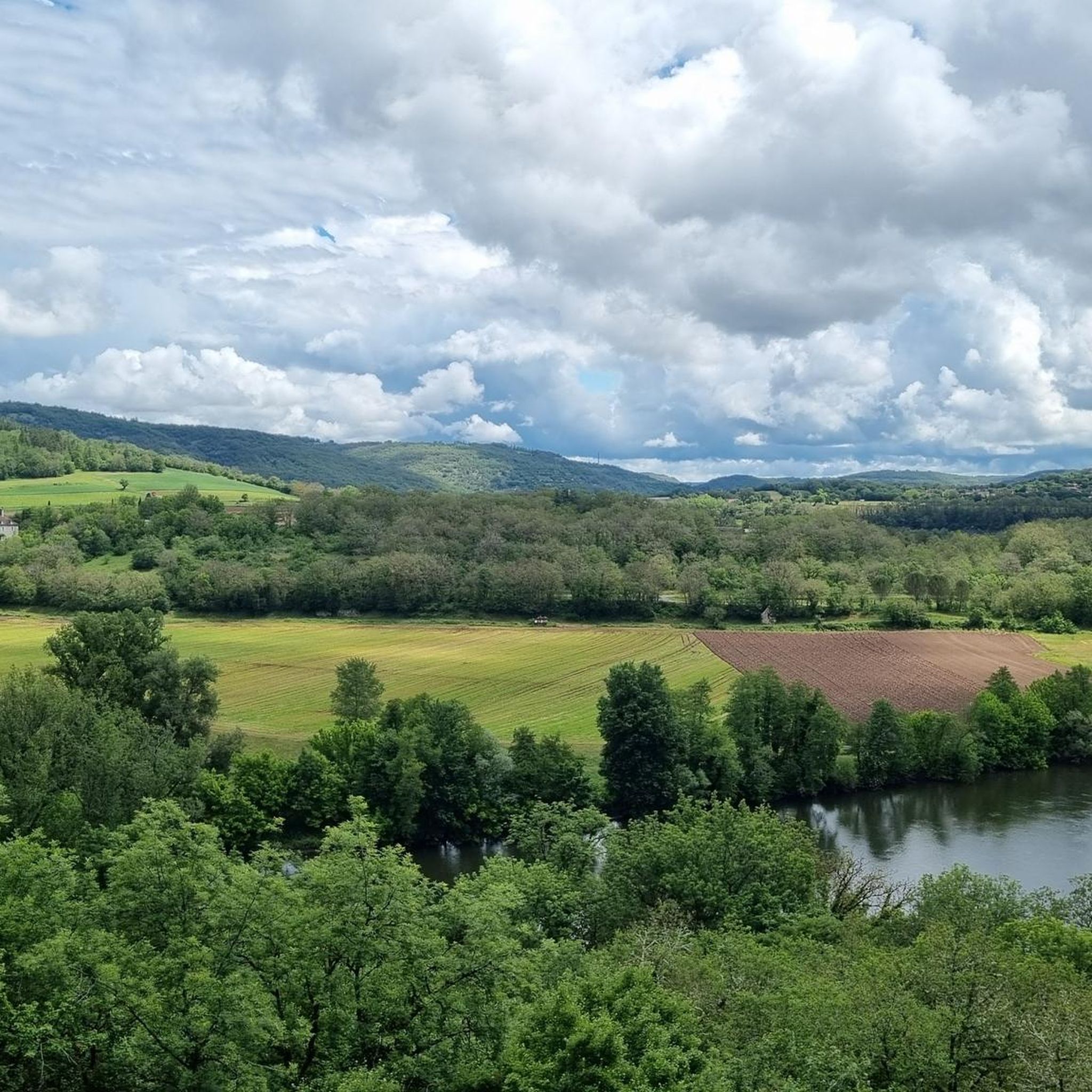
Gravel biking around Limogne-En-Quercy offers routes across the Causse de Limogne, a limestone plateau within the Causses du Quercy Regional Natural Park. This terrain is characterized by "chemins blancs" (white paths) and small roads, providing varied surfaces for cycling. The landscape features vast dry valleys, traditional dry-stone walls, and ancient dolmens. The area is part of the "Espace Quercy Gravel," a network designed for diverse skill levels.
Best gravel bike trails around Limogne-En-Quercy
- The most popular gravel bike trail is…
Last updated: November 2, 2026
5.0
(1)
12
riders
67.5km
04:48
740m
740m
Hard gravel ride. Very good fitness required. Mostly paved surfaces.
4.7
(3)
26
riders
54.2km
04:07
910m
910m
Hard gravel ride. Very good fitness required. Mostly paved surfaces.

5
riders
59.2km
04:24
820m
820m
Hard gravel ride. Very good fitness required. Mostly paved surfaces.
4.0
(2)
6
riders
31.3km
02:02
500m
500m
Hard gravel ride. Very good fitness required. Mostly paved surfaces.
4
riders
39.5km
03:09
830m
830m
Hard gravel ride. Very good fitness required. Mostly paved surfaces.
Get access to more routes and recommendations from other explorers.
Already have an account?
Our route recommendations are based on thousands of hikes, rides, and runs completed by other people on komoot.
Start today with a free account
Your next adventure awaits.
Other adventures around Limogne-En-Quercy

Tips from the Community

Magnificent village! Especially the ruined abbey, a place full of history which, at least out of season, is a peaceful and quiet place where it is good to recharge your batteries!
0
0

The spectacular silhouette of the Château de Larroque-Toirac is the soul of the village. A bastion of the Hundred Years' War: Built between the 12th and 15th centuries, this listed historic monument has retained its entire original defensive system despite repeated assaults by the English. A living dwelling: Unlike many medieval ruins, the castle has the distinction of always having been inhabited. Its guided tour allows you to discover an intact period kitchen, magnificent 15th-century fireplaces, and superb 16th-century polychrome frescoes. Prehistoric origins: Just behind the building, the cliff face houses troglodytic caves that already served as shelters for humans from the Neolithic period.
0
0
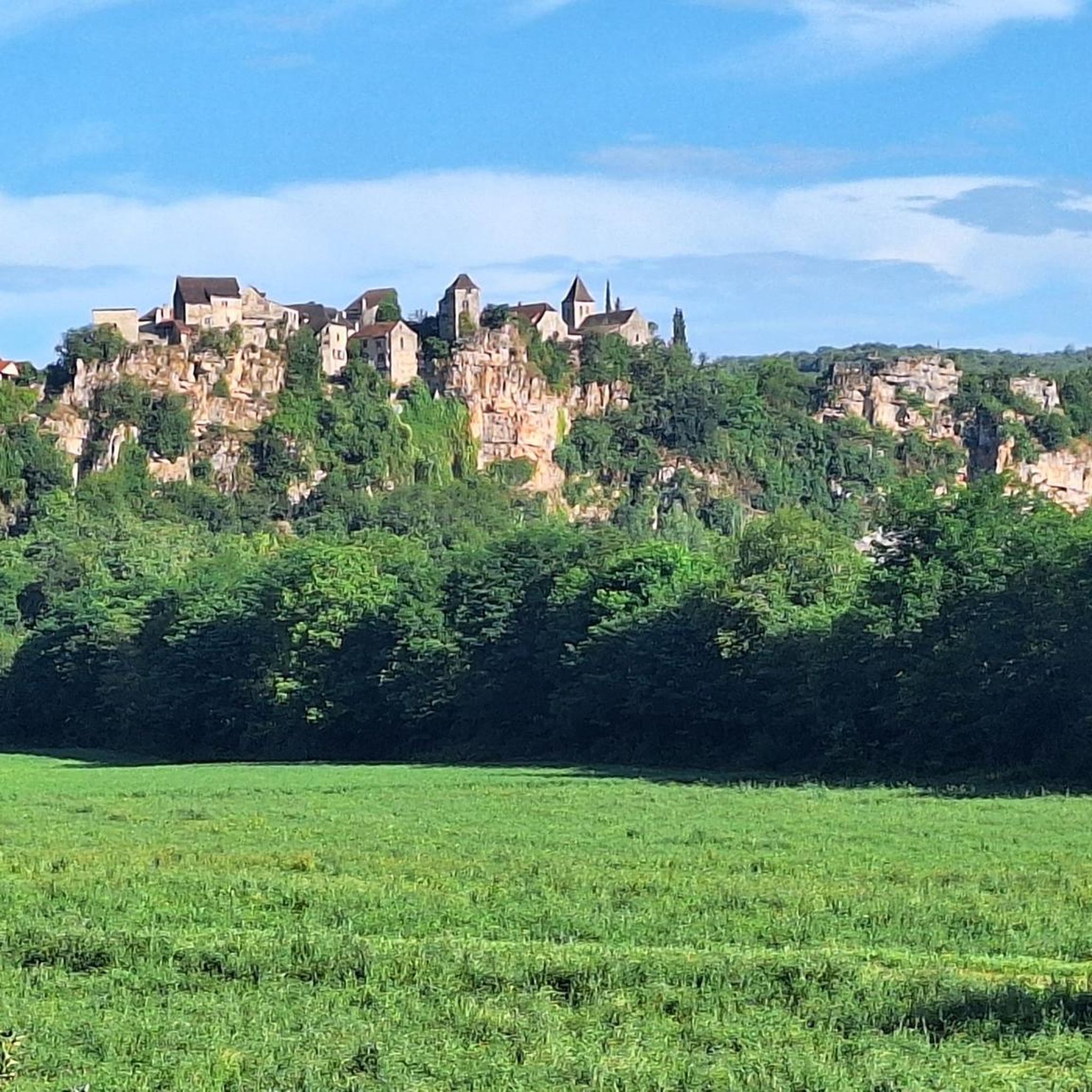
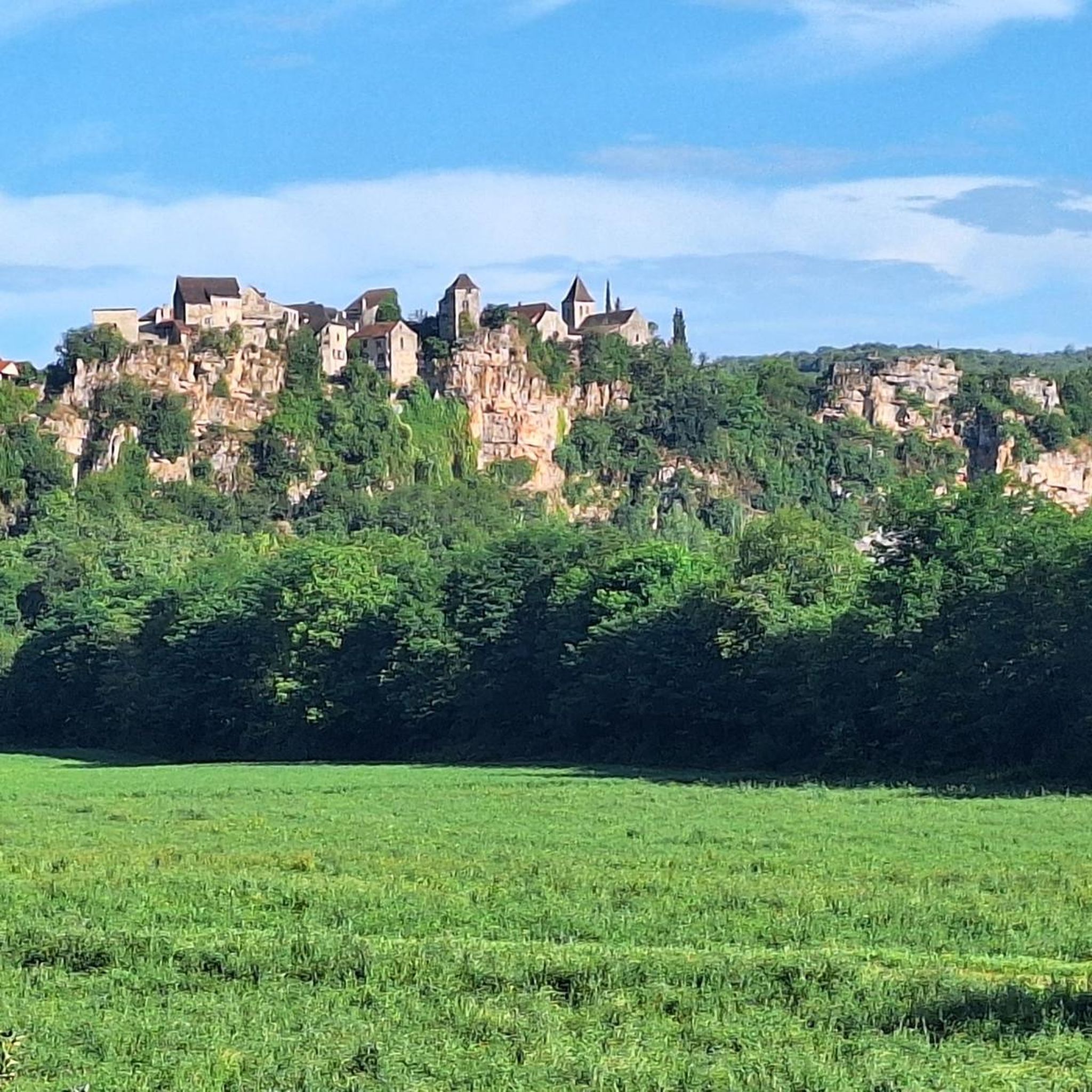
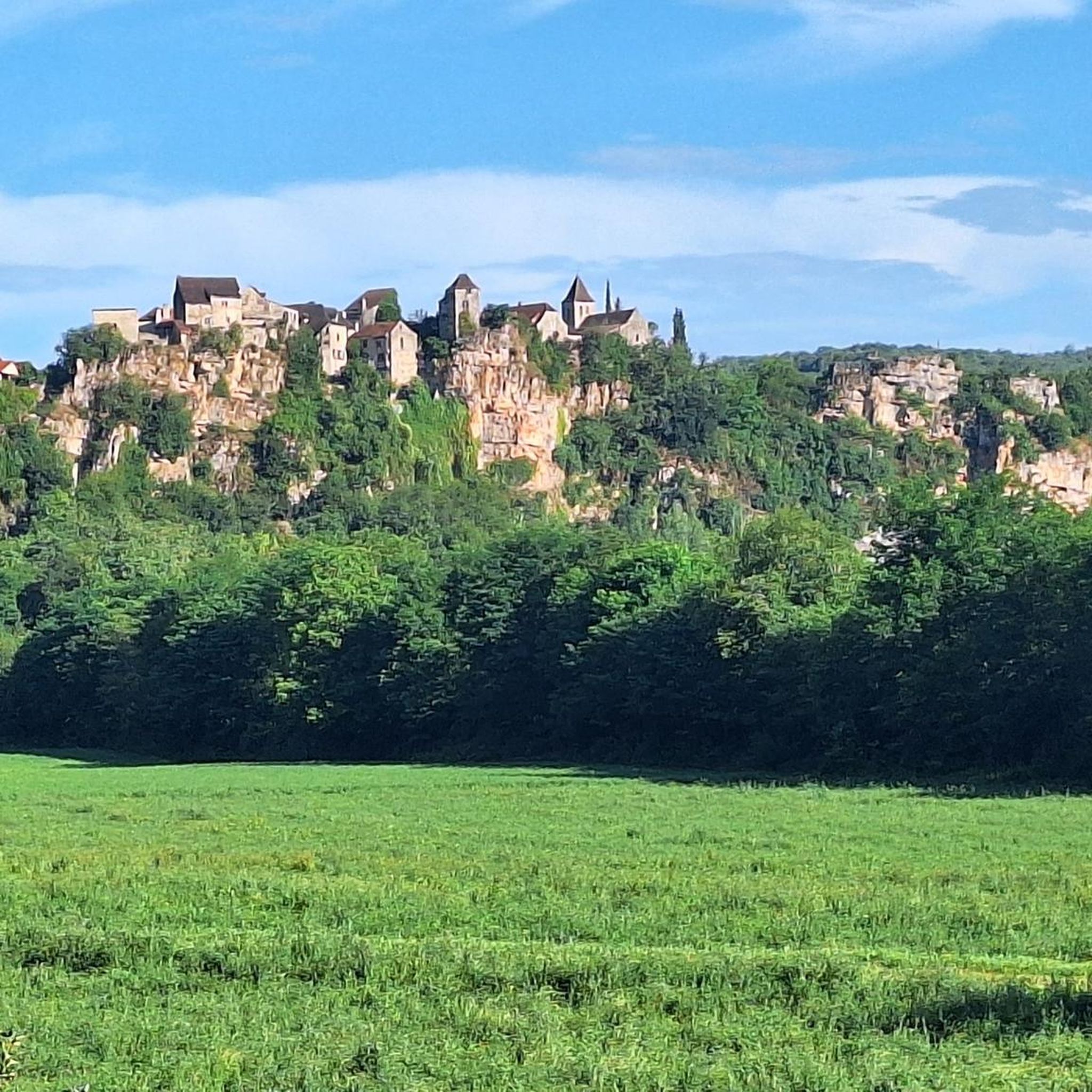
Medieval village perched on a rocky outcrop overlooking the Lot valley, facing the cliffs of Saut de la Mounine, known for the ruins of its 13th-century castle.
0
0
Medieval village perched on a rocky outcrop overlooking the Lot valley, facing the cliffs of Saut de la Mounine, known for the ruins of its 13th-century castle.
0
0
The village retains vestiges of its 14th-century fortifications, the Palais de l'Hébrardie, and picturesque streets lined with arcades.
0
0
Ancient fortified site and seat of a viscounty in the Middle Ages, the village preserves the remains of its castrum, ramparts, and a fortified gate.
0
0
In the heart of the Causses du Quercy Regional Natural Park. Located at the confluence of the Lot and Célé valleys, the village of Bouziès, with around 90 inhabitants, is world-renowned for its spectacular natural and historical heritage. The Château des Anglais: Fortifications from the 11th and 12th centuries anchored directly into the vertical cliff face overlooking the road and the river. This site once served as a fortified refuge for the inhabitants during conflicts.
0
0
Frequently Asked Questions
What kind of terrain can I expect on gravel bike trails around Limogne-en-Quercy?
The region is characterized by the Causse de Limogne, a limestone plateau. You'll primarily encounter "chemins blancs" (white paths) and picturesque small roads, offering a varied mixed-surface cycling experience. The landscape often features traditional dry-stone walls and vast dry valleys, typical of the Causses du Quercy.
Are there many gravel bike routes available in the Limogne-en-Quercy area?
Yes, there are over 15 gravel bike routes around Limogne-en-Quercy. The area is part of the "Espace Quercy Gravel," a dedicated zone with marked circuits designed for various skill levels, from family-friendly options to more challenging expert routes.
What are some notable natural features or landmarks I might see while gravel biking here?
The Causses du Quercy, a UNESCO Global Geopark, offers unique sights. You can explore ancient **dolmens** scattered across the causse, such as those of Pech Lapeyre, Joncas, and Ferrières. Keep an eye out for traditional "cazelles" (dry-stone shelters) and extensive dry-stone walls. A striking natural feature nearby is The Igue of Crégols, a large natural pit.
What is the best time of year for gravel biking in Limogne-en-Quercy?
Spring and autumn are generally ideal for gravel biking in Limogne-en-Quercy. The weather is typically milder, and the natural landscapes are vibrant. While summer offers long daylight hours, it can be quite warm, and winter can bring colder temperatures, though the region's truffle market adds a unique seasonal attraction.
Are there any family-friendly gravel biking options in the region?
Yes, the "Espace Quercy Gravel" includes marked circuits suitable for various skill levels, which means you can find family-friendly routes. These often utilize the less challenging "chemins blancs" and small roads, allowing for enjoyable rides with children.
What do other gravel bikers think about the trails in Limogne-en-Quercy?
The gravel biking routes around Limogne-en-Quercy are highly rated by the komoot community, with an average score of 4.25 stars from around 7 reviews. Riders often praise the unique limestone plateau landscapes, the network of "chemins blancs," and the varied terrain that makes for an engaging experience.
Are there any long-distance gravel routes for experienced riders?
Yes, for experienced riders looking for a longer challenge, consider routes like The wells of Laburgade – Vaylats loop from Concots, which is a difficult 67.5 km trail. Another substantial option is Cajarc – Cajarc town centre loop from Larnagol, covering approximately 59.1 km.
Can I find circular gravel bike routes in the area?
Many of the gravel bike routes in Limogne-en-Quercy are designed as loops, allowing you to start and finish in the same location. For example, the Château de Cénevières – Crégols Village loop from Mas de Jantou is a popular circular option, as is the Cajarc – Wren loop from Cajarc.
Are there any charming villages or cultural attractions accessible from the gravel trails?
Absolutely. The region is home to charming medieval villages. Saint-Cirq-Lapopie, recognized as one of France's most beautiful villages, offers spectacular views of the Lot River and is a highlight. Other villages like Beauregard and Lugagnac also showcase characteristic Quercy architecture. Limogne-en-Quercy itself is known for its black truffle market in winter and is a stop on the Camino de Santiago.
What is the typical elevation profile for gravel biking in Limogne-en-Quercy?
Given its location on the Causse de Limogne, you can expect a varied elevation profile. While it's a plateau, routes often involve ascents and descents as they traverse dry valleys and rolling terrain. For instance, the Larroque-Toirac – Cajarc loop from Cajarc features around 490 meters of elevation gain, indicating a good mix of climbs and descents.
Where can I find more information about the dolmens in the Limogne-en-Quercy area?
The region is rich in megalithic heritage. For more detailed information about the dolmens around Limogne-en-Quercy, you can visit the local tourism website: Les Dolmens de Limogne-en-Quercy.
Are there any specific viewpoints or scenic spots along the gravel routes?
Yes, the limestone plateau offers extensive views, especially from higher points. You might encounter panoramic vistas like St-Cirq-Lapopie Heights, which provides spectacular views over the Lot River valley. The open terrain and dry valleys often present beautiful scenic backdrops throughout your ride.
Most popular routes around Limogne-En-Quercy
Most popular attractions around Limogne-En-Quercy

Get inspired with the komoot mobile app


Explore more
Browse the best Gravel rides in other regions.
