The best gravel rides around Le Château-D'Oléron
4.5
(59)
491
riders
33
rides
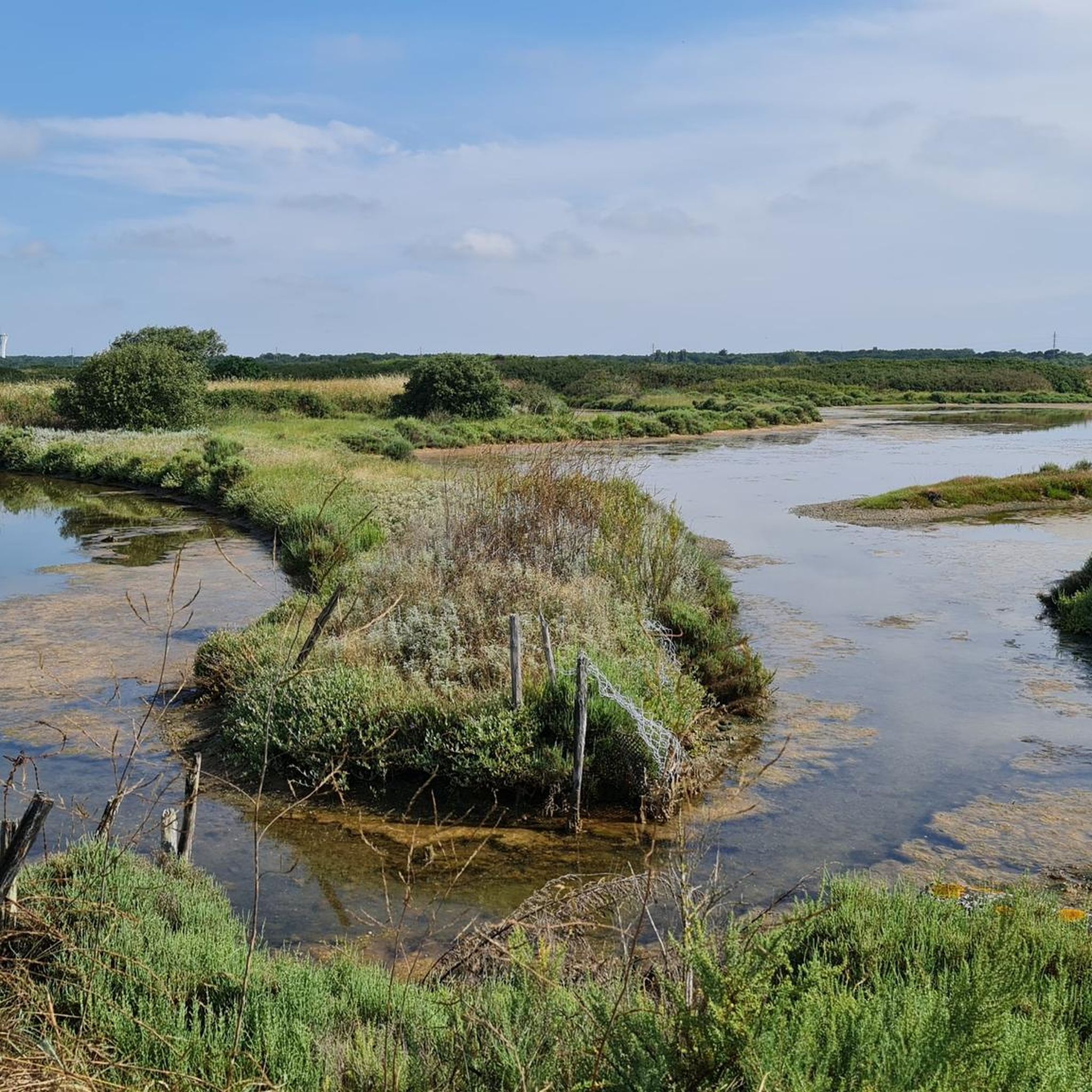
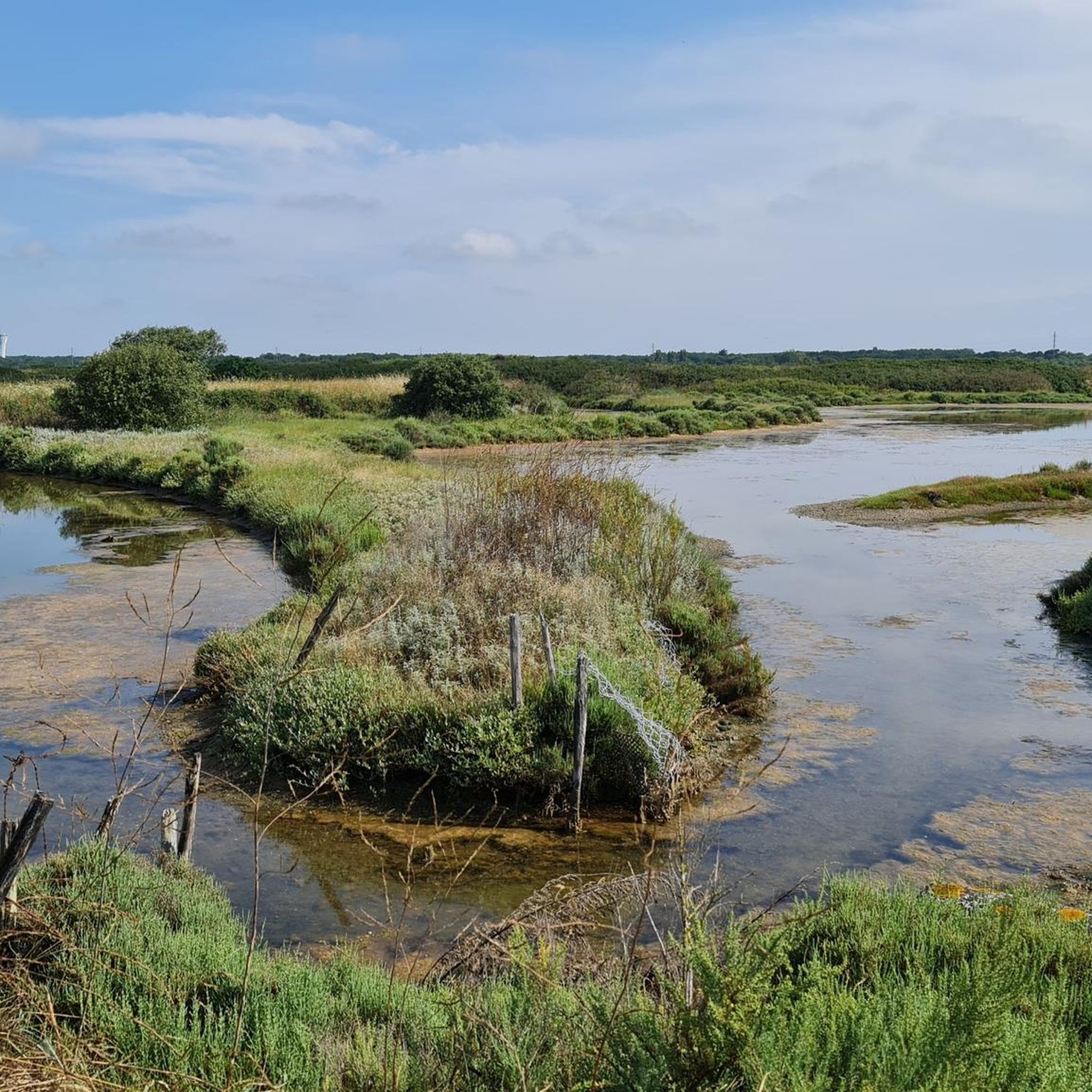
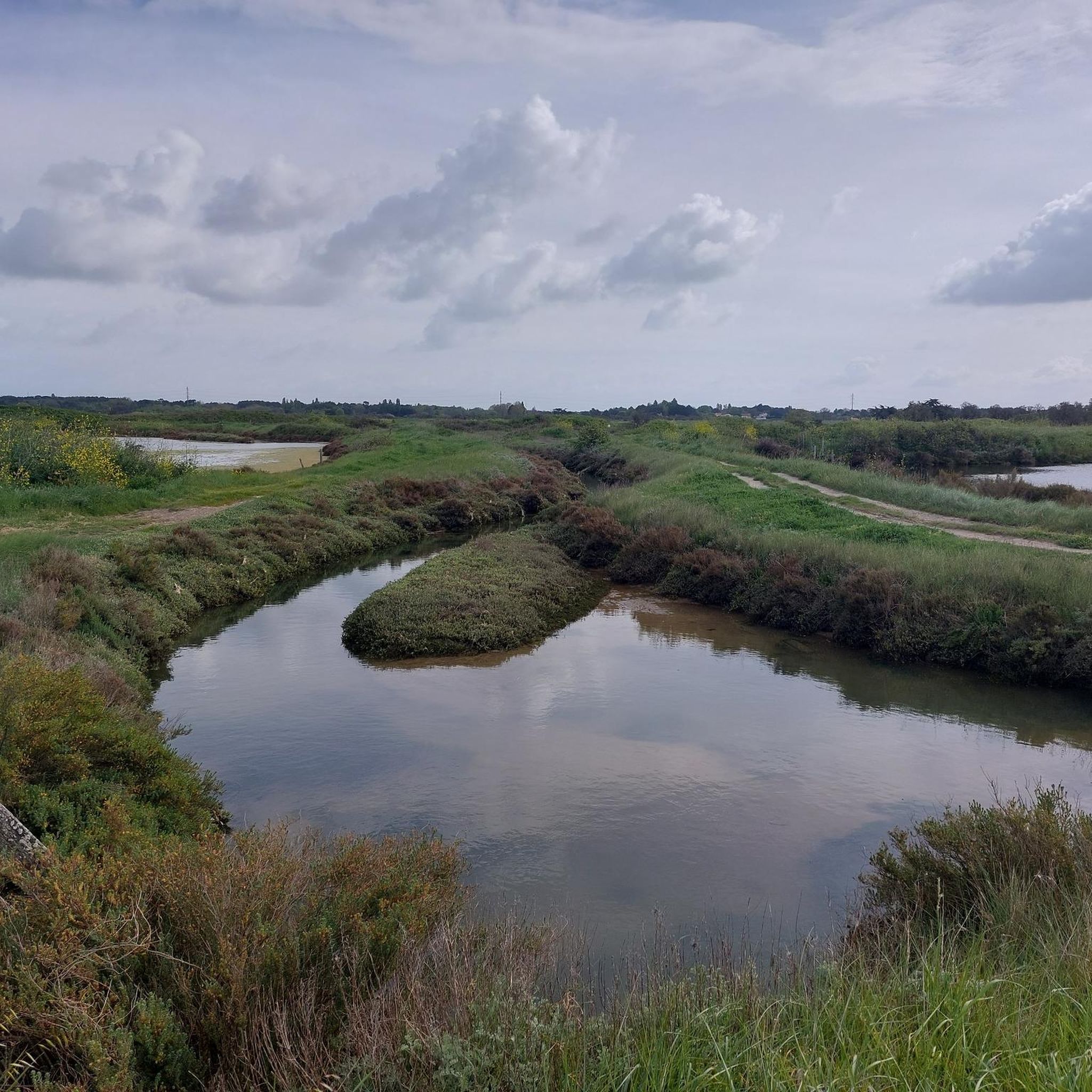
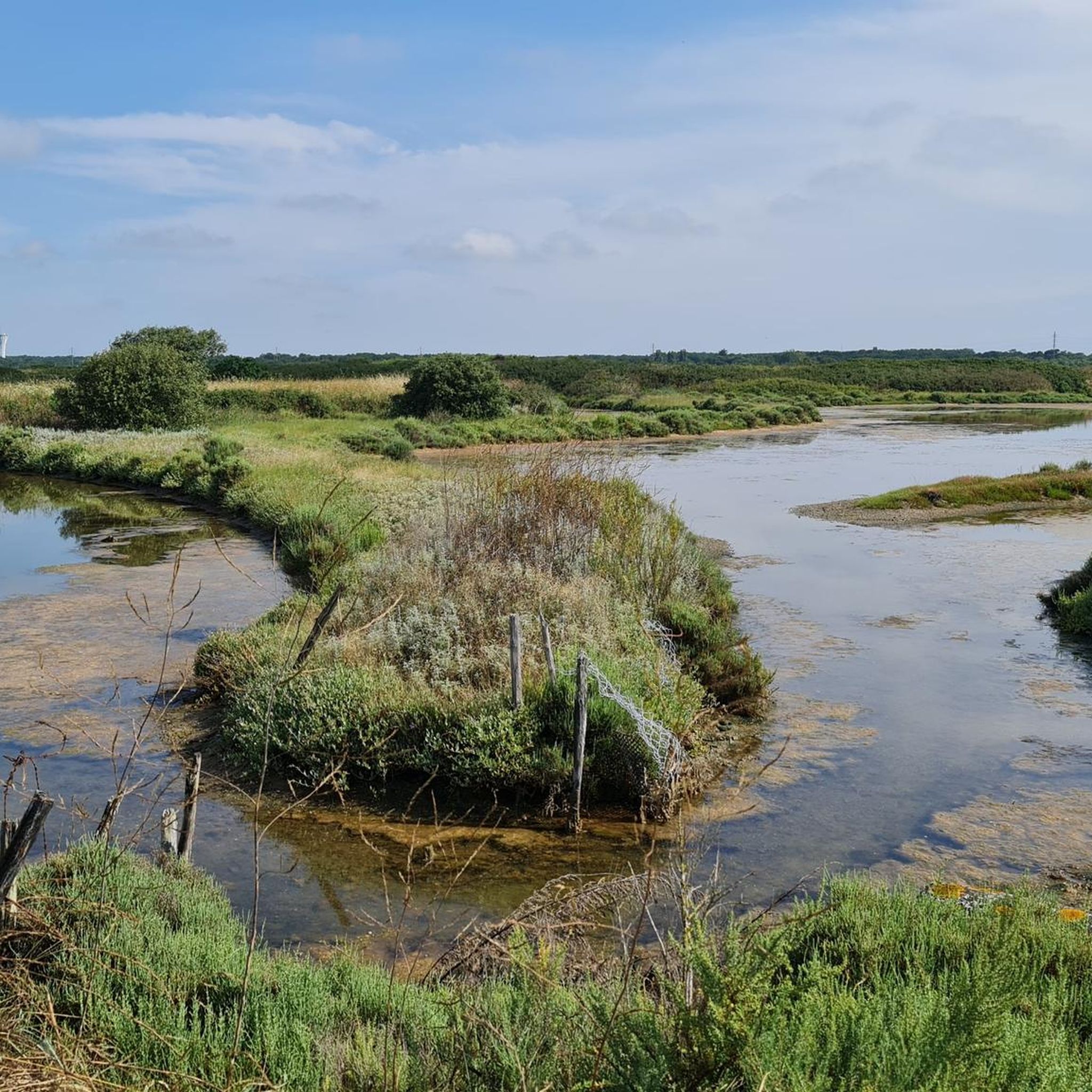
Gravel biking around Le Château-D'Oléron offers diverse terrain across the luminous Île d'Oléron. The region is characterized by generally flat landscapes, featuring small country roads, wild marshes, and extensive salt marshes. Cyclists can expect varied coastal paths and forest massifs, with routes suitable for different skill levels. The marsh areas, with their unique ecosystems, provide a distinct riding experience.
Best gravel bike trails around Le Château-D'Oléron
- The most popular gravel bike trail is Chassiron lighthouse – Chassiron lighthouse loop from…
Last updated: July 3, 2026
4.5
(24)
173
riders
57.1km
02:47
110m
110m
Moderate gravel ride. Good fitness required. Mostly paved surfaces. Suitable for all skill levels.
4.2
(5)
45
riders
Moderate gravel ride. Good fitness required. Mostly paved surfaces. Suitable for all skill levels.

Sign up for free
4.0
(1)
31
riders
71.8km
03:31
160m
160m
Moderate gravel ride. Good fitness required. Mostly paved surfaces. Suitable for all skill levels.
3.0
(1)
16
riders
43.5km
02:07
70m
70m
Moderate gravel ride. Good fitness required. Mostly paved surfaces. Suitable for all skill levels.
4.3
(3)
21
riders
37.8km
02:01
60m
60m
Moderate gravel ride. Good fitness required. Mostly paved surfaces. Suitable for all skill levels.
Get access to more routes and recommendations from other explorers.
Sign up for free
Already have an account?
Our route recommendations are based on thousands of hikes, rides, and runs completed by other people on komoot.
Start today with a free account
Your next adventure awaits.
Login or Signup
Tips from the Community

Perfectly accessible on foot or by bike from the Port du Douet parking lot, this beach is sublime like all those on the island of Oleron
0
0
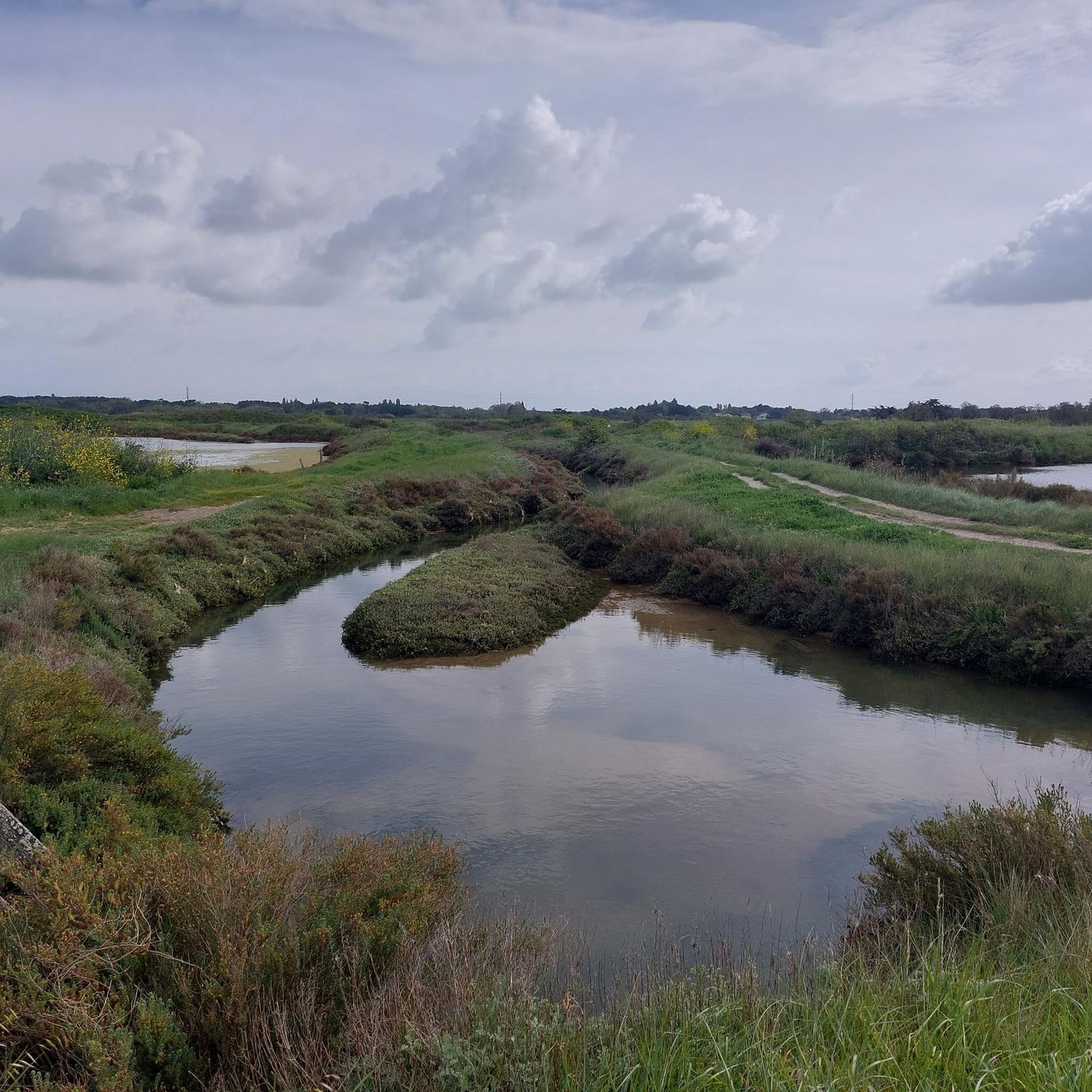
The port of Douhet, located in the commune of Saint-Georges-d’Oléron, is today a pleasant marina, but its history is intimately linked to the salt and wine trade. Origins Until the 19th century, the region's products (notably salt from the salt marshes and wine from Oléron) were difficult to transport by sea. To remedy this, a vast project was launched in the 1840s: a channel over 3 km long was dug between Saint-Georges-d’Oléron and the ocean, opening onto the new port of Douhet. An active commercial port The port quickly became an export center: * barges loaded salt and wine barrels there; * boats also brought building materials and various goods intended for the island. In the 1870s, there were around 400 ship movements per year, with several thousand tons of goods imported and exported. The decline At the end of the 19th century, several factors led to its decline: * the gradual abandonment of the salt marshes; * the improvement of roads and then the arrival of the tram on the island; * the regular silting up of the channel. After the First World War, the channel silted up almost completely and commercial traffic gradually disappeared. The revival In the late 1980s, the basin was completely rehabilitated and transformed into a marina. It now accommodates around 350 to 400 boats and is one of the main marinas on the island of Oléron. Its location, in the cove of Malconche, offers a remarkable view of Fort Boyard and the Île d’Aix. The old channel, although no longer navigable to the village, continues to supply seawater to the old salt marshes and today constitutes a pleasant walking or cycling route. It is a place where the traces of Oléron's maritime past can still be read in the landscape: the quays, the bridge, the channel, and the old hydraulic structures bear witness to the era when salt was the island's main wealth.
0
0

The citadel of Château-d'Oléron is a military fortress
0
0

A unique and peaceful spectacle.
0
0

A must-see for anyone visiting the island of Oléron. Richelieu ordered its construction, which began in 1630 on the remains of the old medieval castle. The work was led by the engineer Pierre d'Argencourt, who ordered the first bastion, and Louis Nicolas de Clerville later modified and enlarged the structure. The citadel and the town were completed in 1700 under the orders of Vauban. During this final phase of construction, part of the old village was razed to make way for a new fortified town, built on a grid pattern around the parade ground. A fortress with a defensive function, the citadel also housed disciplinary bodies, civilian and religious inmates during the Reign of Terror, and political prisoners in 1870. On April 17, 1945, an aerial bombardment destroyed many parts of the citadel. From 1959 to 1970, an initial restoration began. The stronghold was restored from 1988.
1
0
The port of Douhet is essentially the mouth of the Douhet Canal. There are several nice restaurants nearby.
1
0
You can rent boats for a closer look at the salt pans, and there are excellent bars for refreshments! https://www.port-des-salines.fr/
1
0
Frequently Asked Questions
How many gravel bike trails are available around Le Château-D'Oléron?
There are over 50 gravel bike trails around Le Château-D'Oléron, offering a wide variety of options for different skill levels. The komoot community has mapped 56 routes in total, ensuring plenty of choices for your adventure.
What kind of terrain can I expect on gravel bike trails in Le Château-D'Oléron?
The terrain around Le Château-D'Oléron is generally flat, characterized by small country roads, wild marshes, and extensive salt marshes. You'll also find diverse coastal paths and forest massifs. Be prepared for potentially strong Atlantic winds, especially in exposed sections of the island.
Are there gravel bike trails suitable for beginners or those looking for an easy ride?
Yes, Le Château-D'Oléron offers plenty of options for beginners. Approximately half of the available gravel bike routes, 28 out of 56, are classified as easy, making them perfect for a relaxed ride through the scenic landscapes.
Are there challenging gravel bike routes for experienced riders?
While the region is generally flat, there are a couple of routes classified as difficult for those seeking a greater challenge. These routes might involve longer distances or more varied surfaces, testing your fitness and skills.
What natural features can I see along the gravel bike trails in Le Château-D'Oléron?
You'll encounter a rich variety of natural landscapes, including wild marshes, extensive salt marshes, and diverse beaches. The island also features forest massifs, notably near Saint-Trojan-les-Bains, and important nature reserves like the Moëze-Oléron Nature Reserve. Coastal paths offer stunning views of the Pertuis de Maumusson and Coureau d'Oléron.
Are there any historical landmarks or points of interest accessible by gravel bike?
Absolutely! Many routes pass by significant landmarks. You can explore the imposing Château-d'Oléron Citadel with its Vauban-designed ramparts, or cycle through the vibrant Artistic Village (Couleurs Cabanes) in the Portet district. The famous Chassiron lighthouse is also a popular destination on many routes. You might even spot Fort Boyard from the docks.
Are there circular gravel bike routes available?
Yes, many of the gravel bike routes in Le Château-D'Oléron are designed as loops, allowing you to start and end at the same point. For example, the Île d'Oléron Harbor and Beach – Saltworks Port loop from La Gaconnière is a popular moderate option that explores the island's coastal and historical areas.
Is parking available near the gravel bike trails in Le Château-D'Oléron?
Yes, parking is generally available in and around Le Château-D'Oléron, particularly in towns and near popular starting points for cycling routes. Many areas are well-equipped to accommodate visitors arriving by car.
Can I access gravel bike trails using public transport on Île d'Oléron?
While public transport options exist on Île d'Oléron, it's advisable to check local bus services for their bike carriage policies. Some services may accommodate bikes, especially outside of peak season, but it's best to confirm in advance.
Are there family-friendly gravel bike trails in Le Château-D'Oléron?
Given the generally flat terrain and numerous easy routes, Le Château-D'Oléron is very suitable for family cycling. The small country roads and coastal paths offer safe and enjoyable rides for all ages. Look for routes marked as 'easy' for the most family-friendly experience.
What is the best time of year for gravel biking in Le Château-D'Oléron?
The luminous Île d'Oléron is pleasant for gravel biking for much of the year. Spring and autumn offer mild temperatures and fewer crowds, making them ideal. Summer is also popular, but be mindful of higher temperatures and potentially stronger winds. Winter can be ridden, but check weather conditions as Atlantic winds can be brisk.
What do other gravel bikers say about the trails in Le Château-D'Oléron?
The gravel bike routes in Le Château-D'Oléron are highly rated by the komoot community, with an impressive average score of 4.4 stars from over 80 reviews. Over 700 gravel bikers have explored the varied terrain, often praising the scenic coastal views, quiet country roads, and diverse landscapes.
What is the 'Oyster Route' and can I cycle it?
The 'Oyster Route' refers to trails that highlight the region's ancestral oyster farming activity, passing through oyster ports and villages. Yes, you can cycle it! A great example is the Oyster Route – Saltworks Port loop from Le Grand-Village-Plage, a moderate 46.9 km route that immerses you in this unique cultural landscape.
Most popular routes around Le Château-D'Oléron
Most popular attractions around Le Château-D'Oléron

Get inspired with the komoot mobile app


Explore more
Browse the best Gravel rides in other regions.
