Top 20 Natural Monuments around Schelklingen
Natural monuments around Schelklingen showcase the diverse geological and ecological features of the Swabian Alb region. This area is characterized by significant karst springs, ancient rock formations, and unique natural habitats. These sites offer insights into the region's natural history and biodiversity. Visitors can explore a variety of natural features, from impressive caves to tranquil lakes.
Best natural monuments around Schelklingen
- The most popular natural monuments is Küssende Sau Rock Formation, a natural monument formed from the fossilized remains…
Last updated: May 13, 2026
Blautopf
Highlight • Lake
Translated by Google •
Tip by

Küssende Sau Rock Formation
Highlight • Natural Monument
Translated by Google •
Tip by

Sign up now to discover places like this
Get recommendations on the best single tracks, peaks, & plenty of other exciting outdoor places.
Sign up for free
Great Lauter Valley
Highlight • Gorge
Translated by Google •
Tip by

Günzelburg Ruins
Highlight • Castle
Translated by Google •
Tip by

View of Blaubeuren from the Rock Outcrop
Highlight • Viewpoint
A little hidden behind …
Translated by Google •
Tip by

Sign up for free to discover even more natural monuments around Schelklingen.
Sign up for free
Already have an account?
Start today with a free account
Your next adventure awaits.
Login or Signup
Popular around Schelklingen
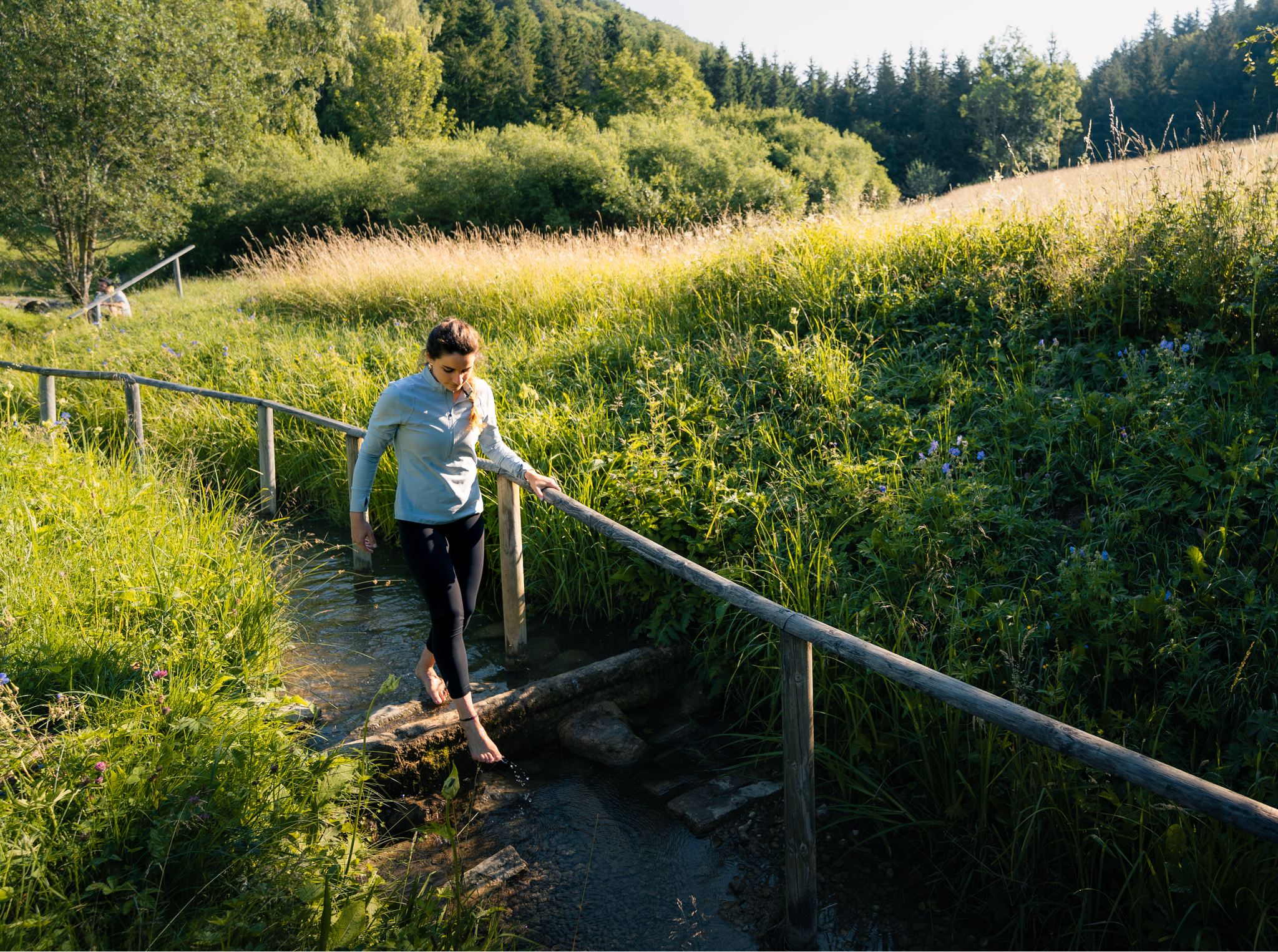
Hiking on the Swabian Alb with all your senses
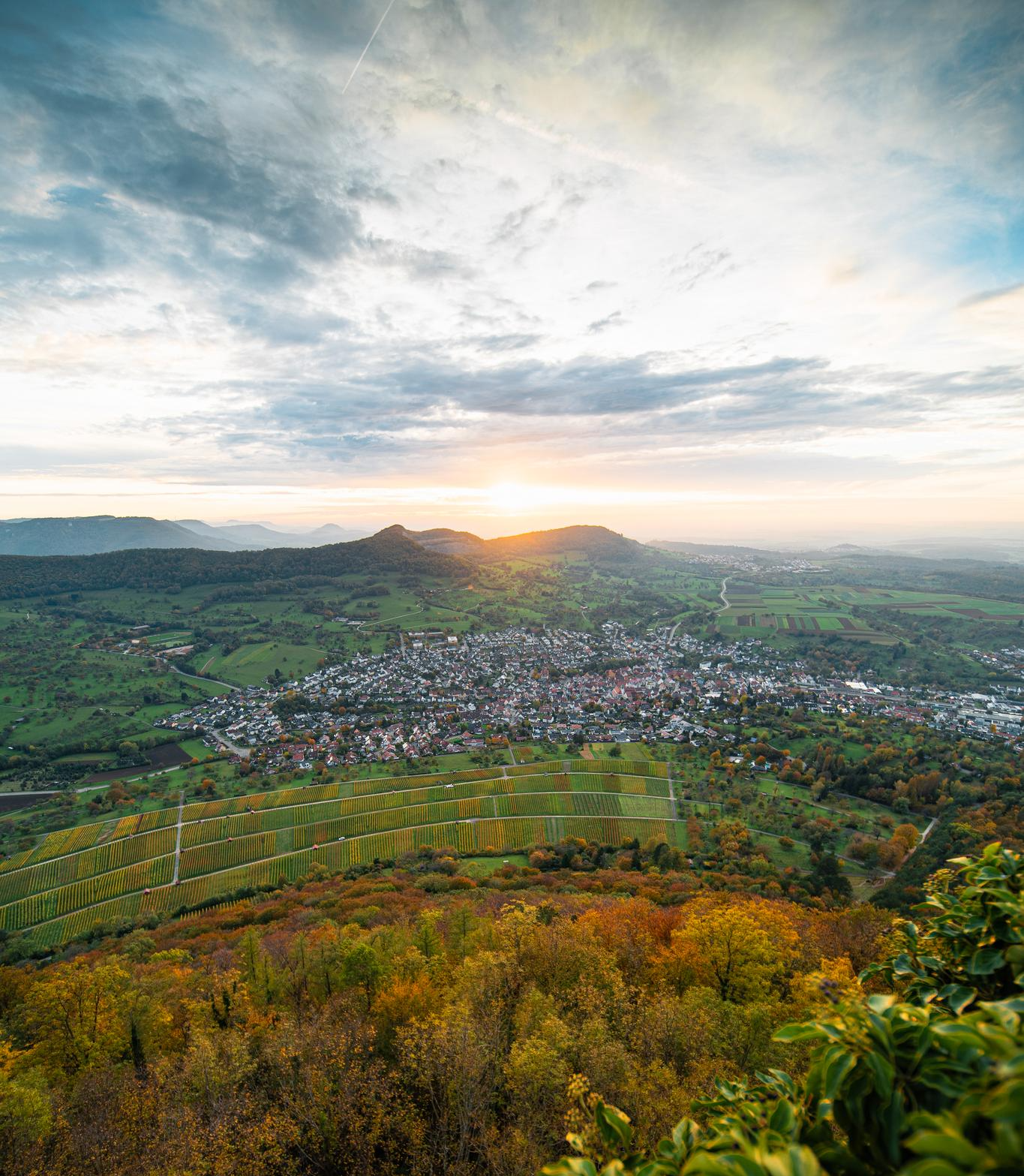
E-bike pleasure rides in the Swabian Alb
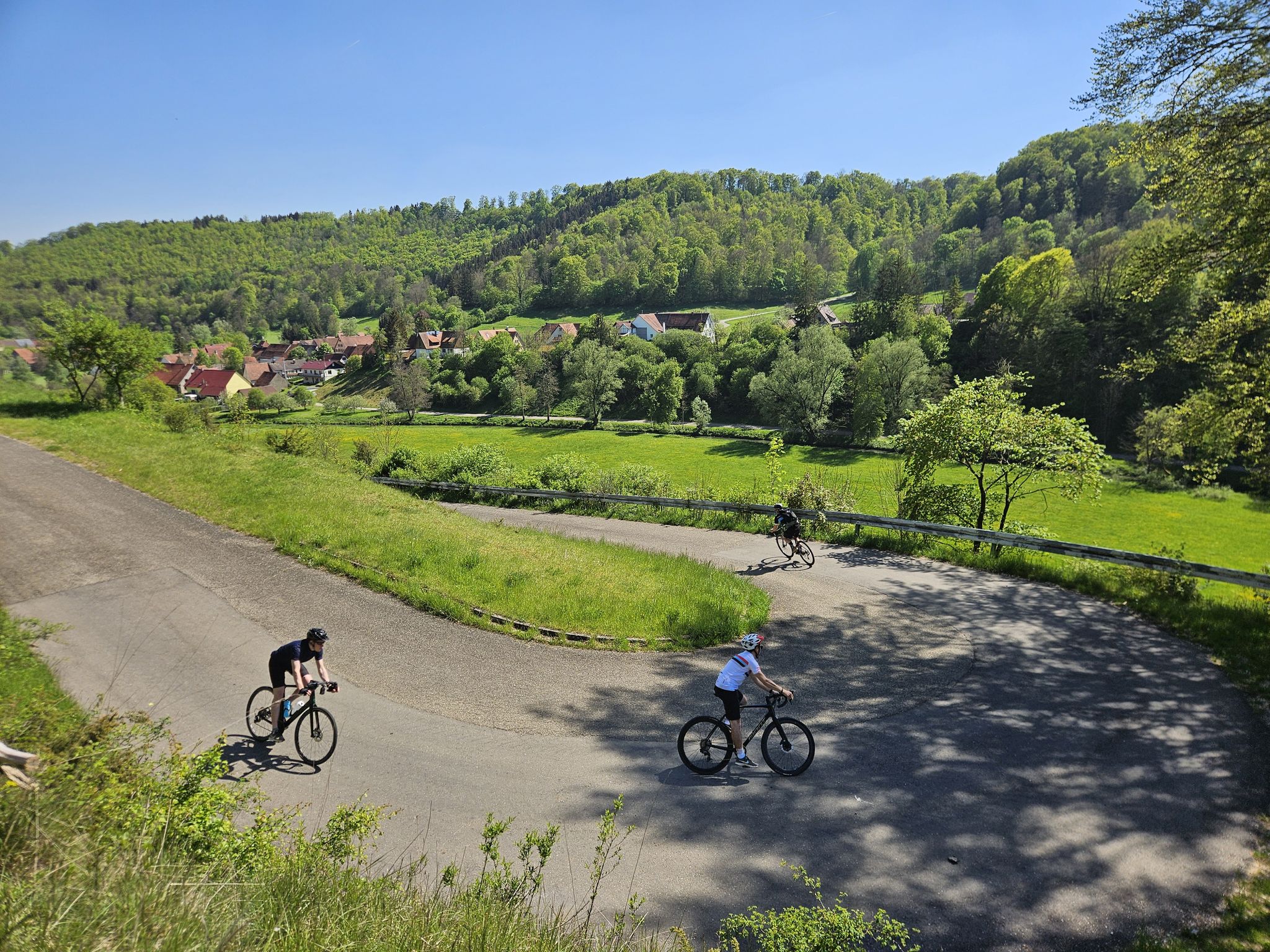
From mountain sprints to winding roads – the Tour de Alb road cycling adventure
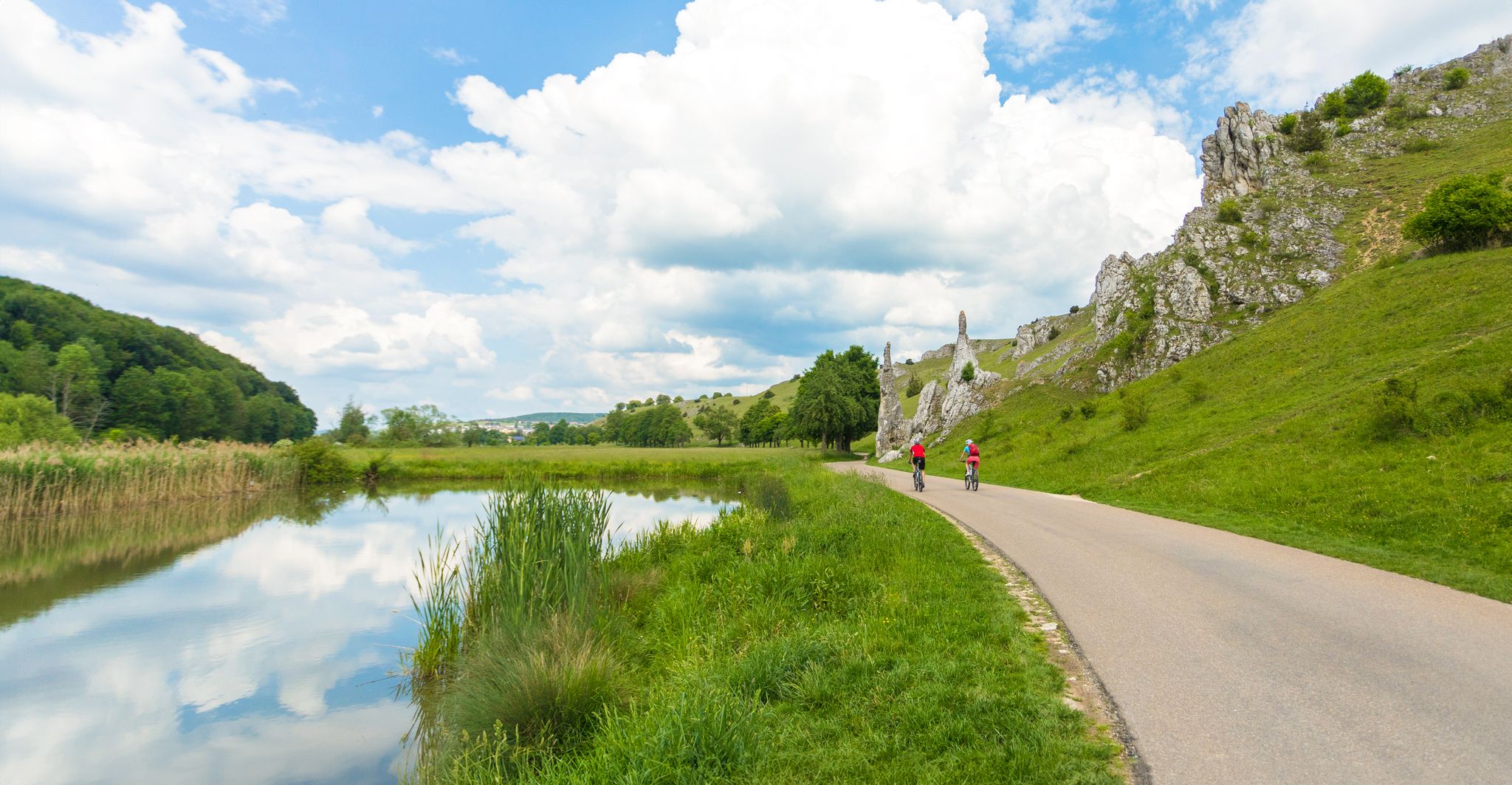
Feel the power of the water - cycling on the Swabian Alb
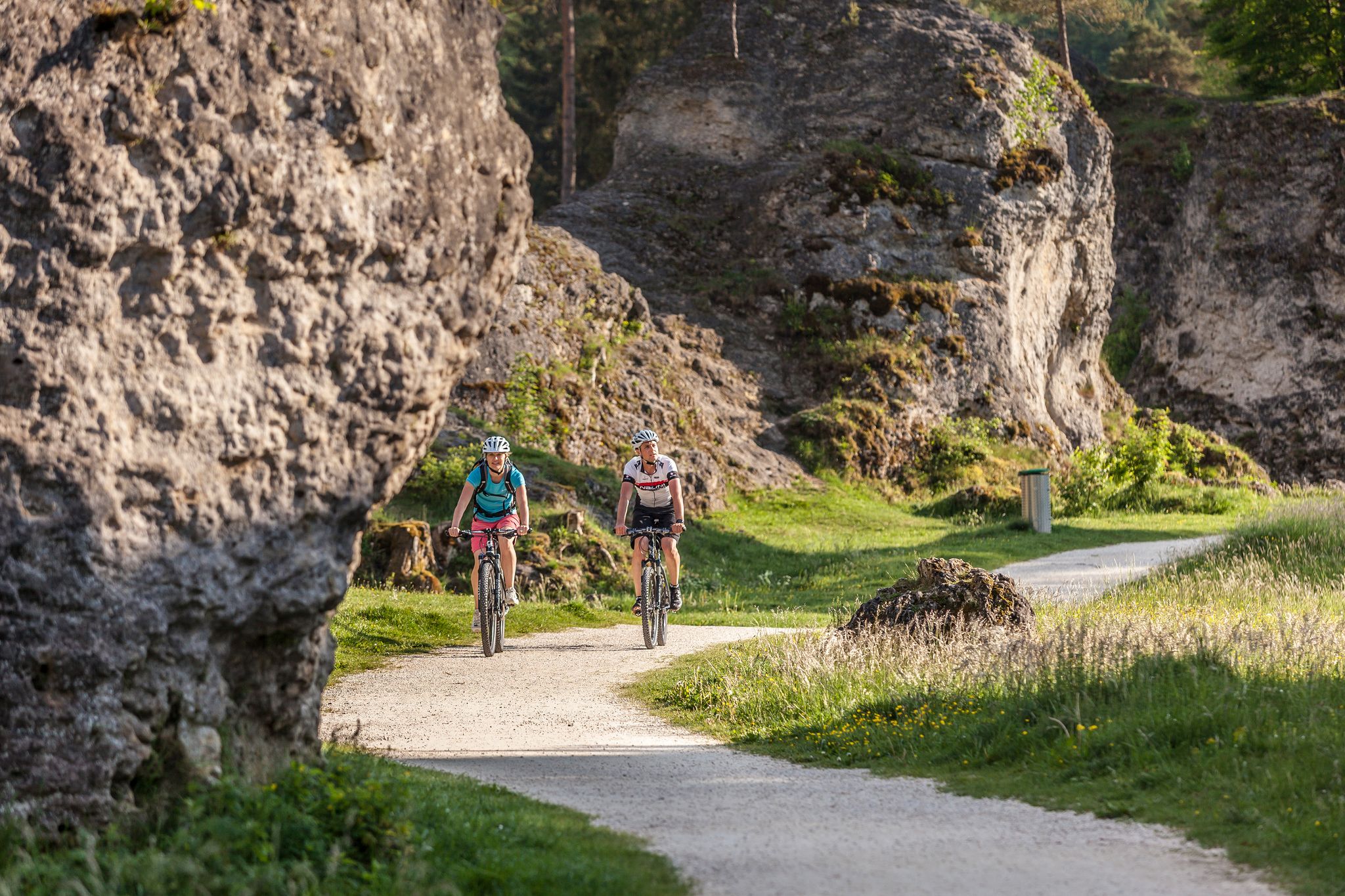
Experience nature by bike in the Swabian Jura
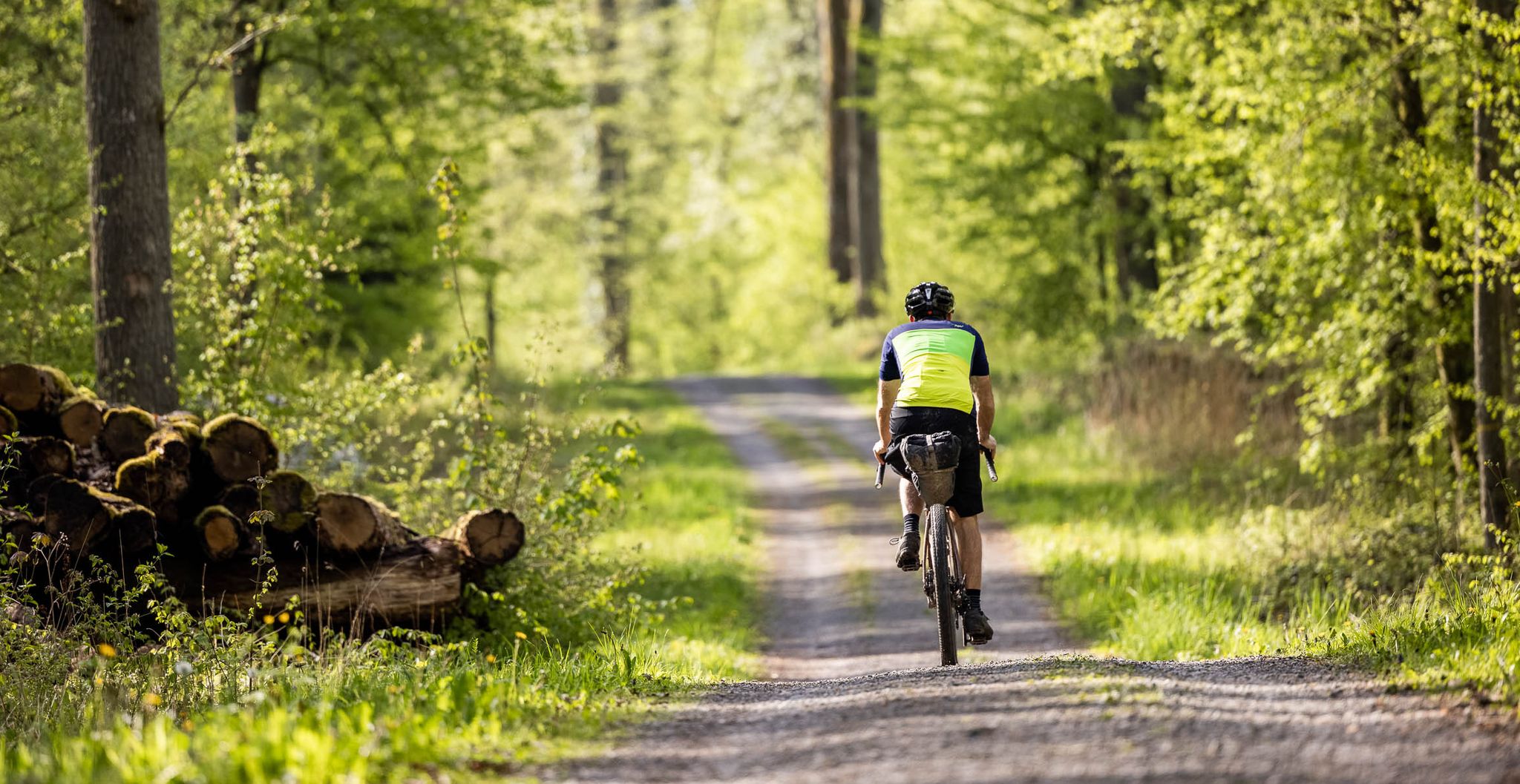
Dive deep into Baden-Württemberg's nature on a gravel bike in Germany
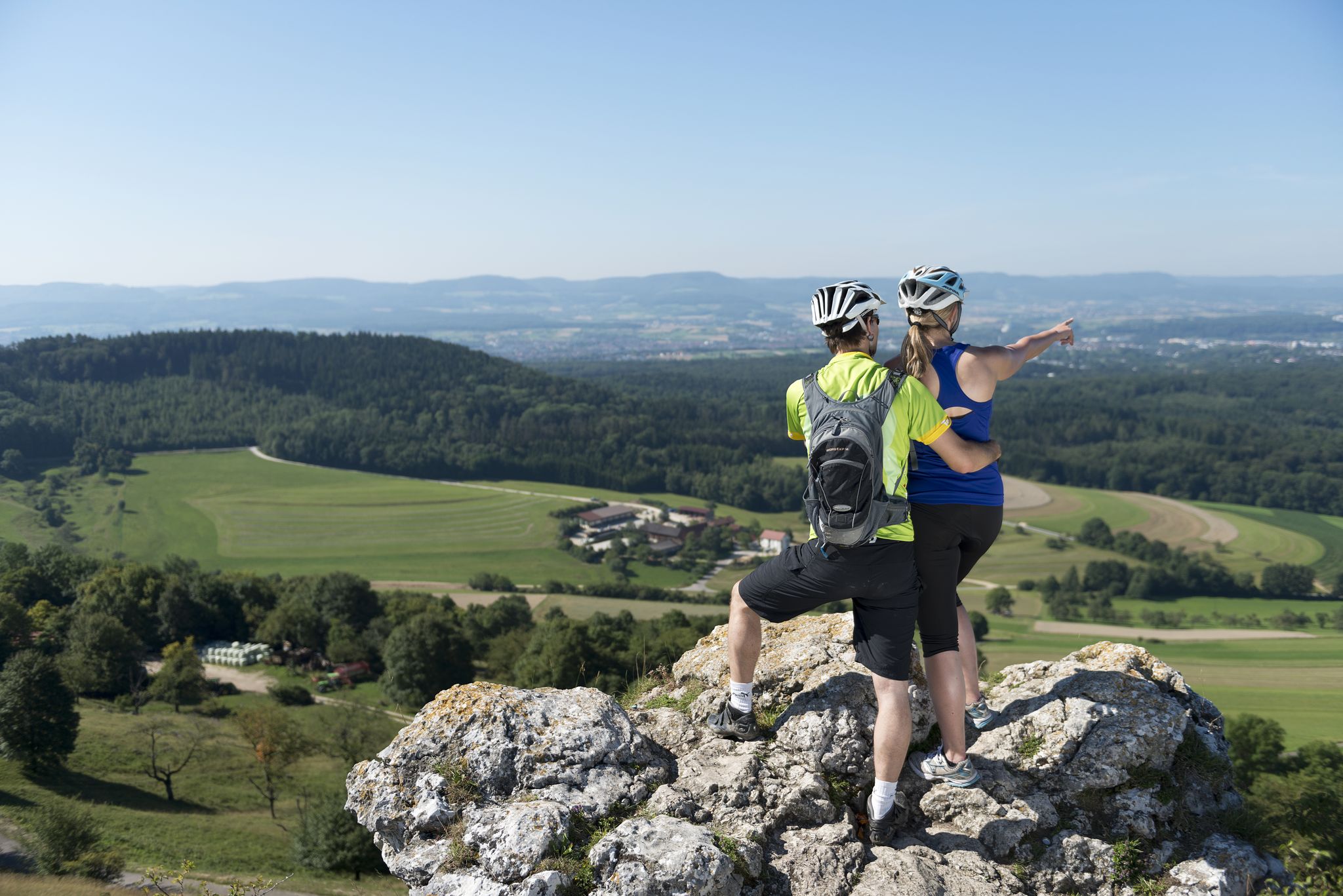
9 beautiful day rides in the Swabian Jura in Germany
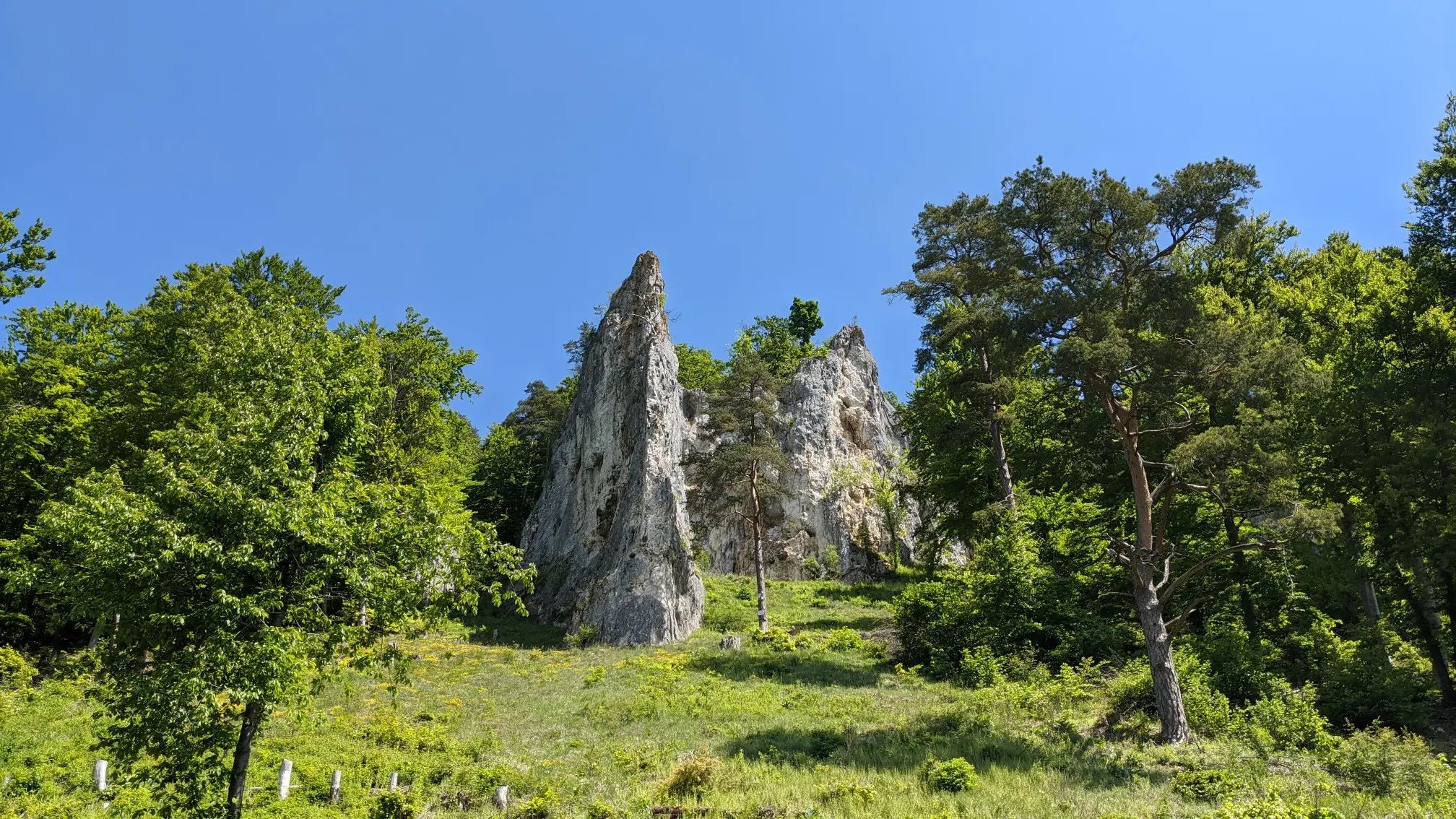
Caves and Ice Age Art world heritage in the Swabian Jura – Ice Valleys Cycle Route
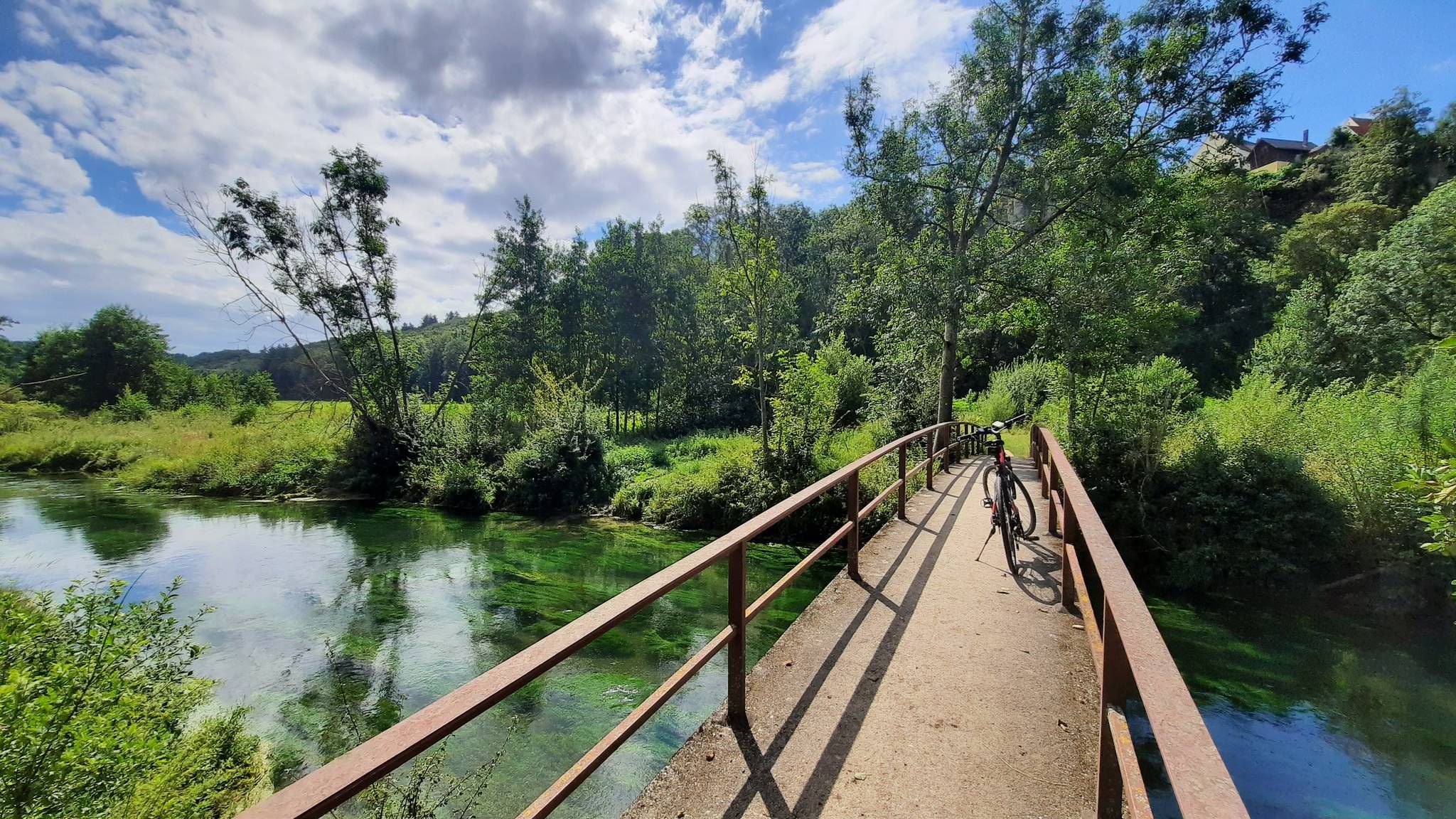
Weltkultur erfahren – Mit dem Rad unterwegs im Alb-Donau-Kreis
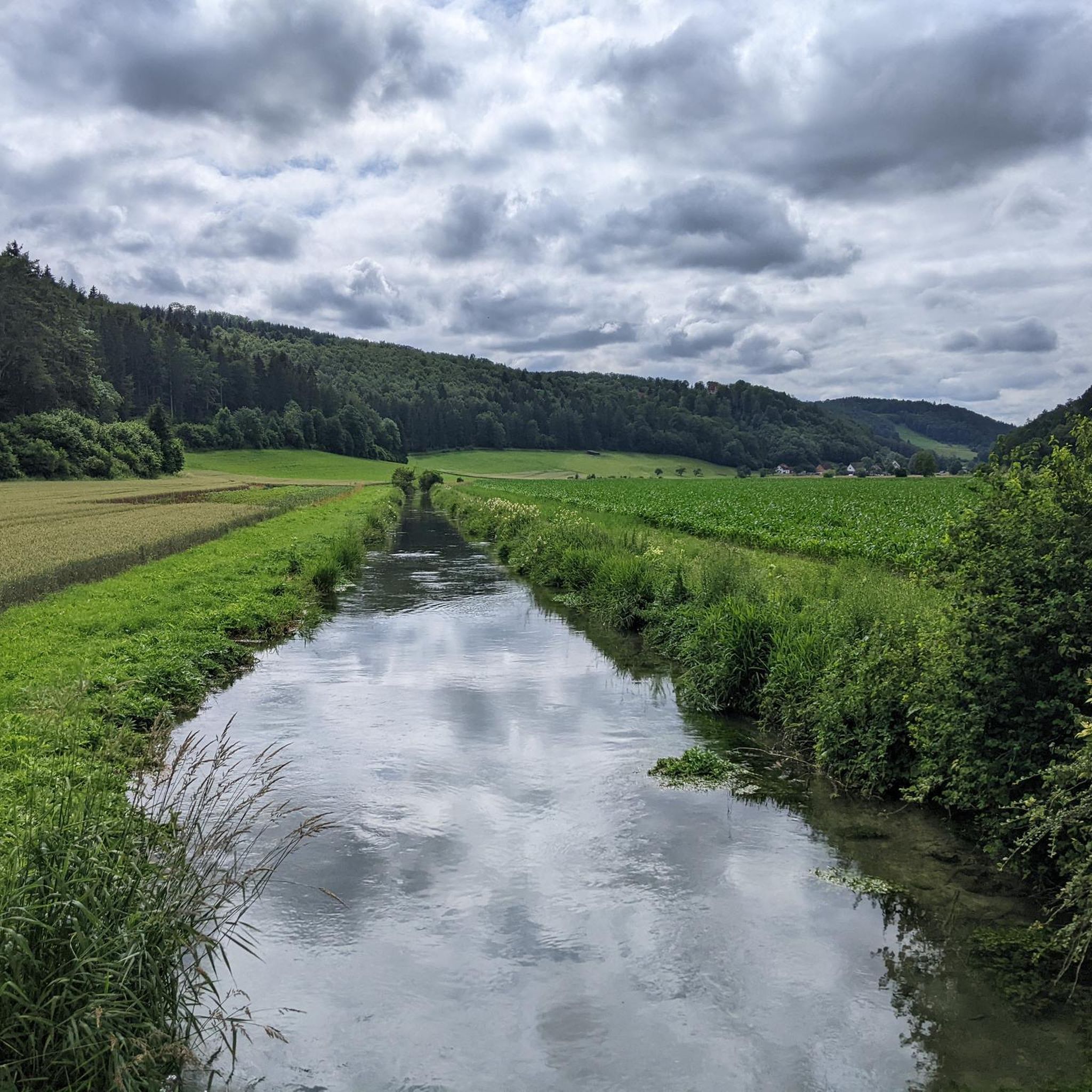
Cycling around Schelklingen
Other adventures around Schelklingen


Tips from the Community

There are some fantastic routes for cyclists here. But the bike path gets very busy on weekends.
5
0

The remains of Günzelburg Castle are located on a wooded ridge not far from the Lone Valley. Today, only a few fragments of the walls remain of the former castle, which was presumably built in the early Middle Ages. Its location suggests a former defensive function. The site is accessible via a footpath and offers beautiful views of the surrounding area. Information panels on site provide insights into the history of the complex and previous archaeological investigations.
2
2

The Günzelburg ruins, also called Greifenburg, Gryffenburg and Denzelburg, are the ruins of a rock castle on a 685 m above sea level rock tower above the village of Weiler near Seißen, a district of the town of Blaubeuren. The castle was built in the late 13th century by the Grif von Berkach, probably as a successor to a castle on the nearby Wachtfels. The Lords of Berkach were ministerials of the Counts of Berg. The subsequent owners are named as the Lords of Weiler and the Lords of Westernach at the end of the 14th century, Ulrich von Westerstetten in 1460 and after 1460 the Blaubeuren monastery. The name of the castle Denzelburg, probably Tünzelburg, mentioned in 1464, probably goes back to a later owner of the castle. By 1477 the complex was in a state of disrepair, it is said: "The ruins of the walls of Gintzelburg Castle, which protrude over the house (= the Franciscan monastery) on the top of the rock, also caused damage to this house..." Remains of the walls of the former castle complex, which had a hook-shaped shield wall, are still preserved. The core castle had a floor area of about 20 by 21 meters.
5
0


Great cycle paths and beautiful scenery, places with places to stop for a break - what more could you want?
4
0

From the spring in the courtyard of the former Offenhausen monastery complex, through numerous valley meadows to its mouth in the Danube between the Upper and Lower March valleys, you will find everything your heart desires here. From culture to sport to relaxation
14
2

Rocks next to the Spitzen Stein in Gundelfingen
4
0
Beautiful cycle path, partly gravel, with great views. Lots of traffic on the weekends.
5
0
Frequently Asked Questions
What are some of the most popular natural monuments to visit around Schelklingen?
Among the most popular natural monuments are the unique Küssende Sau Rock Formation, known for its ancient coral fossils, and the stunning Blautopf, a deep blue karst spring. Visitors also highly appreciate the picturesque Great Lauter Valley, with its narrow gorges and castle ruins.
Are there family-friendly natural monuments around Schelklingen?
Yes, several natural monuments are suitable for families. The Blautopf is a great option, offering an easy circular trail around the spring. The Great Lauter Valley also features a beautiful cycling and hiking path that runs through the entire valley, perfect for family outings.
What unique geological features can I explore in the Schelklingen area?
Schelklingen is rich in unique geological formations. You can explore the Küssende Sau Rock Formation, which consists of fossilized coral from a primeval sea. The region is also famous for its karst springs like the Aach- and Urspringtopf, known for their captivating blue-green water emerging from limestone, and the globally significant Hohle Fels Cave, part of a UNESCO World Heritage site.
What historical or archaeological sites are associated with the natural monuments here?
The region boasts significant historical and archaeological sites. The Hohle Fels Cave, near Schelklingen, is a UNESCO World Heritage site where world-famous Ice Age artifacts, including the 'Venus vom Hohle Fels,' were discovered. The Sirgenstein, another prominent rock formation, features a cave that was inhabited during the Stone Age and is also part of the UNESCO World Heritage Site 'Caves and Ice Age Art in the Swabian Jura'.
What outdoor activities can I do near these natural monuments?
The natural monuments around Schelklingen offer diverse outdoor activities. You can enjoy mountain hikes, running, and gravel biking. For example, there are mountain hikes like the 'Blaubeuren Monastery – Rusenschloss Ruins loop' and running trails around the Schmiechener See. Gravel biking routes, such as the 'Three valleys loop,' also allow you to explore the scenic landscapes. You can find more details on these activities in the Mountain Hikes around Schelklingen, Running Trails around Schelklingen, and Gravel biking around Schelklingen guides.
Are there any natural monuments that are particularly good for bird watching?
Yes, the Schmiechener See (Lake Schmiechen) is an excellent spot for bird watching. Designated as a nature and bird sanctuary, it serves as a crucial habitat and resting place for nearly 200 bird species, including 52 breeding birds. A 5 km circular path around the lake allows visitors to observe the diverse fauna. The best time for bird watching is typically between mid-April and early June.
What is the best time to visit the natural monuments around Schelklingen?
The best time to visit depends on your interests. For bird watching at Schmiechener See, mid-April to early June is ideal. For enjoying the vibrant blue color of the Blautopf and other springs, sunny days enhance the effect. Generally, spring and summer offer pleasant weather for hiking and exploring the outdoor sites, while autumn provides beautiful foliage.
What do visitors enjoy most about the natural monuments in Schelklingen?
Visitors frequently praise the stunning natural beauty and unique geological formations. Many are captivated by the deep blue of the Blautopf and the intriguing shapes of the Küssende Sau Rock Formation. The historical significance of sites like the Hohle Fels Cave also leaves a lasting impression, offering a profound connection to millennia past.
Are there any viewpoints offering panoramic views of the natural landscapes?
Yes, there are several excellent viewpoints. The View of Blaubeuren from the Rock Outcrop provides a wonderful vantage point over the Blautal and Blaubeuren. Additionally, the Günzelburg Ruins, though a historical site, also offers beautiful views of the surrounding valley from its plateau.
Can I find easy walking trails around the natural monuments?
Absolutely. The circular path around the Schmiechener See is a 5 km easy walk, accessible to cyclists and wheelchair users. The area around the Aach- and Urspringtopf also offers picturesque settings for leisurely strolls. For a slightly longer but still moderate option, the 'Three Kings Mill – Urspring Monastery loop' is an easy running trail that can be walked.
What is the significance of the Hohle Fels Cave?
The Hohle Fels Cave is a globally significant archaeological and natural site, part of the UNESCO World Heritage Site 'Caves and Ice Age Art in the Swabian Jura.' It features one of the largest cave halls in the Swabian Alb and is renowned for the discovery of world-famous Ice Age artifacts, including the 'Venus vom Hohle Fels' and ancient musical instruments, providing invaluable insights into early human culture.
How long does it take to explore the Schmiechener See?
A circular path around the Schmiechener See is approximately 5 km long. Depending on your pace and how often you stop for bird watching or to enjoy the scenery, a leisurely walk around the lake typically takes about 1 to 1.5 hours.
Most popular routes around Schelklingen
Most popular attractions around Schelklingen

Get inspired with the komoot mobile app


Explore more
Extend your search for the best caves by checking out these guides of the top ones around Schelklingen:
