The best gravel rides around Marly
4.4
(55)
309
riders
101
rides
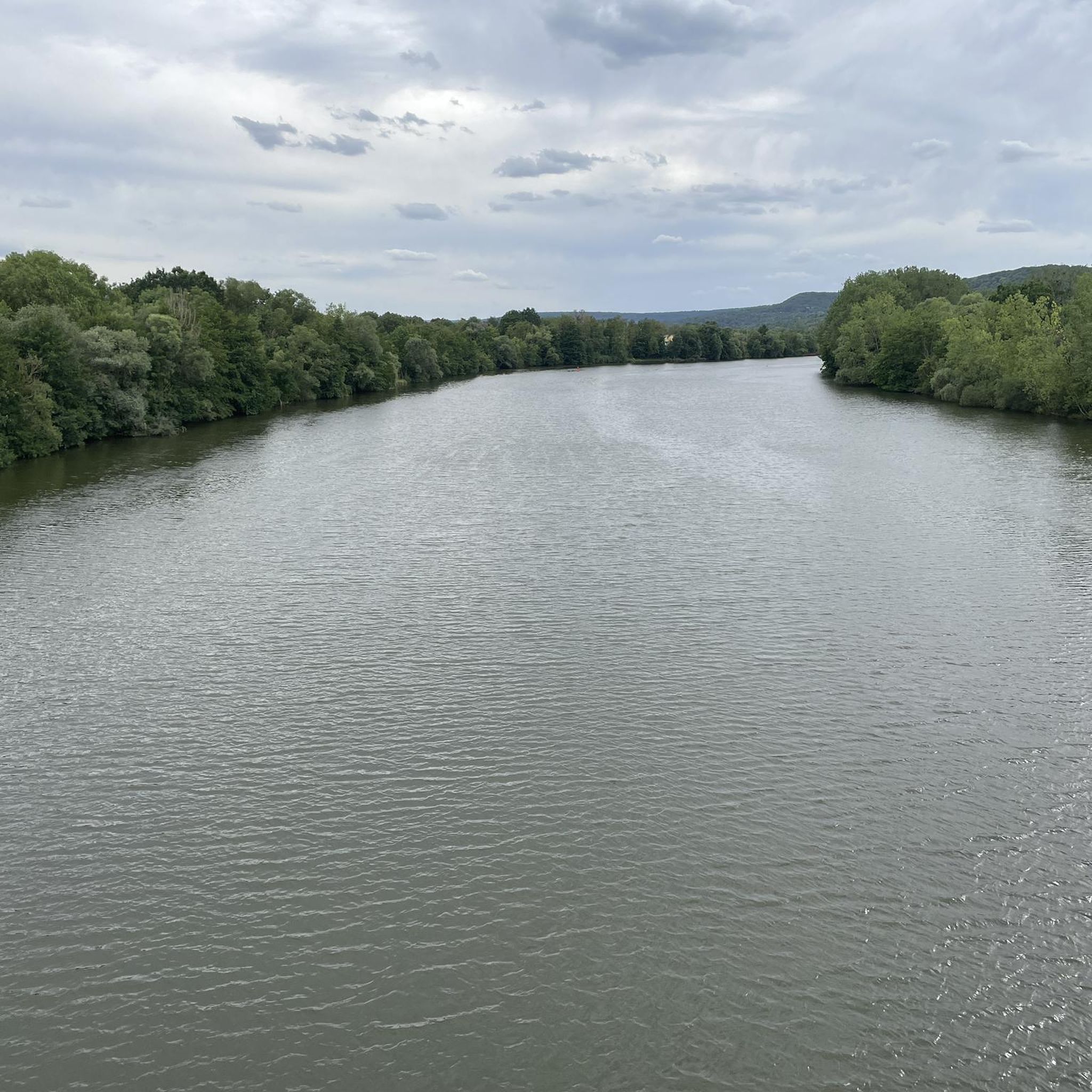
Gravel biking around Marly features routes that traverse varied landscapes, including river valleys and local hills. The terrain often combines paved sections with unpaved paths, suitable for gravel bikes. Routes frequently follow the Moselle River and explore the surrounding areas, offering a mix of flat stretches and moderate climbs. The region's topography includes gentle elevations and forested areas, providing diverse riding conditions.
Best gravel bike trails around Marly
- The most popular gravel bike trail is Mount Saint-Quentin – Le Petit Canada loop from Moulins-lès-Metz, a 19.0 miles (30.6 km) trail that takes 2 hours 27 minutes to complete. This route leads through varied terrain around Mount Saint-Quentin.
- Another top favourite among local gravel bikers is Plan d'Eau de Metz – Blocaus plappeville loop from Metz, a difficult 26.3 miles (42.3 km) path. This route includes significant elevation gain around the Plan d'Eau de Metz.
- Local gravel bikers also love the Mount Saint-Quentin – Blocaus plappeville loop from Euro-métropole de Metz, a 23.1 miles (37.2 km) trail leading through the hills around Mount Saint-Quentin, often completed in about 2 hours 40 minutes.
- Gravel biking around Marly is defined by river valleys, local hills, and forested sections. The network offers options for different ability levels, from easy riverside paths to more challenging climbs.
- The routes in Marly are highly rated by the komoot community with an average score of 4.5 stars from over 50 reviews. More than 370 gravel bikers have used komoot to explore Marly's varied terrain.
Last updated: May 22, 2026
4.9
(20)
74
riders
38.6km
02:08
210m
210m
Moderate gravel ride. Good fitness required. Mostly paved surfaces. Suitable for all skill levels.
3.5
(2)
24
riders
41.8km
02:58
520m
520m
Hard gravel ride. Very good fitness required. Mostly paved surfaces. Suitable for all skill levels.

Sign up for free
4.4
(7)
38
riders
23.6km
01:21
60m
60m
Easy gravel ride. Great for any fitness level. Mostly paved surfaces. Suitable for all skill levels.
5.0
(1)
14
riders
54.5km
03:57
680m
680m
Hard gravel ride. Very good fitness required. Mostly paved surfaces. Suitable for all skill levels.
27
riders
65.0km
03:38
260m
260m
Moderate gravel ride. Good fitness required. Mostly paved surfaces. Suitable for all skill levels.
Get access to more routes and recommendations from other explorers.
Sign up for free
Already have an account?
Our route recommendations are based on thousands of hikes, rides, and runs completed by other people on komoot.
Start today with a free account
Your next adventure awaits.
Login or Signup
Tips from the Community


It's called the "Lantern of God" because St. Stephen's Church in Metz has almost three times the window area of Chartres Cathedral. Many great artists have attempted to design it – for the 800th anniversary, it will be a woman for the first time.
14
0
Built between 1220 and 1522, it is the result of the merging of two separate churches. With its 42-meter-high nave, it is one of the largest Gothic buildings in Europe. Its 6,500 square meters of stained-glass windows have earned it the nickname "Lantern of the Lord." Created in the 16th and 18th centuries by Hermann von Münster, Thiébault de Lixheim, Valentin Bousch, Jacques Villon, and Marc Chagall, these masterpieces of fire and light are a true encyclopedia of glass art.
14
0

Fort Plappeville, renamed Fort Alvensleben in 1872, is a military installation northwest of Metz. It is part of the first fortified belt of Metz, built during the Second Empire by Napoleon III. The first fortified belt of Metz consists of the forts Saint-Privat (1870), Queleu (1867), Bordes (1870), Saint-Julien (1867), Gambetta, Déroulède, Decaen, Plappeville (1867), and Saint-Quentin (1867). Most of them were still unfinished in 1870, when the Franco-Prussian War broke out.
0
0

A spectacular building from 2010, the first branch of Paris's famous Centre Pompidou, a museum of contemporary art. A white, curved roof is stretched across many exposed wooden beams. Inside, the tube-like exhibition spaces are stacked one above the other in a star shape, with enormous panoramic windows at the ends offering views of the city and the surrounding area.
4
1
Of the original 17 city gates, only the German Gate in the east remains. Named after the former hospital of the Teutonic Order, which stood nearby, it was built as an entrance to the city on a bridge over the Seuille River. A medieval structure straight out of a picture book.
6
1
Former water tower used to supply steam locomotives in the adjacent main station. Future use is still being planned.
6
0

Beautiful running path by the water
0
0
Frequently Asked Questions
How many gravel bike trails are available around Marly?
There are over 130 gravel bike trails around Marly, offering a wide range of options for different skill levels. You'll find everything from easy riverside paths to more challenging climbs through the local hills.
What kind of terrain can I expect on gravel bike routes near Marly?
The terrain around Marly is quite varied. You'll encounter a mix of gravel paths, cobblestones, and asphalt sections. The region features rolling hills, lush forests, and idyllic valleys, with some routes extending into the German Eifel region, known for its diverse and challenging landscapes, including rugged quarries and serene reservoirs. South Limburg also has unique 'sunken lanes' which add a historical and challenging dimension to rides.
Are there any easy gravel bike routes suitable for beginners or families in Marly?
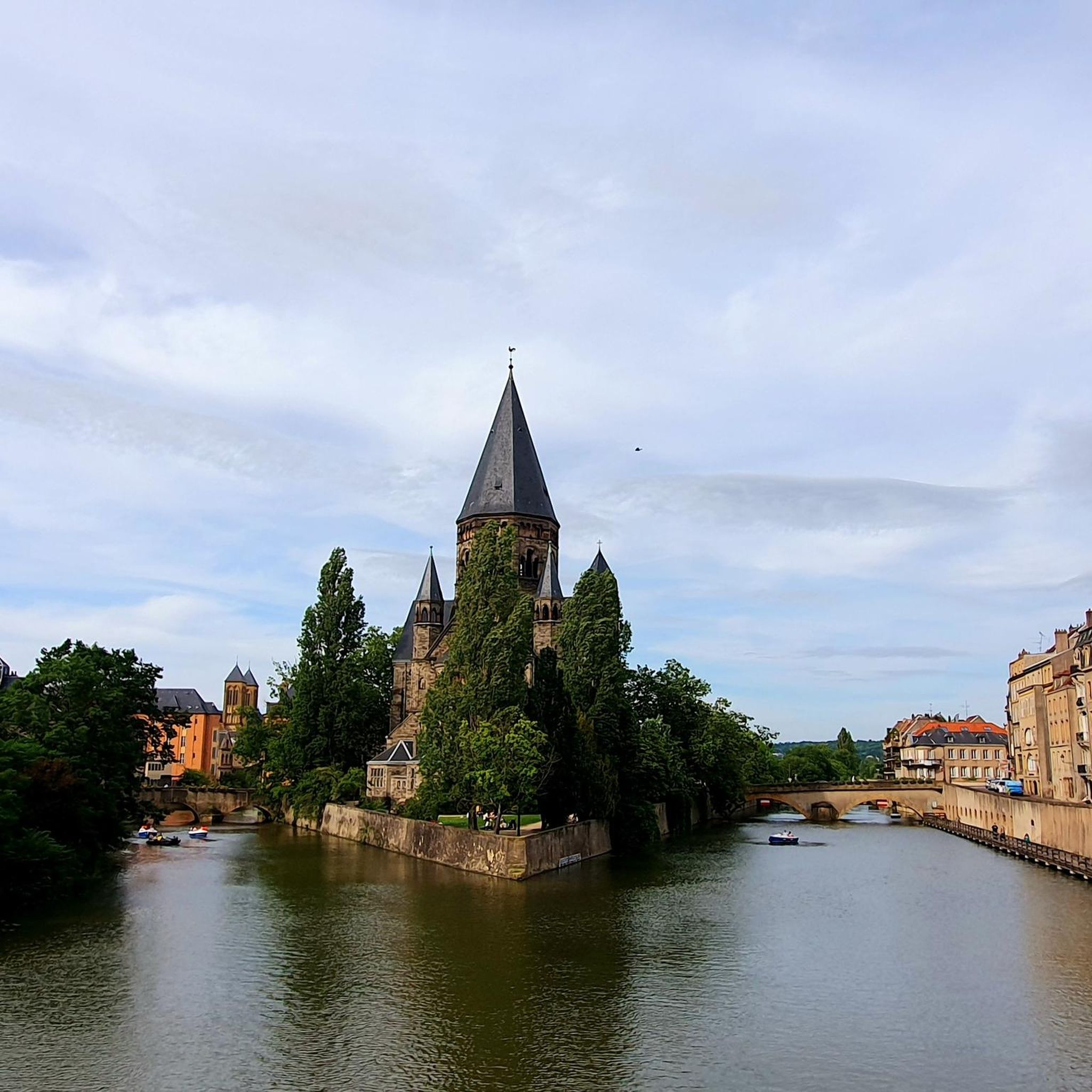
Yes, Marly offers several easy gravel bike routes. For a more relaxed experience, consider routes that follow the Moselle River. An excellent option is The Moselle at Metz – View of the River Moselle loop from Metz, which is 24.6 km long and primarily follows riverside paths.
Where can I find challenging gravel bike routes around Marly?
For more advanced gravel biking, routes traversing the hills around Mount Saint-Quentin offer significant elevation gain and technical sections. A challenging option is Mount Saint-Quentin – Blocaus plappeville loop from Peltre, a difficult 47.2 km path with substantial climbs. The Eifel region, accessible from Marly, also provides challenging routes with climbs and descents.
Are there any circular gravel bike routes in the Marly area?
Yes, many gravel bike routes around Marly are designed as loops. For example, the popular Metz-Ville station – Seille spillway loop from Metz is a 37.9 km circular trail exploring the area around the Seille River. Another great loop is Mount Saint-Quentin – Le Petit Canada loop from Moulins-lès-Metz, which covers 30.6 km through varied terrain.
What are some notable landmarks or attractions I can see along the gravel bike trails near Marly?
The region offers a blend of natural beauty and historical sites. You can explore various lakes such as Lake in Ancy-sur-Moselle or Swan Lake. Historical attractions include Porte des Allemands and Metz Cathedral, Fort Saint-Quentin, and Mercy Castle. The routes also offer scenic viewpoints like the View of the Rupt de Mad Valley.
What do other gravel bikers enjoy most about Marly?
The gravel biking experience around Marly is highly rated by the komoot community, with an average score of 4.6 stars from over 120 reviews. Riders often praise the diverse terrain, the mix of riverside paths and challenging hills, and the beautiful natural scenery that extends into the Eifel region. The variety of routes caters to different skill levels, making it a popular destination for many.
Are there any long-distance gravel routes or paths that connect to other regions?
Yes, the region's routes often span across three countries: the Netherlands, Belgium, and Germany. The Vennbahn, a historic railway path, offers a largely flat ride through beautiful natural scenery and charming villages across Germany, Belgium, and Luxembourg. The Kyll Valley in the Eifel region also provides well-marked gravel paths alongside the scenic Kyll River, connecting to a broader network.
What is the best time of year for gravel biking in Marly?
The rolling hills and varied terrain of Marly are enjoyable throughout much of the year. Spring and autumn offer pleasant temperatures and beautiful scenery, with changing foliage. Summer is also popular, though some routes might be more exposed to the sun. Winter riding is possible, but be prepared for potentially rougher gravel surfaces due to weather conditions, especially in the more hilly sections where sand can wash away, leaving rocky surfaces.
What type of bike is recommended for gravel trails in Marly?
Given the varied terrain, which includes rougher gravel, cobblestones, and some rocky surfaces, a gravel bike with wider tires (40mm or more) is advisable for optimal comfort and performance. This will help navigate the diverse conditions, especially in areas like South Limburg where hills can lead to more exposed rocky sections.
Are there any routes that follow the Moselle River?
Yes, many routes in Marly frequently follow the Moselle River, offering scenic and often flatter stretches. The Moselle Left-Bank Cycle Path – View of the River Moselle loop from Metz is a 52 km moderate route that provides extensive views along the river.
Most popular attractions around Marly

Get inspired with the komoot mobile app


Explore more
Browse the best Gravel rides in other regions.
