Top 20 Natural Monuments around Heroldstatt
Best natural monuments around Heroldstatt are located in the Swabian Alb region of Germany, an area known for its dramatic geological features. This landscape offers opportunities to explore ancient formations, including notable caves and unique rock formations. Heroldstatt is home to 27 protected natural objects, showcasing a rich variety of natural wonders. These sites provide insight into geological processes and local wildlife.
Best natural monuments around Heroldstatt
- The most popular natural monuments is Küssende Sau Rock Formation, a natural monument that is a distinctive geological feature. This formation resulted from fossilized coral and is known for its unique shape resembling "two kissing sows."
- Another must-see spot is Blautopf, a lake and karst spring. Visitors can expect to see a spring known for its deep blue color, which is the source of the Blau River.
- Visitors also love Source of the Fils, a river and natural monument. This spot is special for being the origin of the Fils river, rising from three springs in an idyllic valley.
- Heroldstatt is known for its diverse natural monuments, including karst springs, unique rock formations, and river sources. The region offers a variety of natural monuments to see and explore, from geological wonders to scenic viewpoints.
- The natural monuments around Heroldstatt are appreciated by the komoot community, with more than 5900 upvotes and over 3800 photos shared by visitors.
Last updated: July 10, 2026
Blautopf
Highlight • Lake
Translated by Google •
Tip by

Küssende Sau Rock Formation
Highlight • Natural Monument
Translated by Google •
Tip by

Sign up now to discover places like this
Get recommendations on the best single tracks, peaks, & plenty of other exciting outdoor places.
Sign up for free
Source of the Fils
Highlight • River
Translated by Google •
Tip by

Günzelburg Ruins
Highlight • Castle
Translated by Google •
Tip by

View of Blaubeuren from the Rock Outcrop
Highlight • Viewpoint
A little hidden behind a memorial to the fallen, a comfortable bench invites you to take a break.
Translated by Google •
Tip by

Sign up for free to discover even more natural monuments around Heroldstatt.
Sign up for free
Already have an account?
Start today with a free account
Your next adventure awaits.
Login or Signup

Tips from the Community

The remains of Günzelburg Castle are located on a wooded ridge not far from the Lone Valley. Today, only a few fragments of the walls remain of the former castle, which was presumably built in the early Middle Ages. Its location suggests a former defensive function. The site is accessible via a footpath and offers beautiful views of the surrounding area. Information panels on site provide insights into the history of the complex and previous archaeological investigations.
2
2

The Günzelburg ruins, also called Greifenburg, Gryffenburg and Denzelburg, are the ruins of a rock castle on a 685 m above sea level rock tower above the village of Weiler near Seißen, a district of the town of Blaubeuren. The castle was built in the late 13th century by the Grif von Berkach, probably as a successor to a castle on the nearby Wachtfels. The Lords of Berkach were ministerials of the Counts of Berg. The subsequent owners are named as the Lords of Weiler and the Lords of Westernach at the end of the 14th century, Ulrich von Westerstetten in 1460 and after 1460 the Blaubeuren monastery. The name of the castle Denzelburg, probably Tünzelburg, mentioned in 1464, probably goes back to a later owner of the castle. By 1477 the complex was in a state of disrepair, it is said: "The ruins of the walls of Gintzelburg Castle, which protrude over the house (= the Franciscan monastery) on the top of the rock, also caused damage to this house..." Remains of the walls of the former castle complex, which had a hook-shaped shield wall, are still preserved. The core castle had a floor area of about 20 by 21 meters.
5
0

You have to squeeze past the crevice, turn around once and then you have a great view of the two little pigs
5
0

Highly recommended, I think 🤗 can also be combined with the Blautopf 🤩
4
0


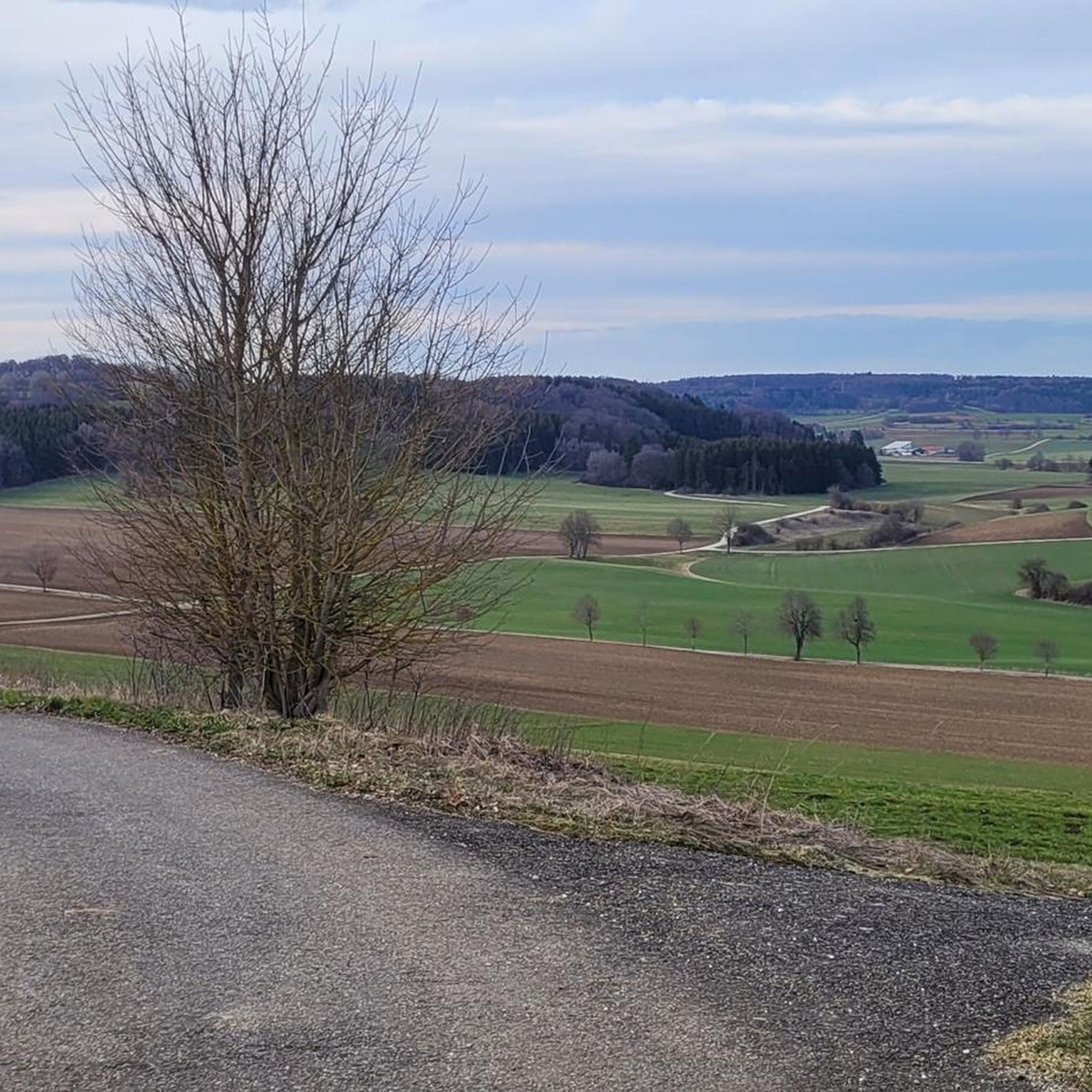
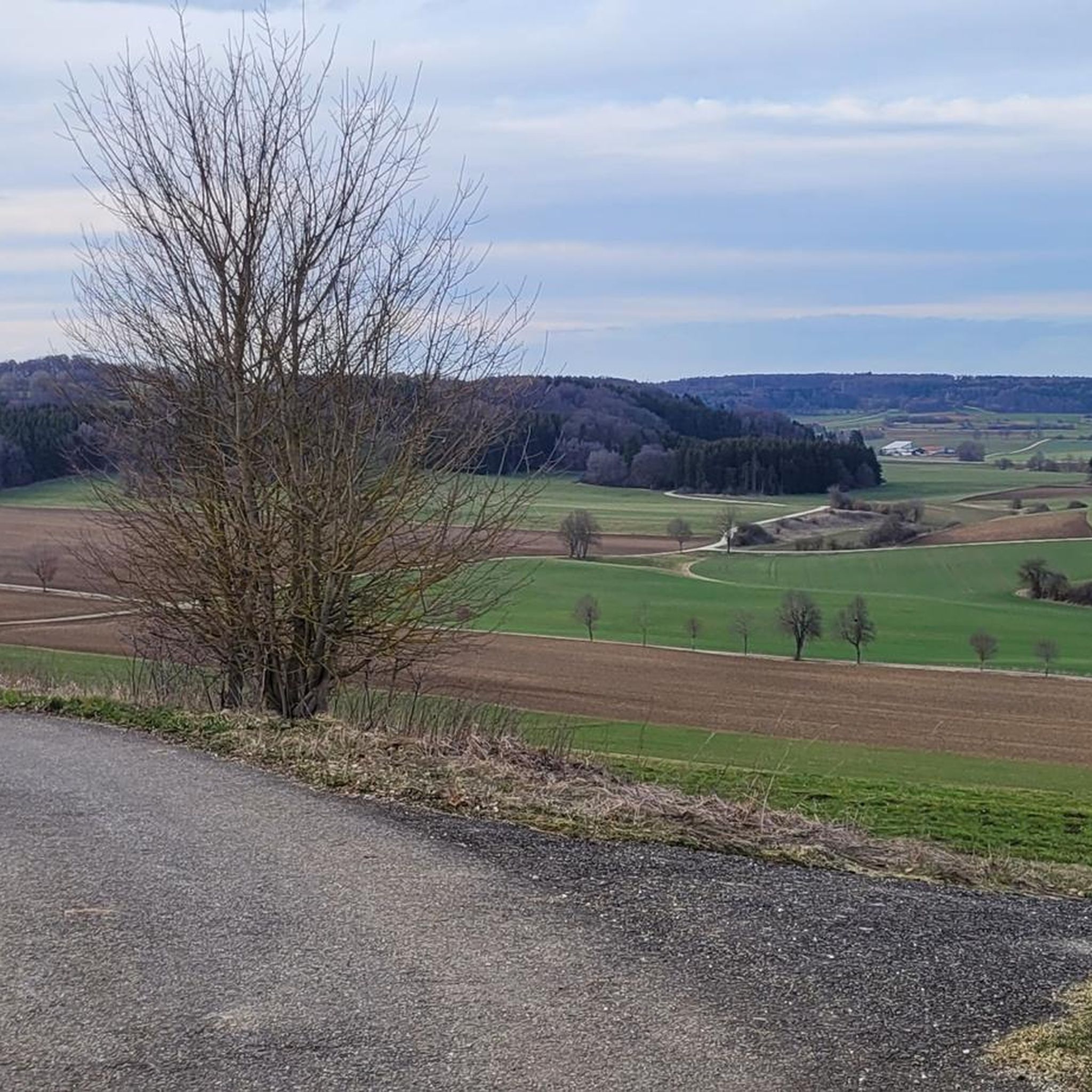
Magnificent view over Blaubeuren into the Blautal.
4
0
Unfortunately, not much can be seen from the ruins of the castle, but the view after climbing the stairs is fantastic.
5
0
Very beautiful natural stone sculpture in the form of a kissing sow. Good to see from the direction of Blaubeuren.
7
0
Frequently Asked Questions
What are some of the most popular natural monuments to visit around Heroldstatt?
Heroldstatt is home to a variety of natural wonders. Among the most popular are the Küssende Sau Rock Formation, known for its unique shape resembling 'two kissing sows' formed from fossilized coral. Another must-see is Blautopf, a stunning karst spring famous for its deep blue color, which is the source of the Blau River. Visitors also appreciate the Source of the Fils, where the Fils river originates from three springs in an idyllic valley.
Are there family-friendly natural monuments around Heroldstatt?
Yes, several natural monuments are suitable for families. The Blautopf is a great option, with a recommended circular trail around the spring that is easy to navigate. The Source of the Fils also offers a nice spot for a picnic by the creek and a gravel path for walking, making it pleasant for all ages.
What kind of geological features can I expect to see in the Heroldstatt region?
The Heroldstatt region, part of the Swabian Alb, is characterized by dramatic geological features. You'll find impressive karst formations, including significant caves like the Sontheim Cave, and unique rock formations such as the Küssende Sau Rock Formation, which is composed of fossilized coral. The area also features karst springs like the Blautopf, known for its vibrant blue water, and river sources like the Source of the Fils.
What historical sites are near the natural monuments in Heroldstatt?
While primarily known for its natural beauty, the region also has historical points of interest. For example, the Günzelburg Ruins are located on a wooded ridge not far from the Lone Valley. These remains of a presumably early medieval castle offer insights into the area's past and provide beautiful views of the surrounding landscape.
What outdoor activities can I do near the natural monuments in Heroldstatt?
The area around Heroldstatt is excellent for various outdoor activities. You can explore numerous hiking trails, including loops that pass by the Sontheim Cave or offer views of the Tiefental. For cyclists, there are options for gravel biking and challenging MTB trails. You can find detailed routes and guides for these activities, such as Hiking around Heroldstatt, Gravel biking around Heroldstatt, and MTB Trails around Heroldstatt.
When is the best time to visit the natural monuments around Heroldstatt?
The best time to visit depends on the specific monument. For caves like the Sontheim Cave, it's important to note that they are closed during winter months (November to April) to protect hibernating bats. Generally, spring, summer, and early autumn offer pleasant weather for exploring the outdoor natural monuments and enjoying activities like hiking and cycling.
Are there any caves I can visit in the Heroldstatt area?
Yes, the Sontheim Cave (Sontheimer Höhle) is a prominent natural monument in the region and is recognized as the oldest show cave in Germany. It features rich stalactite formations and allows visitors to explore 190 meters of its passages. However, it is closed from November to April to protect bat populations during their hibernation period. The smaller Kohlhalden Cave is generally inaccessible but can sometimes be visited during a special cave festival on Whit Monday.
What do visitors enjoy most about the natural monuments in Heroldstatt?
Visitors frequently praise the stunning natural beauty and unique geological formations. The deep blue color of the Blautopf is often highlighted as a captivating sight. Many also appreciate the opportunity to hike and explore the distinctive rock formations like the Küssende Sau Rock Formation. The peaceful and idyllic settings, such as the Source of the Fils, are also highly valued for relaxation and picnics.
Can I find viewpoints with scenic panoramas among the natural monuments?
Absolutely. The region offers several excellent viewpoints. The Günzelburg Ruins provide beautiful views of the surrounding area and valley. Additionally, the View of Blaubeuren from the Rock Outcrop offers a wonderful vantage point over the Blautal and Blaubeuren, complete with a bench for a comfortable break.
Where can I find a comprehensive list of protected natural objects in Heroldstatt?
Heroldstatt is home to 27 protected natural objects, including 8 area-based and 19 individual natural monuments. For a more comprehensive list and additional details, you can refer to external resources such as the Wikipedia page on the List of Natural Monuments in Heroldstatt.
Are there any easy hiking trails that incorporate natural monuments?
Yes, there are several easy hiking options. For instance, the circular trail around the Blautopf is highly recommended and suitable for an easy stroll. You can also find easy routes like the 'Sontheim Cave – Russenberg Forest Trail loop from Heroldstatt' or the 'Russenberg Forest Trail loop from Heroldstatt' within the Hiking around Heroldstatt guide.
Most popular routes around Heroldstatt
Most popular attractions around Heroldstatt

Get inspired with the komoot mobile app


Explore more
Extend your search for the best caves by checking out these guides of the top ones around Heroldstatt:
