Top 20 Natural Monuments around Berghülen
Best natural monuments around Berghülen are characterized by the unique karst landscape of the Swabian Alb. The region features distinctive hydrological formations known as "Hülen," which are crucial surface waters on the otherwise dry plateau. These natural attractions offer insights into a unique ecosystem and historical land use. Berghülen's natural beauty extends to its rolling hills, valleys, and juniper heaths, providing diverse outdoor experiences.
Best natural monuments around Berghülen
- The most popular natural monuments is Blautopf, a lake that…
Last updated: May 13, 2026
Blautopf
Highlight • Lake
Translated by Google •
Tip by

Küssende Sau Rock Formation
Highlight • Natural Monument
Translated by Google •
Tip by

Sign up now to discover places like this
Get recommendations on the best single tracks, peaks, & plenty of other exciting outdoor places.
Sign up for free
Günzelburg Ruins
Highlight • Castle
Translated by Google •
Tip by

View of Blaubeuren from the Rock Outcrop
Highlight • Viewpoint
A little hidden behind …
Translated by Google •
Tip by

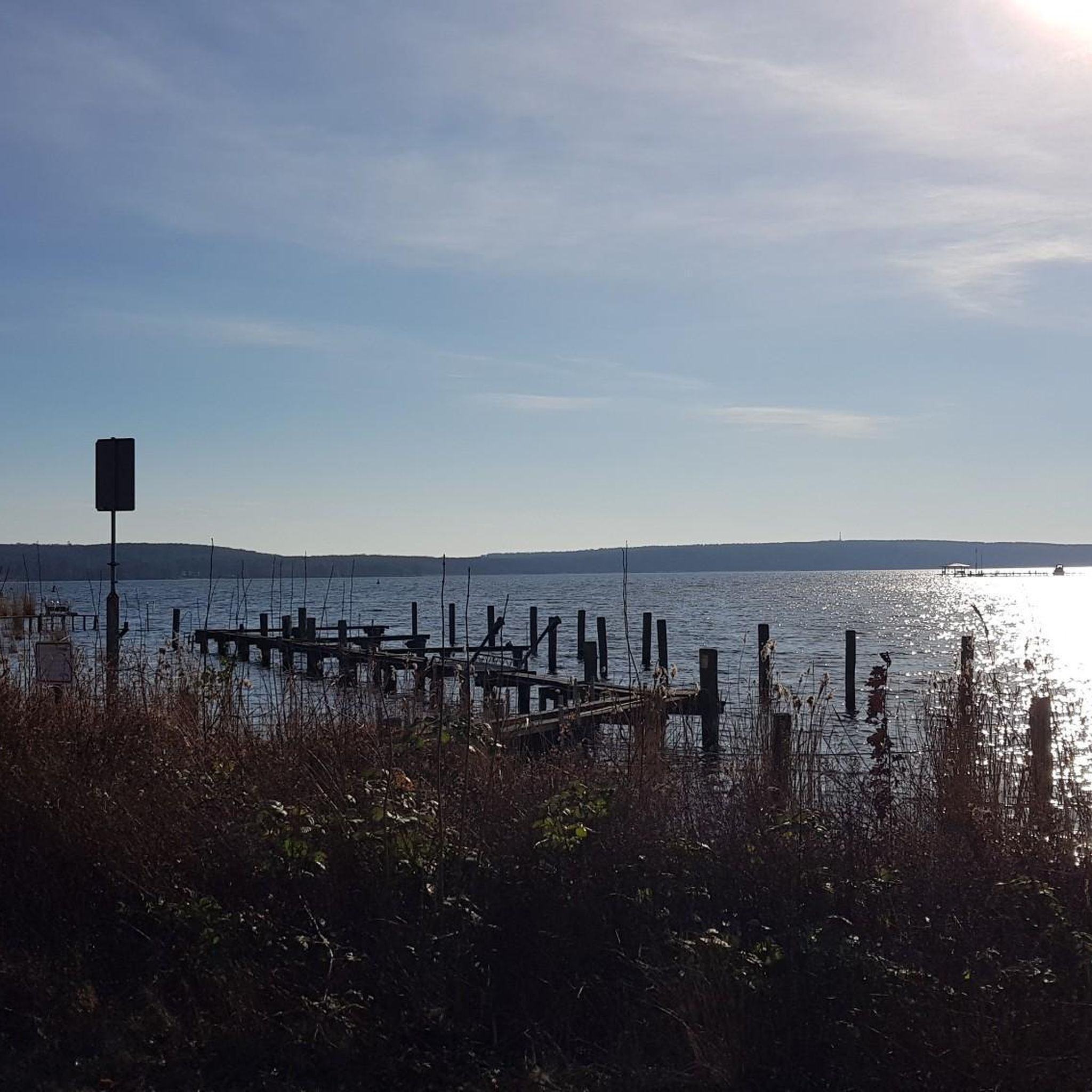
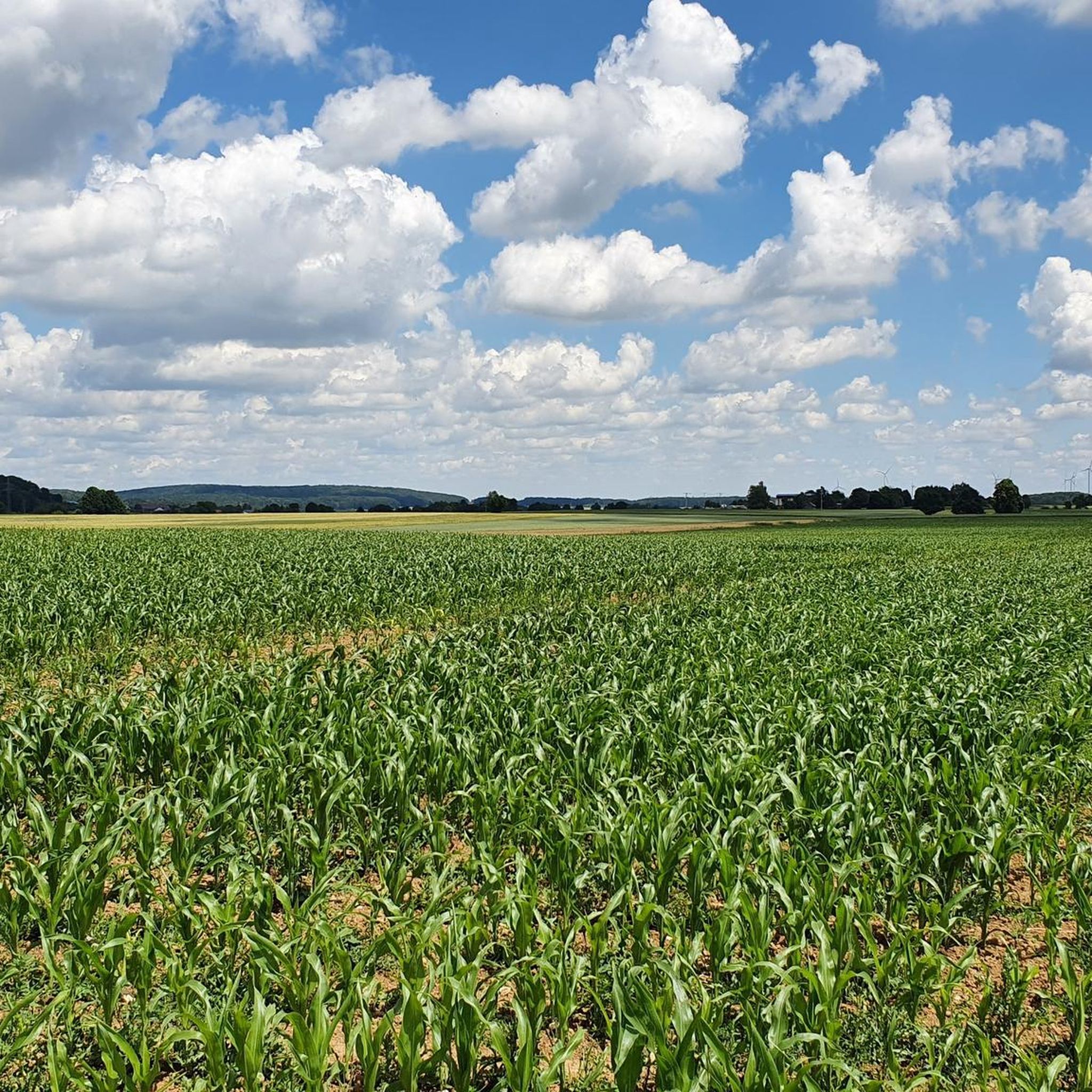
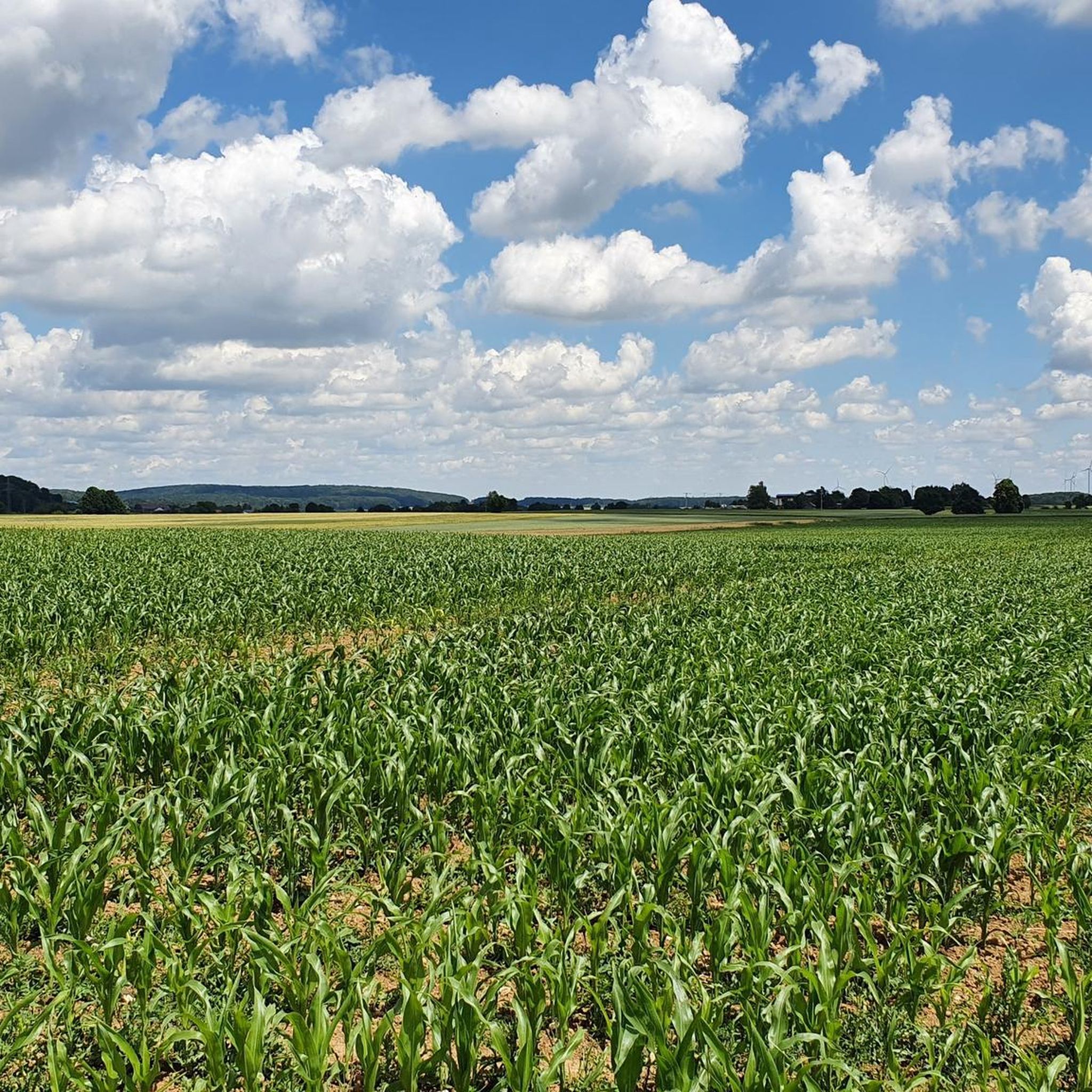
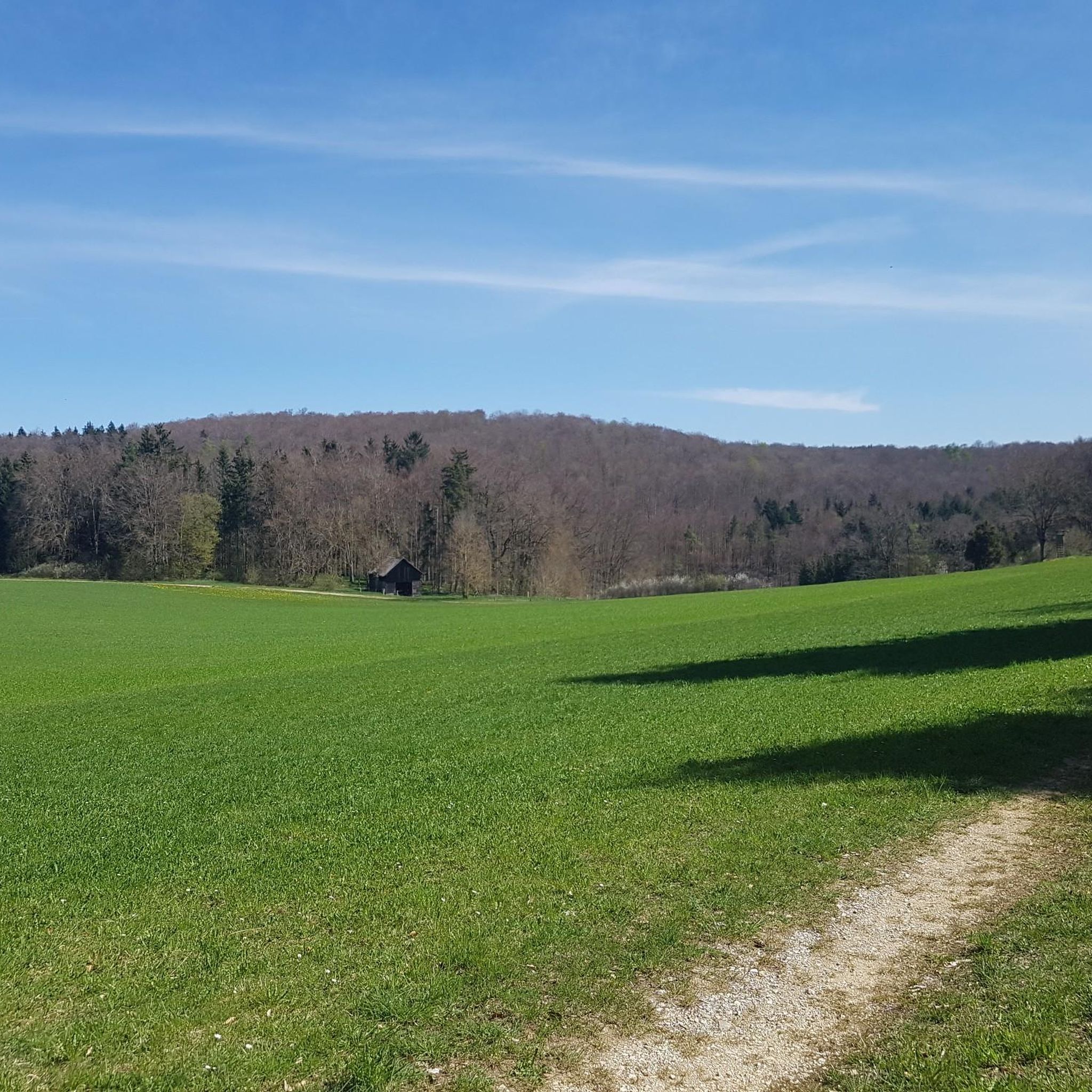
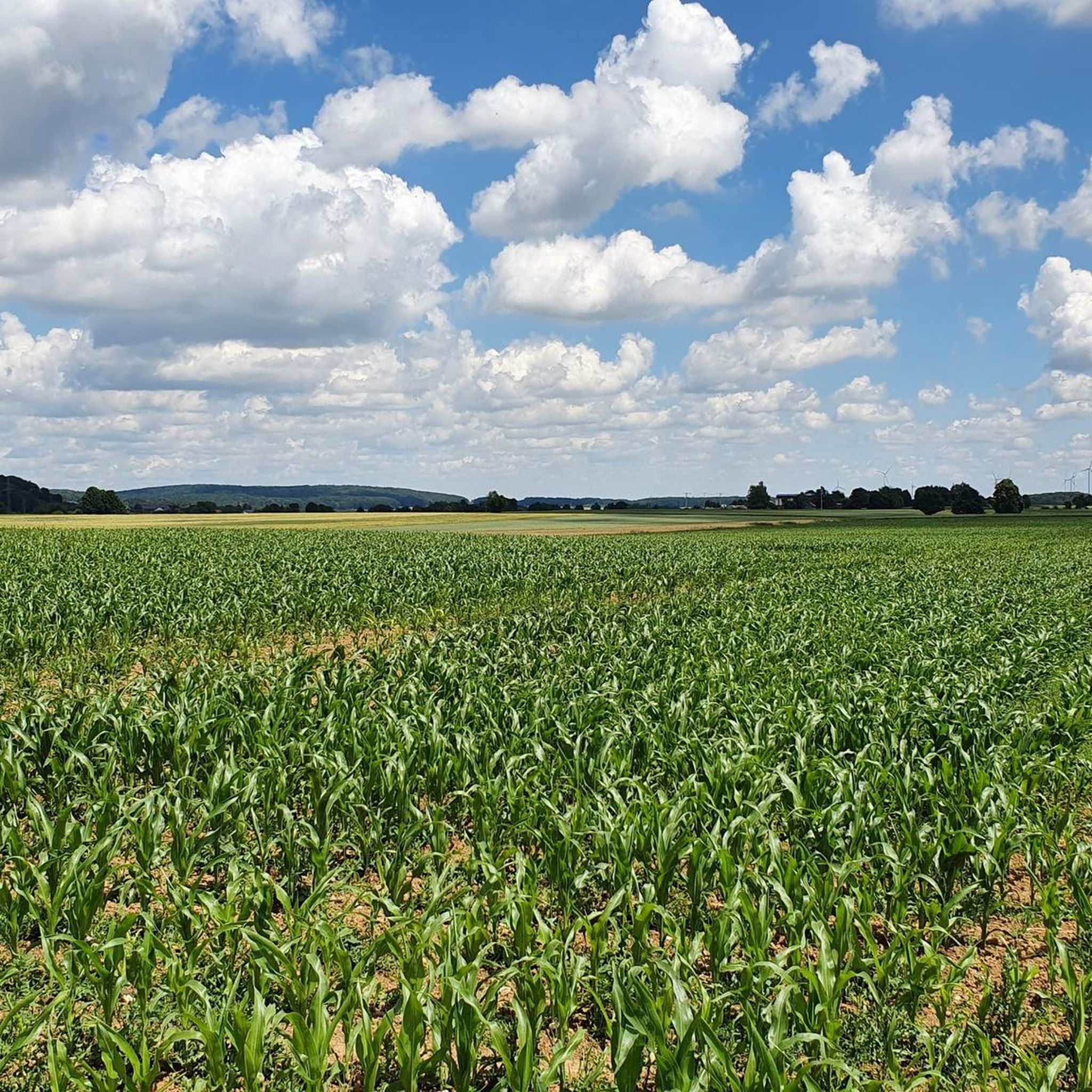
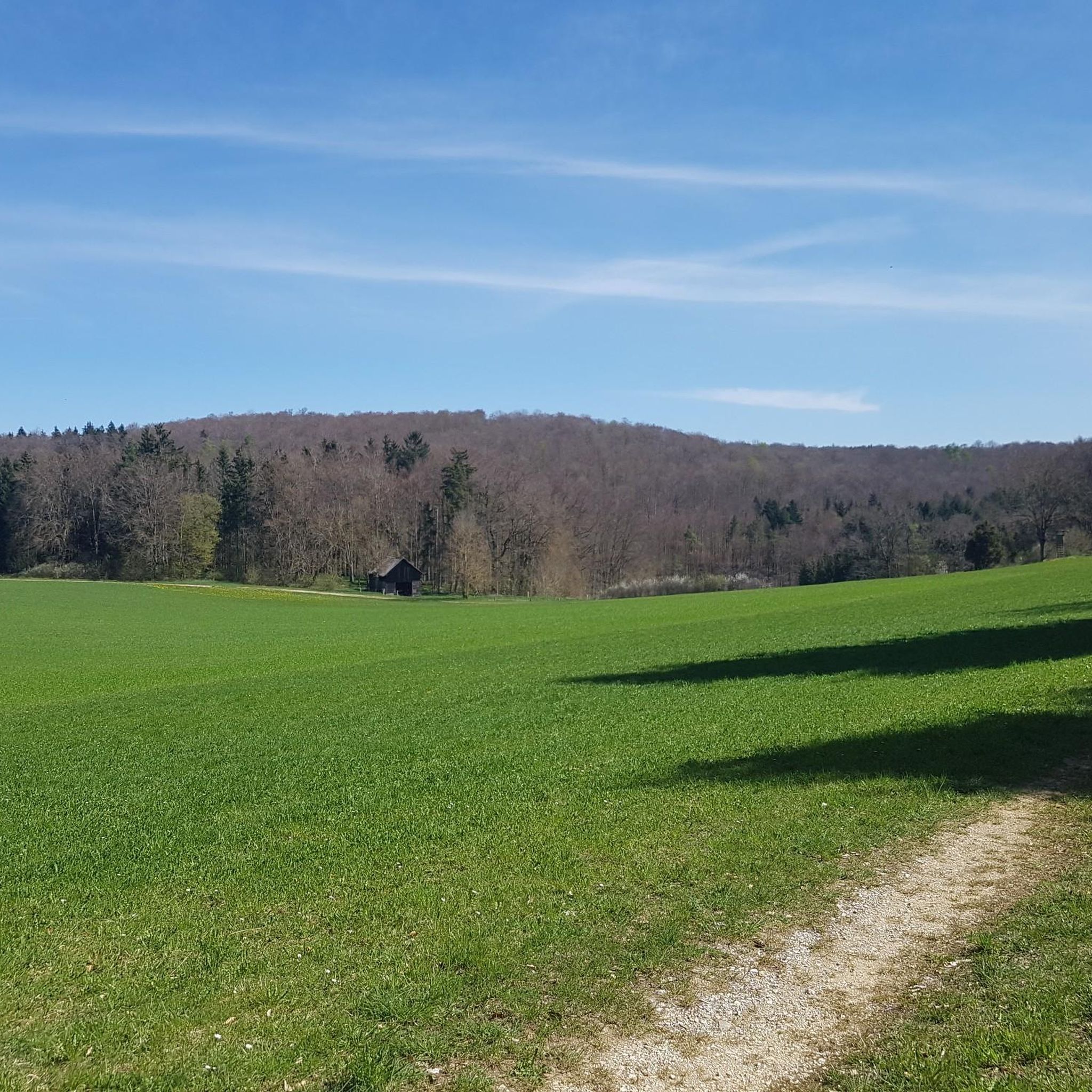
Alb plateau in the Swabian Alb Geopark
Highlight (Segment) • Natural
Translated by Google •
Tip by

Sign up for free to discover even more natural monuments around Berghülen.
Sign up for free
Already have an account?
Start today with a free account
Your next adventure awaits.
Login or Signup
Tips from the Community

The remains of Günzelburg Castle are located on a wooded ridge not far from the Lone Valley. Today, only a few fragments of the walls remain of the former castle, which was presumably built in the early Middle Ages. Its location suggests a former defensive function. The site is accessible via a footpath and offers beautiful views of the surrounding area. Information panels on site provide insights into the history of the complex and previous archaeological investigations.
2
2

The Günzelburg ruins, also called Greifenburg, Gryffenburg and Denzelburg, are the ruins of a rock castle on a 685 m above sea level rock tower above the village of Weiler near Seißen, a district of the town of Blaubeuren. The castle was built in the late 13th century by the Grif von Berkach, probably as a successor to a castle on the nearby Wachtfels. The Lords of Berkach were ministerials of the Counts of Berg. The subsequent owners are named as the Lords of Weiler and the Lords of Westernach at the end of the 14th century, Ulrich von Westerstetten in 1460 and after 1460 the Blaubeuren monastery. The name of the castle Denzelburg, probably Tünzelburg, mentioned in 1464, probably goes back to a later owner of the castle. By 1477 the complex was in a state of disrepair, it is said: "The ruins of the walls of Gintzelburg Castle, which protrude over the house (= the Franciscan monastery) on the top of the rock, also caused damage to this house..." Remains of the walls of the former castle complex, which had a hook-shaped shield wall, are still preserved. The core castle had a floor area of about 20 by 21 meters.
5
0

You have to squeeze past the crevice, turn around once and then you have a great view of the two little pigs
5
0

Highly recommended, I think 🤗 can also be combined with the Blautopf 🤩
4
0


Magnificent view over Blaubeuren into the Blautal.
4
0
Unfortunately, not much can be seen from the ruins of the castle, but the view after climbing the stairs is fantastic.
5
0
Very beautiful natural stone sculpture in the form of a kissing sow. Good to see from the direction of Blaubeuren.
7
0
Frequently Asked Questions
What are the unique natural features to explore in Berghülen?
Berghülen is known for its distinctive 'Hülen,' which are small, often circular, surface water bodies crucial for the local ecosystem and historically significant. You can explore these along the 'Hülenpfad' trail. Beyond the Hülen, the region features rolling hills, deep valleys, and characteristic juniper heaths, all part of the unique karst landscape of the Swabian Alb.
Are there specific natural monuments I should visit near Berghülen?
Absolutely. A prominent natural spectacle is Blautopf, the second most water-rich karst spring in Germany, famous for its striking blue color. Another geological wonder is the Küssende Sau Rock Formation, formed from fossilized coral. For panoramic views, visit the View of Blaubeuren from the Rock Outcrop.
What kind of hiking opportunities are available around Berghülen's natural attractions?
The region offers diverse hiking opportunities. The 'Hülenpfad' provides both a 7 km footpath and a 31 km cycling path, allowing you to explore several Hülen. Additionally, you can find varied circular hikes through karstified valleys and juniper heaths. For more specific routes, explore the Mountain Hikes around Berghülen guide.
Are there family-friendly natural monuments or activities in Berghülen?
Yes, the 'Hülenpfad' is suitable for families, offering an educational and active experience with information stations about the Hülen. The Blautopf area also has a circular trail that is highly recommended for all ages. The general landscape of the Alb plateau, with its paved bike paths and opportunities to observe grazing sheep, is also family-friendly.
What is the best time of year to visit the natural monuments around Berghülen?
The natural attractions around Berghülen are particularly scenic during spring and autumn. In spring, the landscape is vibrant with blooming flowers, and in autumn, the colors are spectacular. The weather during these seasons is generally mild, making it ideal for hiking and cycling.
Can I find places to rest or eat near the natural monuments?
While specific cafes might not be directly adjacent to every natural monument, the 'Hülenpfad' cycling route traverses the 'Lange Tal' which features inviting rest stops, including a barbecue hut near the Halden- or Silahopp-Hüle. Many trails also offer benches at scenic viewpoints, such as the View of Blaubeuren from the Rock Outcrop.
What other outdoor activities can I do near Berghülen's natural monuments?
Besides hiking and cycling, the area offers various outdoor sports. You can find numerous MTB Trails around Berghülen, with routes like the 'Blautopf Spring – View of Rusenschloss loop'. There are also dedicated Running Trails around Berghülen, including shorter loops like the 'Vogelhüle Pond loop'.
Are dogs allowed on trails around Berghülen's natural monuments?
Generally, dogs are welcome on the hiking and cycling trails in the Berghülen region. It's always recommended to keep dogs on a leash, especially in areas with wildlife or grazing animals, and to respect local regulations and other visitors.
What historical or cultural sites are near the natural monuments?
While primarily known for its natural beauty, the region also has historical elements. The 'Hülen' themselves have historical significance, providing water for people and livestock for centuries. Additionally, you can find the remains of Günzelburg Ruins, a former castle offering insights into the area's past and beautiful views.
What do visitors enjoy most about the natural monuments around Berghülen?
Visitors frequently praise the unique beauty of the Blautopf, describing it as a stunning and invigorating place. The geological formations like the Küssende Sau Rock Formation are also highly regarded for their uniqueness. Many appreciate the wonderful views from various viewpoints and the peaceful atmosphere of the Alb plateau.
How long does it take to explore the Hülenpfad?
The 'Hülenpfad' offers different options depending on your preferred activity. The footpath, which passes three Hülen, is approximately 7 km long. The cycling path, connecting six Hülen, extends for about 31 km. The time required will vary based on your pace and how often you stop to enjoy the scenery and information stations.
Is the Alb plateau in the Swabian Alb Geopark accessible for cycling?
Yes, the Alb plateau in the Swabian Alb Geopark features wonderful, paved bike paths that lead through meadows and past forests. These paths are generally relatively level, making them enjoyable for cyclists of various skill levels. There are even rest areas with restrooms along the way.
Most popular routes around Berghülen
Most popular attractions around Berghülen

Get inspired with the komoot mobile app


Explore more
Extend your search for the best caves by checking out these guides of the top ones around Berghülen:
