The best gravel rides around Fourques
4.4
(15)
206
riders
62
rides
Gravel biking around Fourques, located in the Pyrénées-Orientales department, offers varied terrain characterized by significant elevation changes and diverse landscapes. The region features a mix of forest trails, scrubland, and paths that traverse hills and valleys. Riders can expect routes with sustained climbs and descents, providing a challenging experience for gravel cyclists. The area's natural environment provides a backdrop for exploring its network of gravel bike trails.
Best gravel bike trails around Fourques
- The most popular gravel bike trail is…
Last updated: October 6, 2026
5.0
(1)
10
riders
66.8km
05:01
960m
960m
Hard gravel ride. Very good fitness required. Mostly paved surfaces. Suitable for all skill levels.
11
riders
Hard gravel ride. Very good fitness required. Mostly paved surfaces. Suitable for all skill levels.

5.0
(2)
11
riders
Hard gravel ride. Very good fitness required. Mostly paved surfaces. Suitable for all skill levels.
5.0
(1)
7
riders
63.9km
05:22
1,510m
1,510m
Hard gravel ride. Very good fitness required. Mostly paved surfaces. Suitable for all skill levels.
4.7
(3)
13
riders
Hard gravel ride. Very good fitness required. Mostly paved surfaces. Suitable for all skill levels.
Get access to more routes and recommendations from other explorers.
Already have an account?
Our route recommendations are based on thousands of hikes, rides, and runs completed by other people on komoot.
Start today with a free account
Your next adventure awaits.
Tips from the Community

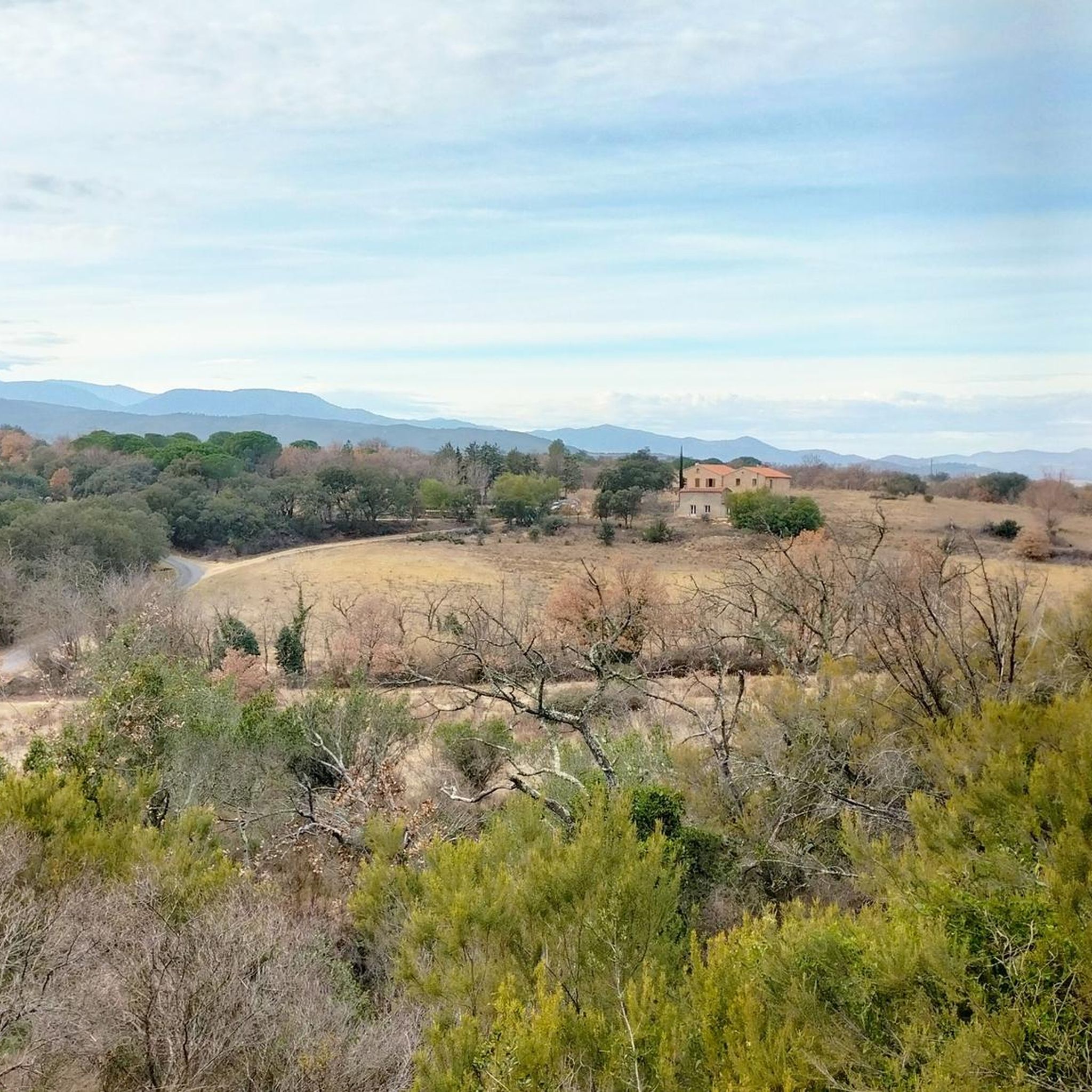
Quiet path, with views of the Pyrenees.
0
0


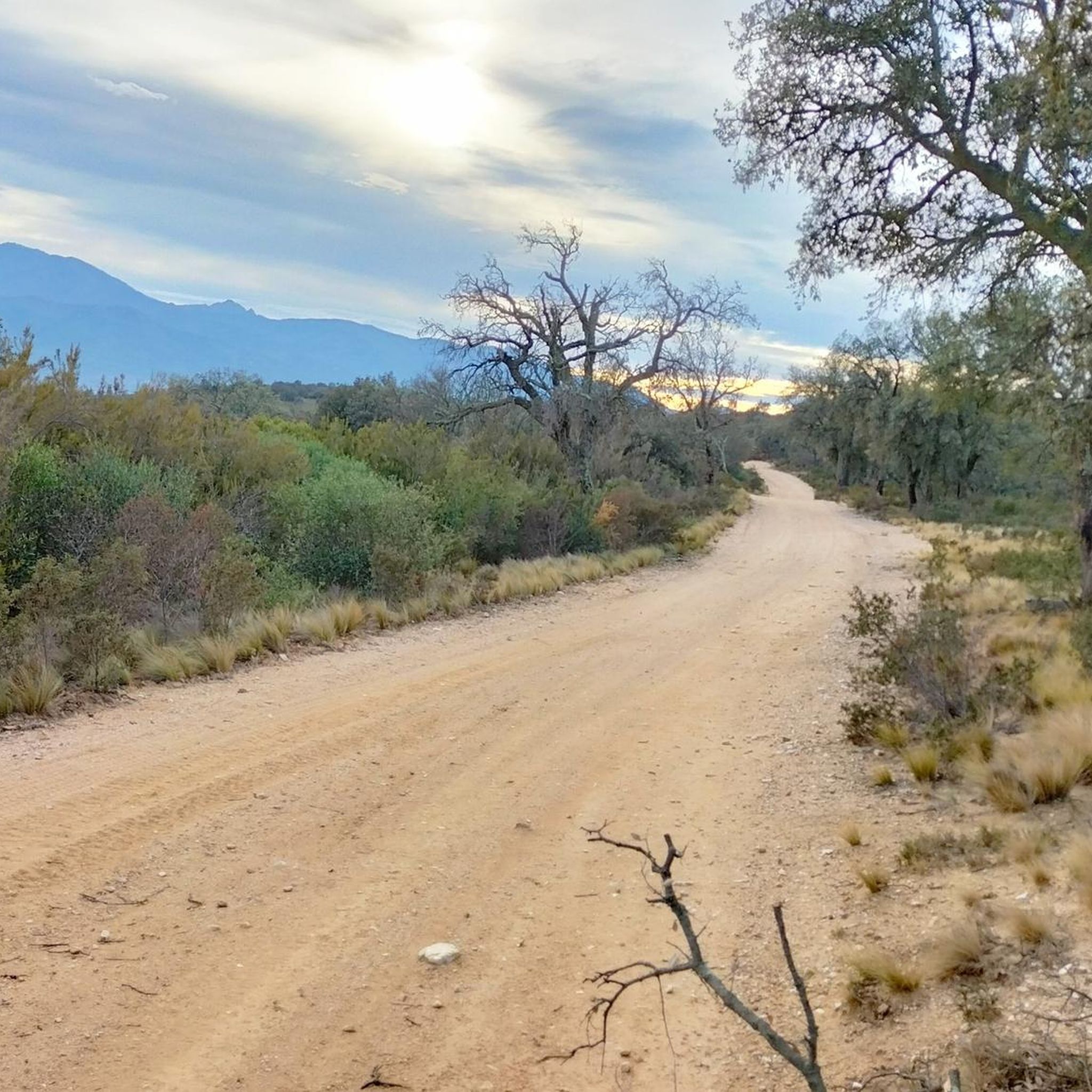
Narrow but easy to ride. Really nice, next to fruit field
0
0


This village lies at the foot of the Aspres and is surrounded by two limestone plateaus, the Causse de Thuir and the Roc de Majorque (altitude 443 m). Founded in the 10th century, it seems to have been forgotten by time after serving as the capital of the Viscounty of Vallespir for more than three centuries.
0
0
Castelnou is situated at the foot of the Aspres Mountains, with the legendary Catalan mountain Canigou in the background.
0
0
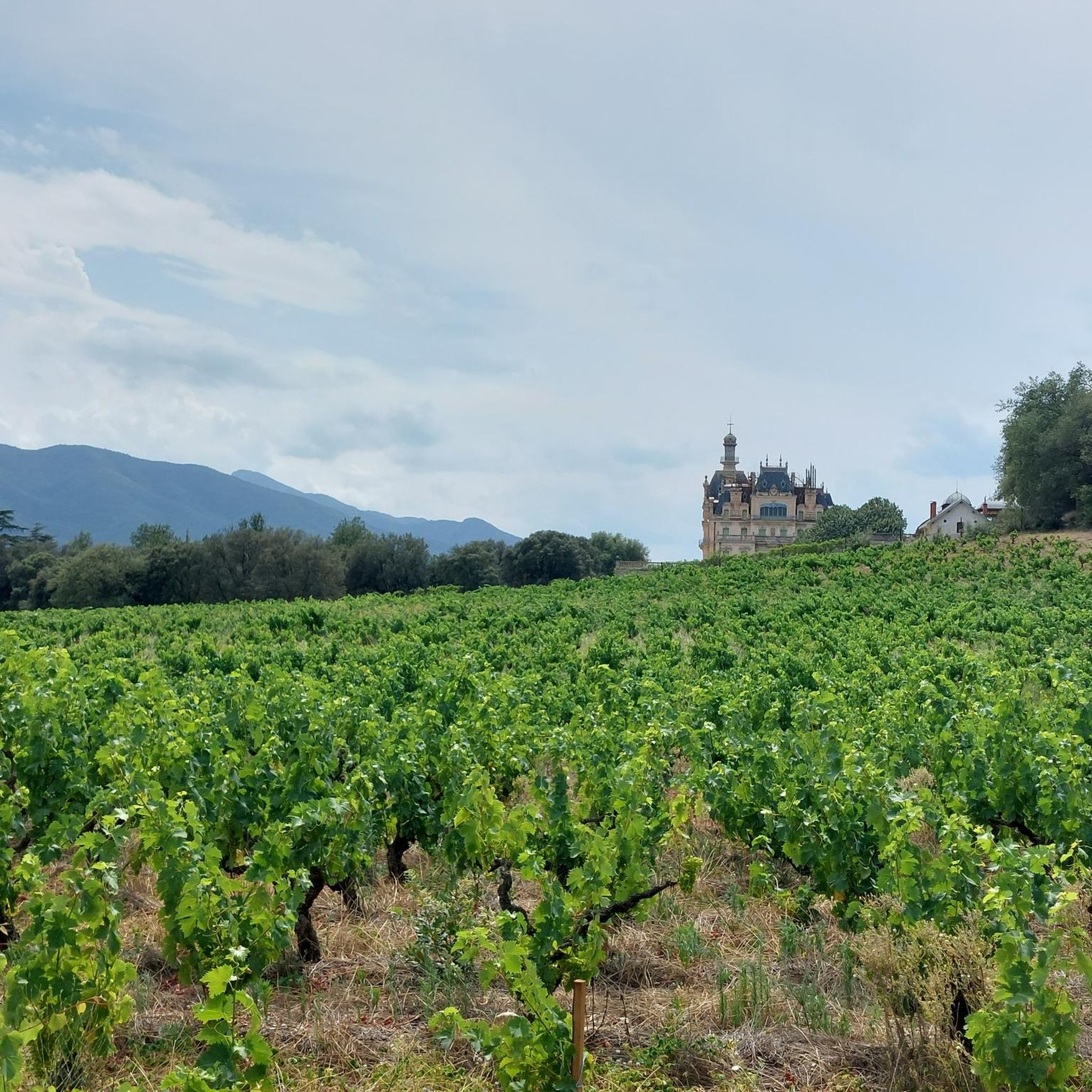
This castle likely dates back to the 12th century. Although medieval in design, it was remodeled in the 13th and then again in the 16th century. Its architecture is inspired by medieval Catalan architecture, and it is likely privately owned.
0
0

Charming place with a fantastic bar/restaurant, El Tap. Simply great and a great base for exploring the region by bike/gravel bike/mountain bike.
1
0
Frequently Asked Questions
What kind of terrain can I expect on gravel bike trails around Fourques?
The region around Fourques offers a diverse landscape for gravel biking. You'll find a mix of flat paths through the unique wetlands of the Camargue, areas with garrigue (scrubland), vineyards, and forest trails. Some routes feature challenging ascents and descents, with terrain ranging from paved sections to rugged chunky gravel and rutted double-tracks, especially in the broader Gard department.
What is the general difficulty level of gravel biking in Fourques?
Gravel biking around Fourques caters to various skill levels, though a significant portion of the trails are quite challenging. Out of 68 available routes, 45 are rated as difficult, 20 as moderate, and 3 as easy. Many routes involve substantial elevation changes and sustained climbs.
What do other gravel bikers say about the trails in Fourques?
The gravel biking routes in Fourques are highly regarded by the komoot community, with an average rating of 4.5 stars from over 13 reviews. More than 200 gravel bikers have used komoot to explore the varied terrain, often praising the challenging climbs and diverse landscapes.
Are there any circular gravel bike routes available in Fourques?
Yes, many gravel bike routes in Fourques are designed as loops. For example, you can try the challenging Les Hostalets Village Street – Fourtou Pass (655 m) loop from Thuir, which covers 61.8 km with significant elevation gain. Another popular option is the Ruins of Mas d'en Moudat – Les Hostalets Village Street loop from Ponteilla, a difficult 65.3 km path.
What natural features can I see while gravel biking in Fourques?
The region is rich in natural beauty. You can explore the unique wetland environment of the Camargue Regional Natural Park, known for its flat paths, salt marshes, and opportunities to observe flamingos and wild Camargue horses. The broader area also features picturesque vineyards, garrigue scrubland, and the significant biodiversity of the Rhône Delta.
Are there any historical landmarks or interesting places to explore near the gravel trails?
Yes, the area around Fourques is dotted with historical and cultural attractions. You can visit the impressive Reynès Iron Bridge or the medieval village of Castelnou. The nearby town of Arles, just 3 kilometers away, also offers numerous Roman and medieval sites. Don't miss the historic Fourques bridge over the Petit Rhône.
Are there any lakes or water bodies accessible from the gravel bike routes?
Yes, there are several beautiful lakes in the vicinity of Fourques. You can find highlights like the Villeneuve-de-la-Raho Reservoir, Lake Raho, and Lake La Raho. These offer scenic spots and potential for water-based leisure activities.
Are there family-friendly gravel bike trails in Fourques?
While many routes in Fourques are rated as difficult, there are a few easier options suitable for families or beginners. These trails typically feature less elevation gain and smoother surfaces. It's advisable to check the specific route details on komoot for distance and elevation to ensure it matches your family's ability level.
Can I bring my dog on the gravel bike trails around Fourques?
Generally, dogs are welcome on many outdoor trails in France, especially in natural areas like those around Fourques. However, it's always best to keep your dog on a leash, especially in areas with wildlife (like the Camargue) or near livestock. Specific rules might apply in certain protected zones, so check local signage.
What is the best season for gravel biking in Fourques?
Fourques offers good gravel biking opportunities for much of the year. Spring and autumn generally provide the most pleasant temperatures for cycling. Summers can be hot, especially in the Camargue, so early morning or late afternoon rides are recommended. Winters are typically mild, but some trails might be muddy after rain.
Where can I find parking for gravel biking in Fourques?
Fourques and its surrounding villages often have public parking areas suitable for cyclists. For routes starting from specific towns like Thuir or Ponteilla, you can usually find parking near the trailhead or in the village center. Always check local signage for any parking restrictions.
Are there cafes or accommodation options for cyclists in Fourques?
Fourques and the nearby towns offer various amenities for cyclists. You'll find cafes, restaurants, and accommodation options ranging from hotels to guesthouses. Many establishments are accustomed to catering to outdoor enthusiasts, especially given the region's popularity for cycling and hiking.
Is there public transport available in Fourques that can accommodate bikes?
Public transport options in the region, such as regional trains (TER) or buses, may allow bikes, often with specific conditions or during off-peak hours. It's highly recommended to check the current policies and schedules of the local transport providers in the Pyrénées-Orientales department before planning your journey with a bike.
Most popular attractions around Fourques

Get inspired with the komoot mobile app


Explore more
Browse the best Gravel rides in other regions.
