The best gravel rides around Saint-Estève
4.7
(29)
234
riders
57
rides
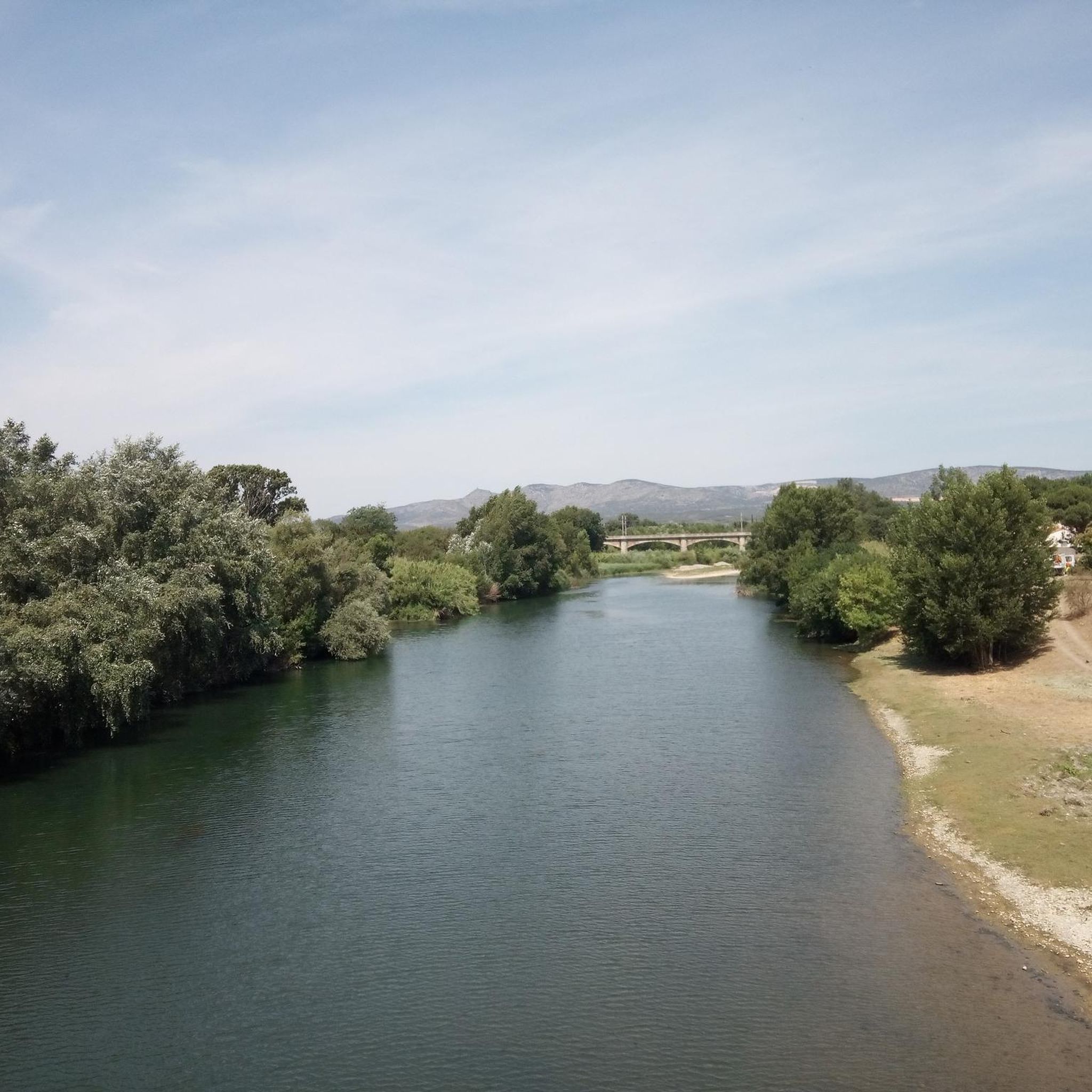
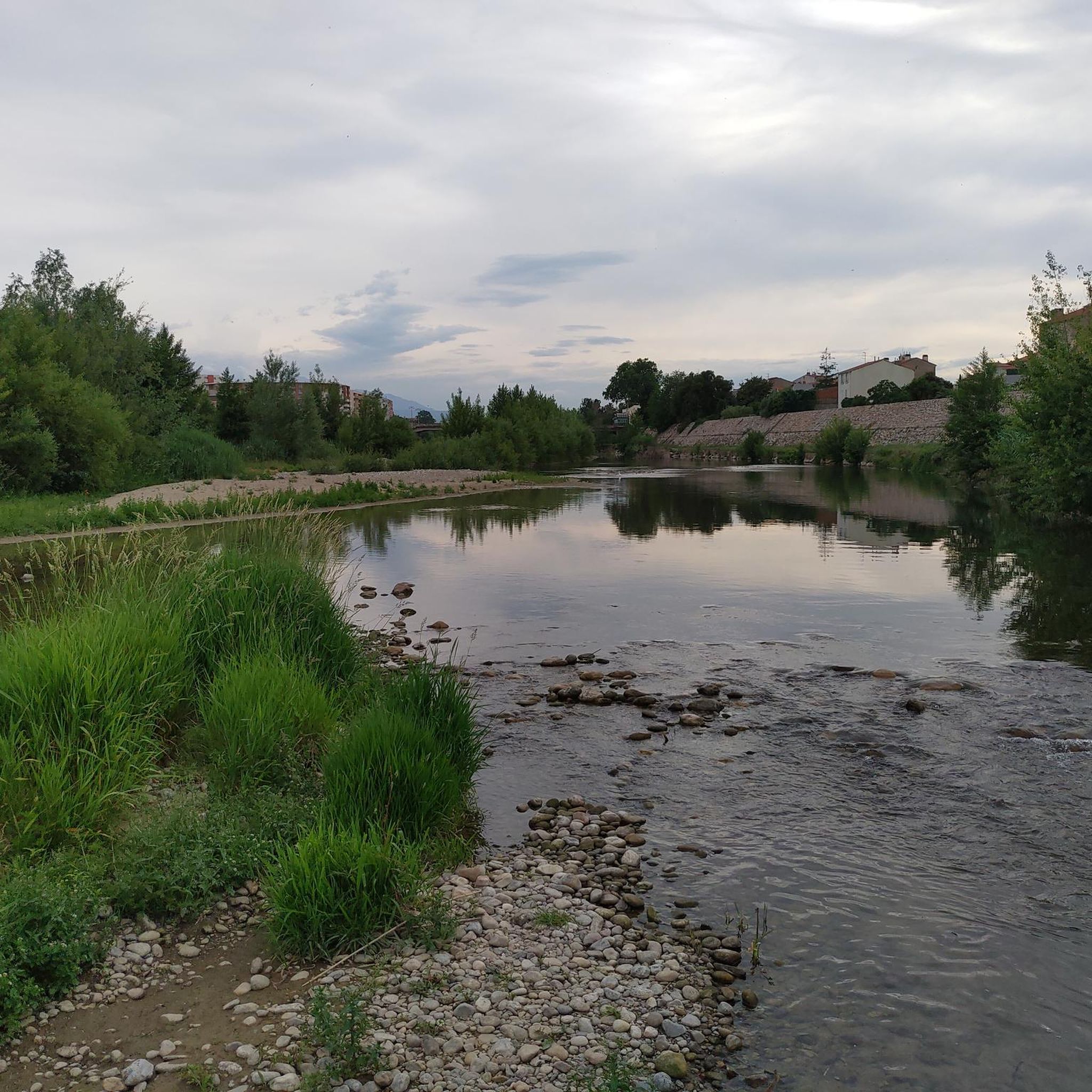
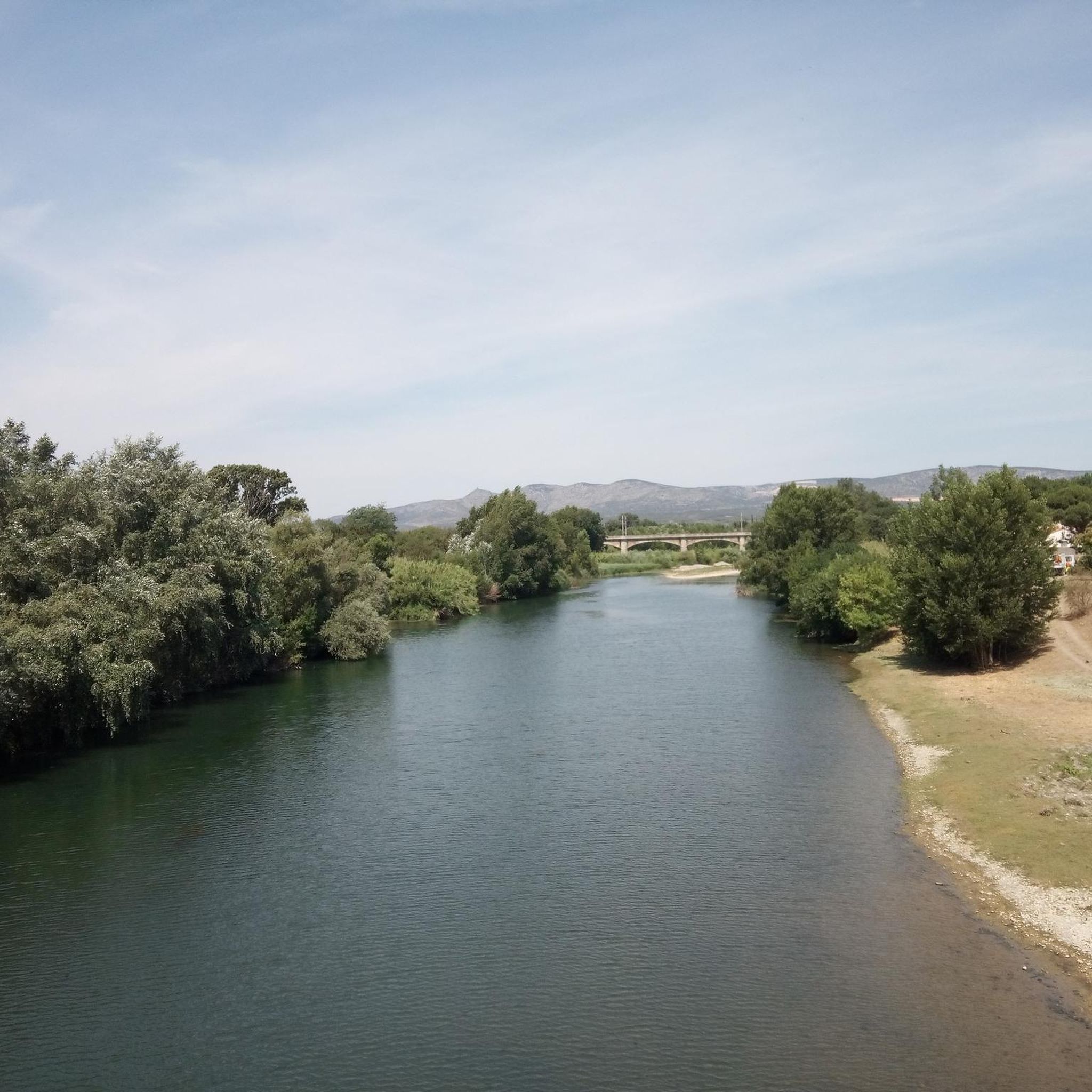
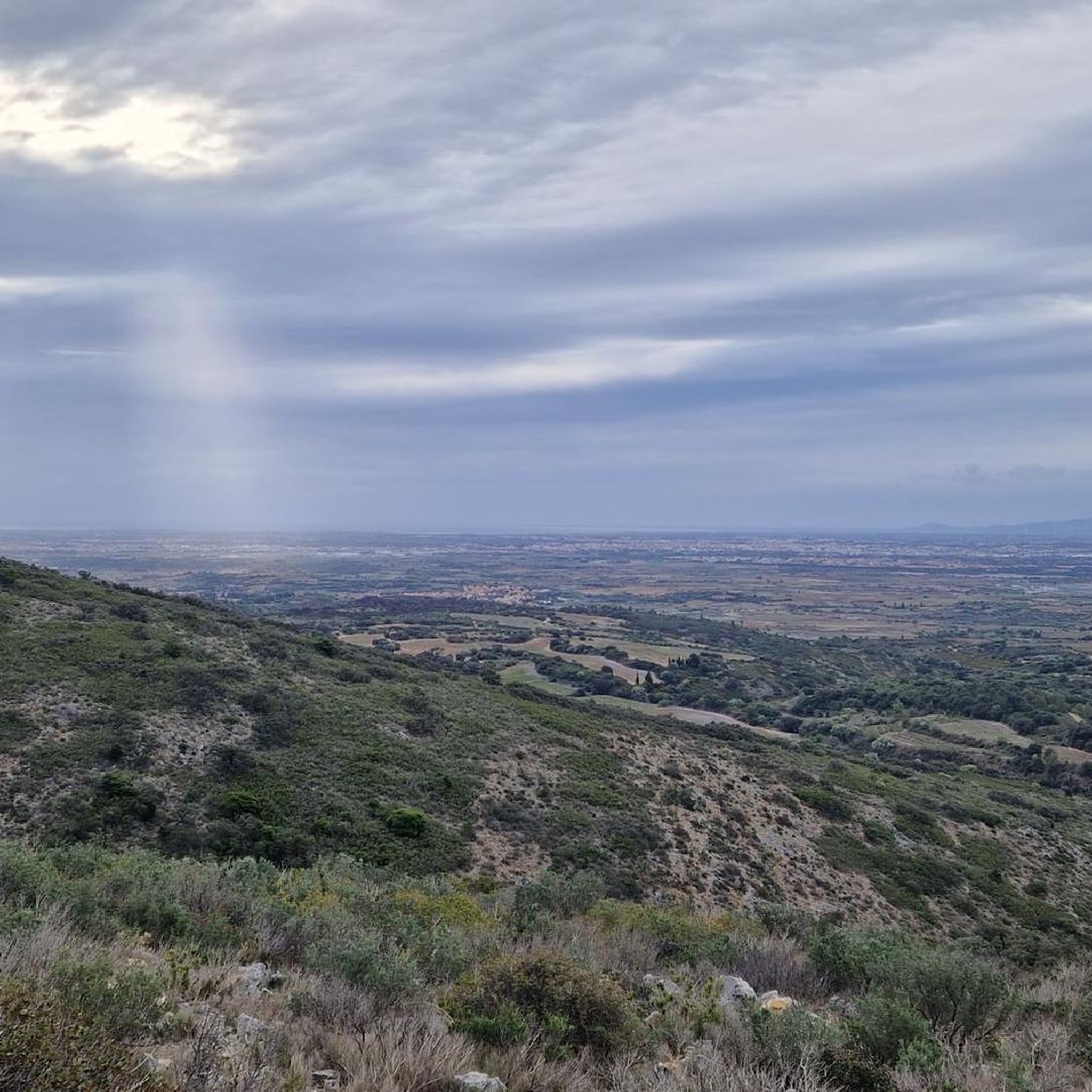
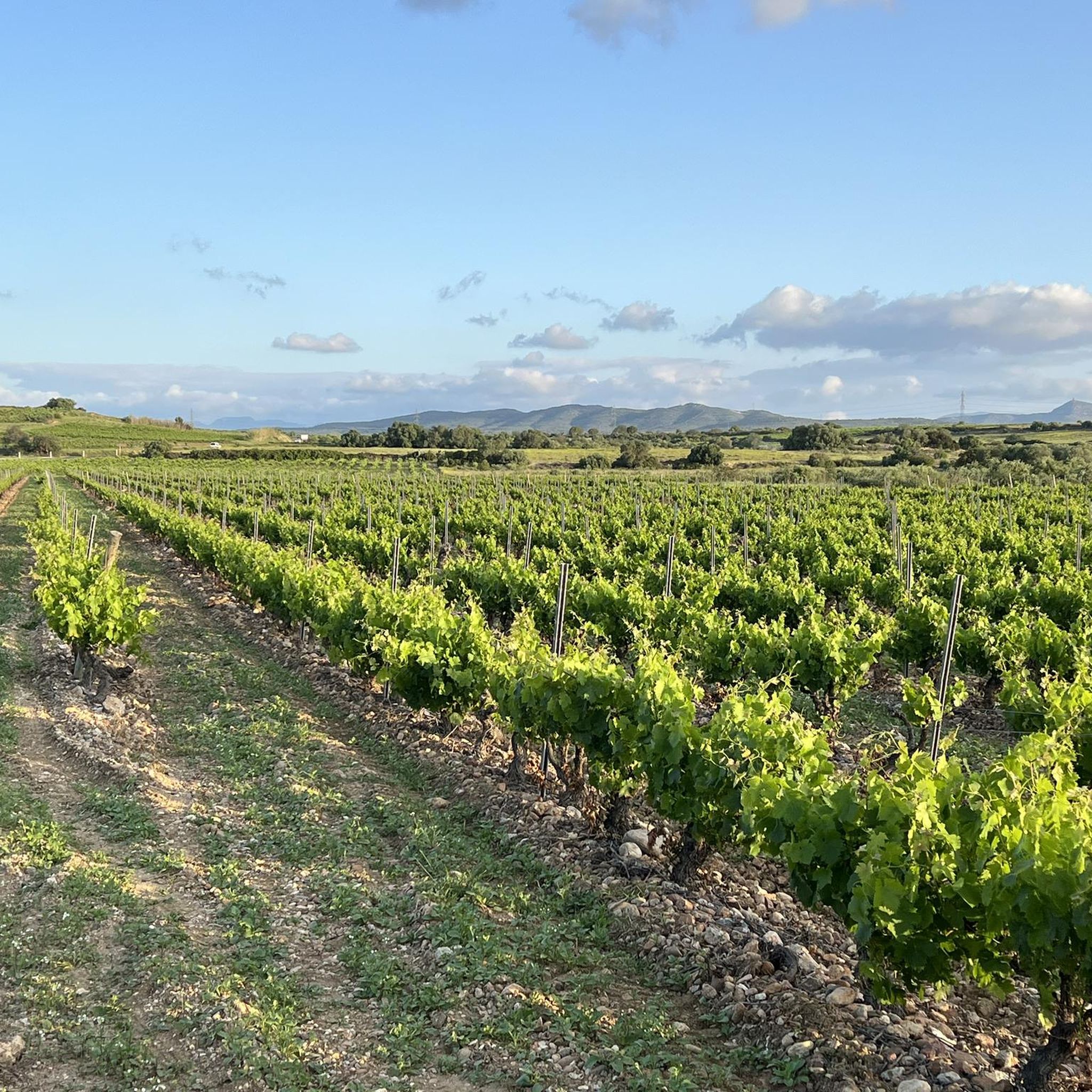
Gravel biking around Saint-Estève, situated on the outskirts of Perpignan, offers diverse terrain from the Mediterranean coast to the foothills of the Pyrenees mountains. The region features varied topography, including flat riverside paths along the Têt river and more challenging routes with significant elevation gain. Natural features like the Étang de Saint-Estève, the unique Orgues d'Ille-sur-Têt, and nearby lagoons such as Étang de Canet-Saint-Nazaire provide a rich environment for gravel biking. This area caters to different skill levels, blending coastal…
Last updated: July 3, 2026
4.4
(8)
75
riders
80.9km
04:55
420m
420m
Moderate gravel ride. Good fitness required. Mostly paved surfaces. Suitable for all skill levels.
18
riders
76.2km
05:29
1,280m
1,280m
Hard gravel ride. Very good fitness required. Mostly paved surfaces. Suitable for all skill levels.

Sign up for free
5.0
(1)
8
riders
61.6km
04:44
980m
980m
Hard gravel ride. Very good fitness required. Mostly paved surfaces. Suitable for all skill levels.
5
riders
43.6km
02:58
590m
590m
Hard gravel ride. Very good fitness required. Mostly paved surfaces. Suitable for all skill levels.
4.6
(5)
5
riders
70.7km
04:07
200m
200m
Hard gravel ride. Good fitness required. You may need to push your bike for some segments of this route.
Get access to more routes and recommendations from other explorers.
Sign up for free
Already have an account?
Our route recommendations are based on thousands of hikes, rides, and runs completed by other people on komoot.
Start today with a free account
Your next adventure awaits.
Login or Signup
Tips from the Community

View of the steep coast from which we just came.
0
0

Narrow but easy to ride. Really nice, next to fruit field
0
0

Very beautiful view towards Agde
1
0

We cross a bridge, with a slightly elevated view and a beautiful view of the village and the sea (but we are at the edge of a busy road, so it is pretty but we do not take a long break there)
0
0

trail nearby was also very nice,
0
0

This castle likely dates back to the 12th century. Although medieval in design, it was remodeled in the 13th and then again in the 16th century. Its architecture is inspired by medieval Catalan architecture, and it is likely privately owned.
0
0
It was built between 1497 and 1502 in the Principality of Catalonia by the Catalan King Ferdinand II of Aragon. The fortress guarded the Catalan side of the border with France. France conquered this fortress in 1642. After the Treaty of the Pyrenees, the fortress became part of France.
1
0

Cap Leucate please NUR with Ship!!!
1
0
Frequently Asked Questions
How many gravel bike trails are available around Saint-Estève?
There are over 60 gravel bike trails around Saint-Estève, offering a wide range of experiences from gentle riverside paths to challenging routes in the Pyrenees foothills. These routes are highly rated by the komoot community, with an average score of 4.6 stars from over 30 reviews.
Are there any family-friendly or beginner gravel bike trails in the area?
Yes, the region offers options suitable for families and beginners. The Têt River greenways provide more relaxed rides on smoother gravel or compacted dirt surfaces. While specific family-friendly routes are not detailed, these riverside paths are generally a good starting point for less experienced riders.
What kind of terrain can I expect on gravel bike trails near Saint-Estève?
The terrain around Saint-Estève is incredibly diverse. You'll find everything from flat, scenic riverside paths along the Têt river to more demanding routes with significant elevation gain as you approach the foothills of the Pyrenees. This variety allows riders to choose trails that match their skill level and desired intensity.
Are there any circular gravel bike routes available?
Yes, many of the gravel bike routes around Saint-Estève are designed as loops. For example, the Salses Fortress – Leucate Lighthouse loop from Rivesaltes is a popular moderate route, and the Garrieux Chapel – Salses Fortress loop from Espira-de-l'Agly also offers a circular journey through agricultural plains and past historical landmarks.
What are some challenging gravel bike routes for experienced riders?
For experienced riders seeking a challenge, routes with significant elevation gain in the pre-Pyrenean areas are ideal. The Sant Martí de la Roca – Corbère Castle loop from Le Soler is a difficult 38.1-mile path featuring varied terrain and historical sites. Another demanding option is the Calce – Aero to Col de la Dona loop from Saint-Estève, which includes over 500 meters of elevation gain.
What natural attractions or viewpoints can I expect to see along the trails?
Many trails offer stunning natural attractions and viewpoints. You might encounter the unique geological formations of the Orgues d'Ille-sur-Têt, enjoy serene views around the Étang de Saint-Estève, or cycle along the edges of the Villeneuve-de-la-Raho Reservoir. Some routes also provide views of the Pyrenees mountains.
Are there any historical sites or landmarks accessible by gravel bike?
Absolutely. The region is rich in history. Routes often pass by significant landmarks such as the Salses Fortress, and the Sant Martí de la Roca – Corbère Castle loop from Le Soler specifically features historical sites. You can also explore the Perpignan city center, with its historical sites like Hotel Pams and Arago Square, which are often accessible from nearby trails.
What is the best time of year for gravel biking in Saint-Estève?
Saint-Estève's location, transitioning from the Mediterranean coast to the Pyrenees foothills, generally offers favorable conditions for gravel biking for much of the year. Spring and autumn typically provide pleasant temperatures, while summer can be warm, especially on exposed routes. Winter conditions are generally mild, but it's always advisable to check local weather forecasts.
Are there any routes that offer views of the Canigou mountain?
Yes, some routes provide impressive views of the iconic Canigou mountain. The Path Along the Stream – View of the Canigou loop from Perpignan is a difficult route that specifically highlights this stunning panorama, offering a rewarding experience for those seeking mountain vistas.
What makes gravel biking in Saint-Estève unique?
Gravel biking in Saint-Estève is unique due to its exceptional geographical position. Riders can experience a diverse blend of landscapes, from the flat, tranquil Têt river greenways to the rugged, unpaved surfaces and significant elevation gains in the pre-Pyrenean areas. This variety, combined with unique geological formations like the Orgues d'Ille-sur-Têt and proximity to historical sites, creates a rich and engaging environment for all types of gravel cyclists.
Most popular routes around Saint-Estève
Most popular attractions around Saint-Estève

Get inspired with the komoot mobile app


Explore more
Browse the best Gravel rides in other regions.
