The best gravel rides around Narbonne
4.3
(201)
1,354
riders
141
rides
Gravel biking around Narbonne offers diverse terrain across the Aude department in France. The region features a mix of paths and trails that traverse varying landscapes, including the coastal areas, wetlands, and scrubland of the Narbonnaise Regional Natural Park. Riders can explore routes along the Canal de la Robine and Canal du Midi, as well as through the limestone formations of the Massif de la Clape and the vineyards of Corbières Maritimes. This varied geography provides options for different gravel…
Last updated: August 26, 2026
4.3
(6)
52
riders
94.6km
05:48
200m
200m
Hard gravel ride. Very good fitness required. Mostly paved surfaces. Suitable for all skill levels.
4.5
(12)
75
riders
44.0km
02:31
150m
150m
Moderate gravel ride. Good fitness required. Mostly paved surfaces. Suitable for all skill levels.

Sign up for free
4.6
(5)
78
riders
62.8km
03:39
260m
260m
Hard gravel ride. Good fitness required. You may need to push your bike for some segments of this route.
4.7
(7)
53
riders
35.1km
01:58
30m
30m
Easy gravel ride. Great for any fitness level. Mostly paved surfaces. Suitable for all skill levels.
4.4
(8)
79
riders
59.2km
03:34
350m
350m
Moderate gravel ride. Good fitness required. Mostly paved surfaces. Suitable for all skill levels.
3.0
(1)
28
riders
32.4km
02:30
90m
90m
Moderate gravel ride. Good fitness required. Mostly paved surfaces. Suitable for all skill levels.
4.7
(21)
160
riders
127km
07:31
300m
300m
Hard gravel ride. Very good fitness required. Mostly paved surfaces. Suitable for all skill levels.
4.8
(5)
37
riders
32.0km
01:34
60m
60m
Easy gravel ride. Great for any fitness level. Mostly paved surfaces. Suitable for all skill levels.
4.6
(9)
47
riders
44.9km
02:16
120m
120m
Moderate gravel ride. Good fitness required. Mostly paved surfaces. Suitable for all skill levels.
5.0
(2)
13
riders
71.9km
06:37
1,930m
1,930m
Hard gravel ride. Very good fitness required. Mostly paved surfaces. Suitable for all skill levels.
Get access to more routes and recommendations from other explorers.
Sign up for free
Already have an account?
Our route recommendations are based on thousands of hikes, rides, and runs completed by other people on komoot.
Start today with a free account
Your next adventure awaits.
Login or Signup
Popular around Narbonne
Gravel biking in La Narbonnaise En Méditerranée

Gravel biking around Armissan
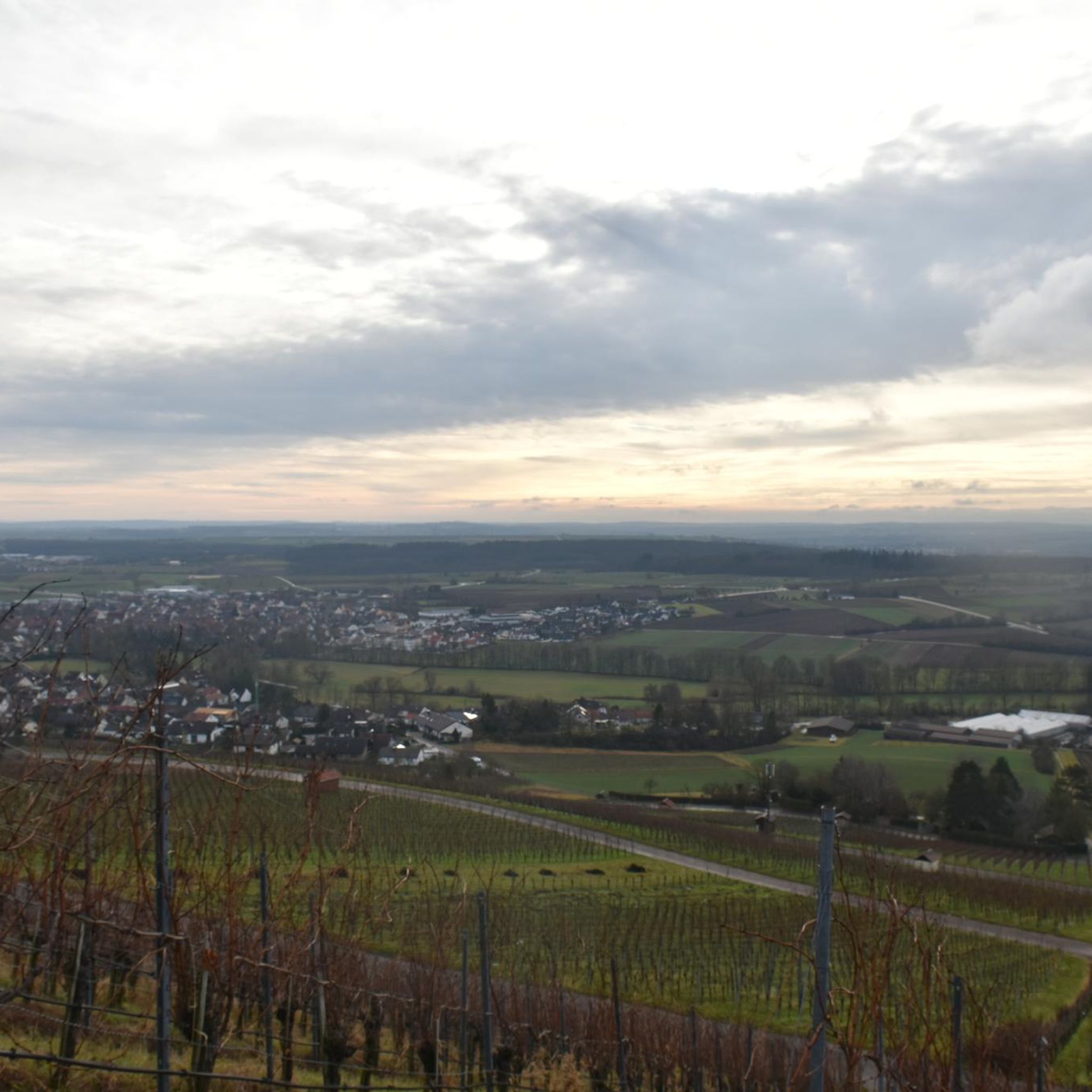
Gravel biking around Mailhac

Gravel biking around Montredon-Des-Corbières

Gravel biking around Gruissan
Gravel biking around Port-La-Nouvelle
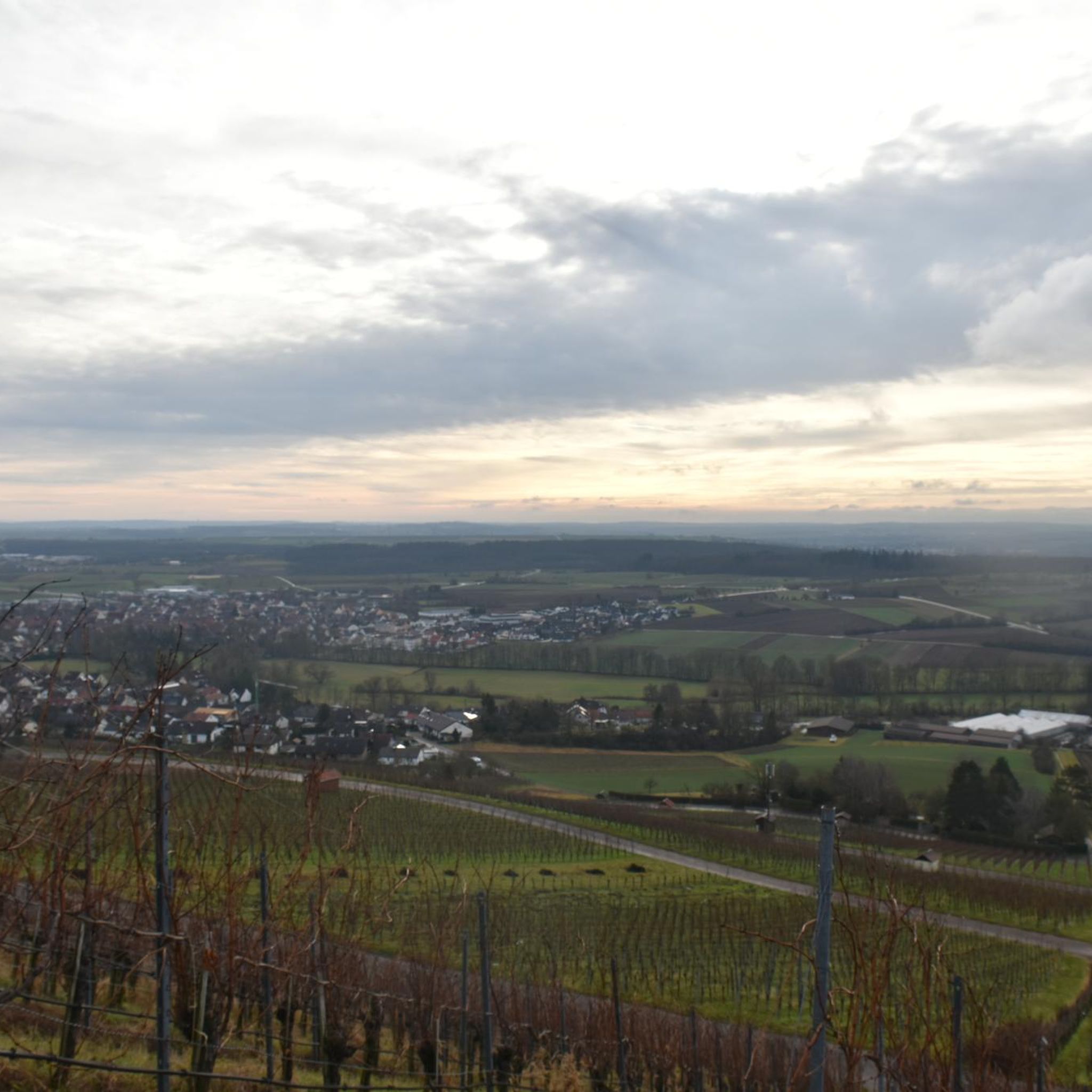
Gravel biking around Canet
Gravel biking around Villedaigne

Gravel biking around Peyriac-De-Mer
Gravel biking around Vinassan
Other adventures around Narbonne


Tips from the Community

Here, we reach the spot where the Canal Sainte-Marie flows into the Gruissan pond. The waters of the canal then mix with those of the lagoon, which have a higher salinity due to the exchange with the sea. On the other side of the pond, the Barberousse Tower reveals itself on its limestone promontory. Built between 1245 and 1247 by the Archbishop of Narbonne, Guillaume de Broa, this tower is the main remnant of the medieval castle that guarded the maritime access to the Narbonne area.
0
0
From this narrow strip of land, the lagoon landscape of Gruissan reads almost like a succession of parallel bands: the wetlands and secondary ponds to the south, the path, the Sainte-Marie canal, then the Gruissan pond to the north. The Sainte-Marie canal bears witness to the former hydraulic development of the coastal plain. Integrated into a network of canals intended to manage its waters, it notably participated in the draining of the former salt pond. Today, it contributes to the freshwater supply of the Gruissan pond and thus participates in the salinity variations of the lagoon. Beyond the pond, the reliefs of Gruissan and the Barberousse Tower stand out on the horizon.
0
0
From the pond of Gruissan, there is a wide panorama of the village and the Tour Barberousse. The current tower, built between 1245 and 1247 by the archbishop of Narbonne, Guillaume de Broa, is the main remnant of a medieval castle that guarded the maritime access to the Narbonne area.
0
0

The Trèbes locks are a flight of locks composed of three basins. Built around 1674, it is located downstream from the port of Trèbes at the exit of the town in the direction of the village of Marseillette. Taking advantage of the strong difference in level of the flight, an intense milling activity was established on the left bank of the lock. A first upper mill was built at the end of the 17th century. It is crossed by a diversion of the Canal du Midi which ensures its operation; it is described as having four millstones with a stable and a shed. A transformation of this first mill was carried out in 1867 to make it a flour mill comprising 6 millstones. This new building, later enlarged in the 1930s, consists of a base and 4 floors at its highest point. Today it has been converted into a restaurant.
0
0
The pond covers an area of 2000 ha, and is shared between the municipalities of Marseillette, Aigues-Vives, Saint-Frichoux and Puichéric. In the past, it supplied the region with fish. From the 12th century onwards, people began to talk about draining this stagnant body of water, a source of death and misery for Marseillette and the surrounding villages, which were becoming depopulated. In 1605, Henry IV issued a royal decree to drain the Pond. But it wasn't until 1804 and the purchase of the Pond by an Irishwoman, Madame de Lawless, that it was drained, thanks to a vast construction project. The pond was then cultivated and developed to use the waters of the Aude, with an original irrigation system consisting of perpendicular canals allowing the flooding of the land. Today, vines, apples, and rice are the main products found there. Its quiet and flat paths are very pleasant for hiking or cycling, in a typical landscape.
0
0
The l'Aiguille lock is a double lock on the Canal du Midi located in the commune of Puichéric.
0
0
L'Epanchoir de l'Argent Double, classified as a historic monument: started in 1677 and completed in 1694 according to Vauban's plans, it allows the canal to discharge its excess water.
0
0
The Canal du Midi, formerly Canal Royal, is a 17th-century technical feat designed by Pierre-Paul Riquet to connect the Atlantic to the Mediterranean. Today, it is above all a place for relaxation and discovery, where heritage, nature, and conviviality blend together.
0
0
Frequently Asked Questions
How many gravel bike trails are available around Narbonne?
There are over 200 gravel bike routes around Narbonne listed on komoot, offering a wide range of experiences. You'll find options for various skill levels, including 45 easy, 110 moderate, and 52 difficult trails.
What kind of terrain can I expect on gravel bike trails near Narbonne?
The region around Narbonne offers incredibly diverse terrain for gravel biking. You can expect a mix of coastal paths, tranquil canal routes along the Canal de la Robine and Canal du Midi, and trails through the wetlands and scrubland of the Narbonnaise Regional Natural Park. You'll also encounter limestone formations in areas like the Massif de la Clape and vineyards in the Corbières Maritimes.
Are there any family-friendly gravel cycling routes in the Narbonne area?
Yes, many of the routes along the canals, such as the View over Paraza – Paraza canal bridge loop from Homps, are relatively flat and shaded, making them ideal for families. The towpaths of the Canal de la Robine are particularly well-suited for relaxed cycling. These routes often provide easy access and scenic views without significant elevation changes.
What are some notable landmarks or natural features I can see along the gravel trails?
Many gravel routes offer stunning views and pass by significant landmarks. You can cycle past the beautiful Gruissan Lagoon, the historic Port of Somail, or the impressive Cap Leucate Lighthouse. The region is also home to the vast Narbonnaise Regional Natural Park, featuring the Etang de Bages-Sigean, known for wildlife spotting, and the dramatic Gouffre de l'Oeil-Doux with its emerald-green lake.
What is the best time of year for gravel biking in Narbonne, considering weather and wind?
While gravel biking is enjoyable year-round, local cycling clubs often find the winter months ideal due to cooler temperatures. Spring and autumn offer pleasant conditions with milder weather. Summers can be hot, but coastal routes and shaded canal paths provide relief. Be aware of the Tramontane wind, which can be strong in the region, especially on exposed coastal sections.
Are there any circular gravel routes available around Narbonne?
Yes, many of the gravel routes in the area are designed as loops, allowing you to start and finish at the same point. Examples include the popular Gruissan Lagoon – Ayrolle Pond loop from Grotte de la Crouzade and the Leucate Lighthouse – Leucate Lighthouse loop from Leucate-La Franqui. These circular routes make planning your ride and return journey straightforward.
Where can I find parking or access trails via public transport in the Narbonne area?
Many trailheads, especially those starting from towns like Gruissan, Leucate, or along the Canal du Midi, offer designated parking areas. For public transport, Narbonne itself is well-connected, and local bus services can often get you close to various starting points. It's advisable to check specific route details for parking information and public transport accessibility.
What do other gravel bikers enjoy most about the trails in Narbonne?
The gravel biking experience in Narbonne is highly rated by the komoot community, with an average score of 4.4 stars from over 220 reviews. Riders frequently praise the varied terrain, from scenic coastal paths and tranquil canal routes to the more challenging sections within the Massif de la Clape. The stunning natural beauty of the Narbonnaise Regional Natural Park and the historical charm of the canal routes are often highlighted.
Are there any specific rules or permits required for gravel biking in the Narbonne region?
Generally, no specific permits are required for gravel biking on public paths and trails in the Narbonne area, including within the Narbonnaise Regional Natural Park. However, always respect local signage, private property, and environmental regulations, especially in protected natural areas. Stick to marked trails to preserve the natural environment.
Can I find cafes, restaurants, or accommodation near the gravel trails?
Yes, many gravel routes pass through or near charming villages and towns where you can find cafes, restaurants, and accommodation. Areas along the Canal du Midi and Canal de la Robine, as well as coastal towns like Gruissan and Leucate, offer numerous options for refreshments and overnight stays. For example, the The Port of Somail – Canal du Midi Bridge loop from Coursan passes by the historic Port of Somail, which has amenities.
Are there any easy gravel routes suitable for beginners or those looking for a relaxed ride?
Absolutely. The Narbonne area offers several easy gravel routes, particularly those that follow the canals. These paths are generally flat, well-maintained, and often shaded by trees, making them perfect for beginners or a leisurely ride. Look for routes with minimal elevation gain, such as those along the Canal de la Robine or sections of the Canal du Midi.
What are the options for renting a gravel bike in Narbonne?
While komoot does not directly offer bike rentals, Narbonne and its surrounding towns have several bike rental shops that cater to various cycling needs, including gravel bikes. It's recommended to search online for 'gravel bike rental Narbonne' or inquire with local tourist offices upon arrival for the most current options and availability.
Most popular routes around Narbonne
Most popular attractions around Narbonne

Get inspired with the komoot mobile app


Didn’t find what you were looking for?
Check out more Gravel rides throughout Narbonne below and find the perfect route in your destination.
Explore more
Browse the best Gravel rides in other regions.
