The best gravel rides around Totalán
3.0
(2)
44
riders
11
rides
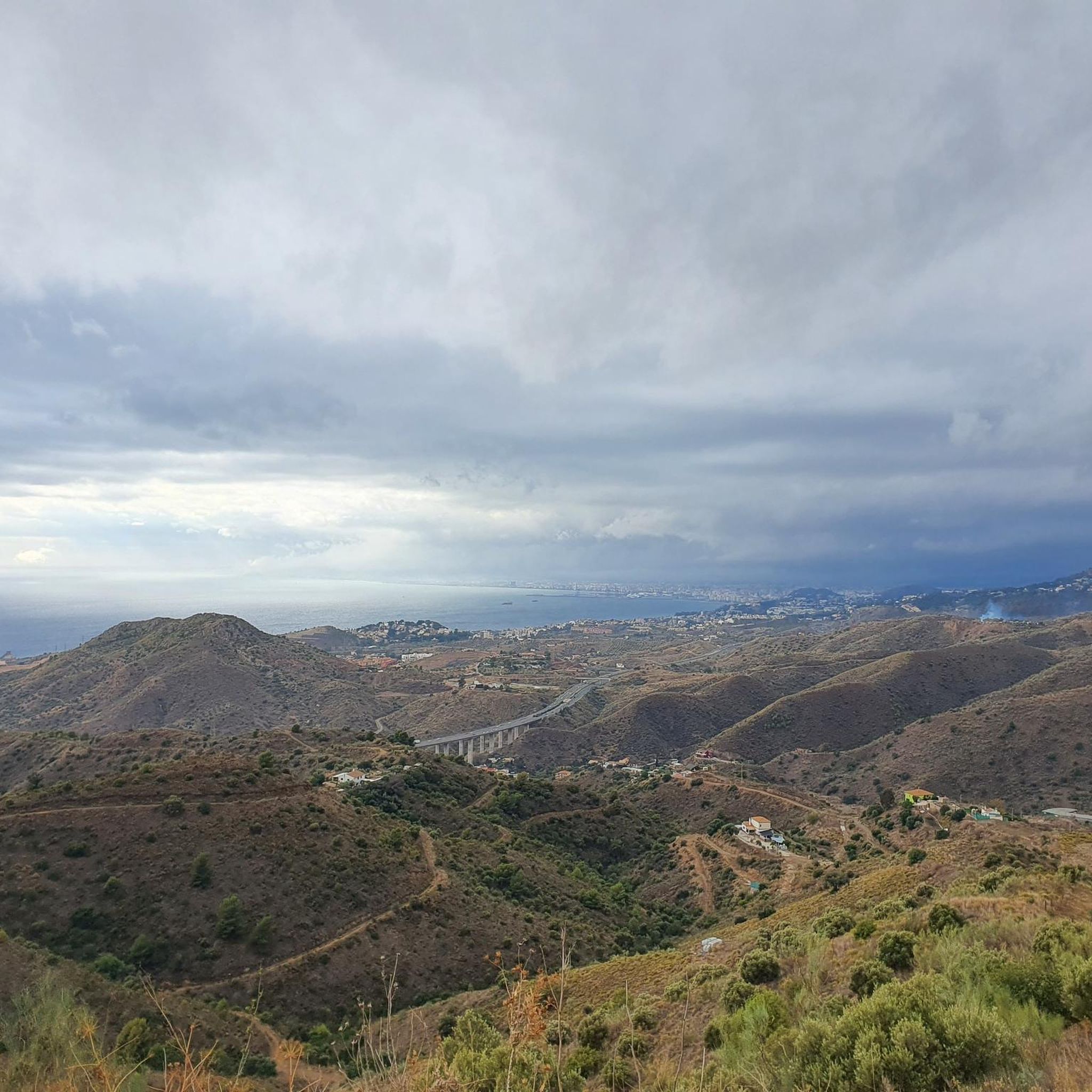
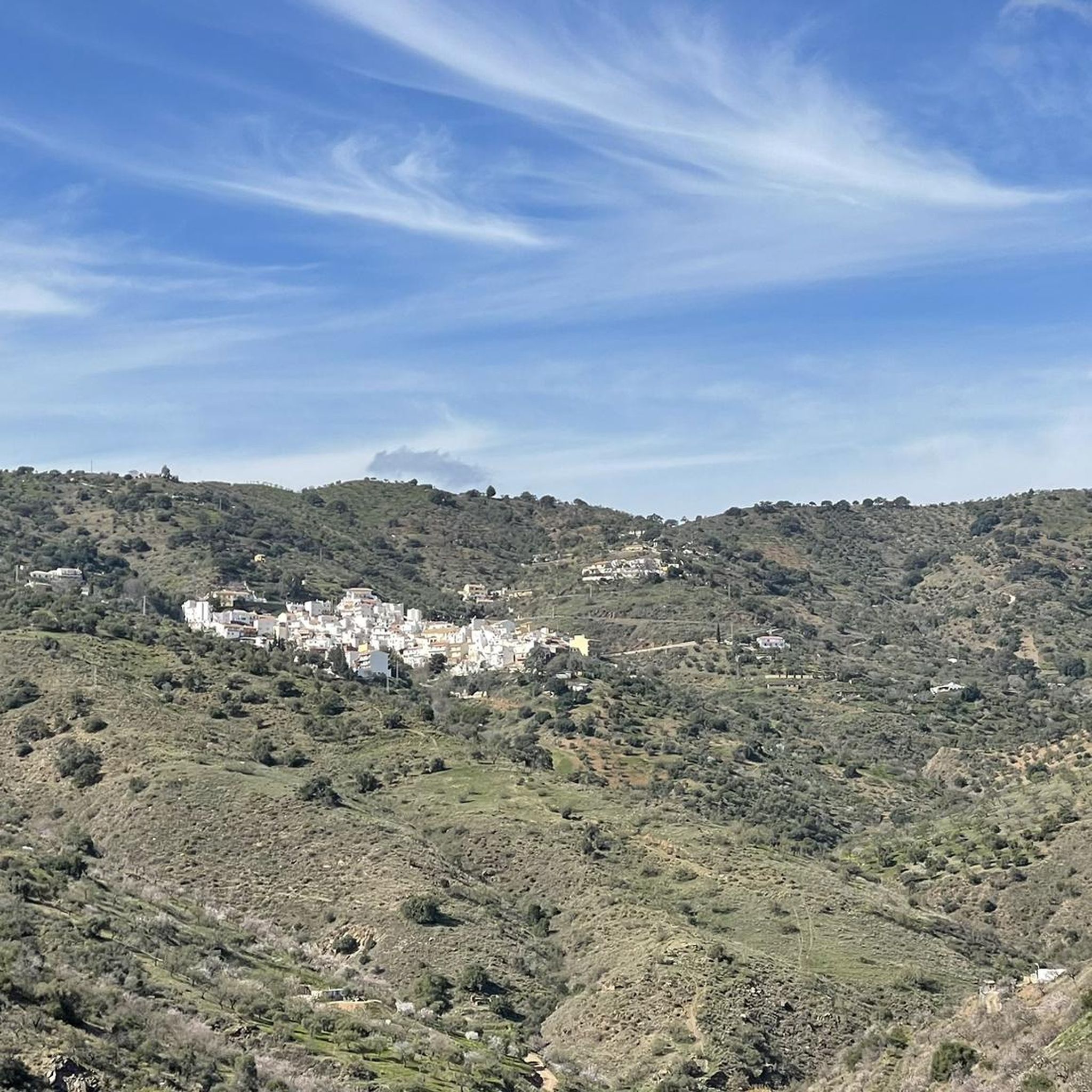
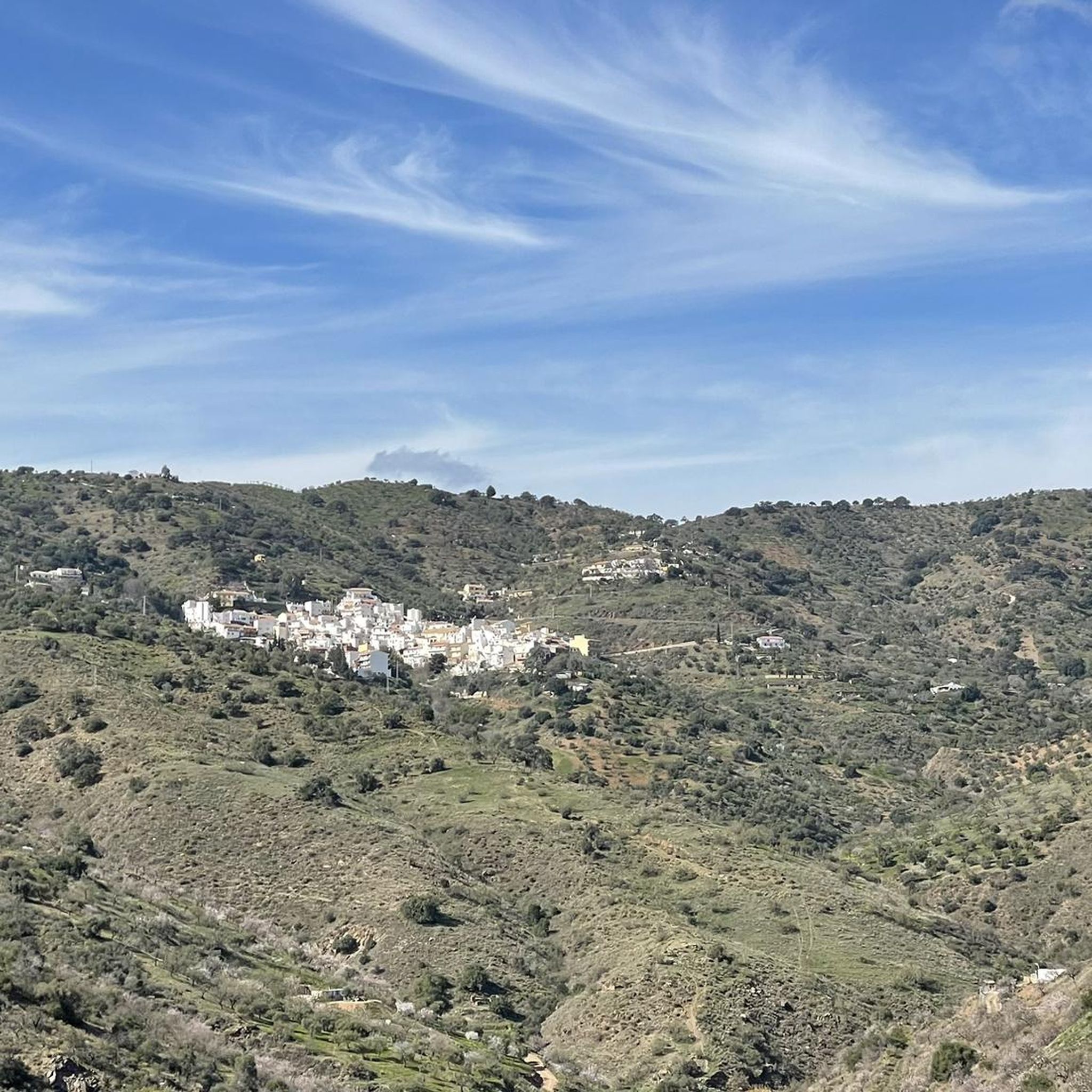
Gravel biking around Totalán offers routes through varied terrain, characterized by hilly landscapes and proximity to the Mediterranean coast. The region features significant elevation changes, with many routes ascending into the Montes de Málaga. Trails often provide panoramic views of the coastline and surrounding countryside, traversing pine forests, river valleys, and agricultural areas with vineyards and almond groves. This area provides a mix of challenging climbs and scenic paths suitable for gravel cyclists.
Best gravel bike trails around Totalán
- The…
Last updated: July 3, 2026
4
riders
26.8km
02:23
780m
780m
Hard gravel ride. Very good fitness required. Mostly paved surfaces. Suitable for all skill levels.
11
riders
Easy gravel ride. Great for any fitness level. Mostly paved surfaces. Suitable for all skill levels.

Sign up for free
7
riders
Hard gravel ride. Very good fitness required. Mostly paved surfaces. Suitable for all skill levels.
3
riders
36.6km
03:14
1,040m
1,040m
Hard gravel ride. Very good fitness required. Mostly paved surfaces. Suitable for all skill levels.
15
riders
95.9km
06:28
1,620m
1,620m
Hard gravel ride. Very good fitness required. Mostly paved surfaces. Suitable for all skill levels.
Get access to more routes and recommendations from other explorers.
Sign up for free
Already have an account?
Our route recommendations are based on thousands of hikes, rides, and runs completed by other people on komoot.
Start today with a free account
Your next adventure awaits.
Login or Signup
Tips from the Community

The Casa Fuerte de Bezmiliana is one of the most emblematic buildings in Rincón de la Victoria and was built in 1766, during the reign of Charles III. Its function was to reinforce the defense of the coast against pirate attacks and invasions, complementing the area's watchtower system. With its square floor plan, robust walls, corner towers, and old moat, it is a good example of 18th-century coastal military architecture. Today it functions as a cultural space and hosts exhibitions and activities throughout the year.
1
0
The Cantal tower is an old watchtower located on a rocky promontory, about 30 meters above the sea. Of Nasrid or Moorish origin, it was part of the coastal defense system and was used to warn of possible pirate attacks by means of smoke or fire signals. Today it is protected as a Site of Cultural Interest and is one of the best spots to enjoy the coastal views.
1
0
The Rincón de la Victoria tunnels were excavated in the rock for the old train that connected Málaga with Vélez-Málaga. That train, popularly known as La Cochinita, transported passengers and goods until it stopped running in 1960. Today, crossing these tunnels is a curious way to glimpse the railway history of the Málaga coast, with sea views between one section and another.
1
0

Nice route separated from the road.
0
0

The Bezmiliana Fortress was built in 1766 in present-day Rincón de la Victoria, in the province of Málaga, and is a typical example of 18th-century military coastal architecture. Its construction took place under the reign of King Charles III, in order to better protect the Andalusian Mediterranean coast against pirate raids and enemy fleets, as the older watchtowers were no longer able to cope with these threats. The fortress has a square floor plan with massive walls, corner towers, and a moat, and was designed to serve both defensive purposes and to house soldiers and horses. Over time, the fortress lost its military importance and partially fell into disrepair. It was only towards the end of the 20th century that it was extensively restored and put to a new use. Since 1992, the Bezmiliana Fortress has served as a cultural center, hosting exhibitions, concerts, and other events. Thus, it has evolved from a military defense structure into an important historical and cultural site in the region.
0
0
Located in the Montes de Málaga, this restaurant is an ideal stop for cyclists exploring the region's mountain trails. The restaurant exudes a rustic, traditional atmosphere, with old tools, jerrycans, and platters evoking the area's agricultural past. The menu features hearty, typical regional dishes such as migas (a type of sausage), Plato de los Montes (a regional specialty), and meat and game dishes—perfect for refueling after a strenuous climb. From the terrace and windows, there are sweeping views of the surrounding mountains and valleys, making the break particularly worthwhile. Venta Galwey is therefore not only a place for good food but also for relaxation and enjoying the scenery during a cycling tour through the Montes de Málaga.
1
0
The monument near Colmenar is a stone memorial monolith commemorating José Campos Fontalba, a chief engineer of the province of Málaga. Constructed of roughly hewn natural stone, it takes the form of a stepped base with an inset cross. At its center is a recessed stone plaque bearing his name, profession, and a dedication. The monument stands at the roadside, surrounded by tall cypress trees, and is clearly visible from the road. It conveys the impression of a traditional, solid memorial, a common feature of the first half of the 20th century. Its simple, robust design and the use of local stone blend harmoniously into the landscape of the Montes de Málaga. Overall, it is a typical example of a Spanish road or engineering monument of that era, commemorating both an individual and the importance of public works in a mountainous region. Today, the monument stands as a silent historical witness by the roadside, preserving the memory of the technical and social development of this area.
1
0
The Torre Vigía de El Cantal is a 14th-century Moorish coastal watchtower that was part of a defense system against pirates. It stands on a rocky outcrop about thirty meters above the sea. The tower is approximately eight to ten meters high, built of stone and limestone, and was used for signaling with smoke and fire. After the Reconquista, it lost its military significance but remained as a landmark. Today, it is protected as a cultural monument ("Bien de Interés Cultural") and offers a breathtaking view of the coast.
4
0
Frequently Asked Questions
How many gravel bike trails are available around Totalán?
There are over 15 gravel bike routes documented around Totalán on komoot, offering a variety of experiences from coastal paths to challenging mountain ascents. The region is known for its hilly terrain and panoramic views.
What is the best time of year for gravel biking in Totalán?
The Mediterranean climate makes Totalán suitable for gravel biking for much of the year. Spring and autumn offer pleasant temperatures, while winter can also be good with cooler, drier days. Summers can be very hot, so early morning or late afternoon rides are recommended during those months.
Are there easy gravel bike routes suitable for beginners or families in Totalán?
Yes, Totalán offers a few easier gravel routes. For a relatively flat coastal experience, consider the Torre del Cantal – Rincón de la Victoria Beach loop from Rincón de la Victoria. This 15.4 km route has minimal elevation gain, making it suitable for those looking for a less strenuous ride.
Are there challenging gravel cycling routes for advanced riders in Totalán?
Absolutely. Totalán is characterized by significant elevation changes, making it ideal for advanced riders seeking a challenge. Routes like the Bolina Pass – View of Olías Village loop from El Palo cover 60.4 km with over 1200 meters of ascent, passing through mountainous terrain with rewarding views.
What kind of views can I expect on gravel bike routes around Totalán?
Gravel biking around Totalán offers diverse and often spectacular views. Many routes ascend into the Montes de Málaga, providing panoramic vistas of the Mediterranean coastline and the surrounding countryside. You'll also encounter charming villages and natural landscapes.
Are there circular gravel bike routes in Totalán?
Most of the gravel bike routes around Totalán are designed as loops, allowing you to start and finish at the same point. Examples include the Montes Road – View of Málaga from El Mirador loop from Monte Gibralfaro and the La Caleta Seafront Promenade – View of Málaga from El Mirador loop from El Palo.
What attractions or landmarks can I see near the gravel bike trails in Totalán?
While riding, you'll often be close to historical and cultural sites. Notable attractions include the impressive Alcazaba of Málaga and the Roman Theatre, the grand Málaga Cathedral, and the scenic Gibralfaro Castle, which offers stunning city views.
Are there gravel bike routes in Totalán with good parking options?
Many routes around Totalán start from towns or coastal areas like El Palo or Rincón de la Victoria, where public parking is generally available. It's advisable to check local parking regulations and availability, especially during peak seasons.
Can I find cafe stops along gravel bike trails in Totalán?
Yes, many routes pass through or near villages and towns where you can find cafes and restaurants. For example, routes starting from El Palo or Rincón de la Victoria offer numerous options for refreshments before, during, or after your ride. Even some mountain passes might have small ventas (inns) for a quick stop.
What do other gravel bikers enjoy about the routes in Totalán?
The gravel biking routes in Totalán are highly rated by the komoot community, with an average score of 4.25 stars from over 7 reviews. Riders frequently praise the challenging climbs, the rewarding panoramic views of the coast and mountains, and the varied terrain that keeps rides interesting.
Are the gravel bike trails in Totalán dog-friendly?
Generally, gravel trails in natural areas are dog-friendly, especially if your dog is accustomed to long distances and varied terrain. However, always keep your dog on a leash, especially near roads, livestock, or in protected areas, and ensure you carry enough water for both of you. Check specific route details for any restrictions.
Most popular attractions around Totalán

Get inspired with the komoot mobile app


Explore more
Browse the best Gravel rides in other regions.
