The best gravel rides around La Rinconada
4.2
(20)
545
riders
93
rides
Gravel bike trails La Rinconada are situated in the province of Seville, Spain, characterized by a predominantly flat to gently rolling landscape. The region features a network of unpaved roads and greenways, often following river courses or old railway lines, providing varied terrain for gravel cycling. These routes frequently pass through agricultural areas, urban parks, and along the banks of the Guadalquivir River. The elevation changes are generally modest, making the area accessible for a range of cycling abilities.
Best…
Last updated: July 8, 2026
21
riders
129km
09:50
1,240m
1,240m
Hard gravel ride. Very good fitness required. Mostly paved surfaces. Suitable for all skill levels.
4.0
(1)
10
riders
Moderate gravel ride. Good fitness required. Mostly paved surfaces. Suitable for all skill levels.

Sign up for free
4.5
(2)
23
riders
46.5km
03:07
110m
110m
Moderate gravel ride. Good fitness required. Mostly paved surfaces. Suitable for all skill levels.
14
riders
83.9km
06:32
380m
380m
Hard gravel ride. Very good fitness required. You may need to push your bike for some segments of this route.
20
riders
38.1km
02:50
320m
320m
Moderate gravel ride. Good fitness required. Mostly paved surfaces. Suitable for all skill levels.
Get access to more routes and recommendations from other explorers.
Sign up for free
Already have an account?
Our route recommendations are based on thousands of hikes, rides, and runs completed by other people on komoot.
Start today with a free account
Your next adventure awaits.
Login or Signup
Tips from the Community

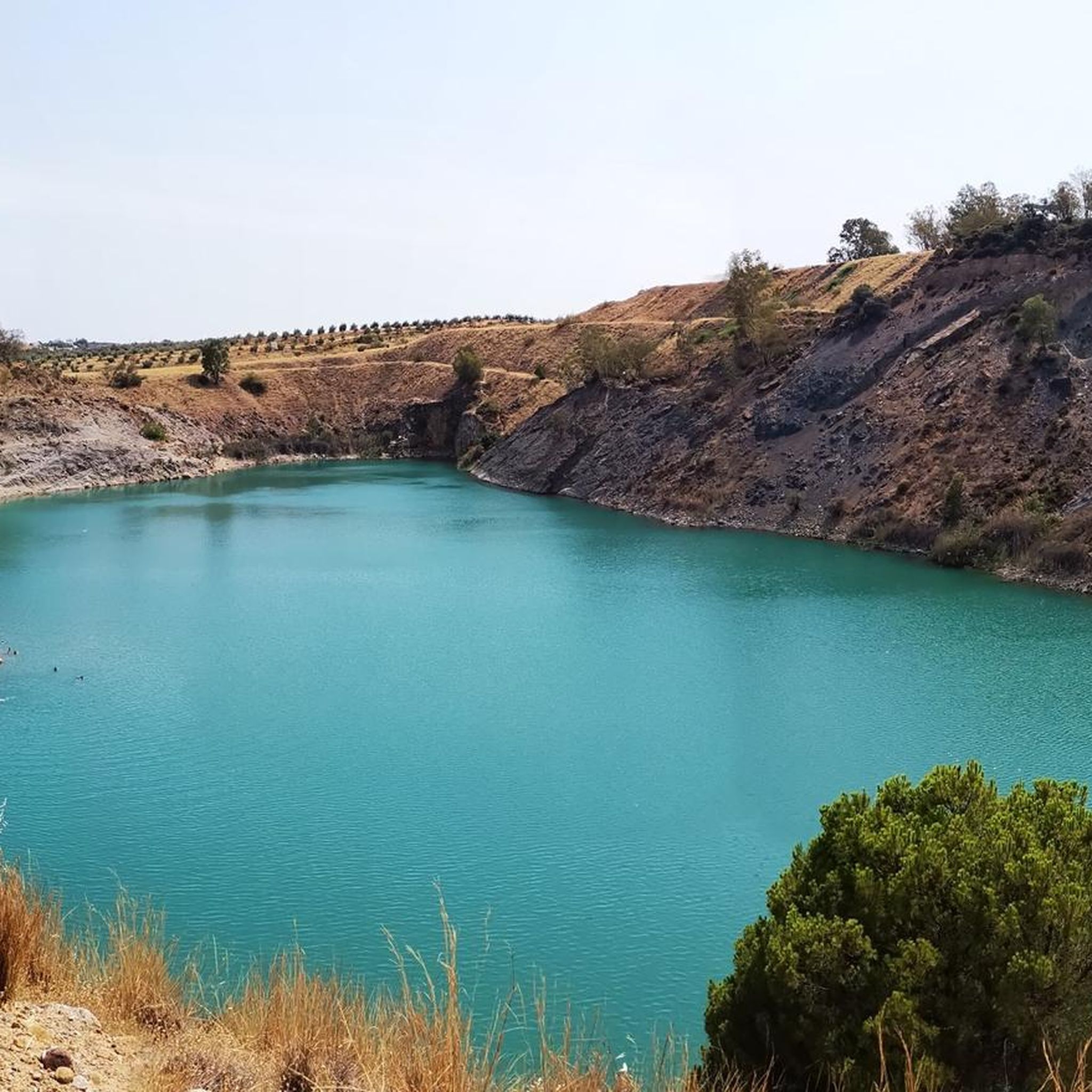
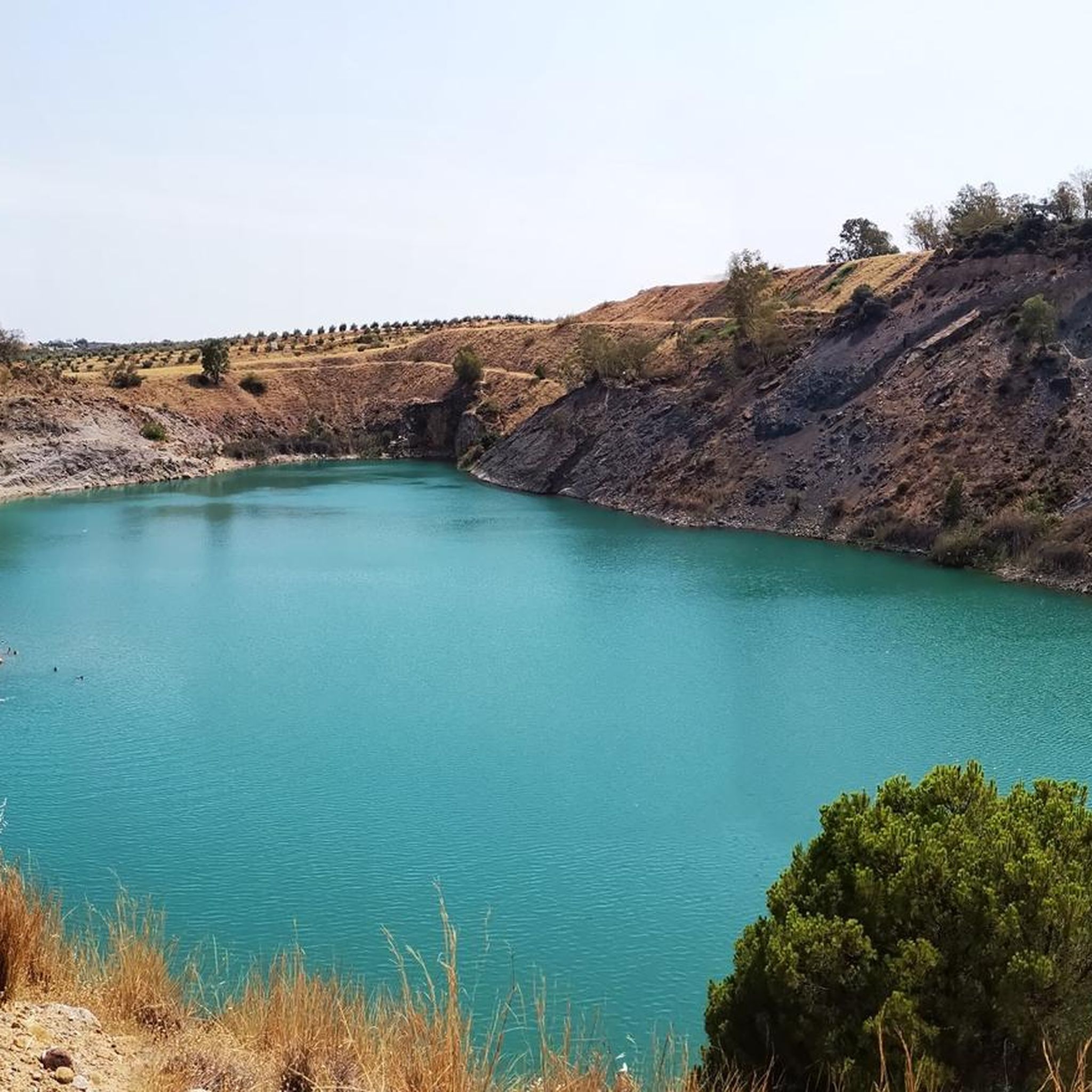
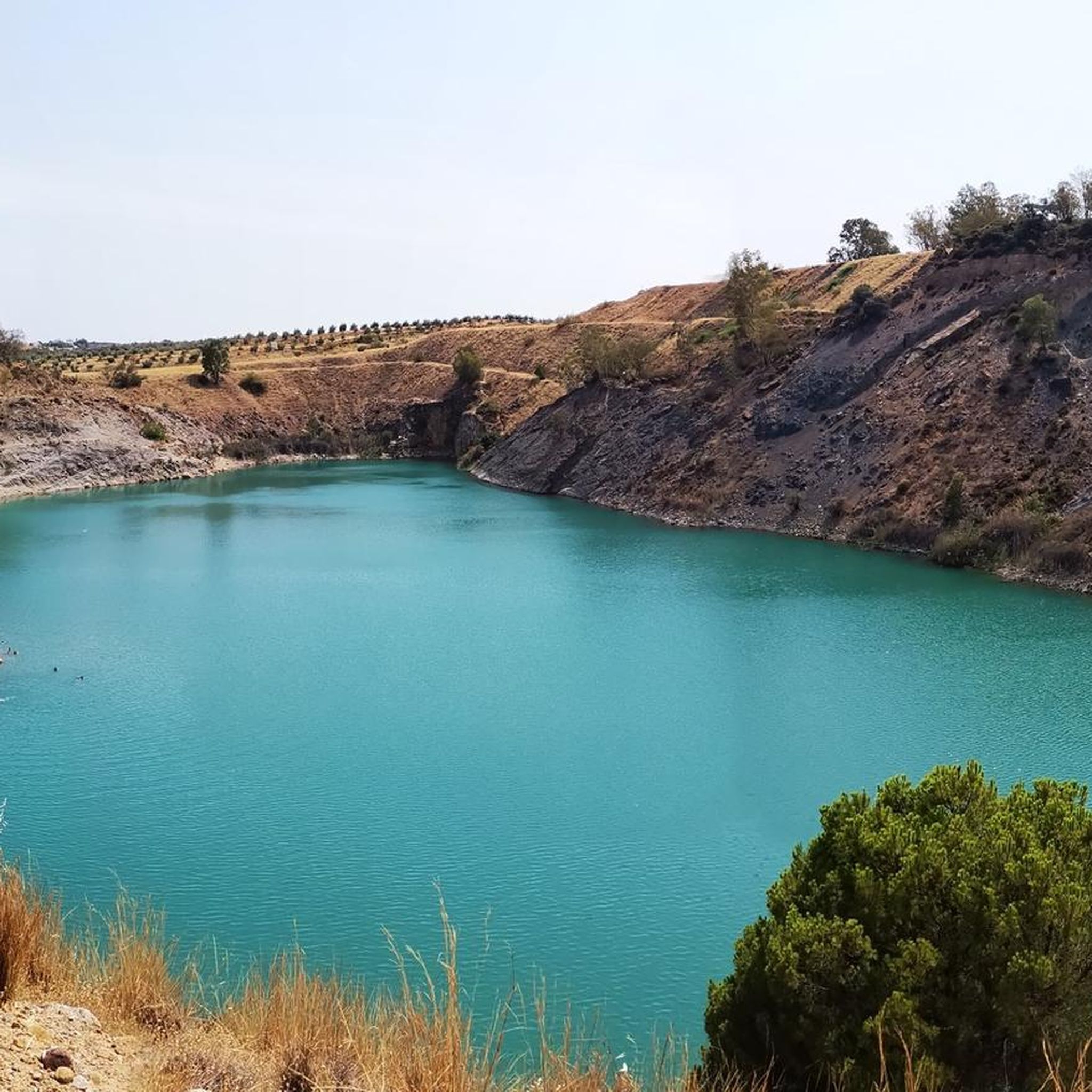
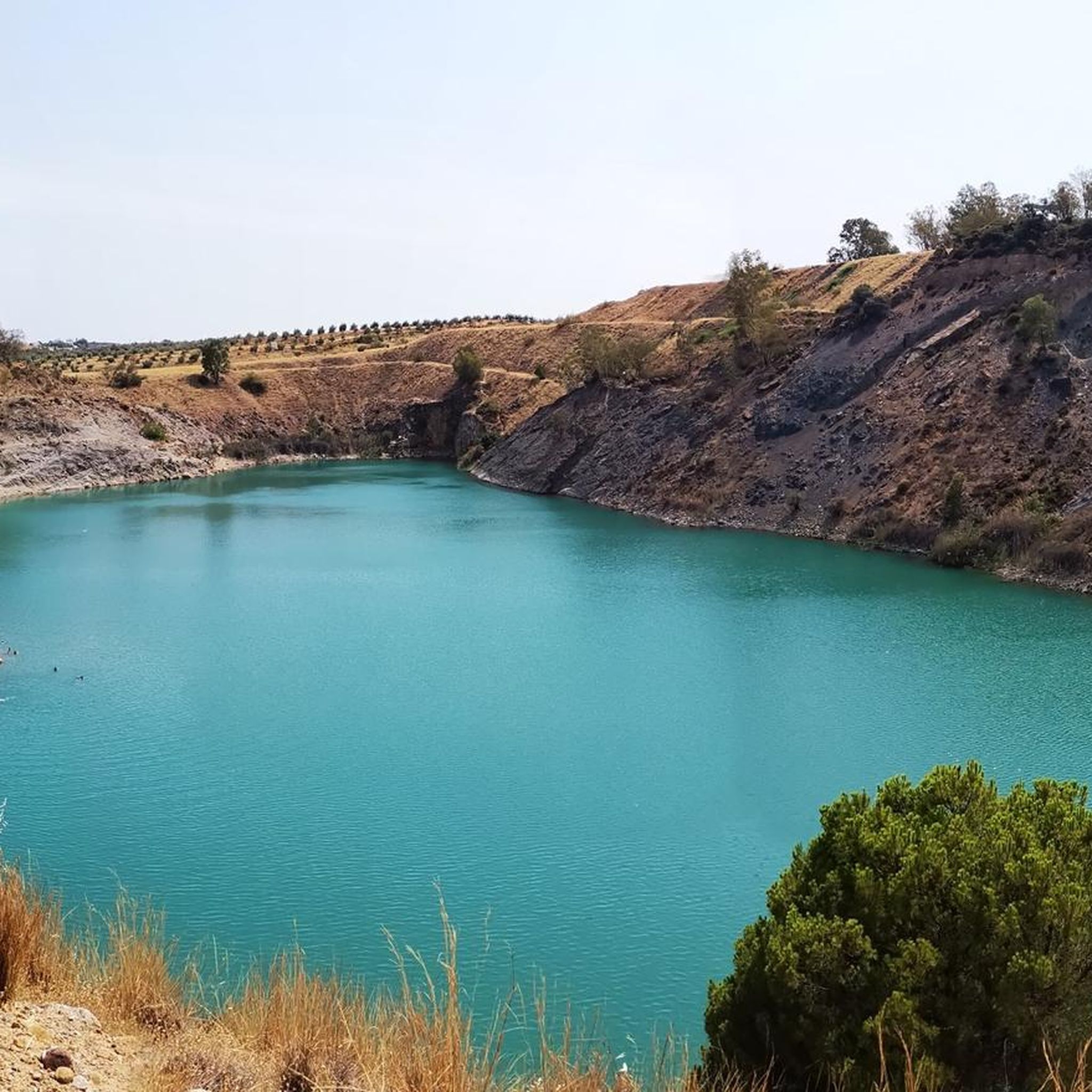
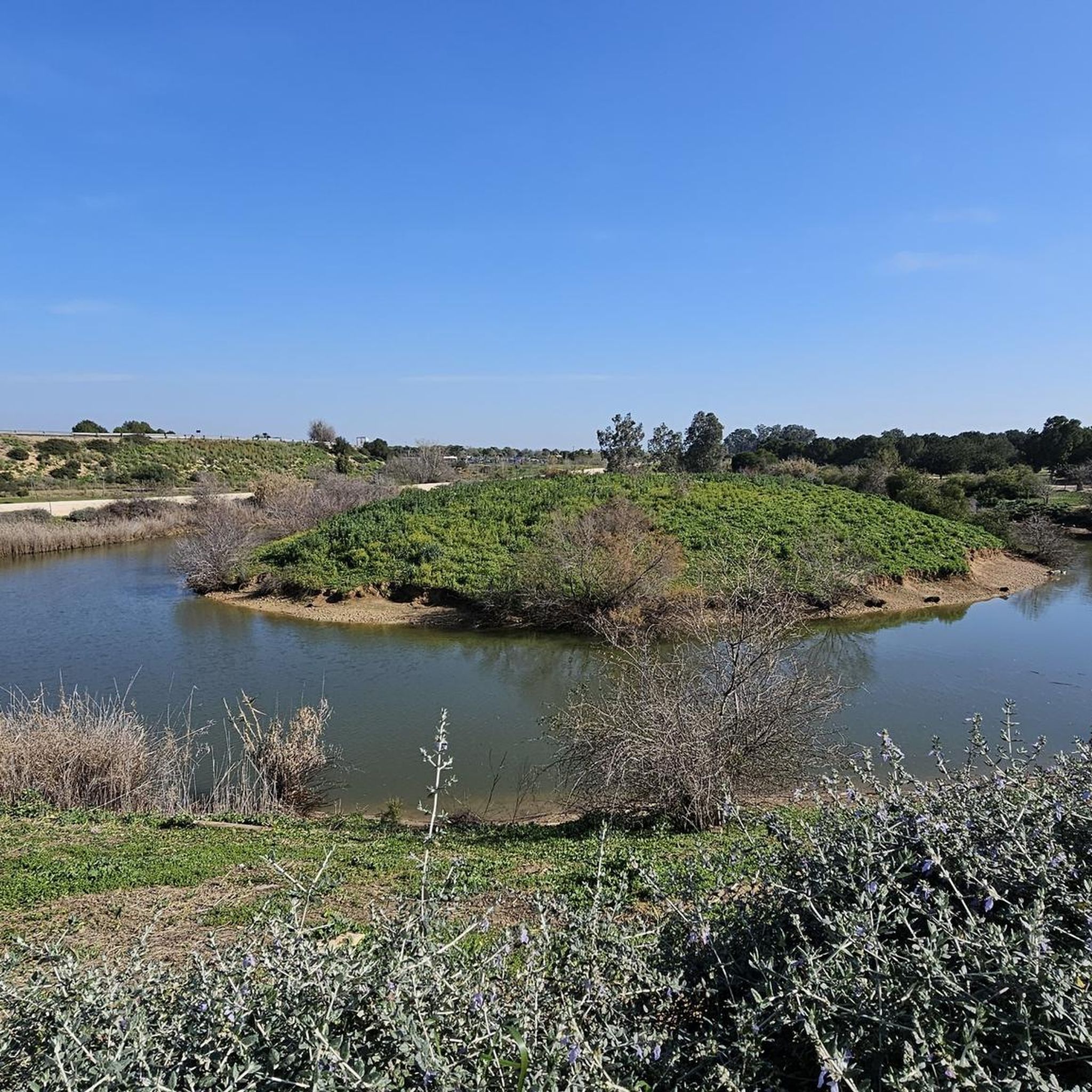
⚠️ The part in the photo is of doubtful cyclability
0
0

View of the Edificio Torretriana, an administrative building of the Junta de Andalucia, built in 1993. It is known for its unique circular shape and color (a yellow tint).
9
0

maximum respect for this place
3
0
Guillena is a small town located in the province of Seville known for its rich history, diverse landscape and beautiful architecture. The historic centre of the town retains much of its original charm and contains impressive buildings such as the church of Nuestra Señora de la Granada, the monastery of Santa Clara and the palace of the Counts of Torreblanca and the Sierra Norte de Sevilla, a large natural area that offers many possibilities. Guillena is also an important centre for agriculture and livestock, with the production of olive oil, wine and citrus fruits, and a rich gastronomy with traditional dishes such as gazpacho and salmorejo.
9
0

The Parque del Alamillo is a beautiful park located on the Isla de la Cartuja in. This park, with an area of 120 hectares, was created in 1993 on the occasion of the 1992 World Exhibition. The park has a Mediterranean vegetation and is surrounded by two lakes, the Lago Mayor and the Lago Menor. There are playgrounds, cycle and walking paths, water sports facilities such as canoeing and water skiing, and even a little train that runs through the park.
1
0
The Estadio Olímpico de Sevilla, also known as Estadio de La Cartuja, is a multi-purpose stadium located on the Isla de la Cartuja. The stadium opened in 1999 and has a capacity of 57,619 seats. It was built specifically for the World Athletics Championships that year and was part of Seville's bid to host the 2008 Olympic Games. The stadium has a unique octagonal shape and is surrounded by a running track. It is mainly used for football matches and has also hosted the 2003 UEFA Cup final and the 2004 and 2011 Davis Cup finals. The stadium has no permanent occupants, but the Spanish national football team occasionally plays international matches there.
8
0
The Monasterio de Santa María de las Cuevas, also known as La Cartuja, is a historic monastery located on the Isla de la Cartuja in Seville. It was originally built in the 15th century by the Carthusian order and has enjoyed a rich history ever since. After the monastery closed in 1836, the building was converted into a ceramics factory. The factory became a major producer of pottery and was known for its innovative production techniques. Today, the monastery is home to the Centro Andaluz de Arte Contemporáneo (CAAC), a centre for contemporary art.
9
1
Frequently Asked Questions
What kind of terrain can I expect on gravel bike trails around La Rinconada?
The gravel bike trails in La Rinconada, Seville, are generally characterized by a predominantly flat to gently rolling landscape. You'll find a network of unpaved roads and greenways, often following river courses or old railway lines. Routes frequently pass through agricultural areas, urban parks, and along the banks of the Guadalquivir River. Elevation changes are typically modest, making the area accessible for various cycling abilities.
How many gravel bike trails are available in the La Rinconada area?
There are over 80 gravel bike trails available around La Rinconada. These routes offer a diverse range of experiences, from easy loops suitable for beginners to more challenging long-distance rides for experienced gravel bikers.
Are there any easy gravel bike trails suitable for beginners or families?
Yes, La Rinconada offers several easy gravel bike trails. The region's modest elevation changes and network of greenways make it suitable for less experienced riders or families. For example, many sections of the Ruta del Agua are relatively flat and scenic, providing a pleasant ride. There are 5 easy routes available in the area.
What are some challenging gravel bike routes for experienced riders?
For experienced riders seeking a challenge, La Rinconada has several difficult routes. One notable option is the Alamillo Park – Forest Trail loop from San Jerónimo, which spans 128.5 km and features significant elevation gain. Another demanding route is the Las Encinas Singletrack – Torreblanca Municipal Park loop from Palacio de Congresos, covering 79.3 km.
What do other gravel bikers say about the trails in La Rinconada?
The gravel bike trails around La Rinconada are highly regarded by the komoot community, with an average rating of 4.2 stars from over 15 reviews. Riders often praise the varied terrain, the scenic river paths, and the well-maintained green corridors that define the region's cycling experience.
Are there any circular gravel bike routes in La Rinconada?
Yes, many of the gravel bike routes in La Rinconada are designed as loops, allowing you to start and finish at the same point. For instance, the Estadio Olímpico de Sevilla – Ruta del Agua Trail loop from Estadio Olímpico and the Green Corridor of Seville – Corredor del Pudio loop from Cartuja are popular circular options, offering convenient ways to explore the area.
What kind of landmarks or attractions can I see along the gravel bike trails?
While cycling around La Rinconada, you can encounter various historical and cultural landmarks. Some routes pass near significant sites such as the Real Alcázar of Seville, the Seville Cathedral, and the Plaza of Spain. You might also pass by the Tower of Gold or the modern Metropol Parasol, especially on routes closer to Seville.
Are there any routes that pass by historical sites or ancient ruins?
Yes, some routes offer glimpses into the region's rich history. For example, the Vía de la Plata – Amphitheatre of Italica loop from Cartuja takes you along a historic path and near the ancient Roman ruins of Italica, offering a blend of cycling and cultural exploration.
What is the best time of year to go gravel biking in La Rinconada?
The best time for gravel biking in La Rinconada is typically during the spring (March to May) and autumn (September to November) months. During these periods, the weather is generally mild and pleasant, avoiding the intense heat of summer and the cooler, potentially wetter conditions of winter. This allows for comfortable riding and optimal enjoyment of the scenic landscapes.
Is public transport available to access gravel bike trailheads in La Rinconada?
La Rinconada is well-connected to Seville by public transport, including local train services (Cercanías) and buses. Many trailheads are accessible from urban centers like Seville, making it feasible to reach starting points without a car. It's advisable to check local transport schedules and bike carriage policies before planning your trip.
Are there any cafes or places to stop for refreshments along the gravel routes?
Given that many routes pass through or near agricultural areas and urban parks, you'll often find opportunities for refreshments. Trails that follow river courses or old railway lines, especially those closer to Seville or smaller towns, frequently have cafes, bars, or small shops nearby where you can stop for a break and refuel.
Most popular routes around La Rinconada
Most popular attractions around La Rinconada

Get inspired with the komoot mobile app


Explore more
Browse the best Gravel rides in other regions.
