The best gravel rides around Sant Miquel De Campmajor
4.5
(114)
2,990
riders
128
rides
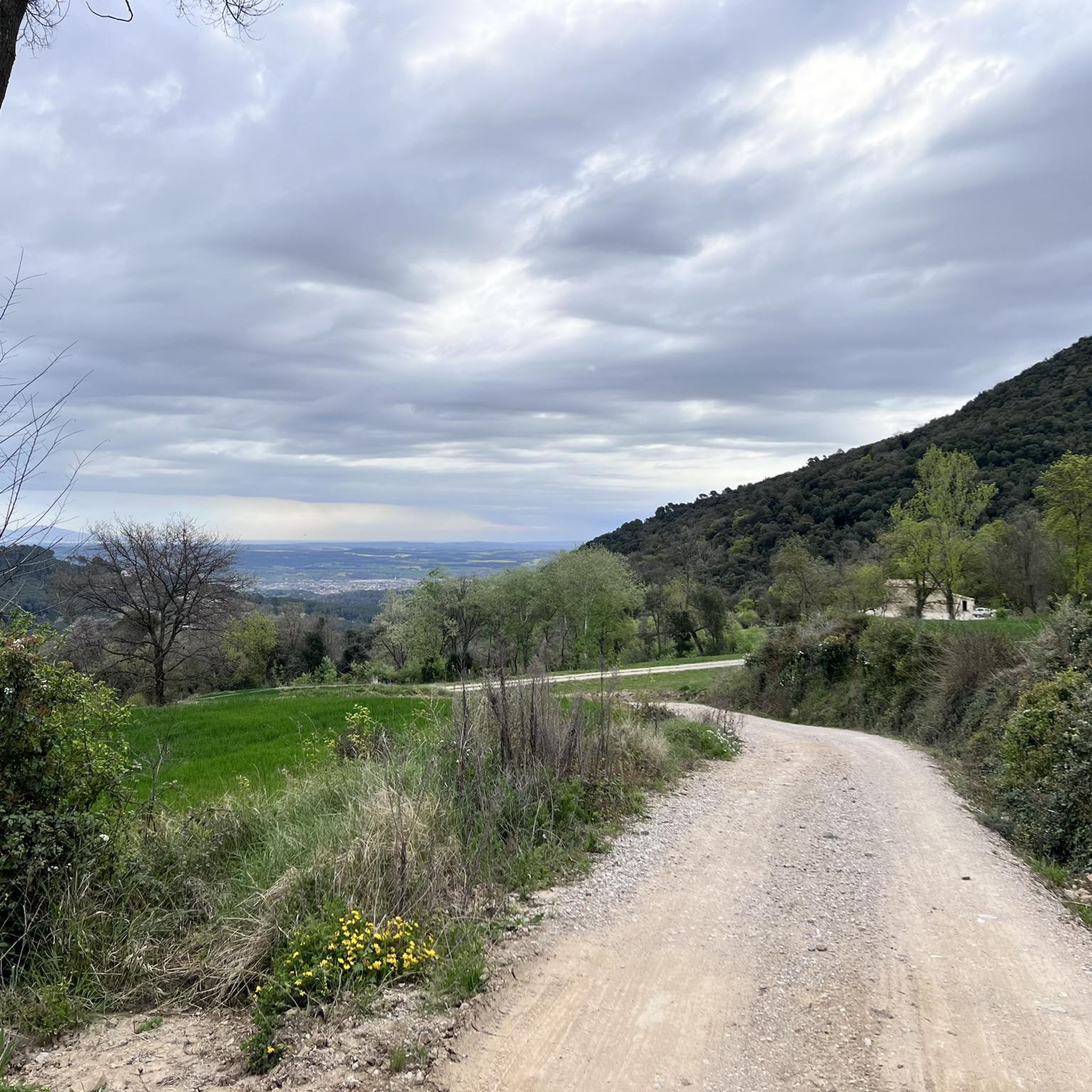
Gravel biking around Sant Miquel De Campmajor offers a diverse landscape of mountains, dense forests, and valleys in the Pla de l'Estany region of Girona. The terrain features a mix of ascents, descents, and flatter sections through agricultural areas and along rivers. Unique geological formations like "estanyols" (small ponds) and numerous streams add to the scenic beauty. The area also includes quiet forest roads and dusty trails, ideal for gravel cycling.
Best gravel bike trails around Sant Miquel De Campmajor
…Last updated: July 3, 2026
7
riders
66.2km
06:05
1,640m
1,640m
Hard gravel ride. Very good fitness required. You may need to push your bike for some segments of this route.
24
riders
105km
07:49
1,620m
1,620m
Hard gravel ride. Very good fitness required. Mostly paved surfaces. Suitable for all skill levels.

Sign up for free
4.0
(1)
18
riders
76.5km
05:17
1,130m
1,130m
Hard gravel ride. Very good fitness required. You may need to push your bike for some segments of this route.
4.5
(2)
17
riders
31.0km
02:09
550m
550m
Hard gravel ride. Very good fitness required. Mostly paved surfaces. Suitable for all skill levels.
9
riders
58.8km
04:21
1,400m
1,400m
Hard gravel ride. Very good fitness required. Mostly paved surfaces. Suitable for all skill levels.
Get access to more routes and recommendations from other explorers.
Sign up for free
Already have an account?
Our route recommendations are based on thousands of hikes, rides, and runs completed by other people on komoot.
Start today with a free account
Your next adventure awaits.
Login or Signup
Tips from the Community

Small cut through a volcano. You can clearly see the masses of rock that have been moved.
1
0

The monastery of Sant Pere was founded in 977 by Bishop-Count Miró I and consecrated in 1003 by Count Bernhard I, also known as Taillefer. A Benedictine community of twelve monks lived there. However, with Count Taillefer's death in 1020, the decline of the count's rule began, culminating in its final demise in 1111. From then on, the abbot of the monastery became the highest authority over the population, which gave the Church considerable political influence in the 12th and 13th centuries.
5
0
A beautiful old and historic village. The bridge is sensational. The place has often served as a film set. The narrow streets and everything around it are simply impressive. Definitely worth a visit.
6
0

It is a way to cross the river without going through the old road (national 270) to Olot. Despite having rained yesterday the passage is easy, some stones allow you to cross on foot.
0
0

The area east of the bridge is not particularly suitable for gravel bikes. The bridge is definitely worth a visit.
0
0

surprising and cool 👍
0
0
Frequently Asked Questions
How many gravel bike trails are available in Sant Miquel De Campmajor?
There are over 100 gravel bike trails around Sant Miquel De Campmajor, offering a wide variety of options for all skill levels. The komoot community has mapped 118 routes in the area.
What is the best time of year to go gravel biking in Sant Miquel De Campmajor?
The best times to visit for gravel biking are during spring and autumn. The climate is milder then, typically between 15 and 25 degrees Celsius, making for more comfortable rides.
What kind of terrain can I expect on gravel bike trails in this region?
You can expect a diverse landscape featuring mountains, dense forests, and valleys. The terrain includes a mix of ascents, descents, and flatter sections through agricultural areas and along rivers. You'll also find quiet forest roads and dusty trails, ideal for gravel cycling.
Are there options for different skill levels, including beginners?
Yes, the area offers routes catering to various skill levels. While many routes are challenging, there are 4 easy and 30 moderate paths suitable for beginners or those looking for a less strenuous ride. For example, the Lake Banyoles – Saint Mary of Porqueres loop from Serinyà is a moderate option.
What do other gravel bikers say about the trails in Sant Miquel De Campmajor?
The gravel bike routes in Sant Miquel De Campmajor are highly rated by the komoot community, with an average score of 4.7 stars from over 85 reviews. Many riders praise the varied terrain and scenic beauty, with over 2,900 gravel bikers having explored the area using komoot.
Are there any family-friendly gravel bike routes?
While many routes are challenging, there are a few easier options that could be suitable for families, especially those with some cycling experience. Look for routes categorized as 'easy' or 'moderate' on komoot. The flatter sections through agricultural areas and along rivers are generally more family-friendly.
Can I find circular gravel bike routes in the area?
Yes, many gravel bike routes in the region are designed as loops. For instance, the Lake Banyoles – Saint Mary of Porqueres loop from Besalú is a popular, extensive circular route exploring Catalonia's largest non-coastal natural lake.
Are there scenic routes with natural features like lakes or waterfalls?
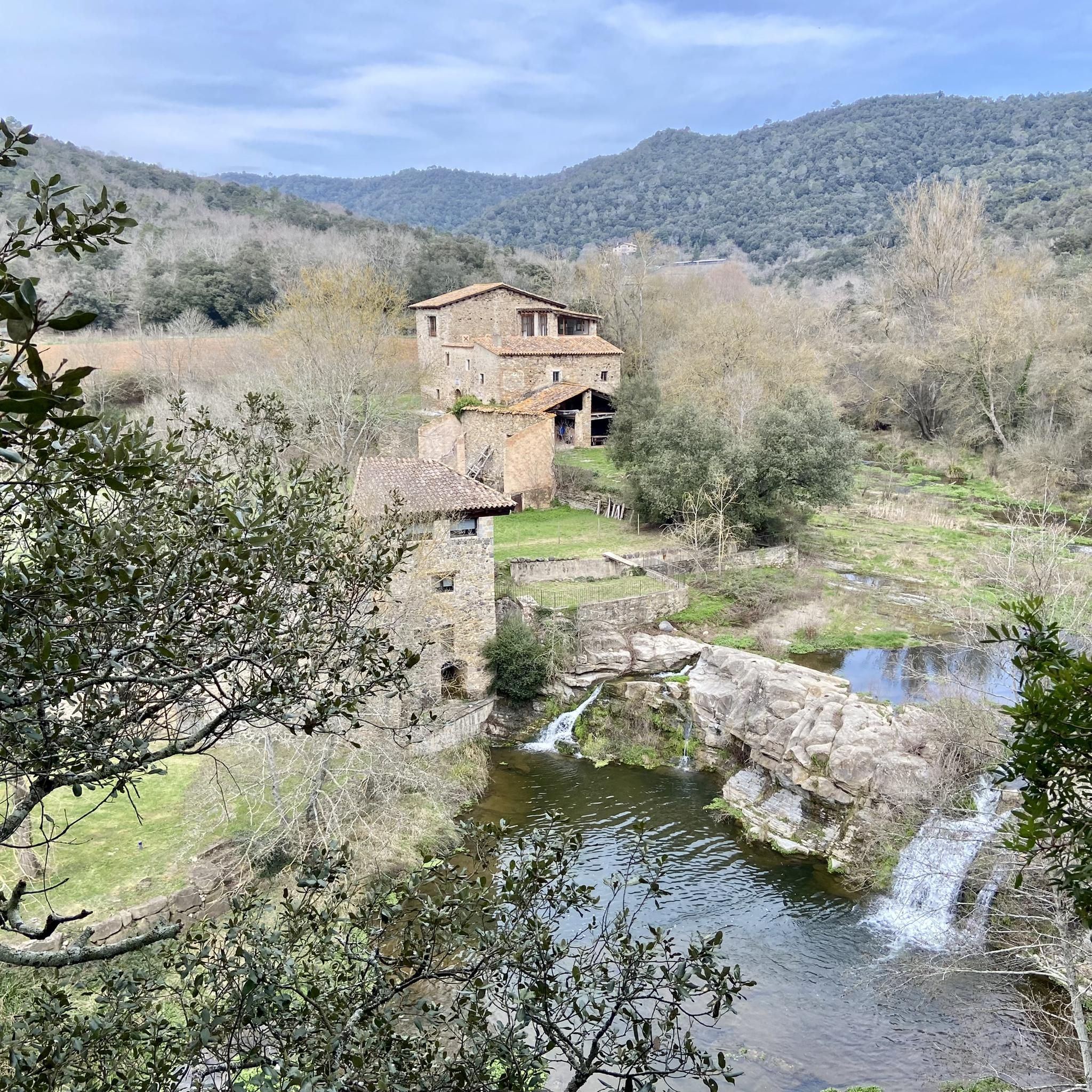
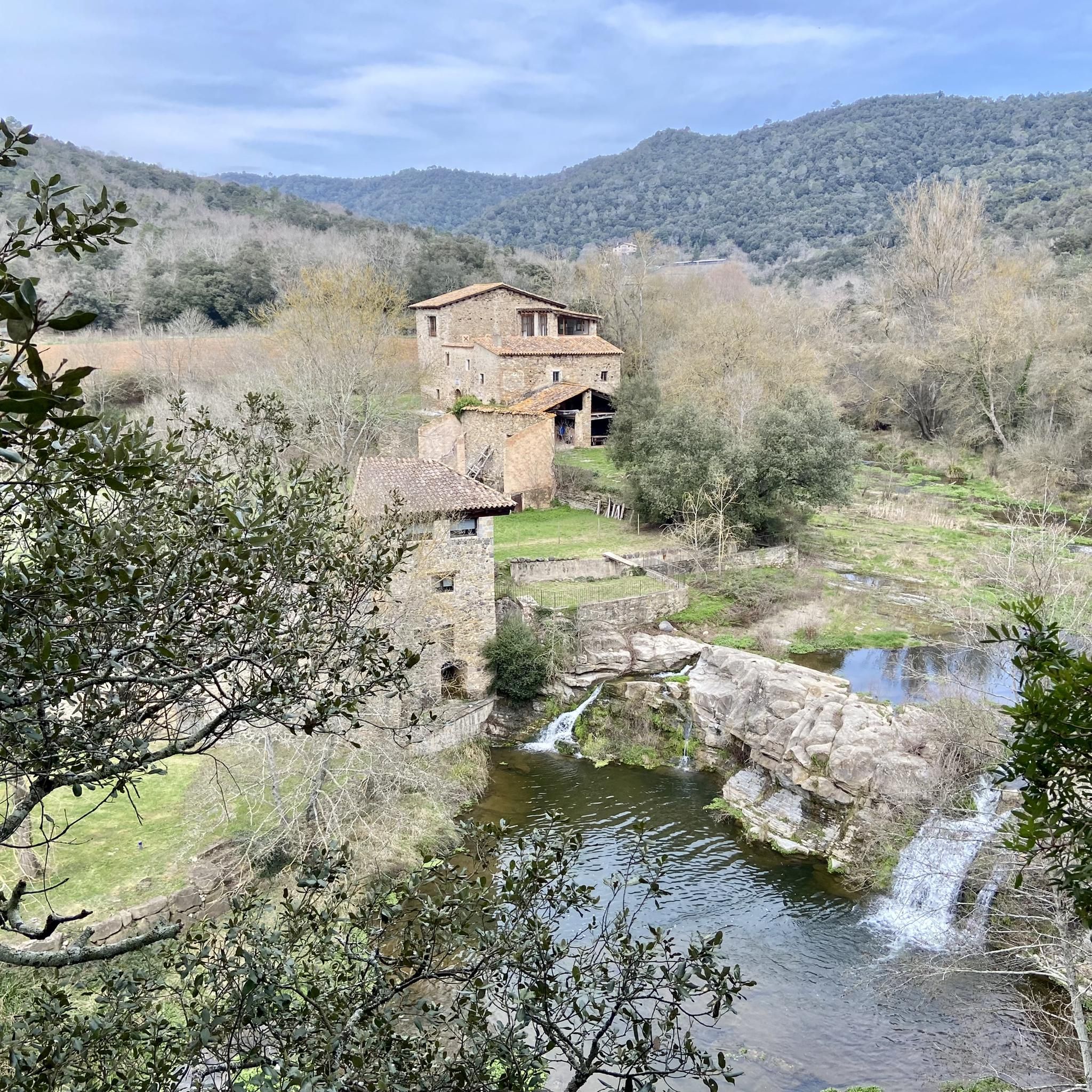
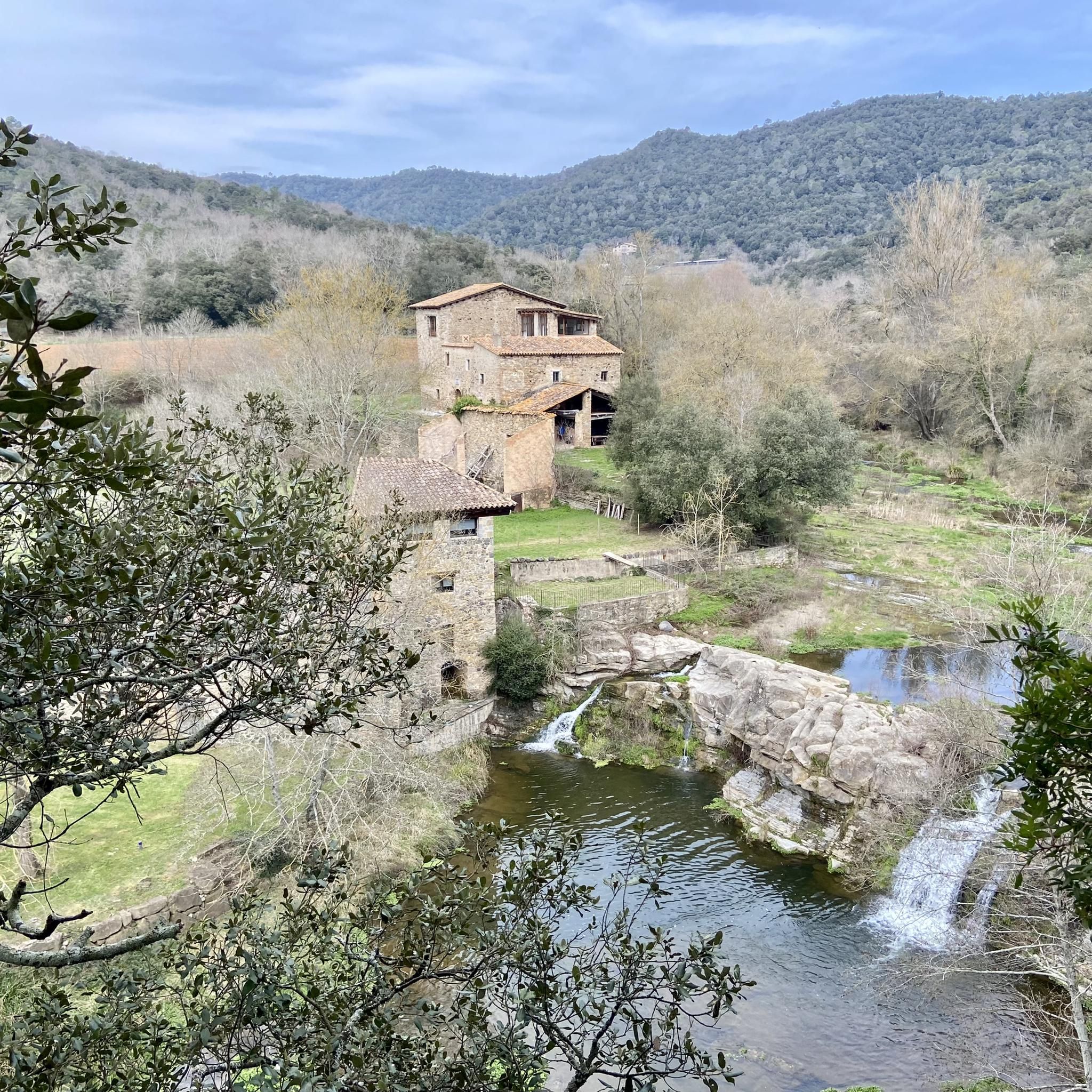
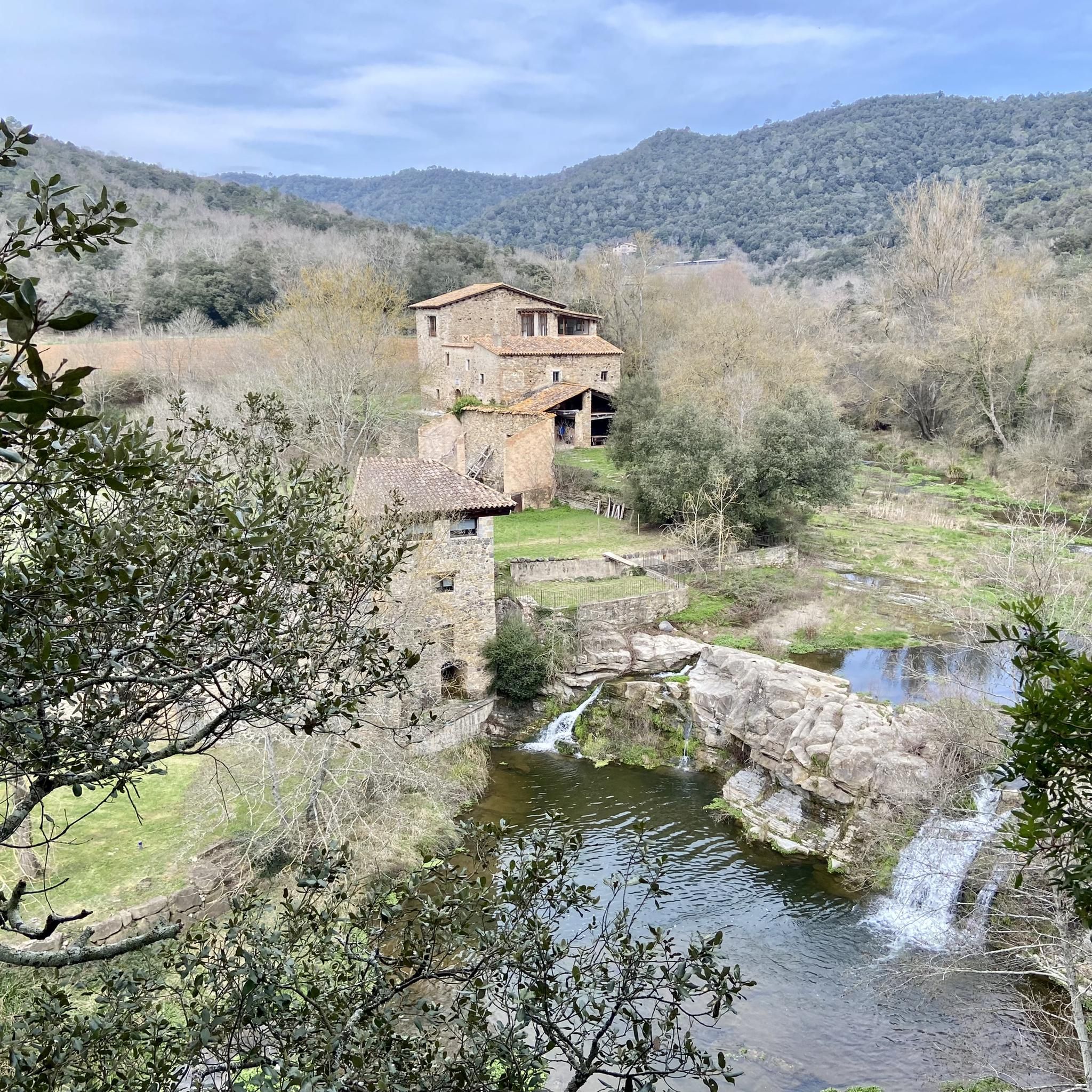
Absolutely. The region is known for its unique geological formations, including numerous 'estanyols' (small ponds) and abundant streams. You can find routes that pass by Lake Banyoles, Catalonia's largest non-coastal natural lake, or even the picturesque Molí dels Murris Pool, which features a waterfall.
What historical or cultural attractions can I see along the trails?
Gravel routes often pass by historical and cultural points of interest. You might discover ancient castles, medieval farmhouses, churches, chapels, and even medieval bridges like the Puente de Can Prat. The Romanesque church of Sant Miquel de Campmajor is another notable landmark. The View of Sant Roc d'Amer – Les Serres Road loop from Granolleres de Rocacorba offers views towards Sant Roc d'Amer.
Where can I find parking for gravel biking in Sant Miquel De Campmajor?
Parking is generally available in and around Sant Miquel De Campmajor village. Many routes start from villages or towns where public parking areas are designated. It's advisable to check specific starting points for detailed parking information.
Are there places to eat or get refreshments along the routes?
Yes, the wider Girona region, including areas accessible from Sant Miquel De Campmajor, is dotted with well-preserved medieval villages. These often offer traditional bars and restaurants where you can take a break and refuel. Planning your route to pass through these villages can enhance your experience.
Are dogs allowed on the gravel bike trails?
While many outdoor areas in Catalonia are dog-friendly, specific regulations can vary. It's always best to keep dogs on a leash, especially in natural parks or agricultural areas, and to check local signage for any restrictions on particular trails or protected zones.
Most popular routes around Sant Miquel De Campmajor
Most popular attractions around Sant Miquel De Campmajor

Get inspired with the komoot mobile app


Explore more
Browse the best Gravel rides in other regions.
