The best gravel rides around Quesa
4.0
(2)
15
riders
7
rides
Gravel biking around Quesa, located in the interior of Valencia, Spain, offers diverse terrain for outdoor enthusiasts. The region features fertile agricultural lands, deep canyons carved by rivers like the Río Grande, and extensive pine forests. An extensive network of paths provides varied surfaces, from dirt tracks to unpaved segments, suitable for gravel cycling. The landscape includes significant elevation changes, with routes traversing limestone walls and leading to notable peaks.
Best gravel bike trails around Quesa
- The most popular gravel…
Last updated: August 26, 2026
86.9km
07:08
1,840m
1,840m
Hard gravel ride. Very good fitness required. Mostly paved surfaces. Suitable for all skill levels.
135km
14:09
2,890m
2,880m
Hard gravel ride. Very good fitness required. Mostly paved surfaces. Suitable for all skill levels.

Sign up for free
5.0
(1)
4
riders
105km
08:09
2,230m
2,230m
Hard gravel ride. Very good fitness required. You may need to push your bike for some segments of this route.
7
riders
52.0km
04:03
1,120m
1,120m
Hard gravel ride. Very good fitness required. Mostly paved surfaces. Suitable for all skill levels.
2
riders
41.8km
02:58
540m
540m
Hard gravel ride. Very good fitness required. Mostly paved surfaces. Suitable for all skill levels.
Get access to more routes and recommendations from other explorers.
Sign up for free
Already have an account?
Our route recommendations are based on thousands of hikes, rides, and runs completed by other people on komoot.
Start today with a free account
Your next adventure awaits.
Login or Signup


Tips from the Community

Traditional stone-built fountain, located at the entrance to this town in the Canal de Navarrés. It is a point of natural and heritage interest, frequented on hiking and water routes in the area, such as those near the Júcar canyon. It is located near the area of the Molino de los Moros and the Chorrador del Bosque («El Monstruo»). It is part of the municipality's water resources, often visited along with other points such as the Fuente de las Donas or the washhouses.
0
0
The pass begins when crossing the bridge over the Jucar river and ends when entering the town of Millares. It is 4.2 km at 4.3%
0
0

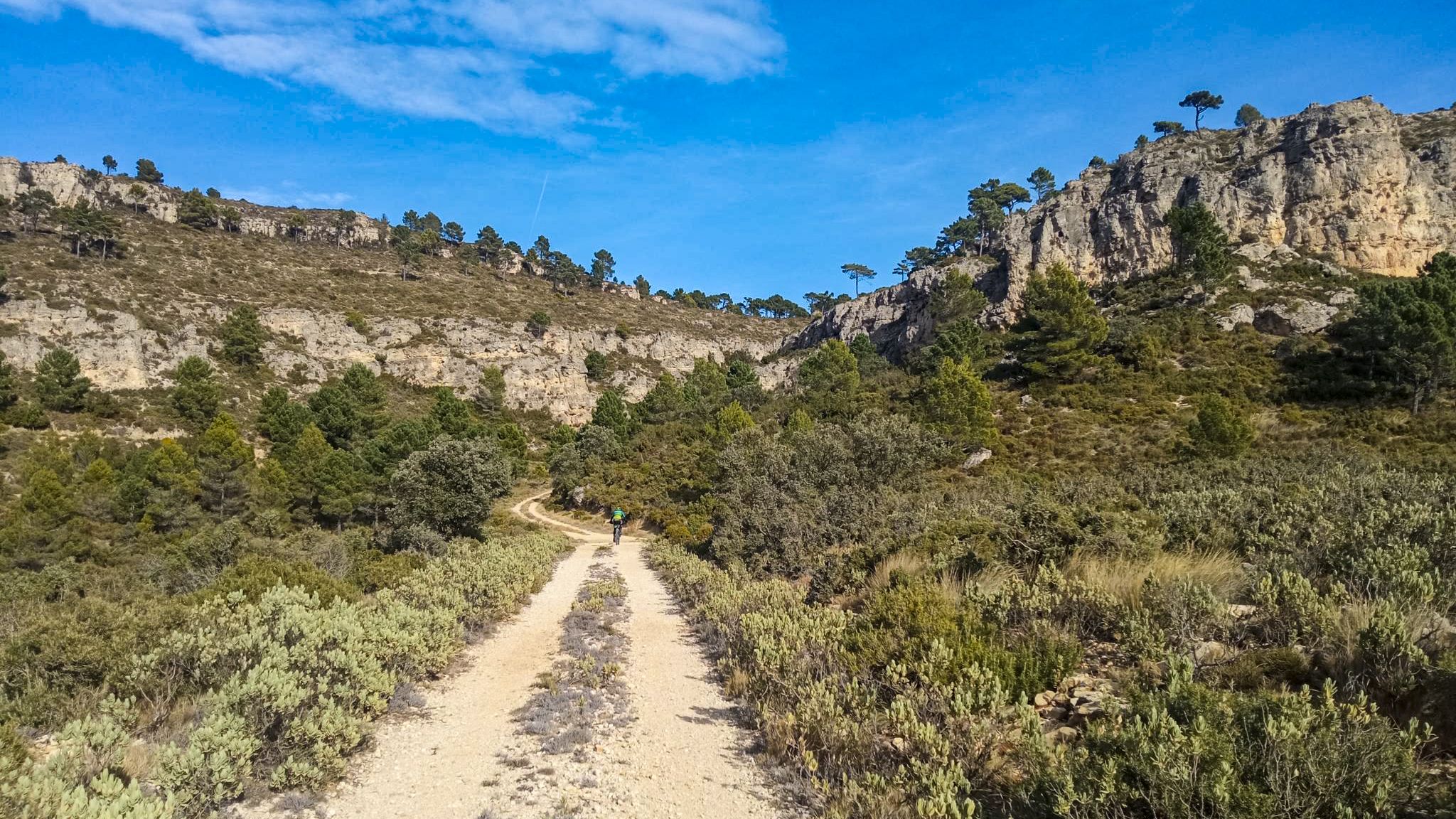
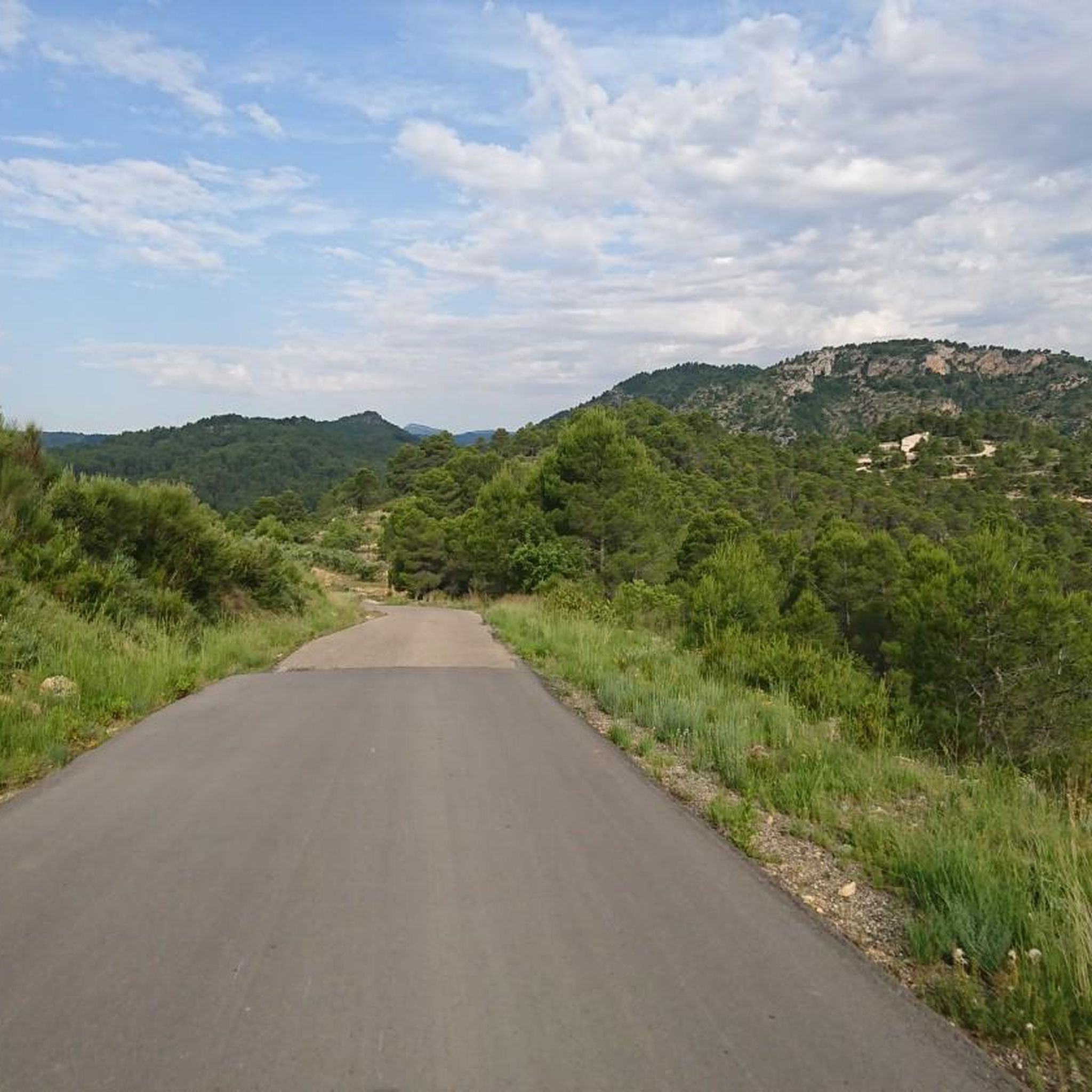
After Benalí, the Río Grande trail begins. It's surrounded by nature at an altitude of 800 meters. A great spot to enjoy the views from this height.
0
0


Crossroads. If you continue straight ahead you will find the paved road that goes up to Cinto la Cabra. If you turn left you will go up the Bayart ravine.
0
0
Spectacular views, although the climb from Cortes de Pallas along the Muela ridge is very tough.
0
0
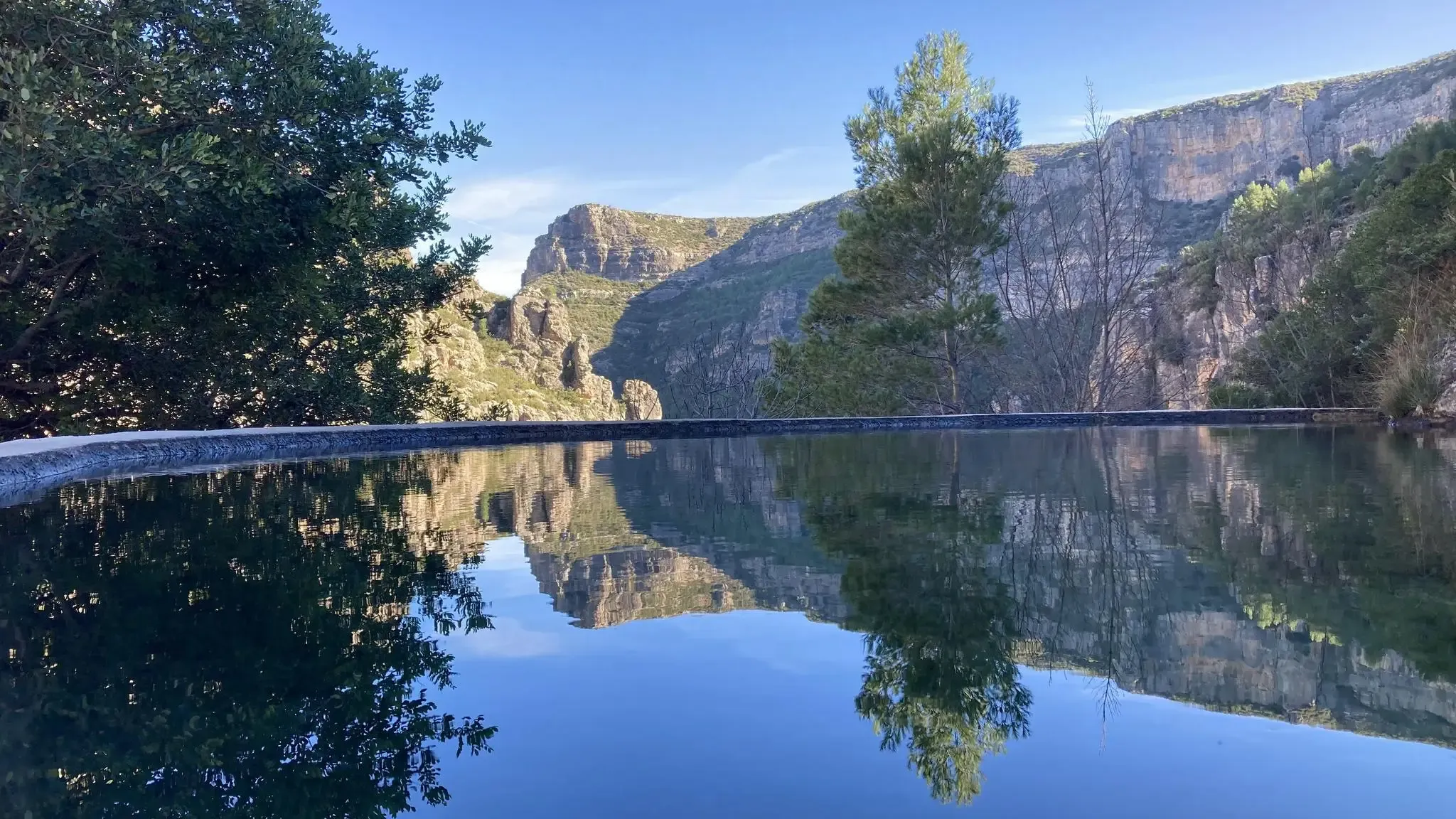
On this path we have spectacular views of the rock walls of the deep Rambla de Sacaras and the Cortes reservoir where the ravine flows into.
0
0
Frequently Asked Questions
What kind of terrain can I expect on gravel bike trails around Quesa?
Gravel biking around Quesa offers a diverse landscape, ranging from fertile agricultural lands to deep canyons carved by rivers like the Río Grande, and extensive pine forests. You'll encounter varied surfaces, including dirt tracks and unpaved segments, with significant elevation changes as routes traverse limestone walls and lead to notable peaks. The region's extensive network of paths provides engaging challenges and diverse scenery.
Are there any easy gravel bike trails in Quesa suitable for beginners or families?
The gravel bike trails currently listed for Quesa are generally considered difficult, featuring significant elevation gains and challenging terrain. For example, routes like the Puerto de Millares – Casa del Empalme loop from Millares are rated as difficult. While the region offers an extensive network of paths, those specifically curated for gravel biking tend to cater to more experienced riders. It's advisable to check individual route details for specific difficulty levels and consider your experience before setting out.
What are some of the most scenic natural attractions or viewpoints I can visit while gravel biking in Quesa?
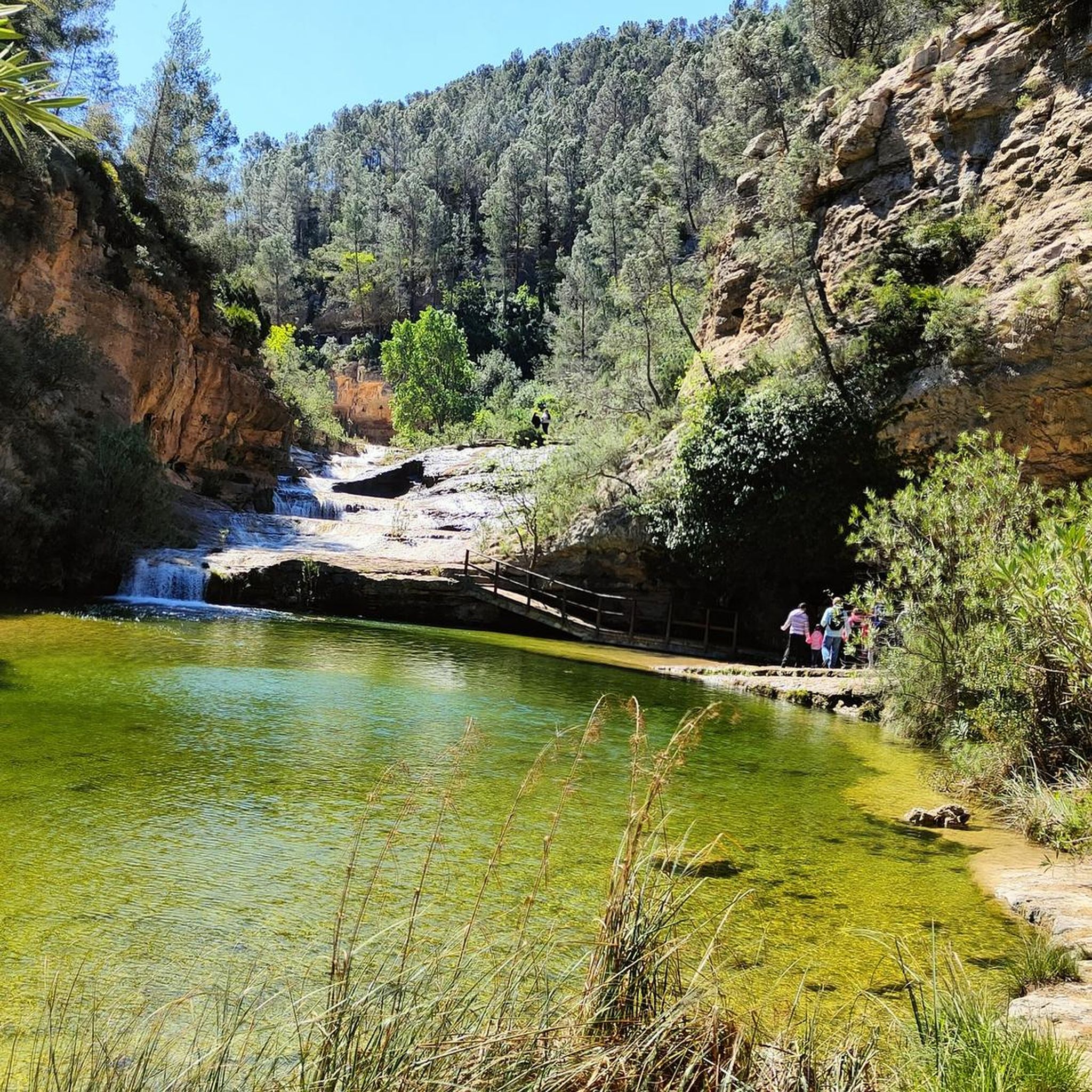
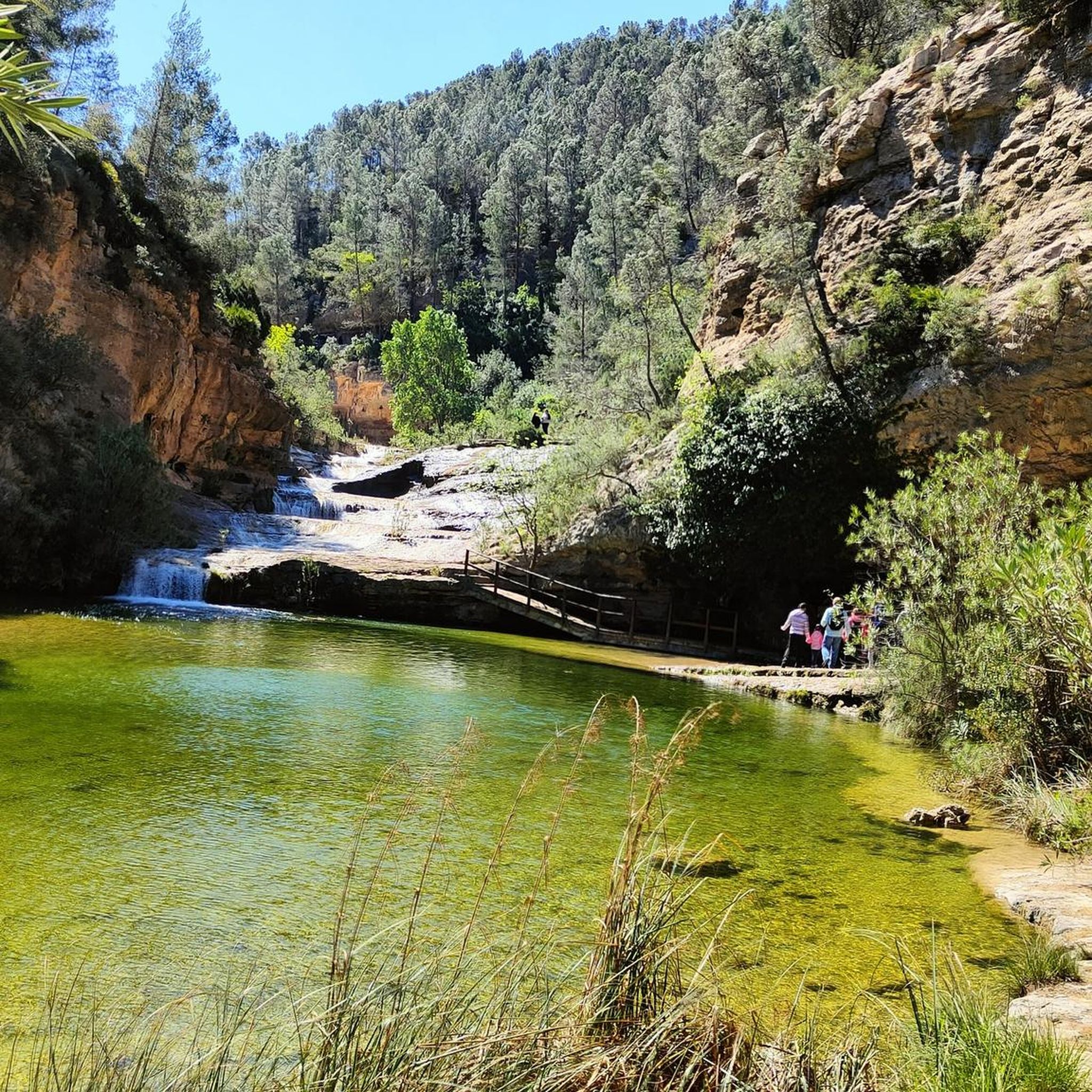
Quesa is rich in natural beauty. You can explore the famous Los Charcos de Quesa, a series of natural pools with a spectacular waterfall at Charco del Chorro de Corbera. For panoramic views, consider visiting the Tres Mollons Viewpoint or the Chapel of the Cross vantage point. The region also features deep canyons, lush pine forests, and the Voro Rock Shelter, known for its Levantine Cave Art.
Can I find any trails that lead to waterfalls or natural pools in Quesa?
Yes, Quesa is famous for its natural pools and waterfalls. The most prominent are Los Charcos de Quesa, a series of four natural pools carved by the Río Grande, including Charco del Chorro de Corbera, which features a spectacular waterfall. While specific gravel routes directly to these spots aren't always listed, the extensive network of paths in the area means you can often combine cycling with a visit to these beautiful natural attractions.
What is the best time of year to go gravel biking in Quesa?
Quesa, located in the interior of Valencia, Spain, generally experiences a Mediterranean climate. Spring (March to May) and Autumn (September to November) are typically ideal for gravel biking, offering pleasant temperatures and less extreme weather than the hot summer months or potentially cooler, wetter winter. Always check the local weather forecast before planning your ride.
Are there any historical or cultural sites accessible by gravel bike in Quesa?
Absolutely. Quesa offers a blend of natural beauty and historical significance. You can explore the Moorish rammed earth remains of Quesa Castle (11th century) and the ancient irrigation channels and terraces of La Huerta del Lugar. The Voro Rock Shelter, a World Heritage site featuring Levantine Cave Art, is also accessible via the region's extensive network of paths, offering a unique cultural stop during your ride.
What do other gravel bikers say about the trails in Quesa?
The gravel biking routes in Quesa are highly rated by the komoot community, with an average score of 4.0 stars from over 2 reviews. More than 20 gravel bikers have used komoot to explore Quesa's varied terrain, often praising the challenging routes through deep canyons, lush pine forests, and the significant elevation changes that define the area.
Are there any long-distance gravel routes for experienced riders in Quesa?
Yes, Quesa offers several challenging long-distance routes for experienced gravel bikers. For instance, the Gravel ride to Caroche peak and the Júcar river is a difficult 83.6 miles (135 km) path with extensive climbs and descents. Another demanding option is the Mortirolo of Quesa – El Caroche Summit loop from Quesa, which covers 65.2 miles (105 km) through mountainous areas.
Where can I find parking for gravel bike trails in Quesa?
While specific parking locations for each trail are not detailed in the route descriptions, Quesa is a small town with various access points to its extensive network of paths. It's generally advisable to look for public parking areas within or on the outskirts of Quesa town, or near known recreational areas like Los Charcos de Quesa, which are equipped with facilities. Always check local signage for parking regulations.
Are there any specific peaks or summits I can aim for on a gravel bike ride in Quesa?
Yes, the Quesa region features several notable peaks that can be part of your gravel biking adventure. Routes often traverse towards areas like Pico de Caroche. Other summits in the vicinity include The Palm Grove and Alt del Pollet (560 m), offering challenging climbs and rewarding views.
Are there any caves or interesting rock formations to explore near the gravel routes?
The Quesa area is home to several fascinating caves and rock formations. You can find highlights such as the Calicanto raft shelter, La Araña Cave and La Rebolla Waterfall, and Cueva del Tornero. These natural features add an extra layer of exploration to your gravel biking experience, often accessible via nearby trails.
What kind of wildlife or protected areas might I encounter while cycling in Quesa?
Quesa is part of the European Natura 2000 network, designated as a Special Protection Area for Birds (ZEPA) and a Site of Community Importance (LIC). This means the area is rich in biodiversity. While cycling through the pine forests and canyons, you might spot various bird species and other Mediterranean wildlife. The commitment to conserving natural habitats makes for a rich natural experience.
Most popular attractions around Quesa

Get inspired with the komoot mobile app


Explore more
Browse the best Gravel rides in other regions.
