The best gravel rides around Castilleja De Guzmán
4.4
(29)
758
riders
107
rides
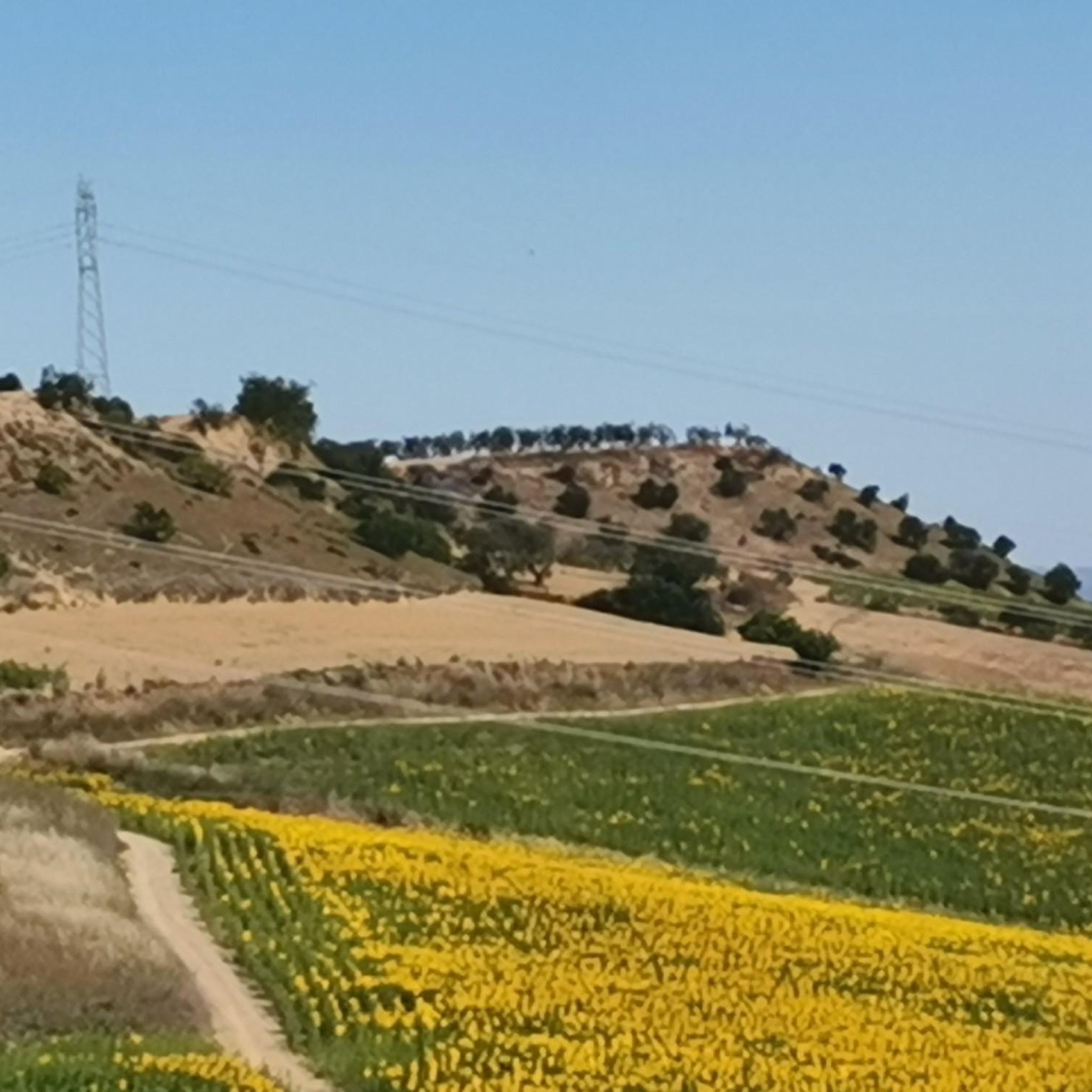
Gravel biking around Castilleja De Guzmán offers diverse terrain across the Aljarafe ridge, providing panoramic views of Seville and the Guadalquivir valley. The region features varied topography with hills and valleys, alongside green spaces around the Alfileres and Montijo streams. Riders can explore rural tracks, extensive olive groves, and unpaved paths, characteristic of the gravel biking experience in Andalusia. This area combines natural landscapes with historical sites, making it suitable for off-road cycling.
Best gravel bike trails around Castilleja De…
Last updated: October 25, 2026
38
riders
57.8km
04:10
310m
310m
Moderate gravel ride. Good fitness required. Mostly paved surfaces.
3.7
(3)
39
riders
48.1km
03:38
240m
240m
Moderate gravel ride. Good fitness required. Mostly paved surfaces.

4.0
(1)
11
riders
Moderate gravel ride. Good fitness required. Mostly paved surfaces.
4.0
(1)
17
riders
70.9km
05:20
370m
370m
Hard gravel ride. Very good fitness required. You may need to push your bike for some segments of this route.
4.3
(3)
18
riders
67.6km
04:59
530m
530m
Hard gravel ride. Very good fitness required. Mostly paved surfaces.
Get access to more routes and recommendations from other explorers.
Already have an account?
Our route recommendations are based on thousands of hikes, rides, and runs completed by other people on komoot.
Start today with a free account
Your next adventure awaits.
Tips from the Community

Guillena is located in the beautiful natural setting of the Sierra Norte de Sevilla and is the ideal starting point for hiking and cycling routes, especially due to its proximity to the Gergal reservoir. In addition, its monuments and taverns are worth a leisurely visit.
1
0

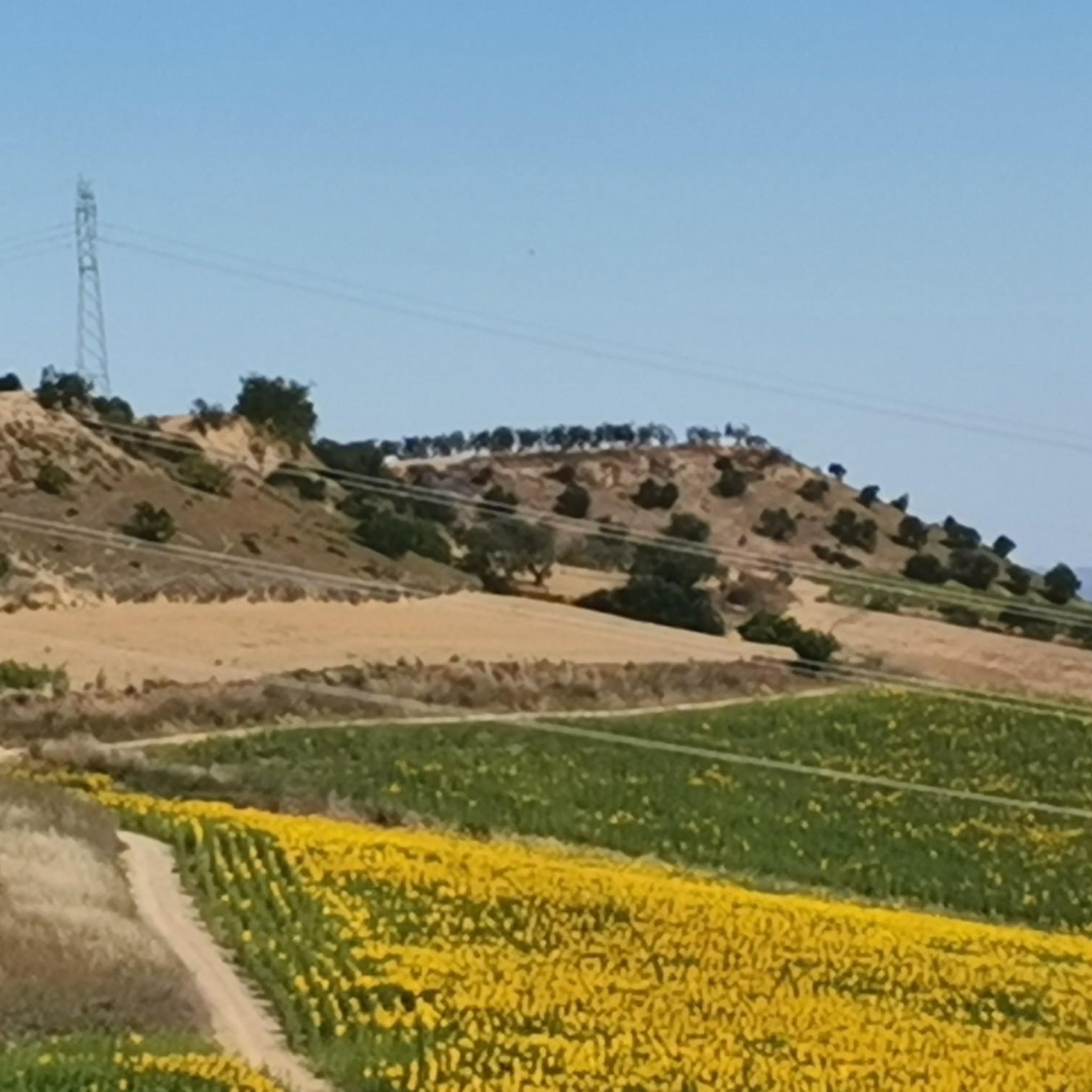
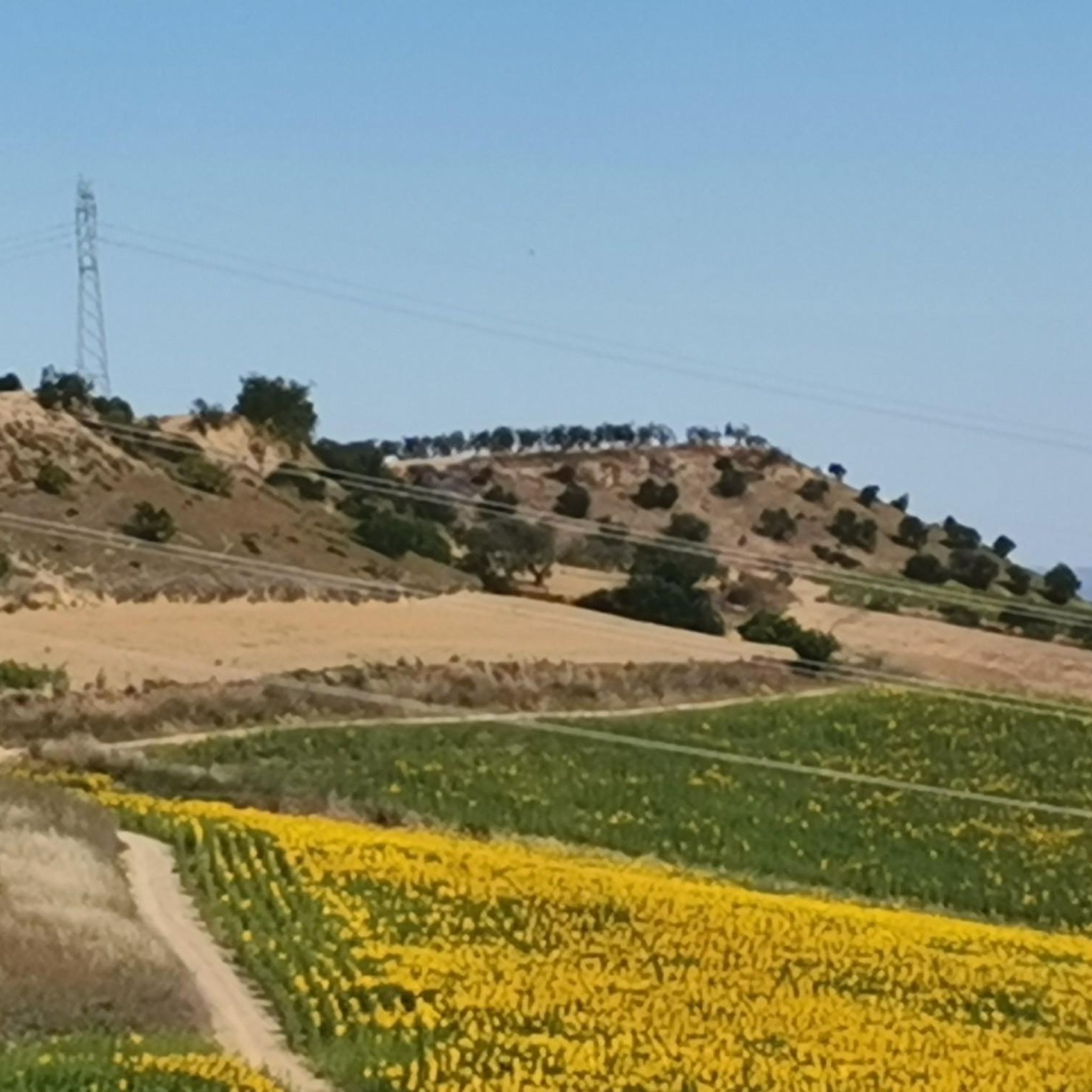
⚠️ The part in the photo is of doubtful cyclability
0
0

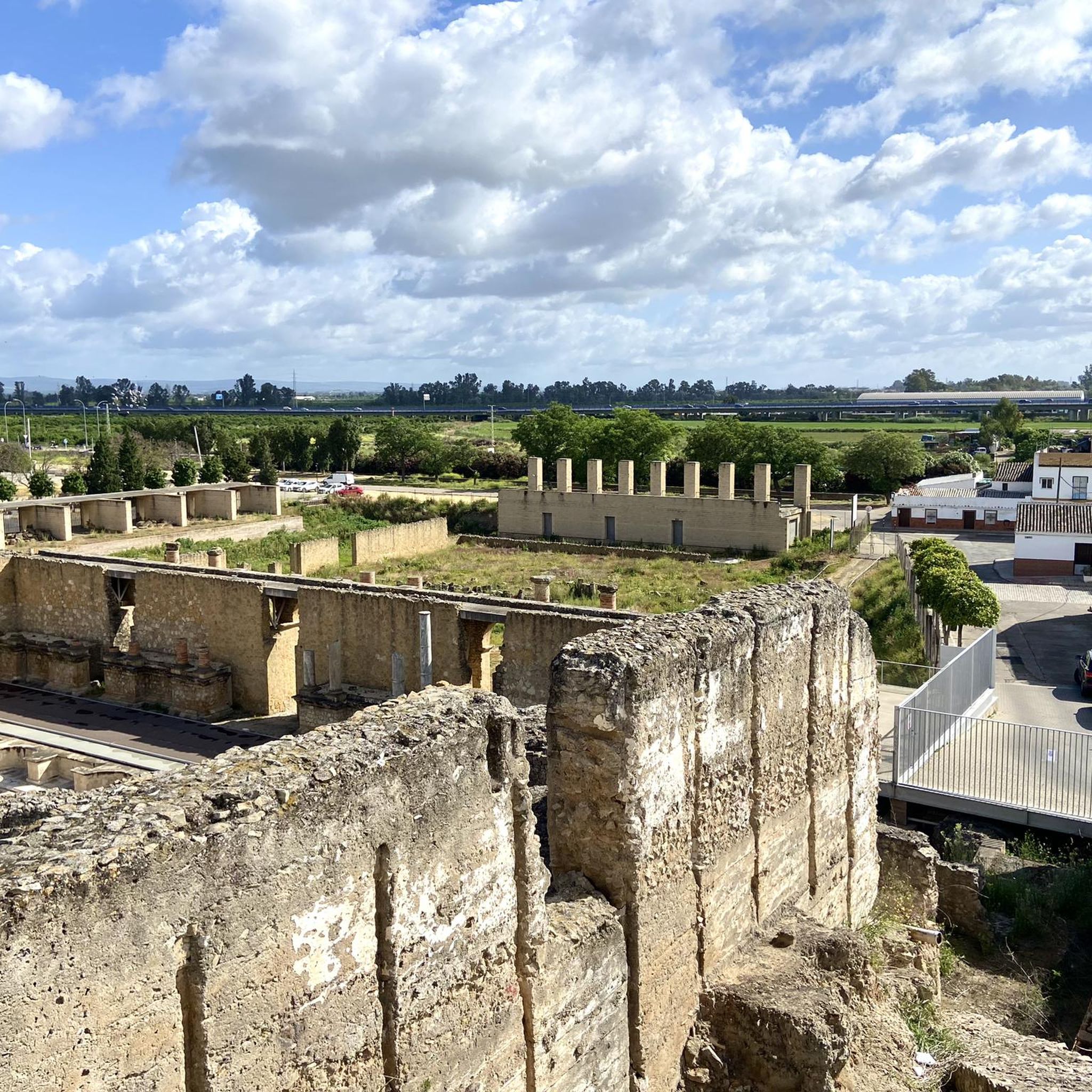
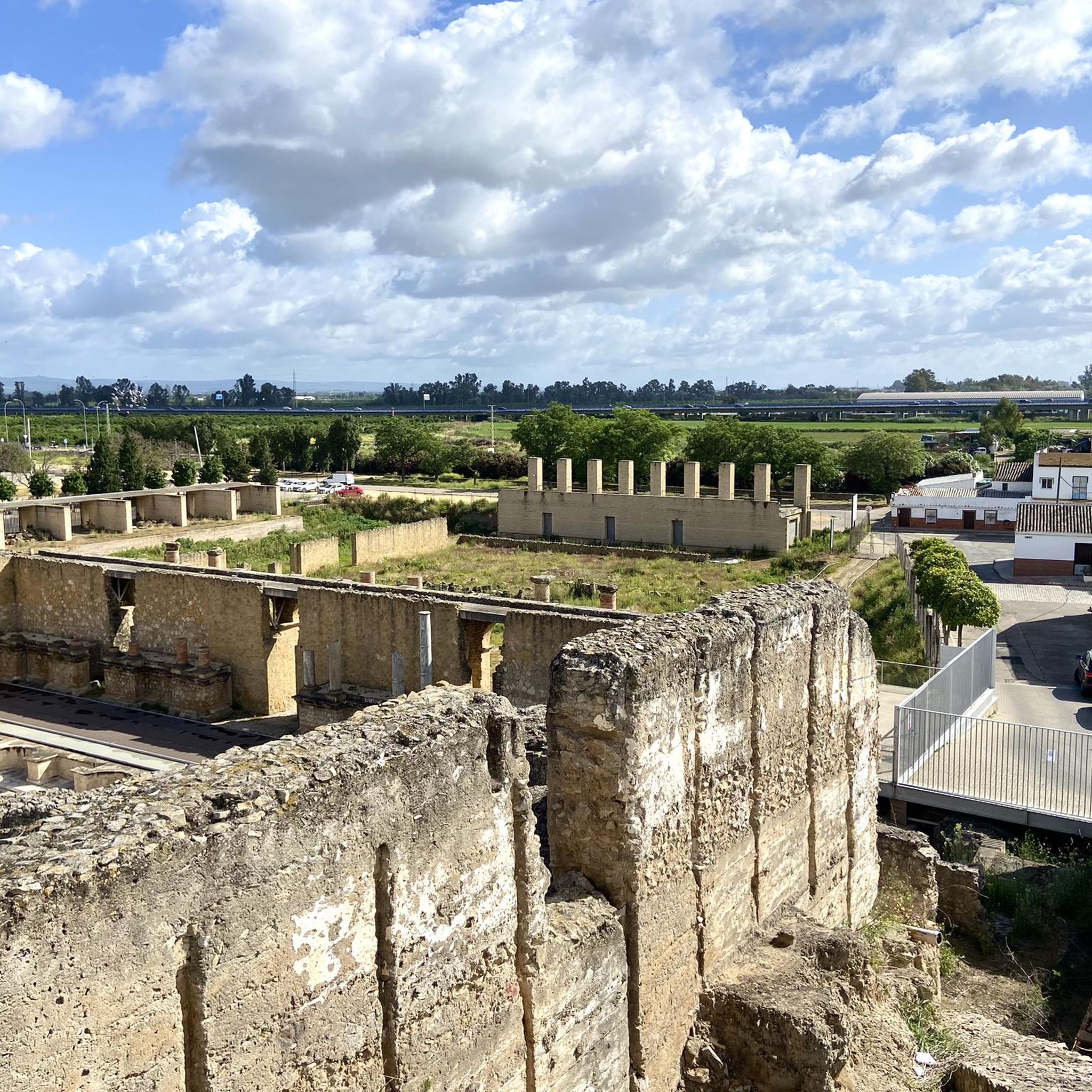
View of the Edificio Torretriana, an administrative building of the Junta de Andalucia, built in 1993. It is known for its unique circular shape and color (a yellow tint).
9
0
Guillena is a small town located in the province of Seville, known for its rich history, diverse landscape, and beautiful architecture. The historic center of the town has retained much of its original charm and contains impressive buildings such as the church of Nuestra Señora de la Granada, the convent of Santa Clara, and the palace of the Counts of Torreblanca and the Sierra Norte de Sevilla, a large natural area that offers numerous possibilities. Guillena is also an important center for agriculture and livestock, with the production of olive oil, wine, and citrus fruits, and a rich gastronomy with traditional dishes such as gazpacho and salmorejo.
9
1
The Estadio Olímpico de Sevilla, also known as Estadio de La Cartuja, is a multi-purpose stadium located on the Isla de la Cartuja. The stadium opened in 1999 and has a capacity of 57,619 seats. It was built specifically for the World Athletics Championships that year and was part of Seville's bid to host the 2008 Olympic Games. The stadium has a unique octagonal shape and is surrounded by a running track. It is mainly used for football matches and has also hosted the 2003 UEFA Cup final and the 2004 and 2011 Davis Cup finals. The stadium has no permanent occupants, but the Spanish national football team occasionally plays international matches there.
8
0
It is the fifth longest river in the Iberian Peninsula. It is 657 km from the Sierra de Cazorla (source) to Sanlúcar (Atlantic Ocean). On its journey through Andalusia from east to west it passes through cities such as Andújar, Córdoba and Seville. From pre-Roman times it was known as Baetis or Betis, and was called Wad al-Kibir (Great River) by the Arabs from the eleventh century.
7
0
The Puente de la Señorita, also known as the Puente de Camas, is a bridge over the Guadalquivir River in Seville. This bridge connects the Isla de la Cartuja with the village of Camas in the comarca of Aljarafe. The bridge was originally built in 1981 as part of the Seville-Huelva railway line, but since 1991 it has been used mainly for road traffic, cycling and walking.
8
0

For us the first signpost on the Camino South
0
0
Frequently Asked Questions
How many gravel bike trails are available around Castilleja De Guzmán?
There are nearly 90 gravel bike trails around Castilleja De Guzmán, offering a wide range of options for different skill levels and preferences. The region's diverse terrain, from the Aljarafe ridge to rural tracks, provides plenty of opportunities for exploration.
What are the difficulty levels of gravel routes in Castilleja De Guzmán?
The gravel routes in Castilleja De Guzmán cater to all experience levels. You'll find 8 easy routes perfect for beginners, 63 moderate trails for those seeking a balanced challenge, and 18 difficult routes for experienced gravel bikers looking for more demanding terrain and longer distances.
Are there any family-friendly gravel biking options in Castilleja De Guzmán?
While specific family-designated routes aren't listed, the 8 easy gravel trails in the area are generally suitable for families. These routes often feature less elevation gain and smoother surfaces, allowing for a more relaxed ride. Look for trails that explore the green spaces around the Alfileres and Montijo streams for a pleasant family outing.
Can I find circular gravel bike routes in the area?
Yes, many of the gravel bike trails around Castilleja De Guzmán are designed as loops, allowing you to start and finish at the same point. For example, the San Juan Bridge – San Juan Bridge loop from San Juan Alto is a challenging circular route, while the Estadio Olímpico de Sevilla – Ruta del Agua Trail loop from Estadio Olímpico offers a moderate circular experience.
What kind of terrain can I expect on gravel bike trails in Castilleja De Guzmán?
You can expect a varied terrain characteristic of the Aljarafe region. Routes often feature unpaved paths, rural tracks, and extensive olive groves. The Aljarafe ridge provides hills and valleys, with some dry and dusty conditions, rocky sections, and switchbacks, offering a true Andalusian gravel biking experience.
What are some notable viewpoints or points of interest along the gravel routes?
Many routes offer stunning panoramic views from the Aljarafe ridge, overlooking Seville and the Guadalquivir valley. Keep an eye out for viewpoints like Forestier, La Garría, Caño Ronco, and La Huera, which provide vistas of Itálica, Santiponce, and Cerro del Carambolo. These make for excellent stops during your ride.
Are there any historical or natural attractions near the gravel trails?
Absolutely! You can combine your ride with visits to significant sites. Explore the ancient Real Alcázar of Seville or the Castle of Saint George. For natural beauty, consider the Monumental Carob Tree in María Luisa Park or the serene Murillo Gardens. The Archaeological Zone of Valencina-Castilleja de Guzmán, with its Copper Age necropolis, also offers a fascinating diversion.
What is the best time of year for gravel biking in Castilleja De Guzmán?
The best time for gravel biking in Castilleja De Guzmán is typically during the cooler months, from autumn through spring (October to May). Summers can be very hot and dry, making rides more challenging. Spring offers pleasant temperatures and blooming landscapes, while autumn provides comfortable conditions and beautiful scenery.
Is there parking available for gravel bikers in Castilleja De Guzmán?
Yes, parking is generally available in and around Castilleja De Guzmán, particularly in urban areas or near trailheads. As the region is popular for outdoor activities, you'll often find designated parking spots. For specific routes, it's advisable to check the starting point details on komoot for parking recommendations.
What do other gravel bikers enjoy most about the routes in Castilleja De Guzmán?
The gravel routes in Castilleja De Guzmán are highly rated by the komoot community, with an average score of 4.0 stars from over 10 reviews. Riders often praise the diverse terrain, the stunning panoramic views of Seville and the Guadalquivir valley, and the opportunity to explore both natural landscapes and historical sites away from paved roads.
Are there any routes that pass by the Roman city of Itálica?
Yes, some routes offer proximity to historical landmarks like the Roman city of Itálica. For instance, the Amphitheatre of Italica – Vía de la Plata loop from Salteras is a moderate route that combines natural terrain with access to this significant archaeological site, allowing you to integrate history into your ride.
How long are the gravel trails in Castilleja De Guzmán on average?
The length of gravel trails varies significantly. You can find shorter routes for quick rides, but many popular trails are longer. For example, the San Juan Bridge – San Juan Bridge loop from San Juan Alto is 74.9 km (46.6 miles) long, while the Green Corridor of Seville – Corredor del Pudio loop from Cartuja covers 50.8 km (31.6 miles). You'll find options ranging from shorter excursions to full-day adventures.
Most popular routes around Castilleja De Guzmán
Most popular attractions around Castilleja De Guzmán

Get inspired with the komoot mobile app


Explore more
Browse the best Gravel rides in other regions.
