The best gravel rides around Llinars Del Vallès
4.5
(90)
2,777
riders
177
rides
Gravel biking around Llinars Del Vallès offers a diverse landscape characterized by rolling hills, forested areas, and varied terrain suitable for off-road cycling. The region is situated at the foot of the Montseny massif and adjacent to the Montnegre Corredor mountain range, providing a rich natural environment. Gravel bike trails in this area often traverse natural parks and rural paths, connecting small villages and historical sites. The terrain includes a mix of paved sections, cement, and dirt roads, offering a…
Last updated: October 25, 2026
5.0
(1)
64
riders
69.4km
05:33
1,080m
1,080m
Hard gravel ride. Very good fitness required. You may need to push your bike for some segments of this route.
5.0
(1)
22
riders
73.8km
05:42
1,150m
1,150m
Hard gravel ride. Very good fitness required. Mostly paved surfaces.

3.0
(1)
20
riders
161km
10:21
960m
960m
Hard gravel ride. Very good fitness required. Mostly paved surfaces.
4.5
(2)
21
riders
57.3km
04:02
450m
450m
Moderate gravel ride. Good fitness required. Mostly paved surfaces.
4.0
(1)
18
riders
41.7km
03:02
750m
750m
Hard gravel ride. Very good fitness required. Mostly paved surfaces.
Get access to more routes and recommendations from other explorers.
Already have an account?
Our route recommendations are based on thousands of hikes, rides, and runs completed by other people on komoot.
Start today with a free account
Your next adventure awaits.
Popular around Llinars Del Vallès
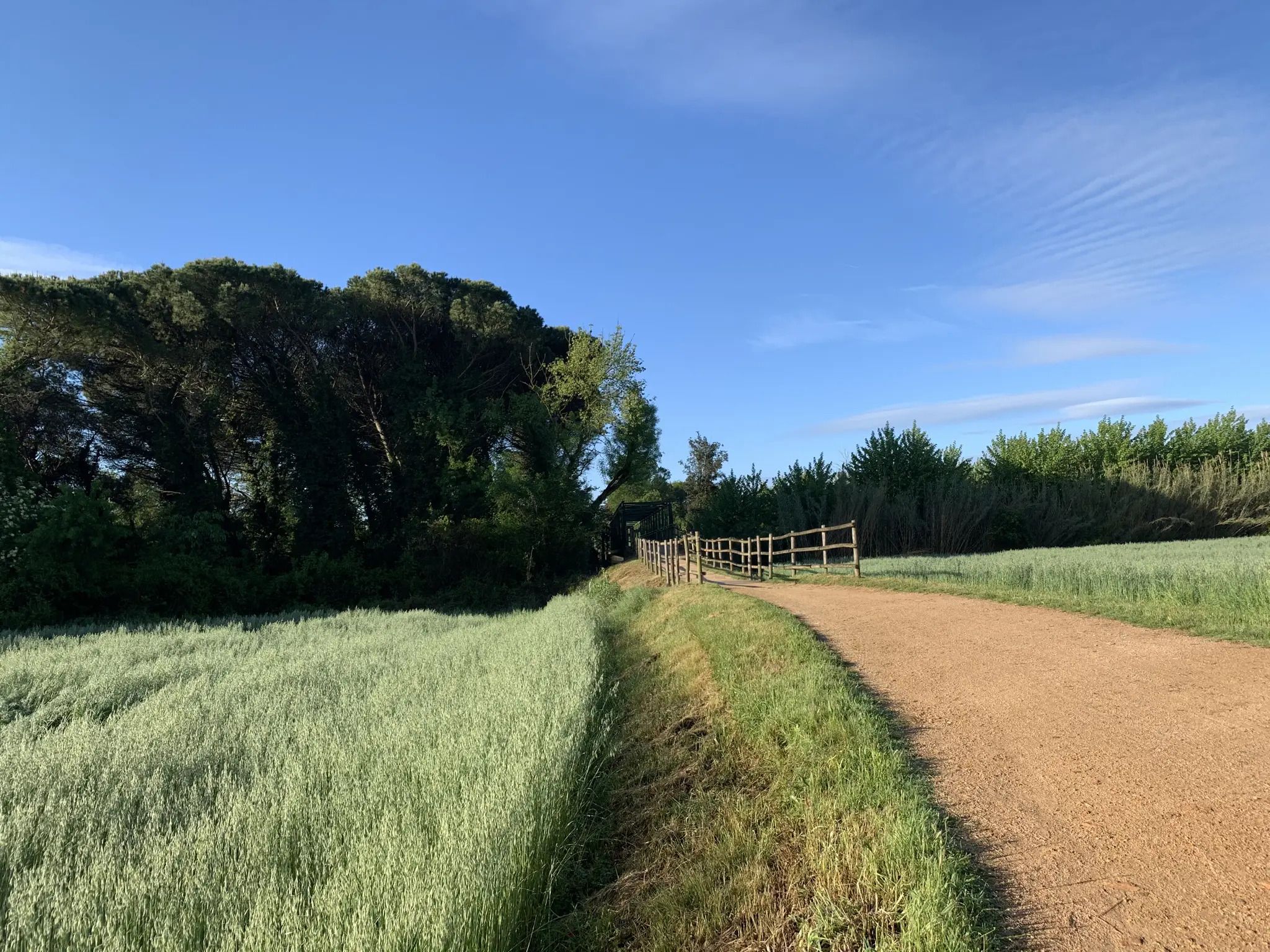
Barcelona to Girona – a road cycling mecca on your gravel bike
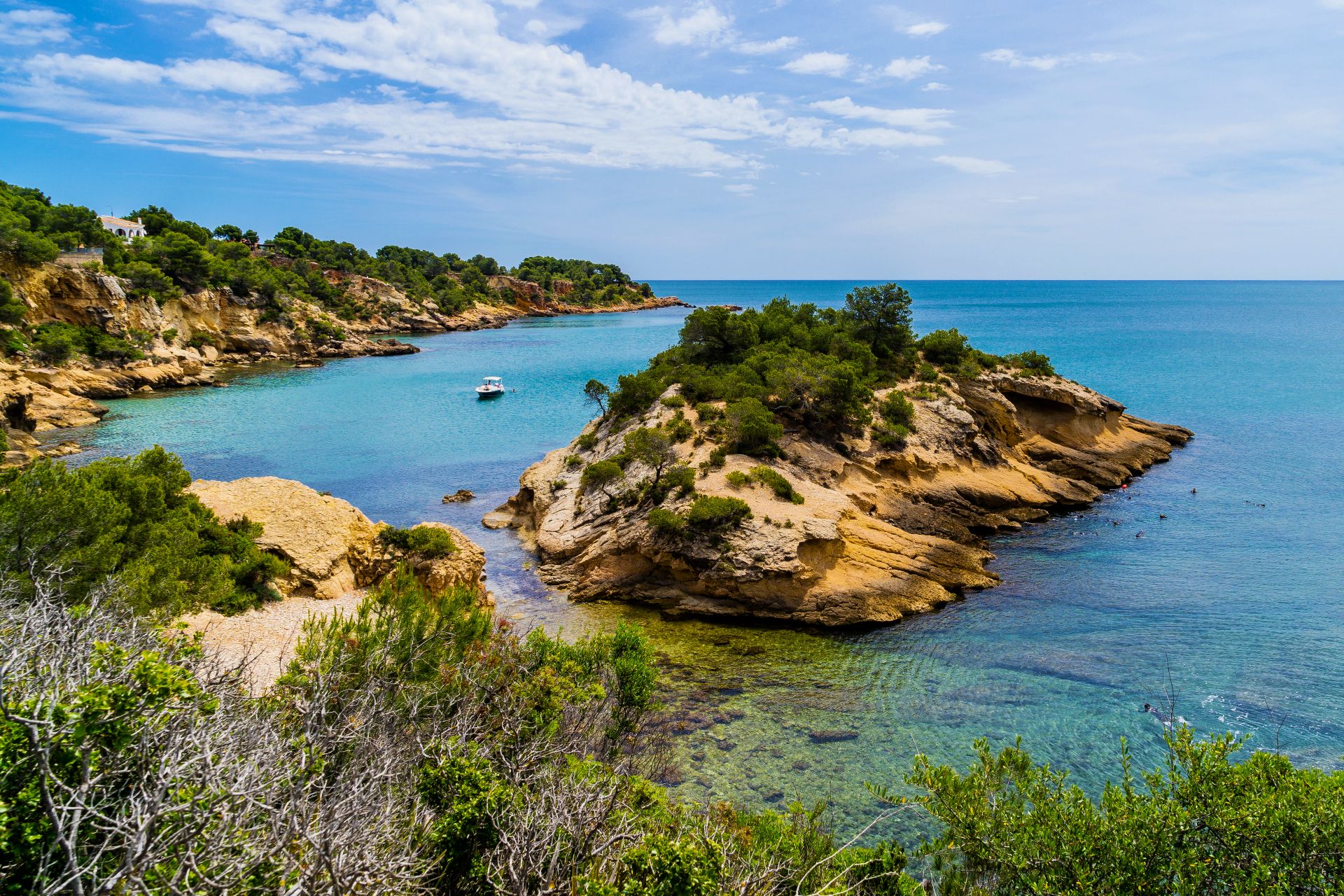
The Catalan coast on foot – Mediterranean Path (GR 92)
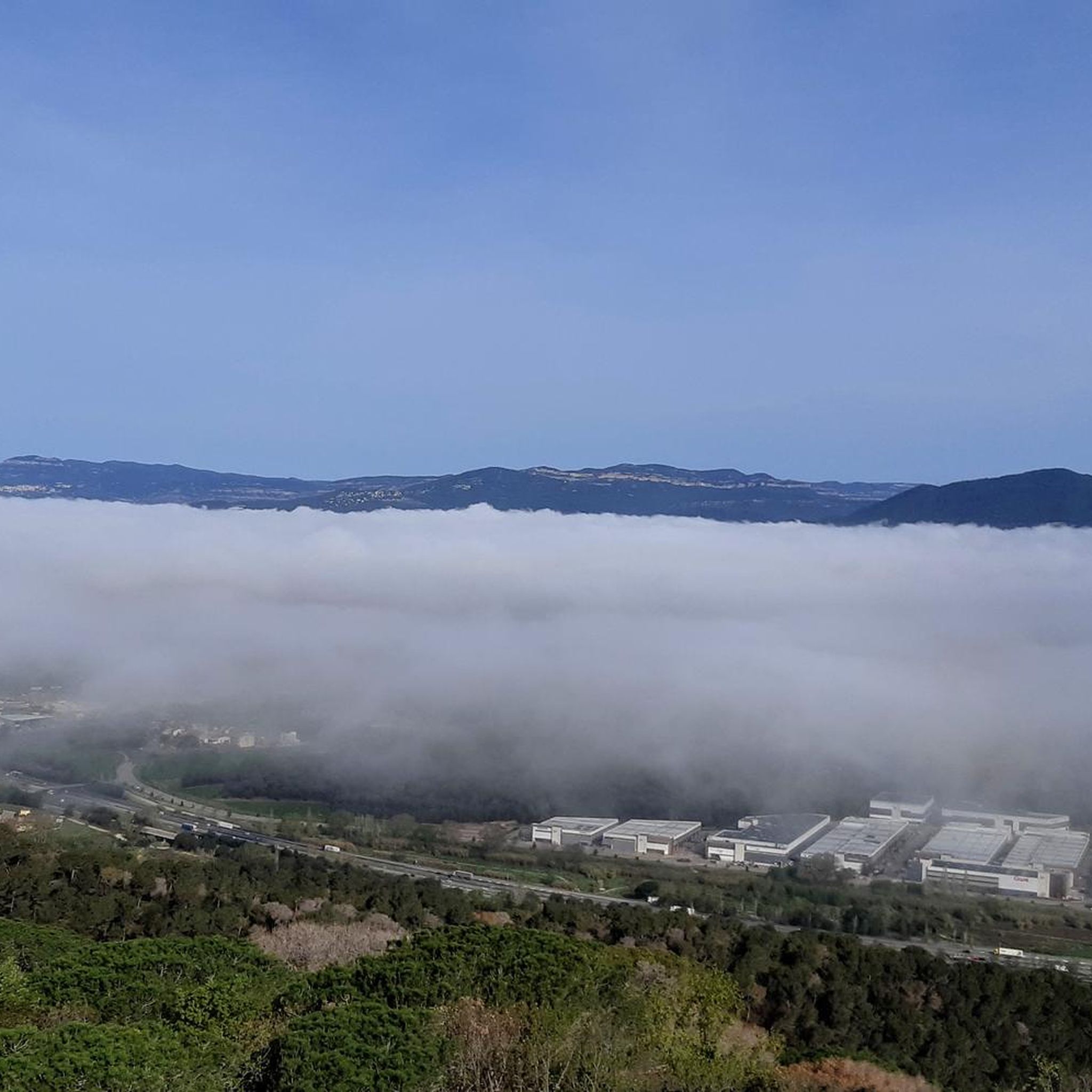
Road Cycling Routes around Llinars Del Vallès
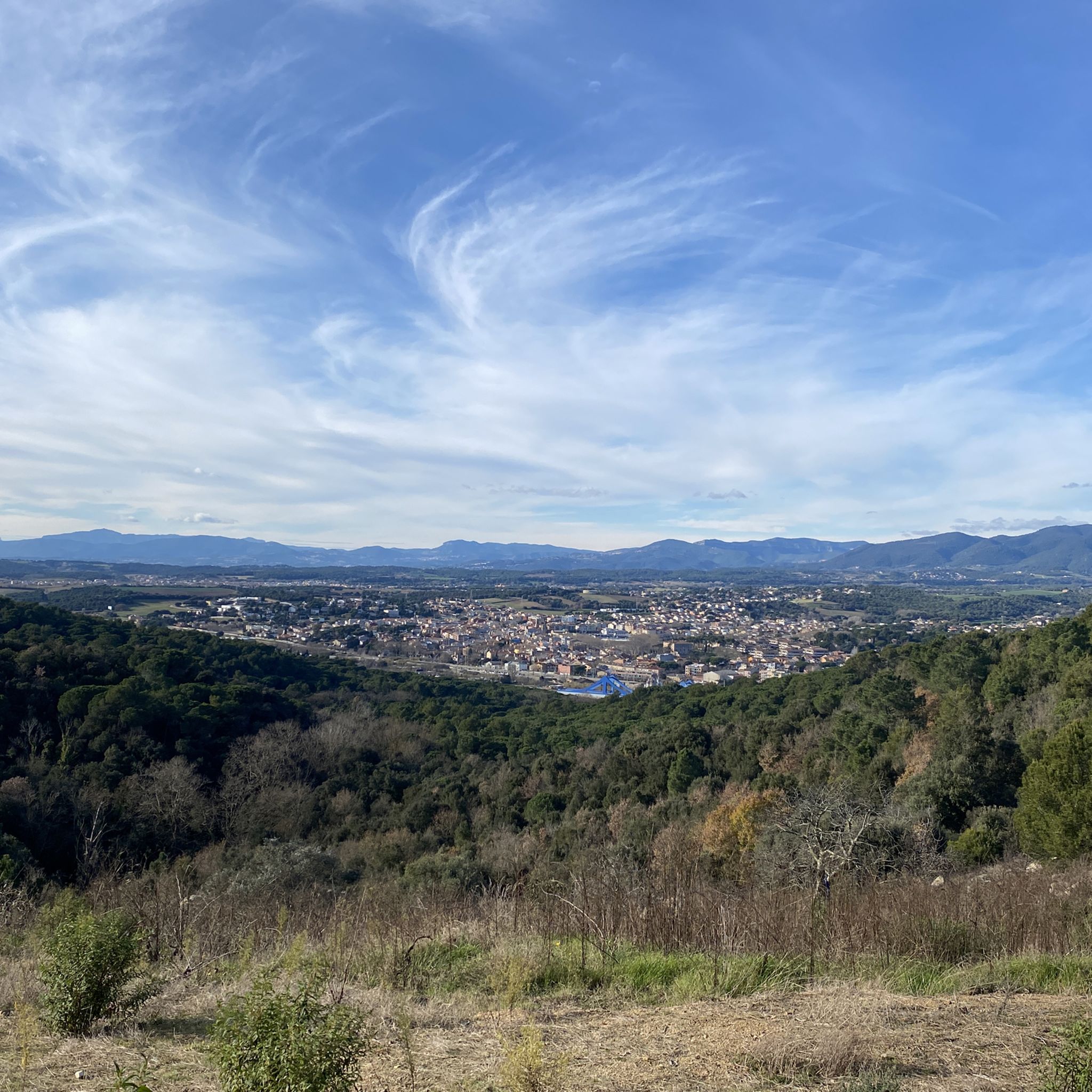
MTB Trails around Llinars Del Vallès
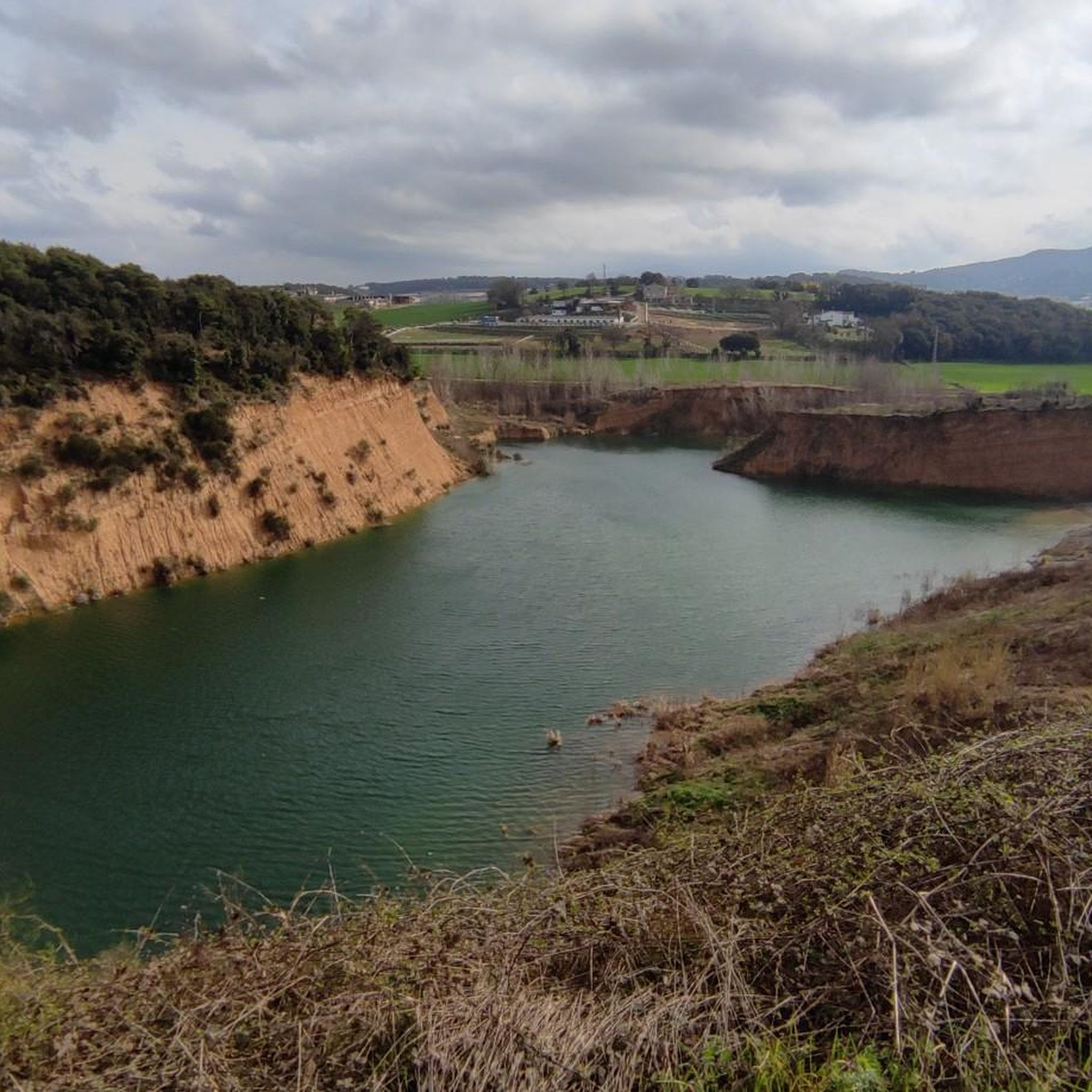
Cycling around Llinars Del Vallès
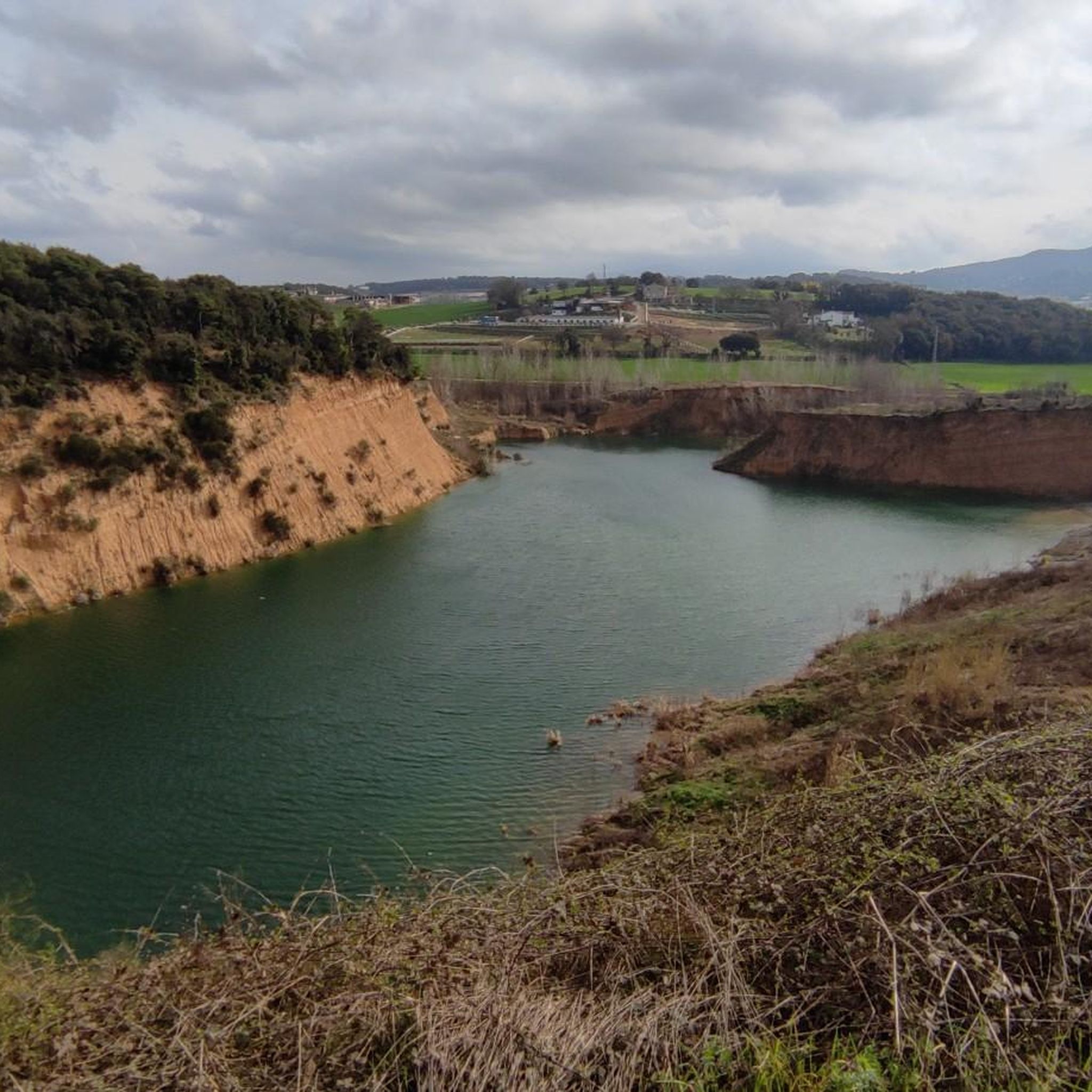
Hiking around Llinars Del Vallès
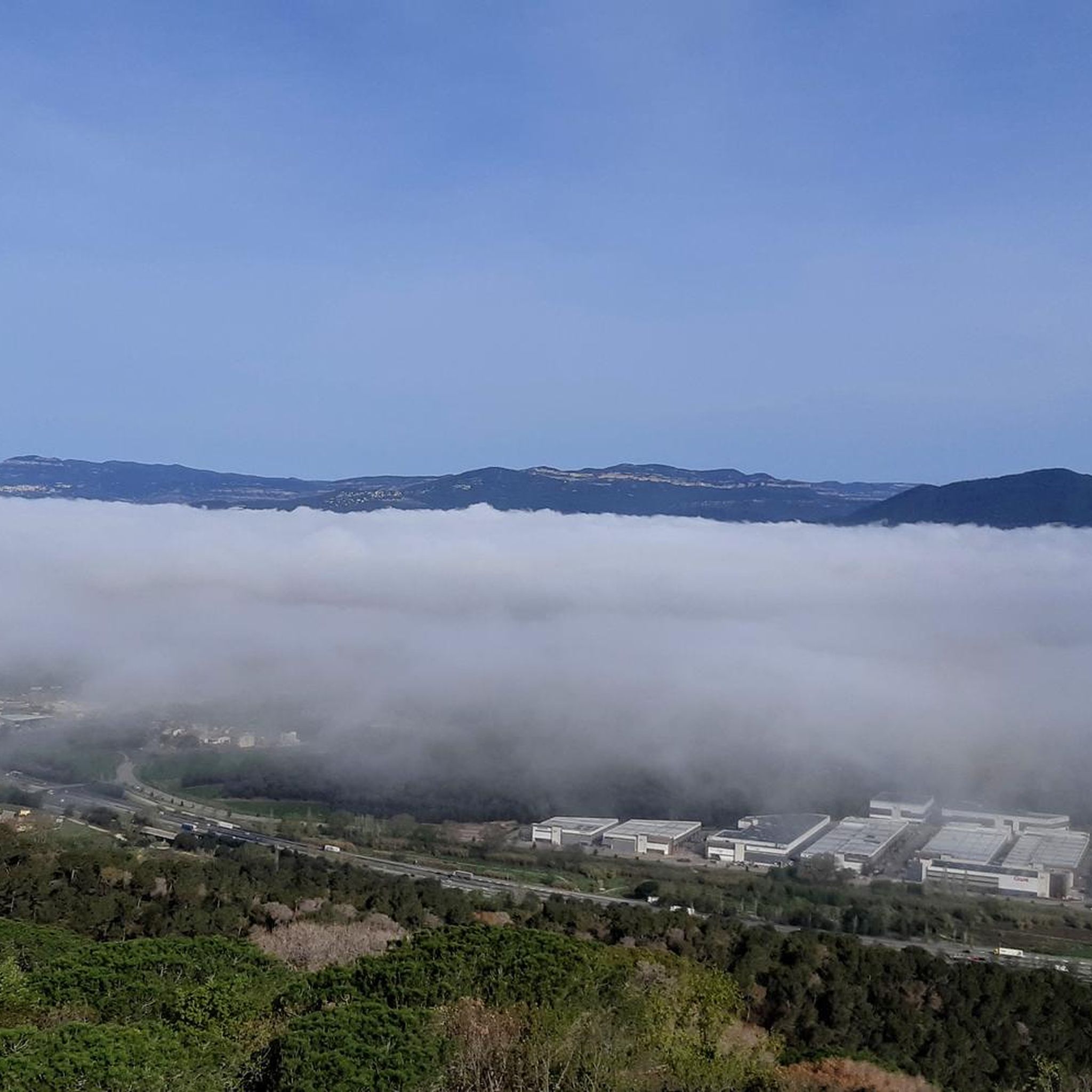
Running Trails around Llinars Del Vallès


Tips from the Community


If you pass by the Can Valls path, it's worth stopping to look at these three strange structures. They are not modern kilns: they are traditionally dated to the 9th–10th centuries, and one of them is still practically whole. Here, pine and oak stumps and wood were slowly baked to obtain "pega", a kind of vegetable tar used to waterproof boats and containers, and also for lighting. What's curious is to think that more than a thousand years ago, people were already working this forest and exploiting its resources right at this spot. A small stop that, if you don't know what you're looking at, goes completely unnoticed.
1
0
Tradition has it that when fishermen were far out at sea, they would look for a tiny white dot on the mountain amidst the green of the forest. It was this hermitage. It served as a reference point for them to orient themselves and know where the coast was. A kind of lighthouse, but on the mountain. And there's a second, even more curious story. Centuries ago, a severe smallpox epidemic affected the farmhouses of Hortsavinyà. Legend has it that a stranger appeared with an image of the Virgin and assured that those who came to pray to her would be healed. People associated the healings with that image, and eventually, the small oratory was built here. There's even a curious play on its name: Erola and verola—smallpox in Catalan—ended up being linked in popular tradition, although the origin of 'erola' seems to actually refer to the small plain where it is located. So that little white house lost among the trees was, depending on who looked at it, a sanctuary for some and an orientation point for those sailing down below in the Mediterranean.
0
0

Església de Sant Llop d'Hortsavinyà El document més antic on s'esmenta Hortsavinyà és del 1101, i el primer de l'església, del 1301, si bé la primitiva esglesiola podria ser del segle IX o X. La major part de l'edifici actual és del segle XVIII. Sant Llop n'és el patró (1 de setembre), i per això se celebra la festa major en aquestes dates, coincidint amb el primer diumenge del mes. I si sant Llop és el patró de l'església, santa Eulàlia ho és del poble, i pels volts del 10 de desembre se celebra la festa major petita d'Hortsavinyà. Tradicionalment, sant Llop fou l'encarregat, en la fe cristiana, de guarir el mal de coll i l'afonia, i se'l relacionava amb alguns comportaments dels llops. Tot això ens porta a cercar els seus orígens en un personatge precristià, el pare Llop, un home que convivia amb un ramat de llops a les muntanyes. Una vegada a l'any baixava a les masies a cobrar un tribut, que calia pagar si es volia evitar l'atac dels llops al bestiar i a les persones. També era creença general, segons podem llegir als bestiaris medievals catalans, que si un home veia un llop abans que el llop a ell, la bèstia restava muda per sempre més, però si era el llop qui el veia primer, qui perdia la veu era l'home. Això darrer es produïa per l'ensurt que patia la persona en trobar-se el llop. D'aquí ve la relació de sant Llop amb l'afonia. Font: XPN
1
0
Capella de Mare de Deu de l'Erola Prop de Santa Eulàlia (o Sant Llop) d'Hortsavinyà, seguint amunt pel camí GR-92, trobem l'ermita de la Mare de Déu de l'Erola. És un petit oratori de parets blanques que segons la tradició, servia de guia als pescadors que, en mirar les muntanyes, hi veien una petita taca blanca. L'edifici, molt senzill, és de planta rectangular amb volta semicircular. Al seu interior hi ha una fornícula amb una imatge de la Mare de Déu. Font: Pobles de Catalunya
0
0

The Torre de Marata is a Gothic, fortified manor house with a distinctive defensive tower. It is located on a hill and overlooks the area of the municipality of Maçanet de la Selva (province of Girona). The building is now privately owned.
0
0

Dates from the 18th century.... Built in honor of the only person who did not get sick during the smallpox outbreak that made everyone else sick. Erola, the name of the girl who did not get sick, and dedicated herself to healing all the sick. Believing that what this girl did was a miracle, they built this Hermitage for her.... Mara de Déu de la Erola. To this day, perfectly cared for and clean. The name Erola.... means..... Small esplanade at the top of the Mountain ⛰️😃
1
0

Very nice. It looks so much better than it did years ago.
1
0
Frequently Asked Questions
How many gravel bike trails are available in Llinars Del Vallès?
Llinars Del Vallès offers a wide selection of gravel bike trails, with over 170 routes available on komoot. These range from moderate to difficult, catering to various skill levels.
What is the overall difficulty level for gravel biking in Llinars Del Vallès?
The majority of gravel bike trails in Llinars Del Vallès are considered difficult, with 122 such routes. There are also 51 moderate trails and a couple of easier options for those seeking a less strenuous ride.
Are there any easy gravel bike routes suitable for beginners in Llinars Del Vallès?
While the region is known for its challenging terrain, there are a few easy gravel bike routes available. These are ideal for beginners or those looking for a more relaxed ride through the scenic landscapes.
Can I find long-distance gravel routes in Llinars Del Vallès?
Yes, Llinars Del Vallès is well-suited for long-distance gravel cycling. Many routes exceed 40 miles (65 km), offering extended rides through varied terrain and significant elevation changes. For example, the Besòs River Promenade – Torre Marimon loop from Llinars del Vallès covers over 70 km.
Are there circular gravel bike routes in Llinars Del Vallès?
Many of the gravel bike routes in Llinars Del Vallès are designed as circular loops, allowing you to start and finish at the same point. This makes planning your ride and logistics, such as parking, much simpler. An example is the Pega Kilns, Can Valls – Pont de Can Plana loop from Palautordera.
What kind of viewpoints can I expect on gravel bike routes in Llinars Del Vallès?
The gravel bike routes in Llinars Del Vallès often feature significant elevation gain, leading to numerous passes and viewpoints. These offer panoramic vistas of the rolling hills, forested areas, and the surrounding region, providing rewarding breaks during your ride.
What do other gravel bikers enjoy most about gravel biking in Llinars Del Vallès?
The komoot community highly rates gravel biking in Llinars Del Vallès, with an average score of 4.6 stars from over 87 reviews. Riders often praise the diverse landscape, challenging passes, and the opportunity to explore natural parks and rural paths.
What are some interesting natural attractions or landmarks to see along the gravel bike trails?
Beyond the trails themselves, Llinars Del Vallès is rich in natural and historical sites. You can explore fascinating geological formations like The Swallows' Rock or visit historical sites such as the Rocs de Sant Magí Neolithic Settlement. There are also several caves, including the Cave of the Frog, offering unique points of interest.
Are there specific bike parks or dedicated trails for mountain biking near Llinars Del Vallès?
Yes, for those interested in more technical riding, there are several bike parks and dedicated trails in the vicinity. Highlights include the Rocky Mountain Bike Trail and other trails like Dragon Khan Trail and Sant Carles Trail, which offer different challenges for mountain bikers.
What is the best time of year for gravel biking in Llinars Del Vallès?
The Mediterranean climate of Llinars Del Vallès generally makes it suitable for gravel biking year-round. Spring and autumn offer pleasant temperatures and vibrant scenery, while winter can be mild. Summer can be hot, so early morning or late afternoon rides are recommended during this season.
Is it possible to access gravel trails in Llinars Del Vallès using public transport?
Llinars Del Vallès is connected by public transport, including train services, which can be useful for reaching trailheads. Many routes start from towns like Palautordera or Cardedeu, which are accessible by public transport, allowing you to plan your journey without a car.
Where can I find parking for gravel biking in Llinars Del Vallès?
Parking is generally available in the towns and villages that serve as starting points for many gravel routes, such as Llinars del Vallès itself, Palautordera, or Cardedeu. Look for public parking areas, especially near train stations or town centers, which often provide convenient access to the trails.
Most popular routes around Llinars Del Vallès
Most popular attractions around Llinars Del Vallès

Get inspired with the komoot mobile app


Explore more
Browse the best Gravel rides in other regions.
