The best gravel rides around Baeza
4.7
(3)
45
riders
17
rides
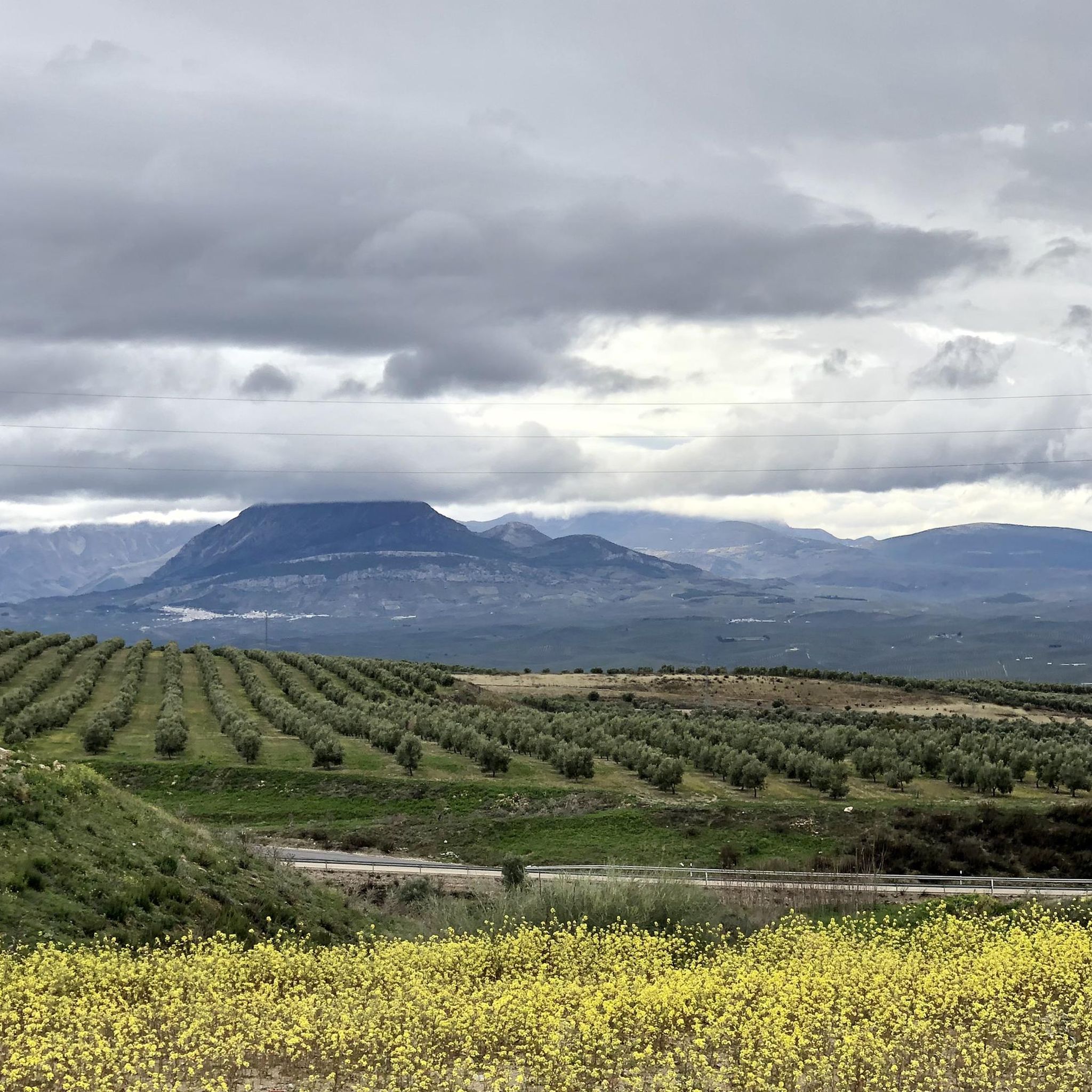
Gravel biking around Baeza offers a diverse landscape characterized by rolling hills, agricultural plains, and historical towns. The region features a mix of unpaved roads and tracks that connect cultural landmarks and natural areas, providing varied terrain for gravel cyclists. Elevation gains are moderate, making for engaging rides through the Andalusian countryside.
Best gravel bike trails around Baeza
- The most popular gravel bike trail is Plaza de Toros Viewpoint – Church of the Holy Cross loop from Baeza, a…
Last updated: June 24, 2026
3
riders
42.0km
03:10
420m
420m
Moderate gravel ride. Good fitness required. Mostly paved surfaces. Suitable for all skill levels.
2
riders
35.0km
02:46
470m
470m
Hard gravel ride. Very good fitness required. Mostly paved surfaces. Suitable for all skill levels.

Sign up for free
4.0
(1)
4
riders
Hard gravel ride. Very good fitness required. Mostly paved surfaces. Suitable for all skill levels.
4
riders
31.9km
02:27
380m
380m
Moderate gravel ride. Good fitness required. Mostly paved surfaces. Suitable for all skill levels.
4
riders
28.8km
01:46
290m
290m
Moderate gravel ride. Good fitness required. Mostly paved surfaces. Suitable for all skill levels.
Get access to more routes and recommendations from other explorers.
Sign up for free
Already have an account?
Our route recommendations are based on thousands of hikes, rides, and runs completed by other people on komoot.
Start today with a free account
Your next adventure awaits.
Login or Signup
Tips from the Community

Declared a National Monument in 1931, the cathedral stands on the site of an ancient Roman temple, later transformed into a Visigothic structure and then into a mosque after the arrival of the Muslims. In 1227, it became the cathedral seat under the Marian patronage of the Nativity. It acquired its Renaissance character in the 16th century, after more than half of the building collapsed in 1567. Andrés de Vandelvira and other important Andalusian architects imbued the cathedral with the classical style then prevalent in religious art. Until the end of the century, the temple was transformed piecemeal. The main portal was designed in 1587 by Juan Bautista Villalpando, featuring a relief of the Nativity of the Virgin, sculpted by the Jesuit Jerónimo del Prado from Baeza. The Puerta de la Luna (Moon Gate) is one of the oldest elements of the cathedral, with its distinctive 13th-century polylobed arch. Above it stands the 14th-century Gothic rose window, one of the few elements that survived the collapse of the cathedral in 1567. Therefore, the reconstruction was entrusted to Andrés de Vandelvira, who contributed his mastery to give the cathedral the Renaissance richness it boasts today. The combination of Mudéjar, Gothic, and Renaissance styles allows one to observe the passage of time through its walls, telling its story through each of its architectural styles. In addition to visiting the interior of the cathedral, it is highly recommended to climb the tower, from where you will be rewarded with spectacular views of the town and its surrounding countryside.
1
0
Opposite the Jabalquinto Palace stands the Church of Santa Cruz, one of the few Romanesque churches in all of Andalusia. Built in the 13th century, after the conquest of the Upper Guadalquivir Valley by Ferdinand III, it preserves remnants of 15th and 16th-century frescoes.
1
0

nice route and beautiful views
0
0

Linares has Iberian roots, with the city of Cástulo as its original center, capital of Oretania. It was first mentioned as such in 1155, during the reign of Alfonso VII. In the 19th century, it experienced its greatest boom thanks to lead mining, becoming a key industrial center in Spain. In 1875, Alfonso XII granted it the title of city. In the 20th century, the automotive industry took center stage with Santana Motor, which manufactured the famous Land Rover Santana.
3
0

It's truly incredible to think of streams so rich in salt.
4
0

Saltwater wells are very common in this area, used for the production of salt similar to that produced in the sea, but with the difference that the water extracted cannot be used for irrigation or drinking due to the high salt concentration. The stream floor is completely white due to this salinization of the surroundings, which forms crystals.
16
0
This iconic street was made pedestrian-only several years ago to enhance the city center, where shops are concentrated offering visitors a variety of products, from prized Extra Virgin olive oil to ceramics and other objects.
20
0
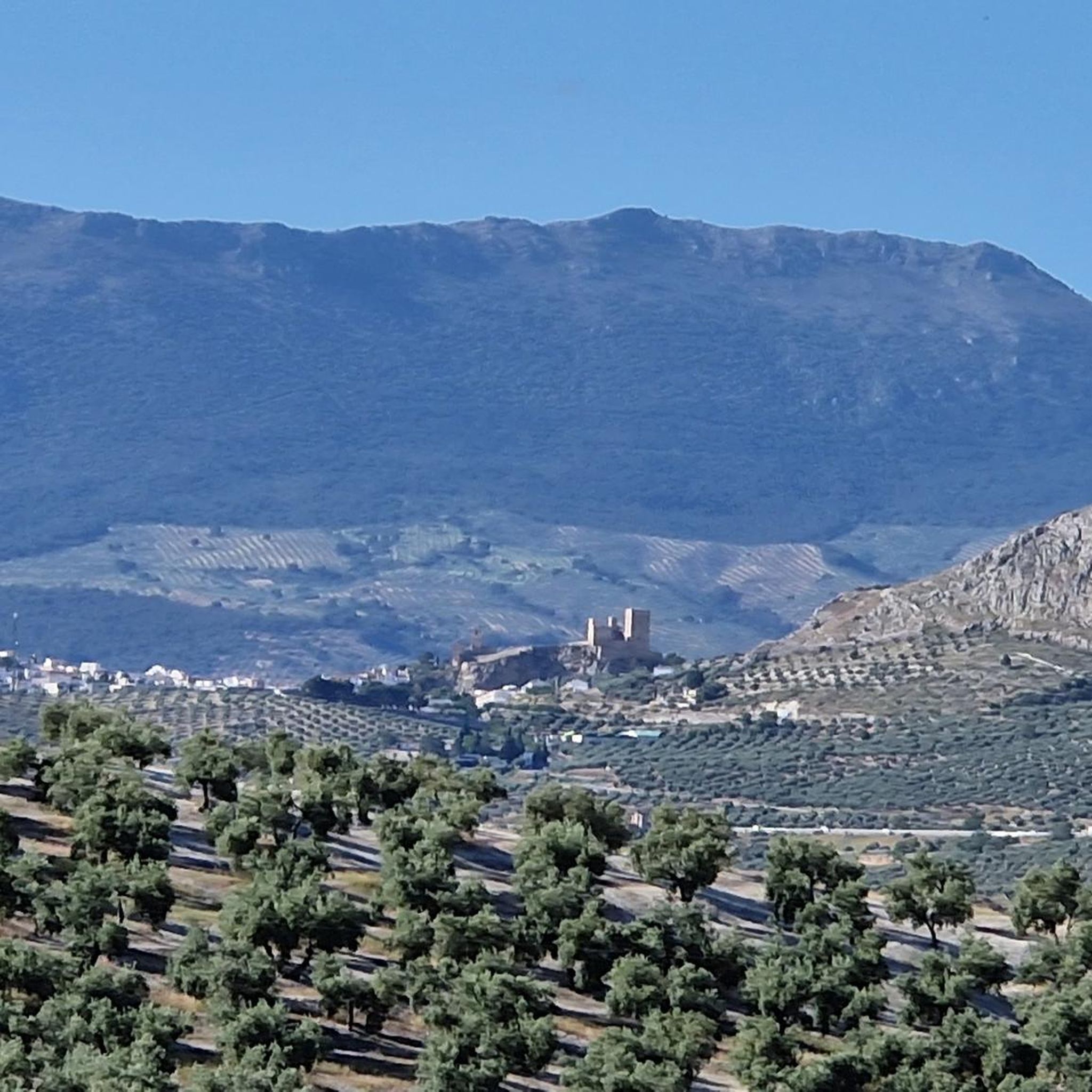
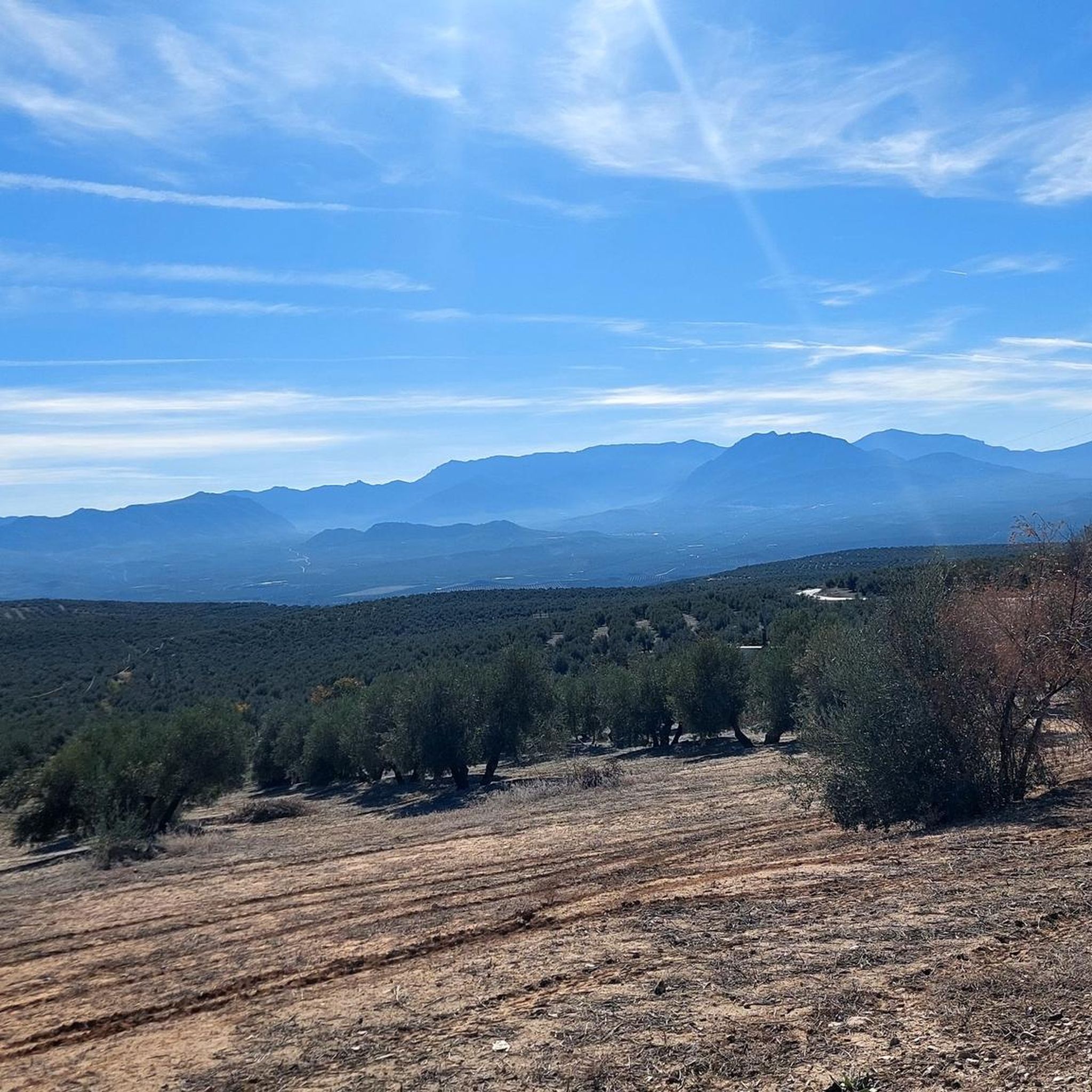
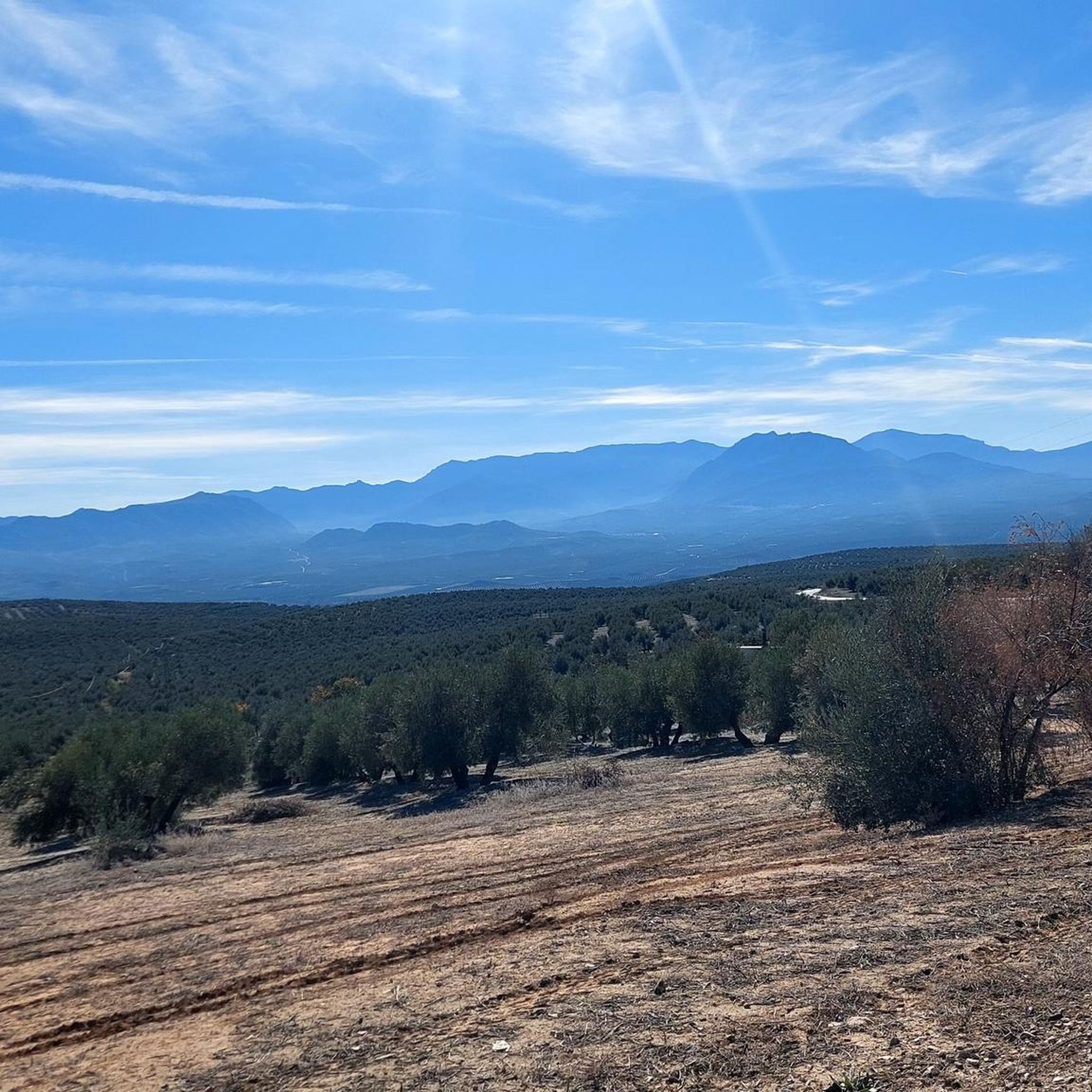
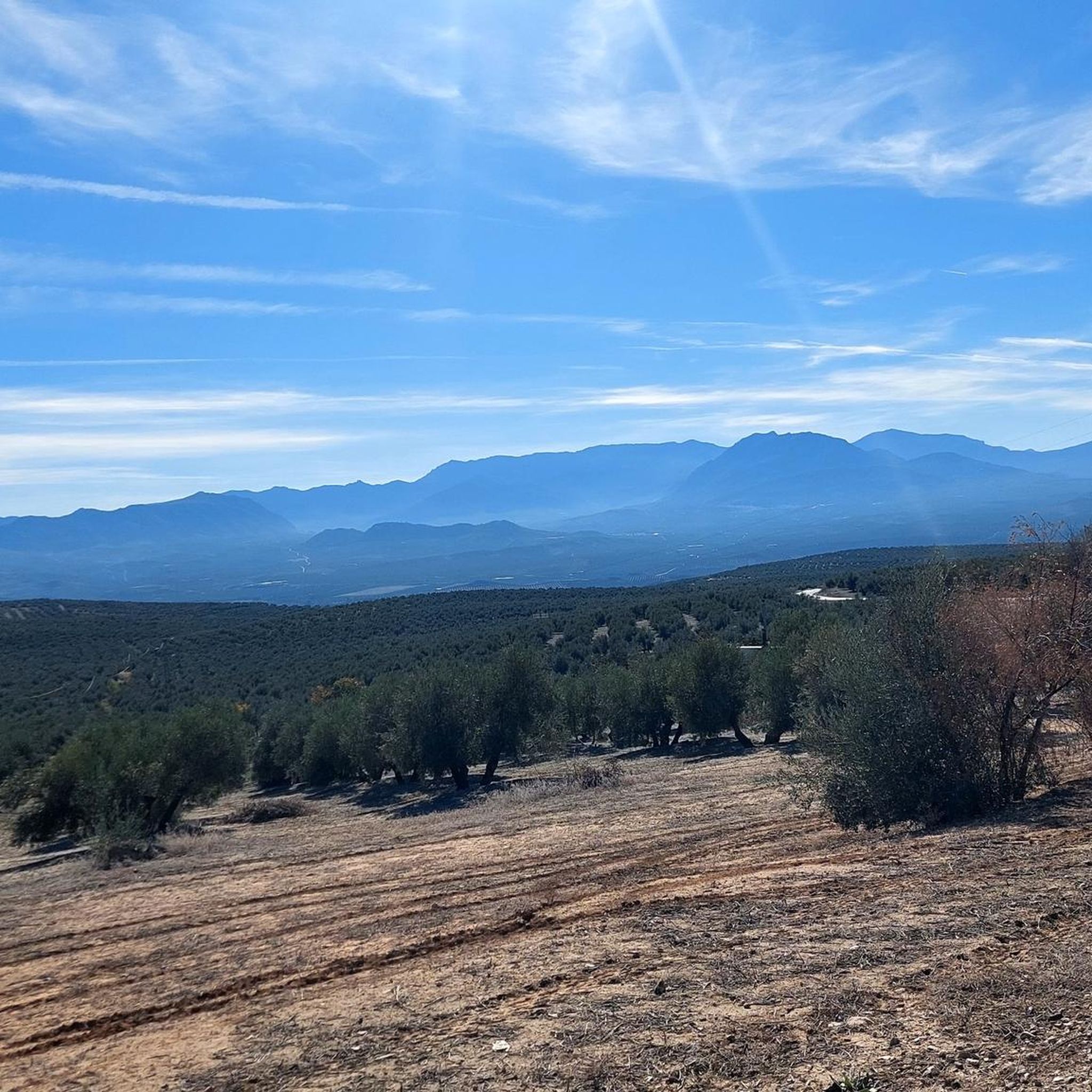
This viewpoint is located on the Paseo de la Muralla (walled walkway) and very close to the Bullring. It offers views of the entire Guadalquivir River valley, the Sierra de Mágina mountain range with Aznaitín peak, and behind it, Almadén. In the background, to the right, we can see the city of Jaén with its castle as a lookout tower.
20
0
Frequently Asked Questions
How many gravel bike trails are available around Baeza?
There are over 10 gravel bike trails around Baeza, offering a diverse range of experiences for cyclists. These routes explore the region's rolling hills, agricultural plains, and historical towns.
Are there easy gravel bike trails suitable for beginners in Baeza?
While many routes in Baeza offer engaging terrain, the majority are rated moderate to difficult. However, the region's landscape of rolling hills and unpaved tracks can be enjoyed by those with some gravel biking experience. For a moderate option, consider the Plaza de Toros de Linares – Linares Town Center loop from Torreblascopedro.
What are some challenging gravel bike trails around Baeza?
For those seeking a challenge, Baeza offers several routes with significant elevation gains. The Plaza de Toros Viewpoint – Church of the Holy Cross loop from Baeza is rated difficult, covering 25.2 miles (40.6 km) with over 580 meters of ascent. Another demanding option is the Cortijo Brujuelo – Natural salt flats. loop from Mancha Real.
Are there any family-friendly gravel bike routes in Baeza?
While specific 'family-friendly' routes are not explicitly categorized, routes with moderate difficulty and shorter distances might be suitable for families with older children or those accustomed to gravel biking. Always check the route details for elevation and terrain before heading out with family.
What is the best season for gravel biking in Baeza?
The best seasons for gravel biking in Baeza are typically spring (March to May) and autumn (September to November). During these months, the weather is generally mild and pleasant, avoiding the intense heat of summer and the cooler, sometimes wetter, conditions of winter. This allows for comfortable exploration of the agricultural landscapes and historical towns.
What should I bring for gravel biking in Baeza?
Given the varied terrain and potential for longer rides, it's advisable to bring plenty of water, snacks, a repair kit (including spare tubes), and appropriate sun protection. A helmet is essential, and comfortable cycling attire is recommended. For navigation, a GPS device or a fully charged smartphone with offline maps is highly useful.
Are there gravel bike trails with good viewpoints in Baeza?
Yes, many routes around Baeza offer scenic viewpoints. The Plaza de Toros Viewpoint – Church of the Holy Cross loop from Baeza is specifically named for its viewpoint, providing panoramic vistas of the surrounding Andalusian countryside and historical architecture.
Can I find quiet gravel bike routes away from traffic in Baeza?
Many gravel routes in Baeza utilize unpaved roads and tracks that connect rural areas and agricultural lands, naturally offering a quieter experience away from main roads. These paths allow you to immerse yourself in the tranquil Andalusian countryside.
What interesting landmarks or attractions can I see along the gravel bike trails?
Baeza's gravel trails often pass by or near significant historical and natural sites. You can explore highlights such as the Sacred Chapel of the Savior and Baeza Cathedral. Some routes also venture close to natural monuments like the Entrance to the Sierra Mágina Natural Park.
What do other gravel bikers enjoy most about the trails in Baeza?
The komoot community highly rates the gravel biking experience in Baeza, with an average score of 4.7 stars. Reviewers often praise the region's unique blend of historical towns, diverse agricultural landscapes, and rolling hills, which provide engaging and scenic rides. The variety of unpaved roads and tracks is also a consistent highlight.
Are there circular gravel cycling loops available in Baeza?
Yes, many of the gravel bike routes around Baeza are designed as loops, allowing you to start and finish in the same location. Examples include the Plaza del Pópulo, Baeza – Plaza de Toros Viewpoint loop from Baeza and the Plaza de Toros de Úbeda – Hotel Palacio de Úbeda. ***** loop from Antigua Estación de Úbeda, offering convenient circular journeys.
Are there gravel bike trails that connect historical town centers?
Absolutely. Gravel biking in Baeza is characterized by its connection to historical towns. The Plaza de Toros de Linares – Linares Town Center loop from Torreblascopedro is a prime example, linking historical centers with rural tracks, allowing you to experience both the cultural heritage and the natural beauty of the region.
Most popular attractions around Baeza

Get inspired with the komoot mobile app


Explore more
Browse the best Gravel rides in other regions.
