The best gravel rides around Castelló De La Ribera
4.7
(10)
135
riders
26
rides
Gravel biking around Castelló De La Ribera offers diverse terrain, from river paths to mountainous trails, within the broader Castellón province. The region features a network of secondary roads and dirt tracks, ideal for gravel cyclists seeking varied landscapes. This area is characterized by its blend of coastal and inland features, including natural parks and river systems. Cyclists can find routes ranging from gentle, flatter sections along waterways to more demanding climbs through hills.
Best gravel bike trails around Castelló…
Last updated: July 8, 2026
10
riders
101km
08:10
1,730m
1,730m
Hard gravel ride. Very good fitness required. Mostly paved surfaces. Suitable for all skill levels.
5.0
(2)
26
riders
34.4km
02:06
470m
470m
Hard gravel ride. Very good fitness required. Mostly paved surfaces. Suitable for all skill levels.

Sign up for free
4.0
(1)
17
riders
52.1km
03:32
590m
590m
Hard gravel ride. Very good fitness required. Mostly paved surfaces. Suitable for all skill levels.
4.7
(3)
18
riders
Moderate gravel ride. Good fitness required. Mostly paved surfaces. Suitable for all skill levels.
9
riders
44.8km
03:04
670m
680m
Hard gravel ride. Very good fitness required. You may need to push your bike for some segments of this route.
Get access to more routes and recommendations from other explorers.
Sign up for free
Already have an account?
Our route recommendations are based on thousands of hikes, rides, and runs completed by other people on komoot.
Start today with a free account
Your next adventure awaits.
Login or Signup
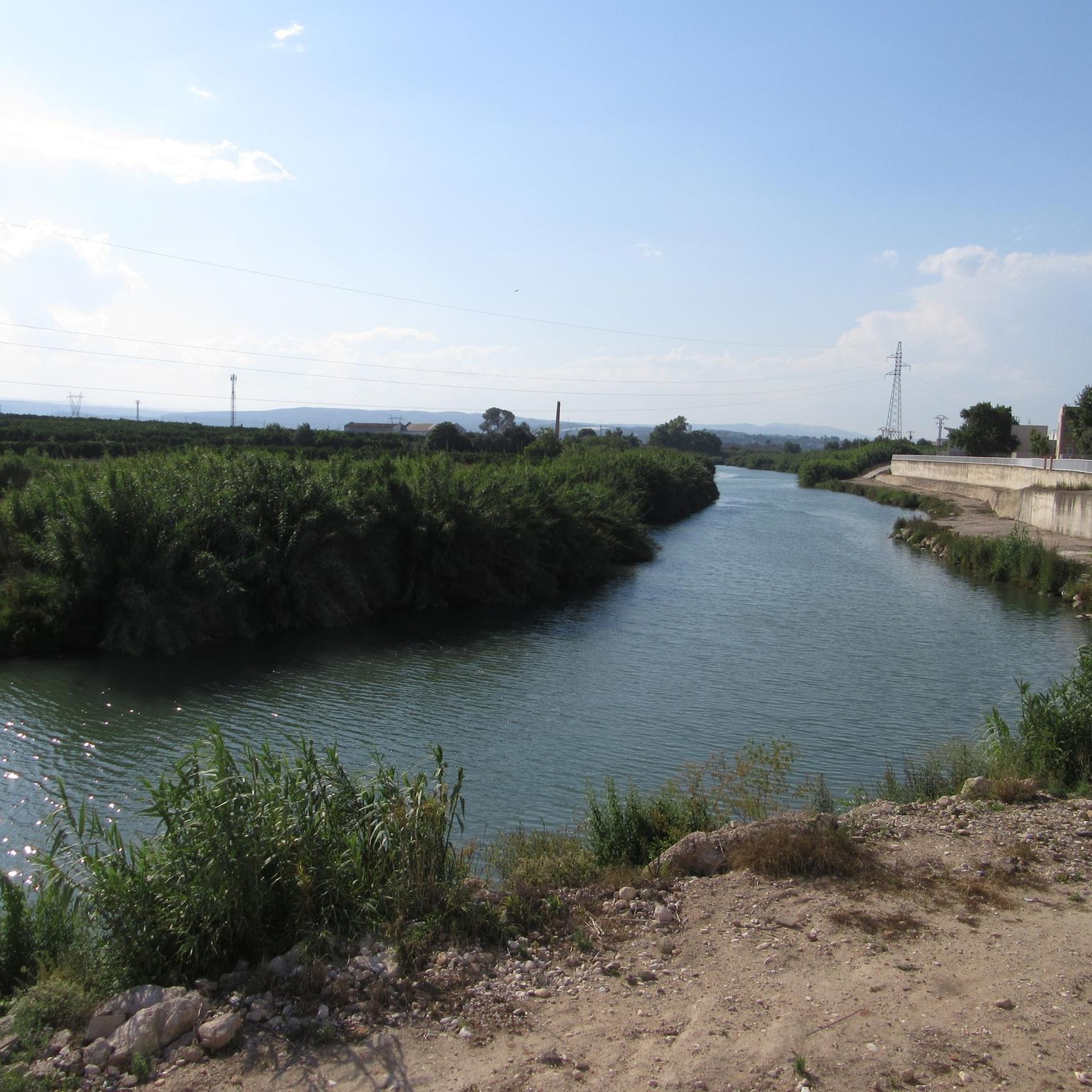
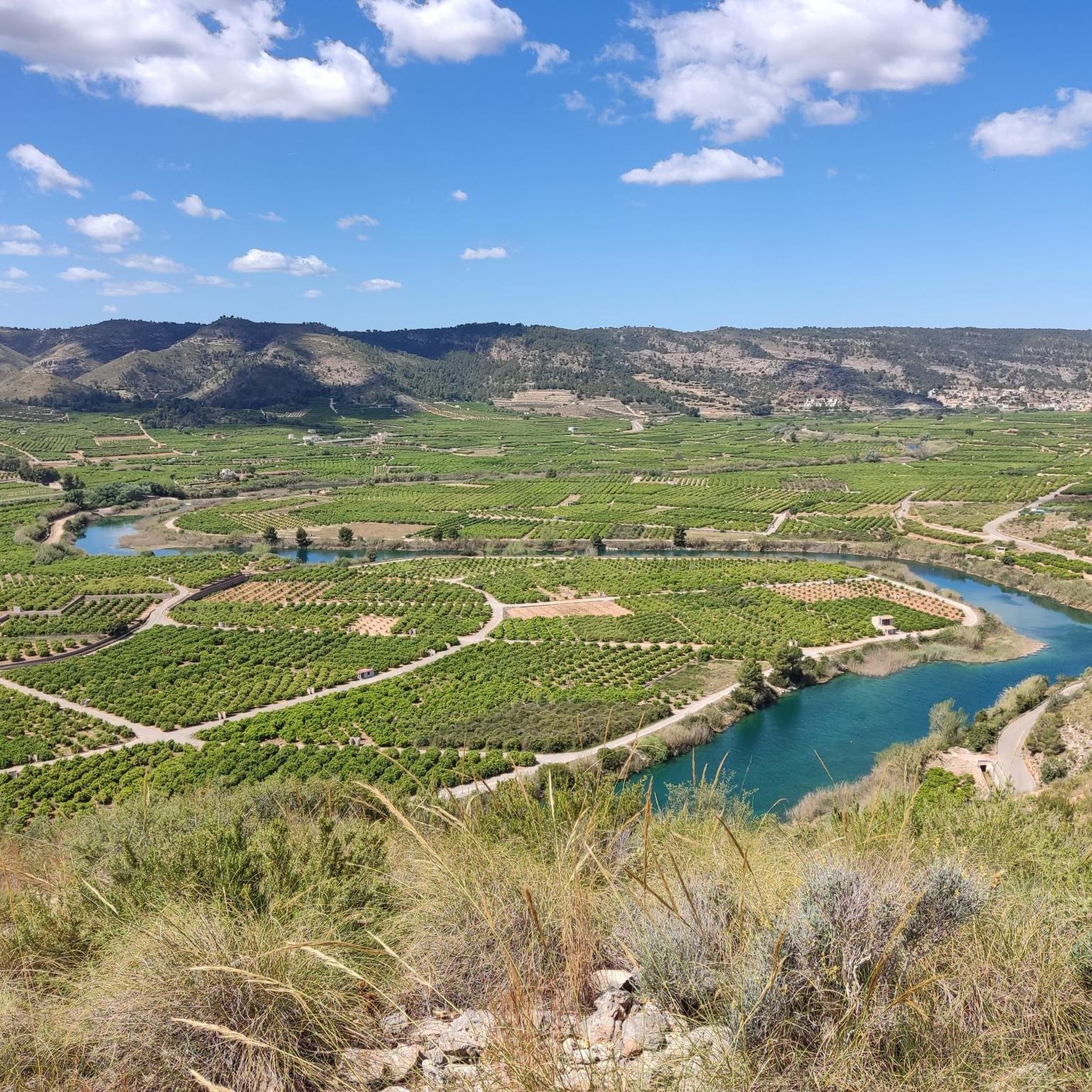
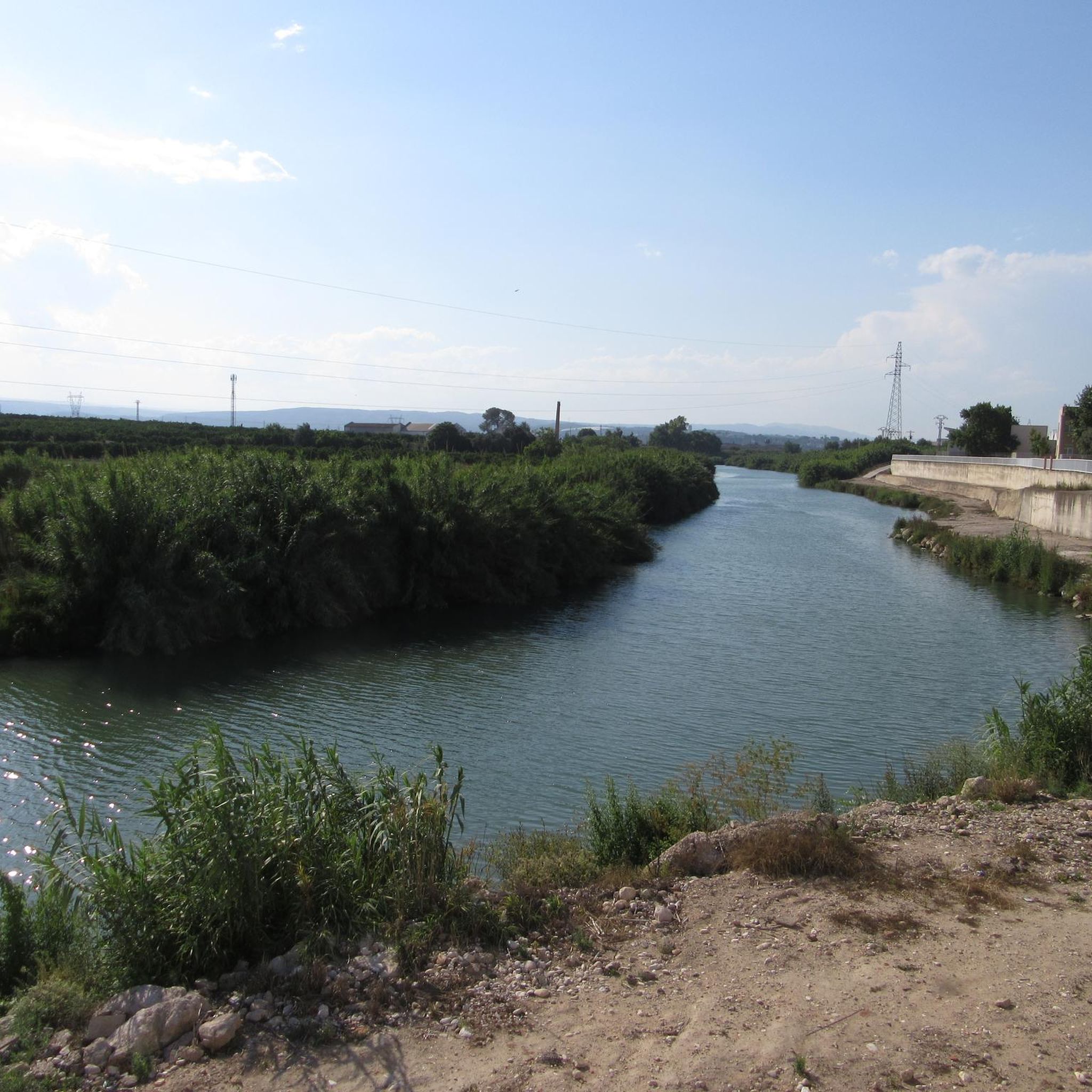
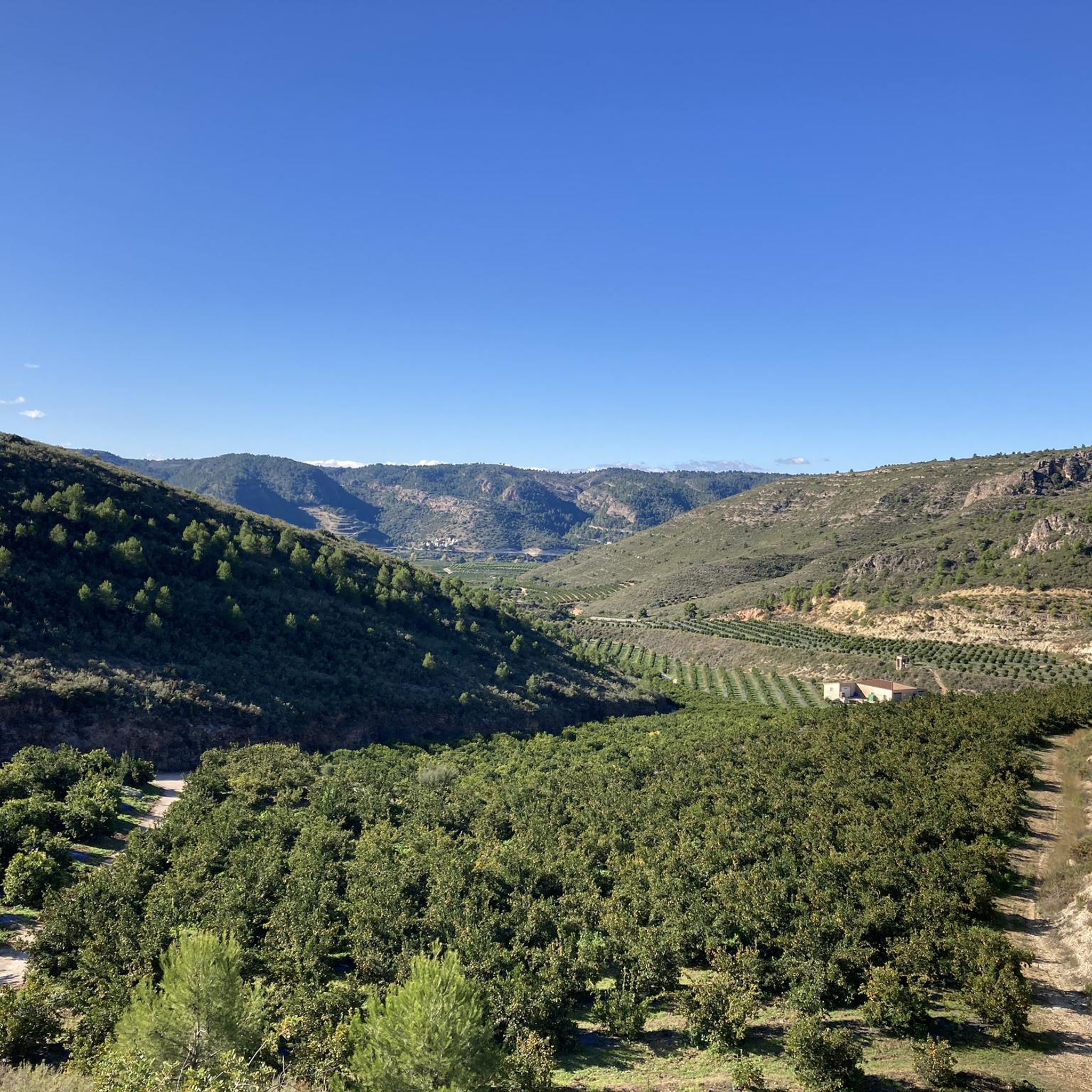
Tips from the Community

El convent d'Aigües Vives, també anomenat Reial Monestir de Santa Maria d'Aigües Vives, és un antic monestir amb orígens que es remunten al segle XIII. L'edifici actual es va construir durant els segles XVI i XVII, amb els corresponents estils, renaixentista i barroc, si bé l'ala nord es va acabar en el segle XVIII. El monestir va pertànyer a l'orde dels agustins, orde que custodiava la imatge de la Mare de Déu d'Aigües Vives, patrona de la ciutat de La Barraca d'Aigües Vives. A mitjan segle XIX, a conseqüència de la desamortització de Mendizábal, els monjos hagueren d'abandonar el cenobi. Aquest va passar a mans dels barons de Casanova, que el destinaren com a habitatge rural. L'any 1977 el monestir fou adquirit i reformat per a destinar-lo a hotel residència per Antonio Vidal Bellver (fotògraf i empresari de Carcaixent). Actualment és propietat d'un empresari hoteler de Gandia. El 2024, la Generalitat Valenciana va instar els nous propietaris a fer obres per a mantenir aquesta obra major que ha patit un deteriorament progressiu com a conseqüència de robatoris, vandalisme i abandonament.
1
0

Between the shade of the Mondúver and the constant sound of water, the Clot de la Font is one of those places that invite you to slow down and enjoy cycling without looking at the clock. This natural spring, where the Badell—a tributary of the Vaca river—is born, is located a few kilometers from the urban center of Tavernes de la Valldigna and is a regular stop for cyclists, hikers, and runners. The access combines agricultural paths and stretches surrounded by pine forests and Mediterranean vegetation, perfect for a gravel, MTB, or even a quiet road route. The area is part of the Ruta dels Sentits and stands out for its fresh atmosphere, the shade of the Ombria, and a historic white fountain over 160 years old, next to a small waterfall that makes this place one of the most special points in the Valldigna. There's always a cycling vibe here: groups setting off at dawn, quick stops to fill water bottles, or simply a perfect place to rest before continuing towards the Cova del Bolomor, the Castell de Marinyén, or the routes of the Mondúver. The stone tables, potable water, and the tranquility of the surroundings make it a mandatory stop for any route through the Safor. A small oasis between mountain, water, and paths. Ideal for stopping, breathing, and keeping on rolling.
0
0
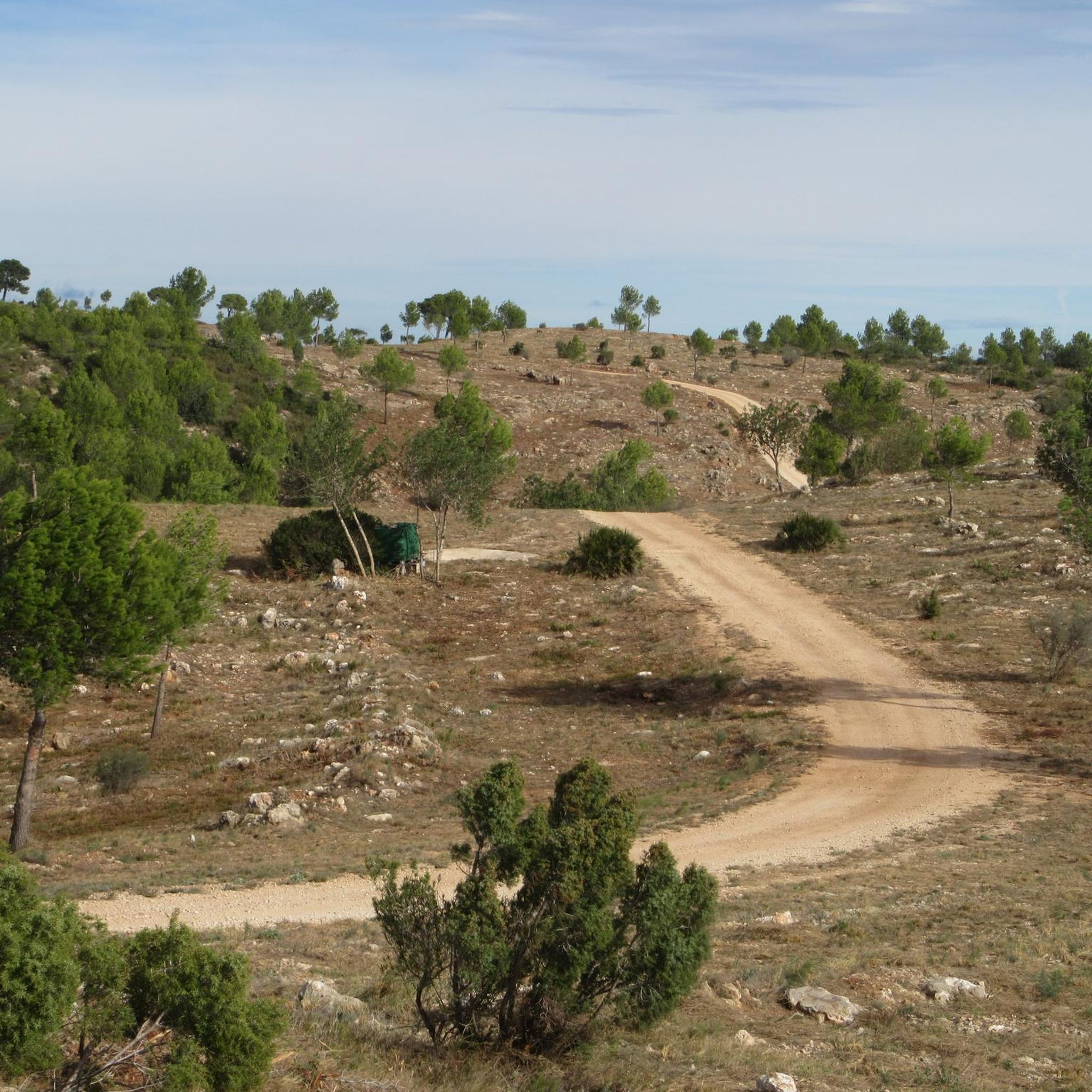
A virgin landscape with very steep slopes, especially from north to south.
1
0
Pleasant route through a virgin landscape, with very demanding elevation changes, especially if done in a north-south direction.
1
0
Long route parallel to the Júcar-Túria transfer that serves as an artery for numerous routes through the regions of Horta and Ribera.
1
0
Good views of the Ribera Alta, Ribera Baixa and Horta Sud with the Albufera marsh, from a completely unspoilt area.
1
0

After Benalí, the Río Grande trail begins. It's surrounded by nature at an altitude of 800 meters. A great spot to enjoy the views from this height.
0
0
The Garrofer spring is a spring where water, coming from the Agulles aquifer, flows happily through two pipes and is channeled to an adjacent washhouse. Despite the warning that the water is not potable (as it is not chlorinated or subject to any health control), thousands of Alzire residents travel up to thirteen kilometers and sometimes form long queues to fill their water jugs.
1
0
Frequently Asked Questions
How many gravel bike trails are available around Castelló De La Ribera?
There are over 30 gravel bike trails around Castelló De La Ribera, offering a diverse range of experiences. These routes cater to various skill levels, from moderate to difficult, ensuring there's something for every gravel cyclist.
Are there gravel trails suitable for beginners or families in Castelló De La Ribera?
While the region offers many moderate and difficult routes, some sections along the Júcar River provide flatter terrain suitable for those new to gravel biking or families. For a moderate option with scenic river views, consider the Riola (Rio Júcar) – Júcar River Levee loop from Alzira, which follows the river's levee.
What kind of terrain can I expect on gravel bike routes in this region?
The gravel bike routes around Castelló De La Ribera offer a rich variety of terrain. You'll find everything from serene river paths and extensive dirt tracks to rolling hills and more challenging mountainous sections. The broader Castellón province is known for its blend of coastal and inland features, including natural parks with diverse landscapes.
Are there any long-distance gravel bike routes available?
Yes, for those seeking a longer challenge, the region offers routes with significant distances and elevation gains. A notable difficult option is the Fuente de Marzo – Plaza de La Seo loop from Xàtiva, which spans over 100 km and features varied terrain and considerable climbing.
Can I find circular gravel bike routes in Castelló De La Ribera?
Many of the gravel bike routes in the area are designed as loops, allowing you to start and finish at the same point. Examples include the Riola (Rio Júcar) – Júcar River Levee loop from Alzira and the Font del Garrofer – Collado del Infierno Viewpoint loop from Alzira, which offers hilly landscapes and a viewpoint.
What are some scenic highlights or viewpoints along the gravel trails?
The region is rich in scenic beauty. You can find routes that lead to stunning viewpoints, such as the Font del Garrofer – Collado del Infierno Viewpoint loop from Alzira. Additionally, the wider Castellón province boasts natural parks like Serra d'Irta with coastal views, and Desierto de las Palmas, offering spectacular vistas of the Castellón coast.
Are there any waterfalls or natural monuments to see along the routes?
Absolutely! The area around Castelló De La Ribera is home to several beautiful natural attractions. You can explore highlights like the Vikings' Waterfall, the impressive Gorgo de la Escalera with its unique rock formations, and the Gaspar Waterfall and Pool. These natural monuments offer refreshing stops during your ride.
What historical or cultural attractions can I visit while gravel biking?
Beyond natural beauty, the region offers fascinating historical sites. The ancient Castell de Xàtiva is a prominent landmark near some routes. You might also encounter sites like the Ermita de Santa Bárbara or remains of Muslim fortifications, adding a historical dimension to your rides.
What is the best time of year for gravel biking in Castelló De La Ribera?
The province of Castellón generally offers good conditions for gravel biking for much of the year due to its Mediterranean climate. Spring and autumn provide pleasant temperatures, ideal for longer rides. Even winter can be suitable, especially along coastal paths, though higher mountain routes might require more preparation.
What do other gravel bikers enjoy most about the trails here?
The gravel bike routes around Castelló De La Ribera are highly rated by the komoot community, with an average score of 4.8 stars from over 10 reviews. Cyclists often praise the diverse terrain, from river paths to challenging hills, and the mix of dirt tracks and secondary roads that make for varied and engaging rides.
Are there routes that pass by cafes or places to refuel?
While specific cafes are not listed for every route, many trails pass through or near charming villages where you can find local eateries and cafes. Planning your route to include stops in towns like Alzira or Xàtiva, which are starting points for several tours, will provide opportunities to refuel and experience local cuisine.
Is parking available at the trailheads?
Many popular starting points for gravel bike routes, such as those in Alzira or Xàtiva, typically offer parking facilities. It's advisable to check specific route details on komoot for information regarding parking availability at your chosen trailhead.
Most popular routes around Castelló De La Ribera
Most popular attractions around Castelló De La Ribera

Get inspired with the komoot mobile app


Explore more
Browse the best Gravel rides in other regions.
