The best gravel rides around Castellfollit De Riubregós
58
riders
15
rides
Gravel biking around Castellfollit De Riubregós offers a network of trails through varied terrain. The region is characterized by rolling hills, agricultural landscapes, and scattered woodlands, providing diverse surfaces for gravel cyclists. Many routes feature unpaved roads and tracks, connecting small villages and historical sites. The area presents options for both moderate and advanced gravel bike routes, with a focus on longer distances and significant elevation gains.
Best gravel bike trails around Castellfollit De Riubregós
- The most popular gravel bike…
Last updated: July 8, 2026
37
riders
64.6km
04:49
1,020m
1,020m
Hard gravel ride. Very good fitness required. Mostly paved surfaces. Suitable for all skill levels.
4
riders
Moderate gravel ride. Good fitness required. Mostly paved surfaces. Suitable for all skill levels.

Sign up for free
8
riders
117km
09:07
1,410m
1,410m
Hard gravel ride. Very good fitness required. Mostly paved surfaces. Suitable for all skill levels.
4
riders
Moderate gravel ride. Good fitness required. Mostly paved surfaces. Suitable for all skill levels.
7
riders
115km
08:47
2,380m
2,380m
Hard gravel ride. Very good fitness required. Mostly paved surfaces. Suitable for all skill levels.
Get access to more routes and recommendations from other explorers.
Sign up for free
Already have an account?
Our route recommendations are based on thousands of hikes, rides, and runs completed by other people on komoot.
Start today with a free account
Your next adventure awaits.
Login or Signup

Tips from the Community

Fanshop of the Marquez brothers ! Worth the visit for all motoGP fans
0
0

The tower of the Ardèvol castle is located on top of a small rock, in the center of the town of the same name, next to the parish church of Santa Maria which was the parish church. The administrative center is near the sanctuary of Santa Maria de Pinós, at the top of the Serra de Pinós (931 m). Source: Wikipedia
0
0
Santa Maria de Pinós or Sanctuary of Pinós or Our Lady of Pinós is a church of the municipality of Pinós al (Solsonès) included in the Inventory of the Architectural Heritage of Catalonia. Source: Wikipedia
0
0
The Geographical Center of Catalonia is marked on top of a small hill 930.60 meters above sea level, located a short distance from the sanctuary of Santa Maria de Pinós, within the municipality of Pinós, in Solsonès. Source: Wikipedia
0
0

Cervera is the city where the "Marxa dels Murs de Cervera" cycle tour is organized; It is a non-competitive test ideal for enjoying the quiet roads and good landscapes... in addition to its toughness with its 19 levels. Spectacular.
0
0
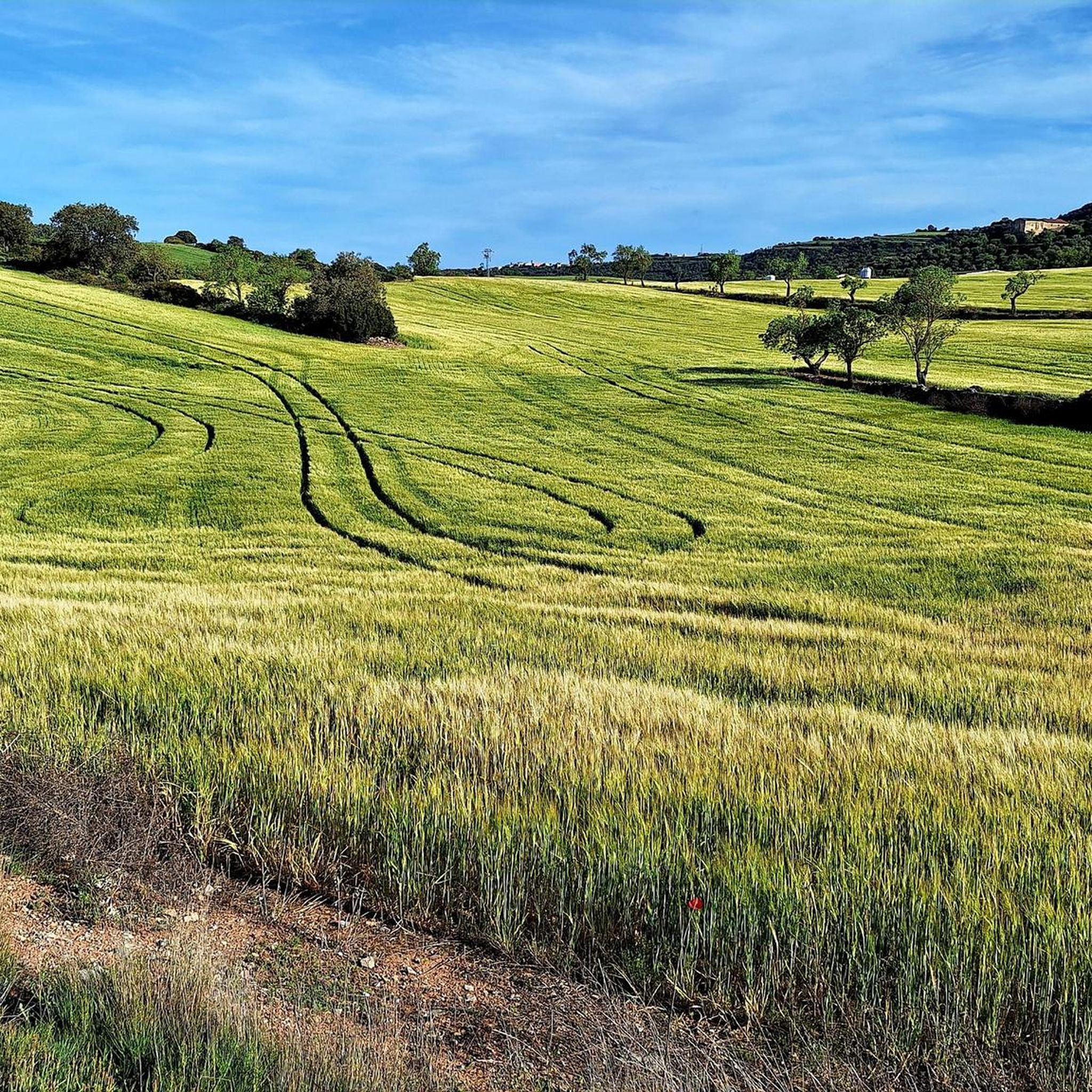
It is a beautiful town with all kinds of services from which to organize spectacular bicycle routes through the regions of l'Anoia and La Segarra. The center and old town are worth a quiet visit. There are many restaurants where you can eat wonderfully at very reasonable prices. In my opinion, the best season to visit Cervera and its surroundings by bicycle are the months of April and May, in the full splendor of spring, where the green, yellow and red fields so characteristic of central Catalonia combine.
0
0

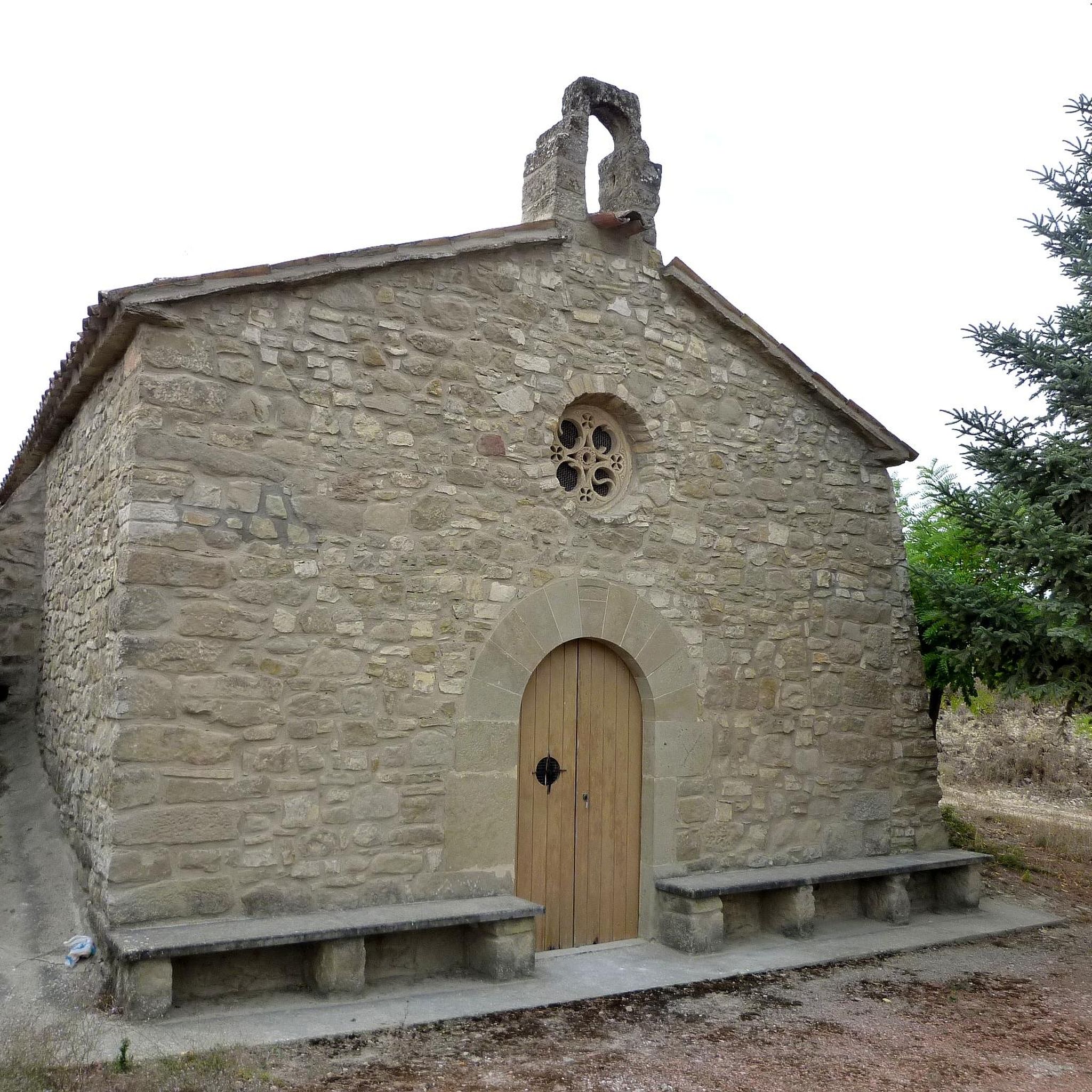
It is a beautiful hermitage from the 11th century that probably belonged to a farmhouse. It is Romanesque in style and has a beautiful arched doorway.
0
0

Cervera is the capital of the Segarra region. The city is home to a rich cultural heritage, especially from the Middle Ages, which includes a castle and its walled complex, as well as the Romanesque church of Sant Pere. Cervera also has beautiful civil buildings such as the town hall or the university.
0
0
Frequently Asked Questions
How many gravel bike trails are available around Castellfollit De Riubregós?
There are over 10 gravel bike routes documented on komoot for the Castellfollit De Riubregós area. These trails navigate through varied terrain, including rolling hills, agricultural landscapes, and scattered woodlands.
Are there any easy gravel bike trails for beginners in Castellfollit De Riubregós?
The gravel biking in Castellfollit De Riubregós is primarily suited for moderate to advanced riders, with 3 moderate and 10 difficult routes. While there are no routes specifically classified as 'easy', some moderate options like the Molí de la Roda – Sant Pere de Montfalcó Church loop from Sant Martí de Sesgueioles (25.4 km, 372m elevation gain) could be a good starting point for those with some experience.
What is the best time of year for gravel biking in Castellfollit De Riubregós?
The region's climate generally allows for gravel biking through much of the year. Spring and autumn offer pleasant temperatures and vibrant landscapes, ideal for exploring the rolling hills and agricultural fields. Summers can be warm, so early morning rides are recommended, while winters are generally mild enough for cycling, though some routes might be affected by rain.
Are there any family-friendly gravel bike routes in the area?
Given the focus on longer distances and significant elevation gains, most routes around Castellfollit De Riubregós are geared towards experienced gravel cyclists. For families, it's advisable to look for shorter, less challenging sections of the moderate routes or explore local farm tracks that are flatter and less trafficked, though these may not be explicitly listed as komoot tours.
Are there circular gravel bike routes available?
Yes, many of the gravel bike routes in Castellfollit De Riubregós are designed as loops, allowing you to start and finish at the same point. Examples include the challenging Molí de la Roda – View of Castellfollit del Boix loop from Sant Martí de Sesgueioles and the moderate Montfalcó Murallat – View of Montfalcó Murallat loop from Sant Guim de Freixenet.
What kind of elevation gain can I expect on gravel bike routes here?
Gravel biking around Castellfollit De Riubregós is characterized by significant elevation gains due to the rolling hills. Even moderate routes can feature several hundred meters of climbing, while difficult routes, such as the Solsona – Sanctuary of El Miracle loop from Monestir de Cellers, can involve nearly 2,000 meters of ascent over their long distances.
What historical sites or landmarks can I see along the gravel bike trails?
The region is rich in history. Many routes pass by or near historical sites. For instance, the Montfalcó Murallat – View of Montfalcó Murallat loop from Sant Guim de Freixenet leads past the historic Montfalcó Murallat. Other notable attractions in the wider area include the Monastery of Sant Ramon Nonat and the Castell de Boixadors.
Are there any routes that offer panoramic viewpoints?
Yes, the varied terrain and rolling hills provide numerous opportunities for scenic views. The Molí de la Roda – View of Castellfollit del Boix loop from Sant Martí de Sesgueioles is specifically highlighted for its panoramic views. Many of the higher points along the routes will offer expansive vistas of the agricultural landscapes and distant mountains.
What are the typical surfaces encountered on gravel bike routes in this region?
You can expect a mix of surfaces, primarily unpaved roads and tracks. These include gravel, dirt, and some compacted earth paths. The routes often connect small villages via these quiet country roads, providing a true gravel biking experience through agricultural fields and scattered woodlands.
What do other gravel bikers enjoy most about the routes in Castellfollit De Riubregós?
Over 60 gravel bikers have explored the region with komoot, often praising the challenging ascents, the quiet country roads, and the diverse landscape of open agricultural fields and woodlands. The opportunity to connect with small villages and historical sites is also a frequently enjoyed aspect of the rides.
Are there options for advanced gravel cyclists seeking a challenge?
Absolutely. The region is well-suited for advanced gravel cyclists, with 10 out of 13 routes classified as difficult. These routes often feature longer distances and significant elevation gains, such as the Solsona – Sanctuary of El Miracle loop from Monestir de Cellers, which covers over 116 km with nearly 2,000 meters of climbing.
Are there any hidden gem gravel trails or less-known routes?
While the guide highlights popular routes, the extensive network of unpaved roads and tracks means there are always opportunities to discover quieter paths. Routes like the Sant Pere de Montfalcó Church – Molí de la Roda loop from Sant Guim de Freixenet offer a challenging ride through less-trafficked areas, allowing for a more secluded experience.
Most popular routes around Castellfollit De Riubregós
Most popular attractions around Castellfollit De Riubregós

Get inspired with the komoot mobile app


Explore more
Browse the best Gravel rides in other regions.
