The best gravel rides around L'Espluga Calba
4.5
(2)
41
riders
12
rides
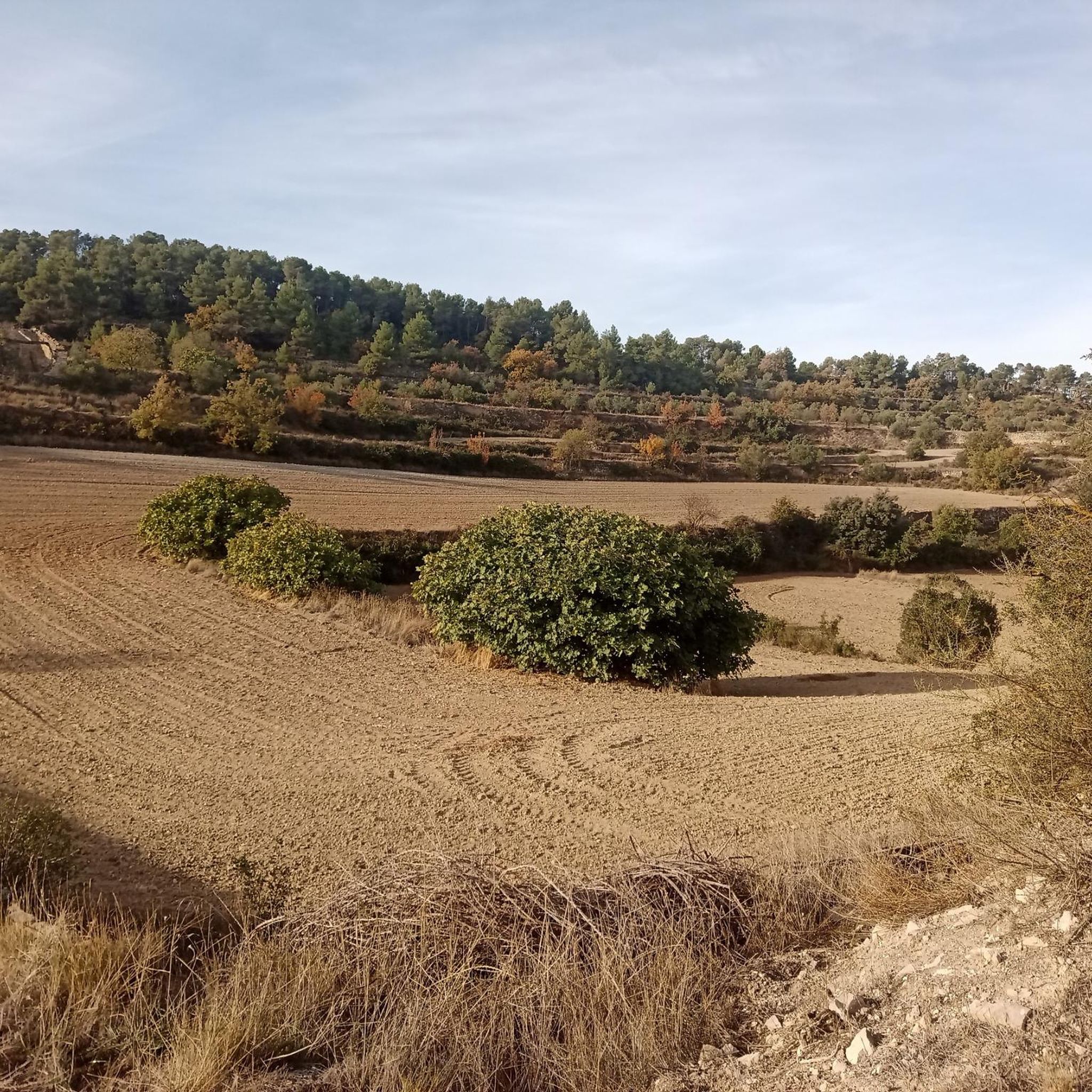
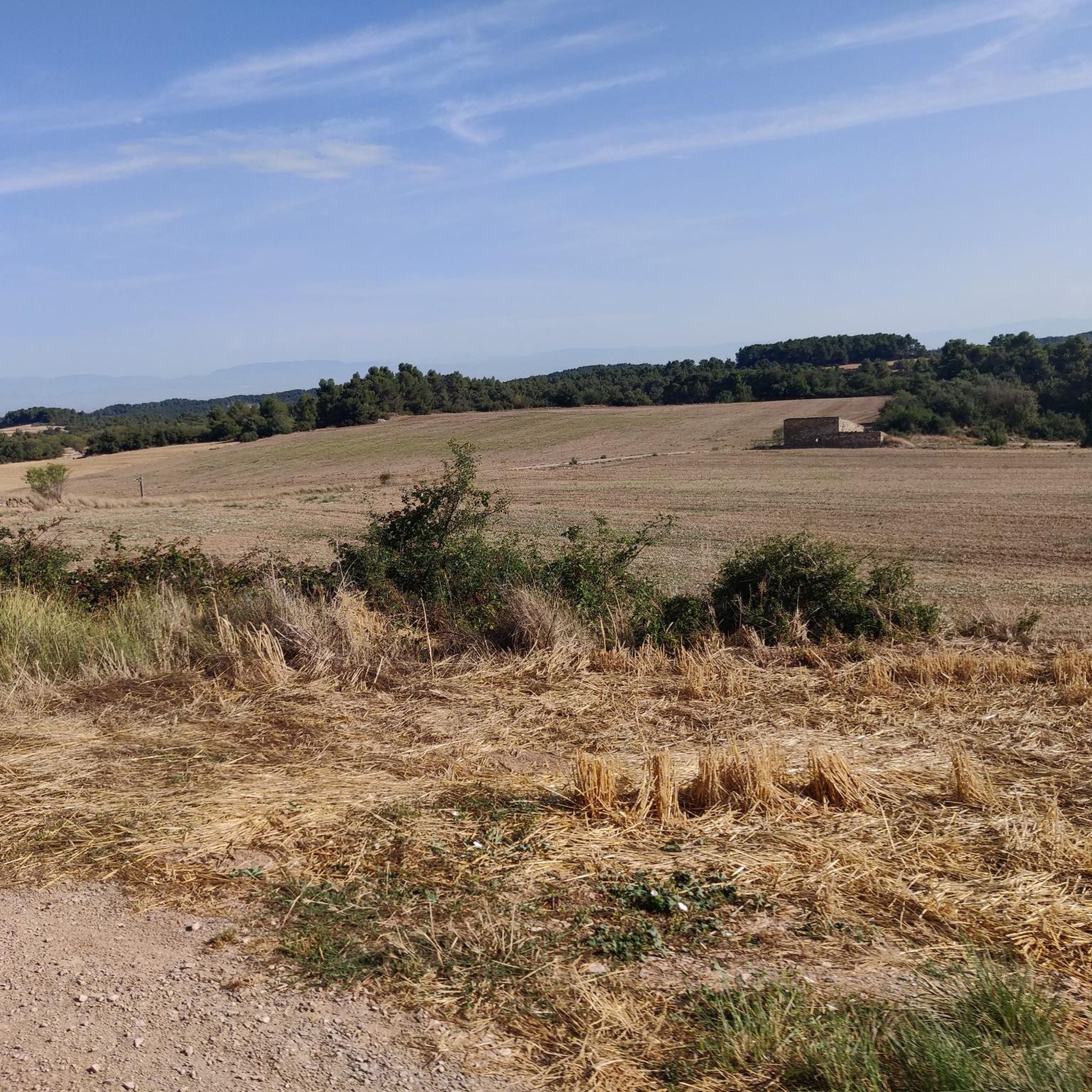
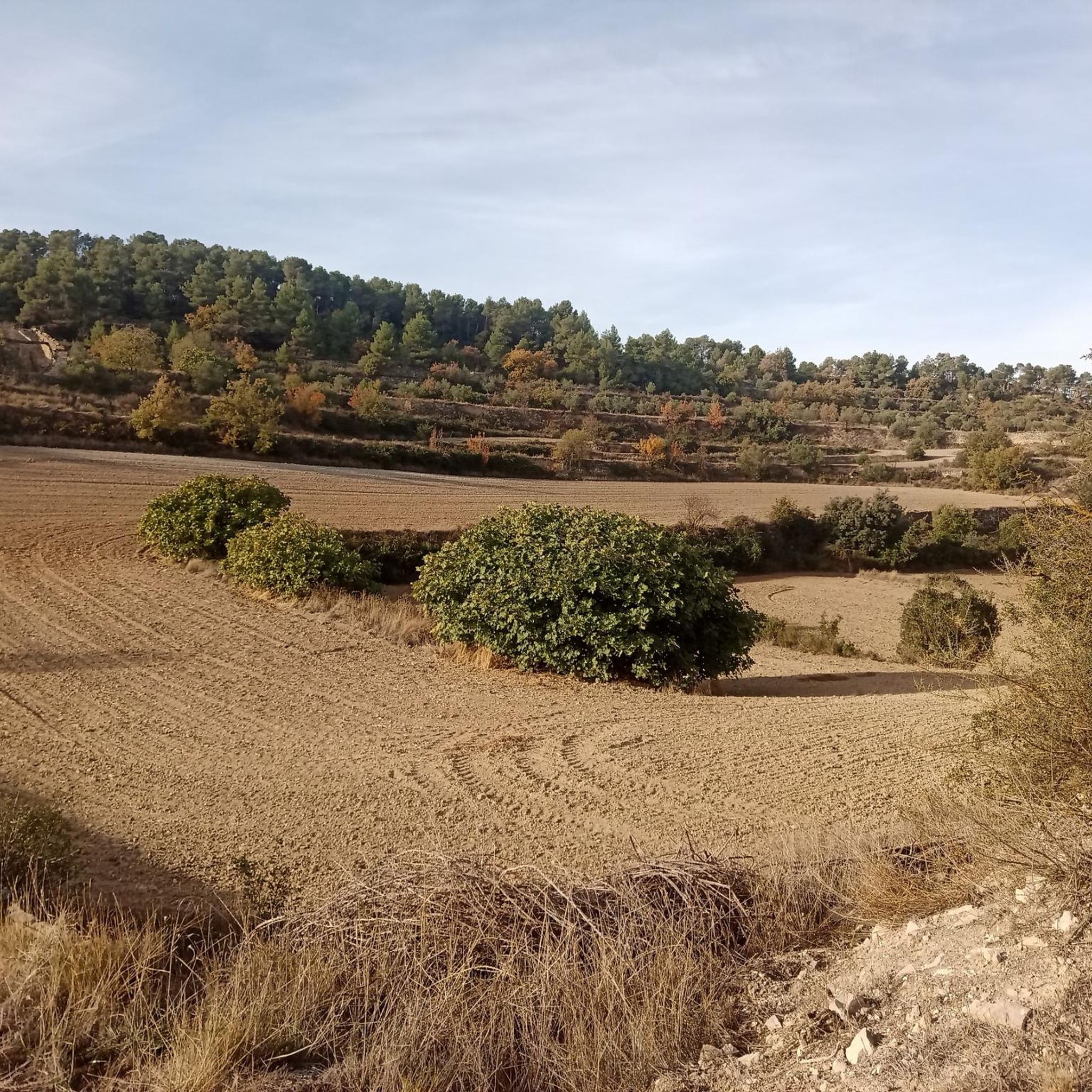
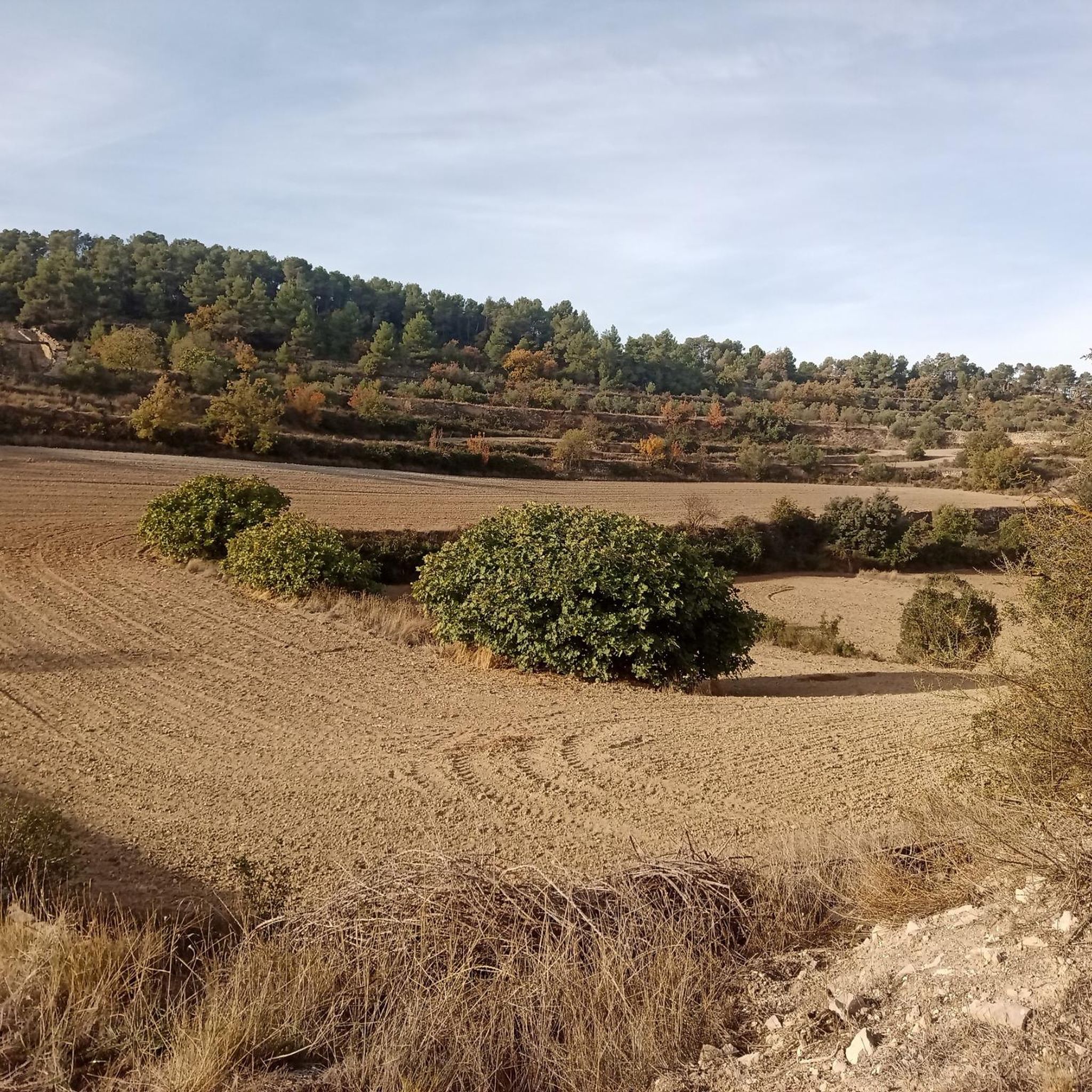
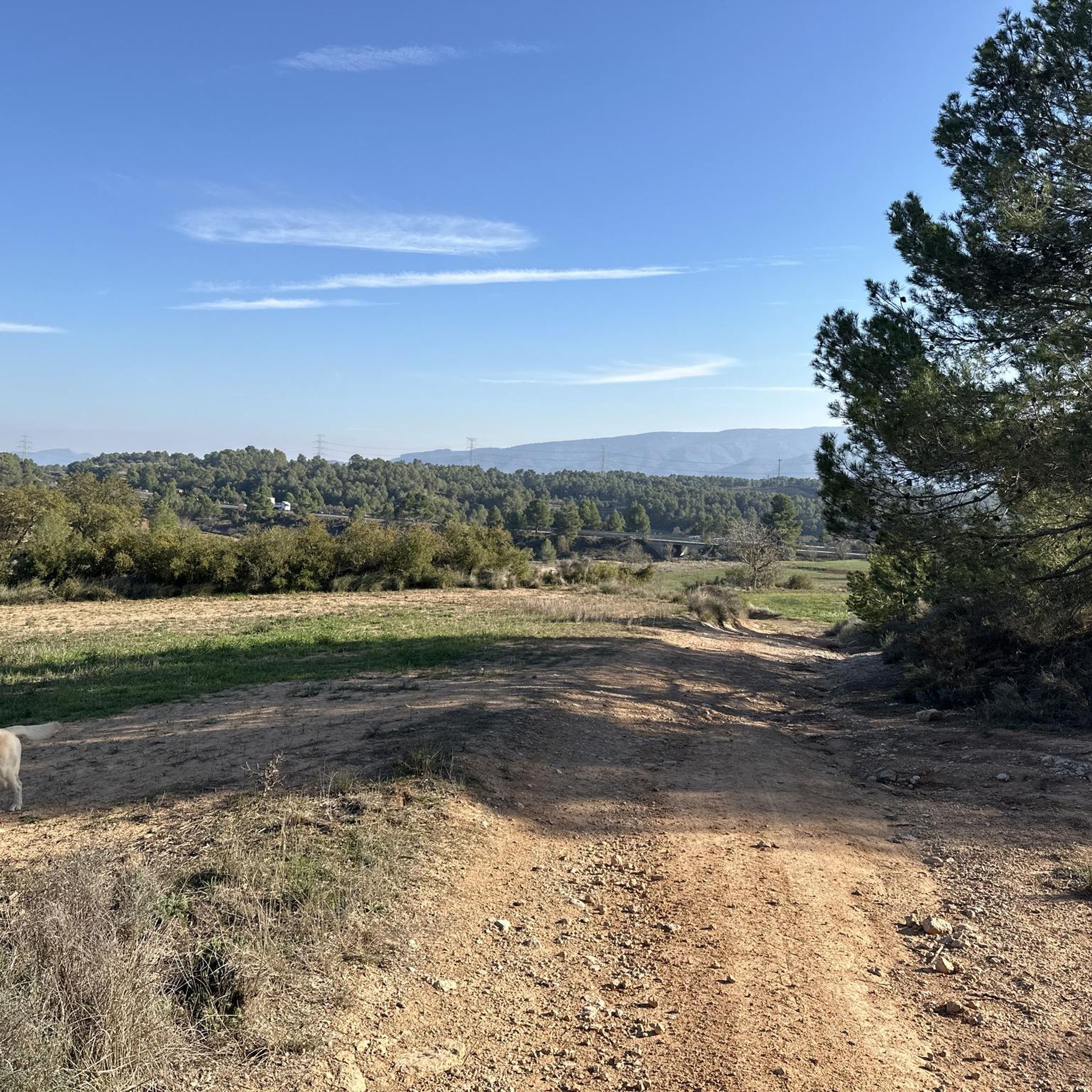
Gravel biking around L'Espluga Calba offers routes through the distinctive garrigue landscape of Catalonia's Garrigues region. The terrain is characterized by rolling hills and valleys, providing varied surfaces for gravel cyclists. Routes often traverse extensive networks of agricultural roads and unpaved tracks, winding through dry-farmed fields, olive groves, almond trees, and vineyards. The area also features traditional dry stone structures and "cabanes de volta," adding cultural elements to the natural scenery.
Best gravel bike trails around L'Espluga Calba
- The most popular gravel bike trail is Ivars and Vila-sana Pond – Penelles Street Art Murals loop from les Borges Blanques, an 83.3 miles (134.1 km) trail that takes about 11 hours 36 minutes to complete. This difficult route explores agricultural plains and cultural points of interest.
- Another top favourite among local gravel bikers is Milmanda Castle – Deport Spring loop from Vimbodí, a difficult 17.8 miles (28.6 km) path. This route features significant elevation changes and passes by historic landmarks.
- Local gravel bikers also love the Arbeca Castle – Arbeca Castle loop from Arbeca, a 12.5 miles (20.2 km) trail leading through agricultural landscapes and past the historic Arbeca Castle, often completed in about 1 hour 56 minutes.
- Gravel biking around L'Espluga Calba is defined by hilly agricultural terrain, extensive unpaved tracks, and Mediterranean garrigue scrubland. The network offers options for both moderate and difficult ability levels.
- The guide includes highly-rated routes that showcase the best of the region's landscape. More than 20 gravel bikers have used komoot to explore L'Espluga Calba's varied terrain.
Last updated: July 8, 2026
2
riders
17.1km
01:24
300m
300m
Moderate gravel ride. Good fitness required. Mostly paved surfaces. Suitable for all skill levels.
2
riders
18.2km
01:30
310m
310m
Moderate gravel ride. Good fitness required. Mostly paved surfaces. Suitable for all skill levels.

Sign up for free
2
riders
20.2km
01:43
230m
230m
Moderate gravel ride. Good fitness required. Mostly paved surfaces. Suitable for all skill levels.
4
riders
28.2km
02:29
650m
650m
Hard gravel ride. Very good fitness required. Mostly paved surfaces. Suitable for all skill levels.
2
riders
23.3km
02:06
460m
460m
Hard gravel ride. Very good fitness required. Mostly paved surfaces. Suitable for all skill levels.
Get access to more routes and recommendations from other explorers.
Sign up for free
Already have an account?
Our route recommendations are based on thousands of hikes, rides, and runs completed by other people on komoot.
Start today with a free account
Your next adventure awaits.
Login or Signup
Tips from the Community

Along with the monasteries of Poblet and Santes Creus, this is one of the three pearls of Gothic architecture in Catalonia. You won't be disappointed.
0
0


Beautiful medieval monastery from the Cistercian era, still inhabited by nuns.
0
0

The monastery of Santa María de Vallbona is a female Cistercian abbey founded in the 11th century and built in a mixture of Romanesque and Gothic styles. Together with the Poblet and Santes Creus monasteries, it forms the Cistercian Route.
0
0

Belltall is a nucleus of the municipality of Passanant i Belltall, in the region of Conca de Barberà (Tarragona). Of its heritage, the church of Sant Pere (19th century) stands out, with its neoclassical bell tower. As is usual in the area, some of its streets have vaulted sections. Belltall is known for having its own variety of garlic, the Belltall garlic, with a rounded shape, smaller than conventional garlic and flat at the bottom.
0
0
Rocallaura is a small nucleus of the Sierra del Tallat. It forms part of the municipal term of Vallbona de les Monges, in the Urgell region. The village belonged to the abbesses of Santa Maria de Vallbona, and has a church dedicated to Sant Llorenç. A castle was also erected, now totally gone.
0
0
Belonging to the district of Vallbona de les Monges, Montblanquet is a small town in the Sierra del Tallat, on the border between the counties of Conca de Barberà and El Urgell. Among its heritage stands out the church of Sant Andreu de Montblanquet, from the 13th century, with a single nave and Cistercian inspiration. The old washrooms, the communal oven and a couple of fountains are also preserved. In the Plaza Mayor there is a stamp for the Ruta del Cister (a cupboard inside which there is a stamp for the route).
0
0
Municipality of the province of Tarragona, in the region of Conca de Barberà. The origin of the town is in the castle that Ponç de Cervera built on top of a nearby mountain in the 11th century. In the middle of the 13th century, the castle became dependent on the monastery of Poblet and the Templars, and in the lower part the encomienda of the Espluga de Francolí was established, under the jurisdiction of the hospital order. In the year 1312, the year of the extinction of the Order of the Temple, the Espluga de Francolí acquires the full señorío. Among the cultural heritage stands out the old hospital of the Order of San Juan, which currently houses the Mosén Ramón Muntanyola library, the Museo de la Vida Rural, the modernist cooperative winery Celler Cooperatiu, the work of Pere Domènech i Roura, or the Fassina Balanyà, former alcohol factory, today converted into one of the twenty-five industrial museums of the System of the National Museum of Science and Technology of Catalonia.
0
0
Frequently Asked Questions
What kind of terrain can I expect on gravel bike trails around L'Espluga Calba?
The gravel bike trails around L'Espluga Calba are characterized by an "accidentado" (hilly/uneven) terrain, featuring rolling hills and valleys. You'll primarily ride on extensive networks of agricultural roads and unpaved tracks, winding through dry-farmed fields, olive groves, almond trees, and vineyards. The distinctive Mediterranean garrigue landscape, with its aromatic plants like rosemary and thyme, also defines many routes.
Are there gravel routes suitable for different skill levels in L'Espluga Calba?
Yes, the area offers a good mix of routes for varying skill levels. Out of the 10 available gravel tours, 5 are rated as moderate and 5 are considered difficult, providing options for both experienced riders and those looking for a challenge.
What historical or cultural landmarks can I see while gravel biking in the region?
Many routes weave through areas rich in history. You might encounter traditional dry stone walls and "cabanes de volta" (vaulted stone huts). Some routes also pass by significant historical sites. For example, the Arbeca Castle – Arbeca Castle loop from Arbeca takes you past the historic Arbeca Castle, while the Milmanda Castle – Deport Spring loop from Vimbodí features significant elevation changes and passes by historic landmarks like Milmanda Castle.
Are there any long-distance gravel routes available?
Yes, for those seeking a longer adventure, the Ivars and Vila-sana Pond – Penelles Street Art Murals loop from les Borges Blanques is a challenging route spanning 134.1 km (83.3 miles). It explores agricultural plains and cultural points of interest, typically taking around 11 hours and 36 minutes to complete.
What are some shorter, moderate gravel routes in the L'Espluga Calba area?
If you're looking for a moderate ride, consider the Montblanquet – Vallbona de les Monges loop from Vallbona de les Monges, which is 16.9 km (10.5 miles) long. Another good option is the Vallbona de les Monges – Montblanquet loop from Rocallaura, covering 18.0 km (11.2 miles) with moderate difficulty.
What kind of natural features will I encounter on the trails?
You'll experience the unique garrigue landscape, characterized by low, dense Mediterranean scrubland with aromatic plants like rosemary, thyme, and lavender. The routes also traverse extensive agricultural areas, offering continuous views of olive groves, almond trees, and vineyards, reflecting the region's strong agricultural heritage.
What do other gravel bikers say about the routes in L'Espluga Calba?
Over 20 gravel bikers have used komoot to explore L'Espluga Calba's varied terrain. Riders often praise the quiet experience away from heavy traffic, the picturesque scenery of the agricultural mosaic, and the engaging climbs and descents provided by the hilly terrain.
Are there any religious buildings or sanctuaries I can visit near the routes?
Yes, the region has several notable religious sites. You might consider visiting the Monastery of Santa María de Vallbona or the Santuario del Tallat. The Church of Sant Martí de Maldà is another historical religious building in the vicinity.
Is L'Espluga Calba suitable for gravel biking year-round, or are there seasonal considerations?
The Mediterranean climate of the Garrigues region generally allows for gravel biking for much of the year. However, it's advisable to check local weather conditions, especially during the peak summer months when temperatures can be high, or in winter when it can be cooler. Spring and autumn often offer the most pleasant riding conditions.
What makes L'Espluga Calba a good destination for gravel biking?
L'Espluga Calba is ideal for gravel biking due to its 'accidentado' (hilly) terrain, extensive network of agricultural roads and unpaved tracks, and the unique Mediterranean garrigue landscape. It offers varied surfaces, quiet routes through olive groves and vineyards, and a blend of natural beauty with rich historical and cultural elements, including dry stone structures and castles.
Are there any parks or recreational facilities near the gravel trails?
While specific parks directly on every trail aren't highlighted, the Parque del Terrall is a facility in the broader area that might be of interest for a break or a starting point.
Most popular routes around L'Espluga Calba
Most popular attractions around L'Espluga Calba

Get inspired with the komoot mobile app


Explore more
Browse the best Gravel rides in other regions.
