The best gravel rides around Sant Martí D'Albars
5.0
(1)
143
riders
28
rides
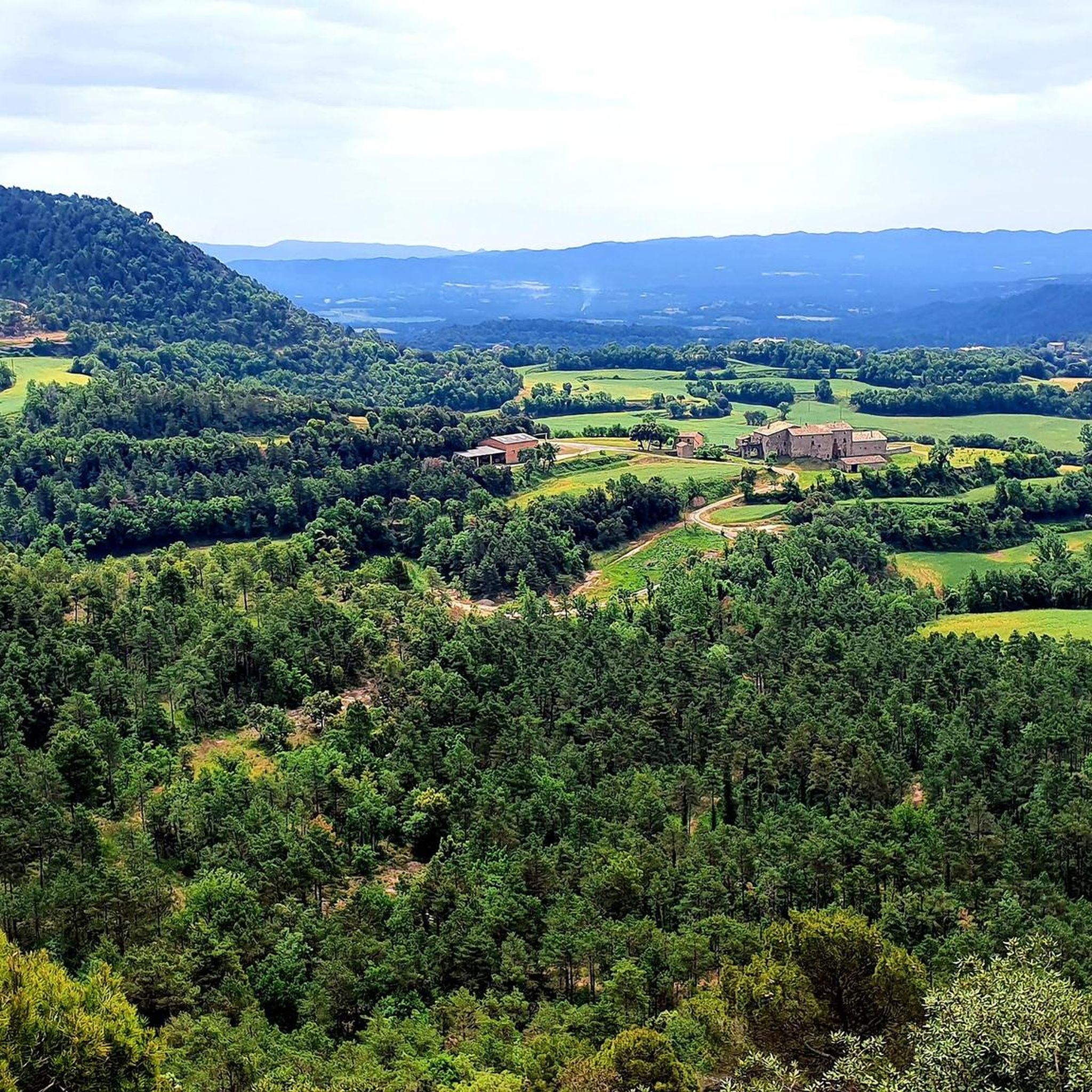
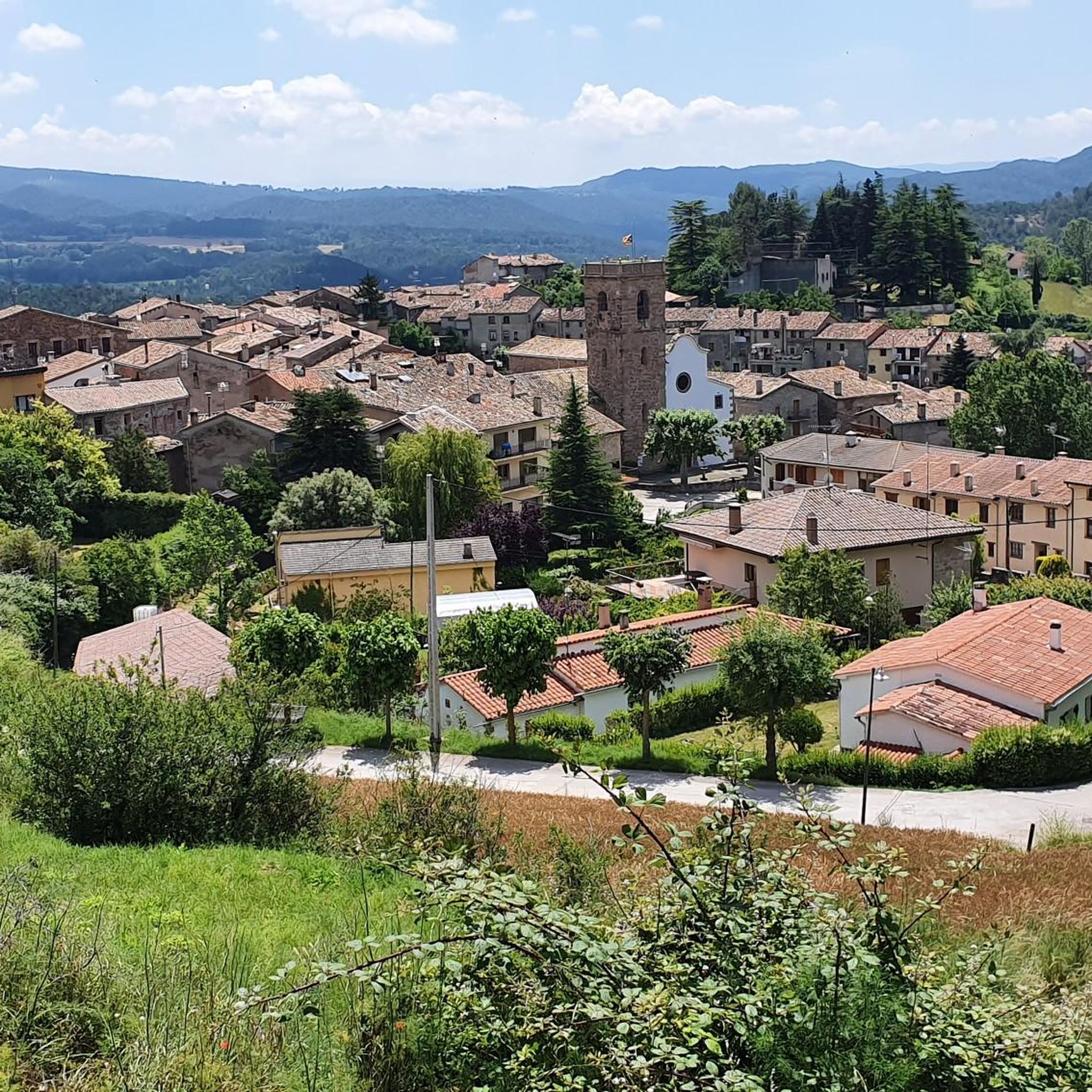
Gravel biking around Sant Martí D'Albars offers routes through rural landscapes and historical pathways in the Lluçanès region of Catalonia. The terrain features extensive pasturelands and brush, with an undulating relief from the Lluçanès plateau. Streams like the Lluçanès and Gavarresa define valleys and add to the natural features. This environment provides a mix of unpaved roads and tracks suitable for gravel cycling.
Best gravel bike trails around Sant Martí D'Albars
- The most popular gravel bike trail is Sant Feliu…
Last updated: October 24, 2026
37
riders
Hard gravel ride. Very good fitness required. Mostly paved surfaces.
29
riders
85.9km
06:46
1,590m
1,590m
Hard gravel ride. Very good fitness required. Mostly paved surfaces.

23
riders
58.8km
04:35
1,000m
1,000m
Hard gravel ride. Very good fitness required. Mostly paved surfaces.
15
riders
73.6km
05:42
1,230m
1,230m
Hard gravel ride. Very good fitness required. Mostly paved surfaces.
6
riders
49.3km
04:09
990m
990m
Hard gravel ride. Very good fitness required. Mostly paved surfaces.
Get access to more routes and recommendations from other explorers.
Already have an account?
Our route recommendations are based on thousands of hikes, rides, and runs completed by other people on komoot.
Start today with a free account
Your next adventure awaits.
Tips from the Community

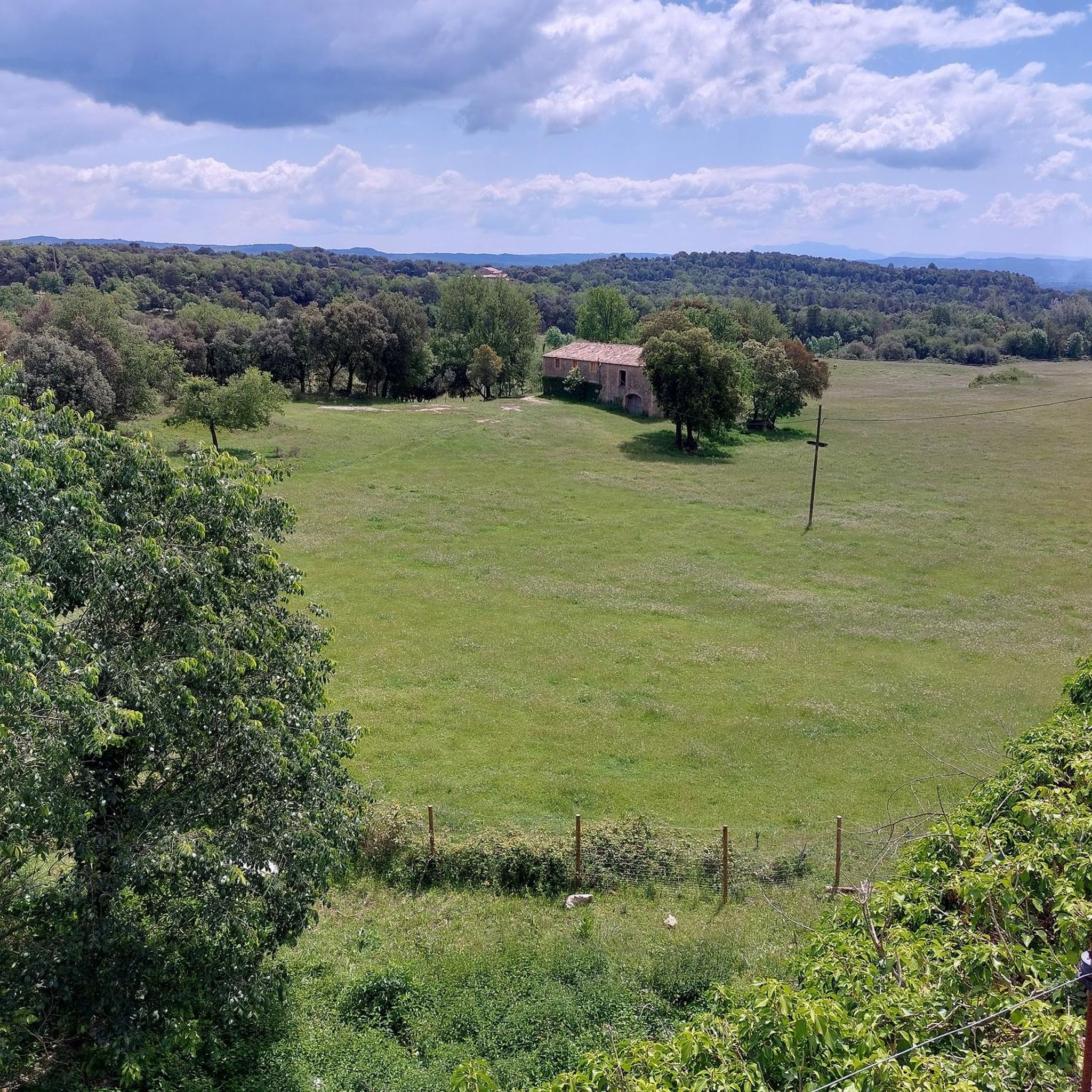
This road has hardly any traffic and crosses an incredible space where agriculture and nature coexist in harmony.
0
0

It may be a heritage site, but it's in a fenced and enclosed area. It's not open to the public except behind the fence.
0
0

the Inici de la Sèqui, a space of great beauty, landscape and a space of tranquility
0
0

The old bridge of Avinyó is a Gothic-style bridge that crosses the Relat stream in Avinyó, in the Catalan region of Bages. There is mention of it in 1427, when it was damaged by an earthquake, and it is likely that it was built in the 14th century, as a key link in the livestock route that linked Penedès and Cerdanya. It is a Gothic bridge of the "donkey's back" type, or sloping, since as we approach the central arch the convexity of its profile increases. The bridge is made up of three arches of unequal measurements and placed asymmetrically, adapting to the characteristics of the terrain.
0
0
The church of Santa Creu de Jutglar is located in the nucleus of the same number, part of the municipality of Olost, in the Catalan region of Lluçanès. It is a building with a single nave and a rectangular plan with an adjacent bell tower of a square plan. It is documented for the first time in the year 984, as a dependency of the church of Santa Maria d'Olost. The annual meeting of the Lluçanès Council of Jurors was held in this church, a council made up of representatives from all the parishes that were part of the Lluçanès Subvegería.
1
0
The center of Santa Eulàlia de Puig-Oriol belongs to the municipality of Lluçà and is located on the ridge that separates the valley of the Gavarresa river from the valley of the Lluçanès river. The town grew from the first constructions in the 18th century, due to the importance of the transhumance route that connected Sant Feliu Sasserra with Alpens. In many of its houses built between the 18th and 19th centuries you can still read the inscriptions and dates engraved in the stone. At the northern end of the town there is a small parish church in the popular baroque style.
0
0

Vila d'Aviniò, crossing point between Manresa and Vic, going down the Carretera d'Artés and Sant Fruitós de Bages.
2
0

Frequently Asked Questions
What is the typical terrain like for gravel biking in Sant Martí D'Albars?
The terrain around Sant Martí D'Albars is characterized by its authentic pastoral essence, featuring extensive pasturelands and brush. You'll primarily encounter unpaved roads and tracks across the gently undulating relief of the Lluçanès plateau, offering expansive views and a tranquil rural environment.
Are there challenging gravel bike routes in Sant Martí D'Albars?
Yes, Sant Martí D'Albars offers a good selection of challenging gravel bike routes. Out of 25 available tours, 22 are rated as difficult, featuring significant elevation gains. For example, the Avinyó – Mas Rovira Farm loop from Prats de Lluçanès covers 85 km with over 1500 meters of ascent.
What kind of historical landmarks can I see along the gravel trails?
The region is rich in history. You can ride along ancient transhumance paths and discover medieval heritage. The Avinyó – Old Bridge of Avinyó loop from Prats de Lluçanès, for instance, incorporates the historical Old Bridge of Avinyó. Other historical religious sites like Romanesque hermitages and the 18th-century Sant Martí church also dot the landscape.
Are there any natural features or viewpoints to look out for on the routes?
Absolutely. The routes often follow the Lluçanès and Gavarresa streams, providing picturesque elements. You can also find highlights like the Riera de Sorreigs Reservoir or the stunning Gorg del Salt Waterfall. For panoramic views, consider routes that pass through areas like the Sant Feliu Sasserra Viewpoint.
How long do gravel bike routes typically take in Sant Martí D'Albars?
Route durations vary depending on distance and elevation. For example, the Sant Feliu Sasserra Viewpoint – Gavarresa Stream loop from Prats de Lluçanès, at 43.2 km, typically takes around 3 hours 42 minutes. Longer routes, like the 85 km Avinyó – Mas Rovira Farm loop from Prats de Lluçanès, can take about 7 hours 40 minutes.
Are there any family-friendly gravel biking options in the area?
While many routes in Sant Martí D'Albars are rated as difficult, the region's gentle, undulating relief and extensive network of unpaved roads can offer sections suitable for families. Look for shorter, less steep segments or consider exploring the broader Lluçanès region's signposted routes, which may include easier options. Always check the route details for specific difficulty and terrain before heading out with family.
What is the best season for gravel biking in Sant Martí D'Albars?
The Lluçanès plateau, where Sant Martí D'Albars is located, offers pleasant conditions for gravel biking during spring and autumn, when temperatures are milder. Summer can be warm, but the open pasturelands provide expansive views. Winter rides are also possible, though you should check local weather conditions for rain or colder temperatures.
Are there circular gravel bike loops available?
Yes, many of the gravel bike routes in Sant Martí D'Albars are designed as circular loops, allowing you to start and end at the same point. Examples include the Sant Feliu Sasserra Viewpoint – Gavarresa Stream loop from Prats de Lluçanès and the Road Along Turó de la Senyera – Manresans' Weir loop from Prats de Lluçanès.
Where can I find places to eat or stay near the trails?
The area has scattered rural settlements and isolated farmhouses. While specific cafes or pubs directly on trails might be limited, you can find options in nearby villages. For example, the Puigcercós Shelter is listed as a restaurant highlight. For accommodation, look for rural guesthouses or small hotels in Sant Martí D'Albars or surrounding towns like Prats de Lluçanès.
Is it possible to reach Sant Martí D'Albars by public transport for cycling?
Sant Martí D'Albars is a rural area, and direct public transport options might be limited. It's advisable to research bus services to larger nearby towns in the Lluçanès region, such as Prats de Lluçanès, and then cycle to Sant Martí D'Albars. Always check schedules and bicycle transport policies with the specific public transport provider beforehand.
What kind of natural features define the Sant Martí D'Albars area for gravel biking?
The area is defined by its serene, pastoral landscapes, characterized by extensive pasturelands and brush rather than dense forests. The Lluçanès plateau provides gentle, undulating relief, and the presence of the Lluçanès and Gavarresa streams creates picturesque valleys and water features like the Riera de Merlès.
Are there any less crowded gravel bike trails in Sant Martí D'Albars?
Given its rural and dispersed nature, many of the gravel bike trails in Sant Martí D'Albars offer a sense of tranquility and are generally less crowded than more urban cycling spots. Exploring routes that pass through isolated farmhouses and less-traveled ancient transhumance paths, such as the Sant Bartomeu del Grau Church – Riera de Sorreigs Reservoir loop from Prats de Lluçanès, can provide a more solitary experience.
Most popular routes around Sant Martí D'Albars
Most popular attractions around Sant Martí D'Albars

Get inspired with the komoot mobile app


Explore more
Browse the best Gravel rides in other regions.
