The best gravel rides around Fillongley
3.8
(3)
28
riders
5
rides
Gravel biking around Fillongley offers varied terrain across North Warwickshire, characterized by rural landscapes, woodlands, and accessible pathways. The area features parklands, lakes, and sections of the historic Forest of Arden, providing diverse environments for cycling. Riders can explore canal towpaths, which offer smooth, relatively flat sections, alongside bridleways and unpaved segments suitable for off-road cycling. This blend of natural beauty and historical sites creates a comprehensive gravel biking experience.
Best gravel bike trails around Fillongley
- The most popular gravel…
Last updated: October 6, 2026
3.5
(2)
12
riders
60.9km
03:38
370m
370m
Moderate gravel ride. Good fitness required. Mostly paved surfaces. Suitable for all skill levels.
7
riders
40.6km
02:27
270m
270m
Moderate gravel ride. Good fitness required. Mostly paved surfaces. Suitable for all skill levels.

3.5
(2)
4
riders
27.7km
01:50
90m
90m
Easy gravel ride. Great for any fitness level. Mostly paved surfaces. Suitable for all skill levels.
3
riders
81.3km
04:56
610m
610m
Hard gravel ride. Very good fitness required. Mostly paved surfaces. Suitable for all skill levels.
1
riders
67.2km
04:07
460m
460m
Hard gravel ride. Very good fitness required. Mostly paved surfaces. Suitable for all skill levels.
Our route recommendations are based on thousands of hikes, rides, and runs completed by other people on komoot.
Start today with a free account
Your next adventure awaits.
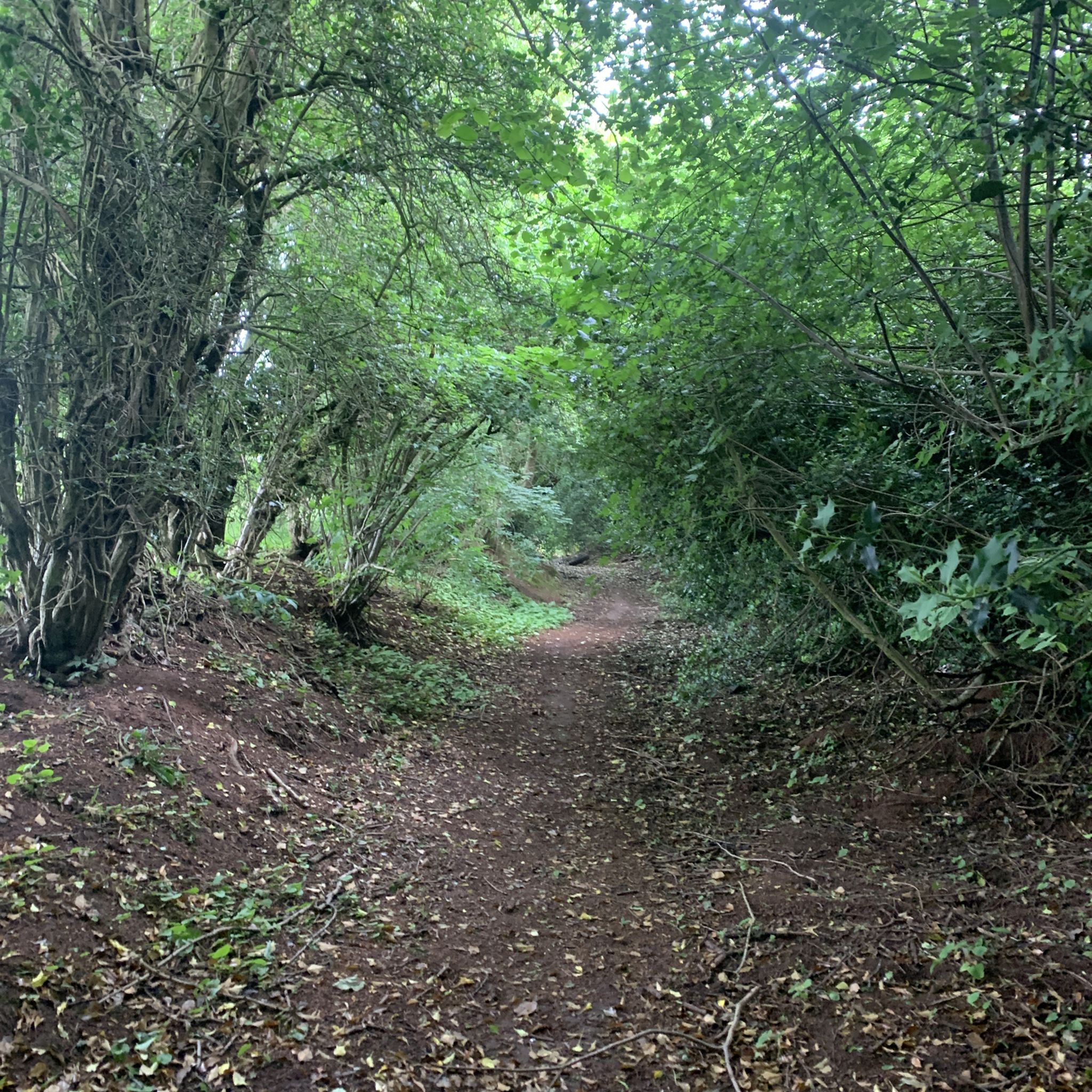
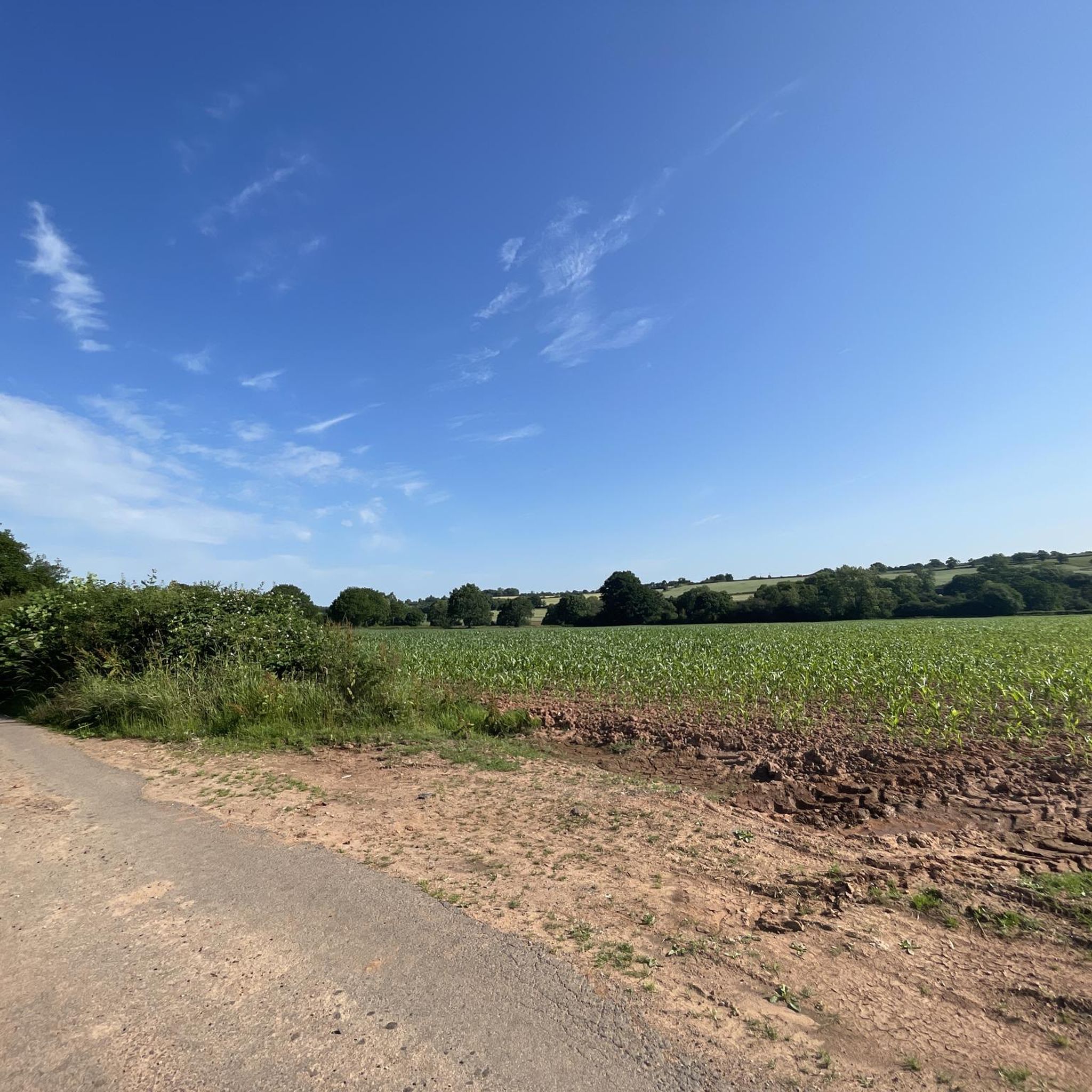
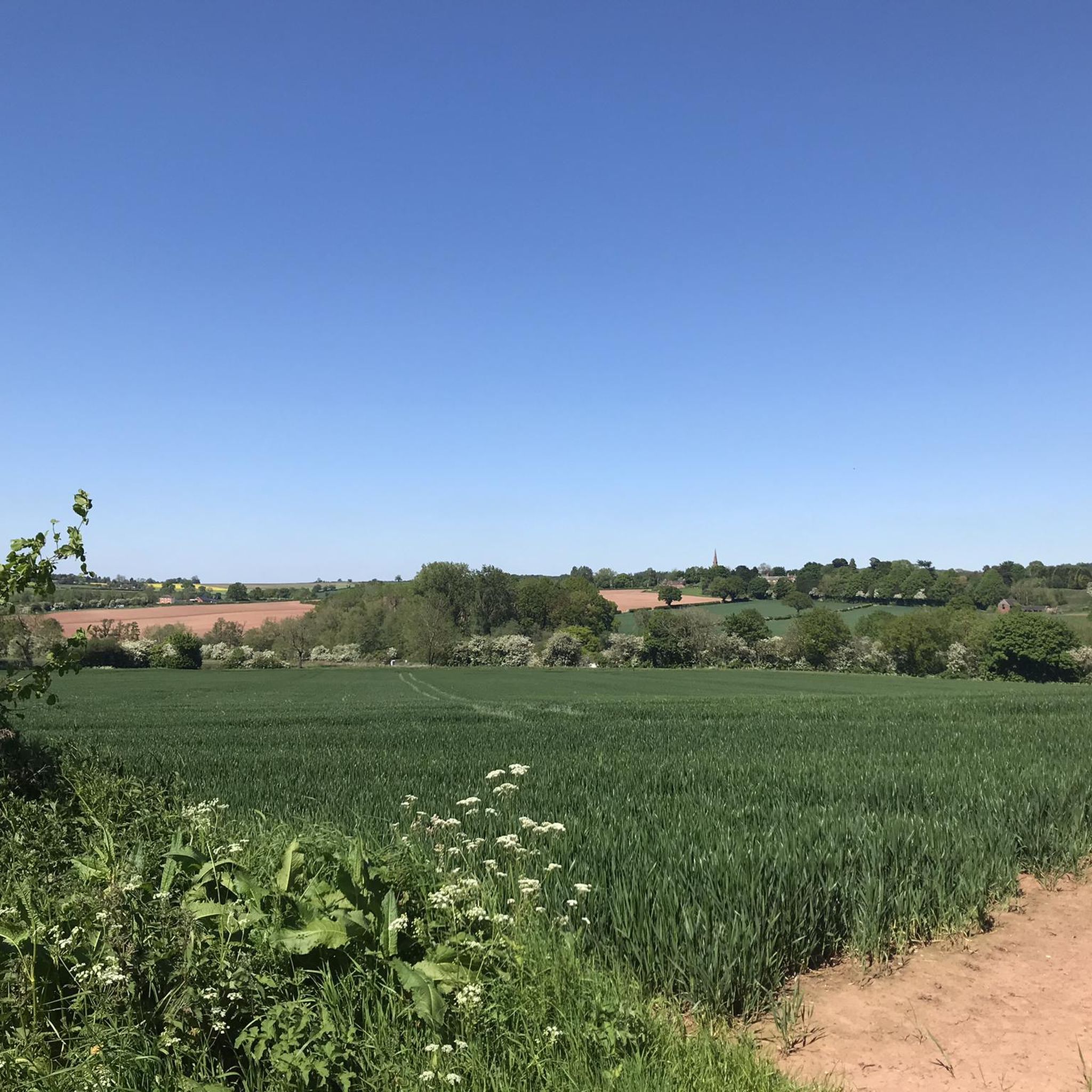
Tips from the Community

Popular junction of the Coventry canal which passes over the river Tame just past the junction.. Travel towards Birmingham and you will pass the famous white swing bridge near Drayton Bassett and Drayton Manor. Walk along the canal to Middleton lakes RSPB site, Middleton Hall and Kingsbury water park.
0
0

Such a towpath (known in German as a towpath or Leinpfad), which runs alongside the river or canal, was an essential part of the transport infrastructure in earlier times. Before ships could move by motor power, horses walked along the bank, pulling the boat against the current. This activity was called "treideln" in German, and thus the "treidelpfad" got its name. Where these paths – running directly along the bank – have survived to this day, they no longer serve their original purpose, but are still popular: namely, with hikers and cyclists.
0
0
Rivers and canals crisscross the country, as they were a crucial part of the transport infrastructure – especially in the early days of industrialization. Factories needed the delivery of raw materials in previously unknown quantities, and finished goods also had to find their way to traders. Many of the canals originated in this era. Later, rail and, even later, trucks took over the task of transporting goods. When building the artificial waterways, however, it was important to consider that differences in elevation always had to be overcome, and so locks are often located along the canals – at varying intervals, depending on the local situation. Only with their help was shipping possible.
0
0


The castle was founded after the Norman Conquest of 1066; with development through to the Tudor period. It has been described by the architectural historian Anthony Emery as "the finest surviving example of a semi-royal palace of the later middle ages, significant for its scale, form and quality of workmanship". Kenilworth played an important historical role: it was the subject of the six-month-long siege of Kenilworth in 1266, thought to be the longest siege in medieval English history, and formed a base for Lancastrian operations in the Wars of the Roses. Kenilworth was the scene of the removal of Edward II from the English throne, the perceived French insult to Henry V in 1414 of a gift of tennis balls (said by John Strecche to have prompted the campaign that led to the Battle of Agincourt), and the Earl of Leicester's lavish reception of Elizabeth I in 1575. It has been described as "one of two major castles in Britain which may be classified as water-castles or lake-fortresses...
0
0

Drop down and corner past a medieval castle. Pretty cool.
0
0

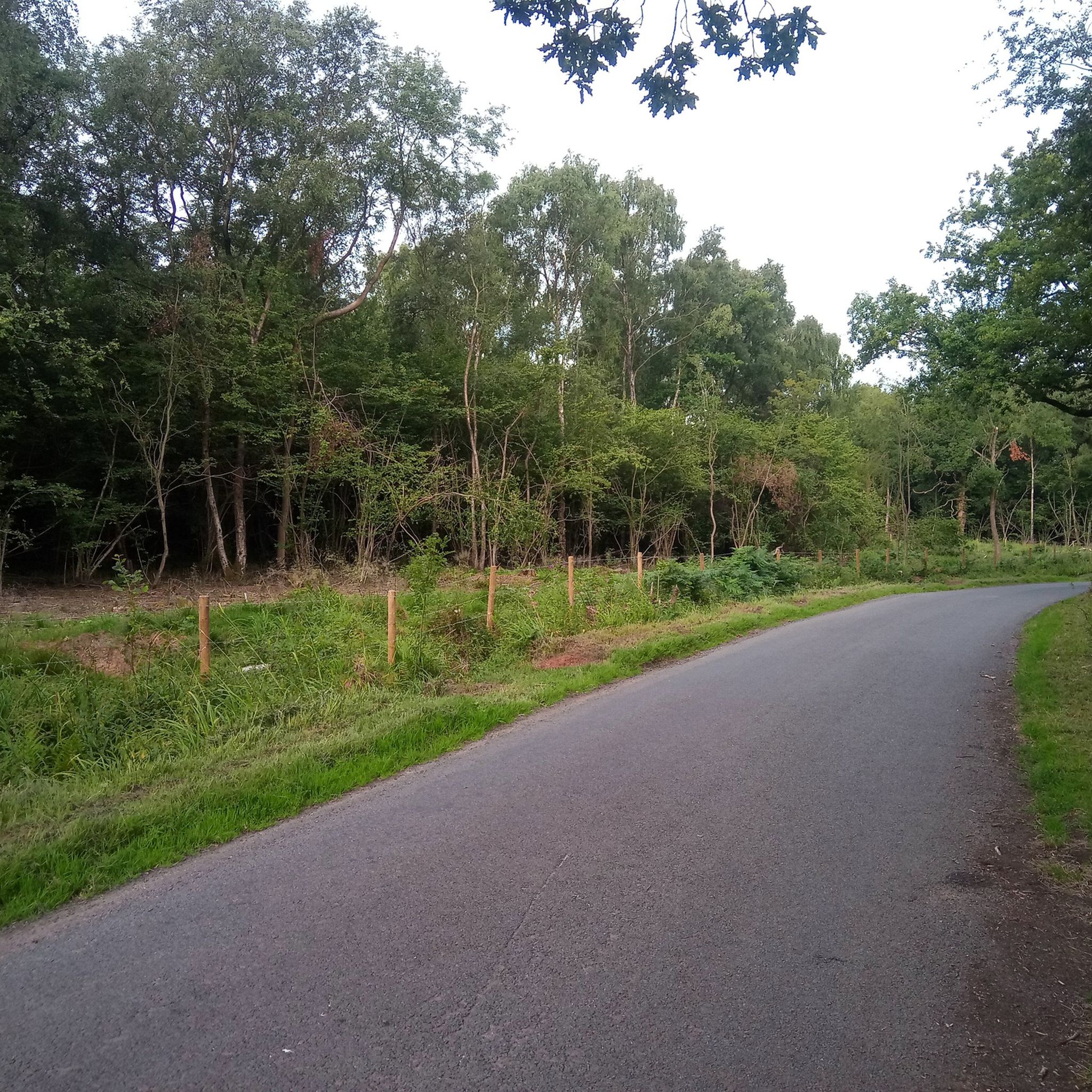
There are narrow barriers where the trail crosses the main road. Lovely leafy trail for cyclists and hikers - be mindful of people walking dogs
0
0
Frequently Asked Questions
How many gravel bike trails are there in Fillongley?
There are 7 gravel bike trails around Fillongley listed on komoot, offering a range of experiences from moderate to difficult.
What kind of terrain can I expect on gravel bike trails in Fillongley?
Gravel biking around Fillongley offers a diverse mix of terrain. You can expect to ride through rural landscapes, woodlands, and along canal towpaths. The area features bridleways and some unpaved segments, providing varied surfaces beyond paved roads, ideal for gravel bikes.
Are there any family-friendly gravel bike routes in Fillongley?
While specific 'family-friendly' routes aren't explicitly highlighted, the presence of relatively flat canal towpaths, such as those along the Birmingham & Fazeley Canal, suggests options suitable for various skill levels. Routes like the Lime Kilns Pub – Rural Downhill Road loop from Nuneaton are moderate in difficulty and shorter, which might be more suitable for families.
What natural features or landmarks can I see along the gravel bike trails?
Many routes pass through the historic Forest of Arden, offering woodland scenery. You might also encounter parklands and lakes, such as those near Fillongley Hall. Historical sites like the earthworks and moat of Fillongley Castle, or the National Cyclists' Memorial, Meriden, and Hawkesbury Canal Junction (Sutton Stop), provide interesting points along your ride. For specific natural attractions, consider exploring areas near Shustoke Reservoir or Kingsbury Water Park Visitor Centre.
Are there routes that follow canal towpaths?
Yes, the region is known for its canal towpaths, particularly along the Birmingham & Fazeley Canal. These offer smooth and relatively flat sections, providing a mix of urban and rural scenery. The Knowle Locks – Hatton Locks loop from Coventry is an example of a route that incorporates canal towpaths and rural landscapes.
Where can I park my car for gravel biking in Fillongley?
While specific parking locations for each trail are not detailed, many routes start from towns or villages like Coventry, Water Orton, or Nuneaton, where public parking facilities are typically available. For routes starting further afield, look for designated parking areas near trailheads or local amenities.
What is the best time of year to go gravel biking in Fillongley?
The rural and woodland scenery of Fillongley is enjoyable throughout much of the year. Spring and autumn offer pleasant temperatures and beautiful foliage. However, be aware that unpaved sections and bridleways can become muddy after heavy rain, especially during wetter seasons. Checking local weather conditions before your ride is always recommended.
Are there any circular gravel bike routes available?
Yes, many of the gravel bike routes around Fillongley are designed as loops. For instance, the Knowle Locks – Hatton Locks loop from Coventry Arena and the Kenilworth Castle – Kenilworth Greenway loop from Berkswell are both circular routes, allowing you to start and finish at the same point.
What do other gravel bikers enjoy most about the routes in Fillongley?
The gravel biking routes in Fillongley are highly rated by the komoot community, with an average score of 4.5 stars. Riders often praise the varied terrain, which includes rural landscapes, woodlands, and canal towpaths, providing a comprehensive and engaging gravel biking experience.
Are there places to eat or stay near the gravel bike trails?
Fillongley and surrounding villages offer options for refreshments and accommodation. You might find cyclist-friendly pubs like The Bear Inn, Berkswell, or cafes in nearby towns. For longer stays, there are various accommodations in the wider North Warwickshire area.
Do I need any permits to cycle on the gravel trails in Fillongley?
Generally, permits are not required for cycling on public bridleways and canal towpaths in the UK. However, always respect private land and any signage indicating restrictions. For specific nature reserves like Marsh Lane, it's advisable to check local regulations if you plan to cycle within their boundaries.
Can I reach the gravel trails using public transport?
Many of the routes start from or pass near towns with public transport links, such as Coventry or Nuneaton, which have train stations and bus services. You would need to check specific public transport routes and their bike carriage policies to plan your journey effectively.
Most popular attractions around Fillongley

Get inspired with the komoot mobile app


Explore more
Browse the best Gravel rides in other regions.
