The best gravel rides around Tarrant Monkton
4.8
(7)
103
riders
18
rides
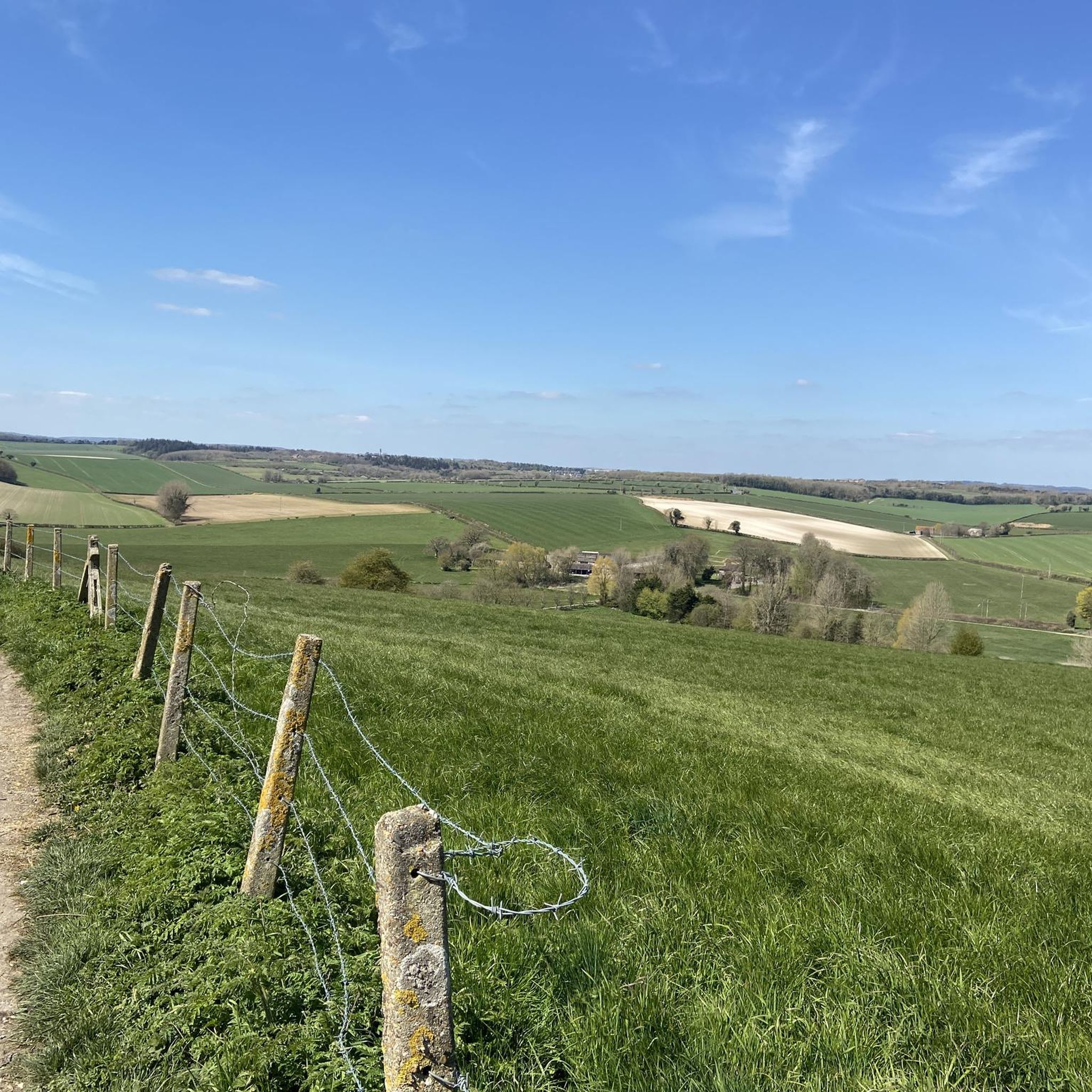
Gravel biking around Tarrant Monkton offers diverse terrain within the Tarrant Valley and proximity to the Cranborne Chase National Landscape. The region features undulating countryside, chalk hills, and mixed-surface trails, including sections of disused railway lines. These paths provide varied riding experiences, from smooth gravel to more challenging chalky ridgeline trails. The landscape is characterized by its chalk hills and the River Tarrant, providing a blend of open vistas and sheltered valley routes.
Best gravel bike trails around Tarrant Monkton
…Last updated: May 22, 2026
5.0
(3)
52
riders
Moderate gravel ride. Good fitness required. Mostly paved surfaces. Suitable for all skill levels.
7
riders
51.3km
03:28
530m
530m
Hard gravel ride. Very good fitness required. Mostly paved surfaces. Suitable for all skill levels.

Sign up for free
4
riders
104km
06:53
1,040m
1,040m
Hard gravel ride. Very good fitness required. Mostly paved surfaces. Suitable for all skill levels.
5.0
(1)
2
riders
Hard gravel ride. Good fitness required. You may need to push your bike for some segments of this route.
4.0
(1)
12
riders
Easy gravel ride. Great for any fitness level. Mostly paved surfaces. Suitable for all skill levels.
Get access to more routes and recommendations from other explorers.
Sign up for free
Already have an account?
Our route recommendations are based on thousands of hikes, rides, and runs completed by other people on komoot.
Start today with a free account
Your next adventure awaits.
Login or Signup
Tips from the Community

All aboard for a massive hit of nostalgia! Shillingstone Station is like a beautifully preserved 1950s time capsule tucked away in the Dorset countryside. Once a vital stop on the legendary Somerset & Dorset Joint Railway (the "Slow and Dirty"), it’s now being lovingly restored by a team of dedicated volunteers. You can wander the original platforms, explore vintage signal boxes, and even have tea in a converted railway carriage. It’s the perfect spot to pretend you're an extra in Brief Encounter while the North Dorset Trailway hikers buzz past. No trains to Bath today, but the atmosphere is pure gold!
0
0
Historic Significance: It is a Grade I Listed Building (the highest level of protection), noted for its special architectural and historic interest. Age: The first record of the bridge dates back to 1334, suggesting its medieval origins, with parts of the current structure likely dating to the 15th century. Construction: It is built of coursed rubble and ashlar stone and features nine semi-circular arches. Widening: The bridge was widened in 1819. The upstream side is the original, medieval part and features triangular cut-waters which extend up to form pedestrian refuges. The downstream side is the later, plainer widening. Inscriptions: There is a reset stone on the east side of the bridge inscribed with the year 1719. Name Origin: The bridge is named Crawford Bridge because it carries the road from Spetisbury to Tarrant Crawford. The nearby area of Spetisbury was historically one of three manors, including Great Crawford.
0
0

Durweston Mill is a Grade II listed building, that has been converted into a holiday accommodation with two apartments, Coopers and Riverside, overlooking the River Stour. It also features a separate 5-acre private island with glamping and camping facilities, which are open for bookings and offer activities like fishing, wild swimming, and dog walking.
0
0

Single lane beware of on coming vehicles
0
0
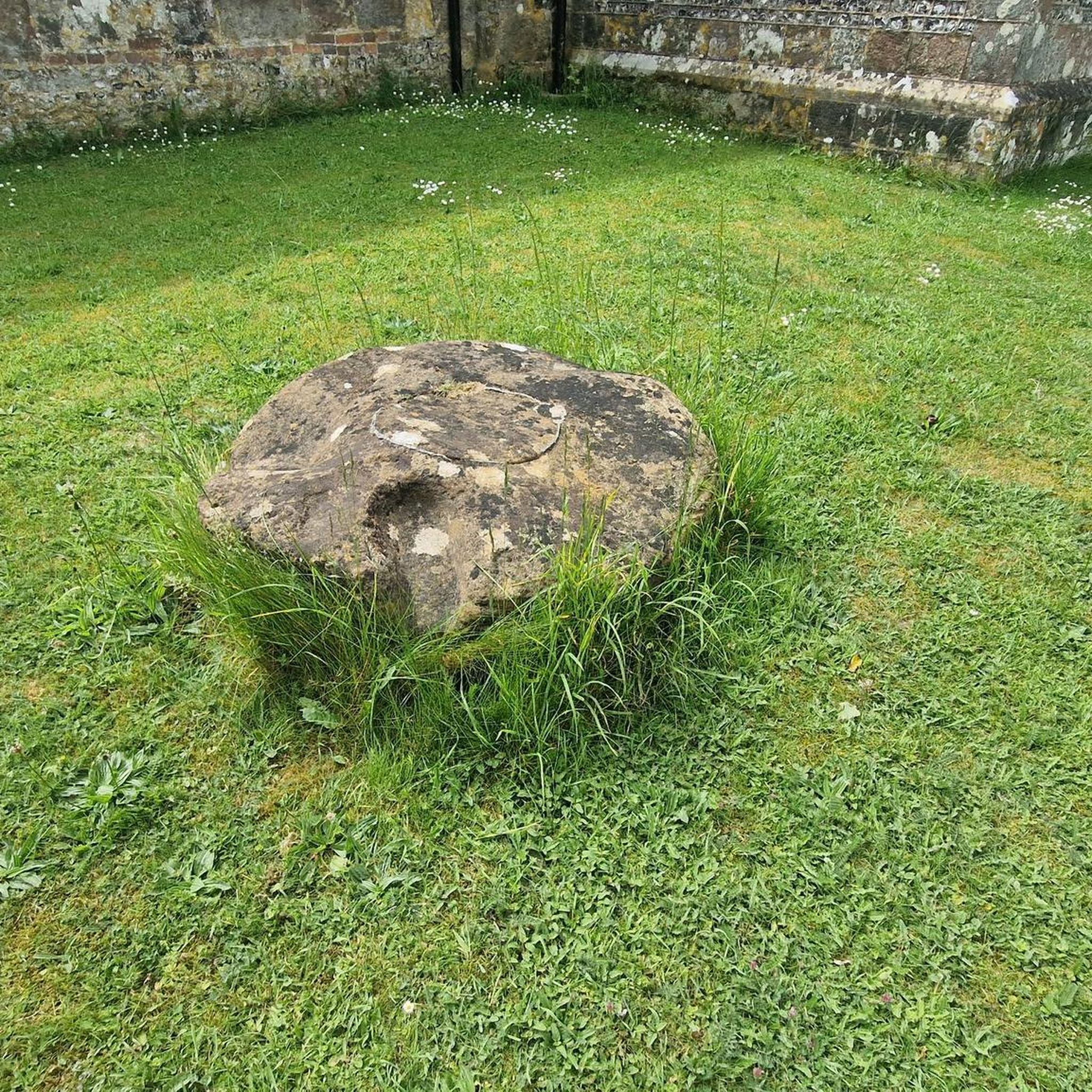
St. Giles Church is known for its numerous monuments, particularly those dedicated to the Earls of Shaftesbury. Sir Anthony Ashley's Tomb: A historic highlight is the spectacular gilded tomb of Sir Anthony Ashley, dating to 1628. The tomb features intricate classical columns and symbolism. A curious detail is a sphere at his feet, which has been the subject of various theories, including that it represents a globe, a jewel, or even a cabbage. Ashley-Cooper Family Memorials: The church houses several other memorials to the Ashley-Cooper family, including tombs for the 1st, 3rd, 4th, 7th, and 9th Earls. The 1st Earl's memorial includes a bust by Rysbrack, and the 3rd Earl's is a grand wall monument by Scheemakers. Crusader Effigy: There is a much-restored 14th-century effigy of a crusading knight, believed to be Sir John de Plecy. Comper's Work: The interior is almost entirely a result of Sir Ninian Comper's restoration. This includes the highly decorated screen separating the nave and chancel, new stained glass windows, and the gilded tester over the altar.
1
0
19th-Century Gothic Revival: In the 19th century, the church was remodeled twice. The most significant work was in 1887, a Gothic Revival-style memorial to the 8th Earl of Shaftesbury. The 1908 Fire and Comper's Restoration: A catastrophic fire in 1908 destroyed most of the church's interior, leaving only the walls standing. The 9th Earl of Shaftesbury commissioned the renowned Gothic Revival architect Sir Ninian Comper to restore and rebuild the church. Comper's work, completed between 1908 and 1910, is considered one of his masterpieces. He kept the 18th-century external walls but completely redesigned the interior, adding a new north aisle and a lady chapel. His intricate work, including stained glass, a wooden screen, and numerous sculptures, makes the church a "treasure-house of Comper work," as described by Sir John Betjeman.
1
0
St. Giles Church is the parish church for the village of Wimborne St Giles in Dorset. It has a rich and complex history, marked by several rebuilds, a major fire, and the patronage of the Ashley-Cooper family, the Earls of Shaftesbury. The church's origins date back to at least the 13th century, with the first recorded rector in 1207. The current building is a fascinating mix of architectural styles due to its turbulent history. 18th-Century Georgian: The church was almost entirely rebuilt in 1732 by the Dorset architects John and William Bastard, who were also responsible for much of the reconstruction of the town of Blandford Forum after a fire. The exterior of the church, with its greensand and flint walls, still largely reflects this Early Georgian design.
1
0
Frequently Asked Questions
How many gravel bike trails are available around Tarrant Monkton?
There are over 20 gravel bike trails around Tarrant Monkton, offering a diverse range of experiences. These include easy, moderate, and difficult routes, catering to various skill levels.
What kind of terrain can I expect on gravel bike trails in the Tarrant Monkton area?
The terrain around Tarrant Monkton is characterized by undulating countryside, chalk hills, and varied gravel surfaces. You'll find a mix of 'champagne gravel' (smooth, fast-rolling), chalky ridgeline trails, field-edge paths, and sections of disused railway lines like the North Dorset Trailway. Some areas within the Tarrant Valley can be muddy after rain.
Are there any easy gravel bike routes suitable for beginners or families?
Yes, there are easy gravel bike routes available. For a more relaxed ride, consider the North Dorset Trailway – Hodway Lane Trail Intersection loop from Blandford Forum. This route is 22.4 km long and offers a gentle introduction to gravel biking in the area, often utilizing well-maintained, traffic-free paths.
Where can I find challenging gravel bike routes near Tarrant Monkton?
For more challenging rides, explore routes that venture into the Cranborne Chase National Landscape. The Ashmore Village and Pond – Ox Drove Gravel Road loop from Blandford Forum is a difficult 51.3 km path featuring significant climbs and scenic gravel roads. Another demanding option is the 103.7 km River Stour at Spetisbury – Stour Bridge loop from Tarrant Launceston.
What are some scenic viewpoints or historical landmarks I can see along the trails?
Many routes offer stunning views and pass by historical sites. You can incorporate detours to prominent Iron Age hill forts like Hambledon Hill, known for its extensive views, or Badbury Rings. The Tarrant Valley itself features a rare 17th-century packhorse bridge. The former Tarrant Rushton Airfield also provides a unique historical point of interest.
Are there any circular gravel bike routes around Tarrant Monkton?
Yes, many of the gravel bike routes in the area are circular. For example, the popular North Dorset Trailway – Hodway Lane Trail Intersection loop from Tarrant Keyneston is a moderate 41.9 km circular trail that incorporates sections of the North Dorset Trailway.
What do other gravel bikers say about the trails in Tarrant Monkton?
The gravel biking routes around Tarrant Monkton are highly rated by the komoot community, with an average score of 4.8 stars from over 7 reviews. More than 100 gravel bikers have used komoot to explore the varied terrain, often praising the diverse landscapes and the mix of smooth and challenging gravel sections.
Can I find routes that include sections of the North Dorset Trailway?
Absolutely. The North Dorset Trailway is a key feature of the region's gravel biking. Routes like the North Dorset Trailway – Hodway Lane Trail Intersection loop from Tarrant Keyneston and the North Dorset Trailway – Hodway Lane Trail Intersection loop from Blandford Forum specifically utilize sections of this well-maintained, traffic-free path.
Are there any routes that pass through the Cranborne Chase National Landscape?
Yes, some routes extend into the Cranborne Chase National Landscape, offering more challenging climbs and scenic trails. The Ashmore Village and Pond – Ox Drove Gravel Road loop from Blandford Forum is a prime example, exploring this beautiful and expansive area.
Are there opportunities for refreshment stops, like pubs, along the gravel routes?
The Tarrant Valley is dotted with charming villages, and many routes can be planned to pass by local establishments. For instance, Tarrant Monkton itself has the Langton Arms, offering opportunities for refreshment during or after your ride. Shillingstone Railway Station & Museum, located nearby, also has a cafe.
What is the best time of year for gravel biking in Tarrant Monkton?
Spring and summer generally offer the most pleasant conditions for gravel biking in Tarrant Monkton, with drier trails and warmer weather. However, the undulating countryside and chalk hills can be enjoyed year-round, though some sections in the Tarrant Valley may become muddy after heavy rain in autumn and winter.
Are there any routes that offer views of the River Stour?
Yes, routes that follow the River Stour valley provide scenic views of the river. The River Stour at Spetisbury – Stour Bridge loop from Tarrant Launceston is a long route that leads directly through the River Stour valley, offering extensive riverside scenery.
Most popular attractions around Tarrant Monkton

Get inspired with the komoot mobile app


Explore more
Browse the best Gravel rides in other regions.
