The best gravel rides around Farnham
5.0
(2)
34
riders
13
rides
Gravel biking around Farnham offers diverse landscapes within the Surrey Hills, characterized by extensive woodlands, open heathlands, and scenic waterside paths. The region features natural landmarks such as Frensham Ponds and Alice Holt Forest, providing varied terrain for gravel cyclists. Riders can explore a network of trails that include sections of the Basingstoke Canal, offering relatively flat, hard-packed surfaces. The area's proximity to the Surrey Hills National Landscape ensures access to varied terrain, including rolling hills and some challenging sections…
Last updated: August 26, 2026
1
riders
104km
06:53
1,040m
1,040m
Hard gravel ride. Very good fitness required. Mostly paved surfaces. Suitable for all skill levels.
5
riders
41.0km
03:05
540m
540m
Hard gravel ride. Very good fitness required. Mostly paved surfaces. Suitable for all skill levels.

Sign up for free
5.0
(1)
2
riders
Hard gravel ride. Good fitness required. You may need to push your bike for some segments of this route.
7
riders
Hard gravel ride. Good fitness required. You may need to push your bike for some segments of this route.
3
riders
31.6km
02:01
280m
280m
Moderate gravel ride. Good fitness required. Mostly paved surfaces. Suitable for all skill levels.
Get access to more routes and recommendations from other explorers.
Sign up for free
Already have an account?
Our route recommendations are based on thousands of hikes, rides, and runs completed by other people on komoot.
Start today with a free account
Your next adventure awaits.
Login or Signup
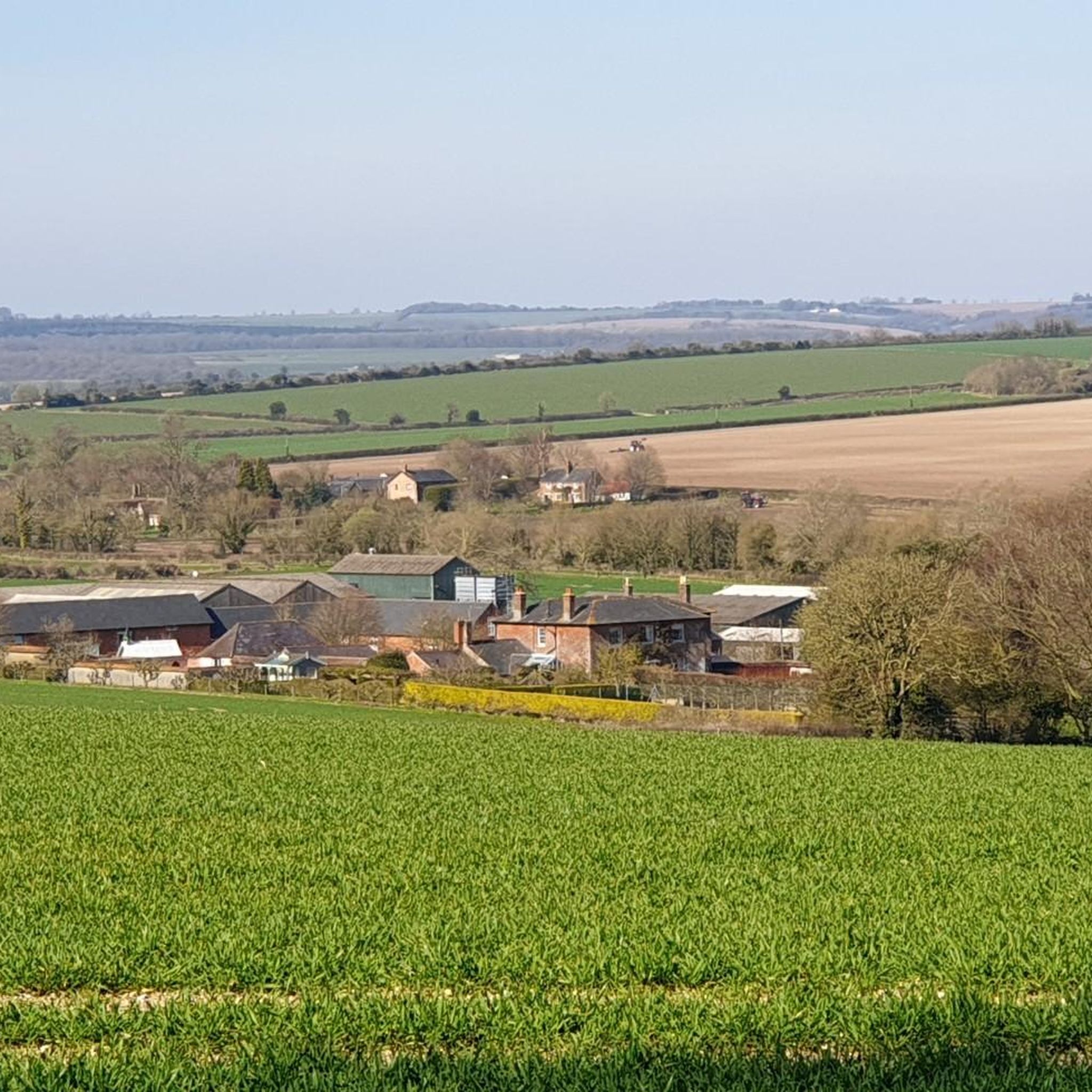
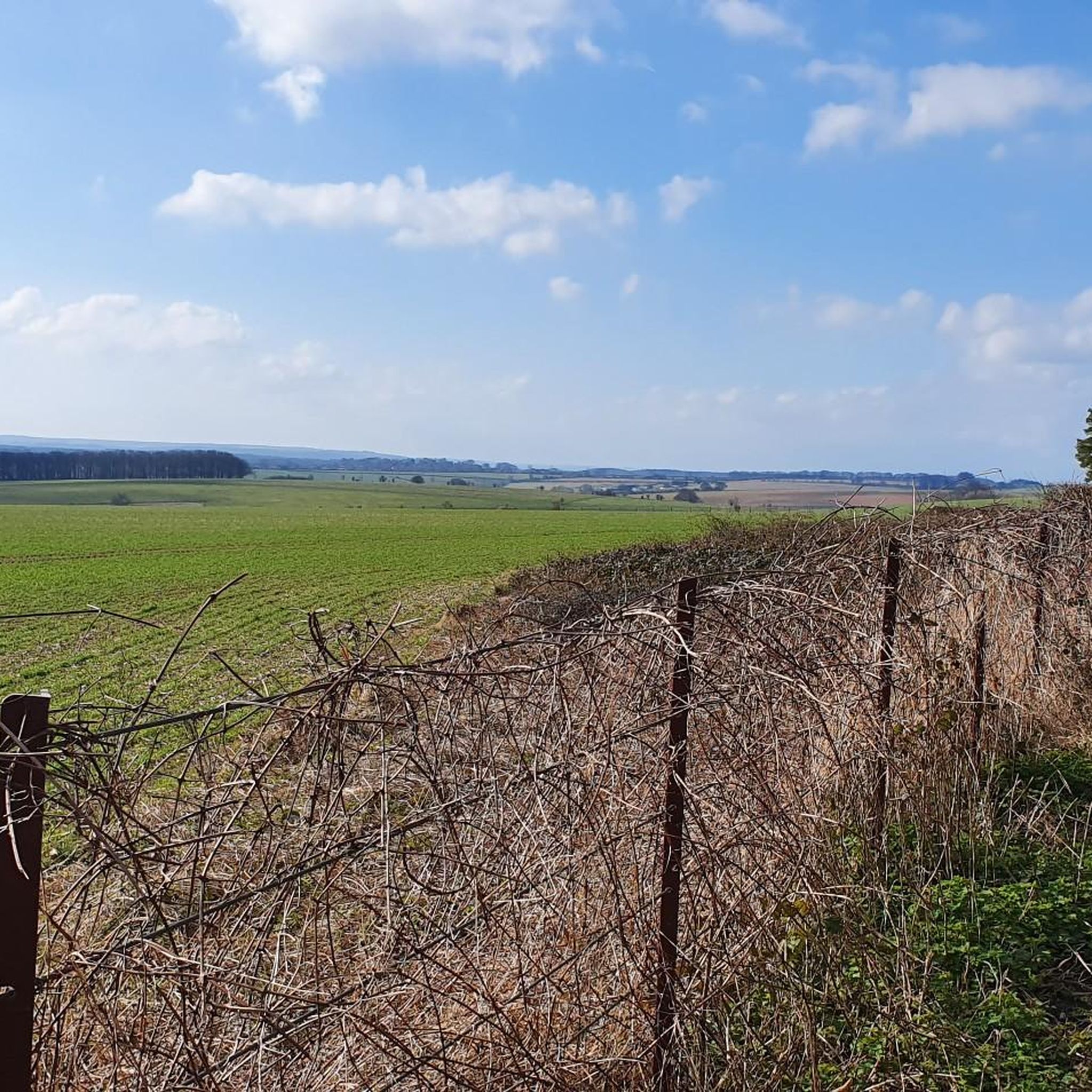
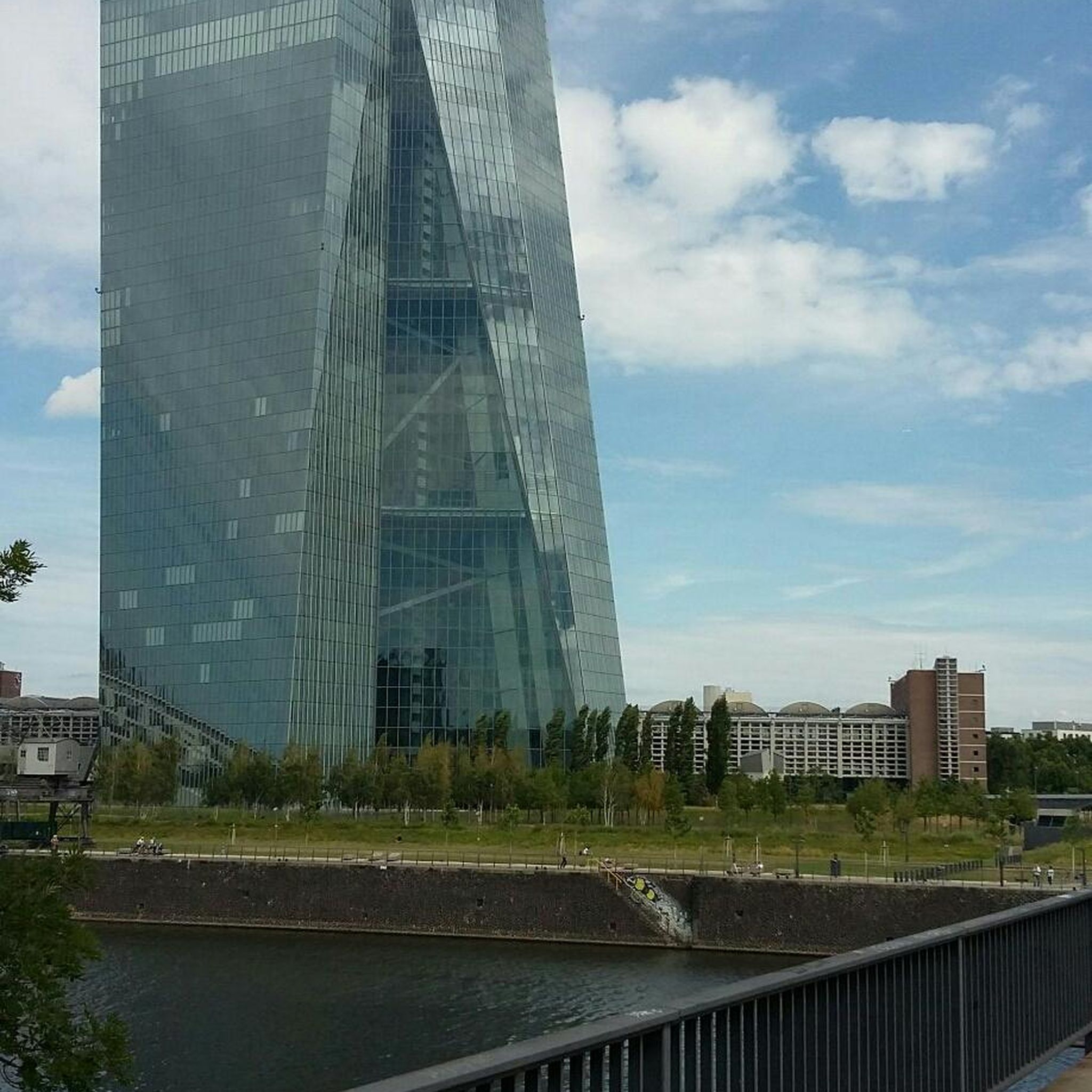

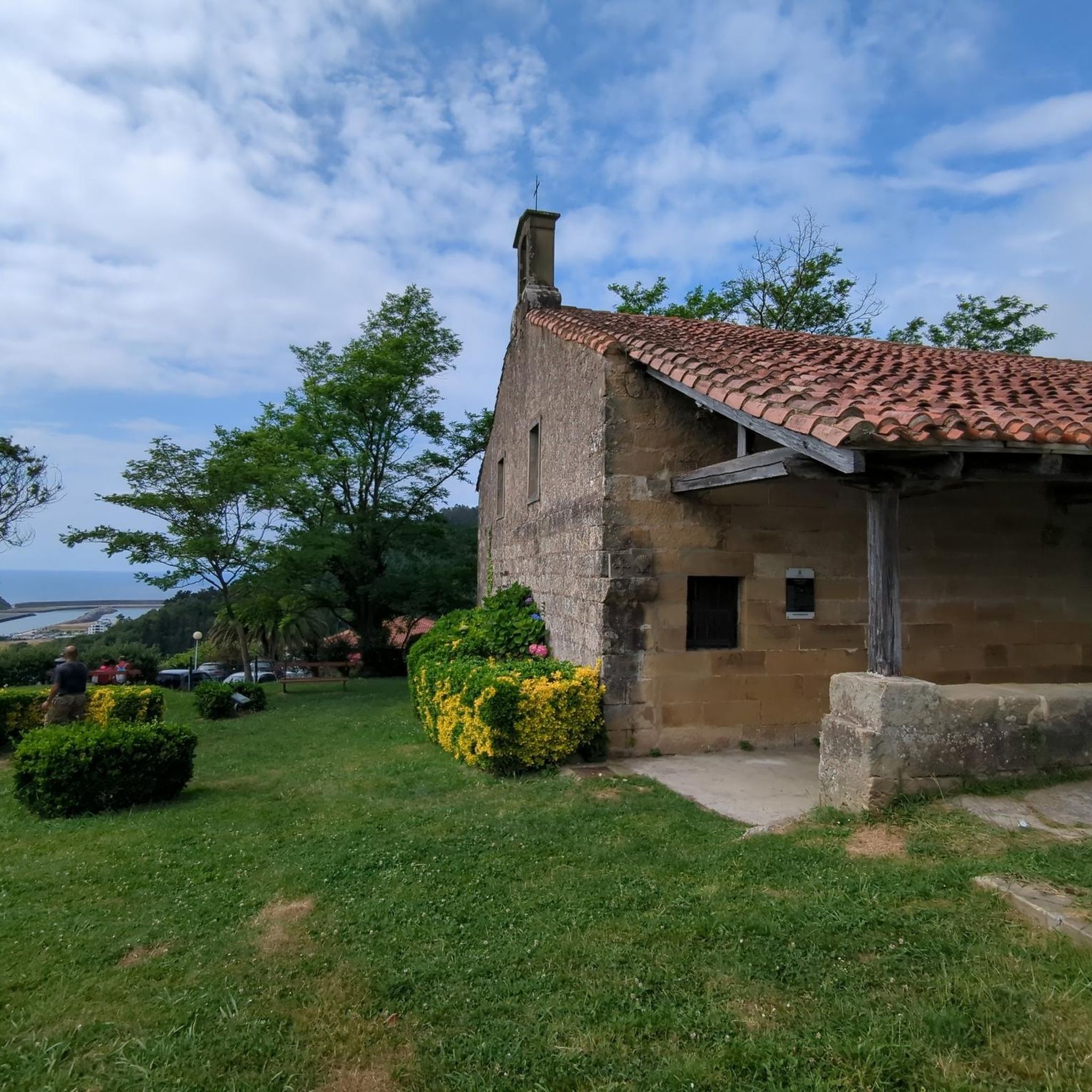
Tips from the Community

The North Dorset Trailway Connection Today, Spetisbury Station is a popular access point for the North Dorset Trailway. Trailhead: The section of the Trailway running from Spetisbury north to Sturminster Newton, largely following the old railway bed, is a well-maintained, traffic-free path for walking, cycling, and riding. Visitor Stop: The former station site makes a perfect place to stop, rest, and picnic while exploring the Trailway, offering fine views over the Stour Valley. It's a wonderful example of local history being preserved and repurposed for community and recreation!
0
0
The Spetisbury Station Project Unlike the bridge at Blandford, which remains a preserved structure, the Spetisbury station site is being actively restored by volunteers. The Project: The Spetisbury Station Project Group was formed in 2012 by dedicated volunteers to clear and preserve the abandoned site. What You Can See: While the original station buildings were demolished shortly after the 1956 closure, the project has cleared the site to reveal the foundations of the station buildings, the booking office, and the signal box. Ambience: The site is now a peaceful, landscaped green space featuring picnic areas, benches, and information boards. Volunteers have added replica signage and restored the platforms to recreate the atmosphere of the former country station. Wildlife Haven: The site is also managed to be a haven for local wildlife, with features like a wildlife pond, bat boxes, and specific flower borders.
0
0
The Railway and Closure Original Line: Spetisbury Station was located on the Somerset & Dorset Joint Railway (S&DJR), which connected Bath to Bournemouth. Opening: It originally opened on November 1, 1860, as part of the Dorset Central Railway's line from Wimborne to Blandford. It initially had a single platform. Double Track: Around 1901, the line was doubled through the station, and a second platform and a signal box were added to handle the increased traffic. Downgrade: Like many rural stations seeking to cut costs, it was downgraded to an unstaffed "halt" in 1934. Passenger Closure: The station closed completely to passengers on September 17, 1956, one of the early closures on the S&D line. Line Closure: Although the station itself was closed, the main S&DJR line through the site continued to operate passenger services until the whole route closed in March 1966. Goods traffic ceased in 1969, and the track was lifted in 1970.
0
0
Historic Significance: It is a Grade I Listed Building (the highest level of protection), noted for its special architectural and historic interest. Age: The first record of the bridge dates back to 1334, suggesting its medieval origins, with parts of the current structure likely dating to the 15th century. Construction: It is built of coursed rubble and ashlar stone and features nine semi-circular arches. Widening: The bridge was widened in 1819. The upstream side is the original, medieval part and features triangular cut-waters which extend up to form pedestrian refuges. The downstream side is the later, plainer widening. Inscriptions: There is a reset stone on the east side of the bridge inscribed with the year 1719. Name Origin: The bridge is named Crawford Bridge because it carries the road from Spetisbury to Tarrant Crawford. The nearby area of Spetisbury was historically one of three manors, including Great Crawford.
0
0

Durweston Mill is a Grade II listed building, that has been converted into a holiday accommodation with two apartments, Coopers and Riverside, overlooking the River Stour. It also features a separate 5-acre private island with glamping and camping facilities, which are open for bookings and offer activities like fishing, wild swimming, and dog walking.
0
0

Single lane beware of on coming vehicles
0
0
St. Giles Church is known for its numerous monuments, particularly those dedicated to the Earls of Shaftesbury. Sir Anthony Ashley's Tomb: A historic highlight is the spectacular gilded tomb of Sir Anthony Ashley, dating to 1628. The tomb features intricate classical columns and symbolism. A curious detail is a sphere at his feet, which has been the subject of various theories, including that it represents a globe, a jewel, or even a cabbage. Ashley-Cooper Family Memorials: The church houses several other memorials to the Ashley-Cooper family, including tombs for the 1st, 3rd, 4th, 7th, and 9th Earls. The 1st Earl's memorial includes a bust by Rysbrack, and the 3rd Earl's is a grand wall monument by Scheemakers. Crusader Effigy: There is a much-restored 14th-century effigy of a crusading knight, believed to be Sir John de Plecy. Comper's Work: The interior is almost entirely a result of Sir Ninian Comper's restoration. This includes the highly decorated screen separating the nave and chancel, new stained glass windows, and the gilded tester over the altar.
1
0
19th-Century Gothic Revival: In the 19th century, the church was remodeled twice. The most significant work was in 1887, a Gothic Revival-style memorial to the 8th Earl of Shaftesbury. The 1908 Fire and Comper's Restoration: A catastrophic fire in 1908 destroyed most of the church's interior, leaving only the walls standing. The 9th Earl of Shaftesbury commissioned the renowned Gothic Revival architect Sir Ninian Comper to restore and rebuild the church. Comper's work, completed between 1908 and 1910, is considered one of his masterpieces. He kept the 18th-century external walls but completely redesigned the interior, adding a new north aisle and a lady chapel. His intricate work, including stained glass, a wooden screen, and numerous sculptures, makes the church a "treasure-house of Comper work," as described by Sir John Betjeman.
1
0
Frequently Asked Questions
How many gravel bike trails are available around Farnham?
There are over 15 gravel bike trails around Farnham, offering a variety of experiences. These include 1 easy route, 6 moderate routes, and 8 difficult routes, catering to different skill levels.
What kind of terrain can I expect on gravel bike trails near Farnham?
Gravel biking around Farnham offers diverse landscapes, including extensive woodlands, open heathlands, and scenic waterside paths. You'll find varied terrain from the Surrey Hills Area of Outstanding Natural Beauty, as well as sections of the Basingstoke Canal which provide relatively flat, hard-packed surfaces.
Are there any challenging gravel bike routes in the Farnham area?
Yes, for experienced riders seeking a challenge, there are 8 difficult gravel routes around Farnham. One such route is the River Piddle Crossing – North Dorset Trailway loop from Tarrant Launceston, which covers over 100 km with significant elevation gain.
What are some scenic landmarks or points of interest along gravel routes in Farnham?
Many routes offer views of natural features like Frensham Ponds and Alice Holt Forest. For specific landmarks, you might encounter historical sites and viewpoints such as Win Green Summit or the Hambledon Hill Iron Age hill fort. The North Dorset Trailway is also a notable feature on some routes.
Are there any circular gravel bike routes around Farnham?
Yes, many of the gravel routes in the Farnham area are designed as loops, allowing you to start and finish at the same point. An example is the Ox Drove Gravel Road – Smooth Descent to Sixpenny loop from Sixpenny Handley.
What do other gravel bikers enjoy most about gravel biking in Farnham?
The area is highly rated by the komoot community, with an average score of 5.0 stars. Reviewers often praise the diverse landscapes, including the quiet woodlands, open heathlands, and picturesque waterside views, as well as the variety of terrain suitable for different skill levels.
Are there any family-friendly outdoor activities or attractions near the gravel trails?
Beyond cycling, Farnham offers various family-friendly outdoor activities. You can visit Farnham Park, explore the Rural Life Centre, or enjoy nature at Birdworld. For more active options, there are high ropes courses at Go Ape Alice Holt and Wild Wood Adventure, and water-based activities at The Aldershot Lido and Frensham Great Pond. For more ideas, you can visit Farnham.gov.uk.
What is the best time of year for gravel biking in Farnham?
Farnham's diverse landscapes are enjoyable throughout the year. Spring and autumn offer pleasant temperatures and beautiful scenery, while summer provides longer daylight hours. Even in winter, many trails, especially the hard-packed canal towpaths, remain accessible, though conditions can vary with weather.
Are there gravel routes that include pub or cafe stops?
While specific routes with designated pub or cafe stops are not detailed, the Farnham area, being close to towns and villages, offers opportunities for refreshments. Many routes pass through or near settlements where you can find local pubs and cafes to refuel.
Where can I find parking for gravel biking routes in Farnham?
Many trailheads and popular starting points for gravel routes around Farnham offer parking facilities. For example, routes exploring Frensham Ponds or Alice Holt Forest typically have dedicated parking areas. It's advisable to check specific route details on komoot for parking information relevant to your chosen tour.
Can I reach gravel bike trails in Farnham using public transport?
Farnham is well-connected by public transport, particularly train services, making it possible to access the area and its trails without a car. From Farnham town center, many routes are accessible, or you can take local buses to reach starting points further afield. Always check local public transport schedules and bike carriage policies.
Are there any moderate gravel biking routes in the Farnham area?
Yes, there are 6 moderate gravel routes available around Farnham. An example is the Fovant Downs Climb – Crook Hill Lane Valley View loop from Berwick St. John, which offers a balanced challenge for intermediate riders.
What are some other interesting places to explore near Farnham?
Beyond the gravel trails, the region offers various attractions. You can visit the Melbury Beacon for panoramic views or explore the historic Hambledon Hill Ramparts. The area also features the picturesque Gold Hill in Shaftesbury, known for its steep cobbled street.
Most popular attractions around Farnham

Get inspired with the komoot mobile app


Explore more
Browse the best Gravel rides in other regions.
