The best gravel rides around Madingley
4.5
(35)
97
riders
7
rides
Gravel biking around Madingley offers varied landscapes and an extensive network of cycling routes. The region features undulating terrain with winding gravel paths, classic English countryside, and ancient trackways, including sections of Roman roads. Riders can also explore wooded sections, providing diverse scenery and sheltered riding conditions. Madingley's proximity to Cambridge ensures well-maintained paths and connectivity for cyclists.
Best gravel bike trails around Madingley
- The most popular gravel bike trail is DNA Path Rainbow Cycleway – Southern Busway Cycle Path…
Last updated: August 26, 2026
4.6
(7)
15
riders
Moderate gravel ride. Good fitness required. Mostly paved surfaces. Suitable for all skill levels.
4.6
(8)
18
riders
48.0km
02:58
190m
190m
Hard gravel ride. Good fitness required. You may need to push your bike for some segments of this route.

Sign up for free
4.5
(8)
32
riders
Easy gravel ride. Great for any fitness level. Mostly paved surfaces. Suitable for all skill levels.
4.6
(10)
21
riders
Easy gravel ride. Great for any fitness level. Mostly paved surfaces. Suitable for all skill levels.
4.0
(2)
11
riders
44.7km
02:40
290m
290m
Moderate gravel ride. Good fitness required. Mostly paved surfaces. Suitable for all skill levels.
Get access to more routes and recommendations from other explorers.
Sign up for free
Already have an account?
Our route recommendations are based on thousands of hikes, rides, and runs completed by other people on komoot.
Start today with a free account
Your next adventure awaits.
Login or Signup

Tips from the Community

Small village really worth visiting on a bike tour with several nice houses.
1
0
The Windmill at Fulbourn stands on an outlier of the Gog Magog Hills 4 miles east of the City of Cambridge. Low chalk hills run to the south of it; northwards the Windmill overlooks the Fens which are at most only a few feet above sea level. The cap of the Windmill rises to 160 feet above sea-level and from it there is an uninterrupted view of the roofs and towers of Ely Cathedral. It has long been an outstanding landmark in the south Cambridgeshire countryside. It was the enclosure of the parish for the improvement of cultivation that led to the building of the present Windmill. Much of the land in the north of the parish was low-lying and waterlogged and needed draining to convert it into profitable arable land. Fulbourn Fen was a peat fen only 20 feet above sea level over which the Great Wilbraham River spread its waters in times of flood. The Act of Enclosure for Fulbourn was passed in 1806 and the Commissioners completed their work two years later. The drainage of the parish reduced the level of water in the upper reaches of the Great Wilbraham River on which the manorial watermill was situated. The loss of power brought to an end the life of a mill which had first been recorded in Domesday Book. In 1808 the machinery of the watermill was put up for sale. A new mill was therefore needed and the Enclosure Commissioners allotted one acre on Mill Hill, on which to build a mill and miller’s cottage, to John Chaplin, a considerable landowner and farmer. He used copies of Old Moore’s Almanack as a diary, entering personal events and business notes in the margins of the calendar. In 1808 he recorded against 11 July, ‘I laid the first brick of my mill’; 22 November, ‘Mill sails put up’; 15 December, ‘Began grinding’. It is a large octagonal smock mill with a brick base and wooden superstructure. Its outline is squat with a shallow conical cap. The fantail, as usual in Cambridgeshire mills, is close against the cap. The mill holds three stones, one of French burr and two of Derbyshire stone. With floors 24 feet in diameter, there is exceptional space for working the mill. (https://fulbournwindmill.org.uk/history.html)
1
0

Great double-track circumventing Hauxton High St, incl. underpass of M1, leading all the way to Great Shelford
0
0


Independent coffee shop situated in the Stapleford Granary arts centre. Indoor seating as well as a terrace at the back and a few outdoor tables at the front. Plenty of bike parking available too. Open 8.30am-4pm in the week (closed Wed), 9am-3pm Sat, 10am-3pm Sun.
1
0
After being closed for 9 months, the bakery has reopened as a cafe/deli. There’s not really anywhere to park a bike but you can prop a couple outside while you sit at the bar just inside the door. Great coffee, pastries, cakes & toasties. Open Wed-Fri 9am-4pm, Sat 9am-2pm.
0
0

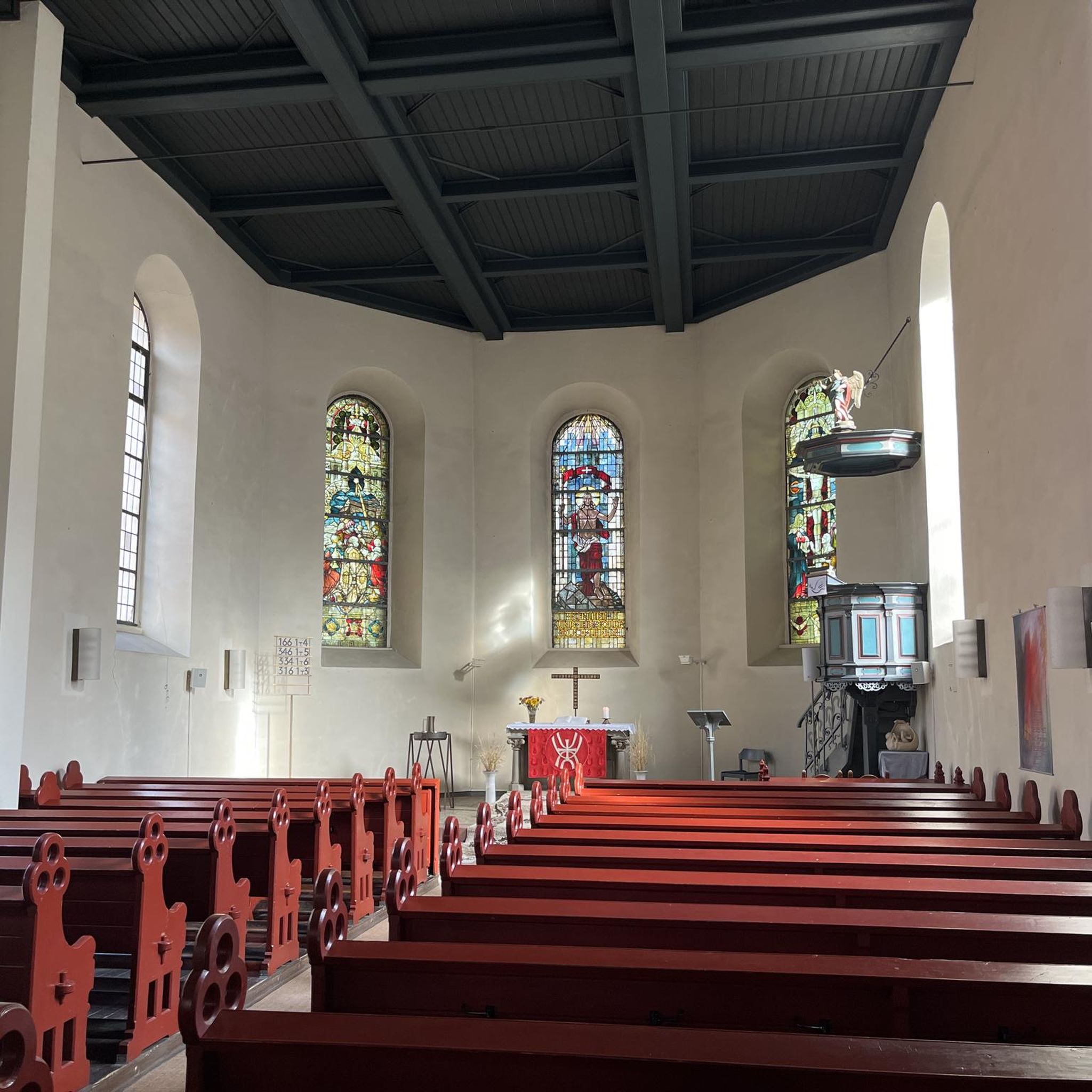
Haslingfield is a charming, thriving village in South Cambridgeshire. It has two beautiful churches, a number of quaint properties, and a pleasant, serene village ambience. The village easily dates back to mediaeval times, and even Queen Elizabeth I stayed here back in 1564.
2
0

Delicious freshly baked pastries and cakes, and good coffee too. Opposite you can sit in the garden and browse the art gallery. Highly recommend
0
0
Frequently Asked Questions
How many gravel bike trails are available around Madingley?
Madingley and its surrounding area offer a good selection of gravel biking routes, with over 20 trails available. These routes cater to various skill levels, from easy rides to more challenging segments.
What kind of terrain can I expect on gravel bike trails near Madingley?
The gravel trails around Madingley feature a diverse landscape. You can expect undulating terrain with winding gravel paths, classic English countryside, and ancient trackways, including sections of Roman roads. Many routes also include wooded sections, offering varied scenery and sheltered riding conditions.
Are there any easy gravel bike routes suitable for beginners or families?
Yes, Madingley has several easy gravel routes perfect for beginners or family outings. For example, the Chisholm Trail Bridge – Baits Bite Lock loop from Cambridge North is an easy 17.4 km route with minimal elevation gain, offering a gentle introduction to gravel biking in the area.
What are some notable landmarks or attractions I can see along the gravel bike routes?
Many routes incorporate interesting sights. You can cycle along the DNA Path Rainbow Cycleway and the Cambridge Guided Busway Cycle Path. For natural beauty, some trails pass by lakes like Far Fen Lake or the Fen Drayton Lakes Nature Reserve. Historic sites like King's College Chapel and the Mathematical Bridge, Queens' College are also accessible from routes connecting to Cambridge.
Are there any circular gravel bike routes in the Madingley area?
Yes, many of the gravel routes around Madingley are designed as loops, offering convenient circular rides. An example is the A1301 Cycle Path – DNA Path Rainbow Cycleway loop from Cambridge, a moderate 44.8 km route that brings you back to your starting point.
Where can I find parking for gravel biking near Madingley?
Given Madingley's proximity to Cambridge, parking is often available in and around the city, with many routes starting from Cambridge itself. Specific parking options will depend on your chosen starting point, but local villages and designated car parks often serve as good access points for the wider cycling network.
What is the best time of year to go gravel biking in Madingley?
The best time for gravel biking in Madingley is generally during the spring, summer, and early autumn months when the weather is milder and the paths are drier. While some routes are accessible year-round, wet conditions in winter can make certain unpaved sections muddy and more challenging.
Are there cafes or pubs along the gravel biking routes for refreshments?
Yes, many routes pass through or near charming villages where you can find cafes and pubs. Madingley Hall itself has a cafe, and the broader region around Cambridge is well-equipped with amenities for cyclists, making it easy to stop for refreshments during your ride.
What do other gravel bikers enjoy most about the trails in Madingley?
The gravel biking routes around Madingley are highly rated by the komoot community, with an average score of 4.3 stars from over 50 reviews. Riders frequently praise the varied landscapes, the blend of natural beauty with historic features, and the extensive network of well-maintained paths that connect Madingley to Cambridge and surrounding areas.
How accessible are the Madingley gravel trails by public transport?
Madingley benefits from its close connection to Cambridge, a city with excellent public transport links. Many gravel routes start directly from Cambridge, which is well-served by train and bus. This makes it convenient to access the trails even if you don't arrive by car.
Are there any longer or more challenging gravel routes for experienced riders?
While many routes are easy to moderate, experienced riders can find longer adventures by combining segments or exploring routes that extend further afield. For instance, the Cambridge Railway Station – Stapleford to Babraham Track loop from Cambridge offers a 25.2 km ride through rural landscapes and trackways, providing a good workout for those seeking more distance.
Most popular attractions around Madingley

Get inspired with the komoot mobile app


Explore more
Browse the best Gravel rides in other regions.
