The best gravel rides around Little Abington
4.4
(38)
98
riders
7
rides
Gravel biking around Little Abington offers a network of routes characterized by gentle terrain and established paths. The area features a mix of historic bridleways, dedicated cycle paths, and rural tracks, providing varied surfaces for gravel cyclists. Elevations are generally low, with routes traversing the flat to gently rolling landscapes typical of the Cambridgeshire region. This makes the area suitable for accessible gravel biking experiences.
Best gravel bike trails around Little Abington
- The most popular gravel bike trail is Roman…
Last updated: July 3, 2026
4.6
(7)
15
riders
Moderate gravel ride. Good fitness required. Mostly paved surfaces. Suitable for all skill levels.
4.6
(8)
18
riders
48.0km
02:58
190m
190m
Hard gravel ride. Good fitness required. You may need to push your bike for some segments of this route.

Sign up for free
4.5
(8)
32
riders
Easy gravel ride. Great for any fitness level. Mostly paved surfaces. Suitable for all skill levels.
4.6
(10)
19
riders
Easy gravel ride. Great for any fitness level. Mostly paved surfaces. Suitable for all skill levels.
4.0
(2)
11
riders
44.7km
02:40
290m
290m
Moderate gravel ride. Good fitness required. Mostly paved surfaces. Suitable for all skill levels.
Get access to more routes and recommendations from other explorers.
Sign up for free
Already have an account?
Our route recommendations are based on thousands of hikes, rides, and runs completed by other people on komoot.
Start today with a free account
Your next adventure awaits.
Login or Signup

Tips from the Community

Small village really worth visiting on a bike tour with several nice houses.
1
0
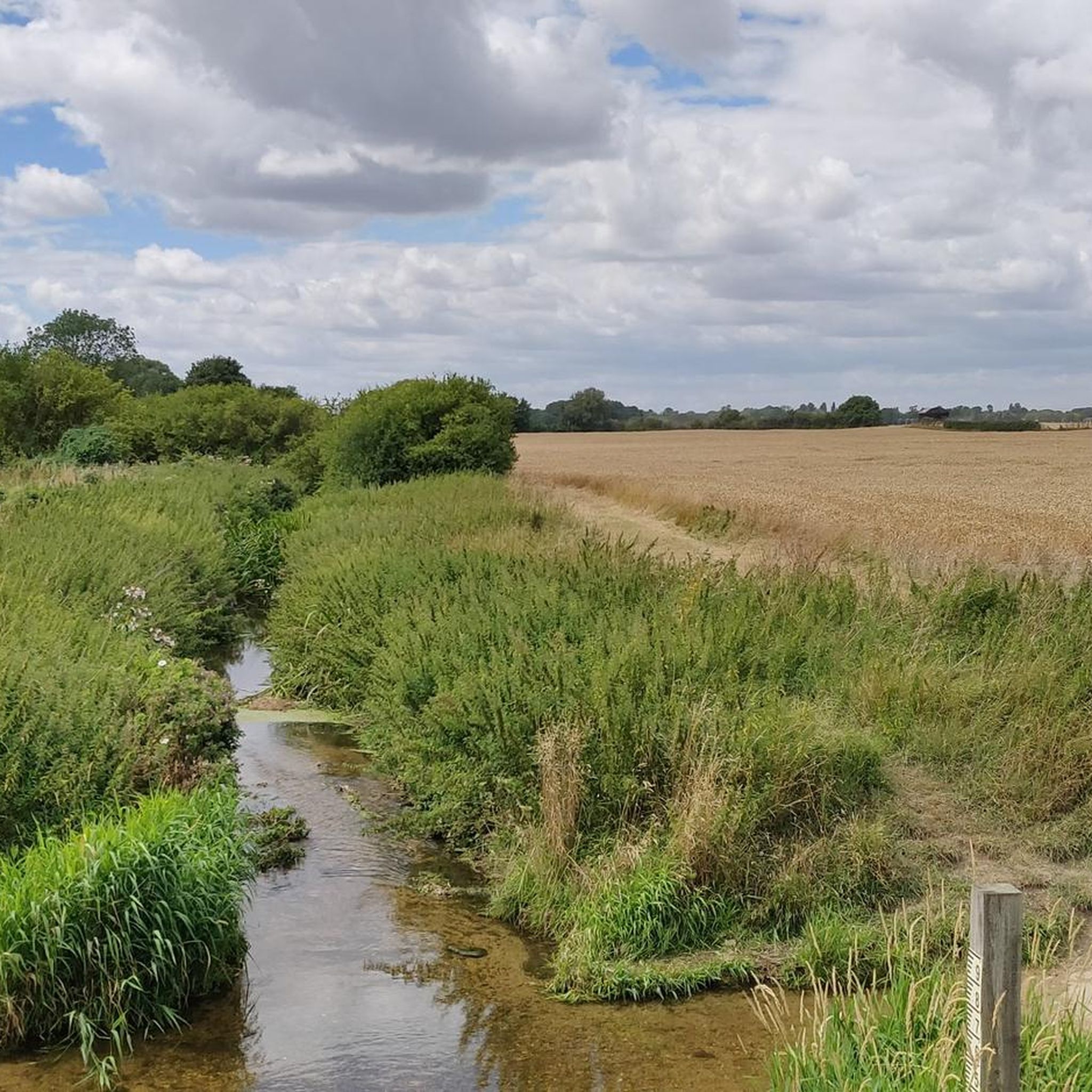
The Windmill at Fulbourn stands on an outlier of the Gog Magog Hills 4 miles east of the City of Cambridge. Low chalk hills run to the south of it; northwards the Windmill overlooks the Fens which are at most only a few feet above sea level. The cap of the Windmill rises to 160 feet above sea-level and from it there is an uninterrupted view of the roofs and towers of Ely Cathedral. It has long been an outstanding landmark in the south Cambridgeshire countryside. It was the enclosure of the parish for the improvement of cultivation that led to the building of the present Windmill. Much of the land in the north of the parish was low-lying and waterlogged and needed draining to convert it into profitable arable land. Fulbourn Fen was a peat fen only 20 feet above sea level over which the Great Wilbraham River spread its waters in times of flood. The Act of Enclosure for Fulbourn was passed in 1806 and the Commissioners completed their work two years later. The drainage of the parish reduced the level of water in the upper reaches of the Great Wilbraham River on which the manorial watermill was situated. The loss of power brought to an end the life of a mill which had first been recorded in Domesday Book. In 1808 the machinery of the watermill was put up for sale. A new mill was therefore needed and the Enclosure Commissioners allotted one acre on Mill Hill, on which to build a mill and miller’s cottage, to John Chaplin, a considerable landowner and farmer. He used copies of Old Moore’s Almanack as a diary, entering personal events and business notes in the margins of the calendar. In 1808 he recorded against 11 July, ‘I laid the first brick of my mill’; 22 November, ‘Mill sails put up’; 15 December, ‘Began grinding’. It is a large octagonal smock mill with a brick base and wooden superstructure. Its outline is squat with a shallow conical cap. The fantail, as usual in Cambridgeshire mills, is close against the cap. The mill holds three stones, one of French burr and two of Derbyshire stone. With floors 24 feet in diameter, there is exceptional space for working the mill. (https://fulbournwindmill.org.uk/history.html)
1
0

Great double-track circumventing Hauxton High St, incl. underpass of M1, leading all the way to Great Shelford
0
0


After being closed for 9 months, the bakery has reopened as a cafe/deli. There’s not really anywhere to park a bike but you can prop a couple outside while you sit at the bar just inside the door. Great coffee, pastries, cakes & toasties. Open Wed-Fri 9am-4pm, Sat 9am-2pm.
0
0

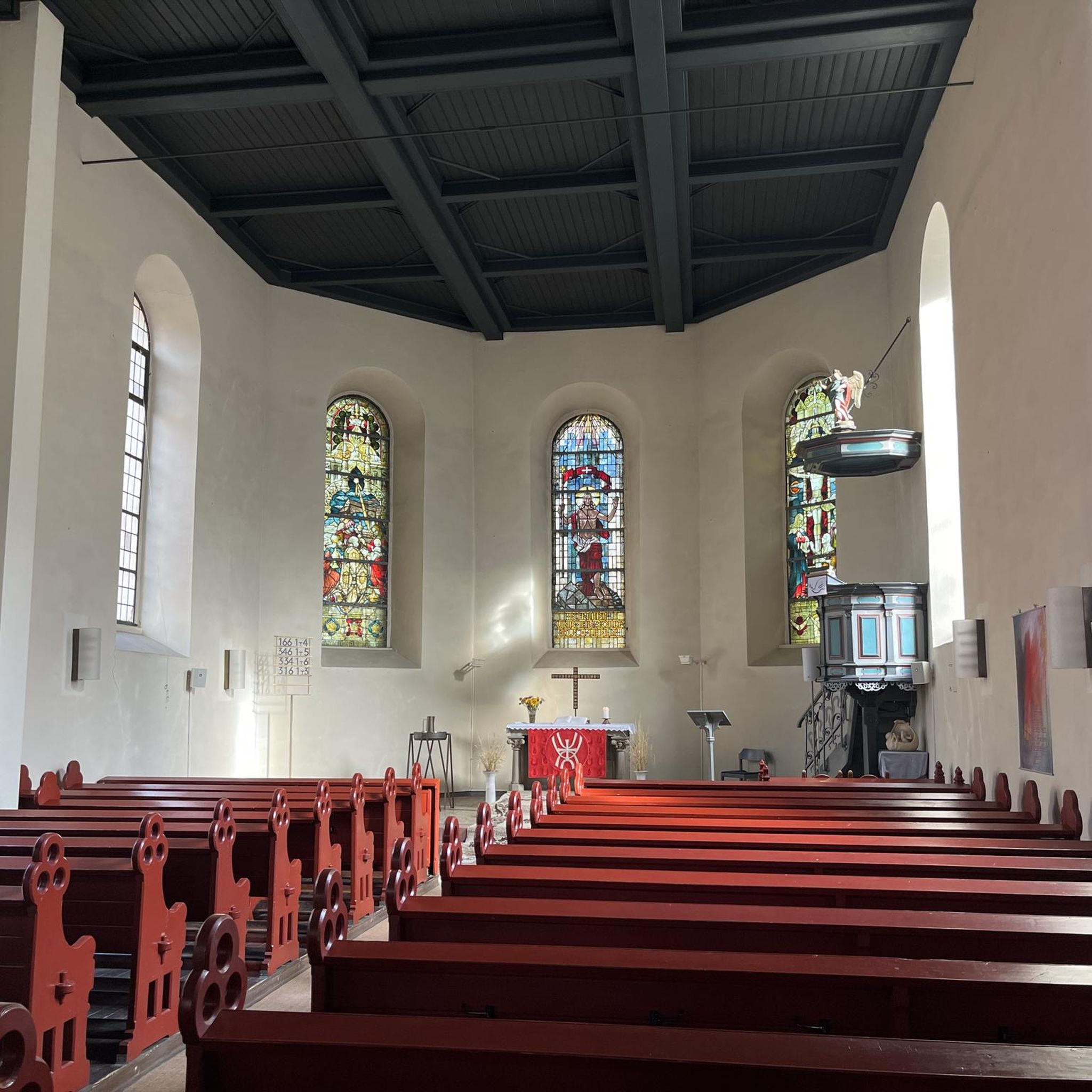
Haslingfield is a charming, thriving village in South Cambridgeshire. It has two beautiful churches, a number of quaint properties, and a pleasant, serene village ambience. The village easily dates back to mediaeval times, and even Queen Elizabeth I stayed here back in 1564.
2
0

Delicious freshly baked pastries and cakes, and good coffee too. Opposite you can sit in the garden and browse the art gallery. Highly recommend
0
0

Frequently Asked Questions
How many gravel bike trails are available around Little Abington?
There are over 10 gravel bike trails in the Little Abington area, offering a variety of experiences for different skill levels. These routes utilize historic bridleways, dedicated cycle paths, and rural tracks.
Are there easy or beginner-friendly gravel bike routes in Little Abington?
Yes, Little Abington is well-suited for beginners and those looking for easier rides. About a third of the routes are rated as easy, featuring gentle terrain and well-maintained paths. An example is the Cambridge Railway Station – Stapleford to Babraham Track loop from Cambridge, which is an easy 25.25 km route.
What are some longer gravel bike routes near Little Abington?
For longer rides, consider routes that extend further into the Cambridgeshire countryside. The A1301 Cycle Path – DNA Path Rainbow Cycleway loop from Cambridge is a moderate 44.79 km route, offering a substantial ride through varied landscapes.
Are the gravel bike trails in Little Abington suitable for families?
Many of the gravel bike trails around Little Abington are suitable for families, especially those rated as easy. The low elevations and established cycle paths, such as sections of the DNA Path Rainbow Cycleway, provide a safe and enjoyable environment for riders of all ages.
What kind of terrain can I expect on gravel bike trails in this region?
The terrain around Little Abington is characterized by flat to gently rolling landscapes. You'll encounter a mix of surfaces, including historic bridleways, dedicated cycle paths, and rural tracks. Elevations are generally low, making for a less strenuous ride.
What can I see along the gravel bike trails around Little Abington?
The routes often pass by interesting local features. You can explore the historic Roman Road (Cambridge to Haverhill), ride along the DNA Path Rainbow Cycleway, or even stop for refreshments at The Orchard Tea Garden in Grantchester.
Are there any circular gravel bike routes in Little Abington?
Yes, many of the gravel bike routes in the area are designed as loops, allowing you to start and finish in the same location. For example, the Roman Road (Cambridge) – The Roman Road Bridleway loop from Lime Kiln Close is a popular circular option.
What do other gravel bikers enjoy most about riding in Little Abington?
The area is highly rated by the komoot community, with an average score of 4.5 stars from over 50 reviews. Reviewers often praise the accessible nature of the trails, the mix of historic and modern paths, and the pleasant, open countryside views.
Is public transport available to access gravel trails near Little Abington?
Given the proximity to Cambridge, many routes are accessible via public transport links to the city. Some routes, like the Cambridge Railway Station – Stapleford to Babraham Track loop from Cambridge, even start directly from Cambridge Railway Station, making them convenient for those using trains or buses.
Are there opportunities for pub stops along the gravel bike trails?
Yes, the Cambridgeshire region is dotted with charming villages and rural pubs. Many routes will pass through or near villages where you can find traditional pubs for a refreshment stop. Planning your route to include villages like Grantchester can offer such opportunities.
What is the best time of year for gravel biking in Little Abington?
Spring, summer, and early autumn generally offer the most pleasant conditions for gravel biking in Little Abington, with milder weather and drier trails. However, the relatively low elevation and well-drained paths mean that many routes are rideable year-round, though some rural tracks might be muddier in winter.
Are there any advanced or challenging gravel bike routes in the area?
While the region is known for its accessible terrain, there is one route rated as difficult among the 11 available. For those seeking more of a challenge, look for routes that combine longer distances with varied surfaces, or explore the more remote rural tracks.
Most popular attractions around Little Abington

Get inspired with the komoot mobile app


Explore more
Browse the best Gravel rides in other regions.
