The best gravel rides around Anderlecht
4.5
(759)
4,799
riders
122
rides
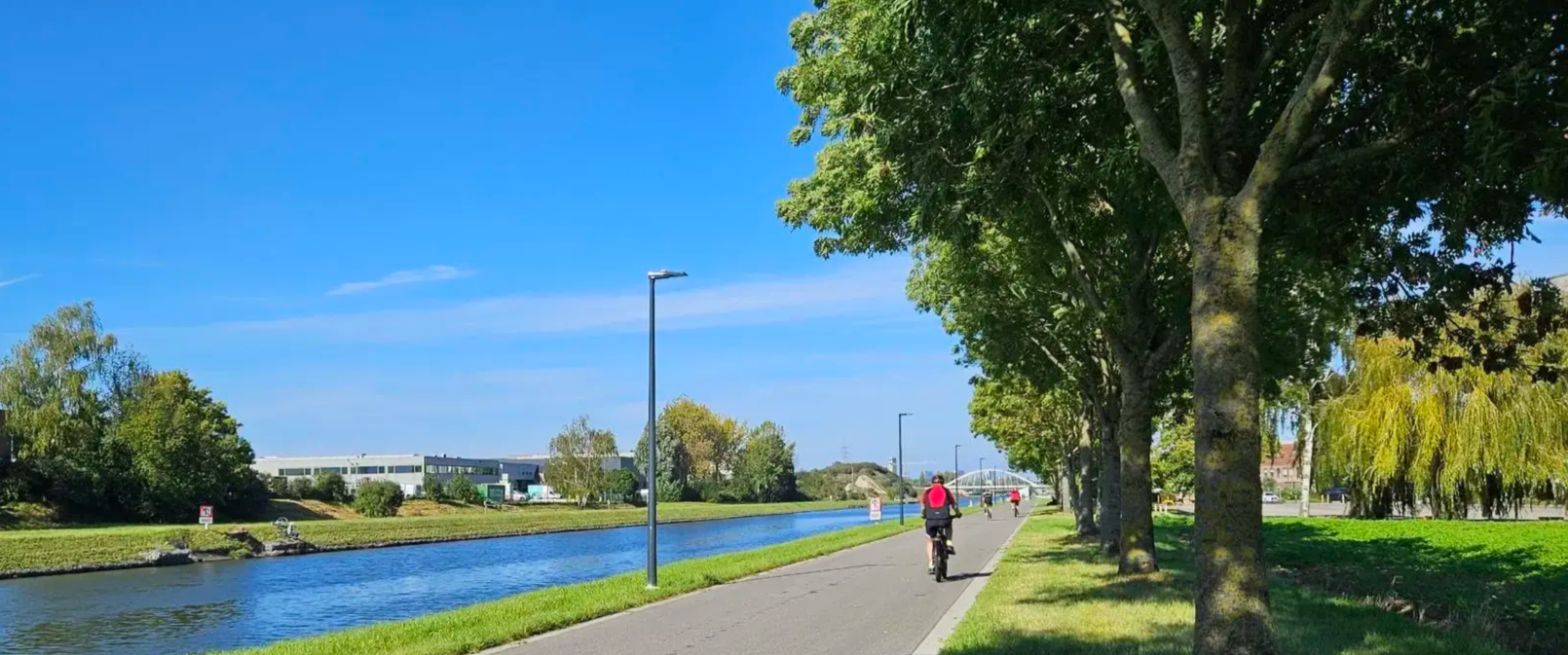
Gravel biking around Anderlecht benefits from the municipality's extensive green spaces, including 18 parks and several semi-natural environments. The region features waterways such as the Brussels-Charleroi Canal and creeks, alongside the rural Valley of Breughel with its farmlands and country lanes. Its strategic location provides access to larger natural areas like the Sonian Forest and Bois de la Cambre, offering diverse terrain for gravel cyclists. This combination creates varied gravel bike trails suitable for different skill levels.
Best gravel bike…
Last updated: May 16, 2026
4.6
(99)
586
riders
Hard gravel ride. Very good fitness required. Mostly paved surfaces. Suitable for all skill levels.
5.0
(1)
23
riders
Hard gravel ride. Very good fitness required. You may need to push your bike for some segments of this route.

Sign up for free
5.0
(2)
23
riders
44.6km
02:40
330m
330m
Moderate gravel ride. Good fitness required. Mostly paved surfaces. Suitable for all skill levels.
5.0
(1)
14
riders
Hard gravel ride. Very good fitness required. You may need to push your bike for some segments of this route.
10
riders
22.1km
01:26
210m
210m
Hard gravel ride. Good fitness required. You may need to push your bike for some segments of this route.
Get access to more routes and recommendations from other explorers.
Sign up for free
Already have an account?
Our route recommendations are based on thousands of hikes, rides, and runs completed by other people on komoot.
Start today with a free account
Your next adventure awaits.
Login or Signup


Tips from the Community

This tour goes for kilometers through the forest. In spring it is beautiful with the hyacinths and wood anemones. In summer nice and cool.
0
0

The Groenendaal racecourse was built in 1888-1889 on the initiative of Leopold II in the middle of the Sonian Forest, next to the road to Waterloo, and in 1892, as part of easy access, it received its own railway connection to Groenendaal station. To realize this racecourse, approximately 100 hectares of forest were cleared at the end of the 19th century. King Leopold II had his own box there, located between two metal grandstands for the public. After the First World War, this area was used for the dismantling of weapons and ammunition left behind in the Westhoek. German prisoners of war had to clear mines under the supervision of the Belgian army. During a fire and the subsequent explosions of ammunition on May 6, 1919, the hippodrome's grandstands and buildings were heavily damaged. After another explosion in November, the ammunition depot was completely dismantled in 1920. Two years later, the racecourse was restored and the grandstands were rebuilt. The royal box for Albert I was not rebuilt until 1924. Its appearance was completely different from the pre-war grandstand. When the current appearance came about is not entirely clear, although the current box is attributed to Albert I in the literature, see also monogram. Inventory of Immovable Heritage: Royal Box and remains of bookmaker's room, https://id.erfgoed.net/erfgoedobjecten/302991
4
0
The Groenendaal racecourse was built in 1888-1889 on the initiative of Leopold II in the middle of the Sonian Forest, next to the road to Waterloo. In 1892, it was given its own rail connection to Groenendaal station as part of a smooth development. To realize this racecourse, about 100 hectares of forest were cleared at the end of the 19th century. King Leopold II had his own box, located between two metal grandstands for the public. After the First World War, this area was used for the dismantling of weapons and ammunition left behind in the Westhoek. German prisoners of war had to clear mines under the supervision of the Belgian army. A fire and subsequent explosions of ammunition on May 6, 1919, heavily damaged the grandstands and buildings of the hippodrome. After another explosion in November, the ammunition depot was completely dismantled in 1920. Two years later, the racecourse was restored and the grandstands were rebuilt. The royal box for Albert I was only rebuilt in 1924. Its appearance was completely different from the pre-war grandstand. When the current appearance came about is not entirely clear, although the current box is attributed to Albert I in the literature, see also monogram. Inventory of Immovable Heritage: Royal Box and remains of bookmaker's office, https://id.erfgoed.net/erfgoedobjecten/302991
4
0

Open grassy area with some benches, ideal for a break on dry days.
3
0


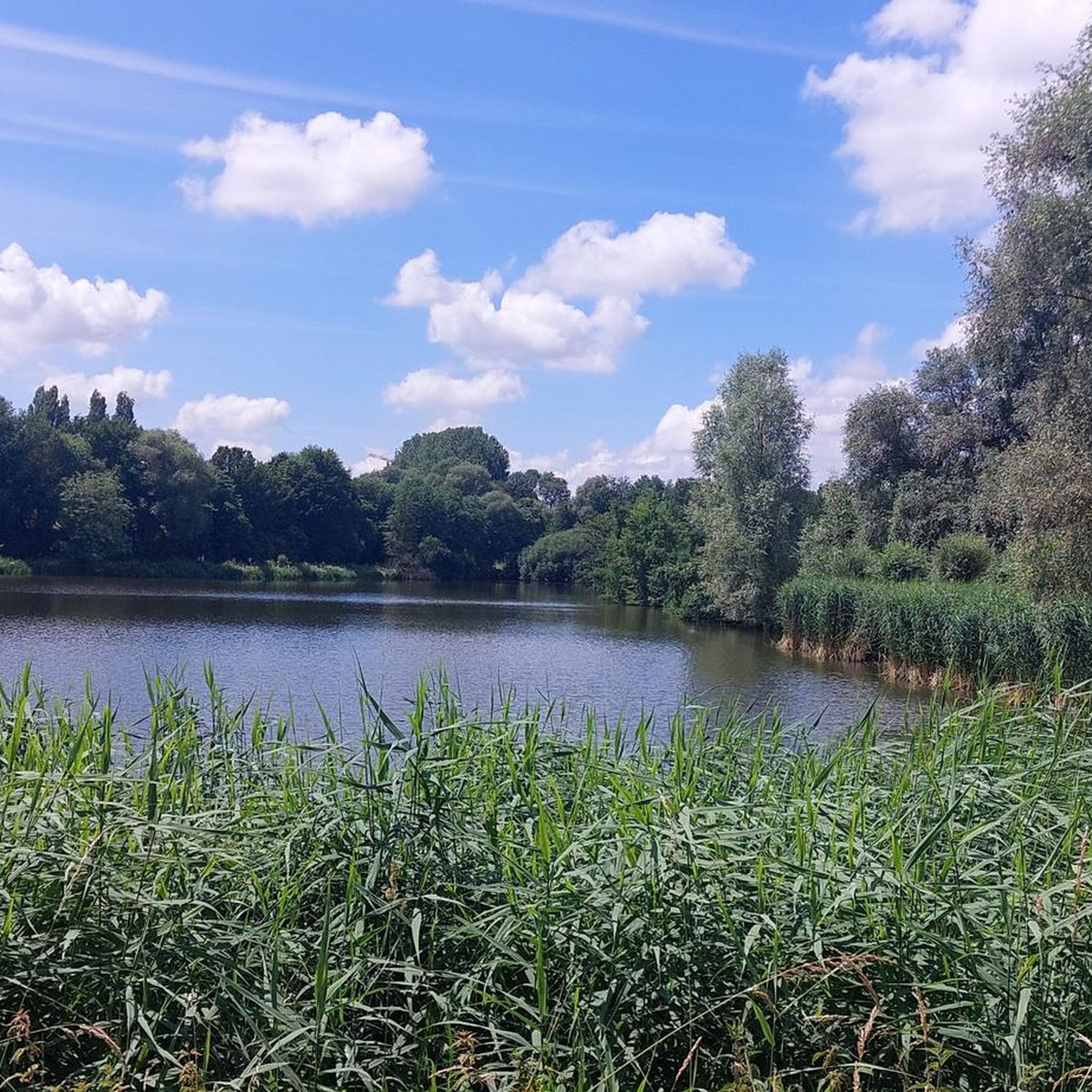
A solid wood bridge crosses the Horseshoe Pond, which is thus divided into two parts.
3
0

cozy village café, you feel like you're in France
0
0

Nice sighting when out riding, there is a gravel track passing through and a bit later you'll meet a pasture with beautiful Highland Cows!
1
0
Frequently Asked Questions
How many gravel bike trails are available around Anderlecht?
There are over 200 gravel bike trails around Anderlecht, catering to a wide range of skill levels. You'll find options from easy to difficult, ensuring there's a route for every rider.
What kind of terrain can I expect on gravel bike trails near Anderlecht?
The terrain varies significantly. Within Anderlecht, you'll encounter routes through extensive green spaces, parks, and along the Brussels-Charleroi Canal. Further afield, especially towards the Sonian Forest and Bois de la Cambre, expect unpaved sections, ancient forest paths, and hilly areas. Some routes may require tires with a minimum width of 33mm with tread to handle mud, rocks, and sand.
Are there any family-friendly gravel bike trails in the Anderlecht area?
Yes, while many routes offer a challenge, there are easier options suitable for families. Look for routes with less elevation gain and shorter distances, often found within Anderlecht's local parks or along the canal. These provide a gentler introduction to gravel biking for all ages.
Can I bring my dog on gravel bike rides around Anderlecht?
Many natural areas and trails around Anderlecht are dog-friendly, especially those in the extensive green spaces and forests. However, it's always best to check local regulations for specific parks or nature reserves regarding dogs, and ensure your dog is well-behaved and on a leash where required.
What are some scenic points of interest or natural features to look out for on these trails?
The region is rich in natural beauty. You can explore the picturesque Gaasbeek Castle, the tranquil Groenenberg Castle, or the expansive Meise Botanic Garden. The trails also pass through the rural Valley of Breughel with its farmlands, and offer views of the Brussels-Charleroi Canal and various ponds.
Are there any circular gravel bike routes around Anderlecht?
Yes, many of the gravel routes in the area are designed as loops, allowing you to start and finish at the same point. For example, the Groenenweg Gravel Path – Charleroi-Brussels Canal loop from Anneessens is a popular circular option that takes you through scenic canal areas.
What is the best time of year for gravel biking in Anderlecht?
Spring and autumn generally offer the most pleasant conditions for gravel biking around Anderlecht, with mild temperatures and beautiful scenery. Summer can be enjoyable, but be prepared for warmer weather. Winter riding is possible, but some unpaved sections might be muddy or icy, requiring appropriate gear and caution.
Where can I find parking for gravel bike trails near Anderlecht?
Parking availability varies by trailhead. For routes venturing into the Sonian Forest or Bois de la Cambre, designated parking areas are often available near popular access points. For routes closer to Anderlecht's urban core, public parking options might be found near parks or residential areas. It's advisable to check specific route details for recommended starting points and parking.
Can I access gravel bike trails near Anderlecht using public transport?
Yes, Anderlecht is well-connected by public transport, making it feasible to reach many trailheads without a car. Several routes, especially those starting closer to the city center or major transport hubs, are easily accessible by bus, tram, or train. For instance, the Groenenweg Gravel Path – Charleroi-Brussels Canal loop starts from Anneessens, which is well-served by public transport.
What do other gravel bikers enjoy most about gravel biking in Anderlecht?
The area is highly rated by the komoot community, with an average score of 4.5 stars from over 900 reviews. Reviewers often praise the diverse landscapes, from urban green spaces to extensive forests, and the variety of routes that cater to different fitness levels. The accessibility to major natural parks like the Sonian Forest and Bois de la Cambre is also a frequently highlighted positive.
Are there any challenging gravel routes for experienced riders?
Absolutely. For experienced riders seeking a challenge, routes like the Paddenbroek Countryside Centre – Paddenbroek Café & Brewery loop from Saint-Guidon - Sint-Guido offer significant distance and elevation gain, pushing your limits. These routes often delve deeper into the more rugged parts of the Sonian Forest or feature hilly sections with rewarding views.
Are there any cafes or pubs along the gravel bike routes in Anderlecht?
While specific cafes directly on every trail might be limited, many routes pass through or near towns and villages where you can find cafes, bakeries, and pubs. The cycling community in Brussels is active, and many rides often incorporate stops at cyclist-friendly establishments. Planning your route with komoot can help identify potential refreshment stops.
Most popular routes around Anderlecht
Most popular attractions around Anderlecht

Get inspired with the komoot mobile app


Explore more
Browse the best Gravel rides in other regions.
