Top 10 Castles around Göpfersdorf
Castles near Göpfersdorf offer a glimpse into the rich history of Saxony, Germany. While Göpfersdorf itself does not host castles, the surrounding region features several historically significant fortifications. These structures range from well-preserved Romanesque castles to rebuilt Renaissance and Baroque palaces. The area provides opportunities to explore medieval architecture and aristocratic heritage.
Best castles around Göpfersdorf
- The most popular castles is Waldenburg Castle, a castle that was rebuilt as a Renaissance and later Baroque complex. It features unique historicist…
Last updated: May 25, 2026
Wolkenburg Castle
Highlight • Castle
Translated by Google •
Tip by

View of Wolkenburg Castle and St. Mauritius Church from Hauboldfelsen
Highlight • Viewpoint
Translated by Google •
Tip by

Sign up now to discover places like this
Get recommendations on the best single tracks, peaks, & plenty of other exciting outdoor places.
Sign up for free
Kohren Castle Ruins
Highlight • Castle
A bench at the viewpoint invites visitors to linger, and the view of the town is beautiful.
Translated by Google •
Tip by

Waldenburg Castle
Highlight • Castle
Translated by Google •
Tip by
Waldenburg — Old Town and Market Square
Highlight • Settlement
Translated by Google •
Tip by

Sign up for free to discover even more castles around Göpfersdorf.
Sign up for free
Already have an account?
Start today with a free account
Your next adventure awaits.
Login or Signup

Tips from the Community

Waldenburg Castle. Information: Built in the Historicist style, incorporating medieval architectural elements. It dates back to a castle built in the 12th century, presumably between 1165 and 1172.
3
0

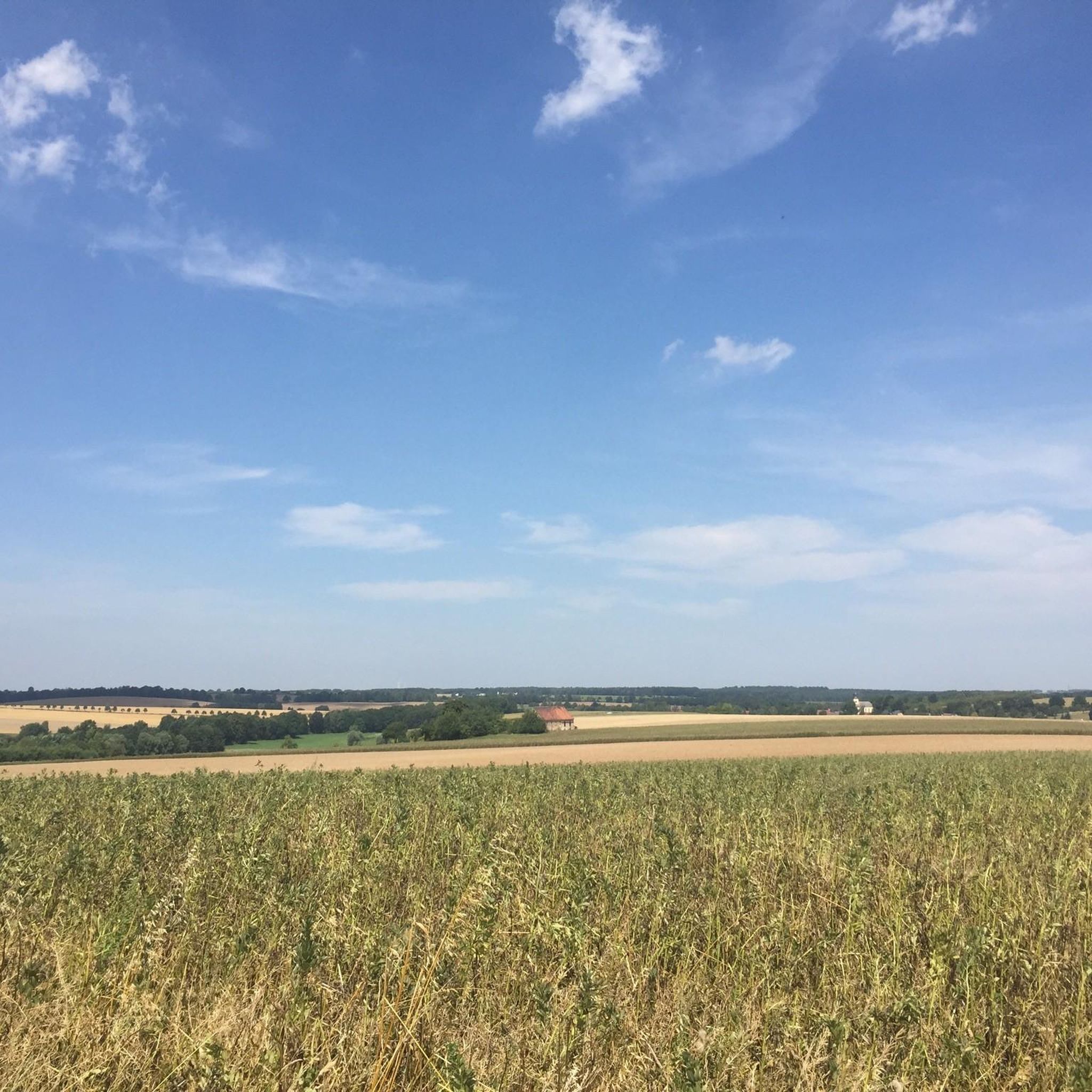
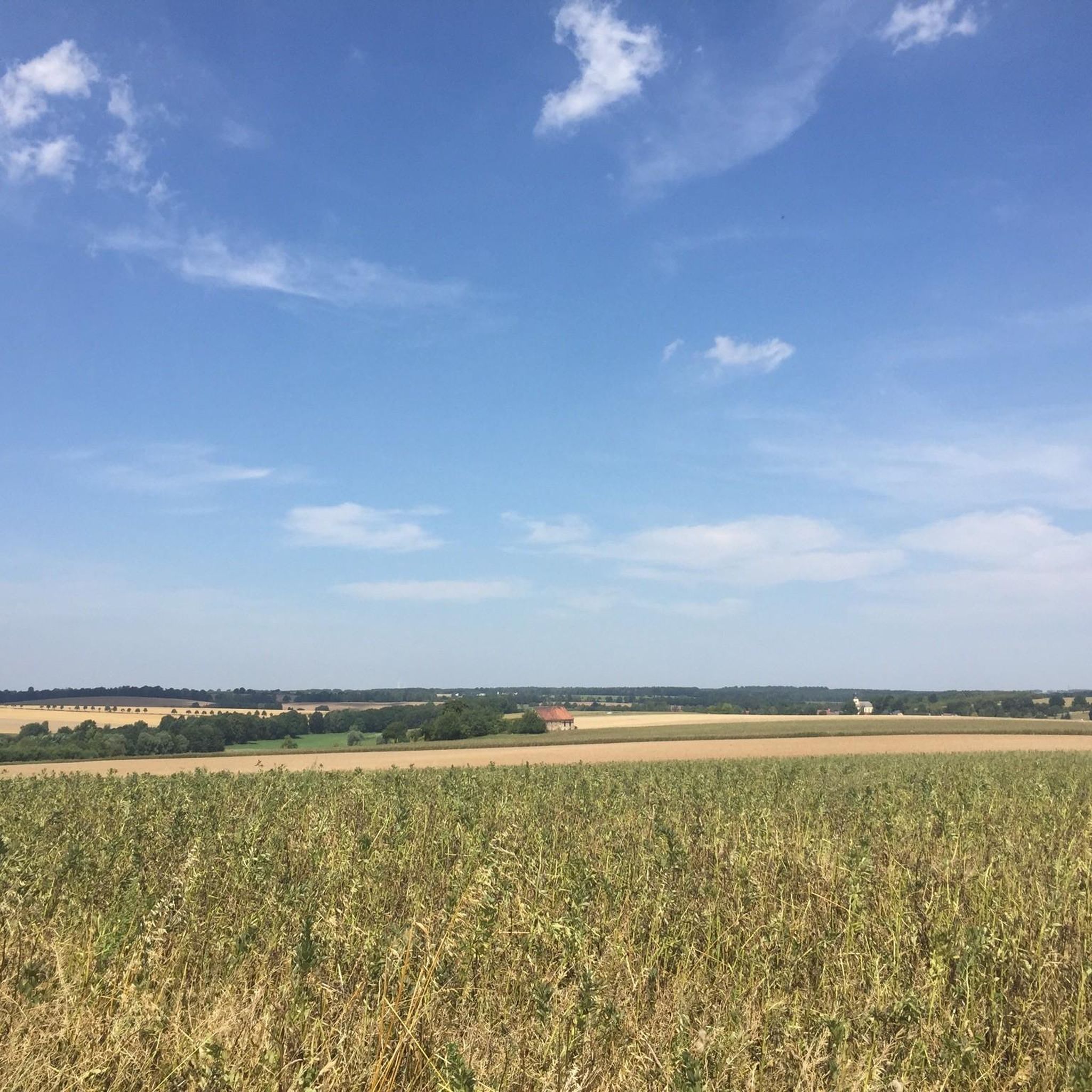
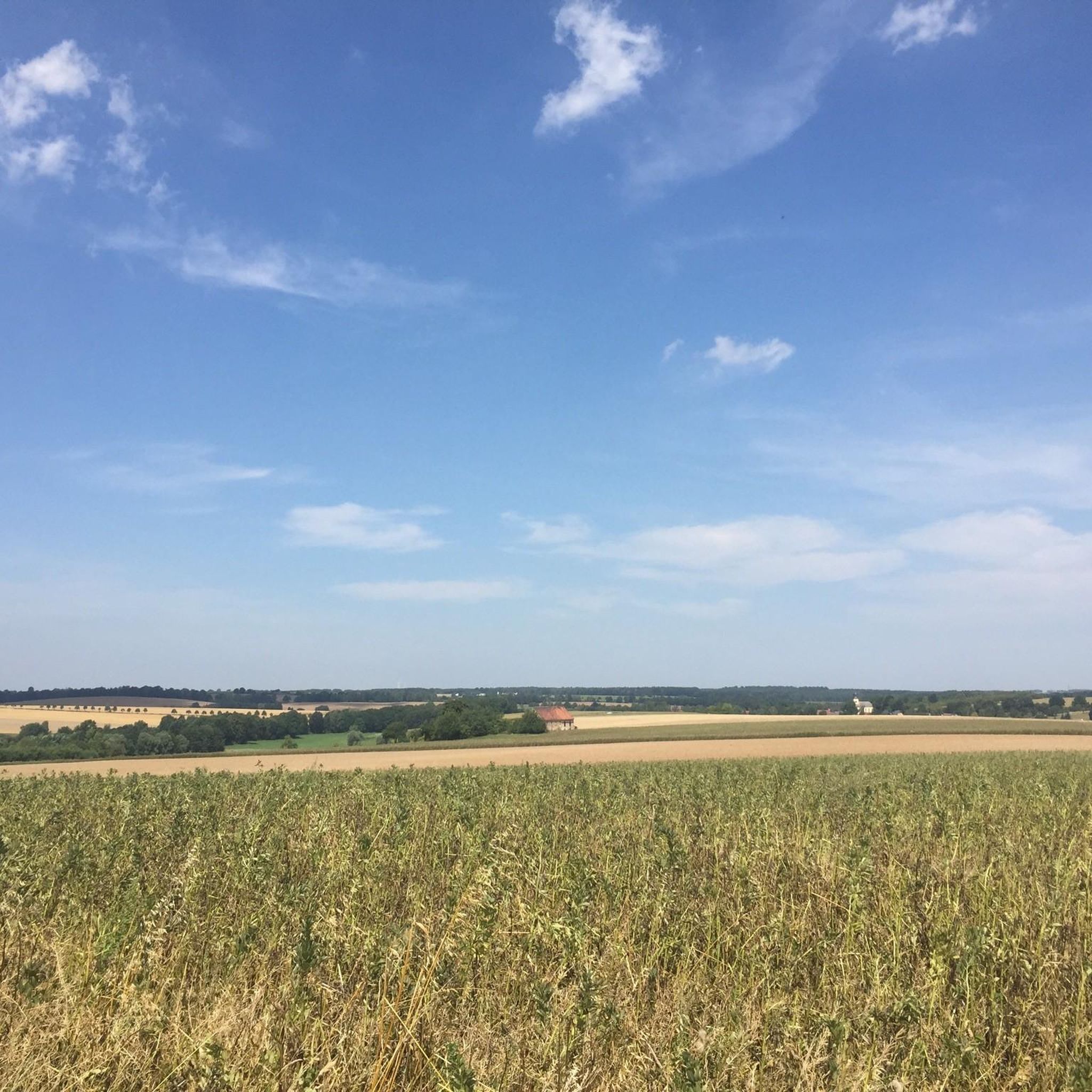
You can get to the Hauboldfelsen either from Wolkenburg over the Mulde bridge, via a steep climb, or from Zinnberg across the fields, which is much easier. Once you get there, there are several places to sit and a great view of the Mulde, Wolkenburg with its castle and the church.
5
0

Very worth seeing, you have to see it
0
2

The two main towns of the rule Wolkenburg, Kaufungen and Wolkenburg were first mentioned in documents in the years 1226 and 1241 respectively. The area was settled in the 12th century by Wiprecht von Groitzsch.
8
0
Waldenburg Castle received its current appearance through an extensive renovation under Prince Otto Victor II of Schönburg-Waldenburg (1882–1914) between 1909 and 1912. Under the overall construction management of the Royal Saxon Court Building Councilor Gustav Frölich (1859–1933), parts of the building from the 19th century were gutted and all rooms and their functions were rearranged according to contemporary requirements. Technically, Gustav Frölich equipped the castle with the most modern achievements for the period around 1910, such as complete electrification, telephone, central steam heating, hot water system, complex ventilation, dumbwaiter, separate fire water pipe and central vacuum cleaner system.
3
1
The castle complex has its origins in a castle that was built as a base for the colonization of the Pleißenland between 1165 and 1172. From this founding phase, the lower part of the keep, made of dark humpback blocks, has been preserved to this day. In connection with the Civil Revolution, the Renaissance castle was looted and completely burned down by angry demonstrators on April 5, 1848.
8
1

The fortified hilltop castle was built to protect Franconian and Saxon settlements from the 12th to the 13th century. There was an outer bailey with a gate and a core castle. The rare double keep and parts of the ring wall are still there. The castle has not been inhabited since 1456. During the Thirty Years' War (1618-48) it was renovated by the lord of the Sahlis manor, Hans Löser I, to provide protection for the residents of Kohren and the surrounding area. The owner is now the town of Frohburg. Source:https://www.tourismusverein-borna-kohrenerland.de/fileadmin/user_upload/flyer-geschichtsverein_2020-05_web.pdf
7
0

Frequently Asked Questions
What are some notable castles to visit near Göpfersdorf?
While Göpfersdorf itself doesn't have castles, the surrounding region boasts several impressive historical sites. You can explore Waldenburg Castle, known for its unique historicist architecture, or Wolkenburg Castle, a medieval structure transformed into a Renaissance and Baroque palace. Another significant site is Gnandstein Castle, renowned as Saxony's best-preserved Romanesque fortification.
Are there family-friendly castles in the Göpfersdorf area?
Yes, several castles in the region are suitable for families. Waldenburg Castle is listed as family-friendly and offers augmented and virtual reality experiences that can engage younger visitors. Wolkenburg Castle also provides a glimpse into aristocratic family life through its preserved living rooms, which can be an interesting experience for all ages.
Can I bring my dog to the castles or nearby trails?
While specific dog policies for the interior of castles like Waldenburg or Wolkenburg are best checked directly with the venues, many outdoor areas and trails around these castles are dog-friendly. For example, the Grünfelder Park near Waldenburg offers pleasant walks. Always keep dogs on a leash and clean up after them.
What kind of historical features can I expect at these castles?
The castles near Göpfersdorf offer a rich tapestry of history. Gnandstein Castle features a Romanesque keep, battlements, and a late-Gothic chapel with 16th-century altars. Waldenburg Castle showcases a blend of Rococo, Baroque, and English country house styles, with an opulent mirror cabinet and a 15th-century deep well. Wolkenburg Castle boasts ornate stucco reliefs and a magnificent two-story library.
Are there opportunities for outdoor activities near these castles?
Absolutely! The region around Göpfersdorf and its castles is great for outdoor enthusiasts. You can find various cycling routes, such as the 'Wiesebach Viaduct – Gnandstein Castle loop' or the 'Wiesebach Viaduct – Beiern Viaduct loop from Waldenburg'. For hikers, there are easy trails like the 'Secret Forest Path – Wooden Forest Shelter loop from Waldenburg'. You can explore more options in the Cycling around Göpfersdorf, Easy hikes around Göpfersdorf, and Running Trails around Göpfersdorf guides.
What is the best time of year to visit the castles around Göpfersdorf?
The castles and their surroundings are beautiful year-round. Spring and summer offer lush greenery and pleasant weather for exploring castle grounds and nearby trails. Autumn brings vibrant fall colors, making for picturesque visits. While winter can be colder, some castles may offer special events, and the snow can create a magical atmosphere, though some outdoor areas might be less accessible.
Are there any castles with scenic viewpoints?
Yes, several castles offer excellent views. Waldenburg Castle provides panoramic views over the Hohenlohe plain from its elevated position. Additionally, the View of Wolkenburg Castle and St. Mauritius Church from Hauboldfelsen offers a stunning perspective of Wolkenburg Castle and the Mulde valley.
How accessible are the castles by public transport?
Gnandstein Castle is easily reachable by public transport from cities like Leipzig and Chemnitz. For Waldenburg Castle and Wolkenburg Castle, while accessible by car via nearby highways, public transport options might require more planning. It's advisable to check local bus or train schedules for the most up-to-date information when planning your visit.
Are there parking options available at these castles?
Yes, parking is generally available at or near the main castles. Wolkenburg Castle is listed as having parking facilities. For other castles like Gnandstein and Waldenburg, there are typically designated parking areas for visitors, often within walking distance of the castle entrance.
Where can I find cafes or pubs near the castles?
You'll find amenities near the castles to refresh yourself. Wolkenburg Castle and Waldenburg Castle both have cafes on-site or nearby. The town of Waldenburg, with its historic market square, also offers various cafes and restaurants. Gnandstein Castle is near Kohren-Salis, which has local eateries.
Are there any castle ruins to explore in the area?
Yes, you can visit Kohren Castle Ruins. This secured ruin features two visible towers and remnants of walls. From the preserved castle walls, visitors can enjoy views over the village of Kohren. It's a great spot for those interested in exploring older, less-preserved historical sites.
What makes Waldenburg Castle unique?
Waldenburg Castle stands out for its unique historicist architecture, blending Rococo, Baroque, and English country house styles. It features an opulent mirror cabinet, a Gobelin room, and a bright castle chapel. The castle also offers augmented and virtual reality experiences, immersing visitors in its history and the life of the Schönburg family.
What makes Gnandstein Castle special?
Gnandstein Castle is celebrated as Saxony's best-preserved Romanesque fortification, dating back to the early 13th century. It offers a deep dive into ancient times with its keep, ward, battlements, and a late-Gothic chapel. The castle houses a museum with exhibitions of precious finds from seven centuries, including sacred sculptures, paintings, and an armory.
What makes Wolkenburg Castle special?
Wolkenburg Castle, originally a medieval structure, was transformed into a Renaissance and Baroque palace by the von Einsiedel family. It is known for its ornate stucco reliefs in the banquet hall and a magnificent two-story library. The castle also hosts a 'Cultural Summer' program with open-air events, bringing its history to life.
Most popular attractions around Göpfersdorf

Get inspired with the komoot mobile app


Explore more
Looking for the best castles somewhere else? Discover other guides around Göpfersdorf:
