The best gravel rides around Braives
4.5
(10)
96
riders
23
rides
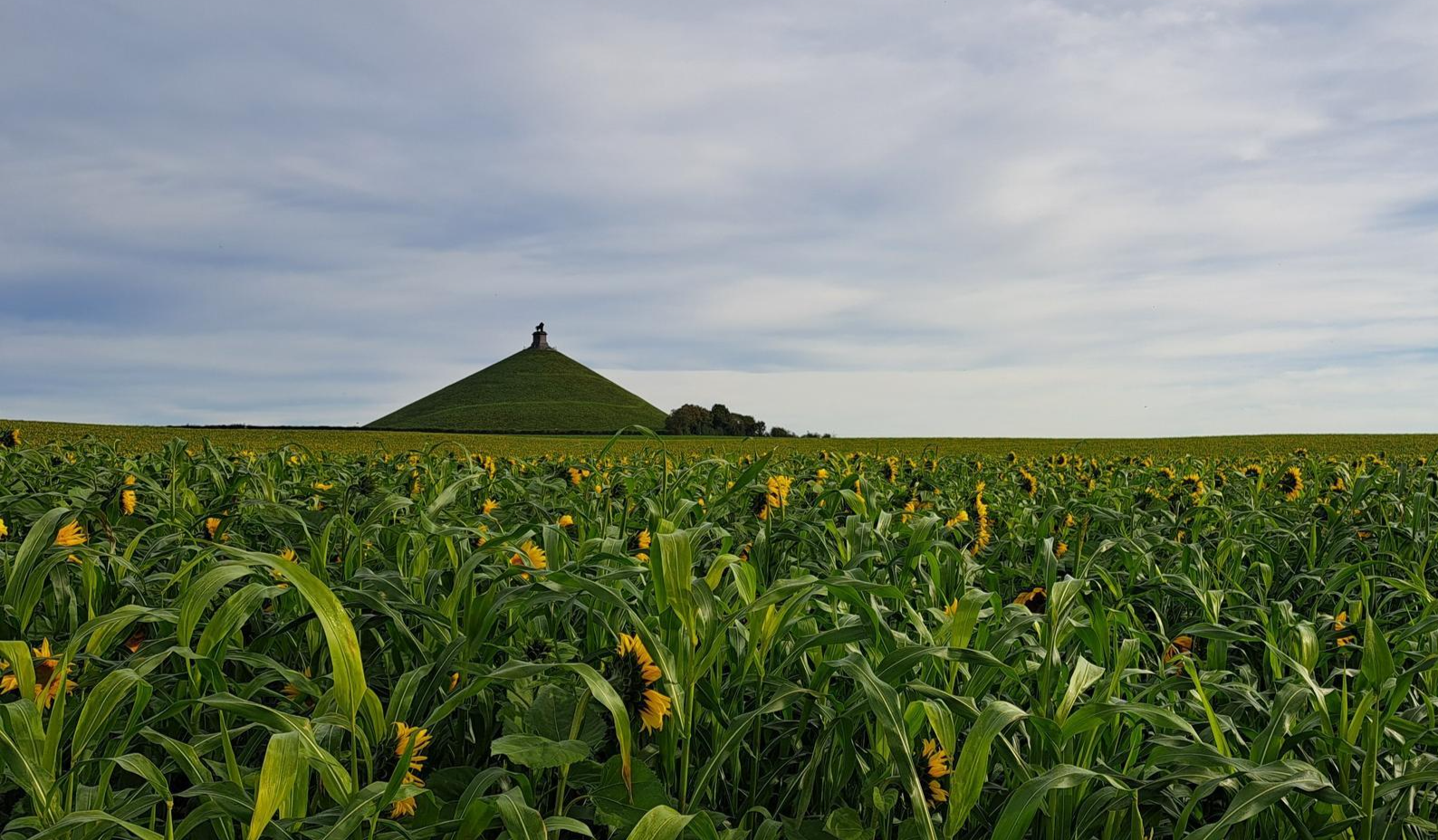
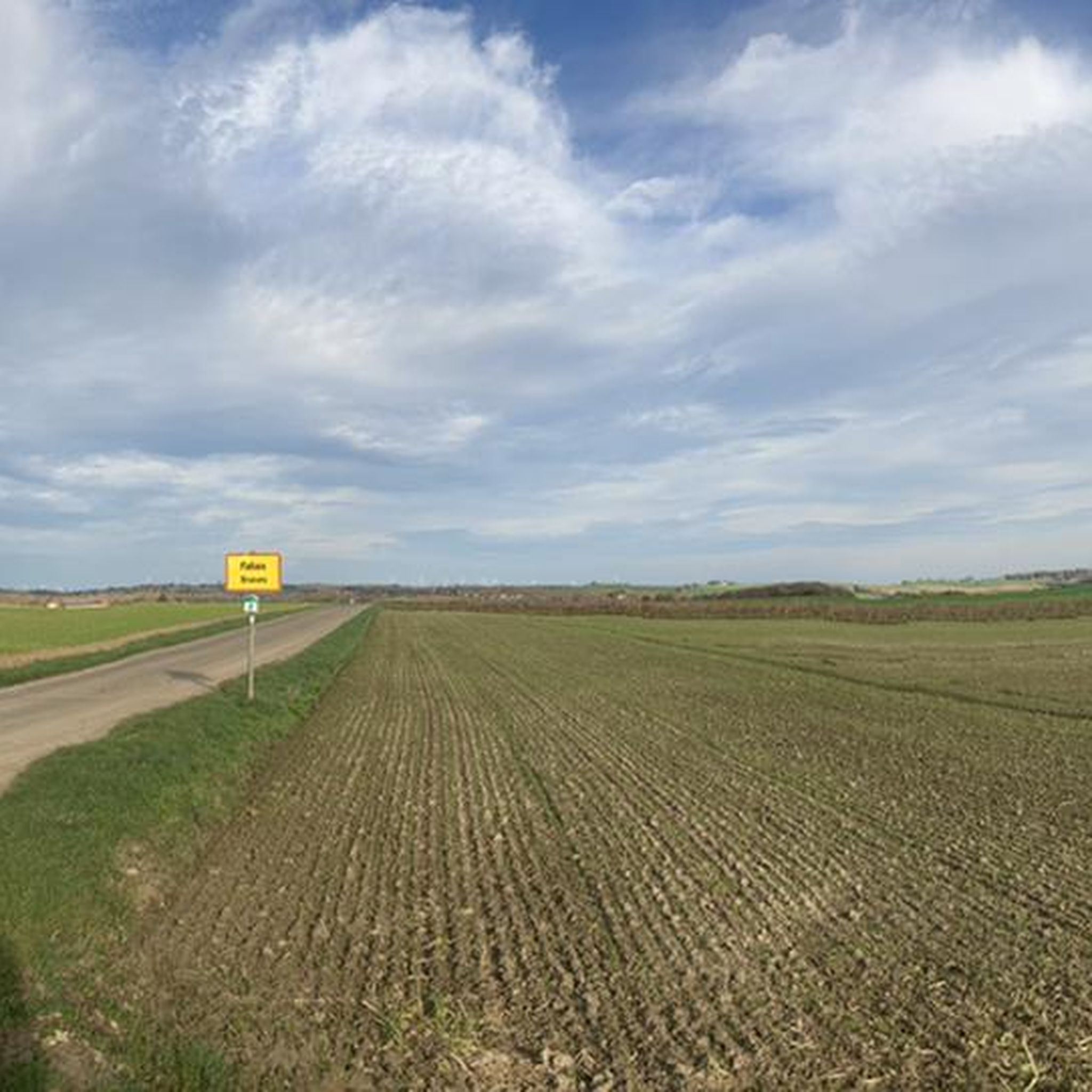
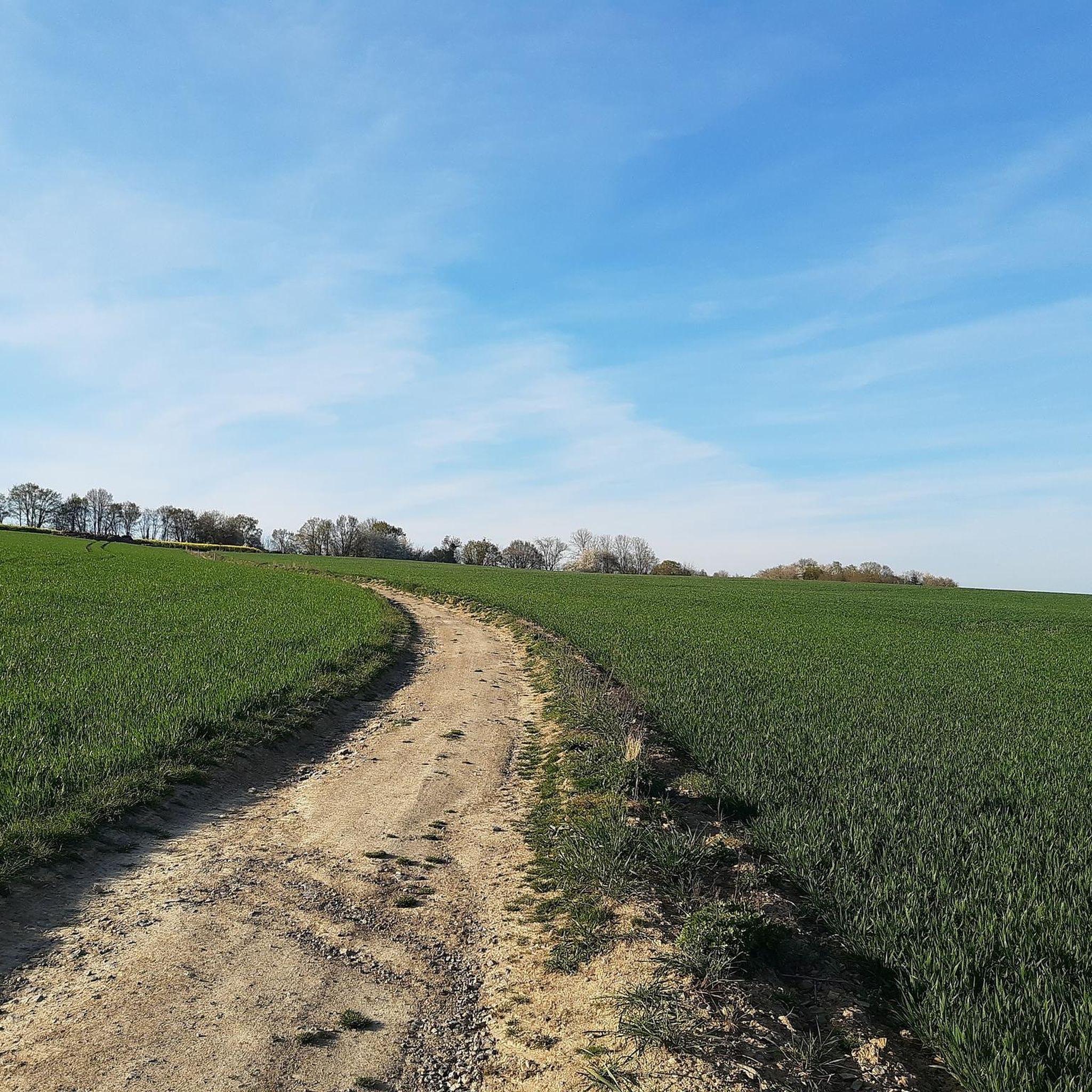
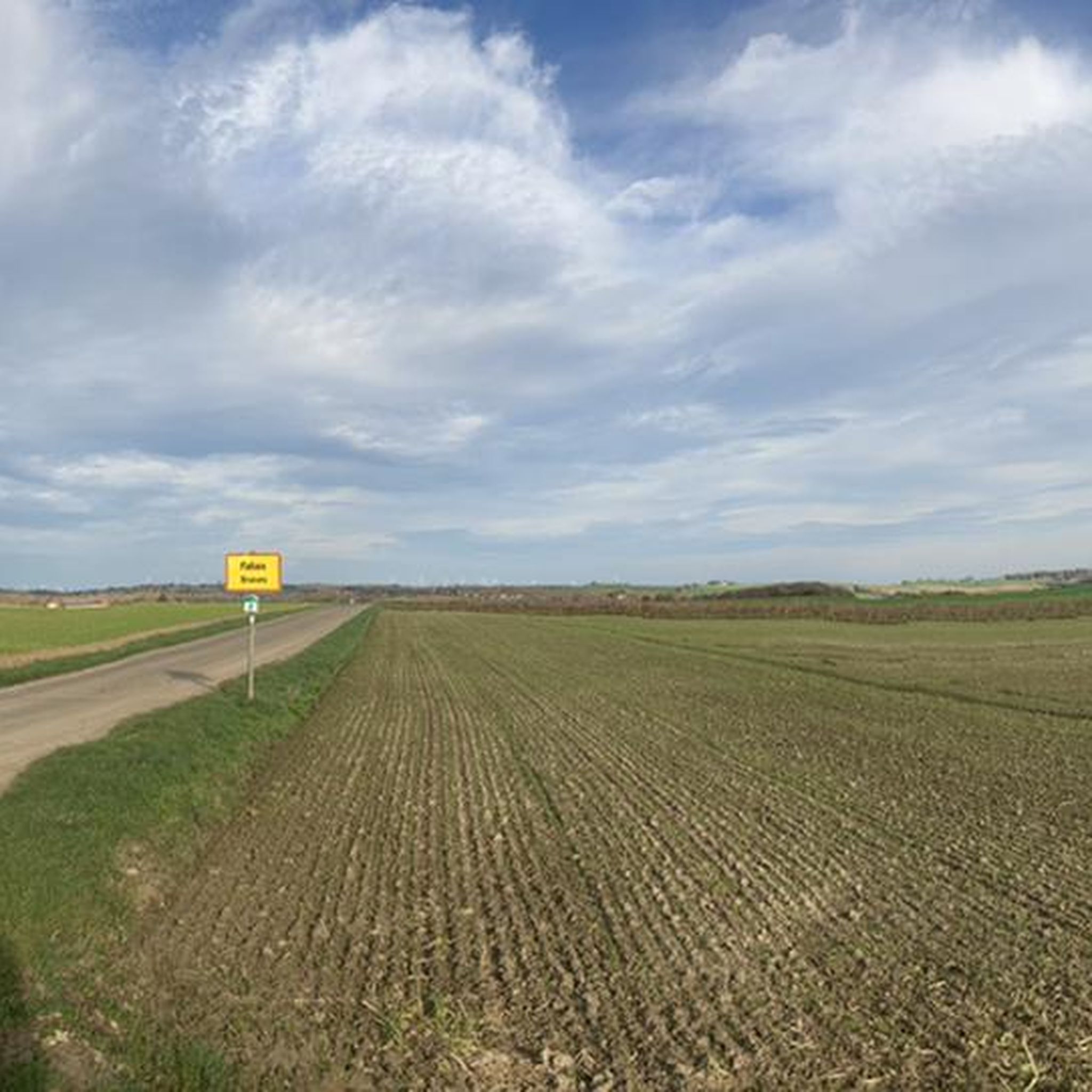
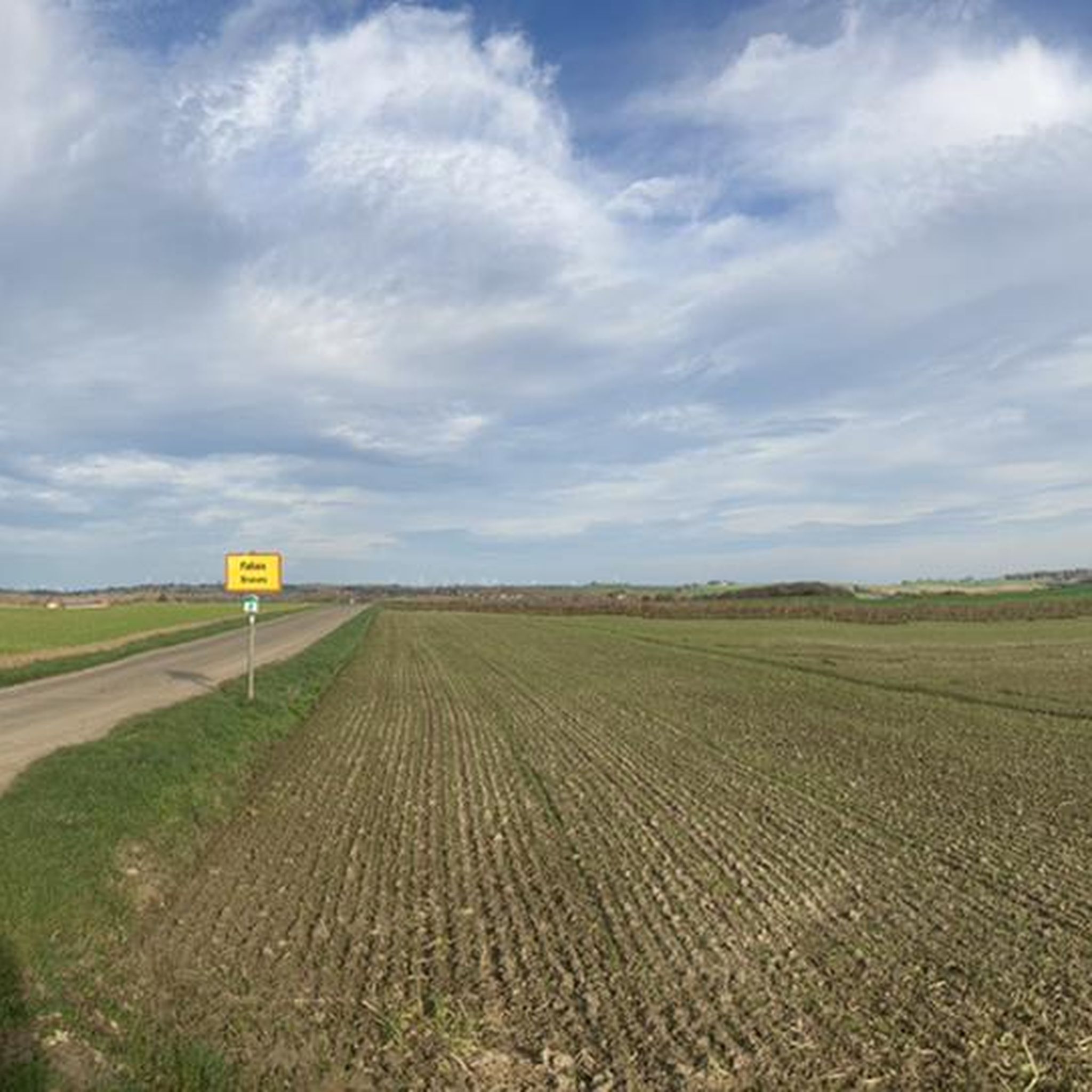
Gravel biking around Braives features a landscape characterized by rolling hills, river valleys, and agricultural fields. The region offers a mix of open gravel paths and forested sections, particularly along waterways like the Mehaigne river. Elevation changes are present, providing varied terrain for gravel cyclists.
Best gravel bike trails around Braives
- The most popular gravel bike trail is Fousseroûl Castle-Farm – Nice gravel path along the Mehaigne river loop from Château de Fallais, a 35.0 miles (56.4 km) trail…
Last updated: June 24, 2026
9
riders
23.1km
01:38
270m
270m
Moderate gravel ride. Good fitness required. Mostly paved surfaces. Suitable for all skill levels.
4.5
(2)
19
riders
55.2km
03:34
650m
650m
Hard gravel ride. Very good fitness required. You may need to push your bike for some segments of this route.

Sign up for free
5.0
(1)
13
riders
28.8km
01:58
380m
380m
Moderate gravel ride. Good fitness required. Mostly paved surfaces. Suitable for all skill levels.
5.0
(2)
14
riders
50.6km
03:05
380m
380m
Hard gravel ride. Good fitness required. You may need to push your bike for some segments of this route.
4.0
(1)
4
riders
31.0km
01:59
390m
390m
Moderate gravel ride. Good fitness required. Mostly paved surfaces. Suitable for all skill levels.
Get access to more routes and recommendations from other explorers.
Sign up for free
Already have an account?
Our route recommendations are based on thousands of hikes, rides, and runs completed by other people on komoot.
Start today with a free account
Your next adventure awaits.
Login or Signup
Other adventures around Braives

Tips from the Community

A new fish ladder – the largest in Wallonia! – a veritable artificial river, allows aquatic wildlife to bypass the dam. The footbridge connecting the municipalities of Amay and Huy has been replaced and extended to span the main road. More information: https://construirelawallonie.be/nouvelles/le-site-eclusier-dampsin-neuville-est-equipe-de-la-plus-longue-passe-a-poissons-de-wallonie/
1
0

The current castle ensemble is largely 16th century, but was built around a 14th-century square keep. The location of that keep was, of course, strategically chosen: slightly elevated above the surroundings, this point offers a good view. The original military architecture gave way in the 16th century to a balanced combination of defense and residential comfort. In addition to the main building, the domain includes a farm, a barn, and several outbuildings, which together form a coherent whole. All these constructions are built from locally quarried limestone rubble, while carefully dressed limestone was used for lintels, sills, door frames, and window frames. This choice of materials testifies to the craftsmanship and the prosperity of the owners during that period. The oldest known lord associated with Famelette is Thiry Lardinois de Famelette, lord of Moha, indicating the close ties between the domain and the local feudal power structures. In 1441, the castle passed into the hands of Collar de Hosden, who held the office of bailiff of Moha. His function as a representative of the lordly authority underscores the administrative importance of Famelette within the region. A decisive phase in the castle's history began in 1558, when it was acquired by the Berlaymont de Floyon family, an influential noble dynasty in the Southern Netherlands. Under their rule, the domain underwent two thorough renovations, during which the existing medieval structures were expanded and embellished. The Berlaymont de Floyon family remained owners of the castle until the early 19th century, an era marked by profound political and social changes, including the consequences of the French Revolution. Famelette subsequently came into the hands of the noble Aspremont Lynden family, who sold the domain in 1878 to the Collinet family (owners of Carmeuse, the quarries). Source: www.burchten-kastelen.be
2
0
This RAVeL follows the old railway line 127, which once ran from Hannut to Huccorgne. The RAVeL winds through the heart of Hesbaye, past grain fields and orchards, and through villages like Villers-le-Peuplier and Avennes, before ending in the Burdinale and Mehaigne Valley Nature Park.
2
0
Excavations are conducted year-round at Moha Castle, making it unique in Belgium. When I visited, two archaeologists were uncovering a wall that runs beneath the visible castle and likely dates back to the 12th century.
2
0
The castle is free to visit. At the foot of the rock, there's a visitor center where you can pick up a badge to open the gate. For €4, you can also get a brochure with information about the most important points. The castle is only open to visitors starting in April, but the friendly man at the visitor center let me in on February 27th... as far as you can even call it "inside" at this ruin ;-)
2
0
The fortified tower, situated on the edge of the Fosseroule stream and defending the valley, is considered a peripheral bastion of Moha Castle, located a mile and a half away. Agricultural and residential buildings form an enclosed complex, built between the 17th and 19th centuries. In the eastern corner stands an imposing tower, built of limestone rubble, with a square plan (16th century) on a wider, sloping base. This tower originates from an earlier structure, the cellars of which have also been preserved. The openings were modified, and in the 17th century, the tower was extended on the south side with a bay of limestone rubble and brick, reaching the limits of the original structure. To the west of the tower stands a two-story house, perpendicular to the tower, built of limestone rubble, probably dating from the 17th century. Source: bibliotheca.wanze.be
3
0

Please note that the second part of the walk is inaccessible due to the quarry expansion. There are no signs indicating the direction of travel. A sign from the town indicates the change in the local road where you rejoin the trail. Information should be provided at each end to avoid unnecessary backtracking.
1
1

In Fumal, two historic buildings stand out: Fumal Castle and Saint-Remy Church. Fumal Castle is a medieval fortified manor house, with later extensions, which was once the power base of local lords and still dominates the village skyline. Saint-Remy Church is a Gothic-Renaissance church, with elements from various periods, and has been the religious center of the village for centuries. Together, they are important witnesses to Fumal's history and heritage.
0
0
Frequently Asked Questions
What is the general difficulty level of gravel bike trails around Braives?
The gravel biking routes in Braives offer a varied experience. You'll find a mix of challenges, with 9 moderate trails and 24 difficult trails. There are also 3 easier routes available, ensuring options for different skill levels.
What are the typical lengths of gravel bike routes in the Braives region?
The gravel bike routes around Braives vary significantly in length. For instance, you can find shorter rides like the Forest Stream – Downhill Forest Trail loop from Huy at 13.3 miles (21.4 km), up to longer excursions such as The Haut-Geer Nature Reserve – Haut-Geer Nature Reserve loop from Villers-le-Bouillet which is 41.3 miles (66.5 km).
Is parking available near the gravel bike trails in Braives?
While specific parking details are often found on individual tour pages, many gravel routes around Braives start from villages or points of interest like Château de Fallais or Villers-le-Bouillet, where parking is typically available. It's always a good idea to check the starting point of your chosen route for detailed parking information.
Are there any family-friendly gravel bike trails suitable for beginners in Braives?
Yes, Braives offers a few options suitable for beginners. While many routes are moderate to difficult, there are 3 easier trails available. These routes often feature less elevation gain and smoother surfaces, making them more accessible for families or those new to gravel biking. Look for routes specifically marked as 'easy' on komoot.
What is the best time of year for gravel biking in Braives?
The region's rolling hills and agricultural fields are generally pleasant for gravel biking from spring through autumn. During these seasons, you can expect milder weather and lush landscapes. Winter conditions can bring mud and colder temperatures, making some trails more challenging.
Are there any gravel bike routes in Braives that form a loop?
Yes, many of the gravel bike routes in Braives are designed as loops, allowing you to start and finish at the same point. Examples include the Fousseroûl Castle-Farm – Nice gravel path along the Mehaigne river loop from Château de Fallais and Forest Stream – Downhill Forest Trail loop from Huy, which offer circular journeys through the landscape.
What kind of scenery can I expect on gravel bike trails around Braives?
Gravel biking around Braives offers diverse scenery. You'll ride through rolling hills, picturesque river valleys (like along the Mehaigne river), and vast agricultural fields. Many routes also include sections through forested areas and nature reserves, such as the Haut-Geer Nature Reserve.
What attractions or landmarks can I see along gravel bike trails in Braives?
Several routes pass by interesting landmarks. You might encounter historical sites like Moha Castle or the Collegiate Church of Our Lady and Saint Domitian in Huy. Nature lovers can explore areas like the Haut-Geer Nature Reserve. The Former Braives railway station (RAVeL L127) is also a notable point of interest.
Are there any viewpoints or scenic spots on the gravel bike trails?
Given the region's rolling hills and river valleys, many routes naturally offer scenic vistas. While specific named viewpoints aren't always highlighted, the elevated sections and paths along riverbanks provide numerous opportunities for panoramic views of the agricultural landscapes and natural surroundings.
What do other gravel bikers enjoy the most about gravel biking in Braives?
The area is highly rated by the komoot community, with an average score of 4.4 stars from over 19 reviews. Reviewers often praise the varied terrain, the mix of open gravel paths and forested sections, and the scenic beauty of the river valleys and nature reserves.
Are there any hidden or less-known gravel trails in Braives?
While komoot highlights popular routes, the extensive network of paths through agricultural fields and along waterways means there are always less-traveled sections to discover. Exploring the smaller, interconnected paths away from the main routes can lead to quieter, more 'hidden' gravel experiences.
Can I find cafes or places to stop for refreshments near the gravel bike trails?
Many gravel routes in Braives pass through or near small villages and towns. These often have local cafes, bakeries, or small shops where you can stop for refreshments. Planning your route to include a stop in a village like Villers-le-Bouillet or near Huy can be a good idea for a break.
Most popular attractions around Braives

Get inspired with the komoot mobile app


Explore more
Browse the best Gravel rides in other regions.
