The best gravel rides around Izegem
4.4
(12)
195
riders
9
rides
Gravel biking around Izegem offers routes through a landscape characterized by flat to gently rolling terrain, often following waterways and passing through agricultural areas. The region features a network of unpaved paths, quiet country roads, and occasional small wooded sections. Elevation changes are generally minimal, making it accessible for various skill levels. These routes provide opportunities to explore the Flemish countryside and historical sites on gravel-friendly surfaces.
Best gravel bike trails around Izegem
- The most popular gravel bike trail is…
Last updated: July 2, 2026
5.0
(2)
12
riders
22.2km
01:35
90m
90m
Hard gravel ride. Great for any fitness level. You may need to push your bike for some segments of this route.
4.8
(4)
37
riders
56.0km
03:05
230m
230m
Moderate gravel ride. Good fitness required. Mostly paved surfaces. Suitable for all skill levels.

Sign up for free
26
riders
79.0km
04:12
310m
310m
Hard gravel ride. Good fitness required. You may need to push your bike for some segments of this route.
4.0
(2)
19
riders
47.2km
02:42
200m
200m
Moderate gravel ride. Good fitness required. Mostly paved surfaces. Suitable for all skill levels.
18
riders
Hard gravel ride. Very good fitness required. Mostly paved surfaces. Suitable for all skill levels.
Get access to more routes and recommendations from other explorers.
Sign up for free
Already have an account?
Our route recommendations are based on thousands of hikes, rides, and runs completed by other people on komoot.
Start today with a free account
Your next adventure awaits.
Login or Signup
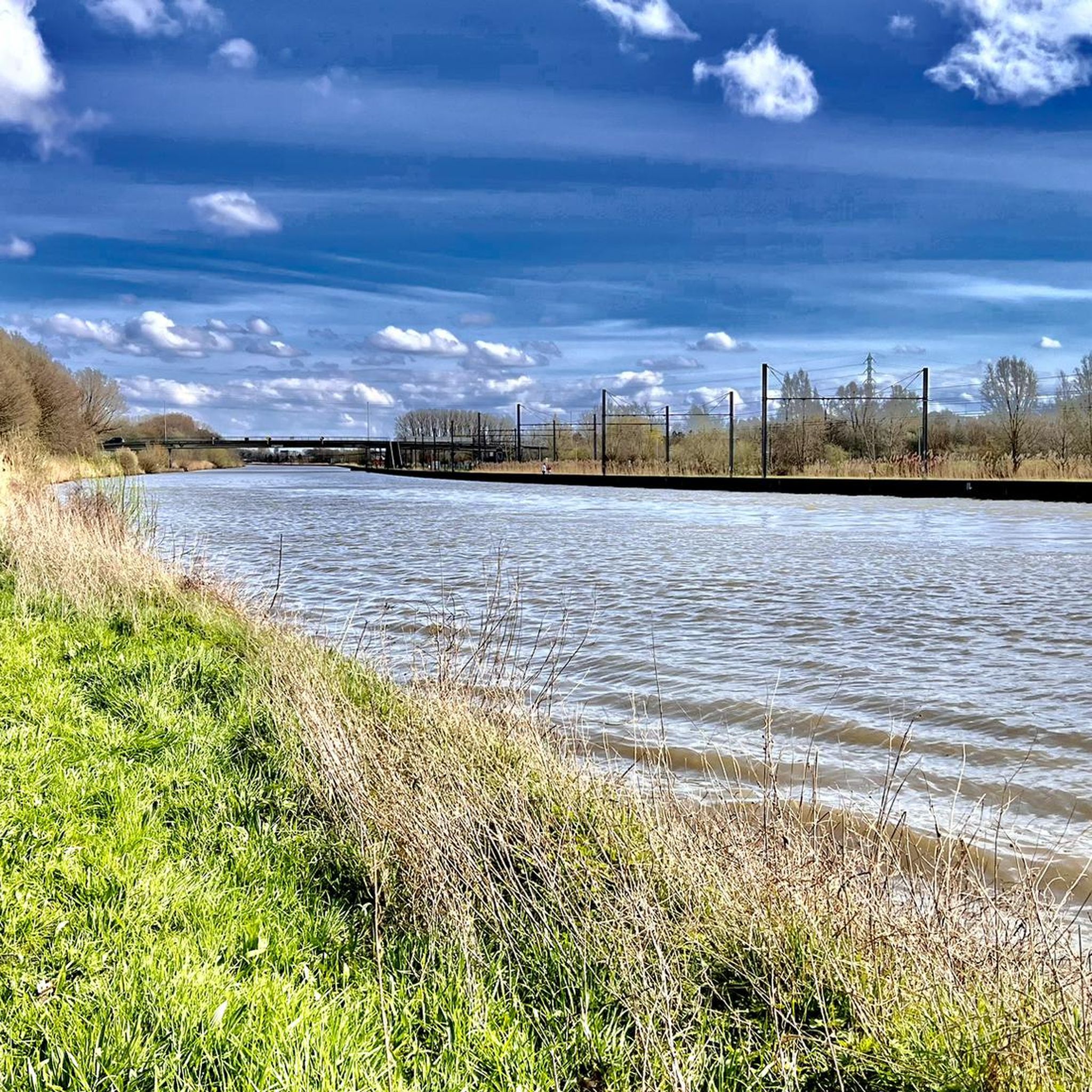
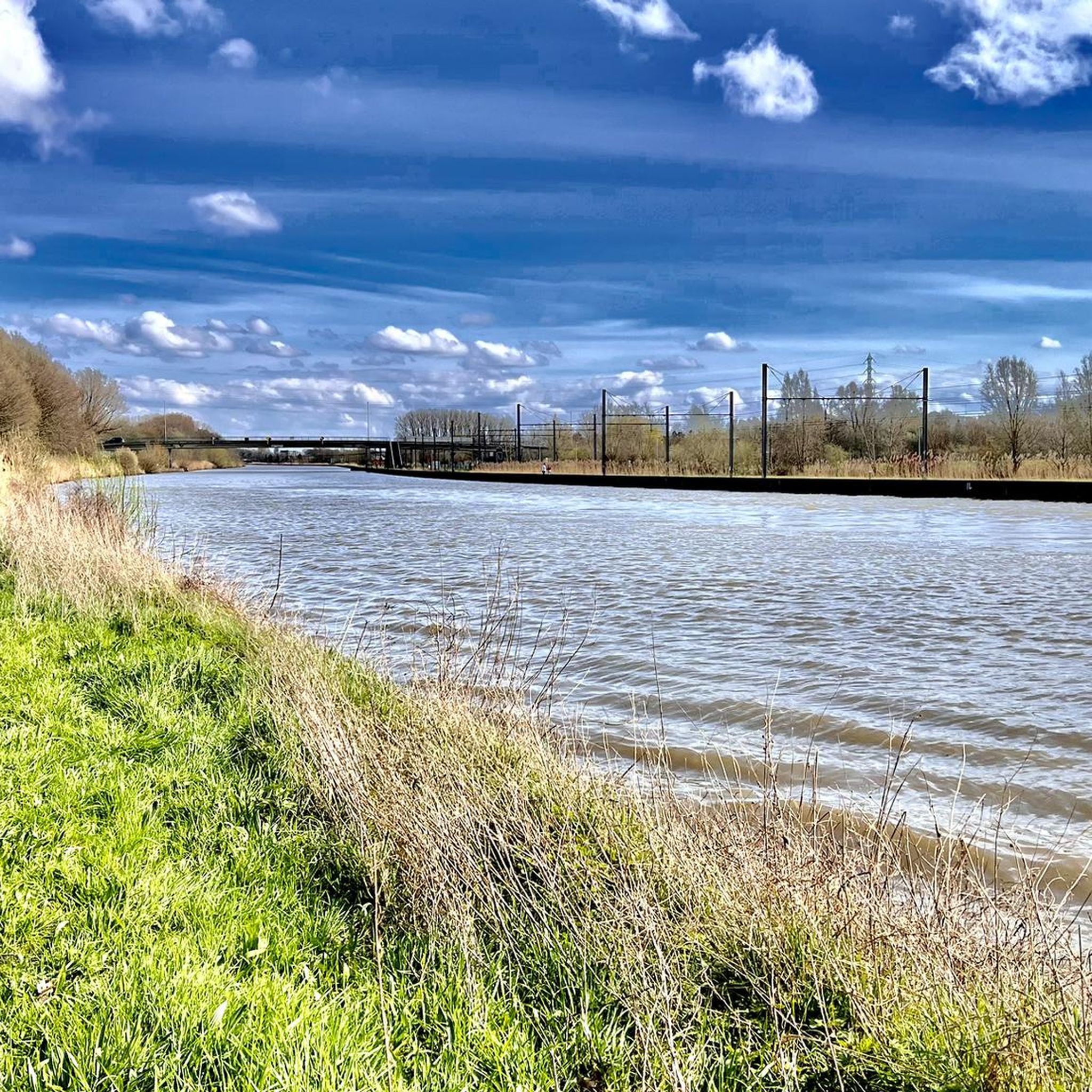
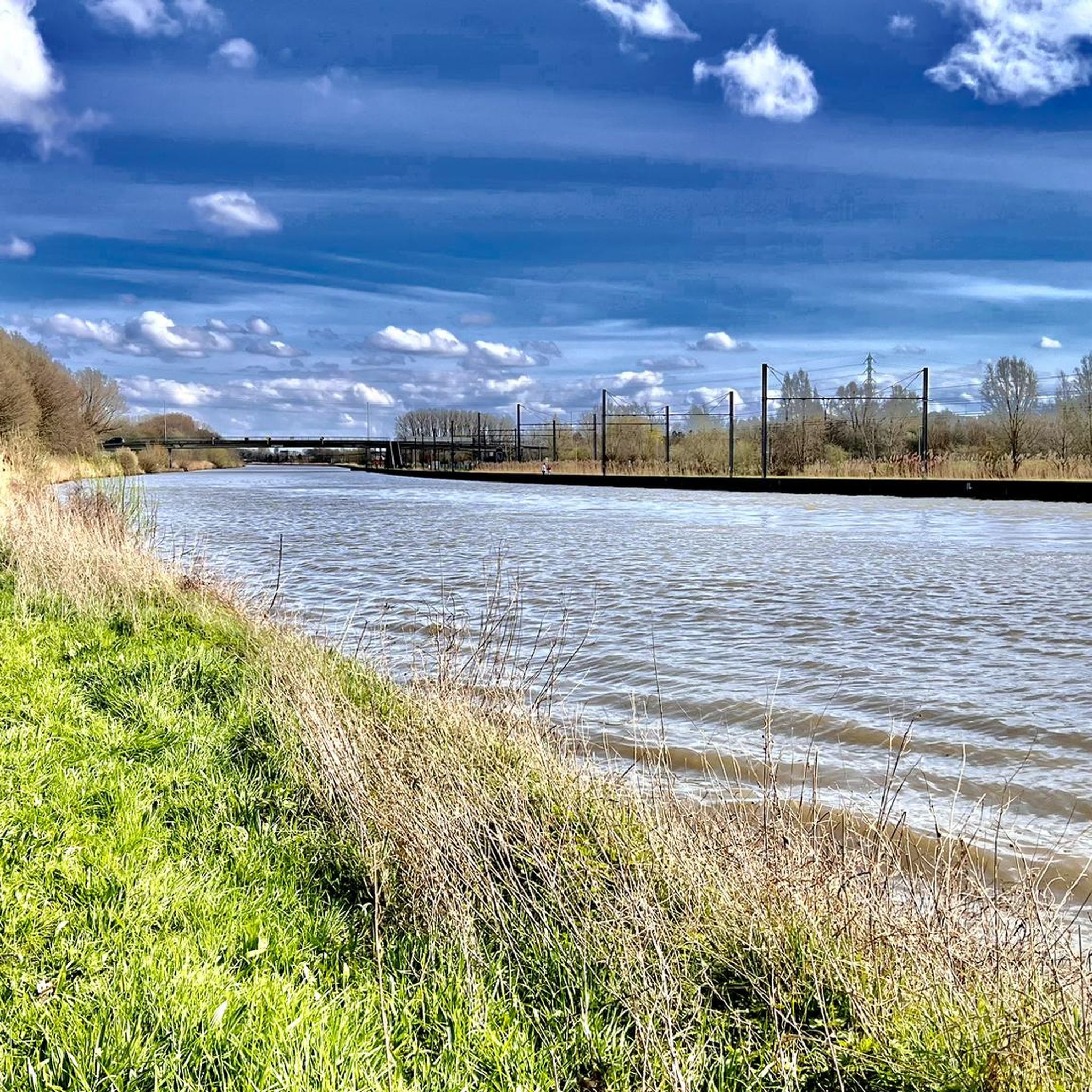
Tips from the Community

beautifully landscaped path
0
0

Hill 60 is an authentic area from the First World War. The artificial hill, built in 1850, stood at a height of approximately 60 meters, hence the name Hill 60. Between 1914 and 1918, fierce fighting took place here between the Germans and the Allies. Starting in 1915, both sides dug tunnels under the hill in which mines were detonated. The explosion of the deep mines on June 7, 1917, created the current landscape of Hill 60. Many soldiers are still buried beneath this hill.
0
0

Tyne Cot Cemetery is the largest Commonwealth cemetery in the world, located near Passchendaele. It was established in October 1917 and contains over 11,000 graves of soldiers who died during the First World War. The site was strategically important during the Battle of Passchendaele and was used as an advanced dressing station after its capture by the 3rd Australian Division on 4 October 1917. The cemetery was designed by Sir Herbert Baker and includes an impressive Cross of Sacrifice, built on a former German bunker. The cemetery was significantly expanded after the Armistice to include graves from nearby battlefields and smaller cemeteries.
7
0
The Polygon Forest, also known as Polygon Wood, is a historically and ecologically valuable forest area in Zonnebeke. The forest is located on the Central West Flemish ridge and is an important breeding ground for birds of prey such as sparrowhawks, kestrels and buzzards. The Polygon Forest also houses important war memorials, including the Buttes New British Cemetery and the smaller Polygon Wood Cemetery. These cemeteries are a tribute to the soldiers who died during the First World War. An interesting anecdote concerns the Scott Post and the New Zealand Bunkers, which can still be found in the forest. These bunkers were built by the Germans and later occupied by the Australian divisions in 1917.
7
0
Tyne Cot Cemetery is the largest Commonwealth cemetery in the world, located near Passchendaele. It was established in October 1917 and contains over 11,000 graves of soldiers who died during the First World War. The site was strategically important during the Battle of Passchendaele and was used as an advanced dressing station after its capture by the 3rd Australian Division on 4 October 1917. The cemetery was designed by Sir Herbert Baker and includes an impressive Cross of Sacrifice, built on a former German bunker. The cemetery was significantly expanded after the Armistice to include graves from nearby battlefields and smaller cemeteries.
7
0
A poignant anecdote about Tyne Cot Cemetery concerns the father and son, Lieutenant Colonel Harry Moorhouse and Captain Ronald Moorhouse. Both served with the 4th Battalion, the King's Own Yorkshire Light Infantry, and were killed within an hour of each other during the Third Battle of Ypres. Harry Moorhouse was seeking medical attention for his badly wounded son when he himself was killed. Their bodies were never recovered, but their names are immortalised on the Tyne Cot Memorial.
9
0

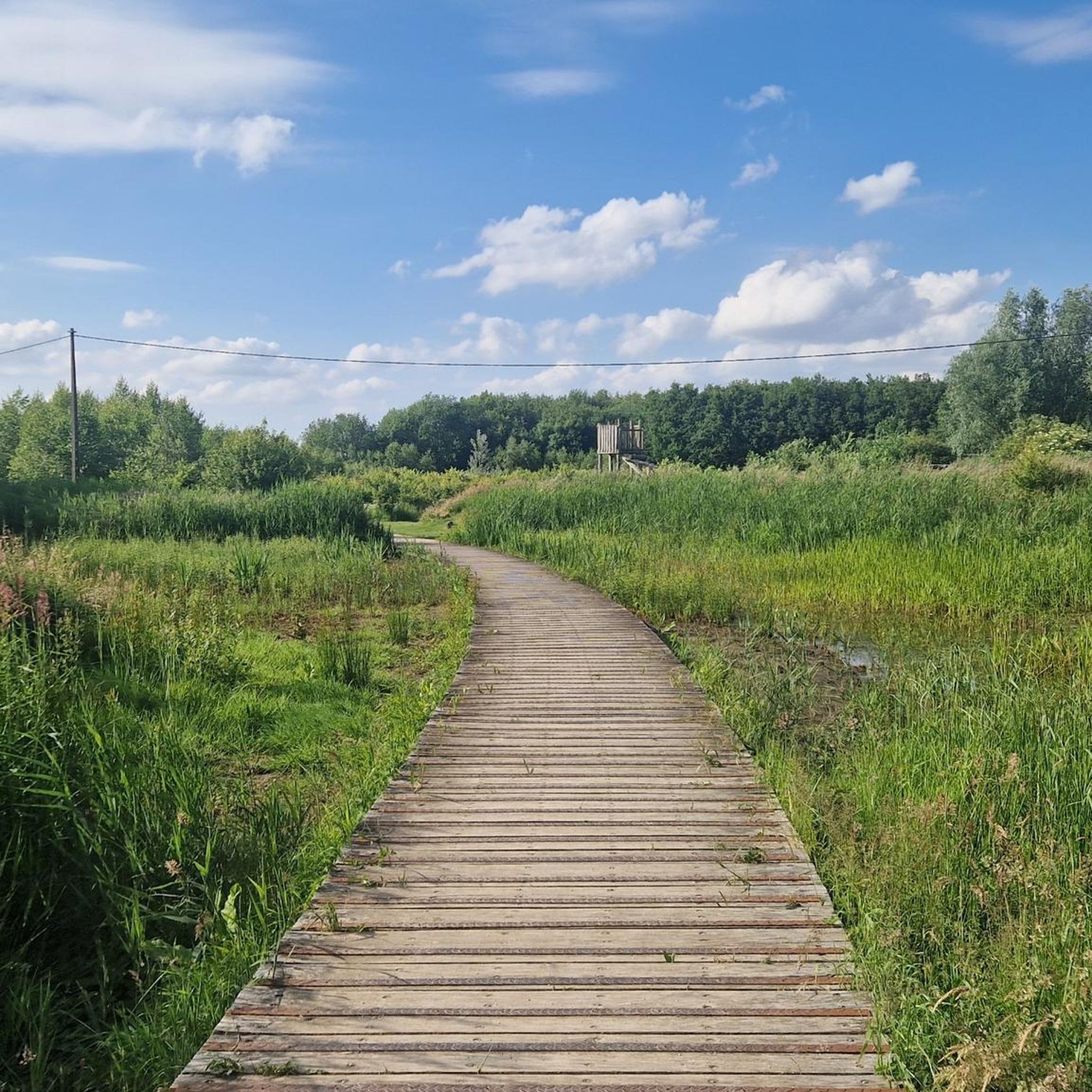
This route is on the former railway line 64 between Roeselare and Ypres. The section from the Ring of Roeselare to Zonnebeke was redeveloped into an ecologically valuable, recreational connection.
0
0

Small chapel along the side of the road.
0
0
Frequently Asked Questions
How many gravel bike routes are available around Izegem?
There are over 30 gravel bike routes documented around Izegem on komoot, catering to various skill levels. This includes 4 easy routes, 18 moderate routes, and 8 difficult routes.
Are there any easy or family-friendly gravel bike routes in Izegem?
Yes, Izegem offers several easy gravel bike routes suitable for beginners or families. The terrain is generally flat to gently rolling, making it accessible. One popular option is the Baeckelandt Mountain Bike Route, which is 22.2 km long and offers a mix of unpaved paths.
What are some options for longer gravel bike rides near Izegem?
For those seeking longer rides, the Egyptestraat – Assebroekse Meersen loop from Roeselare is a challenging 125.2 km route traversing open meadows and rural landscapes. Another substantial option is the Stroroute Passendale – Tyne Cot Cemetery loop from Beveren, which covers 68 km.
What kind of terrain can I expect on gravel bike trails around Izegem?
The gravel bike trails around Izegem are characterized by flat to gently rolling terrain. You'll often find yourself on unpaved paths, quiet country roads, and riverside sections, with occasional small wooded areas. Elevation changes are minimal, making for generally smooth riding.
Are there any circular gravel bike routes available?
Many of the gravel bike routes in the Izegem area are designed as loops, allowing you to start and finish at the same point. Examples include the Tyne Cot Cemetery – Tyne Cot Cemetery loop from Roeselare and the Ooigem Lock – Cycle Path Along 't Veldbos loop from Izegem.
What can I see along the gravel bike trails around Izegem?
The routes often pass through the Flemish countryside, offering views of agricultural areas and waterways. You can also explore historical sites. Notable attractions nearby include several castles like Rumbeke Castle and Ingelmunster Castle, as well as natural spots like the Lake at Provinciedomein De Gavers.
What do other gravel bikers enjoy most about Izegem's trails?
The area is highly rated by the komoot community, with an average score of 4.4 stars from over 50 reviews. Reviewers often praise the varied terrain, which includes open fields, quiet country roads, and riverside paths, providing a pleasant and accessible gravel biking experience.
Are there any historical landmarks accessible by gravel bike?
Yes, the region is rich in history. For instance, the Tyne Cot Cemetery – Tyne Cot Cemetery loop from Roeselare leads through historical areas, including the famous Tyne Cot Cemetery. You can also find landmarks like the Groeninge Monument nearby.
What is the best time of year for gravel biking in Izegem?
While gravel biking is possible year-round, spring and autumn generally offer the most pleasant conditions with milder temperatures and beautiful scenery. Summer can also be enjoyable, but be prepared for potentially warmer weather. Winter rides are possible, but trails might be muddier.
Are there any routes that pass by lakes or natural monuments?
Yes, some routes will bring you close to natural features. You can find highlights such as the Lake at Provinciedomein De Gavers and Bergelenput, which are popular spots for nature lovers.
Are there advanced gravel cycling trails for experienced riders?
Yes, for more experienced gravel bikers, there are several difficult routes available. These routes typically cover longer distances and may include more varied surfaces. The Egyptestraat – Assebroekse Meersen loop from Roeselare is an example of a challenging 125.2 km route.
Most popular attractions around Izegem

Get inspired with the komoot mobile app


Explore more
Browse the best Gravel rides in other regions.
