The best gravel rides around Palaia
4.5
(87)
714
riders
119
rides
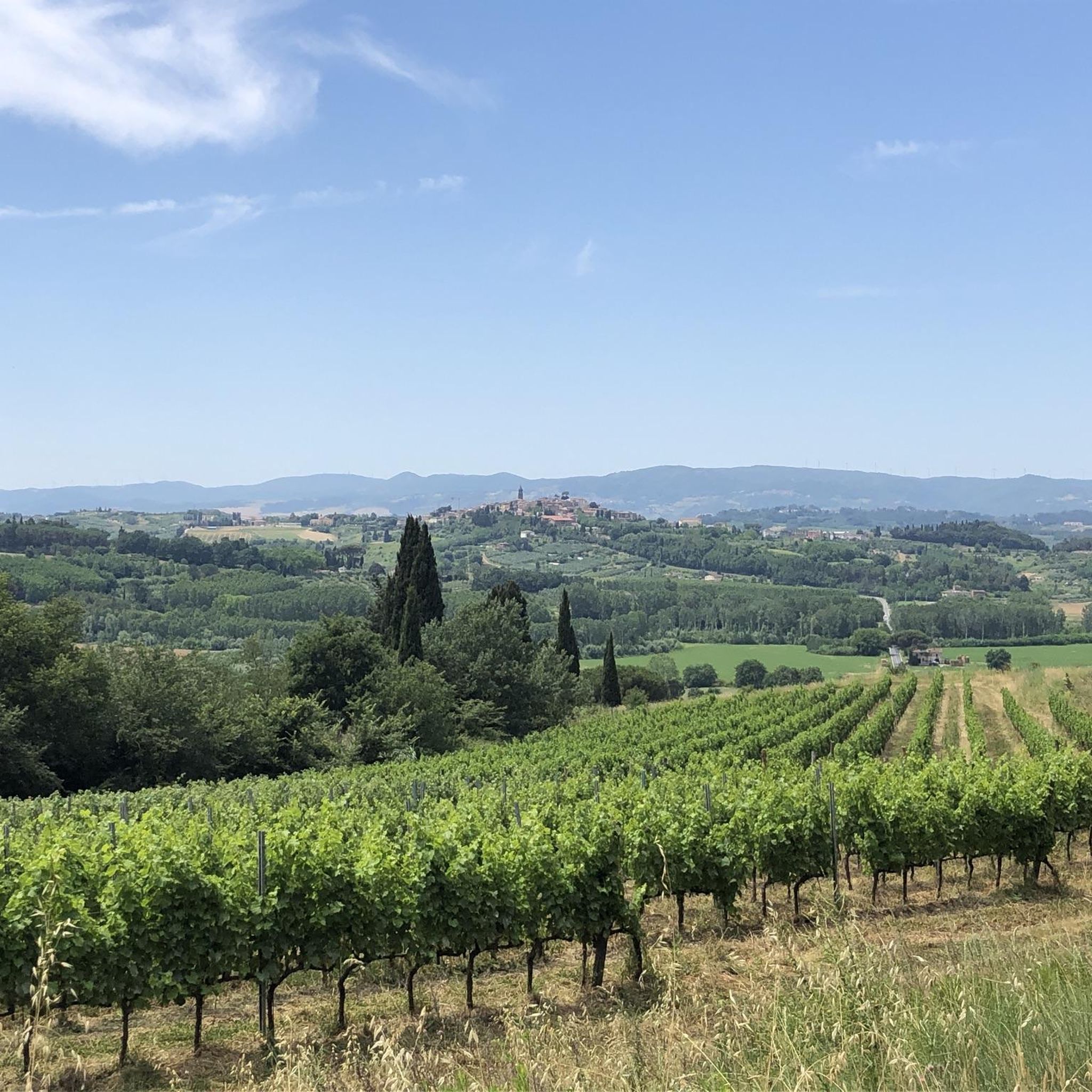
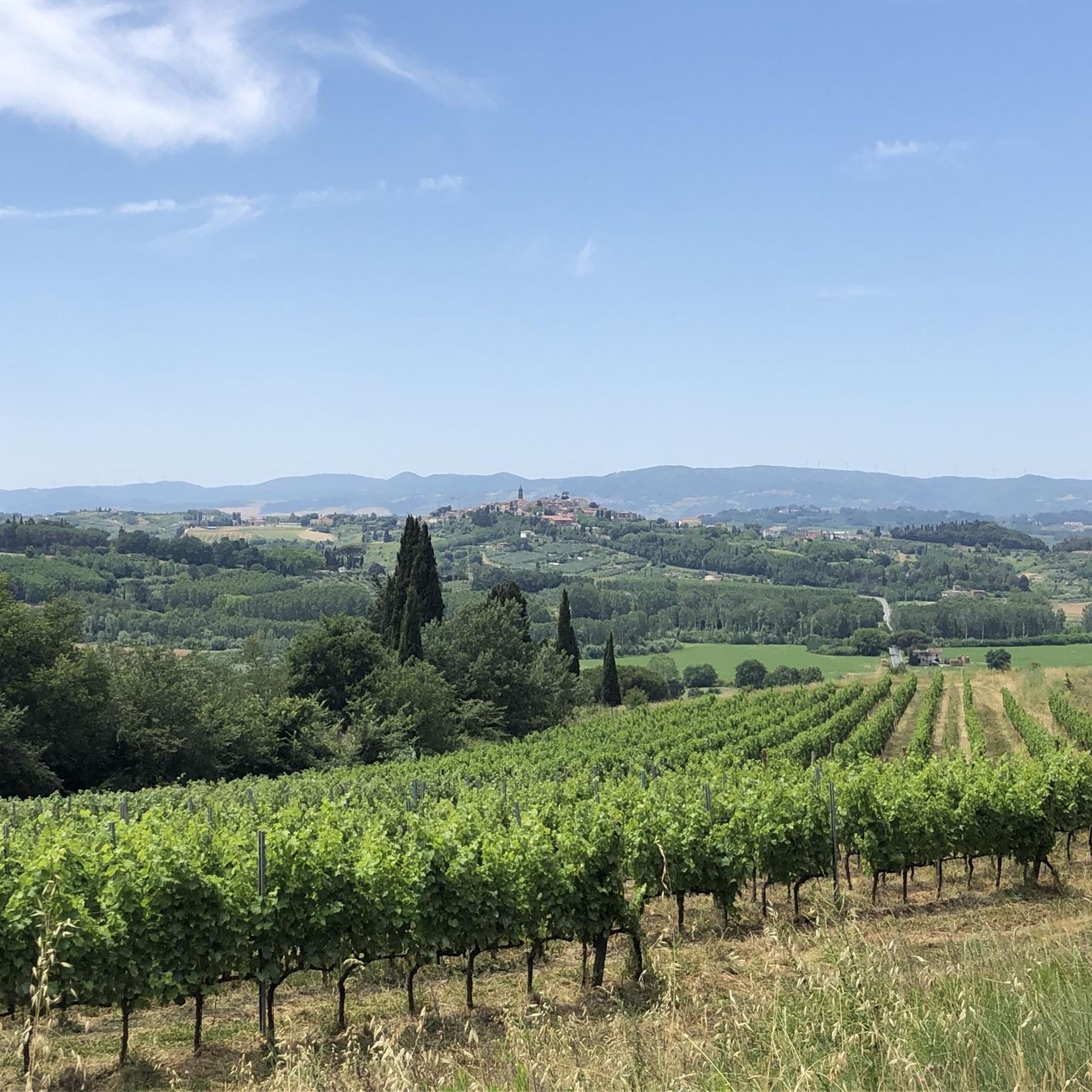
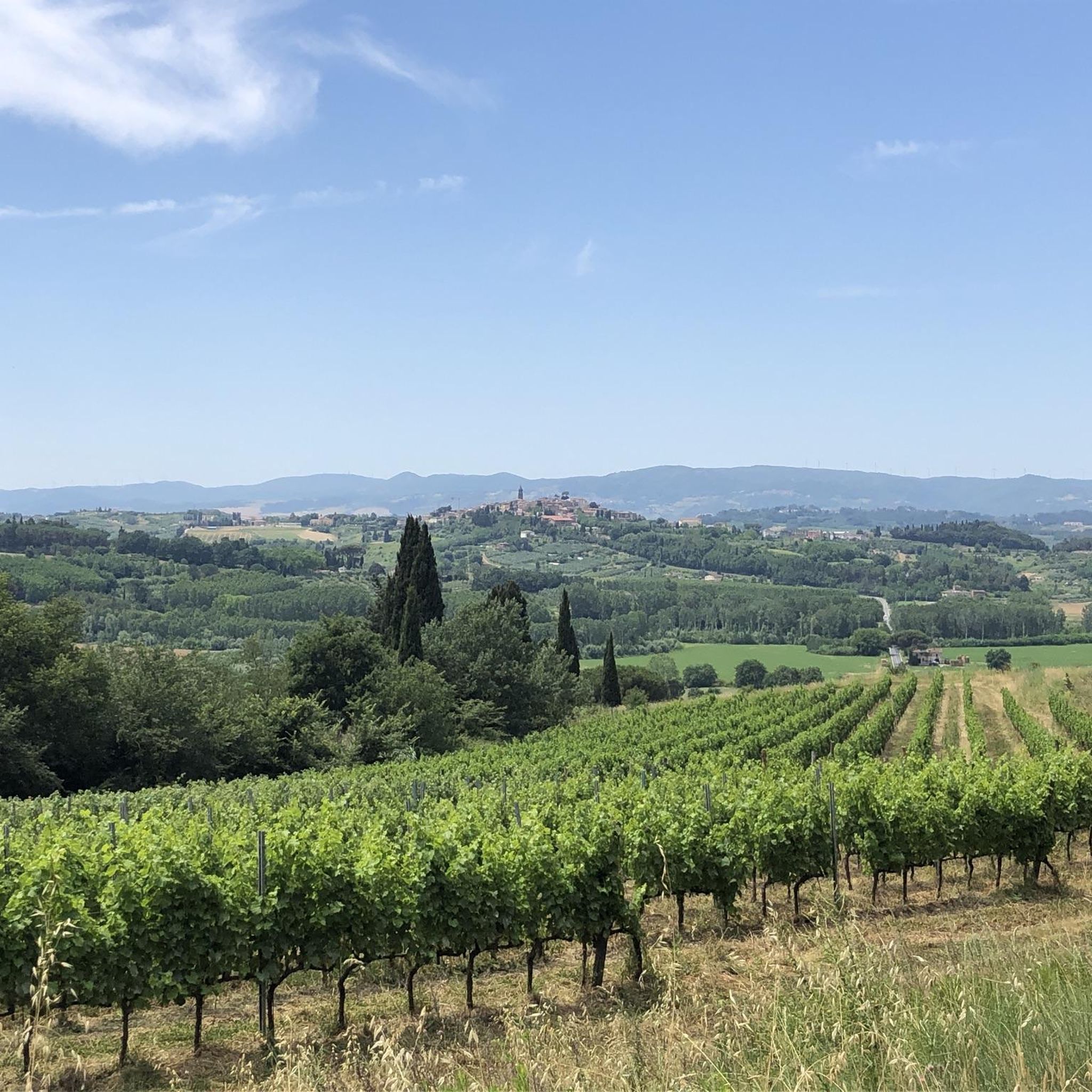
Gravel biking around Palaia offers a network of routes through the rolling hills and varied landscapes of Tuscany. The region is characterized by its long, undulating paths, often connecting historical villages and natural features like lakes. Elevation gains can be significant, with some routes featuring climbs over 1200 meters, providing a challenging experience for advanced riders. The terrain primarily consists of gravel roads and tracks, suitable for dedicated gravel bikes.
Best gravel bike trails around Palaia
- The most popular gravel…
Last updated: October 24, 2026
5.0
(2)
9
riders
46.3km
03:06
700m
700m
Hard gravel ride. Very good fitness required. Mostly paved surfaces.
5.0
(2)
9
riders
64.7km
04:32
1,310m
1,320m
Hard gravel ride. Very good fitness required. Mostly paved surfaces.

4.5
(2)
5
riders
Moderate gravel ride. Good fitness required. Mostly paved surfaces.
3
riders
27.7km
02:13
550m
550m
Hard gravel ride. Very good fitness required. Mostly paved surfaces.
5
riders
66.5km
04:27
1,320m
1,320m
Hard gravel ride. Very good fitness required. Mostly paved surfaces.
Get access to more routes and recommendations from other explorers.
Already have an account?
Our route recommendations are based on thousands of hikes, rides, and runs completed by other people on komoot.
Start today with a free account
Your next adventure awaits.
Tips from the Community

San Gimignano is a hilltop town in Tuscany, southwest of Florence. Surrounded by 13th-century walls, its historic heart is Piazza della Cisterna, a triangular square lined with medieval houses. The skyline of medieval towers is dominated by the stone Torre Grossa. The Duomo di San Gimignano is a 12th-century church featuring Ghirlandaio's frescoes in the Chapel of Santa Fina.
0
0

Ride without traffic and great views
0
0
San Gimignano is a famous medieval village located in the province of Siena, in the heart of Tuscany. Famous worldwide as the "City of Beautiful Towers" or the "Manhattan of the Middle Ages", its historic center was declared a UNESCO World Heritage Site in 1990 for its exceptional urban and architectural preservation. Of the 72 original family towers, erected by noble families in the 14th century as a symbol of wealth and power, 14 (or 13 depending on historical dating) remain intact today, giving the village its unmistakable profile visible from kilometers away.
0
0
San Gimignano is a famous medieval village located in the province of Siena, in the heart of Tuscany. Famous worldwide as the "City of the beautiful towers" or the "Manhattan of the Middle Ages", its historic center was declared a UNESCO World Heritage Site in 1990 for its exceptional urban and architectural preservation. Of the original 72 noble towers, erected by noble families in the 14th century as a symbol of wealth and power, 14 (or 13 depending on historical dating) remain intact today, giving the village its unmistakable profile visible from kilometers away.
0
0

Volterra is a historic hilltop town in Tuscany located in the province of Pisa, famous for its ancient Etruscan origins, medieval past, and the very long tradition of alabaster working.
0
0
San Gimignano is a famous medieval village in Tuscany, located in the province of Siena, world-famous for its imposing family towers that earned it the nickname "Medieval Manhattan". Its historic center was declared a UNESCO World Heritage Site in 1990.
0
0

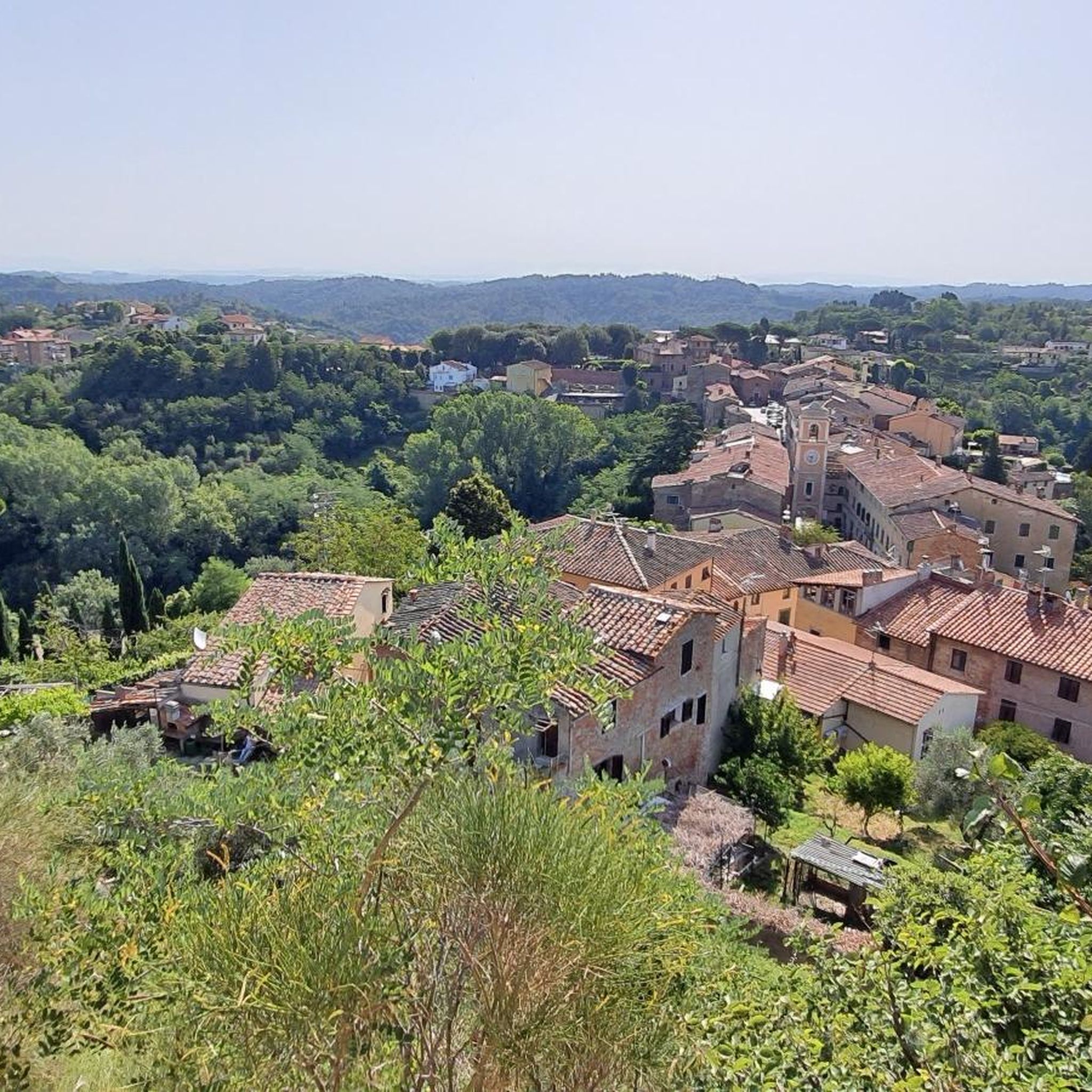
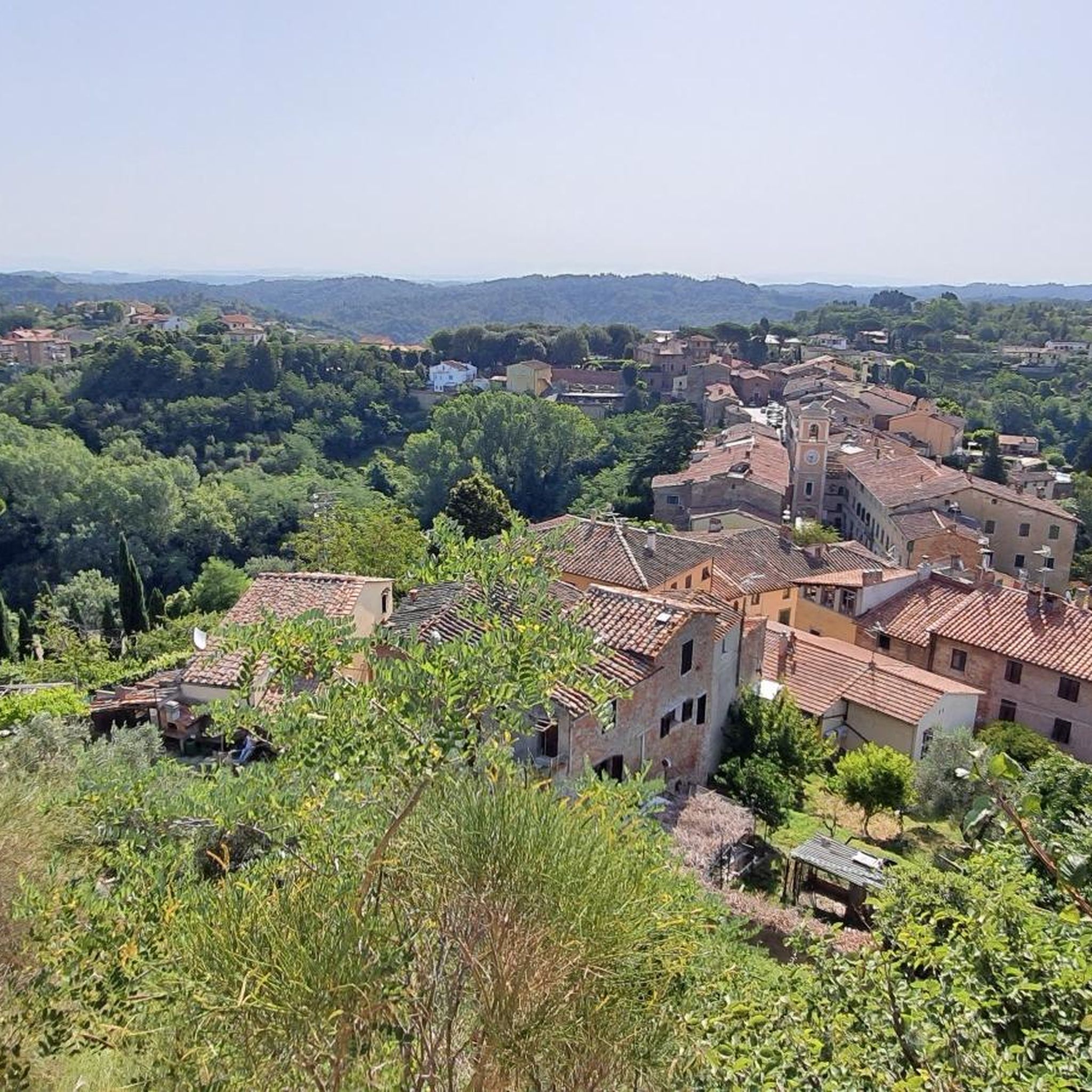
The Parish Church of San Martino: Architectural Highlights Perched on a tuff spur opposite the village, and separated from it by a deep escarpment, the parish church is unique because it is predominantly built of terracotta (the façade is stone), like most medieval parish churches in Tuscany. The construction of the parish church dates back to the second half of the 13th century, when a new parish church was created, detached from the previous parish church of San Gervasio. The Interior Of grandiose proportions, the parish church appears to have a rather uniform masonry, despite having been restored several times over the centuries. According to studies conducted on its architectural structure, different periods of construction appear to coexist. Nevertheless, the most striking style is late Romanesque. The interior consists of three naves of five bays with brick columns, a raised presbytery, and three side chapels. Inside, there is also a hexagonal baptismal font, a holy water stoup, and a large marble basin. The latter, destroyed in the 17th century, was presumably used for the immersion baptismal rite and came from the church of Santa Maria da Ripezzano, near Palaia. The parish church is also a scenic location for ceremonies and weddings. https://www.terredipisa.it/attrazione/palaia-pieve-san-martino/
1
0

Fun trail but be careful when riding...not for beginners
0
0
Frequently Asked Questions
How many gravel bike trails are available in Palaia?
Palaia offers a vast network of over 160 gravel bike trails. These routes traverse the rolling hills and varied landscapes of Tuscany, providing numerous options for exploration.
Are there easy gravel bike trails suitable for beginners in Palaia?
While many routes in Palaia feature significant elevation gains, there are options suitable for beginners. For instance, the Lake Sextum – Lake Gherardesca loop from San Romano - Montopoli - Santa Croce is a moderate 72.6 km path with less intense climbing, making it a good choice for those newer to gravel biking.
What are some challenging gravel bike routes for experienced riders in Palaia?
Experienced riders looking for a challenge will find plenty in Palaia. The Pieve of San Martino di Palaia – Clock Tower Gate, Palaia loop from San Romano - Montopoli - Santa Croce is a difficult 79.2 km route with over 1200 meters of elevation gain, offering a demanding ride through the Tuscan countryside.
Are most gravel bike trails in Palaia circular routes?
Yes, many of the gravel bike trails in Palaia are designed as circular loops, allowing you to start and end your ride in the same location. This is convenient for those traveling by car. Examples include the Florentine Gate (Montecarlo) – The Witches' Oak loop from San Romano - Montopoli - Santa Croce and the Gravel loop from San Romano - Montopoli - Santa Croce.
What kind of terrain can I expect on gravel bike trails around Palaia?
The terrain around Palaia primarily consists of gravel roads and tracks, characteristic of the Tuscan countryside. You'll encounter rolling hills, some significant climbs, and paths connecting historical villages and natural features. Dedicated gravel bikes are ideal for these conditions.
What can I see along the gravel bike trails in Palaia?
Many routes in Palaia pass by historical landmarks and natural attractions. You might encounter sites like the Tower of Frederick II (San Miniato), the Cathedral of Saint Mary of the Assumption and Saint Genesius, or the Castle of Lari. Some trails also feature scenic viewpoints like View on Lari.
What is the best season for gravel biking in Palaia?
The best seasons for gravel biking in Palaia are typically spring (April to June) and autumn (September to October). During these months, the weather is generally mild and pleasant, with less intense heat than summer and fewer rainy days than winter, making for ideal riding conditions.
Are there cafes or places to stop for refreshments along the gravel bike routes?
Given the region's rich history and numerous small villages, many gravel bike routes in Palaia will pass through or near towns where you can find cafes, trattorias, or small shops to refuel and refresh. Planning your route with komoot allows you to identify such stops in advance.
Is parking available near the gravel bike trails in Palaia?
While specific parking information for every trailhead isn't always available, most towns and villages in the Palaia region offer public parking areas. When planning your ride, consider starting points in larger towns like San Romano - Montopoli - Santa Croce, which typically have more accessible parking options.
What do other gravel bikers enjoy the most about gravel biking in Palaia?
The komoot community highly rates gravel biking in Palaia, with an average score of 4.5 stars from over 90 reviews. Riders often praise the region's diverse landscapes, the connection to historical villages, and the extensive network of well-maintained gravel tracks that offer both scenic beauty and challenging rides.
Are there any routes that connect to historical sites or landmarks?
Absolutely. Many routes are designed to link historical landmarks. For example, the Florentine Gate (Montecarlo) – The Witches' Oak loop from San Romano - Montopoli - Santa Croce connects significant historical points, offering a ride rich in cultural exploration alongside natural beauty.
What kind of elevation changes can I expect on these trails?
Gravel biking in Palaia is characterized by rolling hills, meaning you should expect significant elevation changes. Some routes, like the longer Pieve of San Martino di Palaia – Clock Tower Gate, Palaia loop from San Romano - Montopoli - Santa Croce (40 km version), can feature over 550 meters of climbing, providing a good workout for your legs.
Most popular attractions around Palaia

Get inspired with the komoot mobile app


Explore more
Browse the best Gravel rides in other regions.
