The best gravel rides around San Giuliano Milanese
4.4
(269)
2,037
riders
80
rides
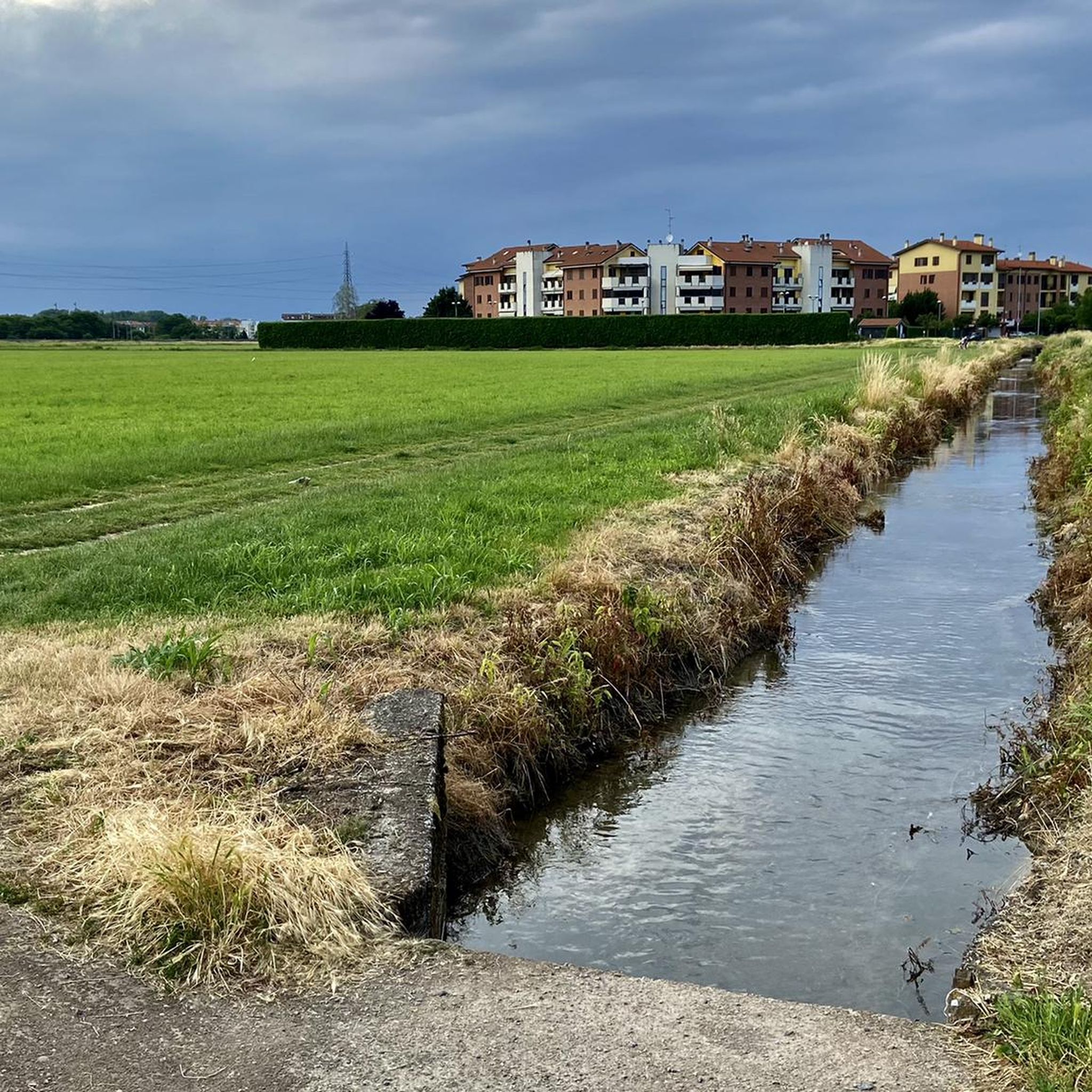
Gravel biking around San Giuliano Milanese features a landscape characterized by flat terrain, numerous canals, and river systems, including the Adda River and Muzza Canal. The region also incorporates agricultural areas and scattered woodlands like Besozza Forest and Carengione Wood. These features create a network of paths suitable for gravel cycling, often following waterways or traversing open countryside. The area's low elevation means routes typically involve minimal climbing, focusing instead on distance and varied surfaces.
Best gravel bike trails around…
Last updated: October 6, 2026
5.0
(3)
46
riders
64.0km
03:40
120m
120m
Moderate gravel ride. Good fitness required. Mostly paved surfaces. Suitable for all skill levels.
4.3
(3)
23
riders
125km
07:22
350m
350m
Hard gravel ride. Very good fitness required. You may need to push your bike for some segments of this route.

21
riders
28.5km
01:39
60m
60m
Easy gravel ride. Great for any fitness level. Mostly paved surfaces. Suitable for all skill levels.
16
riders
13.0km
00:52
40m
40m
Easy gravel ride. Great for any fitness level. Mostly paved surfaces. Suitable for all skill levels.
3.5
(2)
12
riders
60.3km
03:40
110m
110m
Moderate gravel ride. Good fitness required. Mostly paved surfaces. Suitable for all skill levels.
Get access to more routes and recommendations from other explorers.
Already have an account?
Our route recommendations are based on thousands of hikes, rides, and runs completed by other people on komoot.
Start today with a free account
Your next adventure awaits.
Tips from the Community

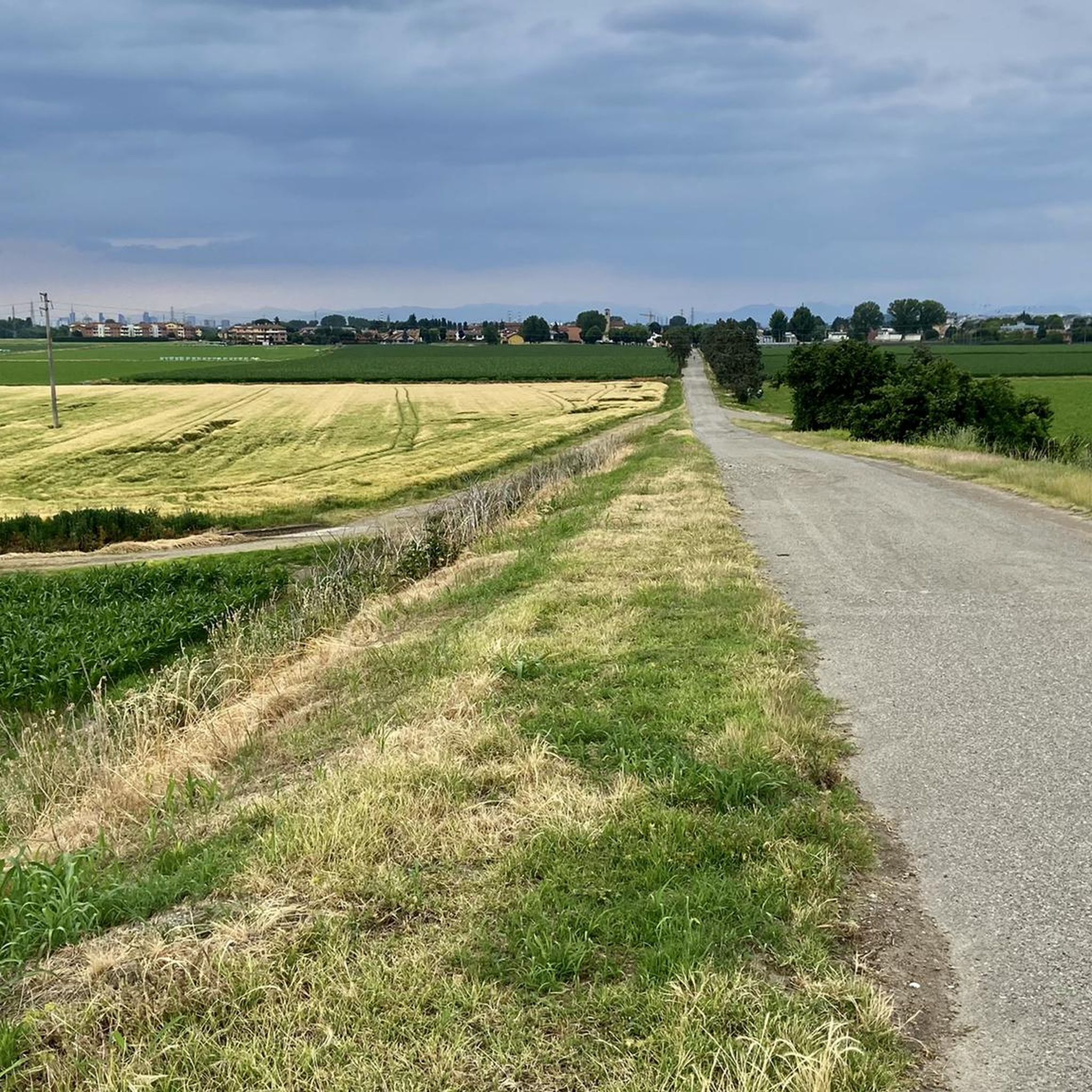
The Muzza Canal, also known as Canale della Muzza, originates near the Castle of Cassano d’Adda, where it draws water from the Adda River. After a course of about 39 km, it flows back into the Adda near Castiglione. Considered an important hydraulic engineering work at a European level, the Muzza Canal is among the oldest in Europe, with about 800 years of history, and is the largest in Northern Italy. Crossing the landscapes of the Po Valley, the canal contributes to the irrigation of the surrounding lands of the Lodi area and preserves precious patches of woodland vegetation, which characterize the Lombard territory. An ideal place to explore the beauty of nature and discover the agricultural history of the region!
1
0
The Muzza Canal, also known as Canale della Muzza, originates near the Castle of Cassano d’Adda, where it draws water from the Adda river. After a journey of about 39 km, it flows back into the Adda near Castiglione
0
0
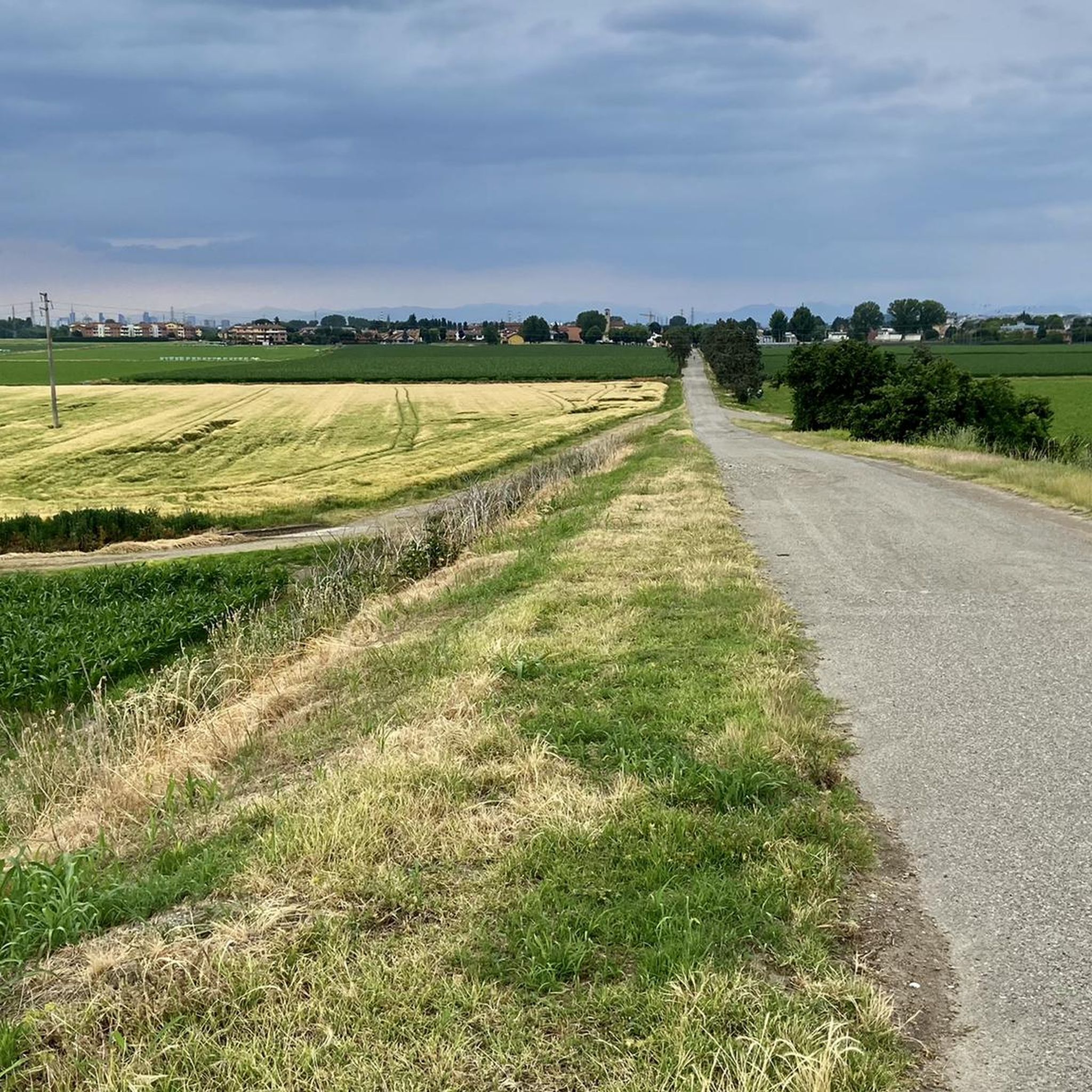
The Muzza Canal, also known as Canale della Muzza, originates near the Castle of Cassano d’Adda, where it draws water from the Adda river. After a course of about 39 km, it flows back into the Adda near Castiglione. Considered an important hydraulic engineering work at a European level, the Muzza Canal is among the oldest in Europe, with about 800 years of history, and is the largest in Northern Italy. Crossing the landscapes of the Po Valley, the canal contributes to the irrigation of the surrounding lands of the Lodi area and preserves precious patches of woodland vegetation, which characterize the Lombardy region. An ideal place to explore the beauty of nature and discover the agricultural history of the region!
1
0
The Muzza Canal, also known as Canale della Muzza, originates near the Castle of Cassano d’Adda, where it draws water from the Adda River. After a journey of about 39 km, it flows back into the Adda near Castiglione. Considered an important hydraulic engineering work at a European level, the Muzza Canal is among the oldest in Europe, with about 800 years of history, and is the largest in Northern Italy. Crossing the landscapes of the Po Valley, the canal contributes to the irrigation of the surrounding lands of the Lodi area and preserves precious patches of woodland vegetation, which characterize the Lombardy region. An ideal place to explore the beauty of nature and discover the agricultural history of the region!
0
0

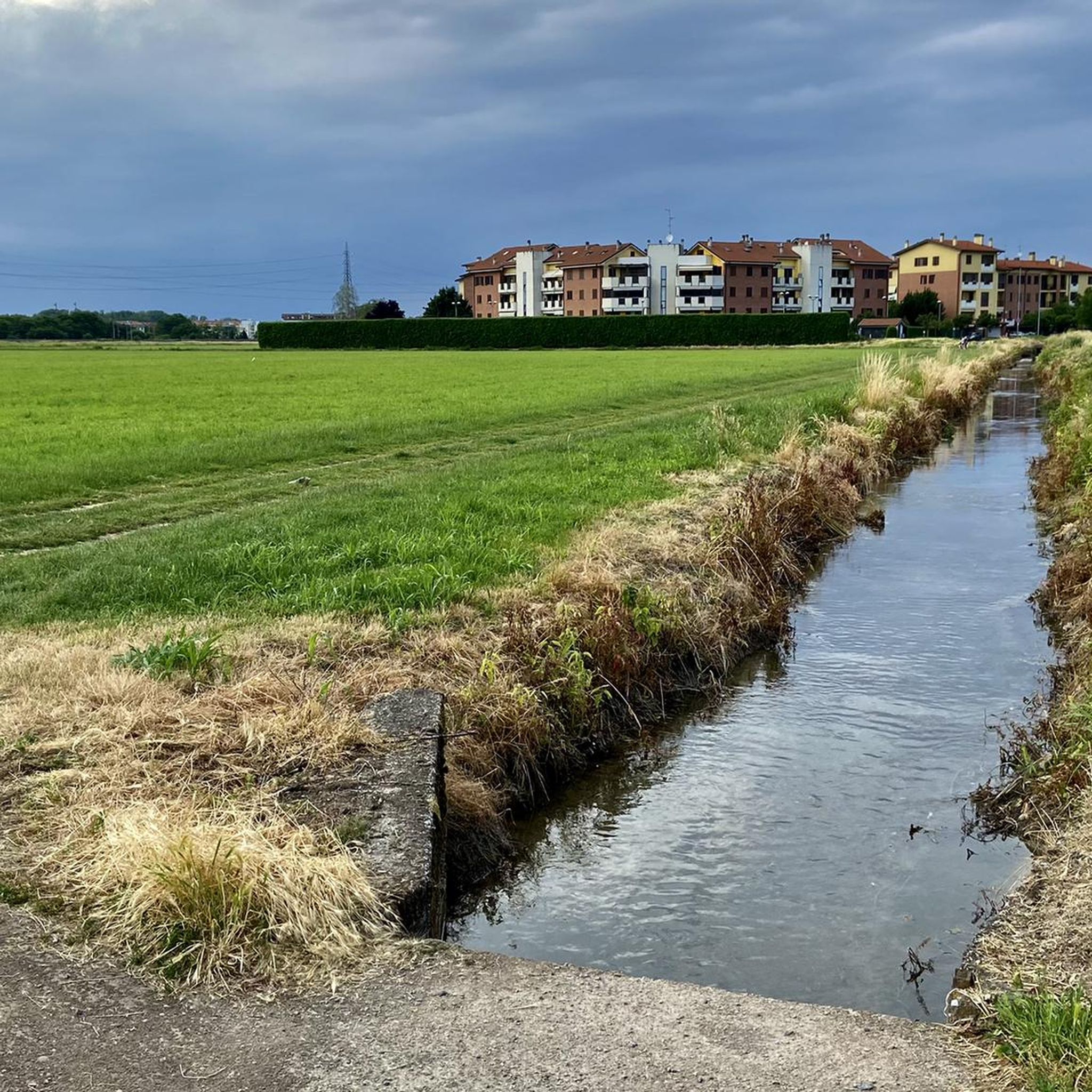
The Canale della Muzza is an important hydraulic work from the 12th-13th century that branches off the Adda river in Cassano d'Adda and extends for about 39 km to Castiglione d'Adda. It is one of the oldest and largest irrigation canals in Europe, fundamental for Lodi's agriculture, now also flanked by cycle paths.
1
0
The Muzza Canal is an important hydraulic work from the 12th-13th century that branches off the Adda river at Cassano d'Adda and extends for about 39 km to Castiglione d'Adda. It is one of the oldest and largest irrigation canals in Europe, fundamental for Lodi's agriculture, now also flanked by cycle paths.
2
0
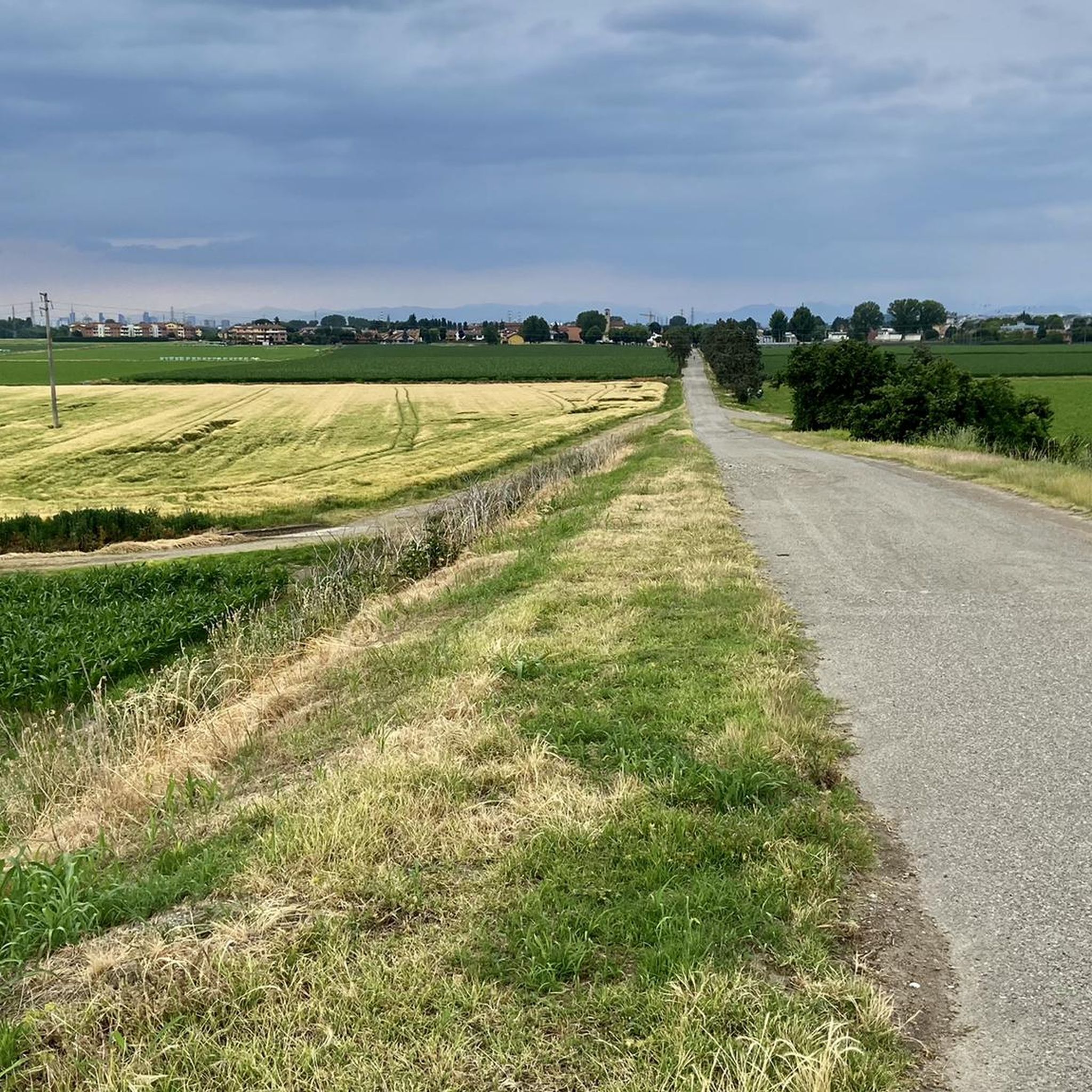
The Abbey of Chiaravalle Milanese is a Cistercian monastic complex founded in 1135 by St. Bernard of Clairvaux. Located within the South Milan Agricultural Park (Parco Agricolo Sud Milano), it represents one of the most important examples of the transition between Romanesque and Gothic architecture in Lombardy. The abbey is famous not only for its historical and artistic value but also for the monks' historical role in the agricultural reclamation of the surrounding territory.
1
0
The Abbey of Chiaravalle Milanese is a Cistercian monastic complex founded in 1135 by Saint Bernard of Clairvaux. Located within the Parco Agricolo Sud Milano, it represents one of the most important examples of the transition between Romanesque and Gothic architecture in Lombardy. The abbey is famous not only for its historical and artistic value, but also for the historical role of the monks in the agricultural reclamation of the surrounding territory.
0
0
Frequently Asked Questions
What kind of terrain can I expect on gravel bike trails around San Giuliano Milanese?
The region is characterized by mostly flat terrain, making for generally accessible rides. You'll encounter numerous canals and river systems, including the Adda River and Muzza Canal, which many routes follow. The landscape also features agricultural areas and scattered woodlands like Besozza Forest and Carengione Wood.
Are there easy gravel bike trails suitable for beginners in San Giuliano Milanese?
Yes, San Giuliano Milanese offers a good selection of routes for beginners. Out of over 120 gravel bike trails in the area, 23 are classified as easy. These routes typically involve minimal climbing, focusing on enjoyable distances and varied surfaces.
Can I find challenging gravel bike routes in San Giuliano Milanese?
Absolutely. For experienced gravel bikers seeking a challenge, there are 36 difficult routes available. These often cover longer distances and might include more varied surfaces. An example is the Water Cycle Path – Boscaccio Farmhouse loop from Borgolombardo, which spans over 87 km.
Are there any family-friendly gravel biking options in the area?
While specific 'family-friendly' designations aren't always explicit, the abundance of easy and moderate routes on flat terrain along canals and through woodlands makes many trails suitable for families. Look for shorter, less technical routes, especially those that pass through green spaces like Besozza Forest or Carengione Wood.
What are some scenic highlights I can see along the gravel bike trails?
Many routes offer scenic views along the waterways, such as the Adda River and Muzza Canal. You can also explore natural areas like Besozza Forest and Carengione Wood. For historical interest, some trails pass near impressive structures like Melegnano Castle.
Are there circular gravel bike routes available?
Yes, many of the gravel bike trails around San Giuliano Milanese are designed as loops, allowing you to start and finish at the same point. Examples include the Adda River – Vacchelli Canal entrance loop from Melegnano and the Besozza Forest – Carengione Wood loop from San Giuliano Milanese.
How long do gravel bike rides typically take in this region?
Ride durations vary significantly depending on the route's length and your pace. For example, the Old Adda River Bridge – Bridge over the Adda in Lodi loop from Melegnano, which is 62.2 km, typically takes around 4 hours 32 minutes. Shorter, easy routes will take less time, while longer, difficult ones can exceed 5 hours.
What do other gravel bikers enjoy most about cycling in San Giuliano Milanese?
The area is highly rated by the komoot community, with an average score of 4.2 stars from over 200 reviews. Reviewers often praise the diverse network of paths along canals and rivers, the peaceful agricultural landscapes, and the opportunity to explore woodlands like Besozza Forest and Carengione Wood.
Are there any historical sites or castles accessible from the gravel trails?
Yes, the region has several historical points of interest. While cycling, you might pass near or have easy access to sites such as Melegnano Castle or Castello di Peschiera Borromeo, offering a glimpse into the local heritage.
What is the best time of year for gravel biking around San Giuliano Milanese?
Given the generally flat terrain and network of paths, gravel biking is enjoyable for much of the year. Spring and autumn offer pleasant temperatures and vibrant scenery. Summer can be warm, but routes along waterways provide some natural cooling. Winter rides are also possible, though conditions might be cooler and some paths potentially muddier after rain.
Can I spot wildlife on the gravel trails?
Cycling through woodlands like Besozza Forest and Carengione Wood, as well as along the quieter sections of canals and rivers, provides opportunities for wildlife spotting. Keep an eye out for local birdlife and small mammals that inhabit these natural areas.
Are there any routes that follow the Muzza Canal?
Yes, the Muzza Canal is a prominent feature of the local landscape, and several gravel routes utilize its banks. A notable option is the Muzza Canal – Canale della Muzza loop from Borgolombardo, which offers a substantial ride along this historic waterway.
Most popular routes around San Giuliano Milanese
Most popular attractions around San Giuliano Milanese

Get inspired with the komoot mobile app


Explore more
Browse the best Gravel rides in other regions.
