The best gravel rides around Lungòni/Santa Teresa Gallura
4.3
(9)
80
riders
12
rides
Gravel biking around Lungòni/Santa Teresa Gallura offers routes through a landscape characterized by coastal views, granite formations, and Mediterranean scrubland. The region features varied terrain, from sandy dunes near the coast to elevated areas providing panoramic vistas of bays and islands. Routes often include sections near historical sites, blending natural beauty with cultural points of interest.
Best gravel bike trails around Lungòni/Santa Teresa Gallura
- The most popular gravel bike trail is View of Palau Bay – Monte Altura Fortress loop…
Last updated: August 28, 2026
4.0
(2)
15
riders
24.0km
01:48
440m
440m
Moderate gravel ride. Good fitness required. Mostly paved surfaces. Suitable for all skill levels.
4.5
(4)
17
riders
46.7km
03:00
680m
680m
Hard gravel ride. Very good fitness required. Mostly paved surfaces. Suitable for all skill levels.

Sign up for free
5.0
(1)
13
riders
41.2km
02:40
610m
610m
Hard gravel ride. Very good fitness required. Mostly paved surfaces. Suitable for all skill levels.
4.0
(1)
12
riders
88.2km
05:58
1,360m
1,360m
Hard gravel ride. Very good fitness required. Mostly paved surfaces. Suitable for all skill levels.
4
riders
Hard gravel ride. Very good fitness required. Mostly paved surfaces. Suitable for all skill levels.
Get access to more routes and recommendations from other explorers.
Sign up for free
Already have an account?
Our route recommendations are based on thousands of hikes, rides, and runs completed by other people on komoot.
Start today with a free account
Your next adventure awaits.
Login or Signup
Popular around Lungòni/Santa Teresa Gallura
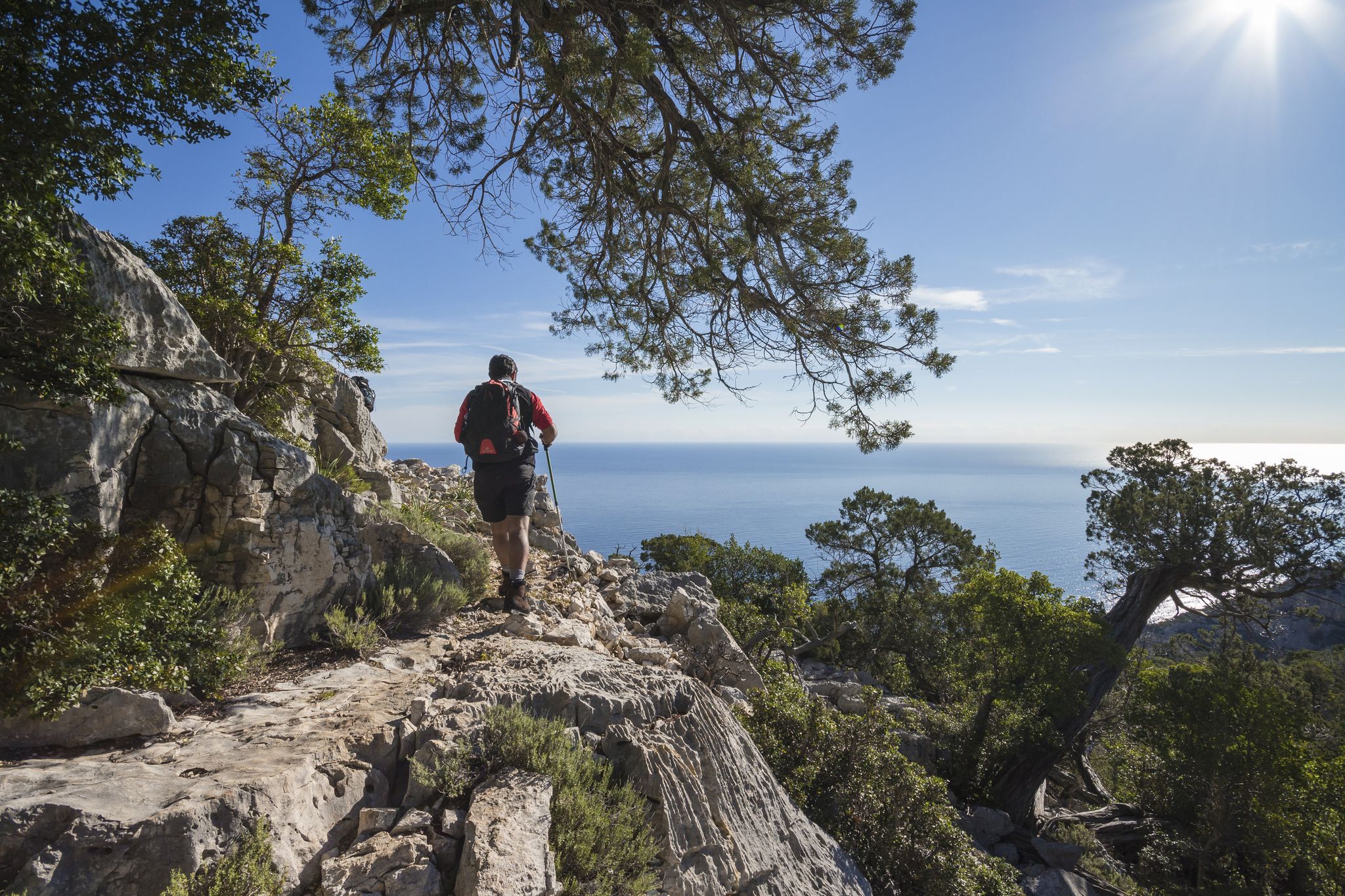
Magnificent Sardinia – day hikes overlooking the sea
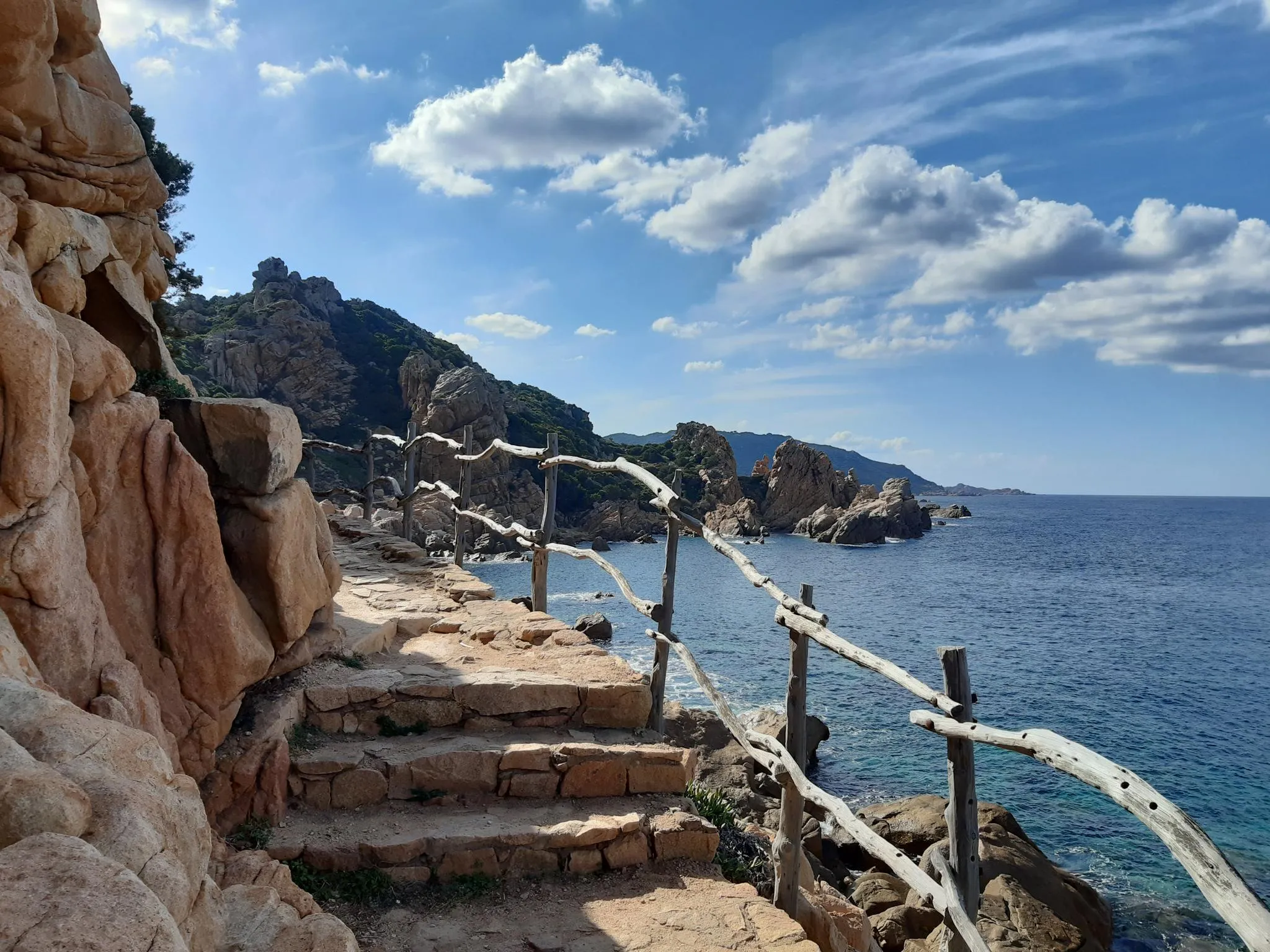
Budoni to Castelsardo on Italy's Via Gallura – Cammino 100 Torri
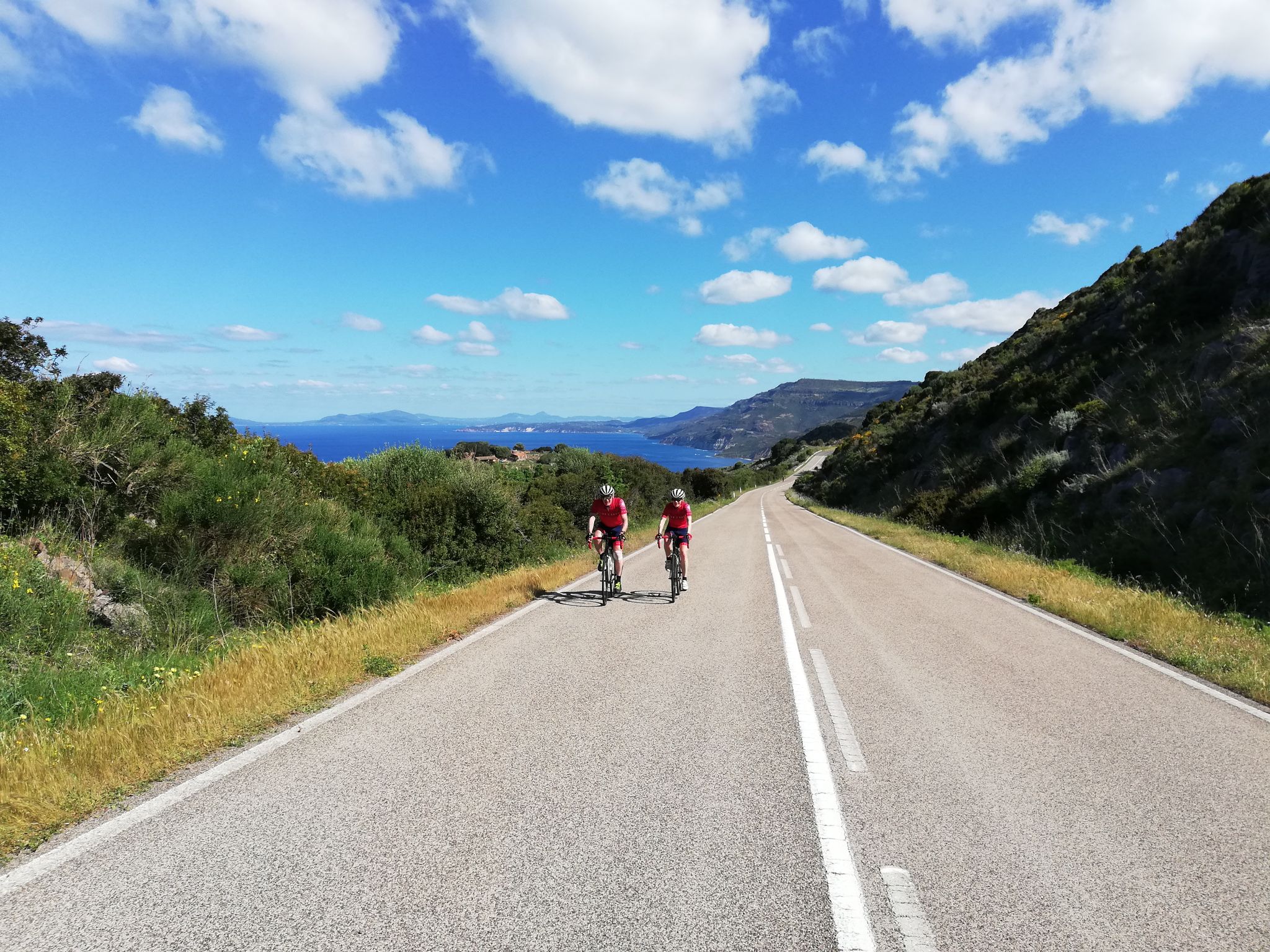
Amazing views on perfectly smooth asphalt - road bike tours in Sardinia
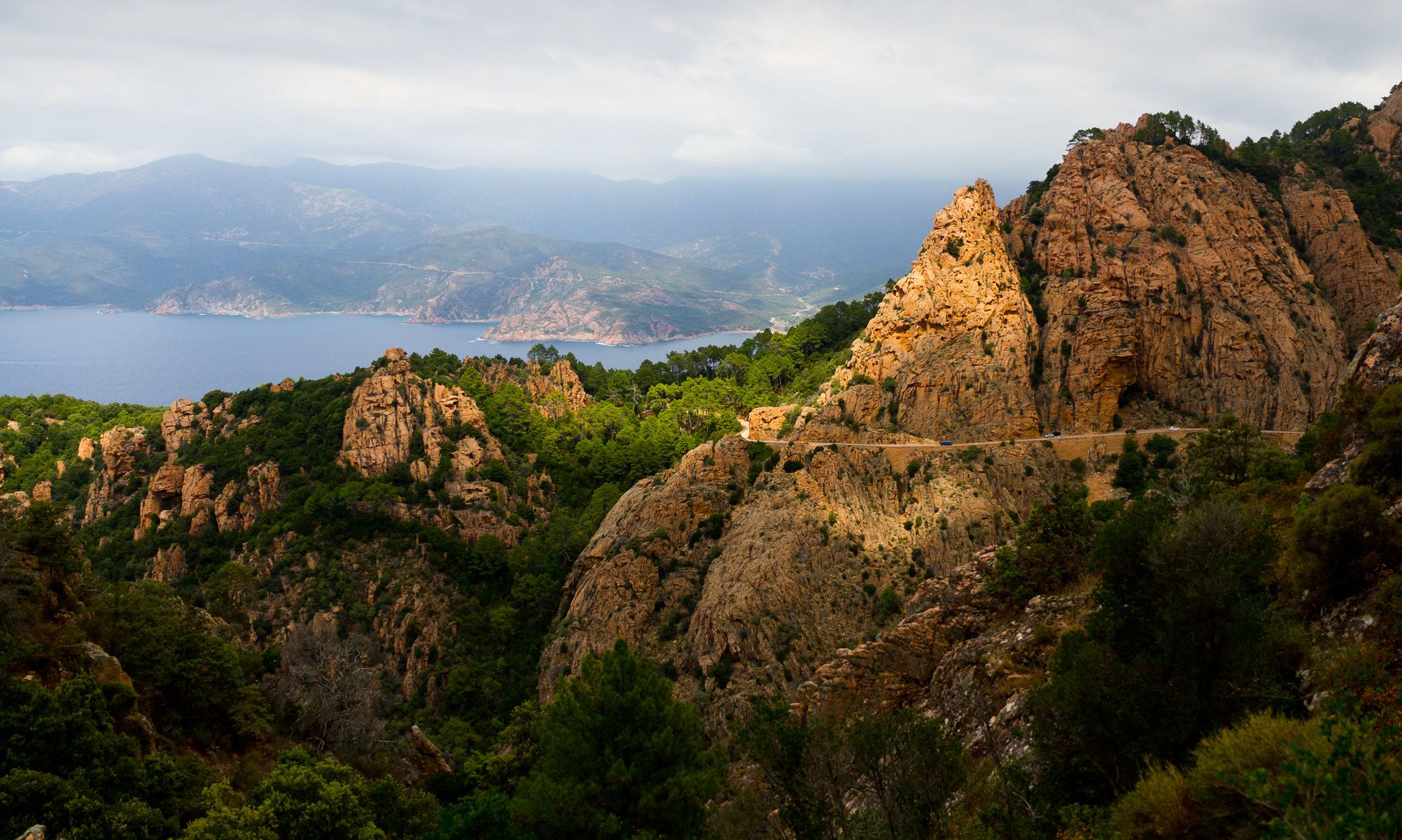
From Cape Corsica to Syracuse — three Mediterranean islands
Hiking around Lungòni/Santa Teresa Gallura
Cycling around Lungòni/Santa Teresa Gallura
Road Cycling Routes around Lungòni/Santa Teresa Gallura
MTB Trails around Lungòni/Santa Teresa Gallura
Running Trails around Lungòni/Santa Teresa Gallura
Other adventures around Lungòni/Santa Teresa Gallura


Tips from the Community

Great easy ride, a few steep climbs but overall ok
1
0


Viewpoint. Good for a short stop. Easy to ride, even on downhill and/or uphill sections. Watch out for cars! They also watch out for cyclists. Unfortunately, there's no other way off the road.
0
0

The ferry runs every half hour during the day between Palau and La Maddalena. Simply drive on, hand over your deposit (ID) when you get on, pay on board at the ticket office above the parking deck (and then return the deposit there). Not exactly cheap (car including 3 adults and 1 child = €58 return), but on La Maddalena we were even able to explore the whole island including remote beaches with a rental car.
0
0

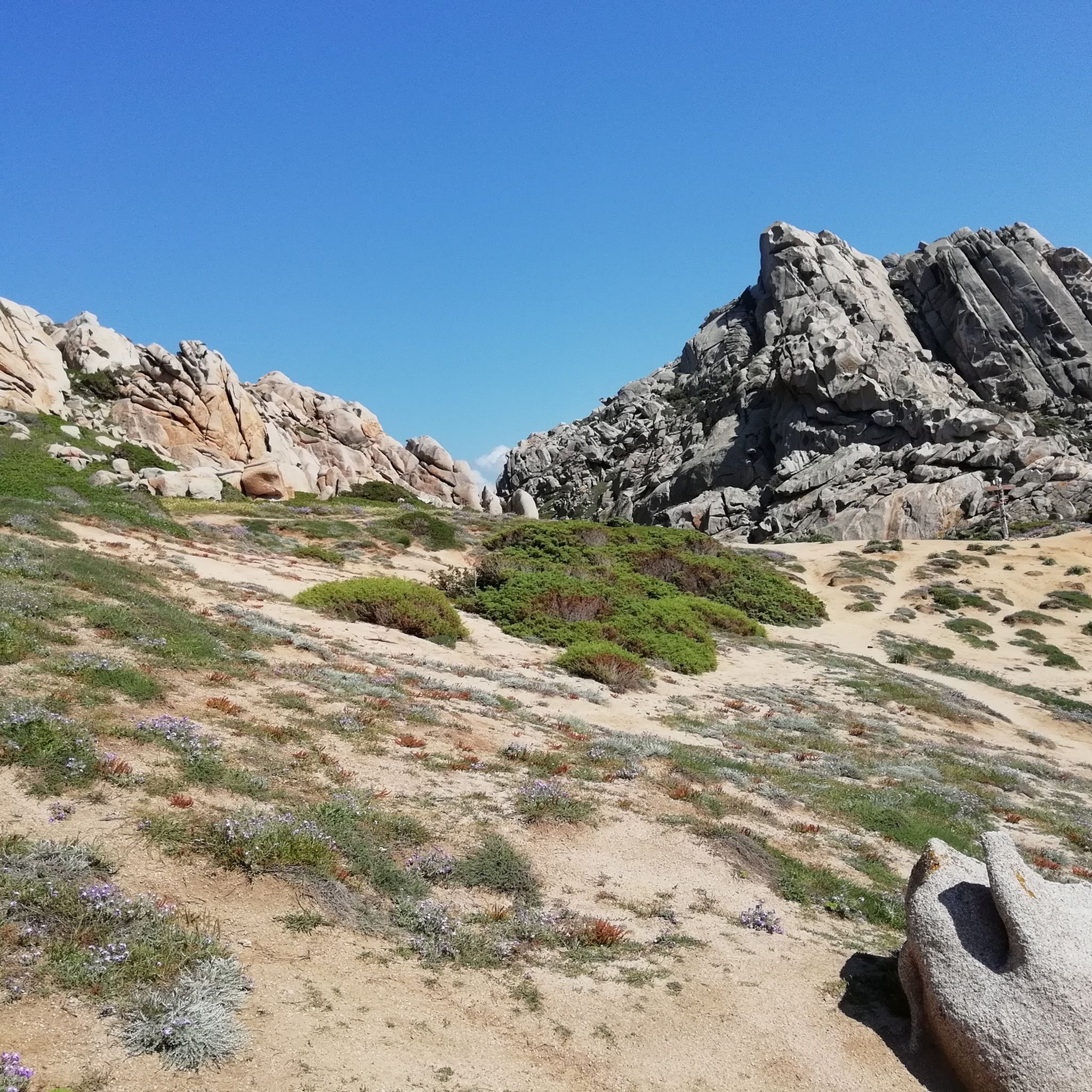
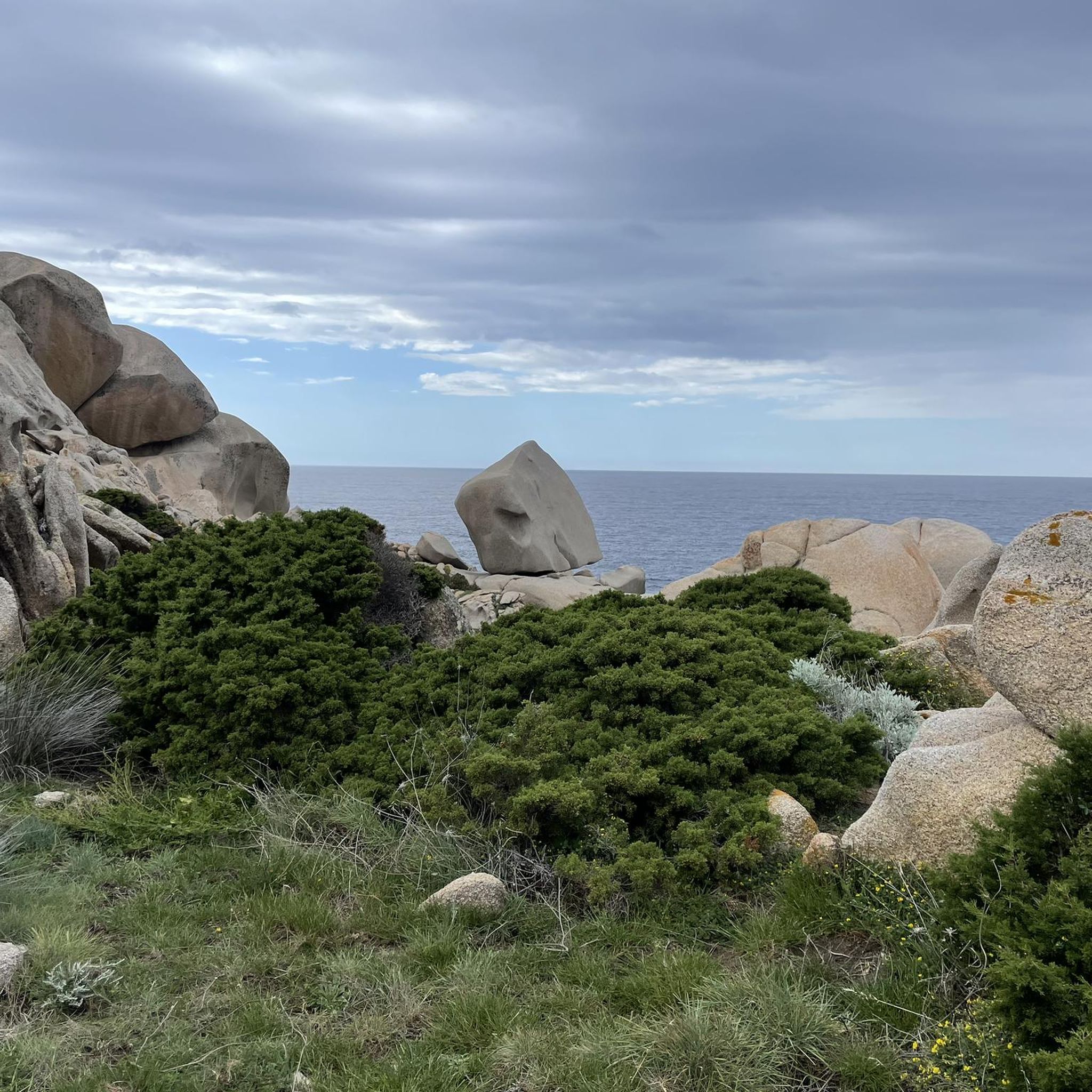
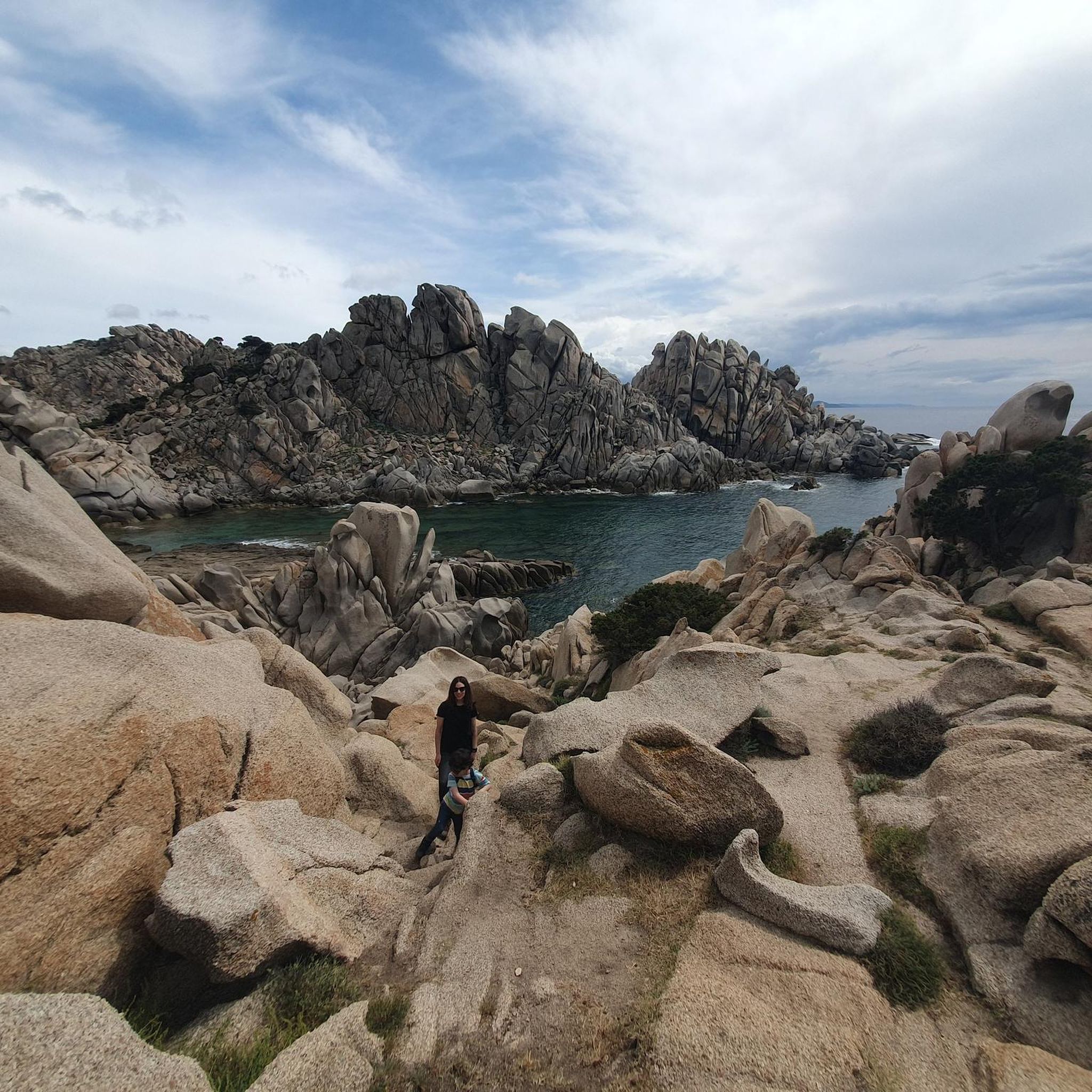
Capo Testa and the Valle de la Luna (northern tip of Sardinia) The Capo Testa on the northern tip of Sardinia can be described in good conscience as a natural wonder. Mighty granite formations, shaped into bizarre structures by wind and weather, broken up by individual bays and valleys, line the beautiful coast here. The main attractions for visitors are the Faro di Capo Testa lighthouse and the Valle della Luna valley. But the cape also has beautiful beaches to offer! Text / Source: sardinien.insel-leben.de https://sardinien.insel-leben.de/highlights/capo-testa-valle-de-la-luna/
14
0

Capo Testa can be reached via a panoramic road that passes through landscapes of granite rocks sculpted by the wind. Its lighthouse overlooks a spectacular stretch of sea with a view of the Strait of Bonifacio.
1
0

Nice walk or bike ride among the typical rocks of Gallura. Parking is limited. Nearby there are bars and places for aperitifs or quick meals
0
1

Graveling in absolute wilderness along the Liscia Valley
1
0
Frequently Asked Questions
How many gravel bike trails are available in Lungòni/Santa Teresa Gallura?
There are 16 gravel bike routes documented on komoot for the Lungòni/Santa Teresa Gallura region. These routes cater to various skill levels, with 4 moderate and 12 difficult options.
What is the best time of year for gravel biking in Lungòni/Santa Teresa Gallura?
The ideal times for gravel biking in Lungòni/Santa Teresa Gallura are spring (April-May) and autumn (September-October). During these seasons, the weather is pleasantly mild, and the trails are less crowded than in the peak summer months. Summer can be very hot, making early morning or late afternoon rides preferable.
Are there any family-friendly gravel bike routes in the area?
While many routes in Lungòni/Santa Teresa Gallura are rated moderate to difficult, some sections or shorter loops might be suitable for families with older, experienced children. For a moderate option, consider routes like Spiaggia Naracu Nieddu – View of Rena Majori Beach loop from Estasi's Disco, which offers a manageable distance and elevation profile.
What kind of terrain can I expect on gravel bike trails around Lungòni/Santa Teresa Gallura?
The terrain is diverse, featuring coastal paths with stunning sea views, sections through Mediterranean scrubland, and elevated areas with granite formations. You'll encounter a mix of gravel roads, dirt tracks, and some paved sections, often with varied elevation changes that provide panoramic vistas of the bays and islands.
Are there any circular gravel bike routes near Lungòni/Santa Teresa Gallura?
Yes, many of the gravel bike routes in the region are designed as loops. For example, the Rena Majore Dunes – Santa Teresa Gallura loop from Punta Sardegna offers a challenging circular ride through varied landscapes.
What do other gravel bikers say about the trails in Lungòni/Santa Teresa Gallura?
The gravel biking routes in Lungòni/Santa Teresa Gallura are highly rated by the komoot community, with an average score of 4.6 stars from over 20 reviews. Reviewers often praise the stunning coastal views, the diverse terrain, and the opportunity to explore both natural beauty and historical sites.
Are there any viewpoints or scenic spots along the gravel bike trails?
Absolutely. The region is known for its breathtaking viewpoints. Many routes offer expansive views of Palau Bay and the La Maddalena archipelago. You can also find scenic spots like the Capo Testa Rock Formations and Lighthouse, which provides spectacular coastal panoramas.
What attractions can I explore near the gravel bike routes?
Beyond the trails, you can visit several natural and historical attractions. The Capo Testa Rock Formations and Lighthouse is a prominent landmark. Additionally, you'll find beautiful beaches and coves such as Cala Francese, Cala Grande (Valle della Luna), and Spinosa Cove, perfect for a post-ride dip or relaxation.
Are there options for advanced gravel bikers in Lungòni/Santa Teresa Gallura?
Yes, the region offers several challenging routes for experienced gravel bikers. Out of the 16 available routes, 12 are rated as difficult, featuring significant elevation changes and longer distances. These trails often lead to higher vantage points and explore more rugged terrain.
What should I wear for gravel biking in Lungòni/Santa Teresa Gallura during summer?
During summer, temperatures can be high. It's essential to wear lightweight, breathable cycling apparel that wicks away sweat. Sun protection is crucial, so bring sunglasses, a cycling cap, and apply high-SPF sunscreen. Always carry plenty of water to stay hydrated.
Are there less crowded gravel biking options in the area?
To avoid crowds, especially during peak season, consider riding early in the morning or late in the afternoon. Exploring some of the more challenging inland routes, rather than purely coastal ones, can also lead to a quieter experience. The shoulder seasons (spring and autumn) naturally offer fewer visitors.
Can I find cafes or places to refuel along the gravel bike trails?
While some routes pass through or near towns like Santa Teresa Gallura or Cannigione where cafes and shops are available, many trails venture into more remote areas. It's advisable to carry sufficient water and snacks, especially on longer rides, and plan your stops in advance.
Most popular routes around Lungòni/Santa Teresa Gallura
Most popular attractions around Lungòni/Santa Teresa Gallura

Get inspired with the komoot mobile app


Explore more
Browse the best Gravel rides in other regions.
