The best gravel rides around Asciano
4.6
(868)
10,752
riders
69
rides
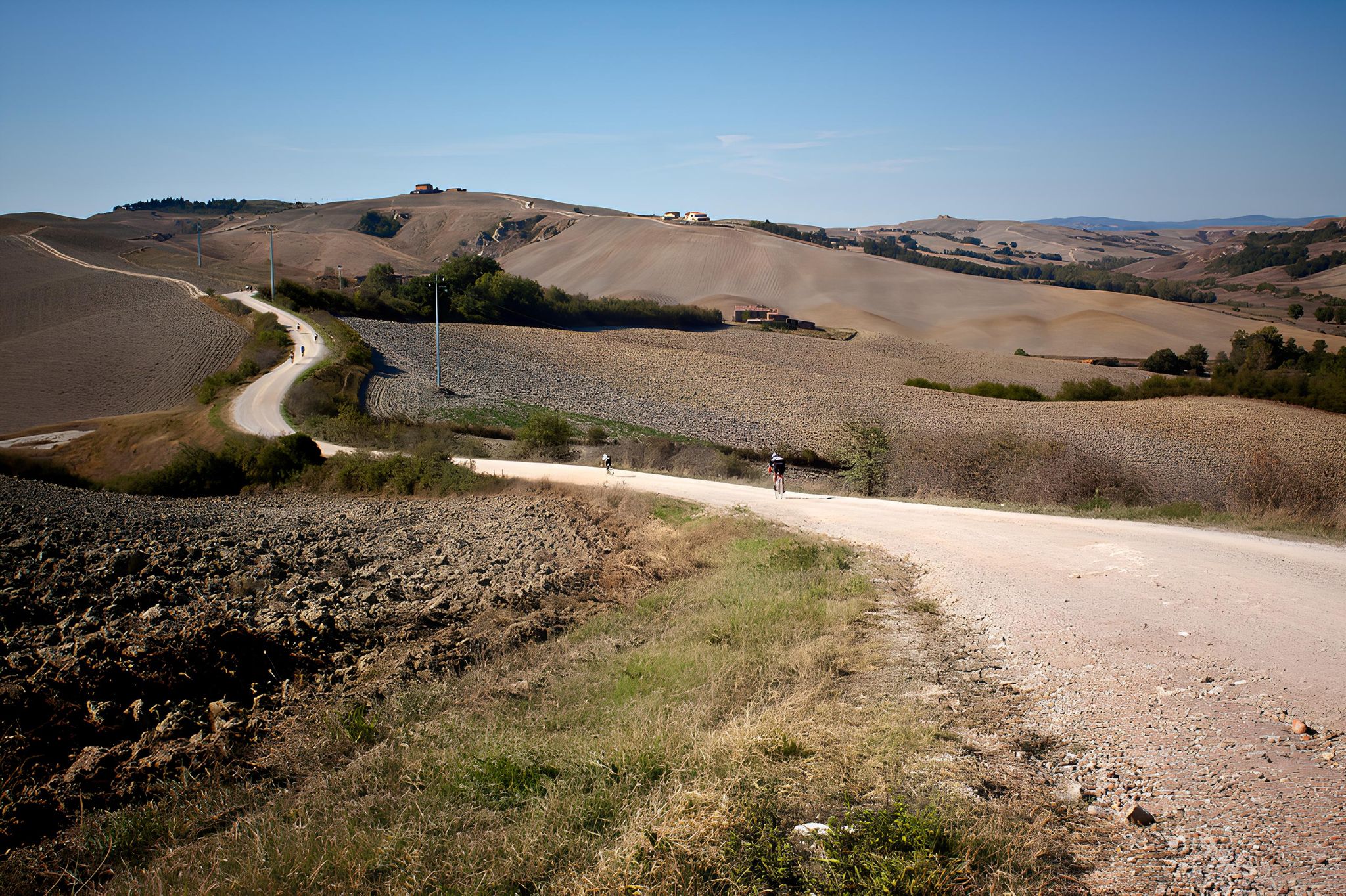
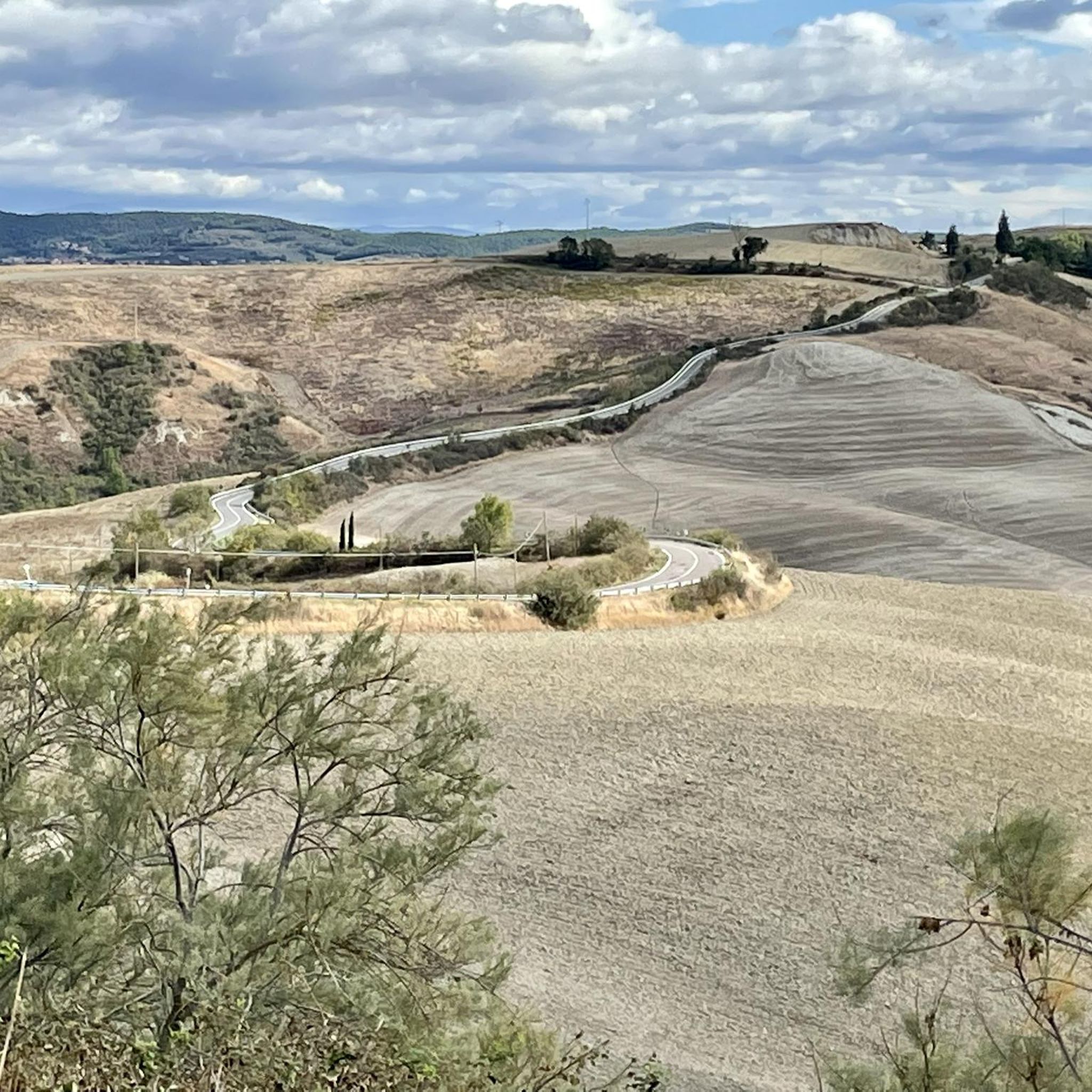
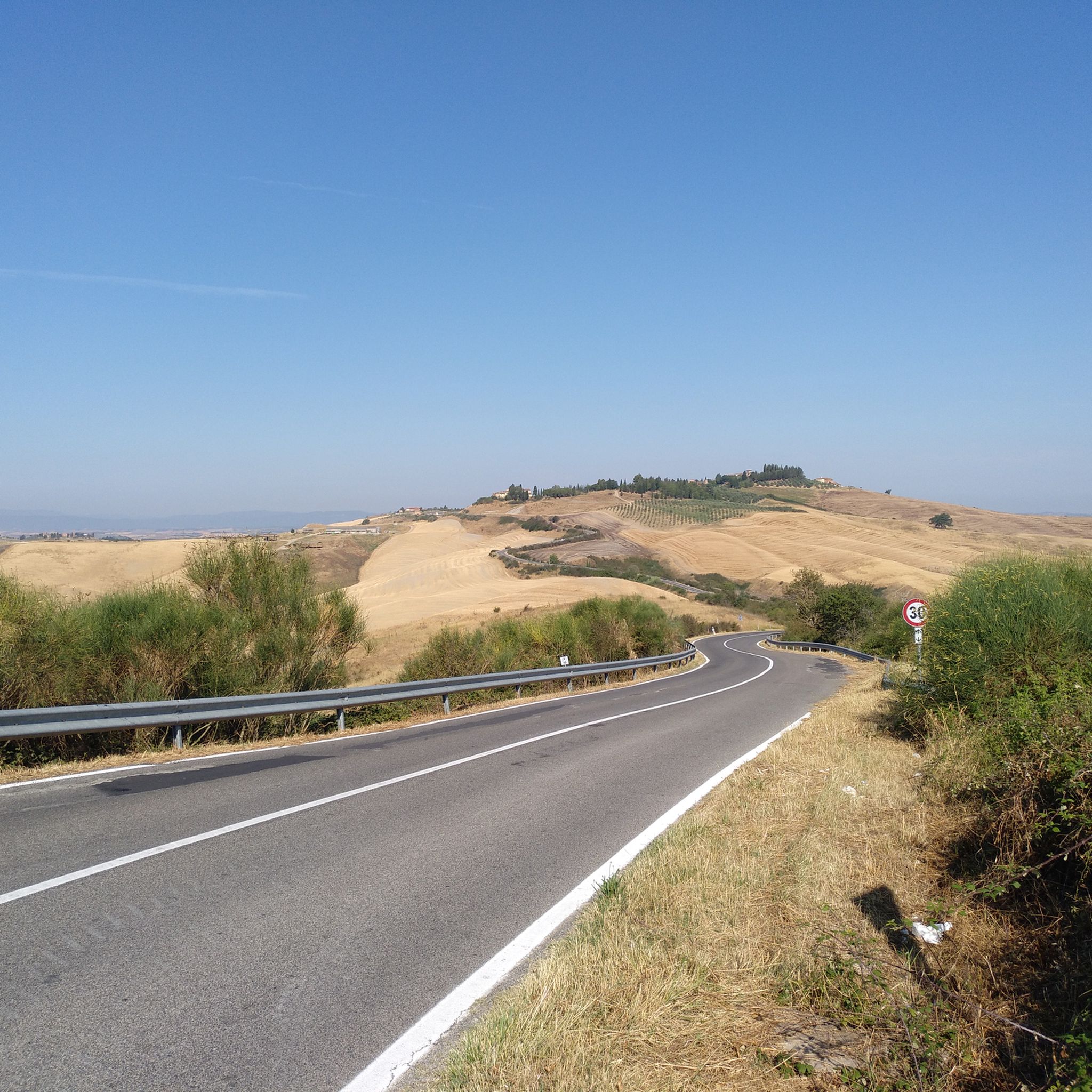
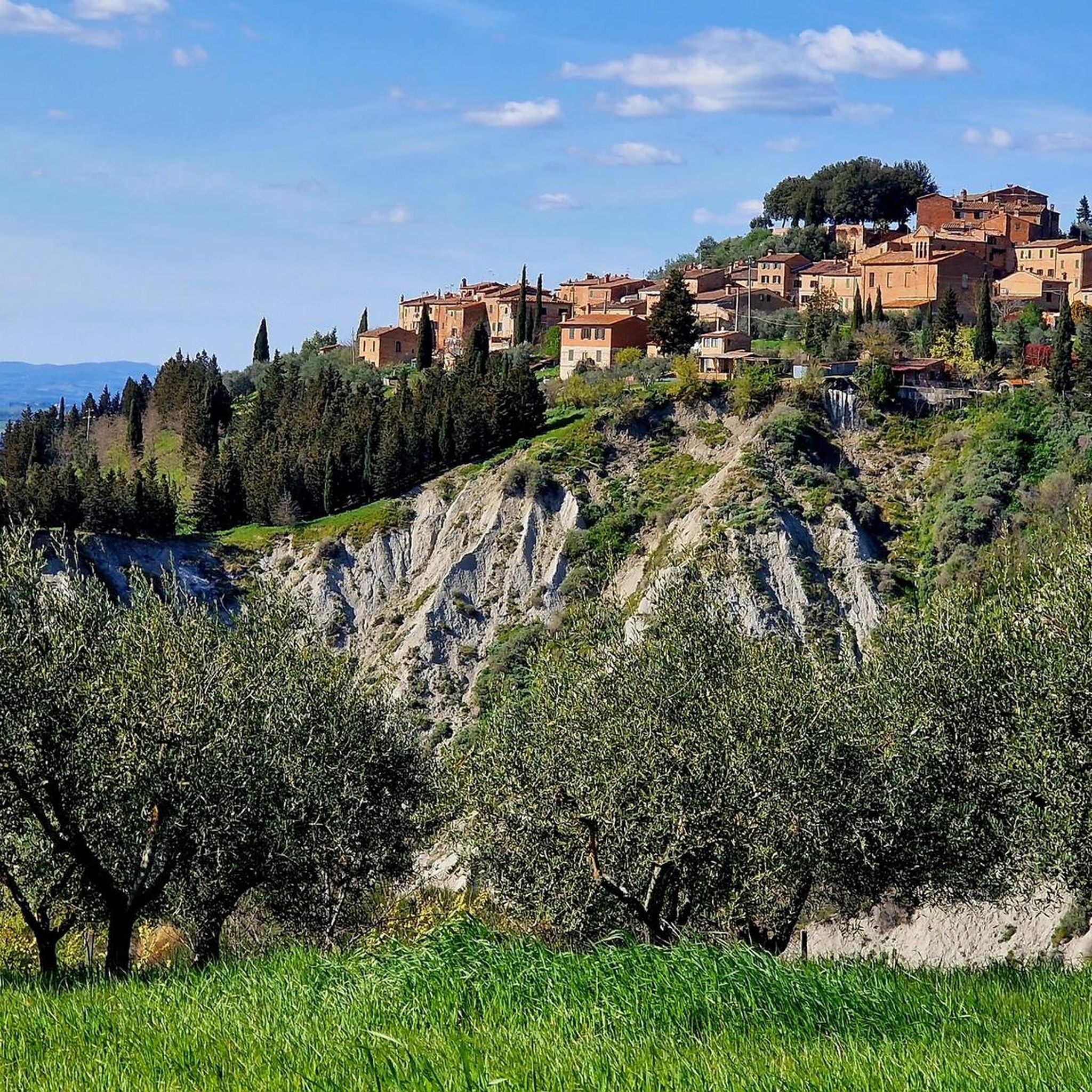
Gravel biking around Asciano is defined by the unique landscape of the Crete Senesi, characterized by undulating clay hills and the famous "strade bianche" (white roads). This region offers challenging terrain with demanding climbs, some reaching gradients up to 15%, and varied surfaces including stones and occasional sand. The area is situated between the River Ombrone and the Copra Stream, with cypress trees dotting the landscape.
Best gravel bike trails around Asciano
- The most popular gravel bike trail is Monte Sante Marie – Monte Sante Marie Gravel Road loop from Asciano M. Oliveto M., a 53.7 miles (86.5 km) difficult trail that takes 6 hours 0 minutes to complete. This route features significant elevation gain through the iconic Monte Sante Marie section.
- Another top favourite among local gravel bikers is Monte Sante Marie – San Quirico d'Orcia loop from Trequanda, a difficult 68.1 miles (109.6 km) path. This challenging route offers sustained climbing and panoramic views across the Crete Senesi.
- Local gravel bikers also love the View of Baccoleno – Beautiful view over the Crete Senesi region! loop from Asciano, a 33.9 miles (54.7 km) trail leading through rolling clay hills, often completed in about 3 hours 48 minutes.
- Gravel biking around Asciano is defined by the "strade bianche," rolling clay hills of the Crete Senesi, and picturesque cypress-lined paths. The network offers options for both moderate and difficult routes, with many challenging sections.
- The routes in Asciano are highly rated by the komoot community with an average score of 4.5 stars from over 700 reviews. More than 9,000 gravel bikers have used komoot to explore Asciano's varied terrain.
Last updated: May 24, 2026
5.0
(7)
172
riders
90.1km
06:16
1,660m
1,660m
Hard gravel ride. Very good fitness required. You may need to push your bike for some segments of this route.
4.8
(12)
76
riders
80.5km
05:42
1,460m
1,460m
Hard gravel ride. Very good fitness required. Mostly paved surfaces. Suitable for all skill levels.

Sign up for free
5.0
(3)
56
riders
110km
07:46
1,950m
1,950m
Hard gravel ride. Very good fitness required. Mostly paved surfaces. Suitable for all skill levels.
5.0
(6)
61
riders
134km
09:12
2,390m
2,390m
Hard gravel ride. Very good fitness required. Mostly paved surfaces. Suitable for all skill levels.
4.5
(4)
42
riders
55.0km
03:50
910m
910m
Hard gravel ride. Very good fitness required. Mostly paved surfaces. Suitable for all skill levels.
Get access to more routes and recommendations from other explorers.
Sign up for free
Already have an account?
Our route recommendations are based on thousands of hikes, rides, and runs completed by other people on komoot.
Start today with a free account
Your next adventure awaits.
Login or Signup
Other adventures around Asciano

Tips from the Community

pretty here, very pretty
1
0

The San Martino in Grania sector is one of the longest (approx. 9.5 km) and most challenging gravel sections of the Strade Bianche. Located between km 69.5 and 78.8 of the route, it offers a breathtaking Tuscan landscape with continuous ups and downs and gradients exceeding 12%. It is a technical and crucial point before Monte Sante Marie.
0
0

You can't not do it!!
0
0

Chiesa di Santa Maria Assunta The church, dating to the twelfth century, has a plain rectangular plan with a wall covering in square stones. Outside the massive portal is embellished with decorations, maybe originating from the Abbazia di Sant'Antimo. The gabled bell tower and the vestry are original, too. The apse is crowned with corbels and decorated with suspended arches. On the left side there is another monumental portal whose arch is supported by two columns and contains a decorated shape. The extremely plain interior is lit up by narrow slits, one in the apse.
0
0
Porta Romana is one of the ancient gates in the walls of Siena, located on the route of the ancient Via Cassia. It was built in 1327 - 1328 by Agnolo di Ventura and Agostino di Giovanni, equipped with battlements and a defensive wall. In 1417, Taddeo di Bartolo was commissioned to paint the fresco that was to adorn it with a depiction of the Virgin, like the other city gates, to implore divine protection for the city. In 1978, the frescoes, due to advanced deterioration, were detached and transferred to the Basilica of San Francesco. However, there is a Roman inscription at the Porta Romana!The inscription was written on a travertine tablet and, based on its graphic characters and content, can be dated to the Augustan period (27 BC – 0) saying "Silvanus sacr(um) / C. Victricius / Memor VIvir / [a] ugustalis posuit" = Caio Victricio Memore Seviro augustale dedicated a small temple to Silvanus.
0
0
In Siena, as we know, your eye always falls there, on the shell-shaped Campo or the striped marble of the Duomo. And rightly so. But then there are those places that speak to you in a different voice, more raspy and sincere. Porta Romana is one of them. Let's be clear: this isn't a small archway placed there for show. This is a beast of brick and stone, a fortress planted to the south to tell those arriving from Rome: "Be careful, you're entering Siena." It's massive, imposing, it makes you feel small and immediately reminds you that this city was once a serious thing, a power that had to be defended. It has none of the frills of other monuments; it gets straight to the point, and for me, its charm begins right there.
1
0

I had a fatal accident on a downhill ski run back in the 90s. After that, helmets became mandatory, if I remember correctly.
0
0
Unfortunately the entrance to get to the famous writing "Baccoleno" has been closed. Too bad, because from there the view is spectacular
0
0
Frequently Asked Questions
How many gravel bike trails are available around Asciano?
There are over 50 gravel bike routes available around Asciano, offering a wide range of experiences through the unique Crete Senesi landscape. The komoot community has rated these trails highly, with an average score of 4.3 stars.
What kind of terrain can I expect on gravel bike trails in Asciano?
Gravel biking in Asciano is defined by the iconic "Strade Bianche" (white roads), which are unpaved dirt and gravel roads. You'll encounter rolling clay hills, known as "calanche" or "biancane," with sections of compacted gravel, clay-like surfaces that can be challenging when wet, and some paved roads. Expect both gentle inclines and demanding climbs, with some gradients reaching up to 15%.
Are there any easier gravel bike routes for beginners or less experienced riders?
The gravel biking routes around Asciano are generally considered challenging, with most classified as 'difficult' due to significant elevation gains and varied terrain. There are no routes specifically categorized as 'easy' in the immediate area, so beginners should be prepared for demanding sections and consider shorter distances.
What are some of the most challenging gravel bike routes in the Asciano area?
Many routes offer significant challenges. For instance, the Buonconvento – Monte Sante Marie Gravel Road loop from Trequanda covers over 122 km with more than 2200 meters of elevation gain. The Monte Sante Marie – San Quirico d'Orcia loop from Trequanda is another demanding option, spanning nearly 110 km with almost 2000 meters of climbing. These routes often include the famous Monte Sante Marie gravel section, known for its short, steep climbs.
Can I find circular gravel bike routes around Asciano?
Yes, many of the gravel bike routes in the Asciano area are designed as loops, allowing you to start and end in the same location. Examples include the Monte Sante Marie – Monte Sante Marie Gravel Road loop from Asciano M. Oliveto M. and the View of Baccoleno – Beautiful view over the Crete Senesi region! loop from Asciano.
What are the best times of year for gravel biking in Asciano?
The best times to experience gravel biking in Asciano and the Crete Senesi are typically from March to June and from September to November. During these periods, temperatures are comfortable, and the roads are generally less crowded. Summers can be very hot, and wet conditions in winter can make the clay-based "Strade Bianche" particularly challenging.
Are there any notable landmarks or viewpoints along the gravel bike trails?
Absolutely. The routes often lead through charming medieval villages and past historical sites. You might pass by the significant Benedictine abbey of San Giovanni d'Asso Historic Village, or the picturesque town of Buonconvento. Many routes offer panoramic views of the Crete Senesi, including the iconic rolling hills and cypress trees. From some elevated points, you can even catch a glimpse of Siena's skyline in the distance.
What do other gravel bikers say about the trails in Asciano?
The gravel trails around Asciano are highly rated by the komoot community, with an average score of 4.3 stars from over 70 reviews. Reviewers often praise the unique and stunning "lunar landscape" of the Crete Senesi, the challenge of the "Strade Bianche," and the opportunity to combine demanding rides with cultural stops in charming Tuscan villages.
Are there options for longer gravel bike tours from Asciano?
Yes, there are several options for longer gravel bike tours. For example, the Buonconvento – Monte Sante Marie Gravel Road loop from Trequanda is a substantial 122 km route, and the Monte Sante Marie – San Quirico d'Orcia loop from Trequanda extends to nearly 110 km. These routes offer sustained riding and extensive exploration of the region.
Where can I find parking for gravel biking in Asciano?
While specific parking areas are not detailed, you can typically find parking in the towns and villages that serve as starting points for these routes, such as Asciano itself, Trequanda, or Buonconvento. Look for public parking facilities within these settlements.
Is public transport an option to reach the gravel trails?
Asciano and other towns in the region are generally accessible by public transport, primarily by regional train or bus services. You can plan your journey to these towns, which often serve as trailheads, to access the gravel routes. For detailed schedules, it's best to check local transport provider websites.
What are the "Strade Bianche" and how do they impact gravel biking here?
The "Strade Bianche" are the famous white gravel roads of Tuscany, made legendary by professional cycling races. They are unpaved, often dusty in dry conditions and muddy when wet, and vary in surface from compacted gravel to loose stones and clay. They define the gravel biking experience in Asciano, offering a unique challenge and an authentic Tuscan adventure, requiring good bike handling skills and suitable tires.
Most popular attractions around Asciano

Get inspired with the komoot mobile app


Explore more
Browse the best Gravel rides in other regions.
