The best gravel rides around Sovico
4.2
(284)
2,188
riders
85
rides
Gravel biking around Sovico offers a diverse landscape characterized by a network of waterways, including canals and rivers, alongside gentle hills and open plains. The region provides a mix of terrain suitable for various skill levels, from flat canal paths to routes with moderate elevation changes. These gravel bike trails Sovico are ideal for exploring the natural and semi-urban environments of the Brianza area.
Best gravel bike trails around Sovico
- The most popular gravel bike trail is Martesana Cycle Path…
Last updated: October 11, 2026
4.8
(37)
267
riders
Hard gravel ride. Very good fitness required. Mostly paved surfaces. Suitable for all skill levels.
3.7
(3)
58
riders
60.9km
04:09
590m
590m
Hard gravel ride. Very good fitness required. Mostly paved surfaces. Suitable for all skill levels.

5.0
(1)
11
riders
Hard gravel ride. Very good fitness required. You may need to push your bike for some segments of this route.
3.8
(4)
18
riders
50.9km
03:00
530m
530m
Hard gravel ride. Very good fitness required. You may need to push your bike for some segments of this route.
3.7
(3)
19
riders
Easy gravel ride. Great for any fitness level. Mostly paved surfaces. Suitable for all skill levels.
Get access to more routes and recommendations from other explorers.
Already have an account?
Our route recommendations are based on thousands of hikes, rides, and runs completed by other people on komoot.
Start today with a free account
Your next adventure awaits.
Tips from the Community

A stunning viewpoint during the ride
0
0

The Ciclovia del Lambro is a cycle-pedestrian route of about 37 kilometers that connects Monza to Erba, crossing the green heart of Brianza within the Parco della Valle del Lambro. The route develops on a mixed surface (dirt, cobblestone, and asphalt), ideal for mountain bikes, gravel bikes, or robust city bikes.
0
0

Easy cycle path suitable for everyone!
3
0
The route runs alongside the Naviglio della Martesana, perhaps the least known among the ancient artificial canals connecting Milan to the great Lombard rivers. It originates from the Adda river in Concesa, a hamlet of Trezzo d’Adda, crosses the Martesana sub-region, north-east of the provincial capital, and once in the city, it plunges underground beneath via Melchiorre Gioia, near Cassina de’ Pomm. It measures approximately 38 km in length, with a width varying from 9 to 18 meters. However, at one time, the Naviglio della Martesana continued in the open air right into the center, where a system of locks centered on the Conca dell’Incoronata connected it to the short Naviglio di S. Marco and the urban ring of the Navigli. The lock was inaugurated in 1496, utilizing lock gates designed by Leonardo da Vinci. The canal had been opened in 1471, under Francesco Sforza. By connecting it to the other Navigli,
3
0
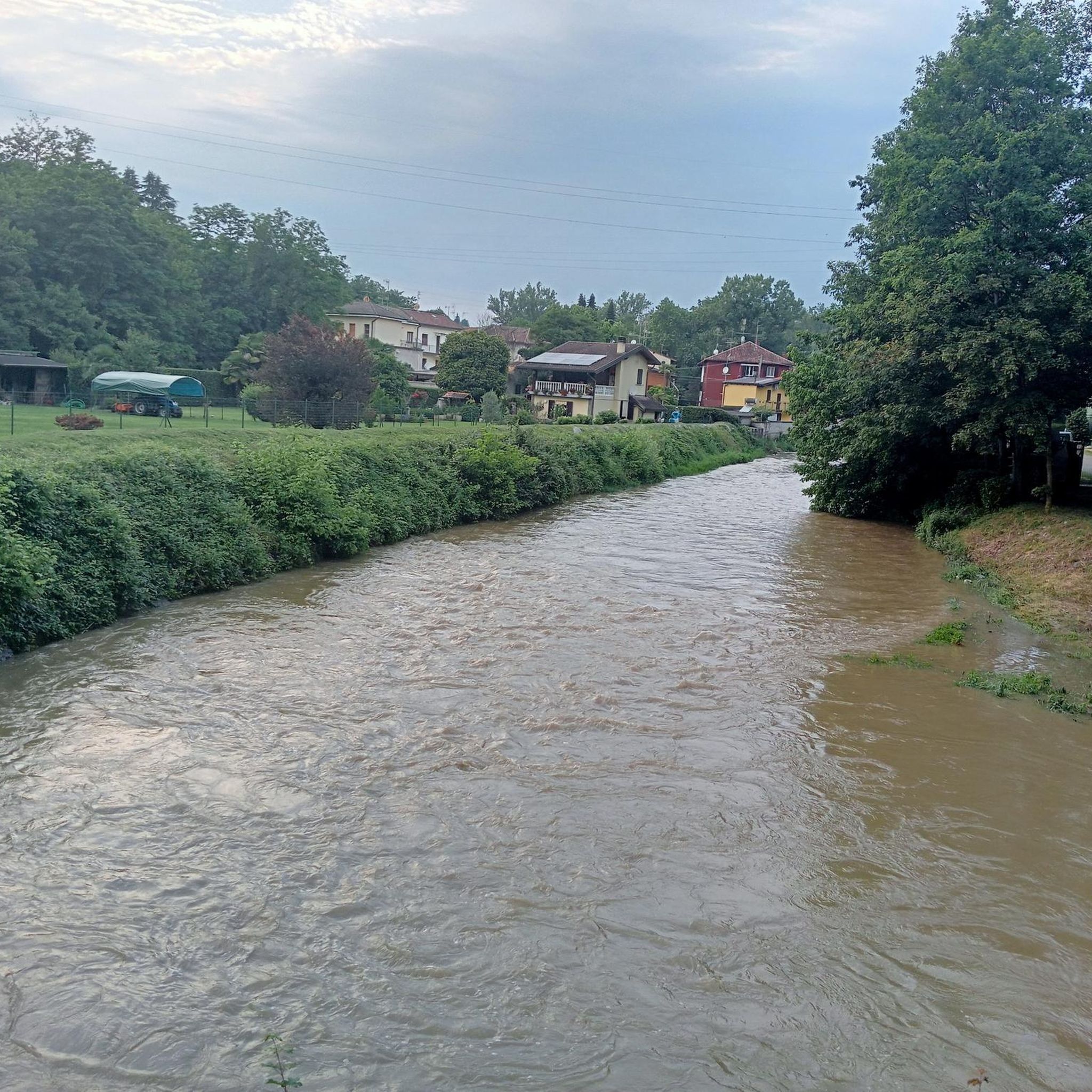
The Naviglio della Martesana, initially known as Naviglio Piccolo, is one of the Milanese canals that connects Milan with the course of the Adda river through the municipalities of Martesana. Commissioned in the 15th century by Francesco Sforza, it was used for irrigating the countryside but also represented the ambitious project of connecting Milan with Lake Como and thus with the Alps and Ticino. The Naviglio della Martesana is a place rich in history and beauty, a heritage for everyone that, however, today is still little known and protected. Along the Naviglio runs a rather busy cycle path, which allows you to admire the landscape and cultural beauties, such as the rich flora, fauna, or the numerous historic villas, including the Renaissance Villa Melzi d’Eril in Vaprio d’Adda.
1
0

The Naviglio Martesana cycle path is a cycle-pedestrian route of about 30-35 km that connects Milan (Cassina de' Pomm/via Melchiorre Gioia area) to Trezzo sull'Adda, running alongside the canal of the same name. It is a predominantly asphalted, flat, easy route suitable for everyone, which crosses parks, rural areas, and historic noble villas from the 17th-18th centuries.
2
0
The construction of the Naviglio Piccolo, later known as the Martesana, was started by Francesco Sforza in 1475 to transport along the route "grinding stones, oil presses, spinning mills, paper mills". It originates from the Adda, on the right bank, below the Castle of Trezzo and reaches Milan at Cascina de' Pomm, ending buried at San Marco. The Naviglio della Martesana, definitively completed in 1496 under the guidance of Ludovico il Moro, flows from Trezzo sull’Adda to Milan for a total length of 38 km. The route runs alongside the ancient Roman road that crossed the Adda with two branches: at Vaprio and at Cassano. Concurrently with the improvement of the agricultural structure thanks to irrigation, a notable flourishing of stately villas occurred in the Baroque era. The irrigation function of the Martesana marks the clear boundary between the dry plain, to the north, and the irrigated plain, to the south.
3
0

Frequently Asked Questions
How many gravel bike trails are available around Sovico?
There are over 100 gravel bike trails around Sovico, offering a wide range of options for different skill levels and preferences. The komoot community has explored more than 109 routes in the area.
What kind of terrain can I expect on gravel bike trails in Sovico?
Gravel biking around Sovico is characterized by a diverse landscape. You'll find a mix of terrain, from flat canal paths along waterways like the Martesana and Villoresi Canals to routes with moderate elevation changes through gentle hills and open plains. Some trails may include varied surfaces, but generally, they are suitable for gravel bikes.
Are there any easy gravel bike trails suitable for beginners in Sovico?
Yes, Sovico offers several easy gravel bike trails, particularly those that follow the canal paths. These routes often feature extensive flat sections, making them ideal for beginners or those looking for a relaxed ride. For example, sections of the Villoresi Canal Cycle Path offer a scenic and relatively flat experience.
Are there any challenging gravel bike routes for experienced riders?
Absolutely. For experienced riders seeking a challenge, Sovico has routes with significant elevation gains and longer distances. Trails like the Martesana Cycle Path – Martesana Canal Cycle Path loop from Triuggio-Ponte Albiate, spanning over 74 miles with considerable elevation, or the Cascina Costa – Tetto Brianzolo Summit loop from Biassono-Lesmo Parco, offer more demanding rides.
What are some scenic highlights or attractions I can see along the gravel bike trails?
The gravel bike trails around Sovico offer views of natural and semi-urban environments, including canals, riverbanks, and agricultural landscapes. You can also explore nearby lakes and natural areas. For instance, you might encounter highlights like the Zoca dei Pirutit Pond or the Laghetto of the Royal Villa of Monza, which are part of the beautiful local scenery.
Are there any circular gravel bike routes in Sovico?
Yes, many of the gravel bike routes in Sovico are designed as loops, allowing you to start and finish at the same point. Examples include the Alzaia del Canale Villoresi – Villoresi Canal Cycle Path loop from Seregno and the Lambro Riverside Trail – Bridge over the Lambro River loop from Biassono-Lesmo Parco, providing convenient options for your ride.
What do other gravel bikers enjoy most about gravel biking in Sovico?
The komoot community highly rates the gravel biking experience in Sovico, with an average score of 4.3 stars from over 170 reviews. Riders often praise the diverse terrain, from peaceful canal paths to routes with varied elevation, and the opportunity to explore the natural and agricultural landscapes of the Brianza area.
Can I find family-friendly gravel bike routes in Sovico?
Yes, the flatter sections along the canals, such as parts of the Villoresi Canal Cycle Path, are generally suitable for families. These routes offer a safer and more relaxed environment for riders of all ages to enjoy the scenery.
Are there any dog-friendly gravel routes in Sovico?
Many of the natural trails and canal paths around Sovico are suitable for riding with dogs, provided they are well-behaved and kept on a leash where necessary. Always check local regulations and be mindful of other trail users and wildlife.
What is the best time of year for gravel biking in Sovico?
The spring and autumn months generally offer the most pleasant conditions for gravel biking in Sovico, with milder temperatures and beautiful scenery. Summer can be warm, especially on exposed canal paths, while winter rides are possible but may require checking for wet or muddy conditions on unpaved sections.
Are there places to eat or drink along the gravel bike trails?
While specific cafes directly on every trail are not guaranteed, the routes often pass through or near towns and villages in the Brianza area where you can find various cafes, pubs, and restaurants to refuel and relax during your ride.
Is public transport accessible near the gravel bike trails in Sovico?
Sovico and surrounding towns like Seregno and Triuggio-Ponte Albiate are part of a developed region with public transport options. You can often find train stations or bus stops that provide access points to various gravel bike routes, making it convenient to start or end your ride without a car.
Where can I park my car when accessing gravel bike trails in Sovico?
Parking is generally available in the towns and villages that serve as common starting points for these routes, such as Seregno, Biassono-Lesmo Parco, or Triuggio-Ponte Albiate. Look for public parking areas near train stations or town centers, which often provide convenient access to the trailheads.
Most popular attractions around Sovico

Get inspired with the komoot mobile app


Explore more
Browse the best Gravel rides in other regions.
