The best gravel rides around Rosazza
4.7
(6)
109
riders
2
rides
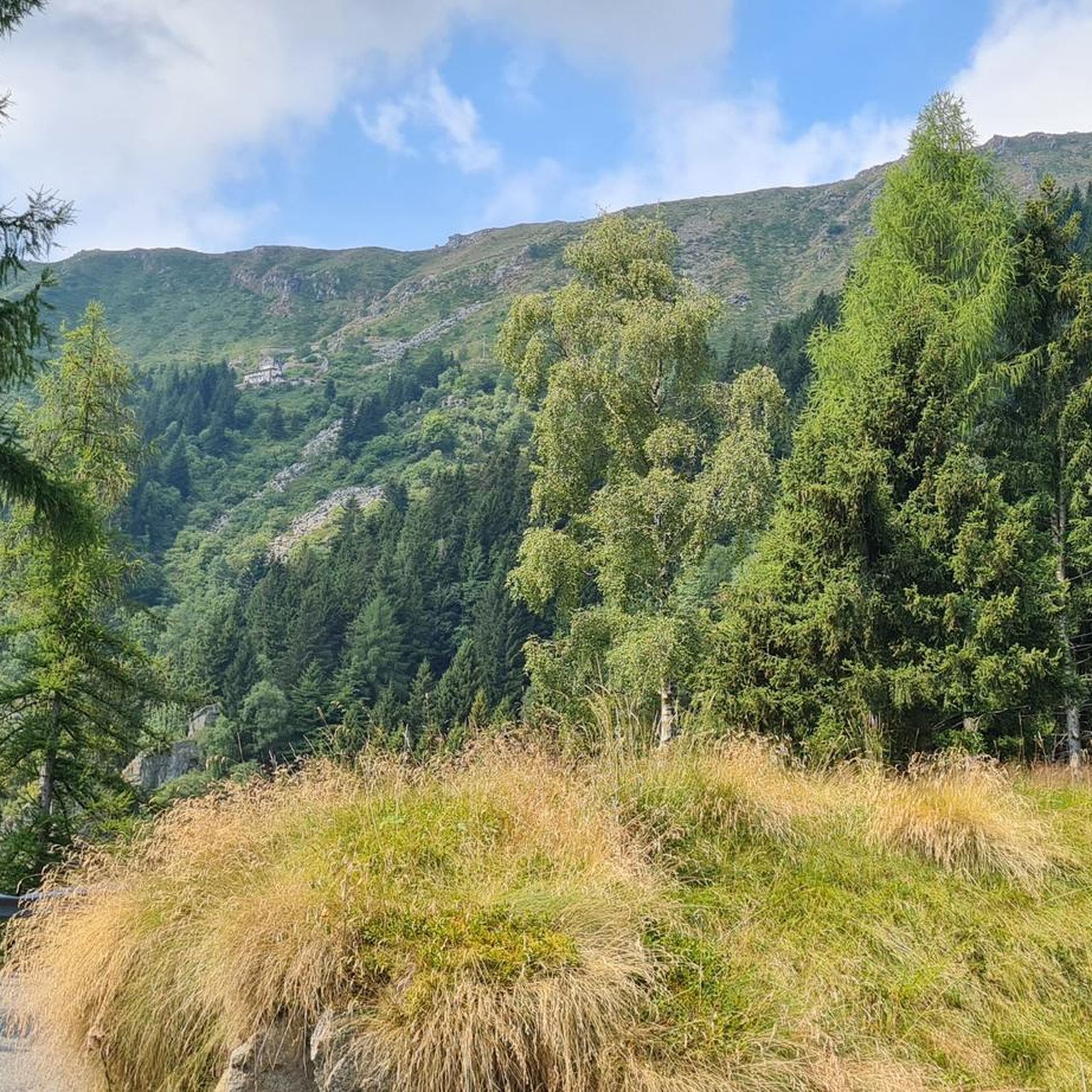
Gravel biking around Rosazza, located in Italy's Cervo Valley within the Biella Alps, offers varied terrain for cyclists. The region features a mountainous backdrop with extensive forests of beech and chestnut, providing diverse routes. Historic mule tracks and quiet roads traverse the area, often following the Cervo stream or climbing towards higher elevations. These unpaved paths and scenic roads offer a blend of natural scenery and a sense of historical exploration.
Best gravel bike trails around Rosazza
- The most popular…
Last updated: August 14, 2026
5.0
(3)
28
riders
50.2km
05:07
1,420m
1,420m
Hard gravel ride. Very good fitness required. Mostly paved surfaces. Suitable for all skill levels.
18
riders
34.5km
02:35
960m
960m
Hard gravel ride. Very good fitness required. Mostly paved surfaces. Suitable for all skill levels.

Sign up for free
7
riders
38.3km
02:39
550m
550m
Hard gravel ride. Very good fitness required. Mostly paved surfaces. Suitable for all skill levels.
4.0
(1)
3
riders
31.3km
03:12
1,310m
1,300m
Hard gravel ride. Very good fitness required. Mostly paved surfaces. Suitable for all skill levels.
6
riders
27.5km
02:07
750m
750m
Hard gravel ride. Very good fitness required. Mostly paved surfaces. Suitable for all skill levels.
Our route recommendations are based on thousands of hikes, rides, and runs completed by other people on komoot.
Start today with a free account
Your next adventure awaits.
Login or Signup
Tips from the Community

The village is situated on a natural terrace offering a panoramic view of the Lys valley. An e-bike charging station is available.
0
0
The stone bridge of Lillianes, completed in 1733, represents a hydraulic work of exceptional value for the Lys Valley, being the only historic bridge in the region structured on four round arches. The choice of this configuration, supported by robust piers equipped with cut-water spurs, was dictated by the need to span a section of the Lys stream particularly subject to violent floods. The roadway, made with a characteristic donkey-back shape in local stone, hosts a votive shrine dedicated to Saint Roch in the center, historically placed to protect travelers against pestilences. A relevant anecdote concerns the complex financing of the work: the local community, in order not to depend exclusively on central subsidies, chose to heavily tax themselves through the "taglioni" system, a form of mandatory contribution based on land ownership. It is said that the families of the village contributed not only with money but also by providing labor and materials, as the bridge was considered vital for the economy linked to the chestnut trade and transhumance. Another curious detail concerns its incredible resistance: during past floods, while other wooden or lighter structures were swept away, the bridge of Lillianes remained intact, consolidating its fame as an indestructible monument and a symbol of unity for the entire valley population.
0
0

The **Passo (or Bocchetto) di Bocchetto Sessera is an alpine pass located in the Biella Alps, in the Province of Biella (Piedmont, Italy). It connects the Valle dello Strona di Mosso with the Val Sessera, between the mountains Monte Marca (1,558 m) and Monticchio (1,697 m).
14
0
The Ponte dei Tre Archi in the La Vecchia locality in Biella (Piedmont, Italy) is a historic stone structure located along the ancient route of the Tranvia Biella‑Oropa — the former tramway line that connected Biella to the Sanctuary of Oropa between 1911 and 1958.
10
0
The Santuario di Oropa is one of the most important Marian places of worship in Piedmont, Italy, located at about 1,159 m above sea level on the mountainside of the Valle d’Oropa, just above Biella. It is famous for its religious history, imposing architecture, and the surrounding natural landscape.
10
0

Fountain outside Billa towards Oropa
0
0


Main entrance to the Oasi Zegna, from which many paths start, including the "Bosco del Sorriso" path and others
2
0
Frequently Asked Questions
What kind of terrain can I expect on gravel bike trails around Rosazza?
Gravel biking around Rosazza offers a diverse landscape. You'll encounter quiet roads traversing picturesque villages and forests, but also challenging historic mule tracks with significant elevation gains, especially as you climb higher into the mountains. The region is characterized by its mountainous backdrop, extensive forests of beech and chestnut, and the natural environment of the Cervo Valley.
Are there any easy gravel biking routes suitable for beginners in Rosazza?
The gravel routes listed for the Rosazza area are generally considered difficult, featuring substantial elevation changes and distances. For example, the Bocchetto Sessera Pass – Alpe di Mera loop covers over 50 km with more than 1400 meters of ascent. While the region has quiet roads, the marked gravel trails tend to be more demanding.
What natural features and viewpoints can I discover along the gravel bike trails?
The trails often lead through untouched nature, with shady beech trees, bright laburnum, and blueberry bushes. Higher up, you'll find expansive panoramic views. You can also explore areas with stunning waterfalls, such as the Oropa Stream Waterfall or the Acqua Bianca Waterfalls. Mountain passes like Bocchetto Sessera Pass also offer notable vistas.
Are there any circular gravel biking routes available?
Yes, several routes are designed as loops. For instance, the Bocchetto Sessera Pass – Alpe di Mera loop from Bocchetto Sessera and the Oropa Sanctuary – Sanctuary of Oropa loop from Pollone both offer circular journeys, allowing you to start and end at the same point.
What is the best time of year for gravel biking in Rosazza?
The mountainous terrain and forests suggest that late spring, summer, and early autumn are ideal. During these seasons, the weather is generally more favorable, and the trails are less likely to be affected by snow or heavy rain, allowing for better access to higher elevations and panoramic views.
Can I find parking easily for gravel biking in Rosazza?
While specific parking areas for cyclists are not detailed in the guide, Rosazza is a small village. You can typically find parking in or near the village center, or at common starting points for trails. It's advisable to check local signage upon arrival.
Are there any historical or cultural landmarks to see while gravel biking in the area?
Rosazza itself is known for its unique and 'mysterious' architecture, including a neo-medieval castle (private) and an eccentric town hall. The region also features historic mule tracks, such as the one crossing the Gragliasca Valley, which offer a blend of natural scenery and historical exploration. The Oropa Sanctuary loop also takes you past a significant cultural site.
What do other gravel bikers enjoy most about gravel biking in Rosazza?
The area is highly rated by the komoot community, with an average score of 4.7 stars. Reviewers often praise the challenging nature of the routes, the stunning natural beauty, and the sense of exploration offered by the historic trails and panoramic views.
Are there any cafes or places to eat along the gravel bike routes?
While the routes themselves often traverse natural and less populated areas, the village of Rosazza and other small hamlets along the Cervo Valley offer opportunities for refreshments. It's recommended to carry sufficient supplies, especially on longer, more remote routes like the Gravel loop from Lillianes.
Can I reach Rosazza by public transport for a gravel biking trip?
Rosazza is located in a mountainous region, and public transport options might be limited. While there are quiet roads connecting to larger towns like Biella, direct public transport links suitable for carrying bikes might require prior research. It's generally easier to access the area by car.
Are the gravel trails around Rosazza suitable for families with children?
Given that the listed routes are generally classified as difficult due to significant distances and elevation gains, they may not be suitable for all families, especially those with younger children or beginners. The historic mule tracks can be particularly challenging. Families looking for easier rides might need to seek out specific, less demanding sections of quiet roads rather than the full marked trails.
Most popular attractions around Rosazza

Get inspired with the komoot mobile app


Explore more
Browse the best Gravel rides in other regions.
