The best gravel rides around Vesime
4.1
(10)
33
riders
9
rides
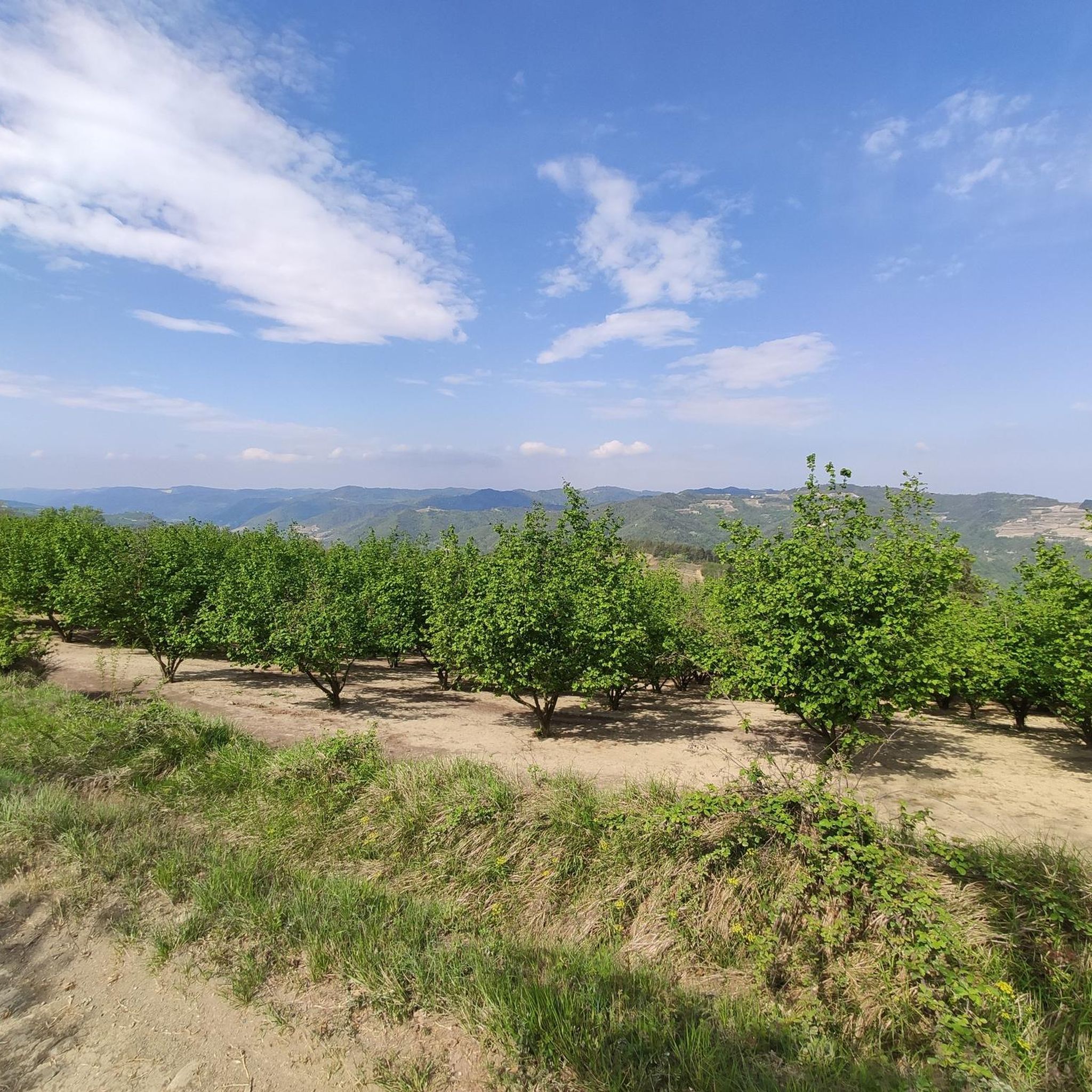
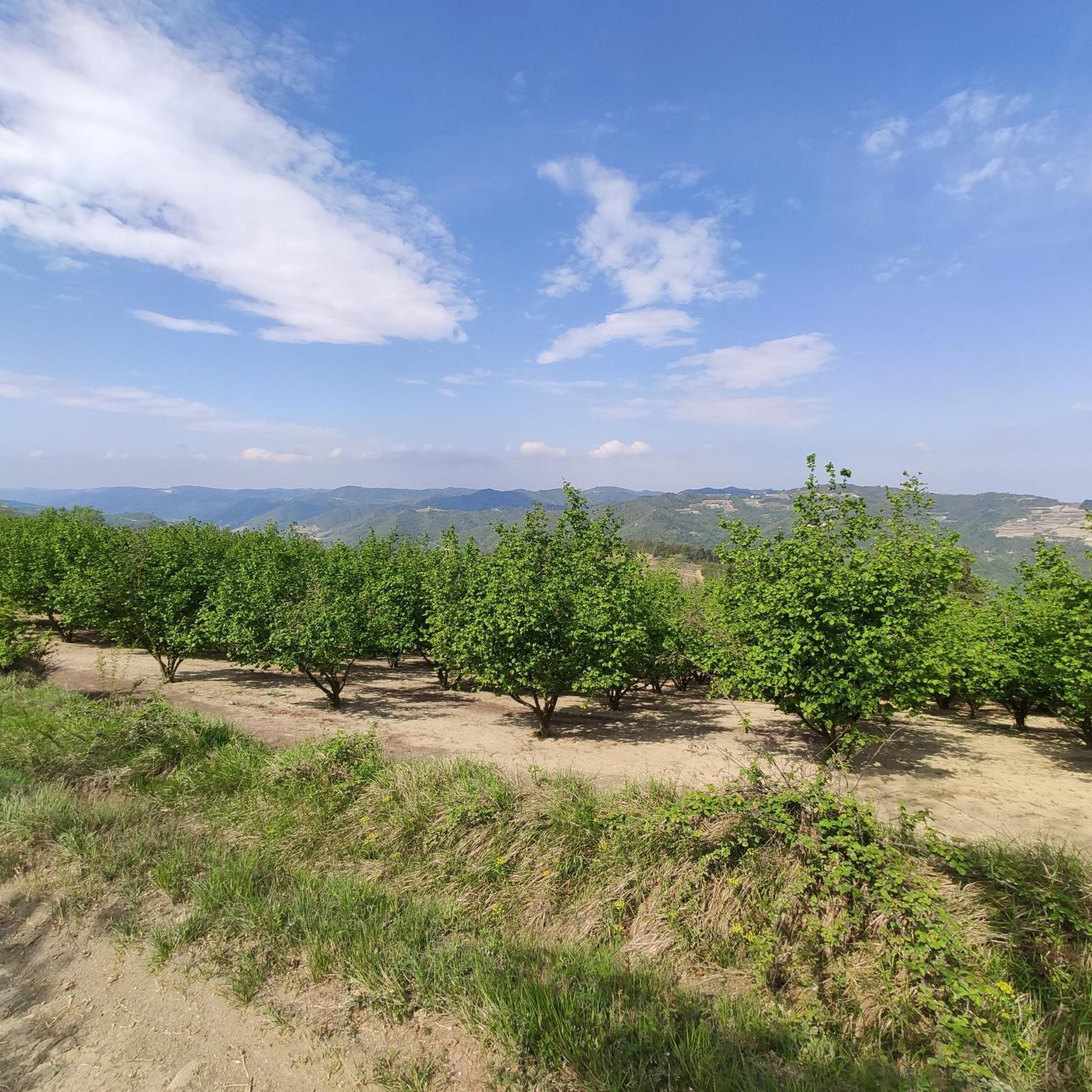
Gravel biking around Vesime is characterized by rolling hills, extensive hazelnut groves, and vineyards. The region, situated between the River Bormida and the high Langa hills, features a network of unpaved roads and single-track paths. Cyclists can explore trails winding through ancient rocky outcrops, dense woods, and vast vineyards, offering diverse terrain for gravel biking.
Best gravel bike trails around Vesime
- The most popular gravel bike trail is Roccaverano – Monastero Bormida loop from Monastero Bormida, a 17.9 miles…
Last updated: July 2, 2026
3
riders
29.1km
02:27
790m
790m
Hard gravel ride. Very good fitness required. Mostly paved surfaces. Suitable for all skill levels.
3
riders
36.7km
03:00
1,100m
1,100m
Hard gravel ride. Very good fitness required. Mostly paved surfaces. Suitable for all skill levels.

Sign up for free
3.7
(3)
12
riders
50.9km
03:52
1,310m
1,310m
Hard gravel ride. Very good fitness required. Mostly paved surfaces. Suitable for all skill levels.
3.0
(1)
2
riders
Moderate gravel ride. Good fitness required. Mostly paved surfaces. Suitable for all skill levels.
4.0
(4)
2
riders
30.7km
02:08
530m
530m
Hard gravel ride. Very good fitness required. Mostly paved surfaces. Suitable for all skill levels.
Get access to more routes and recommendations from other explorers.
Sign up for free
Already have an account?
Our route recommendations are based on thousands of hikes, rides, and runs completed by other people on komoot.
Start today with a free account
Your next adventure awaits.
Login or Signup
Tips from the Community

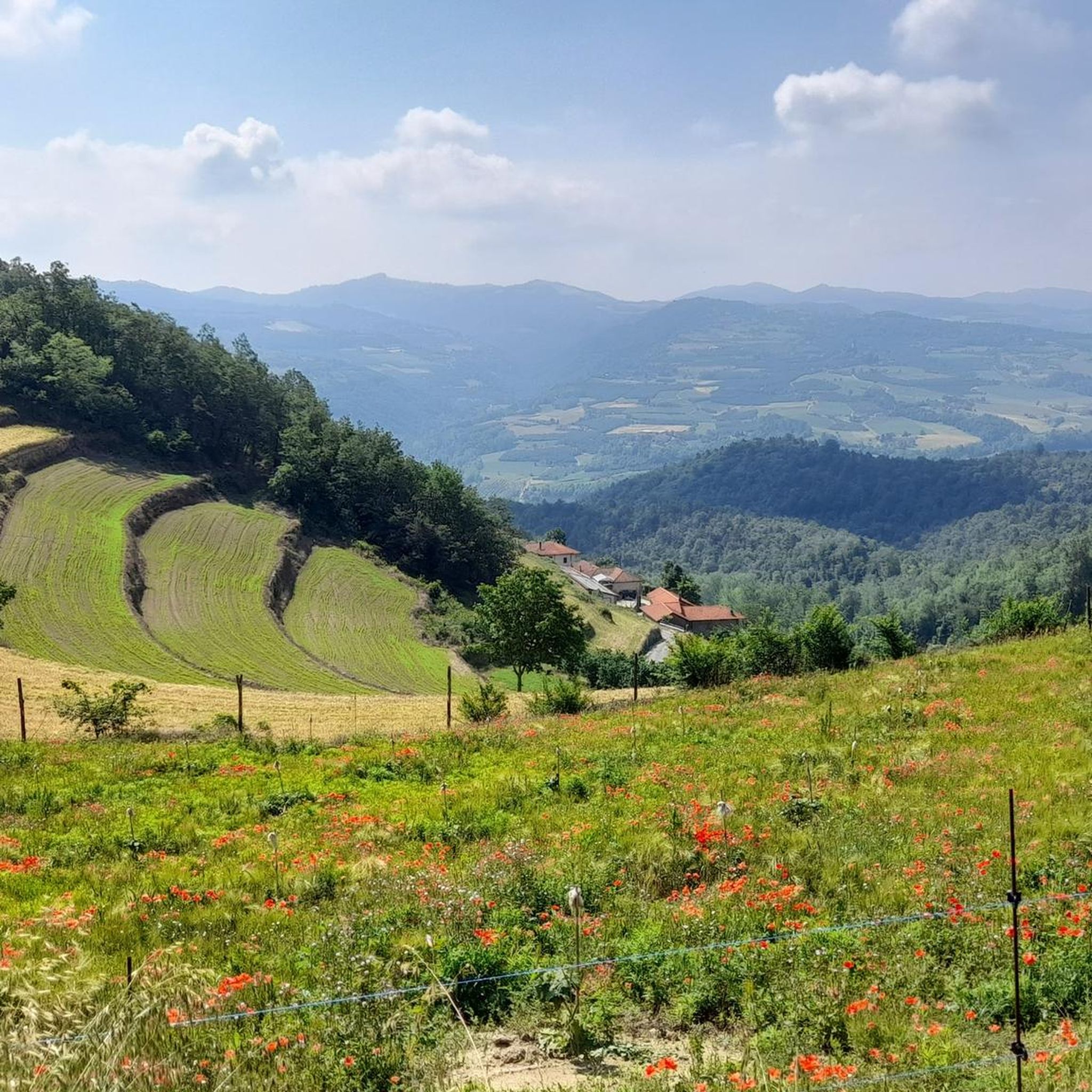
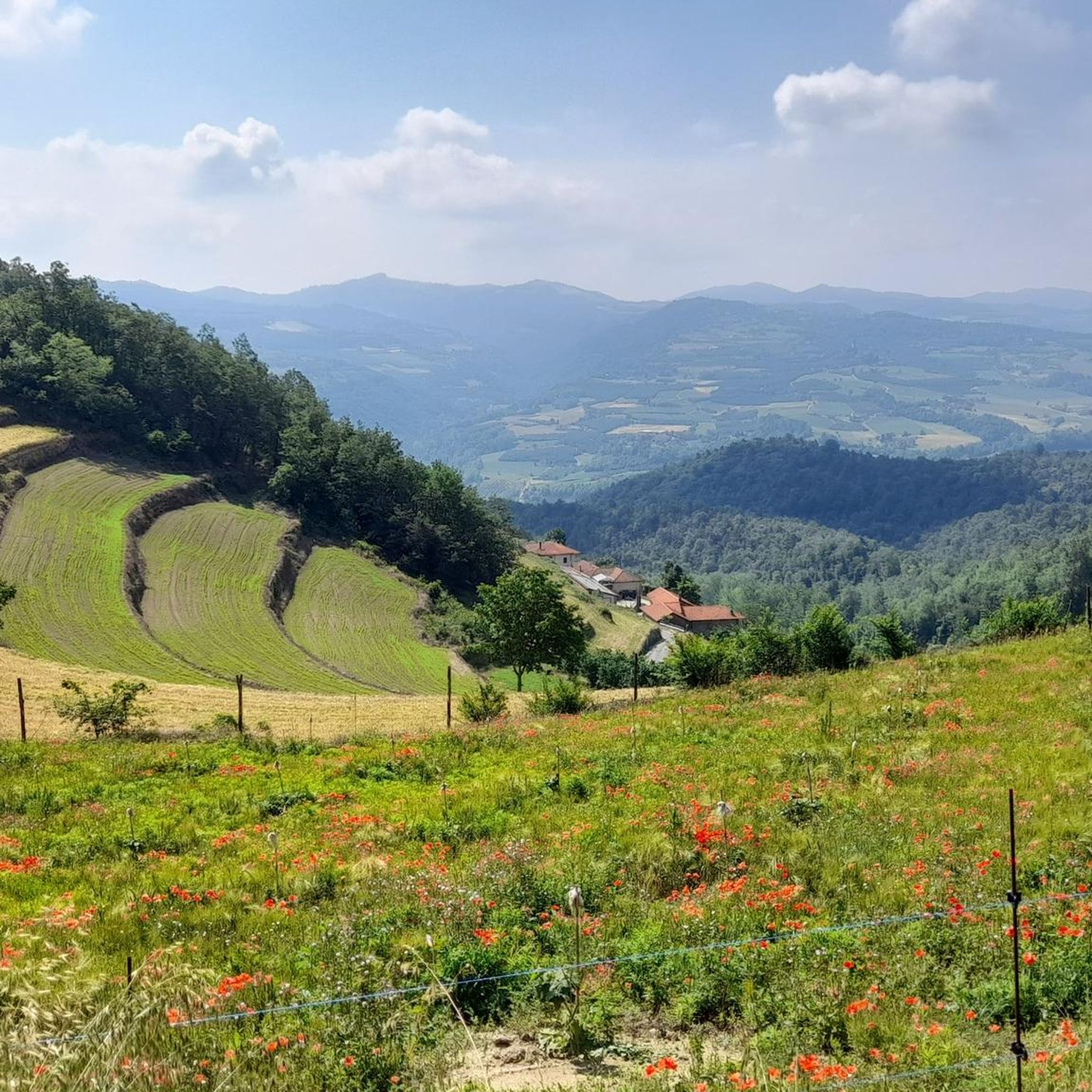
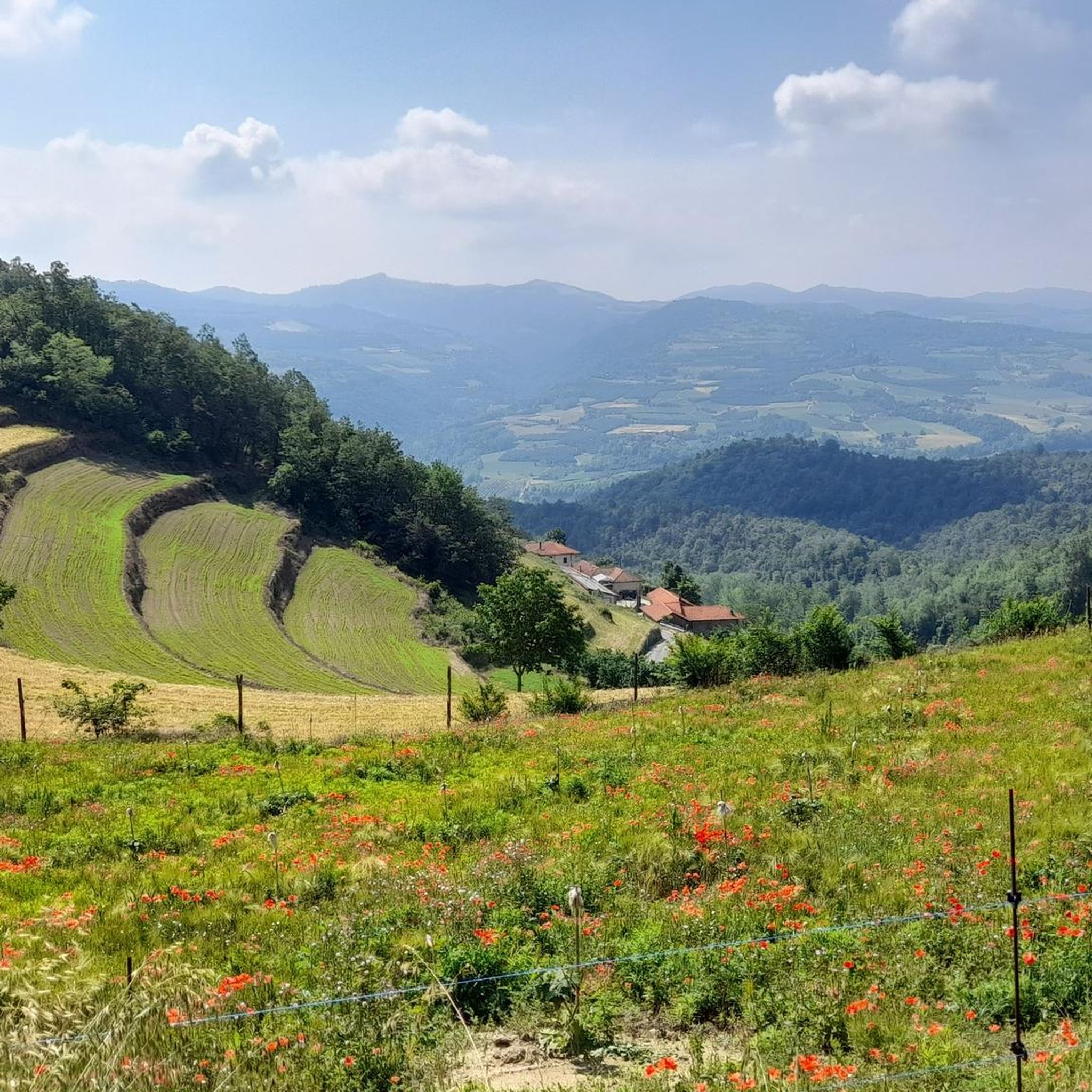
Little-trafficked road with a beautiful panorama.
14
0
The phrase “The door of care is of abundance” is not a very common Italian proverb, so it can be interpreted metaphorically or spiritually.
0
0

In the ancient gateway of "puntet", where the village walls once stood and the market square opened, there is a rather unusual work: the "Bunt Topatoo ak Khéwuel" gate, created in 2021 by the artist Adinkra. The name means "the gate of care and abundance". The gate incorporates two symbols from the West African Adinkra tradition: the cola nut (representing power, wealth, and trade, in relation to the Salt Road that passed right through here) and the Aban, which depicts a castle or fortress and evokes protection and security. It is an intervention that may surprise in a medieval Piedmontese village, but it has its own logic: the artist wanted to reconnect Monastero Bormida to its past as a commercial crossroads along the Salt Road, using a visual language different from what we are used to in these hills.
0
0
The Castle of Monastero Bormida was not originally built as a defensive structure but as a Benedictine monastery, founded around 1050 by monks from the Abbey of Fruttuaria, called by the Aleramici Marquises to reclaim the lands devastated by Saracen raids. The 27-meter tower still visible today was originally the bell tower, and the river flowing a few meters from the southern tower confirms the non-military nature of the building. In 1393, the Benedictines abandoned the monastery, and its feudal history began: the fief passed to the Del Carretto marquises, who in the 15th century added the first defensive structures, transforming it into a castle. The building is a quadrangular structure with an internal courtyard, protected by towers on multiple sides and connected to the former bell tower by a small suspension bridge. On the south facade, there is a two-arched Renaissance loggia with a small stone column. Inside, the rooms on the main floor—transformed in the 17th century—feature mosaic floors and sail and cross vaults with frescoes of floral and geometric motifs. The castle later passed to the Della Rovere family and subsequently to the Genoese Polleri family, finally becoming the property of the Municipality starting in 1880. Today it is open to visitors and is part of the regional circuit "Castelli Aperti".
0
0
Rocchetta Palafea, in the province of Asti, is an ancient medieval village founded as a military garrison in the Belbo Valley, with documented origins dating back to around 960. Dominated by its characteristic quadrangular tower and surrounded by ancient walls, the town was an Aleramic fiefdom and then a Genoese one, preserving a historic atmosphere linked to its past as a fortress.
3
0
Ecclesiastical building kept in perfect condition
11
0
Truly a delightful little village.
11
0
The ROMANESQUE BRIDGE dates back to the 14th century. Through the characteristic Vicolo del Droc—where one of the city gates once stood and where the entrance to an ancient oven can still be seen—you reach the Romanesque bridge over the Bormida River, still in use. It represents one of the most interesting works of medieval civil engineering in the valley, and its counterpart, in Spigno, is the similar bridge at the Abbey of San Quintino. Both were built by Benedictine monks. It is a massive humpbacked structure with four spans. The Monastero bridge was the only one passable year-round from the lower valley: Acqui did not have one.
16
0
Frequently Asked Questions
What kind of terrain can I expect on gravel bike trails around Vesime?
The gravel bike trails around Vesime are characterized by rolling hills, extensive hazelnut groves, and vineyards. You'll find a network of unpaved roads and single-track paths winding through ancient rocky outcrops, dense woods, and vast vineyards, offering a diverse and visually rich backdrop for your rides. The region's topography, nestled between the River Bormida and the high Langa hills, provides an ideal environment for gravel biking.
Are there any easy or beginner-friendly gravel bike trails in Vesime?
While Vesime is known for its challenging routes, all 12 of the gravel bike trails listed in this guide are rated as 'difficult'. These routes often feature significant elevation gains and varied terrain, making them more suitable for experienced gravel bikers. For example, the Drinking Fountain with Fresh Water – Lequio Berria loop from Manera, while shorter at 21.9 km, still presents a difficult grade with over 460 meters of elevation gain.
What are some scenic points or attractions I can see along the gravel bike routes?
Many routes offer stunning views of the UNESCO World Heritage-recognized Langhe, Roero, and Monferrato areas. You can integrate cultural and historical exploration into your rides. For instance, the Roccaverano – Tower of Roccaverano loop from Castino leads past historical points. Other notable attractions in the broader area include the charming settlement of Monastero Bormida with its castle, and the historic town of Cortemilia, known for its hazelnut production.
What is the best time of year for gravel biking in Vesime?
The Piedmont region, including Vesime, generally offers excellent conditions for gravel biking during spring and autumn. These seasons provide pleasant temperatures, vibrant landscapes with blooming vineyards or rich autumn colors, and typically less extreme weather than summer or winter. Always check the local weather forecast before heading out.
Are there any loop trails for gravel biking around Vesime?
Yes, many of the gravel bike trails around Vesime are designed as loops, allowing you to start and end at the same point. Examples include the challenging Roccaverano – Monastero Bormida loop from Monastero Bormida (28.9 km) and the longer Roccaverano – Monastero Bormida loop from Perletto (36.7 km). These loops offer varied terrain and scenic views.
What do other gravel bikers enjoy most about gravel biking in Vesime?
The gravel biking experience in Vesime is highly rated by the komoot community, with an average score of 4.38 stars from over 10 reviews. Many visitors praise the breathtaking landscapes, the extensive network of dirt roads winding through hills and valleys, and the challenging ascents that define the region. The diverse terrain, from vineyards to dense woods, is also a frequently highlighted aspect.
Are there any routes that pass by significant climbs or historical markers?
Yes, the region offers routes that include significant climbs and historical points. For instance, the Roccaverano – Tower of Roccaverano loop from Castino (50.6 km) leads through vineyards and past historical sites. Additionally, the broader area is home to 'The Champions' Climb 'Marco Pantani'', a demanding 6.8 km ascent, which can be incorporated into longer, challenging rides.
Can I find places to eat or drink along the gravel bike trails?
While specific cafes directly on every trail are not guaranteed, the region around Vesime is dotted with charming villages and towns like Monastero Bormida and Cortemilia. These settlements often have local cafes, restaurants, and agriturismos where you can refuel and experience local Piedmontese cuisine. Planning your route to pass through these towns is recommended for refreshment stops.
How many gravel bike trails are available in the Vesime area?
There are 12 gravel bike trails listed in this guide for the Vesime area. These routes are generally considered difficult, offering varied distances and elevation gains suitable for experienced riders looking for a challenge.
Is public transport available to access gravel biking trails in Vesime?
Vesime is a rural area in Piedmont, and while local bus services connect some towns, direct public transport access to specific trailheads might be limited. It's often more convenient to arrive by car, especially if you're bringing your own bike. However, some routes might be accessible from larger towns with better public transport links, requiring a short ride to the starting point.
Are there any particularly long or challenging gravel bike routes for advanced riders?
Absolutely. For advanced riders seeking a significant challenge, the Bossolasco Bicycle Sculptures – Alta Langa loop from Benevello stands out. This route covers an impressive 81.3 km with over 1140 meters of elevation gain, offering an extensive and demanding ride through the Alta Langa hills. All routes in this guide are rated as 'difficult', catering to experienced gravel bikers.
Most popular attractions around Vesime

Get inspired with the komoot mobile app


Explore more
Browse the best Gravel rides in other regions.
