The best gravel rides around Masate
4.3
(340)
2,576
riders
88
rides
Gravel biking around Masate, located in Lombardy near Milan, offers diverse terrain within the Po Valley. The region is characterized by a rich network of natural rivers and artificial canals, including the historic Martesana Canal and the Adda River. This area serves as a transition zone, providing both flat routes along waterways and initial elevations leading towards the Bergamo Hills. The gravel bike trails near Masate feature a mix of paved surfaces, dirt roads, and dedicated cycle paths.
Best gravel…
Last updated: October 6, 2026
4.6
(12)
84
riders
67.3km
04:21
150m
150m
Moderate gravel ride. Good fitness required. Mostly paved surfaces. Suitable for all skill levels.
4.4
(25)
171
riders
Moderate gravel ride. Good fitness required. Mostly paved surfaces. Suitable for all skill levels.

4.5
(13)
82
riders
60.6km
03:42
140m
140m
Moderate gravel ride. Good fitness required. Mostly paved surfaces. Suitable for all skill levels.
4.1
(15)
115
riders
47.1km
02:38
250m
250m
Moderate gravel ride. Good fitness required. Mostly paved surfaces. Suitable for all skill levels.
5.0
(2)
40
riders
Hard gravel ride. Very good fitness required. Mostly paved surfaces. Suitable for all skill levels.
Get access to more routes and recommendations from other explorers.
Already have an account?
Our route recommendations are based on thousands of hikes, rides, and runs completed by other people on komoot.
Start today with a free account
Your next adventure awaits.
Tips from the Community

Trails and single tracks on the way there, immersed in nature.
0
0

proceed with caution and possibly on foot
0
0

The Muzza Canal, also known as Canale della Muzza, originates near the Castello di Cassano d’Adda, where it draws water from the Adda river. After a course of about 39 km, it flows back into the Adda near Castiglione. Considered an important hydraulic engineering work at a European level, the Muzza Canal is among the oldest in Europe, with about 800 years of history, and is the largest in Northern Italy. Crossing the landscapes of the Po Valley, the canal contributes to the irrigation of the surrounding lands of the Lodi area and preserves precious patches of woodland vegetation, which characterize the Lombard territory. An ideal place to explore the beauty of nature and discover the agricultural history of the region!
1
0

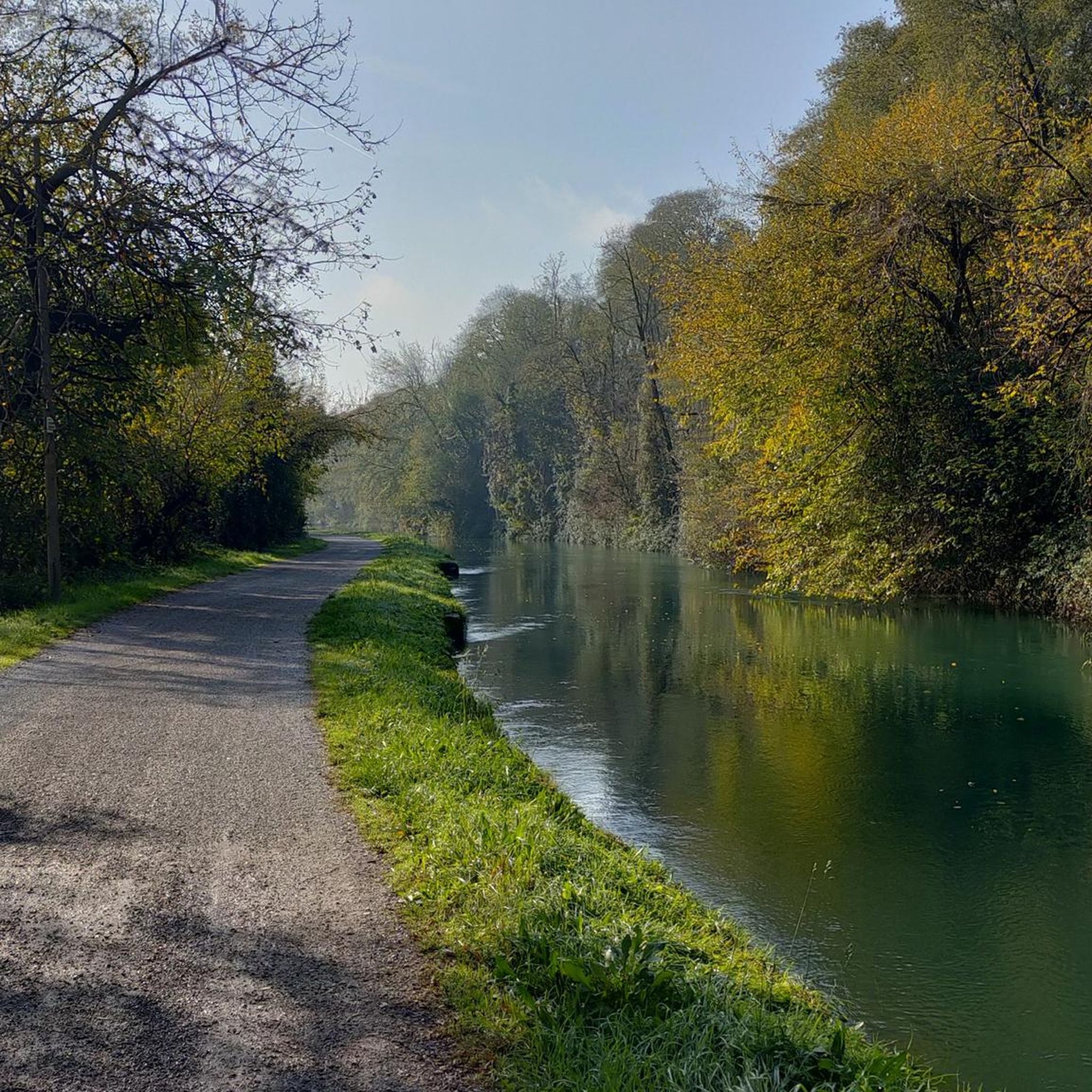
The section of the Naviglio Martesana cycle path between Bellinzago Lombardo and Inzago is a flat, entirely asphalted stretch without technical difficulties, ideal for cycle tourists of all levels. This specific rural fragment runs for about 3-4 kilometers along the Martesana canal in a protected area.
2
0

Any trail that winds through its vicinity is wonderful, a shame about the interruption between Zelo and Galgagnano of the path due to the hunting area, incidentally a beautiful place part of the ADDA sud Park but inexplicably in the hands of one or more private individuals who have made it their "hunting park" by fencing it all in. I happened to get inside by mistake, finding one of the numerous open gates and could no longer get out, finding the others closed, receiving a couple of shots in the air behind my back to make me understand that I was not welcome! A real shame because it interrupts the descent from Zelo towards Lodi along the Adda. Beyond the "hunting park" I believe that the passage along the river (state-owned area!!) SHOULD always be guaranteed without any ifs or buts!
2
0
The Idroscalo of Milan is a large artificial lake and public park located between the municipalities of Segrate and Peschiera Borromeo, historically known as the "sea of Milan". Born at the end of the 1920s as a seaplane base, it was later converted into a sports and recreational center. Today it represents one of the main green and leisure areas of the Metropolitan City of Milan.
2
0
The Idroscalo of Milan is a large artificial lake and public park located between the municipalities of Segrate and Peschiera Borromeo, historically known as the "sea of Milan". Born in the late 1920s as a seaplane base, it was later converted into a sports and recreational center. Today it represents one of the main green areas and leisure spaces of the Metropolitan City of Milan.
3
0
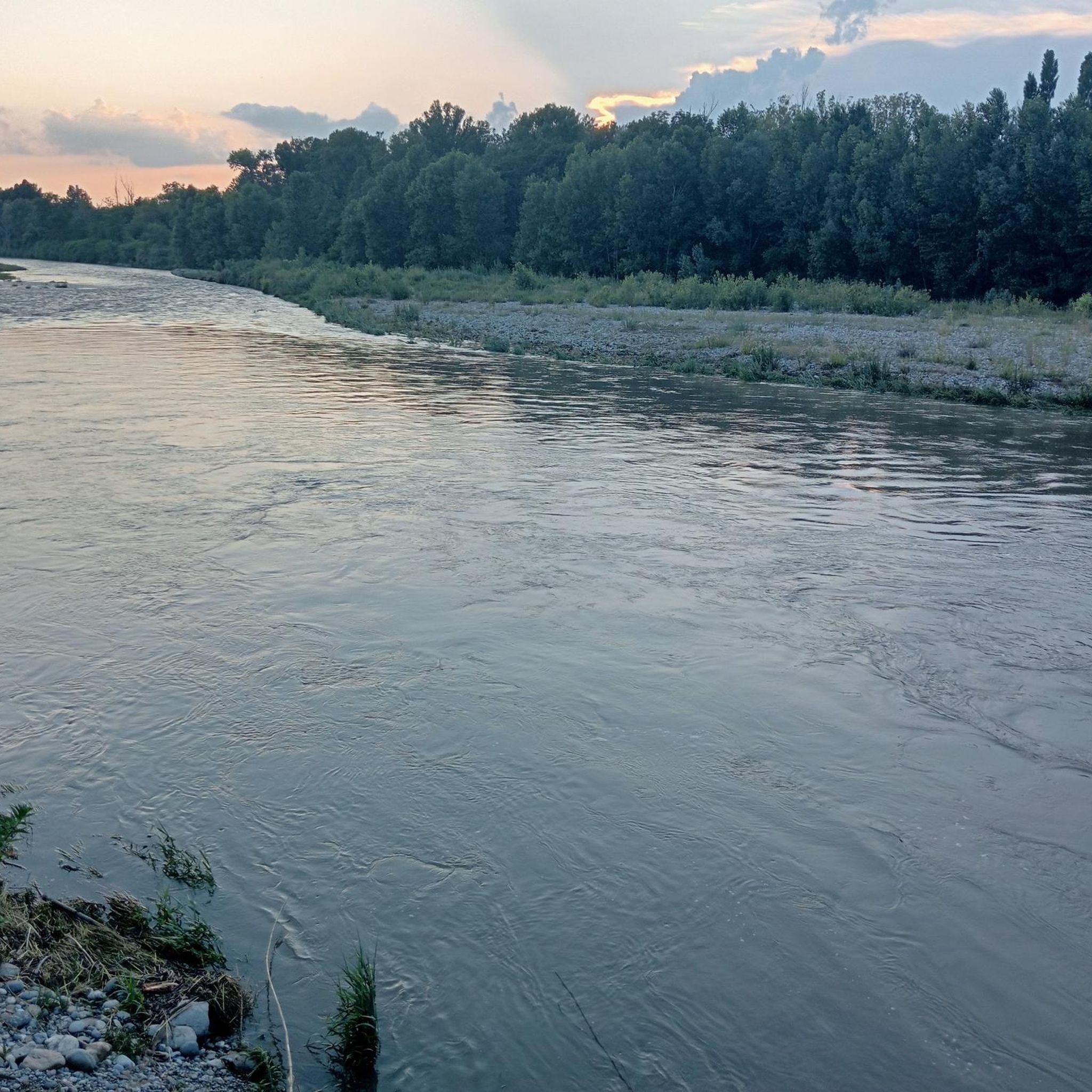
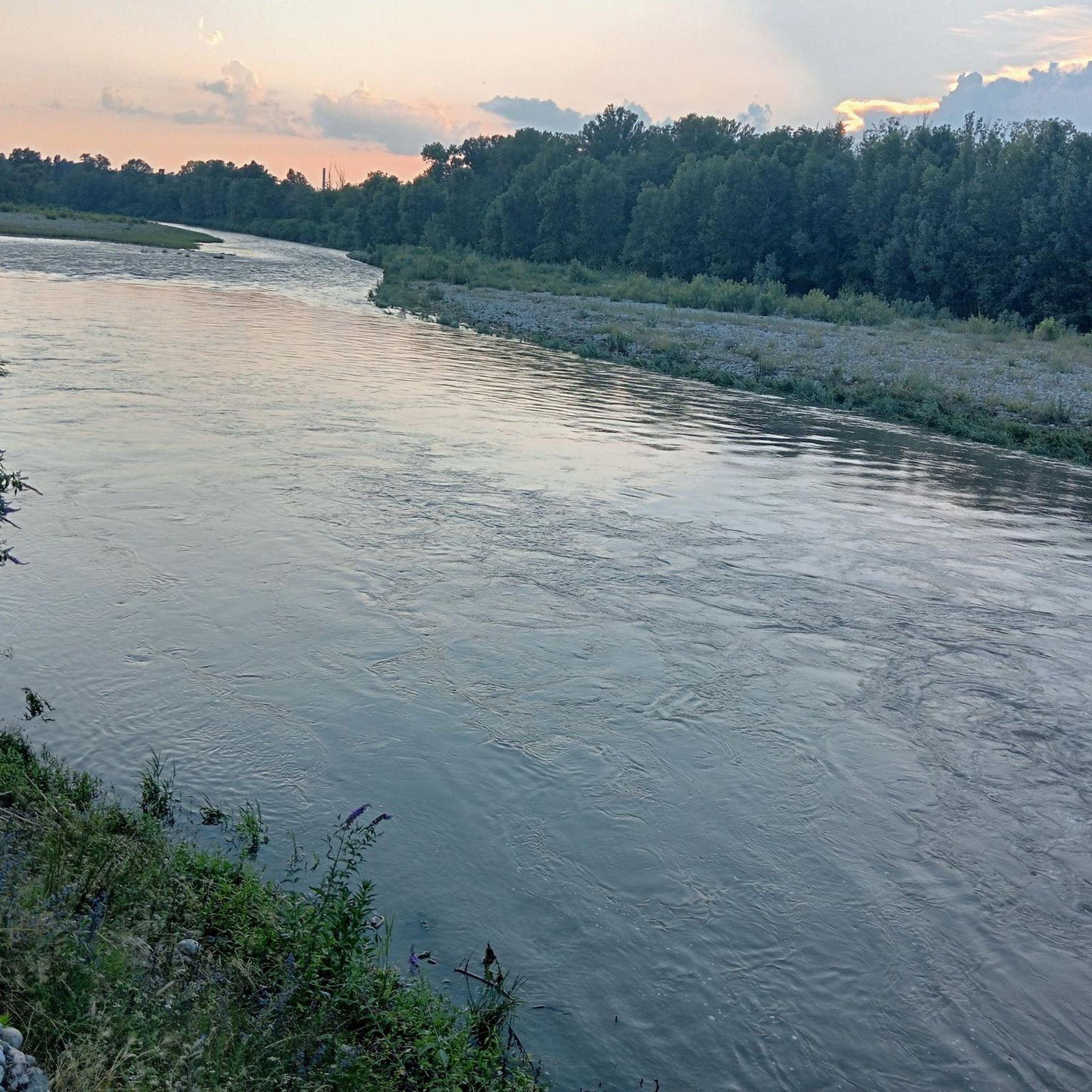
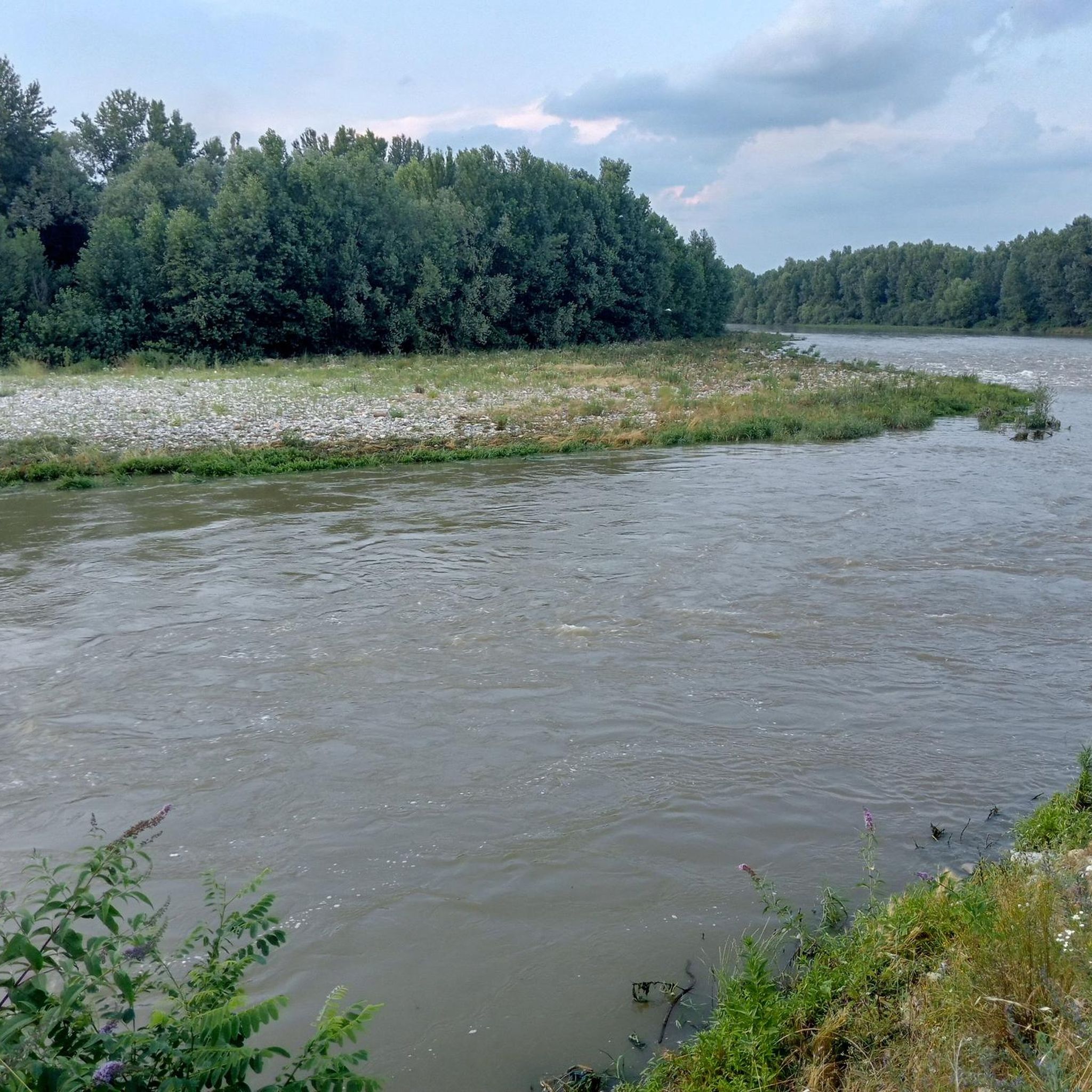
The Adda River is the fourth longest watercourse in Italy with its 313 kilometers and is entirely within the Lombardy region. It represents one of the main left tributaries of the Po River and has a very large hydrographic basin that covers about a third of the regional territory
1
0
Frequently Asked Questions
How many gravel bike trails are available around Masate?
There are over 100 gravel bike trails around Masate, offering a wide variety of routes for different preferences and fitness levels. The komoot community has explored more than 2,200 of these routes.
What kind of terrain can I expect on gravel bike trails near Masate?
The terrain around Masate is quite varied, reflecting its location in the Po Valley and its transition towards the Bergamo Hills. You'll find a mix of paved surfaces, dedicated cycle paths, and dirt roads, often running alongside historic canals like the Martesana and rivers such as the Adda. This blend provides both flat, scenic sections and more challenging routes with elevation changes.
Are there gravel biking options for different fitness levels in Masate?
Yes, Masate offers gravel bike trails for all fitness levels. You can find 22 easy routes, 48 moderate routes, and 38 difficult routes. For example, the Martesana Canal – Groppello Water Wheel loop from Trecella is a moderate ride, while the View of the Bergamo Hills – Astino Monastery loop from Trecella is considered difficult due to its length and elevation.
What natural features and landmarks can I see along the gravel bike trails in Masate?
Many gravel routes follow the region's extensive network of waterways, including the historic Martesana Canal and the Adda River. Along these paths, you can encounter features like the impressive Rudun Water Wheel (also known as the Groppello Water Wheel). The area also offers views towards the Bergamo Hills. For specific natural highlights, consider visiting Le Foppe Oasis of Cavenago Brianza or the Salto del Gatto Pond with Swans.
Are there any historical sites to explore on a gravel bike ride near Masate?
Absolutely. The region is rich in history, particularly along the canals. You can cycle past the historic Martesana Canal itself, which dates back centuries. Other notable historical sites include the Taccani Hydroelectric Power Plant and Trezzo Castle Tower, and the impressive Visconti Castle of Cassano d'Adda. You might also encounter other castles like Castello di Marne or Castello di Bellusco.
Are there scenic loop routes for gravel biking around Masate?
Yes, many of the gravel routes around Masate are designed as loops, allowing you to start and end in the same location. Popular scenic loops include the Martesana Canal – Groppello Water Wheel loop from Trecella, which offers picturesque views along the canal, and the Adda River – Vacchelli Canal entrance loop from Gessate, exploring the river and canal areas.
What do other gravel bikers enjoy most about gravel biking in Masate?
The area is highly rated by the komoot community, with an average score of 4.5 stars from over 200 reviews. Reviewers often praise the diverse terrain, the beautiful canal-side paths, and the opportunity to combine natural scenery with historical points of interest. The variety of routes catering to different skill levels is also frequently highlighted.
Are there any family-friendly gravel bike trails near Masate?
While specific 'family-friendly' designations aren't always explicit, the numerous easy and moderate routes along the canals and rivers often provide gentler terrain suitable for families. These paths are typically flatter and offer scenic, less traffic-intensive environments. Look for routes with lower elevation gain and shorter distances for a more relaxed family outing.
Can I bring my dog on gravel bike trails around Masate?
Many of the paths along canals and rivers are accessible for cyclists with dogs, especially if they are well-behaved and kept on a leash. However, it's always advisable to check local regulations or specific route details on komoot for any restrictions, particularly in nature reserves or private lands. Ensure your dog is comfortable with the distance and terrain.
Where can I find parking for gravel biking in Masate?
Masate and its surrounding towns, such as Trecella, Gessate, and Canonica d'Adda, often have public parking areas available near popular starting points for trails. These are typically found close to town centers or access points to the canal and river paths. It's recommended to check specific starting points on komoot routes for detailed parking information.
Are there cafes, pubs, or accommodation options near the gravel bike routes?
Yes, the towns and villages along the gravel bike routes, such as Masate, Gorgonzola, Cassano d'Adda, and Trecella, offer various amenities. You'll find cafes for a quick coffee, pubs for refreshments, and a range of accommodation options from B&Bs to hotels, especially in the larger towns. These are great spots to refuel or relax after a ride.
What is the best season for gravel biking around Masate?
Spring and autumn generally offer the most pleasant conditions for gravel biking around Masate, with mild temperatures and beautiful scenery. Summer can be warm, especially in the Po Valley, so early morning or late afternoon rides are preferable. Winter rides are possible, but be prepared for cooler temperatures and potentially muddy sections on unpaved trails, especially after rain.
Most popular attractions around Masate

Get inspired with the komoot mobile app


Explore more
Browse the best Gravel rides in other regions.
